At six months, the infant’s diet should still be primarily breast milk or formula, with solid foods introduced gradually. The AAP does not recommend any plant‑based milks, including oat milk, for babies under 12 months. If a caregiver is considering a “taste test,” the safest approach is to limit it to a single teaspoon mixed into a puree, solely to gauge flavor tolerance—not nutrition.
Even that minimal exposure should be monitored closely for any signs of intolerance—such as increased gassiness, diaper rash, or vomiting. If the baby shows any discomfort, discontinue immediately and consult a pediatrician. The FDA’s guidance on infant formula emphasizes that any deviation from recommended feeding patterns should be discussed with a health professional.
What to do if you’ve already given oat milk
- Observe for 24 hours for any changes in stool consistency, skin irritation, or feeding patterns.
- Offer extra breast milk or formula to ensure adequate calories and nutrients.
- Contact your pediatrician if you notice persistent vomiting, diarrhea, or a rash.
Most pediatricians will reassure parents that a single teaspoon is unlikely to cause lasting harm, but they will also advise close observation and a return to the standard feeding schedule.
Is oat milk a good alternative to cow's milk for toddlers with dairy intolerance?
For toddlers older than 12 months who can’t tolerate cow’s milk due to lactose intolerance or a cow’s milk protein allergy, oat milk can be a reasonable alternative—provided it’s fortified and part of a balanced diet. The AAP notes that fortified soy milk is the most nutritionally comparable plant milk, but oat milk is a viable option when soy is not preferred.
Key factors to consider:
- Calcium: Fortified oat milk typically contains 300–350 mg of calcium per cup, similar to cow’s milk (300 mg). However, the bioavailability of calcium from fortified sources can differ.
- Protein: Oat milk offers about 2–3 g per cup versus 8 g in cow’s milk. Pair it with protein‑rich foods such as beans, eggs, or meat to meet daily needs.
- Vitamin D: Most commercial oat milks are fortified with 2.5 µg (100 IU) vitamin D per cup, aligning with pediatric recommendations.
For toddlers with a confirmed dairy allergy, it’s essential to have an allergist confirm that oat milk is safe, as cross‑reactivity with other grains can occasionally occur. The American College of Allergy, Asthma & Immunology (ACAAI) recommends a supervised oral food challenge when introducing new grain‑based milks to an allergic child.
What are the nutritional differences between oat milk and breast milk for infants?
Breast milk is uniquely tailored to an infant’s needs, containing a balance of proteins, fats, carbohydrates, antibodies, and hormones that no plant‑based milk can fully replicate. Below is a concise comparison:
*Fortified calcium is added during processing; natural calcium in oats is minimal.
While oat milk can supply calcium and vitamin D through fortification, it lacks the immune‑boosting antibodies and essential fatty acids like DHA that are present in breast milk. Therefore, oat milk should never replace breast milk or formula before age 12 months, and even after that, it should be an addition, not a substitute.
Can oat milk cause allergies in babies and how to recognize symptoms?
Allergies to oat milk are relatively rare but not impossible. Oats contain avenin, a protein that can trigger an immune response in a small subset of individuals, especially those with existing grain sensitivities.
Typical allergy symptoms in infants and toddlers include:
- Skin: hives, eczema flare‑ups, or redness around the mouth.
- Gastrointestinal: vomiting, diarrhea, or excessive gas.
- Respiratory: wheezing, coughing, or nasal congestion.
- General: irritability, unusual fussiness, or a sudden drop in appetite.
If any of these appear within 30 minutes to a few hours after introducing oat milk, stop feeding it and contact your pediatrician. An allergist may perform a skin prick test or specific IgE blood test to confirm sensitivity.
Testing for oat milk sensitivity safely
- Start with a tiny “taste”—about 1 mL—mixed into a familiar puree.
- Observe the child for 2–3 hours, noting any skin or digestive changes.
- If no reaction, repeat the exposure on a separate day, gradually increasing to a full sip.
- Document any symptoms and discuss them with your healthcare provider.
How to choose the best unsweetened oat milk for babies?
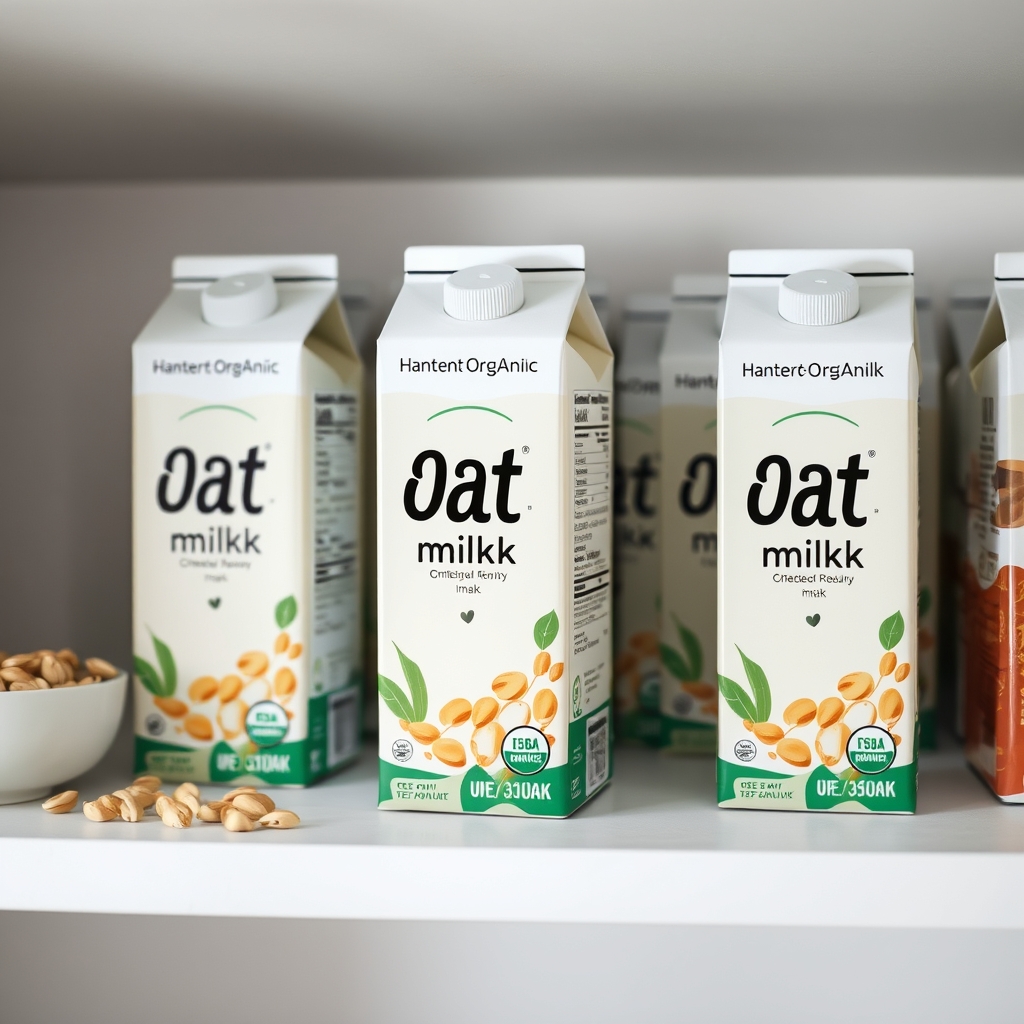
When shopping for oat milk for a toddler (or for a baby > 12 months), look for these key attributes:
- Unsweetened: Added sugars can contribute to early tooth decay and unnecessary calories.
- Fortified with calcium and vitamin D: Aim for at least 300 mg calcium and 2.5 µg vitamin D per cup, matching cow’s milk standards.
- Organic certification: Reduces exposure to pesticide residues, which is a concern for young children.
- No added carrageenan or gums: Some additives can cause gastrointestinal upset in sensitive infants.
- Short ingredient list: Ideally just water, oats, and fortifiers.
Brands that meet these criteria in 2026 include Oatly Organic Barista Edition (unsweetened), Pacific Foods Organic Oat Milk, and Elmhurst Unsweetened Oat Milk. Always read the nutrition label carefully, as formulations can change year to year.
Oat milk vs. soy milk for babies: which is healthier?
Both oat and soy milks are popular plant‑based options, but they differ in protein content, allergen potential, and overall nutrient profile.
For toddlers with a soy allergy, oat milk is a safer choice. Conversely, if protein is a priority, soy milk supplies more, making it a better match for children who need extra protein. The AAP emphasizes that any plant milk given to children over 12 months should be fortified and unsweetened.
Homemade oat milk recipes safe for babies: step‑by‑step guide
Making oat milk at home can be economical and free of unwanted additives, but you must follow strict hygiene and preparation steps to keep it baby‑friendly.
Ingredients
- 1 cup rolled oats (organic, gluten‑free if needed)
- 4 cups filtered water
- A pinch of calcium‑rich mineral powder (optional, e.g., calcium carbonate)
- Vitamin D drops (as recommended by your pediatrician)
Procedure
- Rinse the oats thoroughly under cool running water to remove excess starch.
- Combine oats and water in a blender; blend on low for 30 seconds. Over‑blending can release more mucilage, making the milk slimy.
- Strain the mixture through a fine‑mesh cheesecloth or nut‑milk bag into a clean container. Avoid using paper towels, which can leach fibers.
- If fortifying, stir in the calcium powder and vitamin D drops until fully dissolved.
- Transfer to a sterilized glass bottle, label with the date, and refrigerate. Use within 48 hours.
- Warm gently (no hotter than body temperature) before serving. Do not microwave, as uneven heating can create hot spots.
Start by offering ¼ cup of this homemade oat milk mixed into a fruit puree or oatmeal. Watch for any allergic reaction before increasing the portion.
Additional considerations: organic oat milk, calcium content, reflux, and more
Beyond the primary questions, many parents wonder about specific scenarios such as using organic oat milk, calcium adequacy, or whether oat milk can soothe reflux.
- Organic oat milk for infants benefits: Reduces pesticide exposure and often contains fewer additives. However, organic status does not guarantee higher nutrient levels; fortification remains key.
- Calcium content compared to cow’s milk: Fortified oat milk typically matches cow’s milk at ~300 mg per cup, but the calcium’s bioavailability can be lower because it’s added rather than naturally occurring.
- Best oat milk brands for babies 2026: Oatly Organic Barista (unsweetened), Pacific Foods Organic Oat, Elmhurst Unsweetened, and Good Karma Unsweetened Oat (which also adds extra calcium).
- Oat milk for babies with reflux: Some parents report that the thicker texture of oat milk can coat the stomach lining, reducing spitting up. Scientific evidence is limited; consult a gastroenterologist if reflux is severe.
- Introducing oat milk to a 9‑month‑old: Not recommended. At 9 months, solid foods are still being introduced, and breast milk or formula should remain the primary source.
- Oat milk nutritional profile for babies: Low protein, moderate carbohydrates, added calcium and vitamin D, modest fiber, and minimal fat unless fortified.
- Is oat milk suitable for newborns? No. Newborns require breast milk or formula for adequate nutrition.
- Oat milk vs. almond milk for babies: Almond milk is lower in protein and calcium (often < 150 mg per cup) and tends to contain more added sugars in flavored varieties, making oat milk the preferable plant option for toddlers.
Oat milk and iron absorption in toddlers
Iron is a critical mineral for cognitive development, and toddlers are especially vulnerable to iron‑deficiency anemia. Oat milk naturally contains a modest amount of iron (≈0.1 mg per cup), but the iron is non‑heme and less readily absorbed than the heme iron found in animal foods.
Fortified oat milks sometimes add iron, yet the absorption can be enhanced when paired with vitamin C‑rich foods such as orange puree or strawberries. The American Academy of Pediatrics recommends offering iron‑rich foods (e.g., pureed meats, lentils) alongside any fortified oat milk to maximize uptake.
For children with documented iron deficiency, your pediatrician may suggest a separate iron supplement rather than relying on oat milk alone. This approach aligns with FDA guidelines on pediatric iron supplementation.
How oat milk fits into a balanced toddler diet
A balanced toddler diet includes a variety of food groups: fruits, vegetables, grains, protein sources, and dairy or fortified alternatives. Oat milk can serve as a convenient way to add calcium and vitamin D, especially for families avoiding dairy.
When incorporating oat milk, aim for the following daily pattern (based on USDA MyPlate for toddlers):
- 1 cup of fortified oat milk (or equivalent dairy)
- 2–3 servings of protein foods (e.g., beans, eggs, poultry)
- 3–4 servings of vegetables and fruits
- 3–4 servings of whole grains (oatmeal, bread, pasta)
- Limited added sugars and sodium
Because oat milk is lower in protein, you may need to emphasize other protein‑rich meals throughout the day. Pairing oat milk with a peanut‑butter‑banana toast, for example, can help meet both calcium and protein targets.
Storing and handling oat milk safely
Even though commercially fortified oat milk is pasteurized, proper storage is still essential to prevent bacterial growth, especially in a household with a young child.
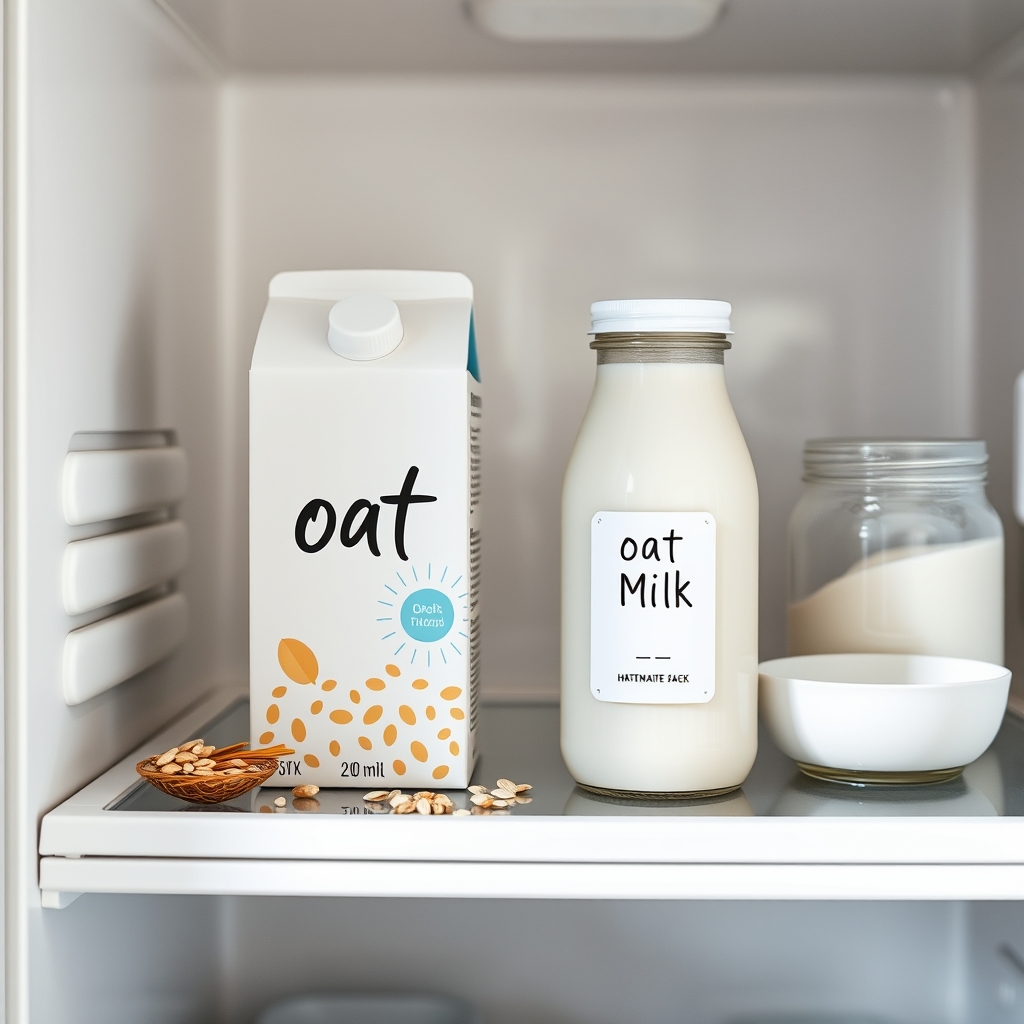
- Refrigeration: Keep unopened cartons in the refrigerator at ≤ 4 °C (40 °F). Once opened, consume within 7 days, as recommended by the FDA.
- Freezing: Some families freeze oat milk for later use. Thaw in the refrigerator, then shake well to recombine any separated fats before serving.
- Temperature checks: Always test the milk’s temperature on the inside of your wrist before giving it to a child. It should feel lukewarm, not hot.
- Discard if: The milk smells sour, shows visible mold, or has an off‑color. Even a small amount of spoilage can cause gastrointestinal upset in toddlers.
When you make homemade oat milk, follow stricter timelines: use within 48 hours and store in a sterilized container. Adding a preservative such as a pinch of vitamin C can slightly extend shelf life, but the safest practice is to treat it like fresh juice.
Oat milk for toddlers with gluten intolerance or celiac disease
Gluten‑free families often wonder whether oat milk is truly safe, especially since oats can be contaminated with wheat during processing. Look for brands that are certified gluten‑free, meaning they’ve undergone rigorous testing to ensure less than 20 ppm of gluten—a level considered safe by the Celiac Disease Foundation.
Even with a gluten‑free label, some children with celiac disease may react to avenin, a protein unique to oats. If your child has celiac disease, introduce oat milk gradually and monitor for any gastrointestinal upset or skin changes. Consulting a pediatric gastroenterologist can help you decide whether a fortified gluten‑free oat milk is appropriate.
Environmental and sustainability considerations of oat milk vs. dairy
Beyond nutrition, many parents consider the environmental impact of their food choices. According to the World Resources Institute, producing a litre of oat milk typically uses 70% less water and generates 80% fewer greenhouse‑gas emissions than a litre of cow’s milk. This lower footprint can be appealing for families aiming to reduce their ecological footprint.
However, sustainability should not outweigh nutritional adequacy. If oat milk is used as a supplement rather than a primary source, the environmental benefits complement a balanced diet without compromising essential nutrients.
How oat milk interacts with iron‑fortified cereals
Iron‑fortified cereals are a common first solid food for toddlers. When oat milk is used as the liquid, the phytic acid naturally present in oats can bind iron and slightly inhibit its absorption. To counteract this, serve the cereal with a squeeze of vitamin C‑rich fruit puree (like orange or strawberry) or offer a separate fruit serving at the same meal.
Research from the Academy of Nutrition and Dietetics suggests that the inhibitory effect is modest and can be mitigated with simple dietary tweaks, making oat milk a practical companion to iron‑rich cereals when paired intelligently.
Myth vs. fact
Myth: Oat milk can replace breast milk for infants under one year.
Fact: The AAP and NHS both advise that infants under 12 months should receive only breast milk or iron‑fortified formula; oat milk lacks essential protein, fat, and immune components.
Myth: All oat milks are naturally calcium‑rich.
Fact: Most commercial oat milks are fortified with calcium; unfortified versions contain only about 20 mg per cup.
Myth: Oat milk is always low‑allergy.
Fact: While rare, oat allergies do exist, especially in children with existing grain sensitivities. Always monitor for symptoms when introducing new foods.
Key takeaways
- Introduce oat milk only after 12 months, and keep portions to ½–¾ cup per day.
- Choose unsweetened, fortified, organic varieties without carrageenan or added gums.
- Oat milk provides calcium and vitamin D comparable to cow’s milk but falls short on protein.
- Allergy risk is low but real; watch for skin, GI, or respiratory reactions.
- For dairy‑intolerant toddlers, oat milk can be a safe alternative, though soy milk offers more protein.
- Homemade oat milk is feasible but must be fortified and consumed within 48 hours.
- Store opened oat milk in the fridge and discard if it smells sour or shows mold.
- Gluten‑free, certified oat milks are safe for most children with celiac disease, but watch for avenin sensitivity.
- Choosing oat milk can reduce water use and greenhouse‑gas emissions compared with dairy.
Frequently asked questions
Can babies drink oat milk?
Babies under 12 months should not drink oat milk as a primary beverage. After their first birthday, a small amount of fortified, unsweetened oat milk can be offered as a supplement.
When can I start giving my baby oat milk?
The safest age to start is 12 months. Begin with a teaspoon mixed into a puree, watch for any reaction, and gradually increase to ½–¾ cup per day if tolerated.
How much oat milk is safe for a toddler?
A toddler (12–24 months) can have up to ½–¾ cup (120–180 mL) of fortified, unsweetened oat milk daily, alongside breast milk or formula and a varied solid‑food diet.
What are the risks of giving oat milk to infants?
Risks include inadequate protein and iron intake, potential calcium bioavailability issues, and rare oat allergies. Over‑reliance on oat milk can also displace essential nutrients from breast milk or formula.
Does oat milk have enough calcium for babies?
Fortified oat milk typically contains about 300 mg of calcium per cup, comparable to cow’s milk. However, because the calcium is added, its absorption may be slightly lower than the natural calcium in dairy.
Is oat milk better than soy milk for babies?
Oat milk is lower in protein but also lower in allergen potential. Soy milk provides more protein but is a top‑8 allergen. The “better” choice depends on your child’s specific nutritional needs and allergy profile.
Can oat milk cause constipation in toddlers?
Because oat milk contains soluble fiber, it usually helps regular bowel movements. However, if a toddler consumes large amounts without adequate water, the fiber can bind water and lead to firmer stools. Offer plenty of fluids and balance oat milk with other high‑water foods like fruit.
Is it okay to mix oat milk with cereal?
Yes. Using oat milk as the liquid for iron‑fortified cereal can boost calcium intake while keeping the meal familiar. Just ensure the cereal is low in added sugars and that the oat milk is unsweetened to avoid excess calories.
Mixing oat milk with formula is not recommended because it can alter the nutrient balance and affect the formula’s intended protein and calorie content. If you need to thin a formula for a picky eater, consult your pediatrician for safe options.
Is flavored oat milk safe for toddlers?
Flavored oat milks often contain added sugars and flavorings that can contribute unnecessary calories and increase the risk of early tooth decay. For toddlers, stick with plain, unsweetened varieties and add natural fruit purees if you want flavor.
When to see a doctor or specialist
If your child shows any of the following after trying oat milk, contact your pediatrician promptly:
- Persistent vomiting or diarrhea
- Skin rash, hives, or eczema flare‑up
- Wheezing, coughing, or nasal congestion
- Sudden change in appetite or excessive fussiness
- Signs of anemia (pale skin, fatigue)
For confirmed or suspected oat allergy, a referral to a pediatric allergist is advisable. If your child has chronic reflux or lactose intolerance, discuss dietary options with a pediatric gastroenterologist.
This article provides general information and is not a substitute for personalized medical advice. Always consult your health care provider before making significant changes to your child’s diet.
References
- American Academy of Pediatrics. “Nutrition: Breastfeeding and the Use of Human Milk.” Policy Statement, 2023.
- National Health Service (NHS). “Milk alternatives for children.” Updated 2024.
- U.S. Department of Agriculture (USDA) FoodData Central. Nutrient profiles for oat milk, soy milk, and cow’s milk.
- Academy of Nutrition and Dietetics. “Plant-Based Milk Alternatives.” Position Paper, 2022.
- World Health Organization (WHO). “Infant and Young Child Feeding.” Guideline, 2021.
- American College of Allergy, Asthma & Immunology (ACAAI). “Food Allergy in Children.” Clinical Overview, 2023.
- British Nutrition Foundation. “Calcium and Vitamin D in the Diet.” Fact Sheet, 2024.
- European Society for Pediatric Gastroenterology, Hepatology and Nutrition (ESPGHAN). “Management of gastro‑oesophageal reflux in infants and children.” Clinical Practice Guidelines, 2022.
- U.S. Food and Drug Administration (FDA). “Guidance for Industry: Infant Formula.” Revised 2022.
- American Psychological Association (APA). “Stress and Parenting.” Publication, 2023.
- World Resources Institute. “Food’s Carbon Footprint: Dairy vs. Plant‑Based Milks.” 2025.
- Celiac Disease Foundation. “Gluten‑Free Certification Standards.” 2023.