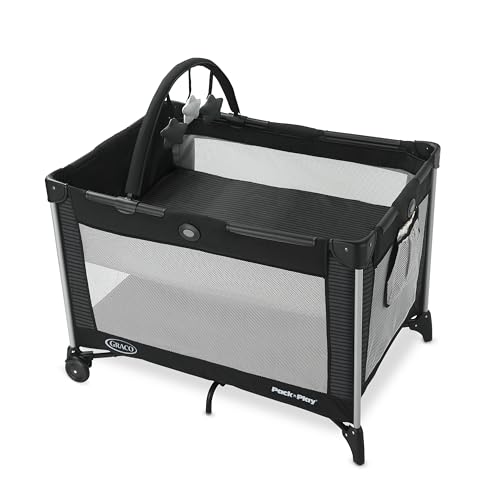
Quick take: The core nursery must haves vs skip list centers on a safe crib, a firm mattress, a reliable monitor, and a functional changing station. Everything else—extra décor, fancy chairs, and many “must‑have” gadgets—can be trimmed or skipped, especially if you’re budgeting or working with limited space. Focus on safety standards, durability, and sustainability, then layer in optional items that fit your style and budget.
Imagine standing in the baby aisle at 2 a.m., flashlight in hand, heart racing as you wonder which glittering product is truly essential and which is just clever marketing. You’re not alone. Many first‑time parents feel that same mix of excitement and overwhelm when setting up a nursery. The good news? You don’t need every shiny accessory to create a safe, comfortable haven for your newborn.
In this 2026 guide we break down the nursery must haves vs skip question piece by piece. We’ll walk you through essential items, optional extras, safety standards, budgeting tricks, space‑saving strategies, eco‑friendly swaps, and the most common regrets. By the end, you’ll have a clear checklist, a realistic cost estimate, and confidence to skip the fluff without compromising safety.
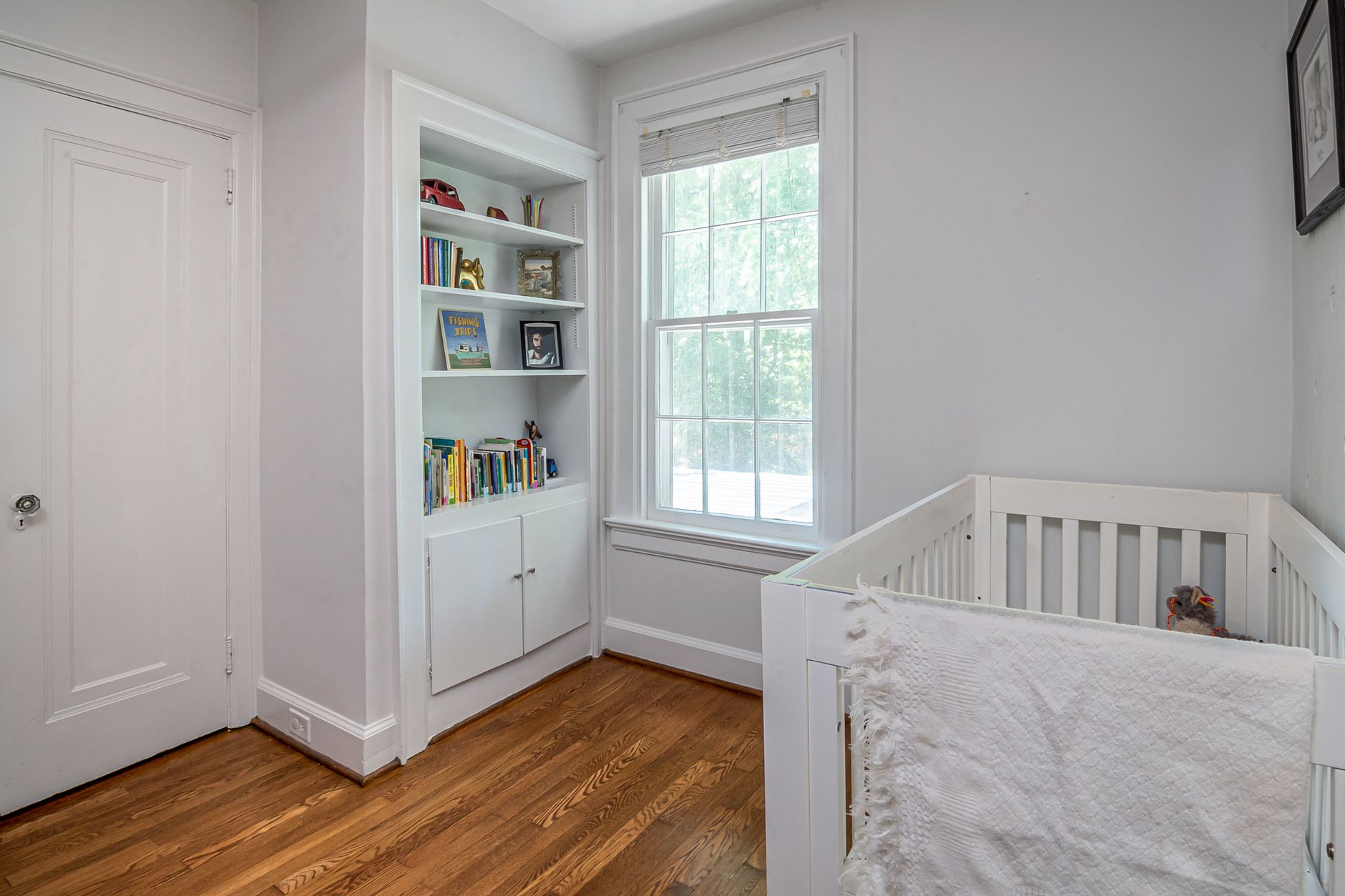
Essential nursery items you can’t skip in 2026
When you hear “nursery must haves vs skip,” the first thing to pinpoint is what truly can’t be left out. These items form the safety backbone of any newborn space and are backed by pediatric and safety‑agency guidelines.
1. Crib that meets current safety standards
The crib is the centerpiece. Look for a model that complies with the 2024 Consumer Product Safety Commission (CPSC) standards: slatted sides no more than 2 ¼ inches apart, no drop‑side rails, and sturdy construction that passes the “no wobble” test. Many manufacturers now label their cribs “CPSC‑certified” or “JPMA‑approved.” A well‑built crib can last for multiple children, making it a true must‑have.
2. Firm, breathable crib mattress
According to the American Academy of Pediatrics (AAP), a firm mattress reduces the risk of Sudden Infant Death Syndrome (SIDS). Choose a mattress that is firm, waterproof, and breathable. In 2026, the top-rated options include organic cotton or recycled polyester covers and a solid foam core that doesn’t sag over time.
3. Reliable baby monitor with video and audio
Modern monitors now integrate Wi‑Fi, two‑way talk, and temperature sensors. The AAP recommends a monitor that alerts you to movement and sound, giving peace of mind when you’re in another room. Look for encryption to protect privacy—brands that meet the Federal Trade Commission’s (FTC) “Secure Connected Devices” guidelines are preferred.
4. Changing station or sturdy dresser with changing pad
A dedicated changing area reduces the risk of falls and provides a clean surface for diaper changes. If space is limited, a dresser with a removable changing pad can double as a storage solution. The key is a stable, level surface that can hold a baby’s weight without wobbling.
5. Safe sleep environment accessories
Sleep sacks, a fitted sheet, and a low‑luminosity nightlight are all small items that support safe sleep practices. Avoid blankets, pillows, or plush toys in the crib. A nightlight with a red hue helps maintain a calm atmosphere without disrupting melatonin production.
6. Basic storage: bins or baskets
Clutter can become a safety hazard. Simple, open‑top bins keep diapers, wipes, and extra clothing within reach while allowing airflow to keep fabrics fresh. Choose sturdy, non‑toxic materials—BPA‑free plastic or natural woven baskets work well.
Nursery items that are optional and safe to skip
Now that we’ve covered the non‑negotiables, let’s explore what you can confidently leave out without compromising safety.
1. Rocking chairs and gliders
While many parents cherish a comfy rocking chair for feeding, it isn’t a safety requirement. A well‑placed pillow on a firm surface works just as well. If you love the motion, a sturdy floor‑level glider is an optional upgrade, not a must.
2. Fancy décor and themed accessories
Wall decals, themed bedding, and decorative mobiles are delightful but purely aesthetic. Choose calming colors, but know that these items can be added later or omitted entirely. In fact, fewer visual stimuli can help a newborn focus on sleep.
3. High‑tech gadgets beyond the monitor
Smart bassinets, automatic lullaby machines, and temperature‑controlled blankets sound impressive but aren’t essential. Many of these devices lack long‑term safety data, and they add to the cost and complexity of the nursery.
4. Separate diaper pail
Top‑rated diaper pails can control odor, but a well‑sealed regular trash can with a lid performs similarly. If you’re on a budget, a simple trash can with a tight‑fitting lid and a scented liner is a safe, cost‑effective alternative.
One comfortable chair for feeding is enough. Additional seating for visitors can wait until you have more space or repurpose an existing chair from another room.
Budget‑friendly nursery must‑haves versus non‑essential accessories
Creating a safe nursery doesn’t have to break the bank. Below is a side‑by‑side comparison that helps you allocate funds wisely.
By focusing on the left column, you can keep total costs under $800 while still covering every safety‑critical component. The right column items add style or convenience but can be added later as your budget allows.
What safety standards to consider when choosing nursery furniture
Safety is the cornerstone of the nursery must haves vs skip decision. Here are the key standards you should verify before purchase.
1. CPSC (Consumer Product Safety Commission) compliance
All cribs, changing tables, and toys sold in the U.S. must meet CPSC regulations. Look for the CPSC logo on packaging or a statement like “Meets or exceeds all 2024 CPSC safety standards.” In the U.K., the equivalent is the British Standard BS 8484 for cribs.
2. JPMA (Junior Product Manufacturers Association) certification
JPMA‑certified products undergo independent testing for durability, finish safety, and lead content. This seal is a reliable indicator of overall quality, especially for furniture and bedding.
3. ASTM (American Society for Testing and Materials) standards
Many nursery items—especially mattresses—reference ASTM F2194 for crib mattresses. This standard ensures firmness, fire resistance without excessive chemicals, and proper labeling.
4. Fire safety guidelines
The AAP advises against using crib bedding that is not fire‑retardant. However, many parents prefer organic fabrics that meet the “low‑smoke” standard without added chemicals. Look for “flame‑resistant” labels that comply with the National Fire Protection Association (NFPA) rules.
5. Chemical safety (BPA, phthalates, lead)
Choose items labeled “BPA‑free,” “phthalate‑free,” and “lead‑free.” The U.S. Environmental Protection Agency (EPA) and the European Chemicals Agency (ECHA) maintain strict limits on these substances in children’s products.
How to prioritize nursery essentials for a small space
Living in an apartment or sharing a room with a sibling means you must be strategic. Prioritization hinges on safety first, then multi‑functionality.
1. Choose a convertible crib
Modern cribs convert into toddler beds, daybeds, or even full‑size beds. This single piece replaces multiple pieces of furniture as your child grows, conserving floor space.
2. Opt for a dresser that doubles as a changing table
Many dressers come with a removable top that serves as a changing surface. Add a washable pad, and you have a storage solution that also meets the “changing station” requirement.
3. Use wall‑mounted organizers
Floating shelves, pegboards, and hanging baskets keep diapers, wipes, and toys off the floor. They free up floor space and keep essentials within arm’s reach.
4. Keep the color palette light
Light colors reflect more light, making a cramped room feel larger. Soft neutrals also create a calm environment that promotes sleep.
5. Minimalist décor
Stick to one or two decorative items—perhaps a framed print and a plush rug. Too many accessories can clutter visual space and create tripping hazards.
Eco‑friendly nursery must haves versus disposable items to skip
More parents are seeking sustainable options. Below, we compare eco‑friendly choices with items that can be safely avoided.
1. Organic cotton crib bedding
Organic cotton is grown without synthetic pesticides and is GOTS‑certified. It’s softer on newborn skin and reduces chemical exposure. A simple 3‑piece set (fitted sheet, mattress cover, and blanket) can replace multiple synthetic items.
2. Recycled‑plastic storage bins
High‑density recycled plastic bins are durable, BPA‑free, and often made from post‑consumer waste. They’re a greener alternative to cheap, single‑use plastic containers.
3. Bamboo or reclaimed‑wood furniture
Bamboo grows quickly and requires fewer resources. Reclaimed wood gives a vintage feel while diverting old timber from landfills. Both meet safety standards when finished with non‑toxic sealants.
4. Skip disposable diapers in favor of cloth diapers
Cloth diapers have a higher upfront cost but reduce landfill waste dramatically. Modern cloth systems come with leak‑proof liners and are machine‑washable, making them practical for many families.
5. Avoid single‑use wipes
Many wipes contain non‑biodegradable fibers. Opt for reusable washcloths or wipes made from biodegradable materials. This reduces plastic waste without sacrificing convenience.
Nursery must‑have checklist for first‑time parents 2026
Here’s a printable‑friendly checklist that captures every essential we’ve discussed. Tick each box as you add the item to your cart.
- ✅ CPSC‑certified crib (convertible if space is limited)
- ✅ Firm, breathable crib mattress (ASTM F2194 compliant)
- ✅ 100 % cotton fitted sheet
- ✅ Sleep sack or swaddle blankets
- ✅ Baby monitor with video, audio, and temperature sensor
- ✅ Changing station or dresser with removable pad
- ✅ BPA‑free storage bins or baskets
- ✅ LED nightlight with dimmer
- ✅ Organic cotton or bamboo baby blankets
- ✅ Sustainable diapering system (cloth diapers or eco‑friendly disposables)
- ✅ Wall‑mounted organizer or pegboard
- ✅ Safety‑approved mattress protector
- ✅ Non‑slip rug or carpet
- ✅ Fire‑resistant, low‑smoke bedding (if not using organic fabrics)
Common nursery items parents regret buying
Even with careful planning, some purchases turn out to be unnecessary. Knowing these regrets can help you avoid the same pitfalls.
1. Over‑the‑top themed furniture
Many parents buy a “princess” or “space‑explorer” themed crib that later feels outgrown. Neutral colors allow you to refresh the room with simple décor changes instead of replacing large pieces.
2. Expensive rocking chairs that never get used
Studies show that only about 30 % of parents actually use a rocking chair for feeding. If you’re uncertain, start with a simple floor pillow and upgrade only if you find the need.
3. Multiple diaper pails
Having more than one diaper pail rarely improves odor control. A single well‑sealed pail placed near the changing area is sufficient.
4. High‑tech smart bassinets
Smart bassinets promise to soothe with motion and sound, but many parents find the features unnecessary and the price steep. A simple swing or a white‑noise machine works just as well for most infants.
5. Excessive decorative accessories
Too many wall hangings, plush toys, or decorative mobiles can clutter the space and potentially pose choking hazards. Keep décor simple and rotate items as the child grows.
Myth vs. fact
Myth: You need a separate rocking chair for feeding.
Fact: A stable, comfortable chair—or even a floor pillow—works just as well. The key is posture support for you, not a specific chair style.
Myth: All cribs are equally safe.
Fact: Only cribs that meet current CPSC and JPMA standards guarantee the latest safety features, such as non‑detachable hardware and appropriate slat spacing.
Myth: Expensive diaper pails eliminate odor completely.
Fact: Proper sealing and regular emptying are more important than price. A simple airtight trash can with a scented liner can perform just as well.
Key takeaways
- Focus first on safety‑approved cribs, mattresses, monitors, and a stable changing surface.
- Optional items—rocking chairs, themed décor, high‑tech gadgets—can be skipped or added later.
- Use the budget‑friendly comparison table to stay under $800 for core items.
- Prioritize convertible furniture and wall‑mounted storage for small spaces.
- Choose eco‑friendly materials like organic cotton and bamboo to reduce environmental impact.
- Keep a printed checklist handy to track purchases and avoid regrets.
Frequently asked questions
What are the must‑have items for a newborn nursery?
Essential items include a CPSC‑certified crib, a firm mattress (ASTM F2194), a reliable baby monitor, a stable changing station, safe sleep accessories (fitted sheet, sleep sack), and basic storage. These cover safety, comfort, and practicality.
Can I skip a changing table and still be safe?
Yes. A sturdy dresser with a removable changing pad provides a safe, level surface for diaper changes. Just ensure the furniture is stable and the pad is securely attached.
How much should I budget for a complete nursery?
In 2026, a budget‑friendly setup covering all must‑haves typically ranges from $750 to $1,200, depending on brand choices. Adding optional items like a rocking chair or designer décor can raise the total to $2,000 or more.
Eco‑friendly items often cost 10‑30 % more, but they reduce chemical exposure and environmental impact. Many parents find the health and sustainability benefits justify the price difference.
What safety features should I look for in a crib?
Look for CPSC compliance, slat spacing ≤ 2 ¼ inches, non‑detachable hardware, a sturdy mattress support, and a finish free of lead and toxic chemicals. Convertible cribs that meet these standards are ideal.
Do I need a separate rocking chair for feeding?
No. A comfortable, supportive chair—whether a simple armchair, a glider, or a floor pillow—will work as long as you maintain good posture while feeding.
How can I organize a nursery on a tight budget?
Use multi‑functional furniture (e.g., a dresser that doubles as a changing table), repurpose items from other rooms, and rely on affordable storage solutions like BPA‑free plastic bins or woven baskets. Prioritize safety items first, then add budget‑friendly accessories.
When to see a doctor or specialist
If you notice any of the following, contact your pediatrician promptly:
- Persistent coughing, wheezing, or shortness of breath while your baby is in the crib.
- Signs of overheating (temperature above 100.4 °F/38 °C) while using a sleep sack or blanket.
- Unexplained bruises or marks on the baby’s head that could indicate a fall from the crib.
- Allergic reactions (rash, swelling) after using a new bedding or cleaning product.
This article is for informational purposes only and does not replace personalized medical advice. Always discuss specific concerns with your healthcare provider.
References
- American Academy of Pediatrics. “Safe Sleep for Babies.” 2024 clinical report.
- Consumer Product Safety Commission. “CPSC Safety Standards for Cribs.” Updated 2024.
- Junior Product Manufacturers Association. “JPMA Certification Guidelines.” 2024.
- American Academy of Pediatrics. “Recommendations for Infant Sleep Environments.” 2023.
- National Fire Protection Association. “Fire Safety Guidelines for Infant Bedding.” 2024.
- U.S. Environmental Protection Agency. “BPA and Phthalate Limits for Children’s Products.” 2023.
- Harvard T.H. Chan School of Public Health. “Eco‑friendly Parenting: Reducing Chemical Exposure.” 2025.
- Federal Trade Commission. “Secure Connected Devices Guidance for Smart Baby Monitors.” 2025.
- American Society for Testing and Materials. “ASTM F2194 – Crib Mattress Standard.” 2024.
- National Institute of Child Health and Human Development. “Infant Development and Safe Sleep Practices.” 2024.