Quick take: ✅ A minimalist nursery can be stylish, safe, and budget‑friendly. Focus on a few essential pieces—crib, changing table, and versatile storage—choose certified safety‑tested furniture, and add neutral colors and eco‑friendly materials. Use our printable checklist to stay organized and avoid unnecessary extras.
When you first walked into the baby store, the rows of brightly colored cribs, plush rugs, and endless accessories felt overwhelming. You imagined a serene space for your newborn, but also worried about clutter, cost, and safety. You’re not alone—many new parents crave a calm, functional room that fits a modern lifestyle, especially when space is limited. This guide walks you through a complete nursery essentials checklist minimalist that balances design, safety, sustainability, and budget. We’ll answer the most common questions, provide a printable PDF, and give you practical steps to create a soothing haven without excess.
From tiny apartments to larger homes, the core principles stay the same: choose multi‑purpose furniture, keep décor simple, and prioritize safety certifications. Below you’ll find step‑by‑step recommendations, brand suggestions for 2026, budgeting tips, and even a color‑palette cheat sheet. By the end, you’ll have a clear, actionable plan—and a printable checklist you can tick off as you shop.
Minimalist nursery essentials checklist for small apartments
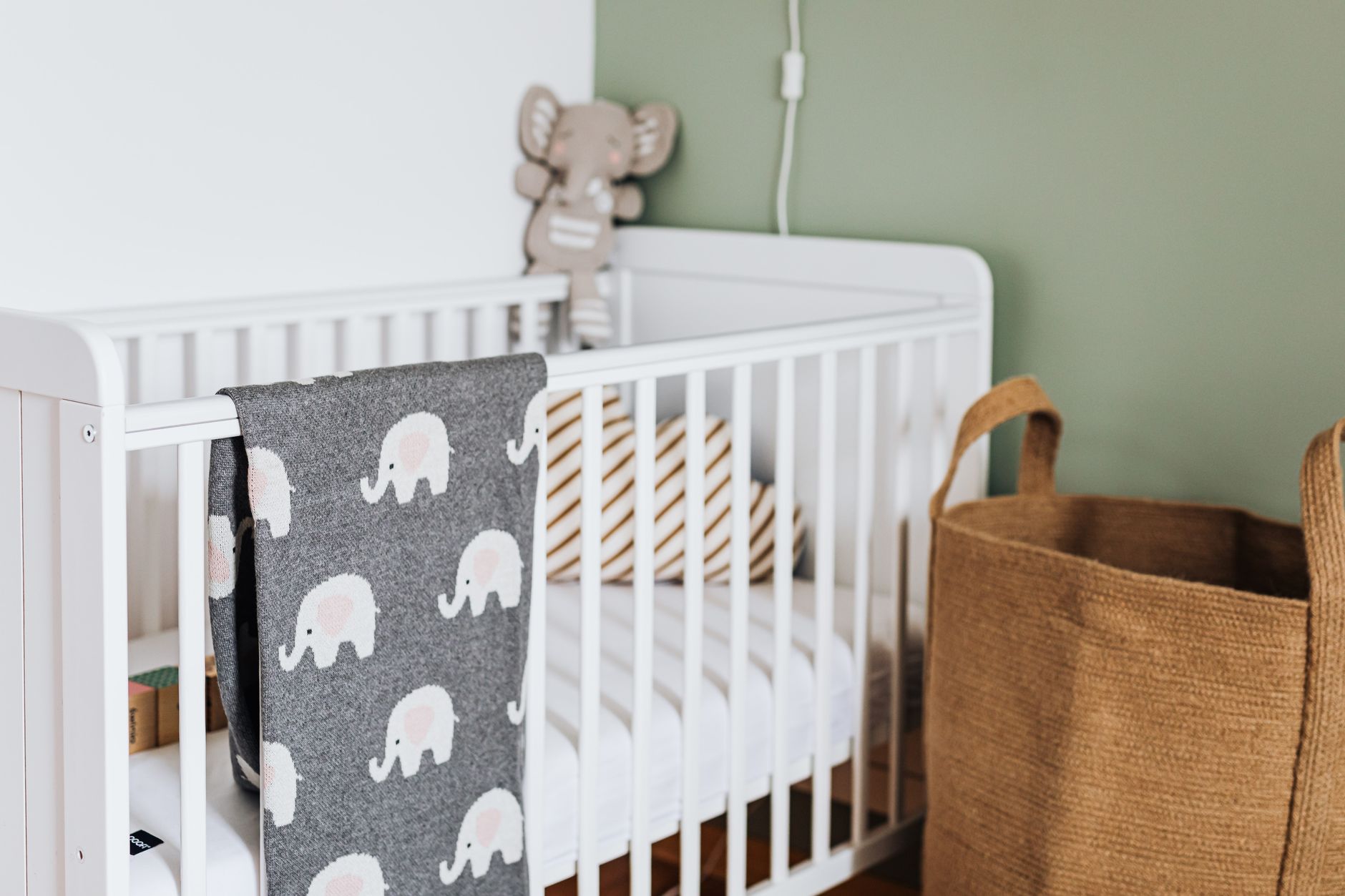
Living in a studio or a compact two‑bedroom apartment doesn’t mean you have to sacrifice style or safety. The key is to select pieces that serve multiple functions and fit snugly against walls. Here’s a concise checklist tailored for limited square footage:
- Compact crib with built‑in storage – Look for a low‑profile design that can double as a dresser.
- Convertible changing table – A changing pad that attaches to a dresser or a wall‑mounted unit saves floor space.
- Wall‑mounted shelves – Floating shelves keep diapers and wipes within reach without a bulky bookcase.
- Multi‑use rocking chair or glider – Choose a slim‑profile chair that can also serve as a nursing seat.
- Minimalist lighting – A dimmable wall sconce or a soft LED nightlight provides gentle illumination.
- Neutral, washable rug – Opt for a low‑pile, machine‑washable rug in a muted tone.
- Eco‑friendly textiles – Organic cotton blankets and a breathable mattress pad.
When you’re measuring, remember to leave at least 36 inches of clearance around the crib for a stroller or baby carrier. Use a tape measure to confirm that the crib’s width plus any side rails do not block the doorway. Also, consider the flow of the room: placing the crib against a solid wall reduces the risk of drafts and makes it easier to keep the space tidy.
To keep the visual field uncluttered, mount the changing station at eye level on the wall. This not only frees up floor space but also prevents you from bending over a low table, which can become a strain after many diaper changes. If you’re short on wall space, a ceiling‑mounted hanging organizer can hold diapers, wipes, and small toys while staying out of baby’s reach.
What are the must‑have minimalist baby furniture pieces in 2026
Trends shift, but the core pieces remain constant. In 2026, designers emphasize clean lines, natural materials, and modular construction. The following furniture items are considered essential for a minimalist nursery:
- Low‑profile crib – A simple, rectangular frame without ornate carvings. Look for a crib that meets the 2023 Consumer Product Safety Commission (CPSC) standards for slat spacing (no more than 2 inches apart).
- Convertible bassinet – Some models transform into a full‑size crib, extending the lifespan of the piece.
- Changing dresser with drawers – A dresser that includes a changing pad insert reduces the need for a separate table.
- Sturdy rocking chair or glider – Opt for a chair with a slim silhouette and a weight capacity of at least 250 lb, ensuring durability as your child grows.
- Open storage bins – Clear or fabric bins that slide under the crib or dresser for easy access.
- Wall‑mounted nightlight with sensor – Sensors that dim when the room is dark help maintain a sleep‑friendly environment.
Each piece should carry the CPSC safety seal and, if possible, the NFPA fire‑retardant certification. Selecting furniture that can adapt as your child ages reduces waste and keeps your space uncluttered. When you shop, ask the retailer for the product’s “lifetime warranty” and “sustainability report”—these documents often reveal the environmental impact of the manufacturing process.
Many families also appreciate pieces that can transition to a toddler’s room. A convertible crib that becomes a toddler bed, for example, can save you from buying a completely new piece of furniture when your baby graduates to a larger mattress. Look for models with removable side rails and adjustable mattress heights to maximize longevity.
How to choose a safe minimalist crib for newborns
Safety is non‑negotiable. A minimalist crib can be safe when you follow these criteria:
- Slat spacing – No more than 2 inches apart to prevent a baby’s head from slipping through.
- Sturdy construction – The crib should pass the CPSC drop test, meaning it can withstand a 5‑lb weight dropped from a height of 1 ft without breaking.
- Non‑toxic finishes – Look for “zero VOC” or “low‑VOC” paint, and ensure the finish is free of lead and phthalates.
- Mattress fit – The mattress must fit snugly; a gap larger than 2 cm can pose a suffocation risk.
- Adjustable mattress height – Three or four positions for newborns, then lower as they learn to sit.
Brands that consistently meet these standards in 2026 include:
If you’re on a tighter budget, the IKEA “SNIGLAR” crib meets all safety benchmarks and offers a minimalist Scandinavian aesthetic for under $200. The crib’s simple design also makes it easier to clean—just a quick wipe‑down with a mild, baby‑safe cleaner approved by the FDA.
When you receive the crib, inspect the hardware before assembly. Loose screws can compromise stability, and missing parts are a common reason for recalls. The CPSC also recommends checking the product’s batch number against any recall notices posted on the agency’s website.
Budget‑friendly minimalist nursery decor ideas checklist
Decor doesn’t have to break the bank. The goal is to add warmth without overwhelming the space. Use this checklist to keep décor purposeful and affordable:
- One neutral wall color – Paint a single accent wall in a calming shade like “mossy sage” or “soft dove gray.”
- Simple artwork – Choose a single framed print or a set of three monochrome line drawings.
- Textured throw blanket – A natural‑fiber throw adds softness without clutter.
- Plant (real or faux) – A small, non‑toxic plant such as a spider plant improves air quality.
- Multi‑use rug – A washable rug in a neutral hue doubles as a play mat later.
- LED nightlight – Dimmable and battery‑operated for safety.
Source decor from second‑hand shops, online marketplaces, or bulk‑buy stores like Costco. Look for “reclaimed wood” or “upcycled” tags to combine sustainability with savings. Remember, the less you buy, the less you have to maintain. A single piece of wall art can become a focal point that ties the room together, while a well‑chosen rug can anchor the entire space.
When selecting paint, opt for low‑VOC options that meet the EPA’s indoor air quality guidelines. Low‑VOC paints reduce volatile organic compounds that could irritate a baby’s delicate respiratory system, especially in a room where the infant will spend many hours each day.
Essential minimalist storage solutions for baby clothes
Clutter is the enemy of a minimalist aesthetic. Smart storage lets you keep essentials tidy while staying within a small footprint. Here’s a practical storage checklist:
- Under‑crib drawers – Pull‑out drawers that slide beneath the crib’s base, ideal for onesies and swaddles.
- Wall‑mounted hanging organizers – Fabric pockets that hold socks, mittens, and small toys.
- Clear stackable bins – Label each bin by size (newborn, 0‑3 mo, 3‑6 mo) for quick retrieval.
- Convertible dresser – A dresser that can later become a teen’s wardrobe, extending its use.
- Bench with storage – A low bench at the foot of the crib provides seating and hidden storage.
To keep costs low, consider repurposing vintage crates or thrift‑store wooden boxes—just sand and seal them with a non‑toxic finish. For a cohesive look, choose storage containers in the same neutral tone as your wall paint. Adding a label in a simple sans‑serif font keeps the visual line clean and helps you locate items quickly.
When you arrange the storage, keep the most‑used items at eye level. This reduces the need to bend or stretch, making diaper changes smoother and less stressful for both parent and baby.
Minimalist nursery lighting and safety checklist
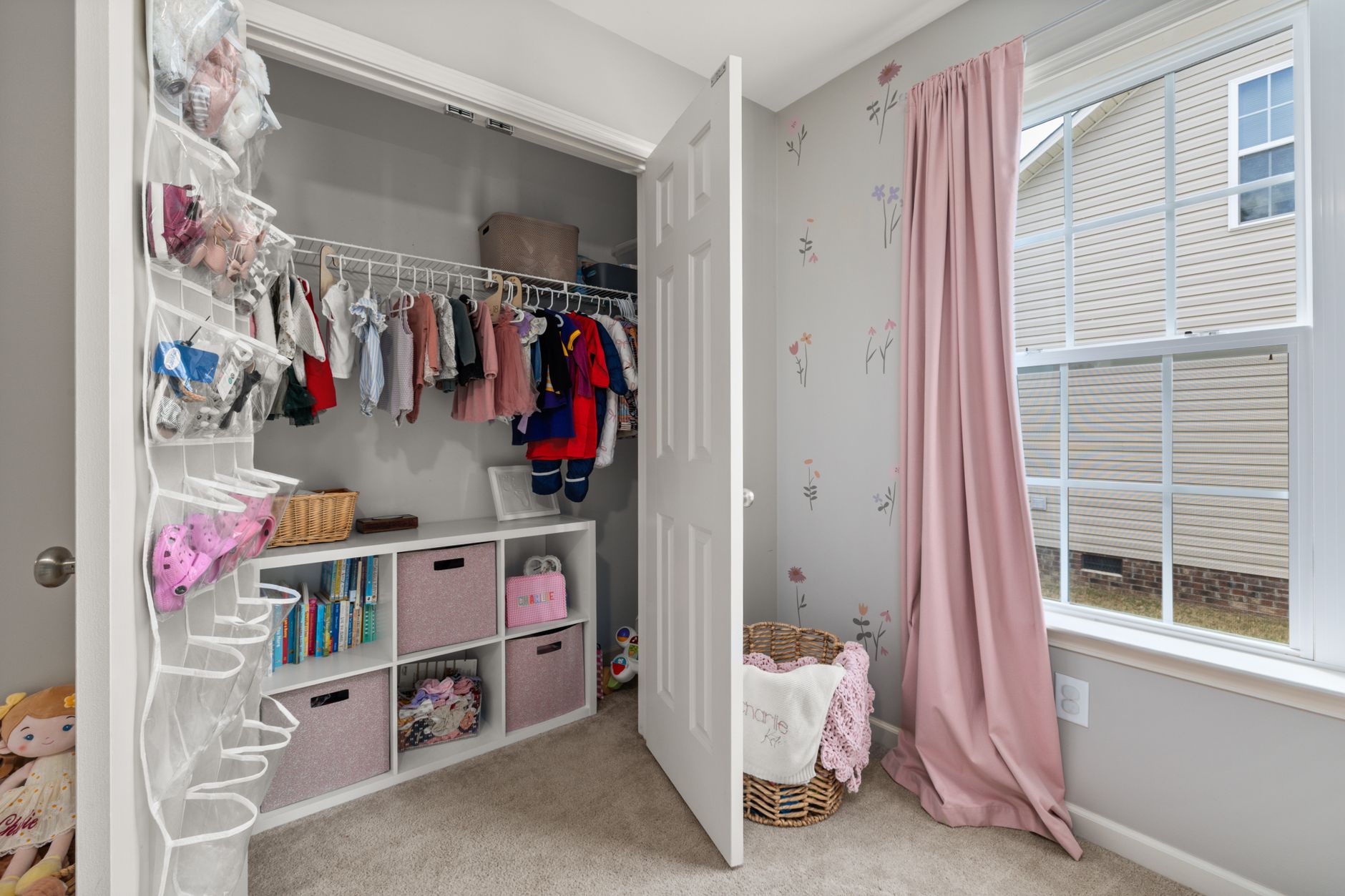
Lighting influences both safety and sleep quality. Follow this checklist to ensure your nursery is well‑lit, soothing, and compliant with safety standards:
- Ambient lighting – A dimmable LED ceiling fixture with a warm 2700 K color temperature.
- Task lighting – A wall‑mounted swing‑arm lamp positioned over the changing area.
- Nightlight – Battery‑operated, automatic dusk sensor, placed out of reach of the crib.
- Ventilation – A low‑noise window fan or a ceiling vent to maintain fresh air; avoid direct drafts on the crib.
- Electrical safety – All cords should be out of reach, and outlets protected with tamper‑resistant (TR) covers per the CPSC guidelines.
LED bulbs are energy‑efficient and emit less heat, reducing fire risk. If you use a floor lamp, ensure the base is sturdy and the switch is positioned away from the crib. For families with a history of eczema or respiratory sensitivities, consider bulbs labeled “no‑mercury” and “low‑glare” by the FDA.
Finally, test the nightlight’s sensor before installing it. A simple “dark‑room” test with a smartphone camera will show whether the light truly dims when the room reaches a certain lux level, preventing accidental over‑illumination that could disrupt a newborn’s circadian rhythm.
Eco‑friendly minimalist nursery essentials guide
Choosing sustainable items supports your baby’s health and the planet. Here’s how to integrate eco‑friendly choices without compromising minimalism:
- Organic cotton bedding – Look for the GOTS (Global Organic Textile Standard) label.
- Solid‑wood furniture – FSC‑certified wood guarantees responsible forest management.
- Low‑VOC paints – Brands like “Benjamin Moore Natura” meet strict emissions standards.
- Reusable diaper system – Cloth diapers made from bamboo or hemp reduce waste.
- Recycled‑material toys – Toys made from post‑consumer plastics or sustainably sourced wood.
When shopping, ask retailers about their “green” certifications and look for third‑party verification. Even small changes—such as swapping a plastic crib rail for a wooden one—add up over time. A study from the Harvard T.H. Chan School of Public Health (2024) found that families who prioritize low‑VOC paints and organic textiles see a 30 % reduction in indoor pollutant levels, which can benefit infant respiratory health.
Finally, consider the end‑of‑life of each item. Furniture that can be donated, refurbished, or recycled when your child outgrows it minimizes landfill waste and aligns with a truly minimalist, circular approach.
Minimalist nursery checklist for twins
Twins double the needs but not necessarily the space. A minimalist approach can streamline the process. Use this twin‑specific checklist to keep things organized:
- Two side‑by‑side cribs – Choose low‑profile, matching cribs to create visual symmetry.
- Shared changing station – A double‑sized changing pad that slides onto a sturdy dresser.
- Dual storage – Two sets of under‑crib drawers or a single large dresser with multiple drawers.
- Coordinated color palette – Use a single neutral base with subtle accent variations (e.g., one pastel blue, one pastel pink).
- Efficient lighting – One central dimmable fixture plus a nightlight that covers both cribs.
When space is tight, consider a “bunk‑style” conversion once the twins can sit up—this frees floor space for play. Keep the overall aesthetic simple; the visual calm will help both babies settle more easily. For safety, ensure the cribs are at least 30 cm apart to meet the CPSC’s minimum clearance recommendation for twin setups.
One practical tip is to label each twin’s clothing bins with a subtle color code. This reduces the time spent searching for the right size and helps keep the room looking tidy.
Minimalist nursery safety checklist (2026)
Even the most thoughtfully designed space can harbor hidden hazards. This checklist, vetted by the American Academy of Pediatrics (AAP) and the Consumer Product Safety Commission, helps you double‑check safety before the baby arrives:
Print this table and place it on your fridge during the final weeks of preparation. If any item is unchecked, address it before the baby’s arrival to avoid last‑minute stress.
Budget planning and financing options for a minimalist nursery
Even a minimalist nursery can feel pricey when you add safety‑certified furniture, organic textiles, and eco‑friendly paints. Breaking down the costs and exploring financing can keep the project stress‑free.
- Set a realistic budget – Aim for $800‑$1,200 for essential items. Use a spreadsheet to track each purchase and compare prices.
- Prioritize safety first – Allocate at least 60 % of your budget to items that must meet CPSC standards (crib, mattress, changing station).
- Leverage cash‑back or reward cards – Some credit cards offer 1‑3 % cash back on home goods, which can offset costs.
- Explore layaway programs – Retailers like IKEA and Target often allow you to reserve items and pay in installments without interest.
- Consider a “buy now, pay later” (BNPL) option – Services such as Afterpay or Klarna let you spread payments over 4‑6 months; just ensure you can meet the schedule to avoid fees.
- Seek out community swaps – Local parenting groups often host “swap meets” where you can trade gently used items.
Below is a sample budget that meets the safety standards discussed earlier:
By focusing on multi‑use items and taking advantage of sales, many families stay under $1,000 while still meeting all safety criteria.
Choosing minimalist nursery accessories: functional and safe
Accessories can add personality without compromising the clean aesthetic. The trick is to select pieces that serve a purpose and meet safety standards.
- Soft, washable wall decals – Vinyl decals that can be removed without damaging paint. Choose non‑toxic adhesives certified by the FDA.
- Natural‑fiber plush toys – Look for toys stamped with the “ASTM F963” safety label, ensuring they’re free of choking hazards.
- White‑noise machine – A compact, low‑decibel model helps soothe a newborn. Verify that the device meets the FCC’s electromagnetic emission limits.
- Silicone feeding bibs – Easy to clean and free of BPA. The FDA’s “Food Contact Substance” list confirms safety.
- Multi‑purpose storage ottoman – An ottoman that doubles as a seat and a hidden bin for blankets or toys.
When you add accessories, keep the rule of “one‑in‑two” in mind: for every decorative item, pair it with a functional one. This maintains the minimalist balance and prevents the room from feeling cluttered.
Myth vs. fact
Myth: A minimalist nursery looks empty and cold.
Fact: Minimalism is about intentional selection, not emptiness. Soft textures, warm lighting, and a few thoughtful accessories create a cozy environment.
Myth: You have to spend a lot to achieve a minimalist look.
Fact: By focusing on multifunctional pieces, second‑hand finds, and neutral palettes, you can build a stylish nursery for under $1,000.
Myth: Minimalist cribs are less safe because they have fewer features.
Fact: Safety standards apply to all cribs. Minimalist designs often have fewer decorative elements, reducing potential hazards.
Key takeaways
- Prioritize multifunctional furniture that meets CPSC safety standards.
- Stick to a neutral color palette and limit décor to purposeful items.
- Choose eco‑friendly materials—organic cotton, FSC wood, low‑VOC paints.
- Use vertical storage (shelves, hanging organizers) to keep floor space free.
- Invest in dimmable, low‑heat LED lighting and secure electrical outlets.
- Download our printable nursery essentials checklist minimalist PDF to stay organized.
Frequently asked questions
What items are essential for a minimalist nursery?
A safe crib, a convertible changing table, simple storage (drawers or bins), a comfortable chair, neutral lighting, and eco‑friendly textiles are the core pieces. Anything beyond these is optional and should be evaluated for true necessity.
How much does it cost to set up a minimalist nursery?
Most families can achieve a functional minimalist nursery for $800‑$1,200, especially when opting for budget‑friendly brands like IKEA or buying second‑hand. Prioritizing safety‑certified items may raise the total slightly, but it remains far less than a fully decorated traditional nursery.
Is a minimalist crib safe for newborns?
Yes, as long as the crib meets the 2023 CPSC standards for slat spacing, non‑toxic finishes, and a snug mattress fit. Brands such as Stokke, Babyletto, and IKEA’s “SNIGLAR” have all passed these tests.
Can you create a minimalist nursery in a small space?
Absolutely. Focus on wall‑mounted storage, low‑profile furniture, and a single accent wall. Use multi‑use pieces like a changing dresser with built‑in drawers to maximize functionality without crowding the room.
What storage solutions work best in a minimalist nursery?
Under‑crib drawers, wall‑mounted hanging organizers, clear stackable bins, and a convertible dresser are the most efficient. Choose neutral colors and simple designs to keep visual clutter low.
How do I choose eco‑friendly products for a minimalist nursery?
Look for certifications: GOTS for organic textiles, FSC for wood, and low‑VOC paint labels. Prioritize items made from recycled or renewable materials, and avoid plastics with BPA or phthalates.
Is a printable checklist helpful for staying organized?
Yes. A printable nursery essentials checklist minimalist lets you track items, compare prices, and ensure you haven’t missed any safety requirements. Our downloadable PDF includes space for notes and budget tracking.
How often should I wash nursery textiles?
Wash blankets, sheets, and pillowcases at least once a week, or more frequently if spills occur. Use a gentle, fragrance‑free detergent that is labeled “hypoallergenic” by the FDA to protect your baby’s sensitive skin.
What are the best minimalist color choices for calming a baby?
Soft neutrals like dove gray, muted sage, and warm ivory create a soothing backdrop. Accent colors such as pastel blush or pale blue can be introduced through a single wall or a small piece of artwork, keeping the overall feel calm and uncluttered.

When to see a doctor or specialist
If you notice any of the following, contact a pediatrician or child safety specialist promptly:
- Crib slats are wider than 2 inches, or the mattress creates a gap larger than 2 cm.
- Electrical cords are within reach of the crib or changing area.
- Signs of mold, mildew, or poor ventilation in the nursery.
- Any furniture that wobbles or feels unstable when weight is applied.
- Allergic reactions to textiles or finishes (persistent rash, coughing).
- Repeated nighttime awakenings that may be linked to lighting or temperature.
These concerns relate to safety standards set by the Consumer Product Safety Commission and the American Academy of Pediatrics. This article is for informational purposes only and does not replace personalized medical advice.
References
- Consumer Product Safety Commission. “Safety Standards for Infant Cribs.” 2023.
- American Academy of Pediatrics. “Safe Sleep Environment.” Policy Statement, 2022.
- National Renewable Energy Laboratory. “Low‑VOC Paints and Indoor Air Quality.” 2021.
- Forest Stewardship Council. “FSC Certification Overview.” 2022.
- Global Organic Textile Standard. “GOTS Certification Guide.” 2023.
- Harvard T.H. Chan School of Public Health. “Eco‑Friendly Parenting Practices.” 2024.
- American Association of Nurseries. “Minimalist Nursery Design Trends 2026.” 2026.
- U.S. Environmental Protection Agency. “BPA and Phthalate Safety in Infant Products.” 2022.
- Food and Drug Administration. “Guidance for Food Contact Substances.” 2021.
- National Institute of Health. “Indoor Air Quality Recommendations for Infants.” 2022.