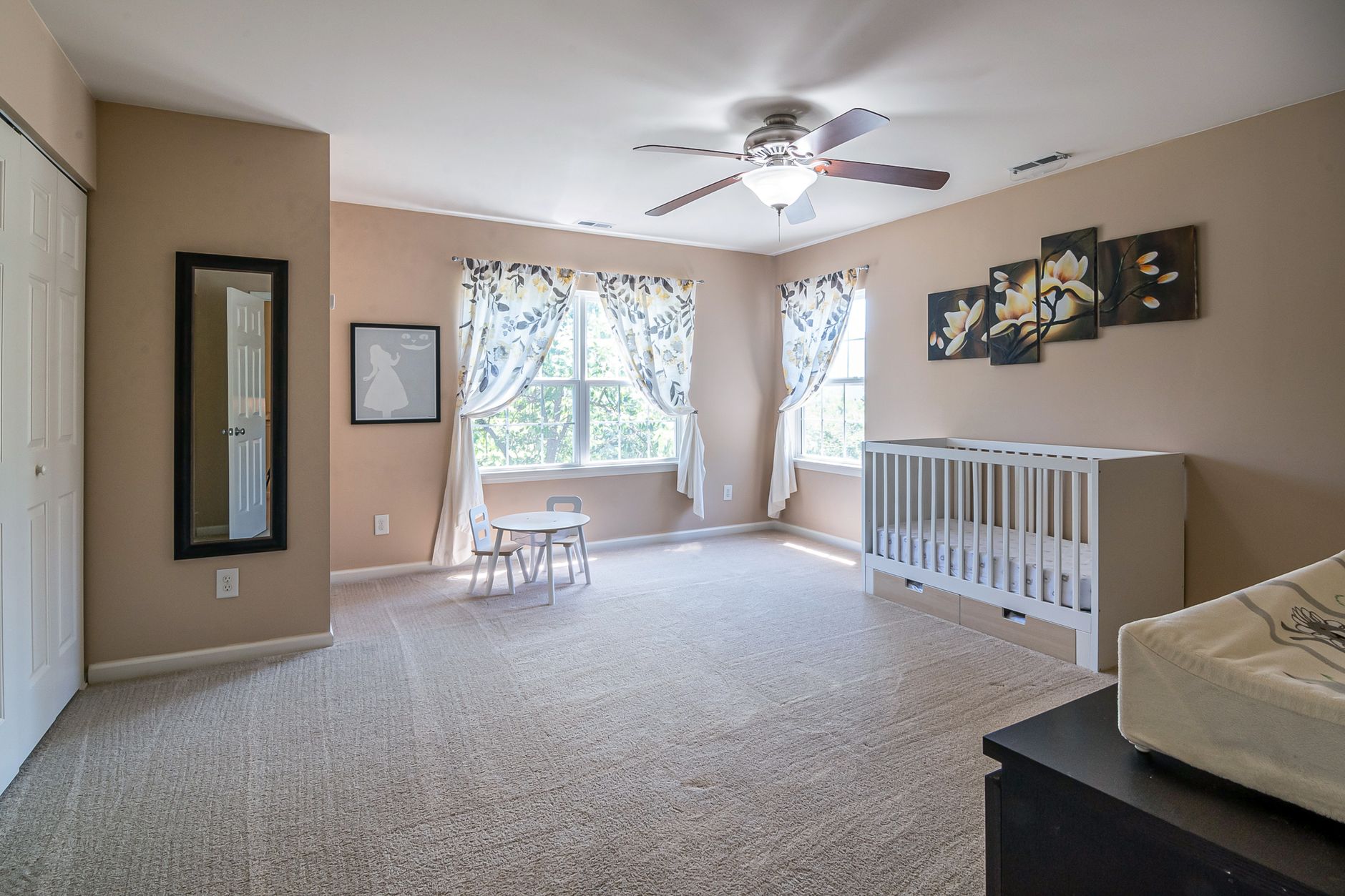
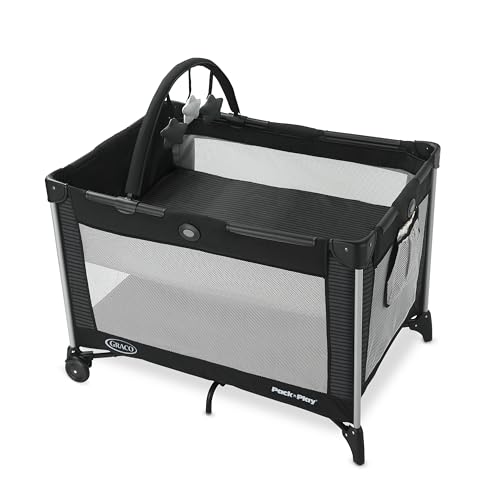
Safety is the top priority when selecting a crib. The AAP recommends a few non‑negotiable criteria:
- Fixed side rails – Avoid drop‑side cribs; they were linked to over 200 infant deaths before being banned in 2011.
- Slat spacing – Gaps must be no wider than 2 3/8 inches (≈6 cm) to prevent a baby’s head from slipping through.
- Sturdy construction – Confirm the crib passes the JPMA safety standard.
- Convertible design (optional) – Many cribs convert to toddler beds, which can be cost‑effective long‑term.
When testing a crib in the store, give it a firm shake. It should feel solid with no wobble. If you’re buying online, read reviews for durability and check the manufacturer’s safety certifications. A good rule of thumb: the price often reflects the quality of the wood and finish, but you can find safe options under $200 by looking for sales or gently used pieces from reputable retailers.
Once you have the crib, add a firm, waterproof mattress that fits snugly—no more than a two‑finger gap around the edges. A mattress that’s too soft or too big can create suffocation hazards. Pair the mattress with a fitted, breathable sheet; avoid blankets or pillows until the baby is at least 12 months old.
Don’t forget to position the crib away from windows, curtains, and blind cords. The AAP advises at least three feet of clearance on each side to reduce the risk of accidental bumps.
Best budget‑friendly nursery furniture checklist
Creating a beautiful nursery on a shoestring budget is doable with a little creativity. Below is a cost‑saving checklist that balances safety and style, followed by a simple table you can print and use while shopping.
- Second‑hand or consignment stores – Look for cribs, dressers, and rocking chairs that are still in good condition and meet current safety standards.
- Multi‑functional pieces – A changing table that doubles as a dresser reduces the number of items you need.
- DIY storage – Repurpose wicker baskets or plastic bins with labels; they’re inexpensive and easy to move.
- Discount retailers – Stores like IKEA, Target, and Walmart often have affordable, well‑reviewed nursery sets.
- Seasonal sales – Major holidays (e.g., Black Friday, Cyber Monday) bring deep discounts on baby gear.
By focusing on the items in this checklist, you can expect to spend roughly $500‑$800 for a complete, safe nursery—well below the national average of $2,000–$3,000.
Another way to stretch your dollars is to coordinate colors and patterns across pieces you already own. A neutral palette allows you to mix and match thrifted items without clashing, and you can add a pop of color later with accessories like curtains or wall art.
Must‑have baby monitor features for a nursery setup
Modern baby monitors range from simple audio devices to full‑featured video units with smartphone integration. Here’s what to prioritize, based on recommendations from the FDA and the NICHD:
- Secure, encrypted connection – Look for monitors that advertise “AES 128‑bit encryption” to protect your family’s privacy.
- Battery life – At least 8–10 hours for continuous use during night‑time feeds.
- Two‑way audio – Lets you soothe your baby with your voice from another room.
- Video quality – 720p or higher gives a clear view without excess data usage.
- Temperature sensor – Helpful for tracking room temperature, especially in winter.
- Night vision – Infrared LEDs allow you to see without turning on a bright light.
- App compatibility – If you prefer to monitor from your phone, ensure the app is well‑rated and regularly updated.
For most families, a mid‑range video monitor (around $80‑$120) that includes encrypted Wi‑Fi connectivity, night vision, and two‑way audio is sufficient. If you’re on a tighter budget, an audio‑only unit still offers peace of mind and can be paired with a separate night‑light for visual checks.
Remember to place the monitor out of reach of the crib and away from any cords that could become a tripping hazard. A secure mounting bracket can keep the camera steady and reduce the chance of accidental falls.
How to organize a small nursery space checklist
Even the coziest corner can become a functional nursery with smart organization. Follow this checklist to make the most of limited square footage:
- Wall‑mounted storage – Install low shelves or hanging organizers above the changing area.
- Convertible crib – Choose a crib that later converts to a toddler bed, freeing up floor space.
- Multi‑use furniture – A dresser with a built‑in changing pad eliminates the need for a separate table.
- Vertical diaper stacker – Keeps diapers upright and easy to grab.
- Under‑crib drawers – Slide‑out bins fit snugly under the crib for extra linens.
- Fold‑away rocking chair – Some gliders fold flat for storage when not in use.
Consider a neutral color palette; lighter walls reflect light and make the room feel larger. Mirrors can also create an illusion of space. Finally, keep a “daily declutter” habit—spend two minutes each evening returning items to their designated spots.
For added flexibility, think vertically: a tall bookshelf can hold soft toys, books, and even a small basket for diaper supplies, keeping the floor clear while still being within arm’s reach.
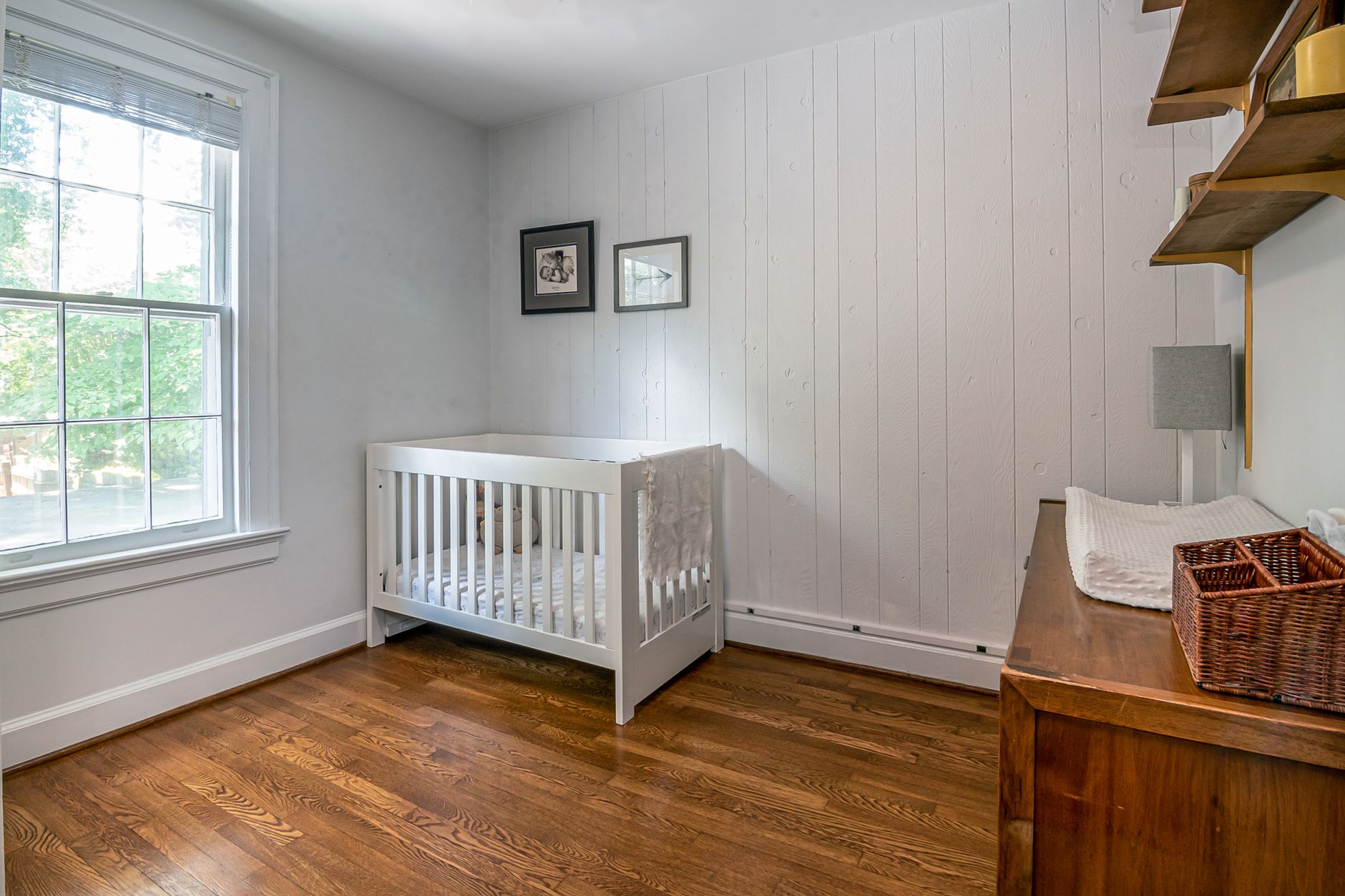
Essential safety gear for a baby nursery checklist
Safety in the nursery isn’t just about the crib. The CDC advises a comprehensive safety kit to protect newborns from everyday hazards.
- Furniture anchors – Secure the crib, dresser, and changing table to the wall to prevent tipping.
- Outlet covers – Use plastic caps that close automatically when not in use.
- Corner guards – Soft silicone covers for any sharp furniture edges.
- Door knob covers – Keep curious toddlers from opening closet doors.
- Smoke detector – Install a battery‑operated detector in or near the nursery; test monthly.
- Carbon monoxide detector – Especially important if you have a gas heater or fireplace.
When installing anchors, follow the manufacturer’s instructions closely—most use a 1‑inch lag bolt that fits into a wall stud. If you’re unsure about stud location, a simple stud finder (under $15) can help.
It’s also wise to keep cleaning supplies and small objects out of reach. A high‑chair or a locked cabinet can serve as a safe “no‑go” zone for anything that could be a choking hazard.
What lighting options are best for a newborn nursery?
Lighting sets the tone for sleep, feeding, and bonding. The AAP recommends a calm, dim environment for nighttime feeds to avoid overstimulation.
- Soft night‑light – A plug‑in LED night‑light with a warm amber hue encourages melatonin production.
- Adjustable floor lamp – Choose a lamp with a dimmer switch; a low‑wattage bulb (40 W or less) works well.
- Blackout curtains – Block external light for better daytime naps, especially in bright climates.
- Smart bulbs – If you enjoy tech, a Wi‑Fi‑enabled bulb can be programmed to shift from warm to cool tones.
Avoid harsh fluorescent lights, which can interfere with a baby’s circadian rhythm. Instead, opt for warm‑white LEDs (2700–3000 K). For feeding sessions, a small clip‑on lamp can provide focused light without illuminating the whole room.
When choosing a night‑light, consider battery‑operated models that you can move around the house. This flexibility lets you keep a soothing glow in the nursery, bathroom, or bedroom without needing to run cords.
Nursery essentials checklist for twins
Twins double the joy—and the gear. You can streamline the setup by sharing items where safe and practical.
- Two cribs or a twin‑size crib – The AAP recommends separate sleep surfaces for each infant under 12 months.
- One changing table with a wide changing pad – Position the pad so you can comfortably tend to both babies.
- Dual‑drawer dresser – Keep each baby’s clothes organized in separate bins.
- Two rocking chairs (or a wide glider) – Some gliders are wide enough for side‑by‑side feeding.
- Two monitors or a single monitor with dual cameras – Ensure you can see both cribs at once.
- Extra storage – More diapers, wipes, and clothing mean larger bins or a dedicated closet.
When space is limited, consider a “twin‑room” layout: place the cribs back‑to‑back against opposite walls, share a central changing area, and use a double‑sided rocking chair. This configuration keeps each baby’s space distinct while saving floor area.
To keep feeding efficient, create a “twin station” with a small cart that holds bottles, burp cloths, and a timer. This way you won’t have to dash back and forth for supplies during those marathon feeding sessions.
Choosing eco‑friendly nursery flooring and rugs
Flooring can feel like a small detail, but it impacts comfort, safety, and sustainability. Natural fiber rugs—such as organic cotton, jute, or wool—are breathable, hypoallergenic, and free of the volatile organic compounds (VOCs) found in many synthetic mats. The NHS notes that breathable flooring helps regulate a newborn’s body temperature, reducing the risk of overheating.
- Organic cotton rug – Soft, machine‑washable, and certified GOTS (Global Organic Textile Standard).
- Wool area rug – Naturally flame‑resistant and excellent at dampening sound for a quieter nursery.
- Recycled‑plastic play mat – Durable, easy to clean, and often made from post‑consumer plastics.
- Non‑slip backing – Essential for any rug to keep it in place during tummy time or diaper changes.
When purchasing, look for rugs that are free of PVC and phthalates, and choose low‑VOC adhesives if you need to secure a rug to the floor. Pair a rug with a washable, waterproof under‑pad to protect both the floor and the rug from spills.
Preparing the nursery for nighttime feeding: practical tips
Nighttime feeds can be a marathon, especially in the first weeks. Setting up a “feeding station” within arm’s reach reduces the number of trips you need to make. A small side table or rolling cart can hold a bottle warmer, a glass of water, a dimmable lamp, and a soft blanket for the baby.
Keep a checklist near the bedside: diaper, wipes, clean outfit, and a lullaby playlist on a low‑volume speaker. The Mayo Clinic suggests keeping the room temperature between 68–72 °F (20–22 °C) to ensure the baby stays comfortable without overheating.
Consider a hands‑free breast pump if you’re bottle‑feeding or supplementing. Some pumps attach to a night‑stand and operate quietly, allowing you to stay in the dimly lit room without waking the baby further.
Additional practical resources
Nursery checklist printable PDF
We’ve created a downloadable PDF that mirrors the checklist above, complete with tick boxes and space for notes. You can print it out, stick it on your fridge, and mark items as you shop. Click here to download the free PDF.
Eco‑friendly nursery essentials list
If sustainability matters to you, look for these green alternatives:
- Organic cotton bedding (GOTS‑certified)
- Solid‑wood furniture finished with non‑toxic water‑based stains
- Reusable cloth diapers (if you prefer a diaper‑free approach)
- LED night‑lights powered by rechargeable batteries
- Recycled‑plastic storage bins
Many eco‑friendly items cost a bit more upfront but last longer, reducing waste over time.
Nursery essentials for a premature baby
Premature infants often need a warmer, more controlled environment. Consider adding:
- Adjustable‑height crib with a low mattress to ease feeding and bathing.
- Thermometer‑monitoring device that alerts you if the room temperature falls outside 72‑78 °F.
- Extra soft, breathable swaddles (muslin or bamboo).
- Low‑profile, easy‑clean floor mat for gentle tummy time.
Because premature babies are more vulnerable to temperature fluctuations, a thermostat‑controlled heater (with a safety auto‑shutoff) can provide consistent warmth without the risk of overheating.
How many diapers to stock for a newborn nursery?
Newborns typically use 10‑12 diapers per day. For the first month, plan on about 300 diapers. Many parents buy in bulk (e.g., 480‑count packs) to secure a lower price per diaper. Keep a spare pack in the closet for emergencies.
Nursery storage solutions checklist
Effective storage keeps the nursery tidy and reduces stress:
- Clear, stackable bins labeled by size (newborn, 0‑3 months, 3‑6 months).
- Over‑door organizers for wipes, creams, and small toys.
- Under‑crib drawers with wheels for easy access.
- Wall‑mounted hooks for hats, bags, and diaper pails.
Labeling bins with both words and images helps anyone—especially grandparents or babysitters—find what they need quickly.
What to buy first for a baby nursery?
Prioritize safety and sleep:
- Crib with a firm mattress.
- Changing pad or table (or a dresser that can double as a changing station).
- Secure baby monitor.
- Basic safety gear (outlet covers, anchors, smoke detector).
- Soft, washable bedding.
Once these are in place, you can add furniture, décor, and extras at a comfortable pace.
Myth vs. fact
Myth: “You need a fancy, high‑tech baby monitor to keep your baby safe.”
Fact: A basic, encrypted audio monitor meets safety standards and costs far less. The most important feature is a reliable, secure connection, not extra bells and whistles.
Myth: “A nursery must be fully decorated before the baby arrives.”
Fact: Babies are more concerned with comfort, safety, and routine. Simple, functional spaces are perfectly fine; décor can be added later.
Myth: “You can skip a changing table if you have a dresser.”
Fact: A dedicated changing surface reduces the risk of falls and provides a stable platform for diaper changes, especially during the first months when you’re frequently on your knees.
Key takeaways
- Start with the core items—crib, safe mattress, changing station, dresser, and a comfortable chair.
- Prioritize safety: anchors, outlet covers, and a working smoke detector are non‑negotiable.
- Choose a baby monitor with encryption, two‑way audio, and reliable battery life.
- Use vertical storage and multi‑functional furniture to maximize space.
- For twins, duplicate essential sleep gear but share changing and storage stations when safe.
- Consider eco‑friendly, convertible, and budget‑savvy options to keep costs under control.
- Plan lighting and flooring with baby‑friendly, breathable, and low‑VOC materials to support healthy sleep.
Frequently asked questions
What are the must‑have items for a newborn nursery?
The essentials include a safe crib with a firm mattress, a changing table or dresser with a changing pad, a dresser for clothing, a comfortable rocking or glider chair, a reliable baby monitor, soft lighting, and basic safety gear like outlet covers and furniture anchors.
How much should I budget for nursery furniture?
A budget‑friendly setup can be achieved for $500‑$800 by prioritizing safety‑approved cribs, looking for convertible furniture, shopping sales, and using second‑hand pieces that meet current standards. Expect higher costs if you choose premium brands or custom décor.
Is a crib essential or can I use a bassinet?
A crib is recommended for the first year because it meets stricter safety standards and can convert to a toddler bed. Bassinets are suitable for the first few months but must be placed on a firm surface and never left unattended for sleep.
What safety features should I look for in a baby monitor?
Look for encrypted Wi‑Fi connections, two‑way audio, night vision, temperature sensors, and a battery life of at least 8‑10 hours. These features protect both privacy and peace of mind.
How do I maximize space in a small nursery?
Use wall‑mounted shelves, a convertible crib, a dresser that doubles as a changing table, under‑crib drawers, and fold‑away chairs. Light colors and mirrors can also create the illusion of a larger room.
Do I need a separate changing table or can I use a dresser?
A dresser with a sturdy changing pad can serve as a safe changing station, saving space and money. Just ensure the surface is stable and keep all diaper supplies within arm’s reach.
What lighting is best for nighttime feeding?
Soft, warm‑white LED night‑lights (2700–3000 K) or a dimmable floor lamp provide enough illumination for feeding without overstimulating your baby. Blackout curtains help keep the room dark for naps, while a small clip‑on lamp can give focused light when you need to see details.
How can I make my nursery more eco‑friendly?
Choose organic cotton bedding, solid‑wood furniture with water‑based finishes, reusable cloth diapers, LED night‑lights with rechargeable batteries, and recycled‑plastic storage bins. These choices reduce chemical exposure and waste while still meeting safety standards.
When to see a doctor / specialist
If you notice any of the following, contact a pediatrician promptly:
- Persistent coughing or wheezing that seems linked to the nursery environment.
- Signs of overheating (fever, excessive sweating) despite adequate room temperature.
- Allergic reactions (rash, hives) that could be triggered by bedding or cleaning products.
- Sudden changes in your baby’s sleep patterns that may indicate an unsafe sleep setup.
- Any unexplained bruising or injuries that could suggest a fall from furniture.
This article provides general information and should not replace personalized medical advice. Always discuss any concerns about your baby’s health or safety with a qualified healthcare professional.
References
- American Academy of Pediatrics. “Safe Sleep Guidelines.” AAP, 2023.
- Centers for Disease Control and Prevention. “Infant Safety and Home Environment.” CDC, 2022.
- U.S. Food and Drug Administration. “Consumer Safety Information for Baby Monitors.” FDA, 2021.
- Juvenile Products Manufacturers Association. “Safety Standards for Cribs.” JPMA, 2022.
- National Institute of Child Health and Human Development. “Guidelines for Infant Care.” NICHD, 2022.
- National Health Service (NHS). “Choosing Safe Flooring for Babies.” NHS, 2023.
- Mayo Clinic. “Nighttime Feeding Tips for Newborns.” Mayo Clinic, 2022.
- Harvard T.H. Chan School of Public Health. “Sustainable Parenting: Eco‑Friendly Baby Products.” Harvard, 2023.