Wondering what happens during a non-stress test in pregnancy? Learn how this safe, painless test monitors your baby’s health and what to expect step-by-step.
By Shubhra Mishra — a mom of two who turned her own confusion during pregnancy into BumpBites, a global mission to make food choices clear, safe, and stress-free for every expecting mother. 💛
Check whether any food is safe during pregnancy with the BumpBites Food Safety Checker.
Quick take: A non‑stress test (NST) is a painless, outpatient monitoring of your baby’s heart rate while you rest. It’s ordered when your doctor wants reassurance that the fetus is getting enough oxygen, especially in the third trimester. The test usually lasts 20–40 minutes, requires nothing special to eat or wear, and is safe for both you and your baby. Abnormal results mean your care team will plan additional monitoring or interventions, not that something is “wrong” with the pregnancy.
It’s 2 a.m., you’ve just felt a flutter in your belly and the internet is buzzing with “NST” and “non‑stress test” headlines. You wonder: “Will this test hurt me? Do I need to fast? What will the results mean for my baby?” You’re not alone—many expecting parents feel a mix of curiosity and anxiety the first time an NST is mentioned.
We’re here to walk you through everything you need to know about a non‑stress test during pregnancy. From why doctors order it, to what you’ll experience in the clinic, to how to interpret the results, we’ll give you a clear, step‑by‑step guide. By the end, you’ll know exactly what to expect, how to prepare, and when to call your provider if something feels off.
Below we’ll answer the most common questions that show up in Google searches, cover related topics like biophysical profiles and contraction stress tests, and give practical tips you can use tonight. Let’s start with the basics.
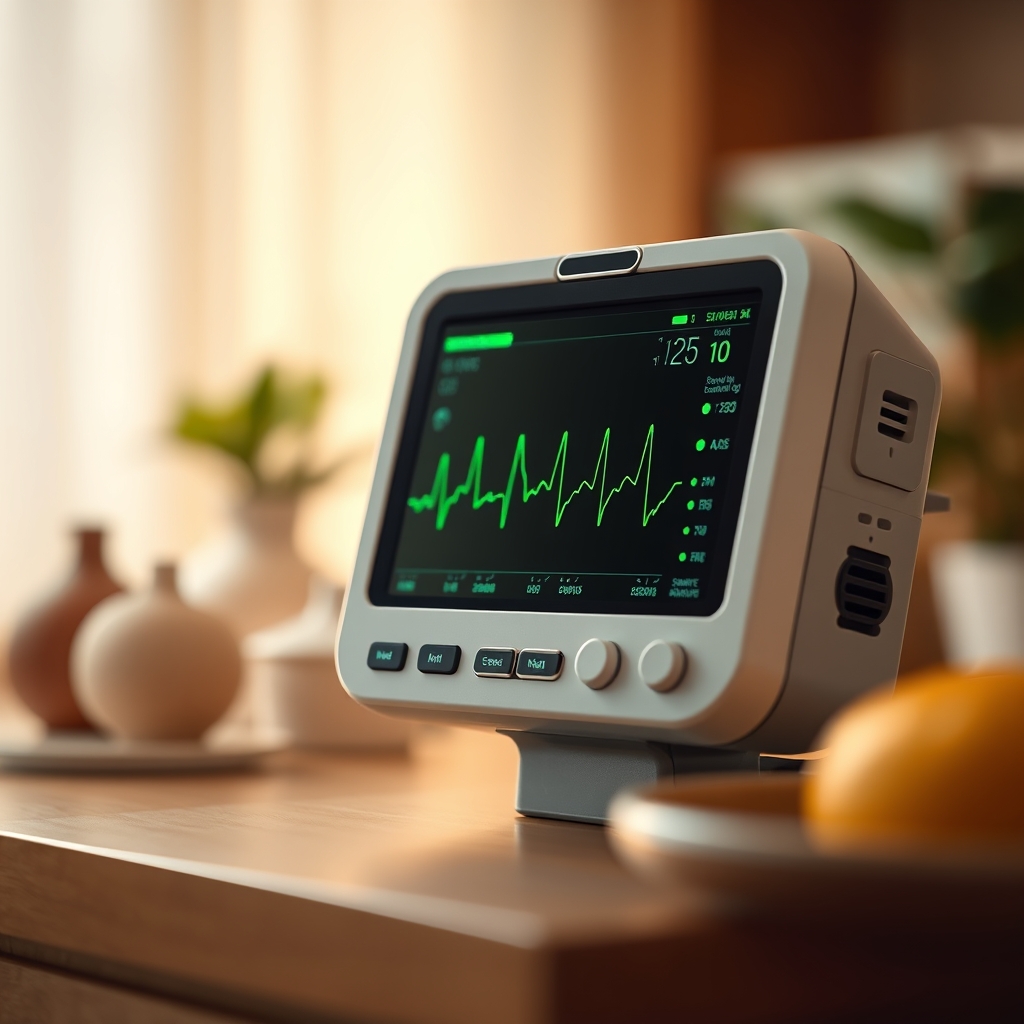
During an NST, the monitor picks up your baby’s heart rate while you relax on a comfortable table.
What does a non‑stress test involve during pregnancy?
A non‑stress test, often abbreviated NST, is a type of fetal surveillance that measures the baby’s heart rate (FHR) in response to its own movements. The test is “non‑stress” because it does not induce uterine contractions; instead, you simply rest in a quiet room while the monitor records data.
The procedure uses two small sensors placed on your abdomen: one detects the fetal heart rate, and the other tracks your own uterine activity (though no contractions are expected). The monitor translates these signals into a continuous graph that the technician watches for patterns indicating fetal well‑being.
During the test you’ll be asked to lie still, usually on a reclined exam table, for about 20–40 minutes. You can read, listen to music, or simply close your eyes—any activity that keeps you calm is encouraged. The technician may gently massage your belly to encourage the baby to move, which helps generate a clear heart‑rate pattern.
Because the NST does not require any medication or stress‑inducing stimuli, it’s considered low‑risk and can be performed in most outpatient settings, including hospital labor‑and‑delivery units, prenatal clinics, and some birthing centers.
Tip: The environment is typically dimmed and quiet, so you won’t be distracted by bright lights or loud conversations. This helps both you and the baby stay relaxed, which can improve the quality of the tracing.
How long does a non‑stress test take for pregnant women?
T
he typical NST session lasts between 20 and 40 minutes. The exact duration depends on whether a “reactive” result is obtained early. A reactive result means the baby’s heart rate shows the expected accelerations within the first 20 minutes, and the test can be stopped. If the pattern is non‑reactive, the technician may continue monitoring up to 40 minutes to see if accelerations appear later.
In some high‑risk cases, providers may repeat the NST over several days or weeks. For example, a woman with gestational diabetes might have an NST every week in the third trimester, while a patient with pre‑eclampsia might have daily testing until delivery. The frequency is individualized based on your medical history and the specific concern being addressed.
While you’re waiting, the staff will often offer water and a restroom break. The environment is designed to be comfortable, so you won’t feel rushed. If you need to move or stretch, let the technician know—they’ll pause the recording and resume once you’re settled.
Most clinics schedule a short post‑test debrief, where the technician shares the overall impression. This conversation usually takes just a few minutes, but it’s a good time to ask any lingering questions.
What are the normal results of a non‑stress test in pregnancy?
A “normal” or “reactive” NST shows at least two fetal heart‑rate accelerations within a 20‑minute window. An acceleration is defined as a rise of at least 15 beats per minute above the baseline, lasting at least 15 seconds. This pattern indicates that the baby’s nervous system and oxygenation are adequate.
Conversely, a “non‑reactive” NST lacks these accelerations. It doesn’t automatically mean there’s a problem, but it signals that further assessment is needed. A non‑reactive result can be caused by fetal sleep cycles, maternal medications, or genuine fetal compromise.
Other abnormal patterns include: late decelerations (heart‑rate drops after a movement, suggesting uterine hypoxia), variable decelerations (abrupt drops, often linked to cord compression), and sinusoidal patterns (rare, concerning for severe anemia). Your care team will interpret these findings in the context of your overall pregnancy health.
It’s also worth noting that a single NST is just one data point. Trends over multiple tests provide a clearer picture, especially in high‑risk pregnancies where patterns can evolve quickly.
Can I eat or drink before a non‑stress test appointment?
Unlike a glucose tolerance test, you do not need to fast before an NST. In fact, it’s recommended to stay hydrated and have a light snack if you feel hungry. Some clinics suggest a small, protein‑rich snack (like a yogurt or a handful of nuts) to keep blood sugar stable, especially if you’re scheduled later in the day.
It’s best to avoid a large meal right before the test, as a full stomach can cause discomfort while you’re lying still. Caffeine is also acceptable in moderation; a cup of coffee or tea won’t affect the results, though excessive caffeine can increase maternal heart rate, which might slightly influence the tracing.
If you’re on a specific diet for a medical condition (e.g., gestational diabetes), follow your provider’s usual recommendations. There’s no need for a special “NST diet” unless your doctor tells you otherwise.
Some patients find that a warm beverage helps them relax, so a cup of herbal tea (without added caffeine) can be a soothing pre‑test ritual.
What are the risks and safety concerns of a non‑stress test for my baby?
Overall, NSTs are considered safe for both mother and baby. The test uses low‑frequency ultrasound to detect the fetal heart rate, which is the same technology used in routine obstetric ultrasounds. No radiation is involved, and the electrical currents are negligible.
Rarely, a mother may feel slight discomfort from the sensor adhesive or from lying still for an extended period. Some women report mild anxiety about the monitor’s beeping, but the sound is harmless. The most important safety consideration is ensuring the equipment is properly calibrated and that the technician follows infection‑control protocols.
If an abnormal pattern is detected, the immediate risk is not from the test itself but from the underlying issue it uncovers. In such cases, your provider may recommend additional monitoring, medication, or early delivery, depending on gestational age and severity.
For women with a history of preterm labor, the brief period of monitoring is not known to trigger contractions, making NST a reassuring option even in delicate pregnancies.
How to prepare for a non‑stress test during the third trimester
Preparation is straightforward. Wear comfortable, loose‑fitting clothing that allows easy access to your abdomen—think a soft t‑shirt and stretchy leggings. Avoid clothing with metal fasteners or thick belts that could interfere with the sensors.
Bring a water bottle and a light snack if you think you’ll be hungry. If you’re taking prenatal vitamins or prescribed medications, keep them handy; you’ll be asked whether you’ve taken any doses that morning. Generally, most medications (including low‑dose aspirin, antihypertensives, and insulin) are allowed, but always confirm with your provider.
Plan to arrive a few minutes early so you can check in, use the restroom, and settle in. If you’re nervous, consider bringing a partner, friend, or doula for support—they can hold your hand, chat, or simply be there while the test runs.
Some clinics offer a calming playlist or a short guided meditation before the test begins. Letting the staff know you’d appreciate this can make the experience even more soothing.
Typical NST tracing shows accelerations that signal a healthy baby.
When is a non‑stress test recommended in pregnancy?
Doctors usually order an NST when there’s a concern about fetal oxygenation or growth. Common indications include:
Maternal health conditions such as hypertension, pre‑eclampsia, or gestational diabetes.
Fetal growth restriction (FGR) identified on ultrasound.
Decreased fetal movement reported by the mother.
Post‑term pregnancy (beyond 40 weeks) to assess fetal well‑being.
Maternal smoking, substance use, or chronic medication that may affect placental function.
In high‑risk pregnancies, NSTs may be performed weekly or even more frequently. For example, a patient with severe pre‑eclampsia might have daily NSTs until delivery, while a mother with a stable condition may have them every two weeks. Your provider will tailor the schedule to your specific risk profile.
In some cases, an NST is ordered as part of a routine surveillance protocol after a previous abnormal ultrasound, offering a quick reassessment without the need for a full scan.
What to do after a non‑stress test results are abnormal
If the NST shows a non‑reactive or abnormal pattern, your care team will discuss next steps. Common follow‑up actions include:
Repeat NST: A second test in a few hours or the next day to see if the pattern persists.
Biophysical profile (BPP): An ultrasound‑based assessment that combines fetal movement, tone, breathing, and amniotic fluid volume with a heart‑rate component.
Contraction stress test (CST): A more intensive test that induces mild uterine contractions with oxytocin or nipple stimulation to evaluate fetal reserve.
Delivery planning: If you’re near term and the baby shows signs of distress, your provider may recommend induction or a cesarean delivery.
Remember, an abnormal NST does not automatically mean you need to deliver immediately. It’s a signal to gather more information, and most women with abnormal results go on to have healthy deliveries after appropriate monitoring.
Ask your provider about the expected timeline for any follow‑up testing so you can plan your work, childcare, and transportation accordingly.
Non‑stress test vs. biophysical profile pregnancy
Both NST and BPP are tools to assess fetal well‑being, but they differ in methodology:
When NST is non‑reactive or additional data needed
Risk
Very low; no uterine stimulation
Low; includes ultrasound, no stress
In practice, an NST is often performed first. If it’s non‑reactive, a BPP may be ordered to provide a broader picture of fetal health without exposing the baby to stress.
Because the BPP includes an ultrasound, it also gives information on placental position and amniotic fluid volume—details that the NST alone cannot provide.
How often is a non‑stress test performed in high‑risk pregnancies?
Frequency depends on the underlying condition and gestational age. General guidelines from ACOG and the NHS suggest:
Gestational diabetes: Weekly NSTs from 32 weeks onward.
Hypertensive disorders (pre‑eclampsia, chronic hypertension): Every 1–2 days once the condition is diagnosed, especially after 34 weeks.
Fetal growth restriction: Twice weekly NSTs plus weekly BPPs.
Post‑term pregnancy: Twice weekly NSTs after 40 weeks.
These schedules are flexible; your provider may increase or decrease the interval based on how the baby’s monitoring trends evolve.
Some clinicians also use a “trigger” approach—if a baby’s tracing shows concerning features, they may schedule an immediate repeat test rather than waiting for the next routine slot.
Does a non‑stress test hurt the mother?
No. The sensors are placed on the abdomen with a gentle adhesive, similar to a pregnancy belt or a heart‑rate monitor. Most women describe the sensation as a light pressure or a soft buzzing from the monitor. If you have sensitive skin, let the technician know—they can use a hypoallergenic pad or adjust the placement.
Some women may feel a mild discomfort from lying still for an extended period, especially if they have back pain. In that case, the staff can provide pillows or a short break. The test itself does not cause pain, uterine contractions, or any physical stress.
Because the procedure is non‑invasive, there’s no recovery time—once the test ends you can resume normal activities right away.
What medications are allowed before a non‑stress test?
Most routine prenatal medications are safe to continue before an NST. This includes prenatal vitamins, low‑dose aspirin (often prescribed for pre‑eclampsia prevention), antihypertensives, and insulin. However, certain drugs that can blunt fetal heart‑rate accelerations—like high‑dose beta‑blockers or sedatives—may be temporarily held.
Always inform the technician of any recent doses, especially if you’ve taken a new prescription or over‑the‑counter medication. Your provider will give specific guidance if a medication needs to be paused for the test.
For women on steroids or other immunosuppressants, the standard practice is to continue unless the prescribing physician advises otherwise; these medications rarely affect NST results.
Interpretation of non‑stress test tracings
When you look at the NST graph, you’ll see two lines: the baseline fetal heart rate (usually 110–160 bpm) and any accelerations or decelerations. Here’s a quick guide:
Reactive (normal): ≥2 accelerations of 15 bpm lasting ≥15 seconds within 20 minutes.
Non‑reactive: Fewer than two accelerations in 20 minutes, or none at all.
Late decelerations: Drop in heart rate occurring after a movement; concerning for hypoxia.
Variable decelerations: Abrupt drops, often due to cord compression.
Sinusoidal pattern: Smooth, wave‑like rhythm; rare and associated with severe fetal anemia.
Technicians record these observations, and a physician interprets them in the context of your overall pregnancy. If you’re curious, ask your provider to walk you through the tracing after the test—they’re usually happy to explain what they saw.
It’s also helpful to know that a “borderline” result (one acceleration) often prompts a short observation period before deciding whether to repeat the test.
Insurance coverage for non‑stress test during pregnancy
In the United States, most private insurers and Medicaid cover NSTs when they’re medically indicated, as outlined by CPT code 59070. The coverage typically includes the technician’s time, the monitoring equipment, and the interpreting physician’s fee. In the United Kingdom, the NHS lists NSTs under “fetal monitoring” and provides them free of charge for high‑risk pregnancies.
If you have a high‑deductible plan, you may see a co‑pay. It’s a good idea to verify with your insurer’s pre‑authorization department before the appointment, especially if you anticipate frequent testing.
For patients without insurance, many hospitals offer a self‑pay rate, and some community health centers provide the test at reduced cost as part of prenatal care bundles.
Difference between NST and contraction stress test
A contraction stress test (CST) is a more aggressive assessment that deliberately triggers mild uterine contractions, either with oxytocin infusion or nipple stimulation. The goal is to see how the baby’s heart rate responds to the stress of reduced oxygen during a contraction.
Risk: CST carries a small risk of inducing premature labor or causing fetal distress, so it’s reserved for cases where NST results are inconclusive.
Interpretation: A “positive” CST (normal response) reassures that the baby can tolerate stress; a “negative” CST may prompt delivery planning.
Because CST involves active stimulation, it’s less commonly performed and usually requires a hospital setting with immediate delivery capability.
Many providers will only order a CST after a non‑reactive NST and a reassuring BPP, as a final check before deciding on early delivery.
What to expect if you have multiple pregnancies (twins or more) during a non‑stress test
When you’re carrying twins or higher‑order multiples, each fetus gets its own set of sensors, and the monitor records separate heart‑rate tracings. The test duration may be slightly longer to capture adequate data from both babies.
Guidelines from ACOG suggest performing NSTs for each twin individually if the placentas are separate, or using a combined tracing if they share a placenta. The criteria for a reactive result remain the same—at least two accelerations per fetus within 20 minutes.
Because twins have a higher risk of growth restriction and cord complications, clinicians may schedule NSTs more frequently, often twice weekly after 28 weeks. The presence of two heart‑rate patterns can feel overwhelming, but the technician will guide you through the process and explain each tracing.
How lifestyle factors influence NST results
Maternal habits such as smoking, caffeine intake, and exercise can subtly affect the fetal heart‑rate pattern. Nicotine reduces placental oxygen transfer, which may increase the likelihood of non‑reactive NSTs. Caffeine, in moderate amounts, generally does not alter results, but excessive consumption can raise maternal heart rate and cause mild fetal tachycardia.
Gentle physical activity—like a short walk before the appointment—can help the baby move, potentially producing clearer accelerations. However, vigorous exercise right before the test may cause the baby to be sleepy afterward, leading to a non‑reactive tracing.
Discuss any recent changes in your lifestyle with the technician; they can note these factors in the report, which helps your provider interpret the results in context.
Understanding NST results in the context of gestational age
Fetal heart‑rate patterns mature as pregnancy progresses. In early third trimester (around 28‑30 weeks), it’s not uncommon to see fewer accelerations because the nervous system is still developing. By 34 weeks, a reactive NST is expected in most healthy pregnancies.
When an NST is performed before 30 weeks, clinicians often combine it with a detailed ultrasound to confirm growth and amniotic fluid volume, since a non‑reactive result at that stage may simply reflect fetal sleep rather than true compromise.
Therefore, your provider will consider gestational age when deciding whether a repeat NST, a BPP, or simply continued observation is appropriate.
From our medical team: An NST is a safe, first‑line tool to check on your baby’s oxygen and nervous‑system health. If you receive a non‑reactive result, stay calm—your provider will likely repeat the test or add an ultrasound assessment. Most abnormal findings lead to additional monitoring rather than immediate delivery, giving you time to discuss options and make informed choices.
Myth vs. fact
Myth: “If the NST is abnormal, the baby is in danger and I’ll need an emergency C‑section.”
Fact: An abnormal NST is a warning sign, not a definitive diagnosis. It prompts further evaluation (repeat NST, BPP, or CST) and a tailored care plan, which may or may not involve early delivery.
Myth: “You have to fast for several hours before an NST.”
Fact: No fasting is required. Staying hydrated and having a light snack is perfectly fine and can help you stay comfortable during the test.
Myth: “NSTs are painful and cause uterine cramps.”
Fact: The test is painless and does not induce contractions. Any discomfort is usually from lying still or the adhesive pads, not from the monitoring itself.
Key takeaways
Non‑stress tests are painless, outpatient checks of your baby’s heart‑rate pattern while you rest.
A reactive (normal) result typically appears within 20 minutes; a non‑reactive result may require additional monitoring.
You can eat, drink, and wear comfortable clothing; no special fasting is needed.
Most medications, including prenatal vitamins and low‑dose aspirin, are allowed—confirm any new drugs with your provider.
Abnormal results lead to further evaluation (repeat NST, biophysical profile, or contraction stress test), not immediate delivery.
Insurance usually covers NSTs when medically indicated; verify coverage if you have a high‑deductible plan.
For twins, each fetus is monitored separately, and the criteria for a reactive result remain the same.
Lifestyle factors like smoking and excessive caffeine can influence tracing quality, so discuss them with your care team.
Frequently asked questions
How long does a non‑stress test take?
The test usually lasts 20–40 minutes. If a reactive result is seen early, the session may end after 20 minutes; otherwise, technicians monitor for up to 40 minutes to capture sufficient data.
Is a non‑stress test safe for the baby?
Yes. NSTs use low‑frequency ultrasound and external sensors, the same technology as routine obstetric ultrasounds, and have no known harmful effects on the fetus.
What should I wear for a non‑stress test?
Choose loose, breathable clothing that allows easy access to your abdomen—think a soft T‑shirt and stretchy leggings. Avoid heavy belts or metal accessories that could interfere with the sensors.
Can I eat before a non‑stress test?
You do not need to fast. A light snack and water are fine, and staying hydrated can help you stay comfortable while lying still.
What do the results of a non‑stress test mean?
A reactive result (two accelerations in 20 minutes) indicates good fetal oxygenation. A non‑reactive result prompts further testing, such as a repeat NST, biophysical profile, or, if needed, a contraction stress test.
Do I need a partner for a non‑stress test?
Having a partner, friend, or doula present is optional but can provide emotional support. The test itself does not require another person, and most clinics allow you to come alone if you prefer.
Can a non‑stress test be done at home?
At present, most NSTs are performed in a clinic or hospital because they require calibrated equipment and a trained technician. Some specialized home‑monitoring programs exist for high‑risk patients, but they still involve periodic in‑person visits to verify the data.
What is the difference between a reactive NST and a reassuring BPP?
A reactive NST shows adequate heart‑rate accelerations, while a reassuring BPP combines that information with ultrasound observations of movement, tone, breathing, and amniotic fluid. Both indicate good fetal health, but the BPP provides a more comprehensive picture.
When to call your doctor
If you experience any of the following after an NST, contact your provider right away: persistent abdominal pain, vaginal bleeding, sudden loss of fetal movement, fever over 100.4°F (38°C), or if the technician notes concerning decelerations that you did not see. Remember, this article is for information only and does not replace personalized medical advice.
References
American College of Obstetricians and Gynecologists (ACOG). “Non‑stress Test and Biophysical Profile.” Practice Bulletin No. 226, 2023.
National Institute for Health and Care Excellence (NICE). “Fetal Monitoring in Pregnancy.” NG247, 2022.
Society for Maternal‑Fetal Medicine (SMFM). “Guidelines for Antenatal Surveillance.” 2021.
Mayo Clinic. “Non‑stress test (NST).” Updated 2023.
U.S. Centers for Medicare & Medicaid Services (CMS). CPT Code 59070 – Fetal Heart Rate Monitoring.
Royal College of Obstetricians and Gynaecologists (RCOG). “Management of Pregnancy Complicated by Hypertension.” Green-top Guideline No. 63, 2022.
World Health Organization (WHO). “Recommendations for Antenatal Care for a Positive Pregnancy Experience.” 2022.
American Academy of Pediatrics (AAP). “Guidelines for Monitoring Fetal Well‑Being in High‑Risk Pregnancies.” 2021.
National Health Service (NHS). “Non‑stress test (NST) – what to expect.” Updated 2023.
Not sure about the label on Non Stress Test Pregnancy What To Expect During The Test products?
Snap the ingredients list and SafeFilter checks every ingredient for your stage — only 3 free scans this month, then you're locked until reset. Unlimited from $7/mo or lock $50/yr through Aug 31 (5 days left).
When Shubhra Mishra was expecting her first child in 2016, she was overwhelmed by conflicting food advice — one site said yes, another said never. By the time her second baby arrived in 2019, she realized millions of mothers face the same confusion.
That sparked a five-year journey through clinical nutrition papers, cultural diets, and expert conversations — all leading to BumpBites: a calm, compassionate space where science meets everyday motherhood.
Her long-term vision is to build a global community ensuring safe, supported, and free deliveriesfor every mother — because no woman should face pregnancy alone or uninformed. 🌿
🌍 Stand with mothers, shape safer guidance
Join a small circle of experts who review BumpBites articles so expecting parents everywhere can decide with confidence.