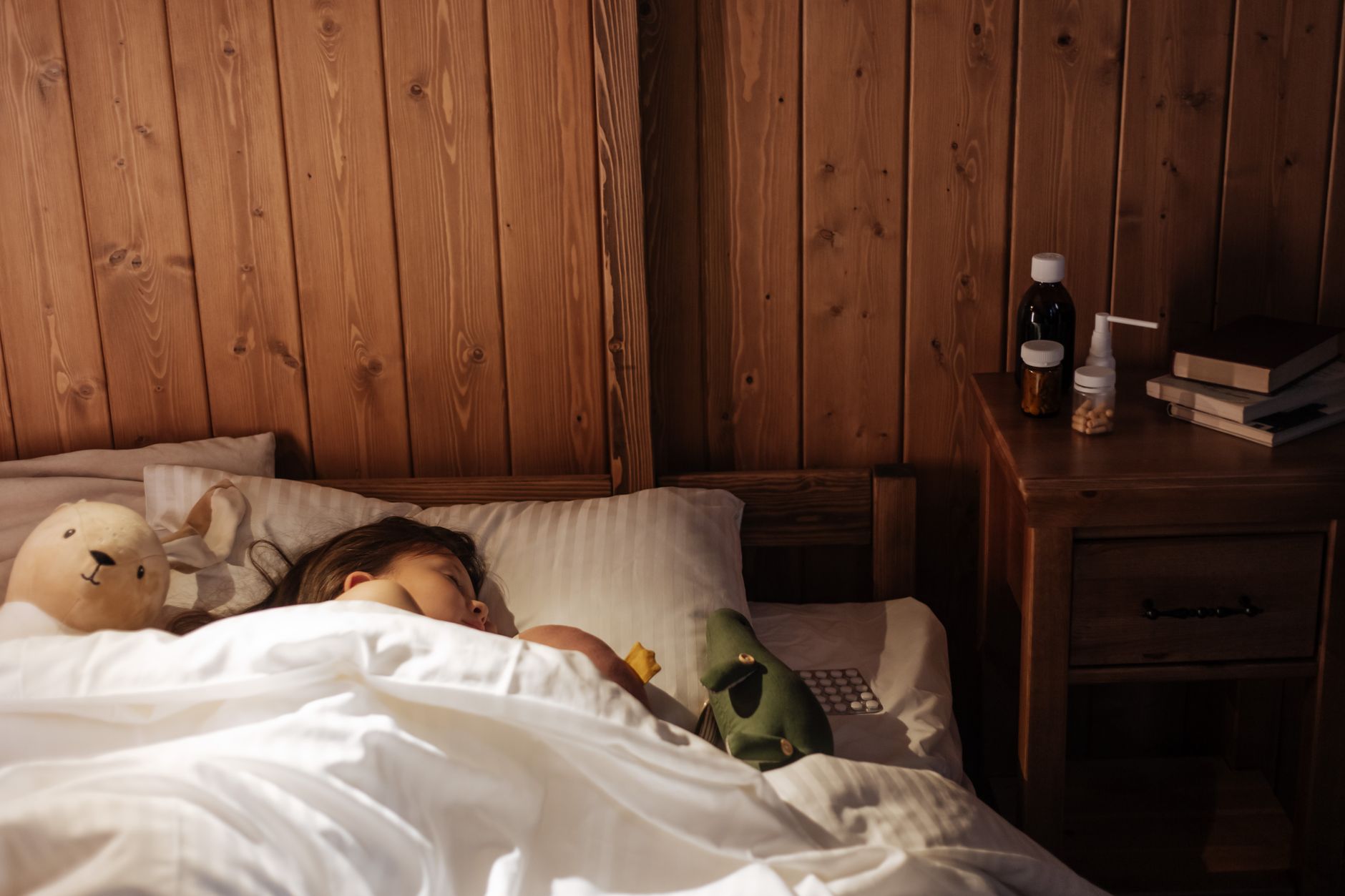
Stopping nightmares isn’t about eliminating dreams—those are a healthy part of brain development—but about creating an environment that reduces fear and promotes calm sleep. Here’s a step‑by‑step plan you can start tonight.
- Establish a consistent bedtime routine: A predictable sequence—bath, story, lullaby—signals to the brain that it’s time to wind down.
- Limit screen exposure: Turn off TVs, tablets, and phones at least one hour before bed. Blue light interferes with melatonin production (National Sleep Foundation).
- Introduce a “dream talk”: Briefly discuss any scary images the child mentions, reassuring them that the dream was just a story.
- Use a comfort object: A favorite stuffed animal or blanket can provide a tangible sense of safety.
- Keep the bedroom environment soothing: Dim nightlights, a white‑noise machine, and a cool temperature (around 68‑70°F) help maintain deep sleep.
- Monitor daytime stress: Provide opportunities for active play, social interaction, and quiet downtime.
Consistency is key. It may take a week or two for the new routine to take effect, but most parents report a noticeable decline in nighttime fear within that timeframe.
Patience is key; changes may not be immediate, but consistency builds a sense of security over weeks.
Signs that a toddler's nightmare is a sign of anxiety
While occasional nightmares are normal, persistent night‑time fear can be an early indicator of anxiety. Anxiety in toddlers often presents differently than in older children or adults, with physical and behavioral clues.
Watch for these red‑flag symptoms:
- Nightmares that occur most nights for a month or longer.
- Severe reluctance to go to bed, despite a comforting routine.
- Physical complaints (stomachaches, headaches) that appear mainly around bedtime.
- Regression in previously mastered skills (e.g., toileting, language).
- Excessive clinginess to parents throughout the day.
If you notice three or more of these signs, it’s time to discuss your concerns with a pediatrician, who may refer you to a child psychologist or therapist specializing in early‑life anxiety.
Early identification allows for gentle interventions that can prevent more entrenched anxiety later.
Best bedtime routine to prevent nightmares in toddlers
A calming bedtime routine can be the single most effective tool for reducing nightmares. Below is a sample 30‑minute routine that balances soothing activities with gentle structure.
- Warm bath (5 minutes): The rise and fall of water temperature can signal the body to relax.
- Quiet play (5 minutes): A simple puzzle or soft‑toy cuddle helps transition from active to calm.
- Storytime (10 minutes): Choose books with gentle plots and happy endings. Avoid scary or conflict‑heavy stories.
- Lullaby or soft music (5 minutes): A consistent melody can become a sleep cue.
- Goodnight hug and lights out (5 minutes): A brief, reassuring hug and a dim nightlight finish the routine.
Stick to the same order each night. Over time, the routine becomes a cue that the brain associates with safety, making it less likely that stressful dreams will surface.
Consistency not only signals bedtime but also reinforces a predictable environment that comforts the child's developing brain.
When to worry about nightmares in a 4‑year‑old
By age four, most children have developed coping skills that help them manage occasional scary dreams. However, if nightmares become a chronic issue, they may signal deeper concerns.
Key warning signs for a four‑year‑old include:
- Nightmares occurring more than three times per week for a month.
- Persistent fear of going to bed or sleeping alone.
- Daytime mood swings, irritability, or difficulty concentrating at school.
- Physical symptoms such as unexplained stomachaches at night.
- Any indication of trauma (e.g., exposure to a frightening event).
When two or more of these symptoms appear together, schedule a visit with your child’s pediatrician. A professional can screen for anxiety disorders, sleep‑related breathing issues, or other medical conditions that may be contributing.
Even at this age, the presence of multiple red‑flags suggests a deeper issue that warrants professional evaluation.
Foods that can trigger nightmares in toddlers
Diet can subtly influence sleep quality and dream vividness. Certain foods, especially when eaten close to bedtime, have been linked to more frequent or intense nightmares.
Pairing a balanced dinner with a small, low‑sugar snack—such as a banana slice or a handful of whole‑grain crackers—can help keep blood sugar steady without overloading the digestive system before bed.
Keeping a balanced dinner low in sugar and caffeine supports stable sleep cycles and reduces dream intensity.
Difference between nightmares and night terrors in toddlers
Nightmares and night terrors are often confused, but they differ in timing, behavior, and how the child remembers the episode.
- Nightmares: Occur during REM sleep (usually early morning), the child awakens fully, can recall the scary content, and is quickly comforted.
- Night terrors: Happen in non‑REM deep sleep (first half of the night), the child may scream, appear terrified, but remains partially asleep and typically has no memory of the event.
Because night terrors involve a deeper sleep stage, they’re less likely to be influenced by daytime stressors or diet. Understanding the distinction helps you choose the right soothing approach.
How to respond to each
- Nightmare response: Gently reassure, offer the comfort object, and briefly discuss the dream if the child wants.
- Night terror response: Keep calm, ensure the child’s safety, and avoid waking them fully. Once the episode passes, offer a soothing touch and let them settle back to sleep.
Recognizing the distinction helps parents respond appropriately, minimizing unnecessary stress for both child and caregiver.
How many nightmares are normal for a toddler?
There’s no one‑size‑fits‑all answer, but research from the AAP indicates that most toddlers experience at least one nightmare per month, with a typical range of 0‑4 per week. Frequency often peaks around ages 2‑3, when imagination and fear of the unknown are strongest.
Below is a quick reference chart summarizing average nightmare frequency by age:
If your toddler’s nightmares are consistently above the upper range for their age, it’s worth exploring underlying stressors or consulting a professional.
Frequency can vary widely; the key is whether the child feels safe and can return to sleep without prolonged distress.
How sleep schedule affects nightmares in toddlers
Irregular sleep patterns can fragment REM cycles, leading to more vivid dreaming and, consequently, more nightmares. A toddler who naps inconsistently or goes to bed at wildly different times may experience “catch‑up” REM sleep, which can intensify dream activity.
Key recommendations for a stable sleep schedule:
- Set a fixed bedtime and wake‑time: Even on weekends, keep the same schedule within a 30‑minute window.
- Limit daytime naps to 1‑2 hours total: Excessive daytime sleep can reduce nighttime sleep pressure, making REM episodes more frequent.
- Create a wind‑down window: A 15‑minute calm period before bedtime helps transition to sleep.
When families adopt a predictable schedule, many parents report a drop in nightly nightmares within a few weeks.
A regular schedule aligns the internal clock, reducing the likelihood of fragmented REM sleep that can provoke vivid dreams.
What to do when toddler wakes up scared from a nightmare
First, stay calm. Your reaction sets the tone for how your child learns to cope.
- Offer immediate physical comfort: A gentle hug, a soft pat, or holding their hand can reduce the surge of adrenaline.
- Validate their feelings: Say, “I know that felt scary, but you’re safe now.”
- Keep the conversation brief: Re‑assure without diving into details that might prolong the fear.
- Use a “magic” object: Some families give a “dream catcher” or special blanket that “protects” against bad dreams.
- Guide them back to sleep: Dim the nightlight, offer a sip of water, and stay nearby until they settle.
Repeatedly applying this routine helps your child develop internal coping skills, reducing the intensity of future nightmares.
A calm, brief response teaches the child that nighttime fears are manageable and temporary.

Can nightmares affect toddler's daytime behavior?
Yes. Nightmares can carry over into daytime mood and behavior, especially if the child feels unsafe or is repeatedly woken during the night.
Common daytime impacts include:
- Increased clinginess or separation anxiety at daycare.
- Irritability and short temper, often described as “having a bad day.”
- Regression in language or toileting skills.
- Difficulty concentrating during play or learning activities.
If you notice these patterns, consider adjusting the bedtime routine, reviewing daytime stressors, and possibly consulting a pediatric sleep specialist. Consistent sleep hygiene can often reverse these daytime effects within a few weeks.
Improving sleep quality often leads to noticeable improvements in mood, attention, and overall daily functioning.
Does teething cause nightmares in toddlers?
Teething itself does not cause nightmares, but the associated discomfort can disrupt sleep, leading to more awakenings and a higher likelihood of vivid dreams. A child who wakes frequently due to sore gums may enter REM sleep more often, which is when nightmares occur.
To minimize teething‑related sleep disruption:
- Offer a chilled teething ring before bedtime.
- Use a pediatrician‑approved pain reliever if needed (e.g., acetaminophen).
- Maintain the calming bedtime routine even if the child is fussy.
These steps help keep the sleep environment soothing, reducing the chance that pain will translate into nighttime fears.
Addressing teething discomfort with appropriate soothing measures can help prevent sleep disruptions that might otherwise trigger nightmares.
Recommended books to help toddlers cope with nightmares
Storytelling can be a gentle way to demystify scary dreams. Below are three widely‑recommended titles that address nighttime fears in an age‑appropriate way:
- “Goodnight, Sleep Tight” by Margaret Wise Brown – A rhythmic bedtime classic that emphasizes safety and routine.
- “The Darkest Dark” by Chris Hadfield – A story about a young astronaut who learns to face his fear of the dark.
- “The Monster Who Ate My Brother” by James Marshall – Uses humor to show that monsters are harmless and only live in imagination.
Reading these books before bed can give your toddler a sense of control over scary thoughts, making it easier to transition to peaceful sleep.
Choosing books with gentle illustrations and reassuring narratives can further reinforce a sense of safety before sleep.

How to keep a nightmare diary for your toddler
Tracking nightmares can reveal patterns that help you adjust bedtime habits. A simple diary doesn’t need to be complex—just a few columns for date, brief dream description, any recent changes (new daycare, illness), and how you responded.
Parents report that noting triggers such as “watched a cartoon with a monster” or “had a late snack” often leads to quick tweaks that reduce nightmare frequency. The NHS recommends reviewing the diary weekly to look for recurring themes and discuss them with your pediatrician if they persist.
Reviewing patterns together can also become a collaborative activity that empowers the child to recognize and manage triggers.
The role of light exposure and circadian rhythm in toddler nightmares
Light exposure in the evening influences melatonin production, which in turn affects REM sleep quality. Bright artificial light—especially from screens—can delay melatonin release, making the brain stay in lighter sleep stages longer and potentially increasing vivid dreaming.
To support a healthy circadian rhythm, aim for a dim, amber‑toned nightlight and keep electronic devices out of the bedroom after sunset. The American Academy of Pediatrics advises that limiting evening light exposure improves overall sleep continuity and may lessen nightmare intensity.
Even a small shift toward warmer lighting in the evening can support melatonin production and smoother sleep transitions.
When to consider a pediatric sleep study for a toddler
Most nighttime fears resolve with simple sleep‑hygiene changes, but in rare cases, underlying sleep‑disordered breathing or neurological issues may be at play. Indications for a sleep study (polysomnography) include:
- Frequent pauses in breathing or loud snoring.
- Persistent night terrors despite a stable routine.
- Daytime excessive sleepiness or developmental delays.
- Unexplained weight loss or growth concerns.
If two or more of these signs appear, ask your pediatrician for a referral to a pediatric sleep specialist. A sleep study can pinpoint problems such as obstructive sleep apnea, which, when treated, often reduces both night terrors and nightmares.
Early detection through a sleep study can guide targeted treatments that improve both nighttime and daytime health.
How to use a sleep tracker for toddlers with nightmares
Modern sleep‑tracking devices can help you see patterns that aren’t obvious to the naked eye. A simple wearable or smartphone app records movement, heart rate, and sleep stages, giving clues about when nightmares tend to occur.
When choosing a tracker, look for a device that’s lightweight, has a comfortable band, and provides clear visual summaries. Use the data to note correlations—such as a later bedtime or a sugary snack—and adjust routines accordingly.
Tracking tools should never replace professional evaluation, but they can be a helpful supplement when used alongside a diary.

Impact of parental stress on toddler nightmares
Children are attuned to the emotional climate around them. When parents feel anxious or overwhelmed, toddlers may pick up on subtle cues—tone of voice, facial tension—and translate those feelings into nighttime fears.
Research from the National Institute of Mental Health (NIMH) shows that parental stress can increase the frequency of sleep disturbances in young children. Simple self‑care practices for parents—such as brief mindfulness, deep‑breathing exercises, or a short walk—can indirectly calm the child’s sleep environment.
Taking care of your own stress levels is a practical step toward reducing your toddler’s nightmare frequency.
When to try cognitive‑behavioral play therapy for persistent nightmares
If nightmares persist despite optimal sleep hygiene, a child‑focused cognitive‑behavioral approach can be effective. Play therapy allows the child to express fears through drawings, dolls, or storytelling, helping them process emotions safely.
Therapists may use techniques such as “imagery rehearsal,” where the child re‑imagines a scary dream with a positive ending. Sessions typically last 30–45 minutes and are conducted weekly for several weeks.
Ask your pediatrician for a referral to a child psychologist trained in CBT‑based play therapy if nightmares are frequent, intense, or affect daytime functioning.

Myth vs. fact
Myth: Nightmares mean a child will have trouble sleeping forever.
Fact: Most toddlers outgrow frequent nightmares by age five as emotional regulation improves.
Myth: Giving a child a “nighttime drink” will stop nightmares.
Fact: Fluids before bed can increase nighttime awakenings for bathroom trips, potentially interrupting sleep cycles.
Myth: Night terrors are just intense nightmares.
Fact: Night terrors occur in a different sleep stage and the child typically has no memory of the event.
Key takeaways
- Nightmares are common in toddlers, peaking around ages 2‑3.
- Consistent bedtime routines, limited screen time, and a calm sleep environment reduce frequency.
- Dietary triggers such as chocolate, caffeine, and heavy sugars can worsen nightmares.
- Watch for signs of anxiety: persistent fear, daytime regression, or physical complaints.
- When nightmares are frequent, intense, or affect daytime behavior, seek professional guidance.
- Books and simple comfort objects can empower toddlers to cope with scary dreams.
- Keeping a nightmare diary and managing evening light exposure are practical tools for parents.
Frequently asked questions
What age do nightmares start in toddlers?
Most children begin having recognizable nightmares between 18 and 24 months, as their imagination and language skills develop enough to create vivid dream narratives.
How can I tell if my toddler is having a nightmare or a night terror?
Nightmares occur during REM sleep, usually in the early morning hours; the child wakes fully, can describe the dream, and is easily soothed. Night terrors happen in deep non‑REM sleep, often within the first half of the night; the child may scream, appear terrified, but remains partially asleep and typically has no memory.
Are nightmares common in 2‑year‑olds?
Yes. Approximately 50‑70 % of two‑year‑olds experience at least one nightmare per week, reflecting normal brain development and heightened emotional awareness.
What are the best ways to comfort a toddler after a nightmare?
Offer a gentle hug, reassure them that they’re safe, keep explanations brief, and use a consistent comfort object. A short “dream talk” can help process the fear without prolonging it.
Can diet cause nightmares in toddlers?
While no single food guarantees a nightmare, stimulants (caffeine, chocolate), heavy sugars, and spicy or high‑fat meals close to bedtime can disrupt sleep and increase vivid dreaming.
When should I seek professional help for my toddler's nightmares?
Consult a pediatrician if nightmares occur more than three times per week for a month, are accompanied by daytime anxiety or regression, or if your child shows signs of night terrors, breathing problems, or persistent sleep refusal.
Can nightmares be a sign of a sleep disorder?
Occasional nightmares are normal, but recurrent, intense nightmares may indicate an underlying sleep disorder such as obstructive sleep apnea or a circadian rhythm disruption. A pediatric sleep specialist can evaluate these possibilities.
How long should a bedtime story be to help prevent nightmares?
Stories that last 5‑10 minutes are ideal; they’re long enough to establish a calming routine but short enough to keep a toddler’s attention without overstimulating the imagination before sleep.
Can a toddler’s nightmares be linked to allergies?
Allergic reactions can cause nasal congestion or coughing that disrupts sleep, sometimes leading