et’s start with the basics: when is it safe to photograph your newborn? The short answer is as soon as possible after they’re medically stable, but with important caveats. The longer answer involves understanding your baby’s physiological needs, their feeding schedule, and how their tiny body adapts to the outside world.
Most healthy newborns are ready for photos within 5–14 days after birth, but this window can shift based on several factors:
- Feeding status: Babies who are breastfeeding or formula-feeding well tend to be more alert and content during the day, making them better candidates for photos.
- Sleep patterns: Newborns sleep 14–17 hours a day, often in 2–4 hour chunks. The best photo times are when they’re awake but not overtired.
- Medical clearance: If your baby was born prematurely or has jaundice, your pediatrician will give you the green light when they’re stable.
- Your energy levels: Let’s be real—new parents are exhausted. If you’re running on fumes, your baby might be too. Aim for a time when you can be present and patient.
According to the American Academy of Pediatrics, newborns should not be subjected to unnecessary stress, such as long photo sessions, until they’re at least 24 hours old and feeding well. This is especially true for babies who were born via C-section or had a difficult delivery, as their bodies need time to recover.

**Real mom moment:** One reader, a first-time mom named Priya, shared that she waited until her baby was 10 days old for her photos because she was breastfeeding and worried about her milk supply. "I was terrified I’d stress my baby out and my milk would dry up," she said. "But my photographer was so patient, and my baby actually slept through most of the session—it was magical." Priya’s experience highlights a common concern: the fear of disrupting feeding or sleep patterns. The good news? Most babies are resilient, and a well-timed photo session can actually help them get used to gentle handling.
---
The best time for newborn photo sessions after delivery
If you’re wondering when to schedule your newborn photos after birth, the answer depends on your baby’s health, your family’s routine, and the photographer’s recommendations. Here’s a breakdown of the most common (and safest) timing strategies:
Option 1: The First Week (Days 3–7)
Many parents choose the first week because:
- Babies are often at their most alert during the day (thanks to their sleep-wake cycles).
- They’re still small enough to fit into cute props, but not yet too fussy.
- Newborns are less likely to be jittery or overstimulated.
**Pros:** Captures the "newborn look" (those adorable wrinkles and tiny fingers) before they outgrow it.
**Cons:** Requires careful timing to avoid overtiredness or feeding issues.
Option 2: Days 8–14
This is the sweet spot for many families because:
- Babies are often more predictable in their feeding and sleep routines.
- Parents have had time to recover from the hospital and adjust to life at home.
- Photographers can work with the baby’s natural alertness without rushing.
**Pros:** Less stress for everyone—babies are usually more cooperative, and parents aren’t as exhausted.
**Cons:** Babies may start to look less "newborn" (those wrinkles fade, and they grow faster).
Option 3: The Second Week (Days 15–21)
Some parents wait until this point because:
- They’ve had time to bond and observe their baby’s temperament.
- They’re more confident in their baby’s feeding and sleep patterns.
- They want to avoid the "first week rush" of hospital discharge and postpartum recovery.
**Pros:** Babies are often more relaxed and less likely to be fussy.
**Cons:** They may be too big for certain props, and the "newborn" look fades quickly.
**Key takeaway:** There’s no wrong answer, but the first two weeks are widely considered the safest and most practical window. If you’re unsure, ask your pediatrician for guidance—especially if your baby was born prematurely or has any medical conditions.
---
Newborn photography timing for premature babies
If your baby was born prematurely, the timing for newborn photos is different—and more nuanced. Premature babies (those born before 37 weeks) have unique needs, and their adjusted age (calculated from their due date, not their birth date) determines when they’re ready for non-essential activities like photos.
According to the National Institute of Child Health and Development, premature babies should not be photographed until they’ve reached an adjusted age of at least 34 weeks. This means:
- If your baby was born at 32 weeks, you’ll wait until they’re 34 weeks from their due date (not their actual birth date).
- If your baby was born at 28 weeks, you’ll wait until they’re 34 weeks from their due date (which could be 6–8 weeks after birth).
**Why the wait?** Premature babies are still developing, and their bodies are adjusting to life outside the womb. They may struggle with:
- Temperature regulation (they’re still learning to stay warm).
- Feeding coordination (they may need help with latching or bottle-feeding).
- Sleep patterns (they may be more fussy or irregular).
**What to do instead:** If you’re eager to capture your premature baby, consider:
- Hospital photos: Many NICUs offer photography services for parents of premature babies. These photos are often taken in the nursery or with medical equipment (like oxygen tubes or IVs), which can be incredibly meaningful.
- Portraits at home: Once your baby is stable, you can take soft, well-lit photos at home using a good camera or smartphone. Focus on candid moments rather than posed shots.
- Wait for the adjusted age: Once your baby reaches 34 weeks adjusted, you can schedule a professional photo session. Many photographers specialize in premature babies and know how to work with their unique needs.
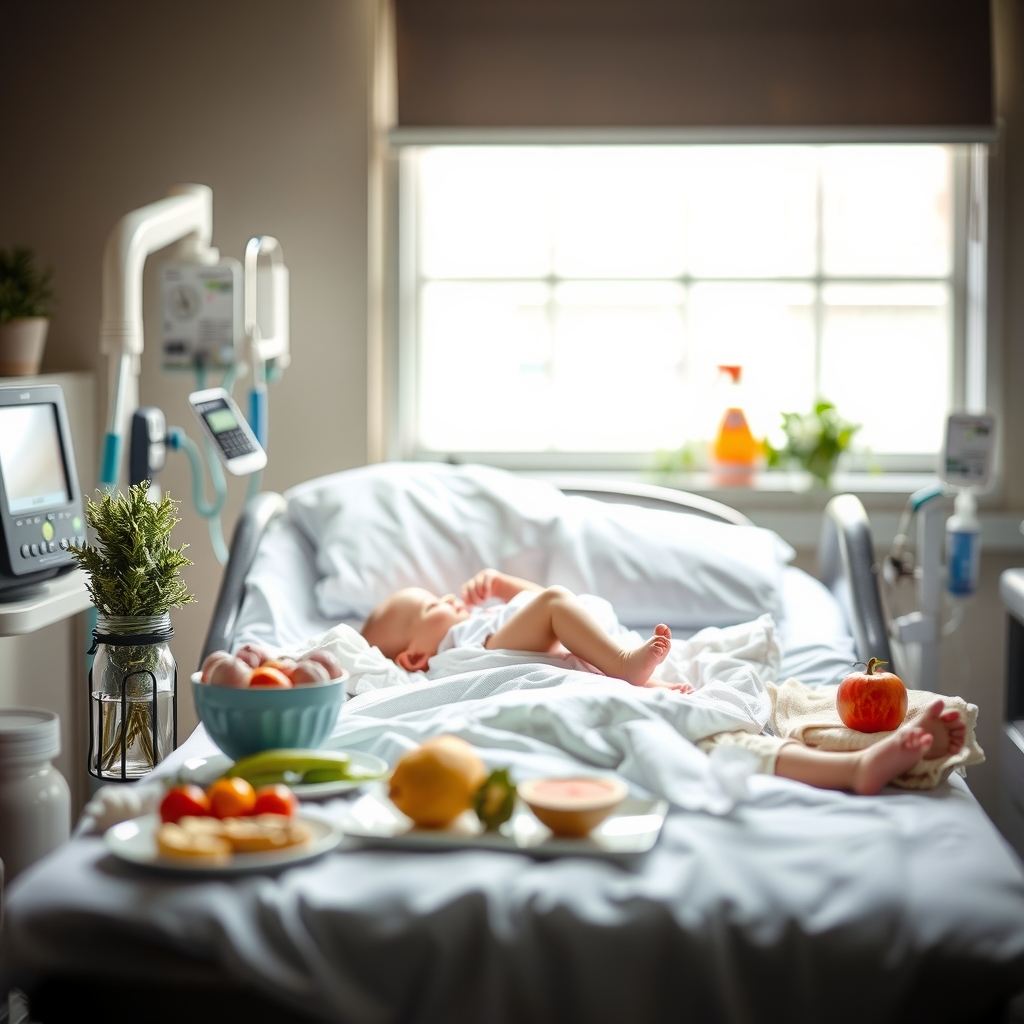
**Real mom story:** Sarah, whose son was born at 29 weeks, shared that she waited until he was 34 weeks adjusted before her photo session. "I was so nervous about missing the 'perfect' time," she said. "But my photographer was amazing—she knew how to keep my baby calm and comfortable. The photos turned out even better than I hoped!"
---
Newborn photography timing for twins
If you’re a twin parent, you know that everything is twice as hard—and twice as rewarding. Newborn photography timing for twins is no exception. The good news? You can still capture those precious moments, but you’ll need to plan carefully to ensure both babies are comfortable and well-fed.
Here’s what to consider:
- Feeding schedule: Twins often feed every 2–3 hours, which can make scheduling a photo session tricky. Try to time the session around a feeding window when both babies are alert but not overtired.
- Energy levels: One twin might be more cooperative than the other. If one is fussy, the photographer can focus on the other while you soothe the first.
- Photographer experience: Look for a photographer who has experience with twins. They’ll know how to work with two babies at once and keep the session flowing smoothly.
- Props and outfits: Coordinate outfits and props to create a cohesive look, but don’t stress about perfection. The goal is to capture your twins together, not a Pinterest-perfect spread.
**Pro tip:** Many twin parents choose to schedule their photo session during the first week, when both babies are still small and their newborn features are more pronounced. However, if one twin is feeding poorly or is a bit more fussy, you might wait until the second week to give them both a better chance of cooperating.
**What if one twin is sick or has a medical condition?** If one of your twins has jaundice, a low birth weight, or another health issue, follow the same guidelines as for premature babies—wait until both are medically stable. Your pediatrician can provide specific advice tailored to your twins’ needs.
---
Newborn photo timing after C-section
If you had a C-section, you might be wondering when is the best time to schedule newborn photos after birth while you’re still recovering. The answer depends on your healing progress and your baby’s health, but here’s what you need to know:
Most women can safely have a newborn photo session 5–7 days after delivery, provided:
- Your incision is healing well (no signs of infection, such as redness, swelling, or drainage).
- You’re no longer experiencing severe pain or discomfort.
- You’re feeling physically and emotionally up to the task (photo sessions can be tiring!).
**Why wait?** C-sections require time to heal, and your body needs rest. Additionally, your baby’s feeding and sleep patterns may still be adjusting, so waiting until they’re more predictable can make the session smoother.
**What to do in the meantime:**
- Take soft, well-lit photos at home using your smartphone or a good camera. Focus on candid moments—your baby’s tiny hands, your breastfeeding sessions, or your partner holding them.
- Ask your photographer if they offer postpartum or newborn packages that include home visits. Some photographers will come to you while you’re still in the hospital or at home recovering.
- If you’re struggling with pain or fatigue, don’t hesitate to postpone the session. Your comfort and your baby’s well-being come first.
**Real mom insight:** After her C-section, Emily waited until her baby was 10 days old for her photos. "I was so worried about my incision," she said. "But my photographer was gentle, and I had my husband help me sit comfortably. The photos turned out beautiful, and I felt so proud of myself for waiting until I was ready."
---
Newborn photography timing for babies with medical conditions
If your baby has a medical condition—whether it’s jaundice, a low birth weight, feeding issues, or something else—the timing for newborn photos may need to be adjusted. The key is to prioritize your baby’s health and comfort while still capturing those precious moments.
Here’s a breakdown of timing guidelines for common medical conditions:
**When in doubt, ask your pediatrician.** They can provide personalized advice based on your baby’s specific condition and progress. If your baby is stable but still has medical equipment (like a pacifier or oxygen tube), many photographers can work around it to capture beautiful, meaningful images.
**Common misconception:** Some parents worry that babies with medical conditions can’t be photographed at all. The truth? With the right timing and a skilled photographer, you can still capture stunning images—it just requires a bit more planning.
---
Impact of feeding schedule on photo timing
Your baby’s feeding schedule is one of the biggest factors in determining the best time for newborn photos. Whether you’re breastfeeding, formula-feeding, or using a combination, your baby’s hunger cues will dictate when they’re most alert (and therefore, most photogenic).
Here’s how feeding affects photo timing:
Breastfeeding Babies
Breastfed babies often have more irregular feeding schedules, which can make photo timing a bit trickier. However, there are ways to work around this:
- Schedule around cluster feeding: Many breastfed babies have a "cluster feeding" phase in the evening, where they nurse frequently. If your baby is cluster feeding, try to schedule the photo session during the day when they’re more likely to be alert.
- Feed before the session: If possible, feed your baby right before the photo session. A full tummy means they’re less likely to get fussy.
- Use a nursing cover or wrap: If you’re breastfeeding during the session, a photographer can use a nursing cover or wrap to create a soft, romantic look while keeping your baby comfortable.
Formula-fed babies often have more predictable feeding schedules, which can make photo timing easier. Here’s how to take advantage of that:
- Schedule around feedings: If your baby feeds every 3–4 hours, try to time the photo session for a feeding window. A full tummy means they’re more likely to be content and alert.
- Use a bottle prop: Many photographers use bottles as props, which can add a cute touch to the photos.
- Avoid overfeeding: While it’s okay to feed your baby before the session, avoid overfeeding, as this can make them sleepy or uncomfortable.
Mixed-Feeding Babies
If you’re using a combination of breastfeeding and formula, the same principles apply. Try to schedule the session around a feeding time when your baby is alert but not overtired.
**Pro tip:** If your baby is fussy during the session, don’t panic. Many photographers are experienced at working with babies who are tired or hungry. They can use gentle poses, soft lighting, and soothing techniques to keep your baby calm.
---
Choosing a photographer and setting for newborn sessions
Once you’ve decided on the timing, the next step is choosing a photographer who understands your needs—and your baby’s. Not all photographers are created equal, especially when it comes to newborn sessions. Here’s what to look for:
What to Look for in a Newborn Photographer
- Experience with newborns: Look for a photographer who specializes in newborn photography and has experience with babies of all ages and conditions.
- Gentle approach: Avoid photographers who use loud noises, bright flashes, or overly stimulating props. Your baby’s comfort should be the top priority.
- Flexibility: A good photographer will work with your baby’s temperament and feeding schedule, not against it.
- Portfolio of newborn photos: Review their portfolio to see if their style matches what you’re looking for. Some photographers specialize in soft, dreamy images, while others focus on candid, documentary-style shots.
- Reviews and recommendations: Check reviews on sites like Google, Facebook, or the photographer’s website. Ask friends or your OB/GYN for recommendations.
Where to Have the Session
The setting for your newborn photos can make a big difference in your baby’s comfort and the quality of the images. Here are the most common options:
- Home: Many parents choose to have their photo session at home because it’s familiar and comfortable for their baby. A clean, well-lit space with soft blankets and props works best.
- Studio: Studios offer controlled lighting and backgrounds, which can be great for posed shots. However, some babies may feel overwhelmed by the unfamiliar environment.
- Outdoor/natural light: Soft, natural light can create beautiful, dreamy images. However, you’ll need to be mindful of weather and temperature to keep your baby comfortable.
- Hospital/NICU: If your baby was born prematurely or has medical needs, some NICUs offer photography services. This can be a meaningful way to capture your baby’s early days.
**Pro tip:** If you’re unsure where to have the session, ask your photographer for recommendations. They can help you choose a setting that works best for your baby’s temperament and your family’s needs.
---
Common myths about newborn photo timing
Newborn photography is full of myths—some well-intentioned, others downright misleading. Let’s debunk a few of the most common ones so you can make an informed decision without the stress.
Myth: You must take newborn photos in the first 24 hours.
Fact: While the first 24 hours are often called the "golden hour," it’s not necessary (or safe) to have a photo session so soon after birth. Most babies aren’t physiologically ready for a full photo session until at least 24–48 hours after birth, and many parents wait until their baby is a few days old. The golden hour is about bonding with your baby, not professional photography.
Myth: Newborns will always look the same in photos.
Fact: Every newborn is unique, and their look changes rapidly in the first few weeks. Some babies are naturally alert and photogenic, while others are more fussy or sleepy. The key is to work with your baby’s temperament and choose a photographer who knows how to capture their personality.
Myth: You can’t photograph a newborn with medical equipment.
Fact: Many babies born prematurely or with medical conditions wear hats, blankets, or even medical equipment like oxygen tubes or pacifiers. A skilled photographer can work around these elements to create beautiful, meaningful images. The goal is to capture your baby as they are, not as you wish they were.
Myth: Newborn photos must be done in a studio.
Fact: While studios can be great for controlled lighting and backgrounds, many parents prefer to have their photo sessions at home. A clean, well-lit space with soft blankets and props can create just as beautiful (or even more personal) images. The setting should work for your baby’s comfort and your family’s needs.
---
Key takeaways
Newborn photography timing is all about balancing safety, practicality, and your baby’s temperament. Here’s a quick recap of the most important points:
- The safest window is typically 5–14 days after birth, but this can vary based on your baby’s health and feeding schedule.
- For premature babies, wait until their adjusted age reaches 34 weeks before scheduling a session.
- If your baby has medical conditions (like jaundice or low birth weight), consult your pediatrician first to ensure they’re stable and ready.
- Schedule around feeding times to keep your baby alert but not overtired.
- Choose a photographer who specializes in newborns and has experience with your baby’s specific needs.
- Don’t stress about the "perfect" timing—even candid, soft photos at home are precious.
- Your comfort and your baby’s well-being come first. If something doesn’t feel right, it’s okay to postpone the session.
---
Frequently asked questions
When is the best time to photograph a newborn?
The best time to photograph a newborn is typically between 5–14 days after birth, when they’re physiologically stable, feeding well, and alert enough for photos. However, the ideal timing depends on your baby’s health, feeding schedule, and your family’s routine. For premature babies, wait until their adjusted age reaches 34 weeks. If your baby has medical conditions like jaundice or low birth weight, consult your pediatrician first.
How soon after birth can you take newborn photos?
Most babies are ready for professional newborn photos 24–48 hours after birth, provided they’re feeding well and showing signs of alertness. However, many parents wait until their baby is a few days old to avoid the stress of the hospital transition and to give themselves time to recover. If your baby was born prematurely or has medical needs, follow your pediatrician’s advice.
Do newborns need to wait before a photo session?
Yes, newborns should wait until they’re medically stable and feeding well before a photo session. This usually means waiting at least 24–48 hours after birth for healthy term babies. For premature or medically fragile babies, the wait time is longer (often until adjusted age 34 weeks). The goal is to avoid stressing your baby out with unnecessary handling or bright lights.
What is the ideal time for newborn photography?
The ideal time for newborn photography is when your baby is alert but not overtired, well-fed, and comfortable. This is typically during the day, after a feeding but before they get fussy. Many parents choose the first week (days 3–7) or the second week (days 8–14) for their sessions. The key is to work with your baby’s natural rhythms rather than forcing a schedule.
While it’s possible to take photos of a newborn immediately after birth (often called "hospital newborn photos"), it’s not recommended for a full professional photo session. Newborns are still adjusting to life outside the womb and may be too sleepy, cold, or uncomfortable for a long session. Most photographers wait until at least 24–48 hours after birth for a full session. If you’re eager to capture your baby right away, consider soft, candid photos at the hospital or home instead.
How long after birth should you wait for newborn photos?
The recommended wait time for newborn photos is 5–14 days after birth for healthy term babies. For premature babies, wait until their adjusted age reaches 34 weeks. If your baby has medical conditions like jaundice or feeding issues, follow your pediatrician’s advice. The goal is to ensure your baby is stable, well-fed, and alert enough for a comfortable photo session.
---
When to see a doctor or specialist
While newborn photography is generally safe, there are times when you should consult your pediatrician before scheduling a session. See your doctor if your baby:
- Has jaundice that hasn’t been treated or is worsening.
- Was born prematurely or has a low birth weight.
- Has feeding difficulties or is not gaining weight well.
- Shows signs of illness, such as a fever, rash, or excessive fussiness.
- Is still in the hospital (especially in the NICU).
If your baby is medically stable but you’re unsure about the timing, your pediatrician can provide personalized advice. They can also recommend photographers who specialize in working with babies with medical conditions.
Important note: This article is for informational purposes only and does not replace professional medical advice. Always consult your healthcare provider with any questions about your baby’s health or the timing of their photo session.
---
References
- American Academy of Pediatrics (AAP) – Guidelines on newborn care and safety.
- National Institute of Child Health and Development (NICHD) – Information on premature birth and adjusted age.
- La Leche League International – Breastfeeding support and guidelines.
- What to Expect – Newborn care and development milestones.
- Healthline – Postpartum recovery and newborn photography tips.



