ne of the most noticeable side effects of Mounjaro is reduced appetite. Many users report feeling fuller with smaller portions, which can make dieting feel easier at first. But here’s the catch: your metabolism isn’t just slowing down—it’s adapting. When you lose weight quickly, your body naturally conserves energy, which can stall progress if you don’t adjust your food intake. That’s why the "Mounjaro diet" isn’t about drastic calorie restriction; it’s about optimizing nutrition to support your body’s new set point.
Mounjaro also improves insulin sensitivity, which means your body handles blood sugar more efficiently. This can reduce energy crashes, cravings for sweets, and the rollercoaster of hunger that often derails diets. However, it doesn’t mean you can eat whatever you want—your body is still processing food, and poor choices (like refined carbs or fried foods) can trigger inflammation or digestive discomfort. The goal is to feed your metabolism the right fuels so it stays in fat-burning mode.
**Key takeaway:** Mounjaro helps you start losing weight faster, but the diet you choose will determine how sustainable that loss is. Think of it like shifting gears in a car—Mounjaro gives you the power to go faster, but the road you take (your diet) decides where you end up.
**Metabolic adaptation:** Some users experience a plateau after the initial weight loss phase. This is normal as your body adjusts to the hormonal changes. At this stage, focusing on protein intake and strength training can help maintain muscle mass and keep metabolism active.
---
Why Diet Matters More Than Ever on Mounjaro
Here’s the hard truth: Mounjaro alone won’t fix an unhealthy diet. The drug is incredibly effective, but it’s not a magic bullet. If you’re eating a diet high in processed foods, added sugars, or unhealthy fats, you might still struggle with digestive issues, energy crashes, or nutrient deficiencies—even as the scale drops. That’s why the best diet for Mounjaro is one that’s:
- Nutrient-dense—packed with vitamins, minerals, and fiber to support your body’s changes.
- Balanced in macros—protein to preserve muscle, healthy fats for hormones, and complex carbs for steady energy.
- Low in refined carbs and sugars—to avoid blood sugar spikes that can trigger cravings.
- Easy to digest—since Mounjaro can cause nausea or constipation, fiber-rich, low-FODMAP foods are often better tolerated.
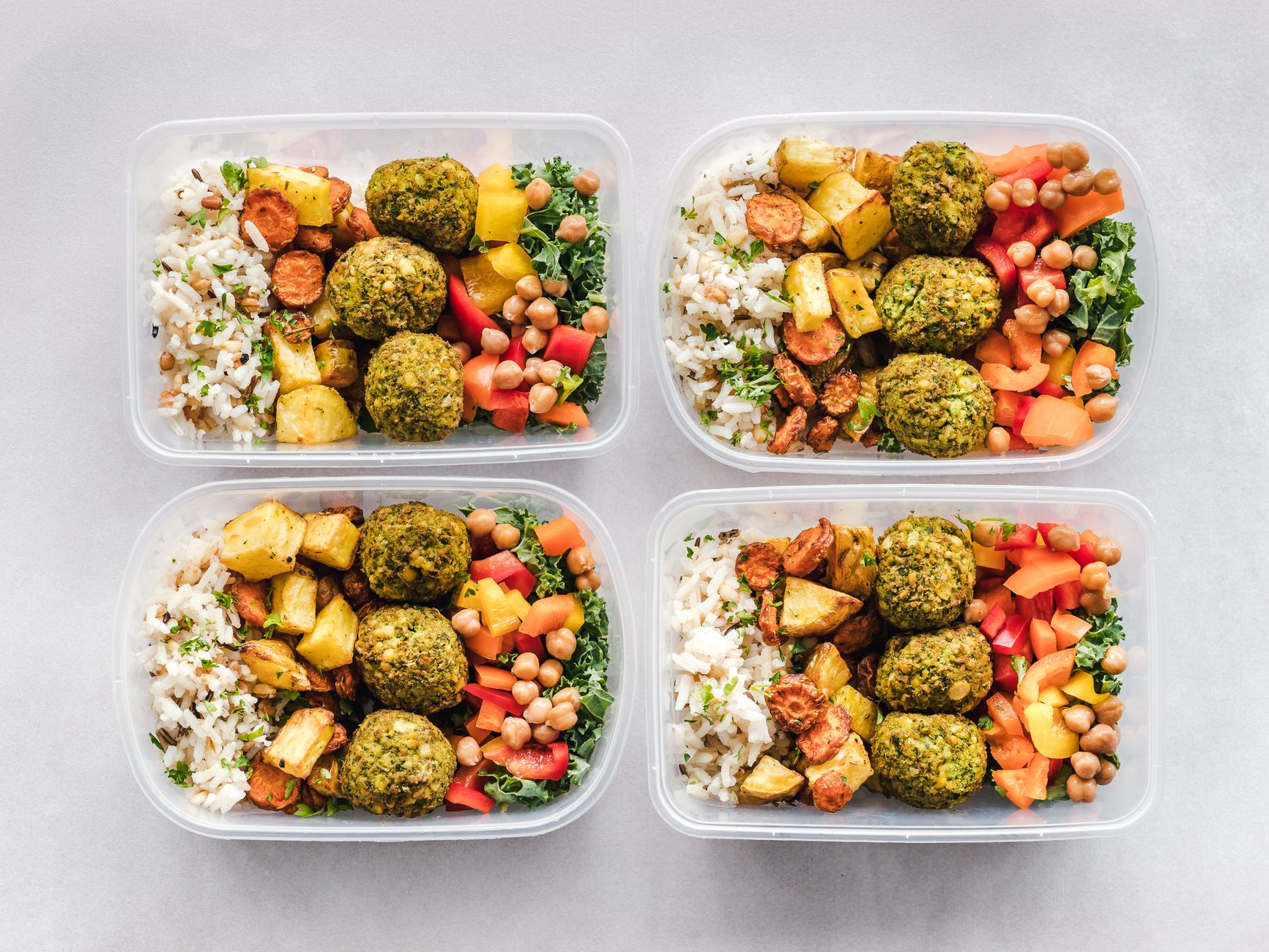
The good news? Unlike extreme diets that leave you feeling deprived, the Mounjaro-friendly approach focuses on whole, satisfying foods that actually enhance the drug’s effects. For example, foods high in magnesium and chromium (like leafy greens and nuts) can help stabilize blood sugar, while lean proteins (like chicken, fish, or tofu) keep you full longer. It’s not about restriction—it’s about smart fueling.
**Gut health connection:** Mounjaro can sometimes disrupt gut motility, leading to constipation. Incorporating probiotic-rich foods like yogurt, kimchi, or sauerkraut can help maintain a healthy gut microbiome, which is crucial for overall metabolic health.
---
The 7-Day Mounjaro-Friendly Meal Plan
Ready to see what a day (and week) of Mounjaro-friendly eating looks like? Below is a simple, balanced meal plan designed to support weight loss while keeping you energized. Each day includes three meals and two snacks, with a focus on high-protein, high-fiber, and healthy-fat foods to curb cravings and stabilize energy.
Note: Portion sizes may need adjustment based on your individual needs. Start with the suggested amounts and adjust as needed—especially if you’re still experiencing hunger or fatigue. Always consult your provider before making major dietary changes.
---
Foods to Eat More of on Mounjaro
The Mounjaro diet thrives on whole, minimally processed foods that support digestion, stabilize blood sugar, and keep you full. Here’s what to prioritize:
1. Lean Proteins
Protein is your best friend on Mounjaro because it preserves muscle mass (which slows metabolism when you lose weight) and keeps you satisfied. Aim for:
- Skinless chicken or turkey
- Wild-caught fish (salmon, sardines, mackerel)
- Eggs (especially the whites for lower fat)
- Lean beef or bison
- Plant-based options: tofu, tempeh, lentils, chickpeas
**Pro tip:** Pair protein with fiber (like veggies or whole grains) to slow digestion and prevent blood sugar spikes.
2. Healthy Fats
Healthy fats support hormone balance (including those affected by Mounjaro) and help you feel full longer. Focus on:
- Avocados
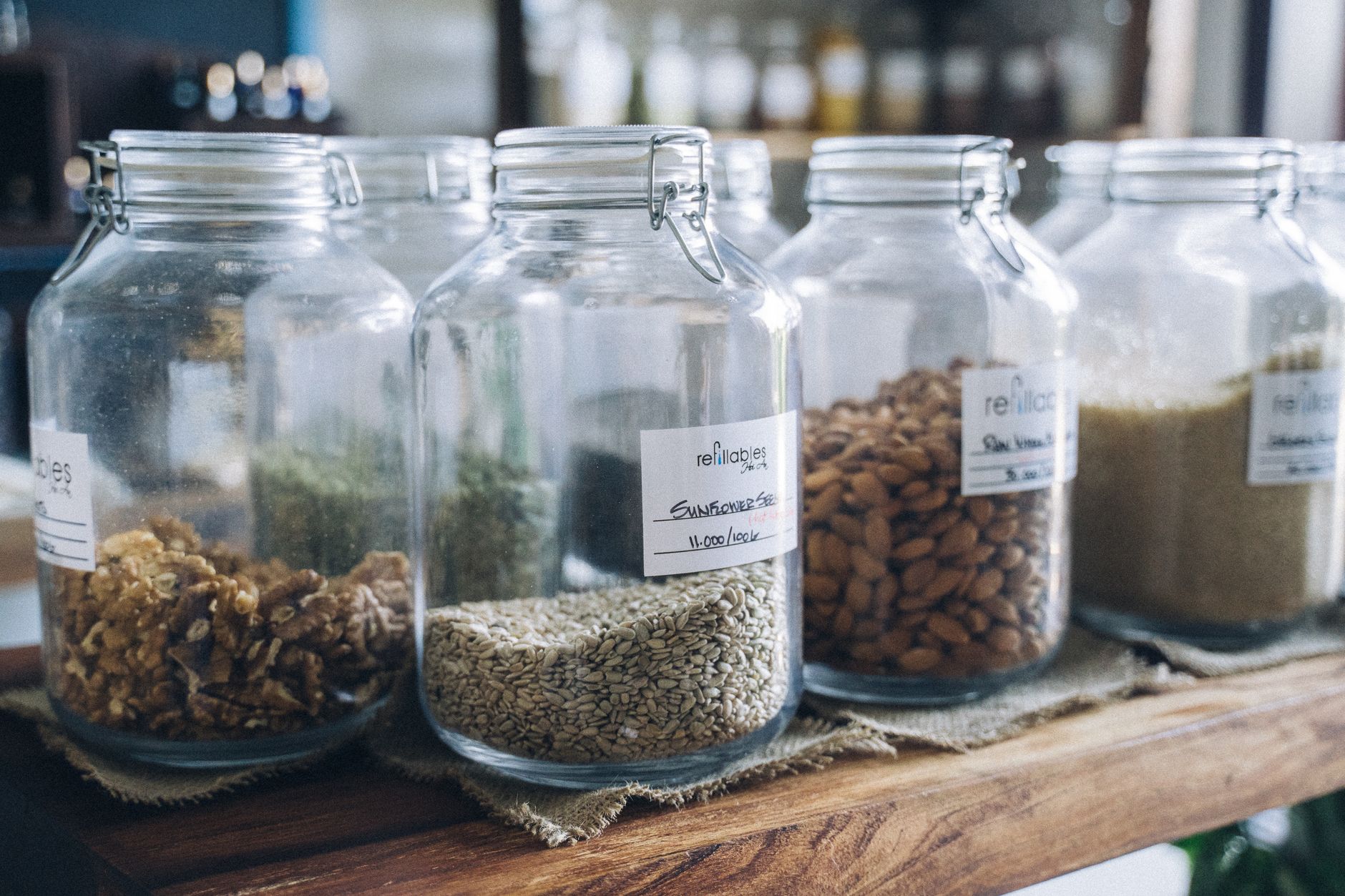
- Nuts and seeds (almonds, walnuts, chia, flax)
- Olive oil and coconut oil
- Fatty fish (salmon, trout, herring)
- Dark chocolate (85% or higher)
3. Fiber-Rich Foods
Fiber regulates digestion (critical for avoiding Mounjaro’s constipation side effects) and keeps blood sugar stable. Load up on:
- Non-starchy vegetables (spinach, broccoli, Brussels sprouts, zucchini)
- Berries (raspberries, blackberries, strawberries)
- Legumes (lentils, black beans, chickpeas)
- Whole grains (quinoa, farro, brown rice, oats)
**Watch out for:** Too much fiber too soon can cause bloating. Start with 25g/day and gradually increase.
---
Foods to Limit (or Avoid) on Mounjaro
Not all foods are created equal when you’re on Mounjaro. Some can trigger digestive issues, blood sugar spikes, or inflammation, which might slow your progress or make you feel worse. Here’s what to watch:
1. Refined Carbohydrates
White bread, pasta, pastries, and sugary cereals can cause rapid blood sugar spikes and crashes, which may increase cravings. Opt for whole-grain versions in moderation.
2. Added Sugars
Soda, candy, baked goods, and even "healthy" smoothies with added sugar can disrupt your metabolism’s reset. The American Heart Association recommends no more than 25g (6 tsp) of added sugar per day for women.
3. Fried and Processed Foods
Fast food, chips, and frozen meals are often high in trans fats and inflammatory oils, which can worsen digestive side effects like nausea or bloating.
4. Excessive Caffeine and Alcohol
Both can dehydrate you (worsening constipation) and interfere with sleep, which is crucial for weight loss. If you drink coffee, limit it to 2 cups per day, and choose alcohol in moderation (1 drink/day max).
---
Common Mistakes to Avoid on the Mounjaro Diet
Even with the best intentions, some people sabotage their weight loss on Mounjaro by making these common diet mistakes:
1. Skipping Meals to "Save Calories"
This might seem logical, but skipping meals can backfire by triggering extreme hunger, leading to overeating later. Instead, focus on balanced portions and consistent meal timing to keep your metabolism steady.
2. Over-Restricting Protein
Many people assume "less food = more weight loss," but protein is essential for muscle retention. If you’re not eating enough (aim for 0.7–1g per pound of lean body mass), you might lose muscle instead of fat.
3. Ignoring Hydration
Mounjaro can cause constipation and dehydration. Drink at least 2–3 liters of water daily, and add electrolytes (like coconut water or a pinch of Himalayan salt) if needed.
4. Not Tracking Progress Beyond the Scale
The scale doesn’t tell the whole story. Measurements, energy levels, and how your clothes fit matter too. Take progress photos, track waist circumference, and note how you feel—not just the number on the scale.
---
Supplements That Support Mounjaro Weight Loss
While Mounjaro does a lot of the heavy lifting, certain supplements can enhance its effects by supporting digestion, metabolism, and energy. Always check with your provider before adding anything new to your routine.
**Note:** If you’re on Mounjaro, your provider may already recommend supplements (like vitamin D or magnesium) to counteract side effects. Always follow their guidance.
---
How to Manage Mounjaro Side Effects with Diet
Mounjaro can cause side effects like nausea, constipation, or fatigue, but your diet can help mitigate these issues. Here’s how:
1. Nausea
Eating small, frequent meals can help settle your stomach. Focus on bland, easy-to-digest foods like:
- Ginger tea or candied ginger
- Toast with peanut butter
- Bananas or applesauce
- Bouillon or clear broths
**Avoid:** Greasy, spicy, or overly sweet foods, which can worsen nausea.
2. Constipation
Increase your fiber intake gradually and stay hydrated. Try:
- Prunes, figs, or kiwi fruit
- Psyllium husk in water
- Fermented foods like sauerkraut or kimchi
- Walking after meals to stimulate digestion
3. Fatigue
Ensure you’re getting enough iron, B vitamins, and healthy fats. Foods like:
- Lean red meat or lentils for iron
- Eggs or leafy greens for B vitamins
- Avocados or nuts for healthy fats
---
Exercise: How to Move Your Body on Mounjaro
Exercise enhances Mounjaro’s effects by improving insulin sensitivity, boosting metabolism, and supporting mental health. But since Mounjaro can cause fatigue or nausea, start slow and steady.
1. Strength Training (2–3x/week)
Lifting weights helps preserve muscle mass (which slows metabolism when you lose weight). Start with bodyweight exercises (squats, push-ups) or light dumbbells, and gradually increase intensity.
2. Walking (Daily)
Even a 10–15 minute walk after meals can improve digestion and blood sugar control. Aim for 7,000–10,000 steps/day if possible.
3. Low-Impact Cardio
Swimming, cycling, or yoga are great for gentle fat loss without straining your body. Avoid intense workouts if you’re feeling fatigued.
**Listen to your body:** If you’re experiencing nausea or dizziness, scale back. Hydration and electrolyte balance are key!
---
Mental Health and Stress Management on Mounjaro
Weight loss can be emotionally taxing, especially when combined with medication side effects. Mounjaro can reduce appetite and cravings, but it doesn’t address the psychological aspects of weight management. Here’s how to support your mental health:
1. Mindful Eating
Slow down and savor each bite. Avoid distractions like screens or work while eating. This helps your body recognize fullness cues and prevents overeating.
2. Stress Reduction Techniques
Practice deep breathing, meditation, or yoga to manage stress, which can trigger emotional eating. Apps like Headspace or Calm can guide you through mindfulness exercises.
3. Social Support
Share your journey with friends or family. Consider joining online communities or support groups for people on Mounjaro. Connecting with others can provide motivation and accountability.
---
Myths vs. Facts About Mounjaro and Diet
With so much hype around Mounjaro, it’s easy to fall for myths. Let’s set the record straight:
Myth: "You can eat whatever you want as long as you’re on Mounjaro."
Fact: While Mounjaro reduces appetite, poor food choices can still cause digestive issues, energy crashes, or nutrient deficiencies. The drug helps you start losing weight faster, but the diet you choose determines how sustainable that loss is.
Myth: "Mounjaro is a cure for obesity—you’ll never gain the weight back."
Fact: Mounjaro is highly effective for weight loss, but lifestyle changes are key to maintaining results. Studies show that without ongoing diet and exercise, some people regain weight after stopping the medication.
Myth: "You should only eat low-carb to maximize Mounjaro’s effects."
Fact: While low-carb can help some people, complex carbs (like whole grains and legumes) are important for fiber and sustained energy. The best diet is one you can stick to long-term—whether that’s low-carb, Mediterranean, or another approach.
---
Key Takeaways for Long-Term Success
- Mounjaro works best with a balanced, whole-food diet—not extreme restriction. Focus on protein, fiber, and healthy fats to stay full and energized.
- Hydration and electrolytes are critical to avoid constipation and fatigue. Aim for 2–3 liters of water daily.
- Strength training preserves muscle while walking and low-impact cardio support fat loss.
- Supplements like magnesium and vitamin D can help with side effects, but always check with your provider first.
- Progress isn’t just about the scale—track measurements, energy levels, and how your clothes fit.
- Consistency is key. Small, sustainable changes lead to long-term success.
- Manage stress and mental health to support overall well-being during your weight loss journey.
---
Frequently Asked Questions About the Mounjaro Diet
Can I still eat carbs on Mounjaro?
Yes! The key is choosing complex, fiber-rich carbs like sweet potatoes, quinoa, or whole-grain bread over refined carbs like white bread or sugary cereals. These help stabilize blood sugar and keep you full longer. If you’re sensitive to carbs, start with smaller portions and adjust based on how you feel.
Will I need to adjust my Mounjaro dose if I change my diet?
No, your Mounjaro dose should only be adjusted by your provider based on your weight loss progress and side effects—not your diet. However, if you’re experiencing extreme hunger or fatigue, your provider might recommend temporary dose adjustments. Always communicate with them before making changes.
Is it safe to drink alcohol while on Mounjaro?
Alcohol can interfere with weight loss by slowing metabolism and increasing cravings, and it may worsen side effects like nausea. If you drink, limit it to 1 standard drink per day (e.g., 5 oz wine, 12 oz beer, 1.5 oz liquor) and choose lower-calorie options. Avoid sugary cocktails, which can spike blood sugar and trigger cravings.
How do I handle social events (dinners, parties) on Mounjaro?
Social events don’t have to derail your progress! The goal isn’t perfection—it’s balance. Try these strategies:
- Eat a small, protein-rich snack before the event to curb overeating.
- Focus on veggies and lean proteins at the buffet.
- Use the plate method: half veggies, ¼ protein, ¼ carbs.
- Allow yourself one indulgence—it’s about enjoyment, not restriction!
Can I take Mounjaro and a weight-loss supplement together?
Most prescription weight-loss supplements (like phentermine) should not be combined with Mounjaro without your provider’s approval, as they can increase side effects like nausea or heart palpitations. Over-the-counter supplements like green tea extract or caffeine may be safer in moderation, but always check with your doctor first.
How can I prevent muscle loss while losing weight on Mounjaro?
To prevent muscle loss, focus on:
- Strength training 2–3 times per week to preserve muscle mass.
- Eating enough protein (aim for 0.7–1g per pound of lean body mass).
- Avoiding extreme calorie restriction—prioritize balanced meals.
- Including compound movements like squats, deadlifts, and push-ups.
---
When to See a Doctor or Specialist
While Mounjaro is generally safe, some side effects require medical attention. Contact your provider immediately if you experience:
- Severe nausea, vomiting, or diarrhea that doesn’t improve with hydration.
- Signs of dehydration (dizziness, dark urine, extreme thirst).
- New or worsening heartburn, abdominal pain, or bloating.
- Signs of gallbladder issues (pain in the upper right abdomen, jaundice).
- Mood changes, depression, or anxiety that feels unmanageable.
- Signs of pancreatitis (severe upper abdominal pain radiating to the back, nausea/vomiting).
If you’re struggling with digestive side effects, energy levels, or maintaining weight loss, a registered dietitian or endocrinologist can help tailor your diet and lifestyle plan. Many insurance plans cover nutrition counseling—ask your provider for a referral.
---
References
- Eli Lilly and Company. (2024). Mounjaro (tirzepatide) Prescribing Information.
- American Heart Association. (2023). Dietary Guidelines for Added Sugars.
- National Institutes of Health (NIH). (2023). Weight-Loss Medications: What You Need to Know.
- American Diabetes Association. (2023). Nutrition Therapy for Diabetes.
- Mayo Clinic. (2024). Weight-Loss Tips: 6 Habits That Work.
- Harvard T.H. Chan School of Public Health. (2023). Healthy Eating Plate Guide.
- Food and Drug Administration (FDA). (2023). Drug Safety Communication: Risks of Gallbladder Issues with GLP-1 Receptor Agonists.
- National Center for Biotechnology Information (NCBI). (2023). Effects of GLP-1 and GIP Receptor Agonists on Muscle Mass and Strength.
- American Psychological Association. (2023). Stress Management Techniques for Weight Loss.
- Academy of Nutrition and Dietetics. (2024). Mindful Eating Guidelines.