Quick take: The Mounjaro diet is built around low-carb, high-protein foods that keep blood sugar steady while you lose weight. Start with whole foods, plenty of veggies, lean protein, and healthy fats. Keep portions moderate, stay hydrated, and avoid sugary snacks. If you’re new, a simple 7-day plan, a grocery list, and a few meal-prep tricks can set you on the right path. Pro tip: Pair the diet with consistent hydration and gentle movement (like 10-minute walks) to maximize results and reduce fatigue.
When you first heard about Mounjaro, the name sounded like a mountain—promising a lofty climb toward better health. For many women, especially those who have tried other weight-loss plans without lasting results, the promise of a clear, science-backed approach is a breath of fresh air. The Mounjaro diet isn’t a fad; it’s a framework that pairs the GLP-1 medication Mounjaro (tirzepatide) with nutrition that supports steady blood-sugar control and sustainable weight loss.
This diet isn’t just about losing weight—it’s about reclaiming energy, reducing cravings, and building habits that last. Whether you’re a busy mom, a student juggling classes, or a professional with limited time for meal prep, this guide will help you navigate the Mounjaro diet with confidence. We’ll cover everything from a beginner-friendly food list to meal prep hacks, how to handle side effects, and even how to adjust your approach if you’re managing other health conditions like PCOS or diabetes.
If you’re new to this way of eating, you might be wondering: How do I start? What if I don’t like fish? Can I still enjoy treats occasionally? We’ll answer all of these questions—and more—while keeping the focus on practical, actionable steps. Let’s dive in.
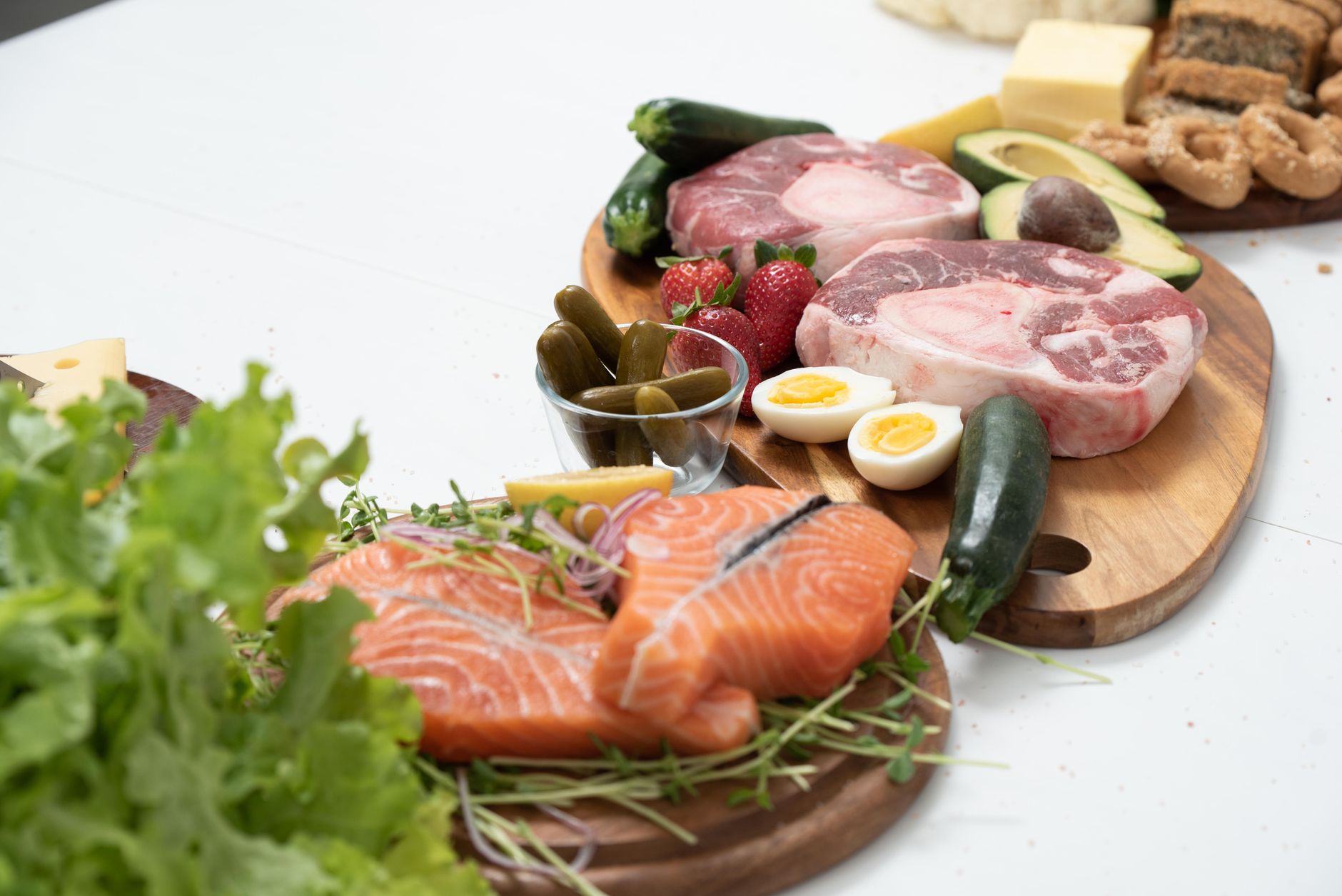
What foods are safe on the Mounjaro diet for beginners?
The core principle of the Mounjaro diet is to prioritize foods that stabilize blood sugar while supporting the medication’s effects on appetite and metabolism. This means focusing on protein, healthy fats, and fiber-rich vegetables while keeping carbs moderate. The goal is to avoid the blood sugar spikes that can trigger cravings and slow weight loss.
**Why this matters:** The Mounjaro medication works by mimicking the hormone GLP-1, which slows digestion and reduces hunger. Pairing it with the right foods ensures you’re not just losing weight—you’re building a sustainable foundation for long-term health. Most women see better results when they stick to whole foods and avoid processed alternatives.
What to avoid:
- High-sugar fruits (bananas, grapes, mangoes, pineapple)
- Processed snacks (chips, crackers, pretzels, granola bars with added sugar)
- Refined grains (white bread, white rice, pasta, pastries)
- Sugary beverages (soda, juice, sweetened coffee drinks, energy drinks)
- Alcohol (especially cocktails and sugary beers)
**A note on digestion:** The Mounjaro medication can cause mild gastrointestinal discomfort in the first few weeks, especially as your body adjusts. To ease this, start with easy-to-digest foods like boiled eggs, plain yogurt, and steamed vegetables. Gradually reintroduce fiber-rich foods like beans and whole grains as your tolerance improves.
**Key nutrients to focus on:**
- Protein (30–35% of calories): Supports muscle retention and keeps you full. Aim for 1.2–1.6 grams per kilogram of body weight daily.
- Healthy fats (20–25% of calories): Essential for hormone balance and brain function. Include sources like avocado, nuts, and olive oil.
- Fiber (25–30g daily): Helps regulate digestion and blood sugar. Prioritize non-starchy vegetables, chia seeds, and flaxseeds.
- Micronutrients: Magnesium (supports muscle and nerve function), potassium (for heart health), and vitamin D (for immunity and bone health).
Mounjaro-friendly breakfast ideas for new users
Breakfast sets the tone for your day, especially when you’re on a medication that affects appetite and blood sugar. The goal is to start your morning with a meal that’s easy to digest, high in protein, and low in refined carbs. Below are three simple, beginner-friendly options that align with the Mounjaro diet’s principles.
**Why breakfast matters:** Skipping breakfast or eating high-carb options can lead to energy crashes and cravings later in the day. A protein-rich breakfast helps stabilize blood sugar and keeps you full until lunch.
1. Veggie-Egg Scramble with Avocado Toast
- 2 large eggs (or 1 egg + 2 egg whites)
- ½ cup diced spinach
- ¼ cup chopped bell peppers
- 1 tsp olive oil
- Salt & pepper to taste
- 1 slice whole-grain toast (optional, for extra carbs)
- ¼ avocado, mashed with a pinch of salt
Cook the vegetables in olive oil until soft, add beaten eggs, and scramble until just set. Serve with a small slice of whole-grain toast topped with mashed avocado. This combo provides protein, healthy fats, and a touch of carbs for balanced energy.
2. Greek Yogurt Parfait with Chia Seeds
- 1 cup plain Greek yogurt (low-fat or full-fat)
- ¼ cup mixed berries (blueberries, strawberries, raspberries)
- 1 tbsp chia seeds
- Handful of chopped almonds or walnuts (optional)
- Drizzle of honey (optional, use sparingly)
Layer yogurt, berries, and chia seeds in a bowl or jar. Top with nuts and a light drizzle of honey if you need a touch of sweetness. This breakfast is packed with protein, fiber, and healthy fats to keep you full and satisfied.
3. Smoked Salmon and Cream Cheese Roll-Ups
- 2 oz smoked salmon
- 1 oz cream cheese (or light cream cheese)
- 1 slice whole-grain rye or cucumber slices
- Handful of cherry tomatoes, halved
- Fresh dill or chives for garnish
Spread cream cheese on a slice of rye or cucumber, top with smoked salmon, and roll up. Serve with cherry tomatoes on the side. This option is quick, protein-rich, and perfect for those who want to avoid cooking in the morning.
4. Overnight Oats (Low-Carb Version)
- ½ cup rolled oats (or low-carb oats like almond flour)
- ½ cup unsweetened almond milk
- 1 tbsp almond butter
- 1 tbsp chia seeds
- Pinch of cinnamon
- Optional: ¼ cup raspberries
Mix all ingredients in a jar, refrigerate overnight, and stir before eating. This breakfast is gentle on digestion and provides steady energy thanks to the fiber and healthy fats.
**Pro tip:** Prep overnight oats the night before and store in the fridge. If you prefer a warm breakfast, try a smoothie with spinach, protein powder, and unsweetened almond milk. For a savory option, scrambled eggs with sautéed mushrooms and turkey sausage are a great choice.
How to create a Mounjaro-friendly meal plan
Creating a meal plan that aligns with the Mounjaro diet’s macronutrient targets can feel overwhelming at first, but breaking it down into simple steps makes it manageable. The key is to focus on whole foods, portion control, and consistency. Below, we outline a 7-day sample plan, portion guidance, and tips for adjusting based on your progress.
**Why a structured plan works:** The Mounjaro diet leverages the medication’s appetite-suppressing effects, but it also requires mindful eating to avoid nutrient deficiencies or overeating. A well-planned meal schedule helps you stay on track without feeling deprived.
7-Day Meal Plan Table
Portion Size Guidance
**Meal timing tips:** Aim for 3 main meals and 2 snacks per day, spaced roughly 4–5 hours apart. This helps stabilize insulin levels and prevents the hunger pangs that can interfere with the medication’s effects. If you’re active, you may need to adjust portions slightly to accommodate your energy needs.
Monitoring Progress
Track your weight, waist circumference, and energy levels weekly. Most women see measurable changes in appetite within the first 2 weeks and weight loss within 4–6 weeks. However, individual results vary based on metabolism, activity level, and adherence to the diet.
**What to watch for:**
- Plateaus: If you hit a plateau after 4–6 weeks, consider adjusting carb portions or increasing protein slightly.
- Energy crashes: If you feel fatigued, you may need to increase healthy fats or carbs slightly.
- Hormonal changes: Women with PCOS or thyroid issues may need to monitor blood sugar more closely.
**Tools to help:** Use a food scale for the first few weeks to ensure accurate portions. Apps like MyFitnessPal or Cronometer can track macros and calories if you prefer digital tracking.
Mounjaro diet grocery list for beginners
A well-stocked pantry and fridge make it easier to stick to the Mounjaro diet, especially when you’re busy. Below is a categorized grocery list to help you get started. Buy in bulk where possible to save time and money, and prioritize fresh, whole foods over processed alternatives.
**Why a grocery list works:** Planning ahead reduces the temptation to grab takeout or convenience foods that don’t align with your goals. It also helps you stay organized and avoid last-minute grocery runs.
Pantry Staples
- Rolled oats (or low-carb oats like almond flour)
- Quinoa
- Brown rice or basmati rice
- Chia seeds
- Flaxseeds (ground)
- Almond butter or peanut butter (natural, no added sugar)
- Olive oil and avocado oil
- Apple cider vinegar
- Spices: cinnamon, cumin, paprika, turmeric, garlic powder, onion powder
- Low-sodium soy sauce or coconut aminos
- Dark chocolate (70%+ cacao)
- Nuts: almonds, walnuts, pecans, cashews
- Seeds: pumpkin seeds, sunflower seeds
- Whole-grain crackers (low-sugar)
Proteins
- Chicken breast or thighs
- Turkey breast or ground turkey
- Salmon fillets or canned salmon
- Tuna (canned in water)
- Eggs (dozen or half-dozen)
- Greek yogurt (plain, low-fat or full-fat)
- Cottage cheese (low-fat or full-fat)
- Lean beef or pork tenderloin
- Tofu or tempeh
- Smoked salmon or lox
- Shrimp or scallops (frozen or fresh)
Vegetables & Fruits
- Leafy greens: spinach, kale, arugula, romaine lettuce
- Broccoli, cauliflower, Brussels sprouts
- Zucchini, bell peppers, mushrooms, asparagus
- Avocados
- Sweet potatoes (small portions)
- Berries: blueberries, strawberries, raspberries
- Cherries (in season)
- Cucumber, celery, cherry tomatoes
- Carrots, snap peas
Fats & Dairy
- Olives (green or black)
- Cheese: cheddar, feta, mozzarella, goat cheese
- Cream cheese or light cream cheese
- Butter or ghee (for cooking)
Snacks
- Hard-boiled eggs (pre-peeled for convenience)
- Carrot sticks, cucumber slices, bell pepper strips
- Hummus or guacamole
- Protein bars (low-sugar, high-protein)
- Dark chocolate (70%+ cacao)
- Trail mix (nuts, seeds, dark chocolate chips)
Drinks
- Unsweetened almond milk or oat milk
- Herbal teas (peppermint, chamomile, green tea)
- Black coffee or tea (unsweetened)
- Sparkling water (plain or with a splash of lemon)
**Pro tip:** Buy frozen vegetables like spinach, broccoli, and cauliflower to extend their shelf life and reduce waste. Frozen berries are also a great way to enjoy antioxidants year-round without spoilage.
Mounjaro-friendly snacks that keep blood sugar stable
Snacks are a critical part of the Mounjaro diet because they help maintain steady glucose levels and curb cravings. The best snacks combine protein, healthy fats, and fiber to keep you full and energized. Below are snack ideas that are both delicious and aligned with the diet’s macronutrient profile.
**Why snacks matter:** Skipping snacks can lead to blood sugar crashes, which may trigger cravings or reduce the effectiveness of the Mounjaro medication. The right snacks help stabilize energy and keep you on track.
Protein-Rich Snacks
- Hard-boiled eggs (1–2 per snack)
- Greek yogurt (plain, ½ cup) with a sprinkle of cinnamon or chia seeds
- String cheese or cheese cubes (low-fat or full-fat)
- Turkey or chicken jerky (look for low-sugar, nitrate-free options)
- Cottage cheese with sliced peaches or pineapple (small portions)
- Protein shake: 1 scoop protein powder + 1 cup unsweetened almond milk + ½ cup frozen berries
Healthy Fat Snacks
- Handful of mixed nuts (almonds, walnuts, pecans)
- Avocado slices with sea salt and cracked pepper
- Olives (green or black) with a sprinkle of feta cheese
- Cheese cubes with sliced cucumber or bell peppers
- Hummus with sliced veggies (carrots, cucumbers, bell peppers)
- Dark chocolate (70%+ cacao) with a handful of almonds
Low-Carb Vegetable Snacks
- Celery sticks with 2 tbsp peanut butter or almond butter
- Cherry tomatoes with a sprinkle of feta or mozzarella balls
- Roasted seaweed sheets with a drizzle of soy sauce
- Pickled vegetables (no added sugar, like pickles or kimchi)
- Cucumber slices with a dollop of tzatziki
Quick “On-the-Go” Snacks
- DIY trail mix: 1 tbsp chia seeds, 1 tbsp pumpkin seeds, 1 tsp cocoa nibs, 1 tbsp unsweetened coconut flakes
- Pre-portioned nuts and seeds in small containers
- Single-serve packets of tuna or salmon with a side of crackers
- Protein bars (check labels for low sugar and high protein)
- Frozen grapes (a sweet, hydrating snack)
**Pro tip:** Keep snack packs pre-portioned in small containers or reusable bags. This prevents overeating and helps you stay within your calorie goals. If you’re on the go, opt for snacks that require no prep, like nuts, cheese, or pre-cut veggies with dip.
Mounjaro diet meal prep tips for busy moms
Meal prep is a game-changer for moms who juggle work, kids, and household chores. The Mounjaro diet doesn’t have to be time-consuming—with a few smart strategies, you can prepare meals in advance and save hours each week. Below are practical tips to make meal prep work for your lifestyle.
**Why meal prep helps:** It reduces decision fatigue, ensures you’re eating balanced meals, and saves money by minimizing takeout or convenience foods. Plus, it’s a great way to model healthy habits for your family.
1. Batch Cook Proteins
Cook a large batch of chicken, turkey, or tofu at the start of the week. Store in airtight containers in the fridge for up to 4 days or freeze portions for later. This saves daily cooking time and ensures you always have a protein source ready. For example, grill a whole chicken on Sunday and use it for salads, wraps, and stir-fries throughout the week.
2. Chop Vegetables in Advance
Spend 30 minutes on the weekend chopping veggies into bite-size pieces. Store them in clear containers in the fridge; they’ll stay fresh for 3–4 days. Quick sauté or raw consumption becomes a breeze. Try prepping a mix of bell peppers, zucchini, and mushrooms for easy stir-fries or omelets.
3. Use the Slow Cooker or Instant Pot
Set up a slow cooker with lentils, diced tomatoes, and herbs for a hearty soup. In the morning, the pot’s ready to serve. For the Instant Pot, try making a batch of quinoa or a protein-rich chili. These meals are perfect for a low-effort dinner that still fits the Mounjaro guidelines. For example, cook a big batch of lentils and use them in salads, soups, or bowls.
4. Portion Snacks and Meals
Pre-portion snack packs (e.g., nuts, cheese, hummus) into small zip-lock bags or containers. When hunger strikes, grab a bag instead of rummaging through the pantry. For meals, portion out leftovers into single-serving containers for easy grab-and-go options.
5. Keep a Food Journal
Use a simple notebook or a phone app to log what you eat. This helps you spot patterns, adjust portions, and stay accountable without extra effort. Apps like MyFitnessPal or Cronometer can track macros and calories if you prefer digital tracking. Alternatively, jot down meals in a notebook and review it weekly to identify trends.
6. Freeze Meals in Portions
If you love cooking but hate leftovers, freeze meals in portions. Soups, stews, and casseroles freeze well and can be reheated in minutes. Label containers with the date and contents to keep track. For example, make a big batch of turkey chili and freeze individual servings for busy weeknights.
7. Involve the Family
Turn meal prep into a family activity! Kids can help wash veggies, assemble wraps, or set the table. This not only saves time but also teaches them healthy habits. For example, let your kids assemble their own snack plates with cheese, nuts, and veggies.
Common Pitfalls and How to Avoid Them
- Over-restricting carbs: This can lead to fatigue. Aim for 25–30% of daily calories from carbs, focusing on whole grains and vegetables. If you feel sluggish, increase carbs slightly.
- Skipping meals: Can trigger rebound hunger. Stick to the 3 meals + 2 snacks structure to keep energy stable.
- Ignoring hydration: Dehydration can mimic hunger. Aim for 8–10 cups of water daily, and add electrolytes if you’re active or experiencing side effects like nausea.
- Not adjusting portions: As you lose weight, calorie needs decrease. Re-evaluate weekly and adjust portions accordingly. Use a food scale for accuracy.
- Eating out without a plan: Restaurant meals can derail your progress. When dining out, opt for grilled proteins, salads with dressing on the side, and avoid bread baskets or sugary drinks.
Mounjaro diet side effects and how to manage them
The Mounjaro medication can cause mild side effects, especially in the first few weeks as your body adjusts. Most women experience one or two of these symptoms, but they typically improve as your body acclimates. Understanding these side effects and how to manage them can make the transition smoother.
**Why side effects happen:** Mounjaro works by slowing digestion and reducing appetite, which can initially cause gastrointestinal discomfort. These effects are usually temporary and manageable with simple adjustments.
Common Side Effects and Solutions
**Pro tip:** If side effects persist beyond 4–6 weeks or become severe, contact your healthcare provider. They may adjust your medication dose or provide additional guidance.
Mounjaro diet vs. other weight loss diets: a comparison
If you’ve tried other weight loss diets, you might be wondering how the Mounjaro diet compares. While other diets focus on calorie restriction, intermittent fasting, or extreme carb reduction, the Mounjaro diet combines medication with a balanced approach to nutrition. Below is a comparison to help you understand the key differences.
**Why the comparison matters:** Knowing how the Mounjaro diet stacks up against others can help you choose the right approach for your goals and lifestyle. Some diets are more restrictive, while others are easier to sustain long-term.
**Key takeaways from the comparison:**
- The Mounjaro diet is more flexible with carbs than keto but requires more protein than a standard low-fat diet.
- Unlike intermittent fasting, the Mounjaro diet provides structure around meal timing, which can be helpful for those who struggle with hunger.
- Weight Watchers offers more flexibility but lacks the blood sugar-stabilizing benefits of the Mounjaro diet.
- If you’ve struggled with other diets, the Mounjaro approach may offer a better balance of structure and flexibility.
Mounjaro diet protein sources: beyond





