

Quick take: Mothering without a mom isn’t a gap—it’s an opportunity to build a support system on your own terms. The modern mom community, mentors, and intentional traditions can fill the emotional and practical spaces you need. You’re not alone in this, and your child will grow up knowing love in many forms.Mothering Without Your Mom: A Modern Mom’s Honest Guide

I remember the first time I realized I’d be raising my daughter without my mom. It wasn’t a moment of panic—it was a quiet, sinking feeling that came when I was 22, holding my ultrasound photo and realizing I’d have to navigate pregnancy, birth, and motherhood alone. My mom had passed years earlier, and the weight of it wasn’t just about grief. It was about *how*. How would I know what to do? How would I feel like I was doing it right? And most importantly, how would I give my child the love and stability I’d always wanted?
If you’re reading this, you might be feeling that same quiet weight right now. Maybe your mom isn’t in your life. Maybe she’s not available. Or maybe she’s simply not the person you want to ask for advice. Whatever the reason, mothering without your mom is a reality for so many women—and it’s not a failure. It’s just a different kind of journey. The good news? You’re not starting from scratch. There are modern ways to build the support, traditions, and mentorship you need to thrive as a mom, even without your mom’s presence.
This guide is for you: the woman who’s stepping into motherhood with a heart full of love but a support system that looks a little different. We’ll talk about how to navigate pregnancy, postpartum, and the everyday realities of motherhood when your mom isn’t there. We’ll explore alternative role models, practical tips for self-care, and ways to create a family full of love—no maternal figure required. And most importantly, we’ll remind you that you’re not alone. The modern mom community is vast, and you’re already part of it.
Let’s start with the first big question: how do you find support when you need it most?
--- ## How to navigate pregnancy support when your mom isn’t therePregnancy is supposed to be a time of excitement, preparation, and shared joy—especially when you’re building a family. But when your mom isn’t there to share the ultrasound photos, attend the doctor’s appointments, or offer a shoulder to cry on, it can feel isolating. The good news? You don’t need your mom to navigate this journey. You just need the right support system.
Start with your partner, friends, and chosen family. If you have a partner, lean on them. Share your fears, your dreams, and your daily struggles. If friends or family members are available, invite them into the experience. A close friend might be your "mom surrogate"—someone who checks in, attends appointments, and offers practical help like meal prep or errands. Remember, chosen family isn’t about blood; it’s about love and support.
Join a pregnancy support group. Online communities like BabyCenter or Reddit’s r/pregnancy are goldmines for real-time advice, emotional support, and camaraderie. You’ll find women in the same boat—some without moms, some with distant relationships—and you’ll realize you’re not alone in feeling this way. For something more structured, consider a local or virtual pregnancy support group or a doula who can offer guidance and companionship during this time.
Turn to professionals. Midwives, doulas, and lactation consultants are trained to support you through pregnancy and beyond. They can answer your questions, offer reassurance, and help you feel more confident in your decisions. Many also provide postpartum care, so you’ll have someone to lean on as you adjust to life with a new baby.
Document your journey. Create a pregnancy journal or a digital scrapbook. Write down your thoughts, fears, and hopes. Take photos, save the little notes from the doctor, and share them with your partner or friends. This isn’t just a keepsake—it’s a way to process your emotions and celebrate this new chapter. You might even find that writing helps you connect with your baby before they arrive.
Prioritize self-care. Pregnancy can be emotionally and physically taxing. Make time for activities that nourish your mind and body—whether it’s yoga, meditation, or a long walk in the park. If you’re feeling overwhelmed, don’t hesitate to reach out to a therapist. Many offer sliding-scale fees or virtual sessions that can fit into your busy schedule.

One of the hardest parts of mothering without your mom is the lack of a natural role model. When you don’t have a mom to observe, ask for advice, or learn from, it can feel like you’re flying blind. But here’s the truth: you don’t need a biological mom to be a great mom. You just need the right mentors—and they’re out there.
Look to other women in your life. Maybe it’s your sister, your best friend, or even a coworker who’s a mom. These women can offer practical advice, emotional support, and a sense of camaraderie. If you don’t have someone close by, consider reaching out to a mentor through organizations like MentorMoms or local parenting groups.
Study modern moms who inspire you. Follow moms on social media who align with your values—whether they’re crunchy moms, minimalist moms, or moms who prioritize mental health. Books like The Gifts of Imperfection by Brené Brown or Parenting Without Borders by Madeline Levine can also offer wisdom and perspective. Remember, these women aren’t your moms, but they can be sources of inspiration and guidance.
Create your own "mom team." Think of this as a group of people who fill different roles in your life. One person might be your "practical mom" (the one who helps with logistics), another your "emotional mom" (the one who listens and offers comfort), and another your "fun mom" (the one who helps you enjoy the little moments). This team can shift and change as your needs do.
Attend parenting classes or workshops. Many communities offer classes on everything from breastfeeding to babywearing to postpartum recovery. These are great places to meet other moms, ask questions, and learn from experts. Plus, they’re often low-cost or free!
Embrace your own intuition. You know your child better than anyone else. Trust your instincts, even if they differ from what your mom might have suggested. Motherhood isn’t one-size-fits-all, and your way is valid.
--- ## Building a support network for new moms without a motherThe first few weeks with a newborn can feel like a whirlwind—especially when you’re doing it without the support of your mom. But building a support network doesn’t have to be complicated. It’s about being intentional and asking for help when you need it.
Start small. You don’t need a huge team right away. Begin with one or two people you trust—maybe a partner, a friend, or a family member. Ask them to help with a specific task, like meal prep or holding the baby while you shower. Small acts of support add up.
Use technology to your advantage. Apps like Helpling or TaskRabbit can connect you with local helpers for errands, cleaning, or even baby care. Virtual support groups, like those on Facebook, can also provide a sense of community when you’re feeling isolated.
Create a "mom squad." This is a group of 2–3 women who meet regularly—whether in person or virtually—to share advice, vent, and celebrate milestones. You can rotate who hosts, who brings snacks, and who offers childcare so everyone gets a break. This kind of community can fill the emotional gap left by a missing mom.
Leverage your workplace. If you’re a working mom, see if your employer offers any resources for new parents, like lactation rooms, childcare subsidies, or flexible scheduling. Some companies even have employee resource groups for parents. And if you’re not working, consider reaching out to other stay-at-home moms in your area—you might find a built-in support system.
Don’t underestimate the power of self-care. When you’re exhausted, it’s easy to neglect your own needs. But taking care of yourself isn’t selfish—it’s essential. Whether it’s a 20-minute walk, a bubble bath, or a night out with friends, make time for activities that recharge you. If you’re feeling overwhelmed, consider therapy or a support group for new moms. You’re not failing if you need help.

Postpartum depression (PPD) is more common than people realize, affecting about 1 in 7 women. And when you don’t have your mom to lean on for support, it can feel even more isolating. But you’re not alone, and there are ways to cope.
Recognize the signs. PPD can manifest in different ways—feeling overwhelmed, hopeless, or disconnected from your baby. You might also experience physical symptoms like fatigue, changes in sleep, or appetite. If you’re experiencing any of these, don’t brush them off. Talk to your healthcare provider. They can offer support, medication, or therapy if needed.
Seek professional help. A therapist or counselor can provide a safe space to talk about your feelings. Many therapists specialize in postpartum mental health and can offer tools to help you manage your symptoms. If you’re worried about cost, look into sliding-scale clinics or virtual therapy options.
Lean on your support network. Tell your partner, friends, or family members what you’re going through. Let them know how they can help—whether it’s watching the baby for a few hours so you can rest or just listening without judgment. You don’t have to do this alone.
Practice self-compassion. It’s easy to feel guilty when you’re struggling, especially as a mom. But remember: you’re doing the best you can. Be kind to yourself. Celebrate the small victories—like getting out of bed or feeding your baby. And if you’re feeling overwhelmed, give yourself permission to ask for help.
Consider support groups. Groups like Postpartum Support International offer peer support and resources for women dealing with PPD. Hearing from others who’ve been through similar experiences can be incredibly validating.
Take care of your physical health. PPD can be worsened by sleep deprivation, poor nutrition, and lack of movement. Try to prioritize sleep, eat nourishing foods, and find small ways to move your body—even if it’s just a short walk. These small steps can make a big difference in how you feel.
Remember: You’re not failing. Postpartum depression is a real medical condition, not a personal failure. It’s okay to ask for help, and it’s okay to take time to heal. Your child will benefit from a mom who is well and supported.
--- ## Balancing work and baby care without maternal helpBalancing work and baby care can feel like juggling flaming torches—especially when you don’t have a mom to help with the logistics. But with the right strategies, you can create a rhythm that works for you and your family.
Assess your work options. If you’re a working mom, look into flexible scheduling, remote work, or part-time options. Many companies offer parental leave, and some even provide childcare subsidies. If you’re a stay-at-home mom, consider how you can structure your day to include breaks and self-care. Remember, you’re not just a mom—you’re also a person with needs.
Outsource what you can. Hiring a nanny, babysitter, or housekeeper can take some of the pressure off. Even a few hours a week can give you time to recharge. If hiring isn’t an option, consider swapping childcare with another mom in your area—you watch their kids one day, they watch yours the next.
Create a routine. Newborns thrive on routine, and so do parents. Try to establish a predictable schedule for feedings, naps, and playtime. This doesn’t have to be rigid—it can be flexible—but having a general framework can reduce stress. And don’t forget to include time for yourself in that routine. You deserve it.
Use technology to stay connected. Apps like Trello or Notion can help you stay organized at work, while apps like HelloFamily can keep you connected to your child when you’re away. And if you’re working remotely, set boundaries to protect your time.
Practice mindfulness. The momentary distractions of motherhood can make it hard to stay present. Try incorporating mindfulness practices into your day—whether it’s deep breathing, meditation, or simply pausing to appreciate the little moments. You might find that it helps you feel more centered and less overwhelmed.
Talk to your employer. If you’re struggling, don’t hesitate to reach out to your HR department or manager. Many companies offer resources for working parents, like lactation rooms, flexible hours, or even mental health support. You deserve to have your needs met.
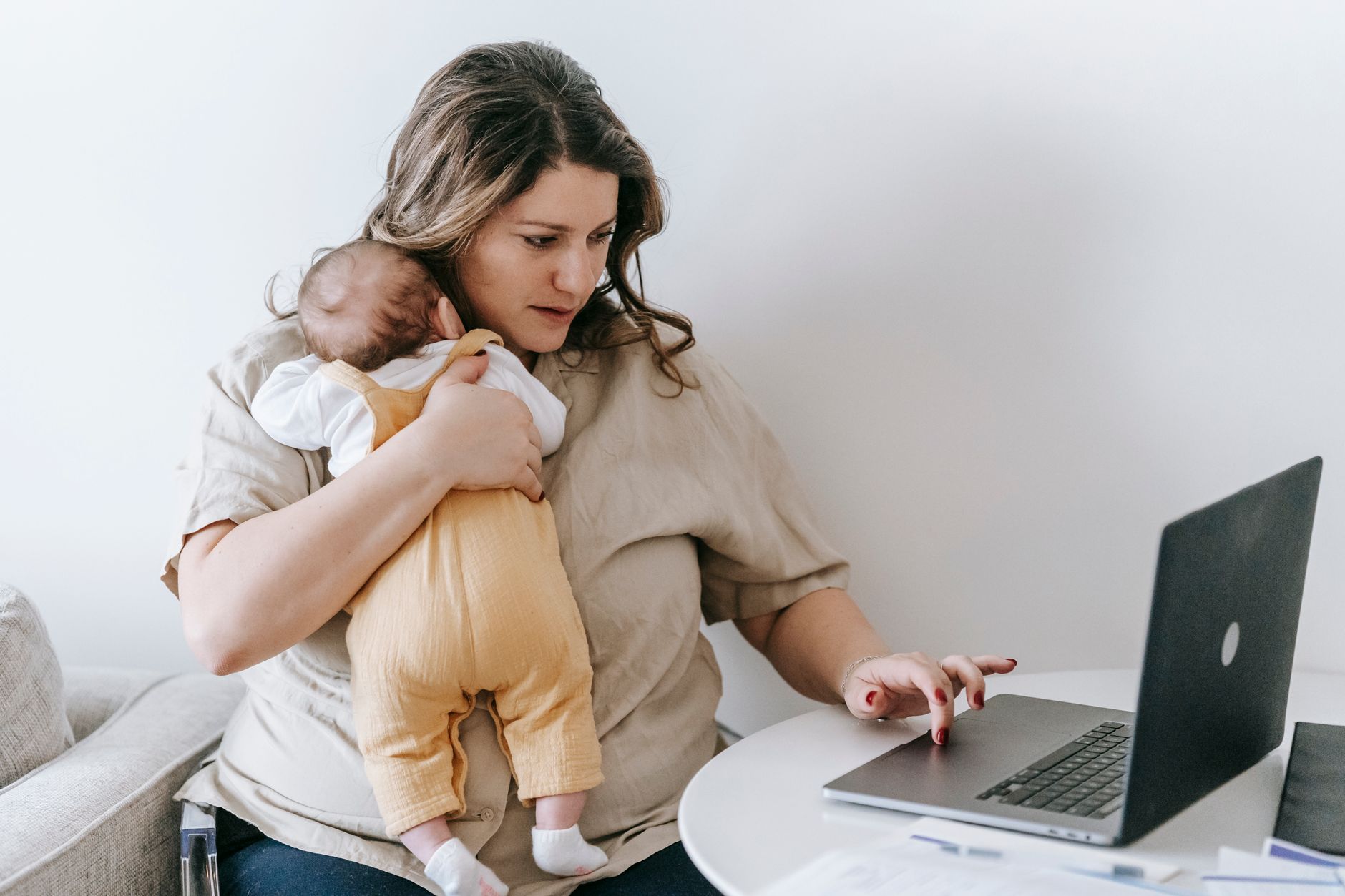
Traditions are the heart of family life—they create a sense of belonging, continuity, and joy. But when your mom isn’t part of the family, creating new traditions can feel like starting from scratch. The good news? You don’t need a template. You just need intention and creativity.
Start with small, meaningful rituals. These don’t have to be grand—they can be simple moments that bring your family together. Maybe it’s a bedtime story routine, a weekly family walk, or a Sunday dinner where everyone shares their favorite part of the week. The key is consistency. Even small rituals can create a sense of stability and love.
Incorporate your child’s interests. Let your child help shape the traditions. If they love art, create a family art project. If they’re into sports, have a weekly game night. When kids feel ownership over traditions, they’re more likely to cherish them.
Celebrate milestones in your own way. Birthdays, holidays, and other special occasions can be celebrated in ways that feel authentic to your family. Maybe it’s a picnic in the park for your child’s birthday instead of a big party. Or maybe it’s a cozy movie night with homemade popcorn for the holidays. The goal is to create memories that feel special to you.
Create a family scrapbook or journal. Documenting your family’s journey can be a beautiful way to build traditions. Take photos, save tickets, and write down memories. You can even involve your child in the process—let them add drawings or notes to the journal. This isn’t just a keepsake; it’s a way to connect with your family’s story.
Honor your mom in your own way. If you’re missing your mom, there are still ways to keep her presence in your family’s life. Maybe it’s lighting a candle on her birthday, reading her favorite book to your child, or planting a tree in her memory. These small gestures can honor her love while creating new traditions that feel like yours.
Be flexible. Traditions don’t have to be set in stone. They can evolve as your family grows and changes. What works for one family might not work for another—and that’s okay. The most important thing is that your traditions feel meaningful and joyful.
--- ## Choosing a mentor or grandma figure for parenting adviceWhen you don’t have your mom, finding a mentor or grandma figure can be a game-changer. These women can offer wisdom, support, and a sense of connection that fills the emotional gap left by a missing maternal figure. But how do you find the right person?
Look for someone who aligns with your values. Your mentor doesn’t have to be a mom—they just need to be someone you trust and admire. Maybe it’s an aunt, a close friend, or even a mentor you meet through a parenting group. The key is that they share your values and approach to parenting.
Consider a professional mentor. Organizations like MentorMoms or local mentorship programs pair new moms with experienced mentors who can offer guidance and support. These programs often provide structured sessions, so you know you’re getting reliable advice.
Think outside the box. Your mentor doesn’t have to be a mom. Maybe it’s a teacher, a coach, or even a character from a book or movie who embodies the qualities you admire. Sometimes, looking to someone outside the traditional "mom" role can offer fresh perspectives.
Create a "mom team" with different roles. Instead of relying on one person, build a team of mentors who fill different roles. One person might be your "practical mom" (the one who helps with logistics), another your "emotional mom" (the one who listens and offers comfort), and another your "fun mom" (the one who helps you enjoy the little moments). This team can shift and change as your needs do.
Be open to learning from your child. Sometimes, the best mentors are the ones you least expect. Your child might teach you things about patience, love, or resilience that you never would have learned otherwise. Be open to the lessons they bring into your life.
Set boundaries. Mentorship is a two-way street. It’s important to communicate your needs and expectations upfront. If someone offers advice that doesn’t resonate with you, it’s okay to politely decline. Your intuition is your best guide.
--- ## What to do if my mom is not supportive during pregnancyNot all moms are available or supportive during pregnancy—and that’s okay. But it can be heartbreaking to feel like you’re missing out on the love and guidance you hoped for. Here’s how to navigate this reality with grace and strength.
Acknowledge your feelings. It’s normal to feel hurt, disappointed, or even angry. Give yourself permission to feel these emotions without judgment. Journaling, talking to a therapist, or venting to a trusted friend can help you process what you’re going through.
Focus on the people who are there for you. If your mom isn’t supportive, lean on the people who are. This might be your partner, friends, family members, or even a support group. Surround yourself with people who uplift and encourage you.
Create your own support system. If your mom isn’t available, build a team of people who can fill that role. This could be a doula, a lactation consultant, or a close friend who offers practical and emotional support. You don’t need your mom to navigate this journey—you just need the right people.
Set boundaries. If your mom’s lack of support is causing you stress, it’s okay to set boundaries. This might mean limiting contact, saying no to certain requests, or simply not sharing your pregnancy journey with her. Your well-being comes first.
Remember: You’re doing this for your child. Your child deserves a mom who is loved, supported, and happy. Even if your mom isn’t there for you, you can still be the mom your child needs. Focus on creating a loving, nurturing environment for your family.
Seek professional help if needed. If you’re feeling overwhelmed or depressed, don’t hesitate to reach out to a therapist or counselor. They can offer support and tools to help you navigate this challenging time.
--- ## How to find a support group for moms without a motherFinding a support group can feel daunting, especially when you’re already juggling the demands of motherhood. But the right group can make all the difference—offering a sense of community, practical advice, and emotional support. Here’s how to find one that’s right for you.
Start online. Virtual support groups are a great place to begin. Platforms like Facebook, Reddit, or Meetup offer groups for moms of all kinds—including those without moms. These groups can provide a safe space to ask questions, share experiences, and connect with others who understand what you’re going through.
Look for local groups. Many communities have in-person support groups for new moms. Check with your local hospital, pediatrician’s office, or parenting center to see if they offer any. You can also search for groups on platforms like Eventbrite or Groups.io.
Consider specialty groups. If you’re looking for a more niche community, there are groups for moms of all backgrounds—whether you’re a single mom, a working mom, or a mom dealing with postpartum depression. Organizations like Postpartum Support International offer support groups specifically for moms facing mental health challenges.
Be open to different formats. Some groups meet weekly, while others are more casual and meet less frequently. Some are in-person, while others are virtual. Don’t be afraid to try a few different groups until you find the one that feels right for you.
Share your story. Once you’ve found a group, don’t be afraid to share your experiences. You might be surprised by how many other moms feel the same way you do. And who knows? You might just find a new friend—or even a mentor—in the process.
--- ## Best books for mothers who don’t have a momBooks can be a powerful source of wisdom, comfort, and guidance—especially when you’re navigating motherhood without a maternal figure. Here are some of the best books for moms who are building their own support systems and traditions.
For emotional support and self-compassion:
- The Gifts of Imperfection by Brené Brown – A must-read for any mom, this book offers lessons in self-acceptance and vulnerability.
- Big Magic by Elizabeth Gilbert – A creative and inspiring guide to embracing your passions and living a life full of joy.
For practical parenting advice:
- The Whole-Brain Child by Daniel J. Siegel and Tina Payne Bryson – A science-based approach to parenting that helps you understand your child’s brain and behavior.
- How to Raise an Adult by Julie Lythcott-Haims – A guide to raising independent, capable kids who are prepared for life.
For building your own traditions and rituals:
- The Book of New and Revised Family Traditions by Barbara Sherbert – A collection of ideas for creating meaningful family rituals.
- The Family Calendar by Barbara Sherbert – A practical guide to planning and celebrating family traditions throughout the year.
For coping with grief and loss:
- The Grieving Parent’s Guide to Holidays and Special Days by Alan D. Wolfelt – A gentle guide to navigating holidays and special occasions when you’re missing a loved one.
- It’s Okay That You’re Not Okay by Megan Devine – A compassionate guide to healing from loss and grief.
For finding your own path to motherhood:
- Parenting Without Borders by Madeline Levine – A thought-provoking look at how cultural differences shape parenting and how you can find your own way.
- The Conscious Parent by Shefali Tsabary – A mindful approach to parenting that encourages you to connect with your child on a deeper level.
Postpartum can feel overwhelming—especially when you’re doing it without the support of your mom. But there are coping strategies that can help you navigate this time with strength and resilience.
Prioritize sleep and rest. Newborns don’t sleep much, and neither do new moms. But rest is essential for your physical and emotional recovery. Ask for help with nighttime feedings or naps so you can get some shut-eye. Even 20 minutes of rest can make a big difference.
Ask for help—even if it’s just for small tasks. You don’t have to do everything alone. If someone offers to bring you dinner, take a walk with the baby, or do laundry, say yes. These small acts of support can add up to big relief.
Practice self-care in small doses. It’s easy to neglect your own needs when you’re focused on your baby. But self-care isn’t about grand gestures—it’s about small, consistent acts of kindness to yourself. This could be a 5-minute meditation, a warm shower, or simply taking a few deep breaths.
Connect with other moms. Isolation can make postpartum feel even harder. Reach out to other moms—whether it’s through a support group, a local playgroup, or an online community. You’ll find that you’re not alone in your struggles, and you might even make some new friends.
Be patient with yourself. Postpartum is a time of adjustment—both for you and your baby. It’s okay if things don’t go perfectly. Celebrate the small wins and don’t beat yourself up over the challenges.
Consider therapy or counseling. If you’re feeling overwhelmed or depressed, don’t hesitate to reach out to a therapist. They can offer support and tools to help you navigate this challenging time. Many therapists offer sliding-scale fees or virtual sessions, so cost shouldn’t be a barrier.
--- ## How to handle baby care without mom’s helpBaby care can feel like a full-time job—especially when you’re doing it without the help of your mom. But with the right strategies, you can navigate this time with confidence and ease.
Break tasks into manageable steps. Baby care can feel overwhelming when you’re trying to do everything at once. Instead, break tasks into smaller, more manageable steps. For example, instead of thinking "I need to bathe my baby," think "I need to gather the supplies, warm the water, and spend 10 minutes with my baby."
Use a checklist or app. Apps like Our Baby’s First Year or HelloFamily can help you stay organized and remember important tasks. You can also create your own checklist to track feedings, diaper changes, and naps.
Learn from other moms. There’s no shame in asking for help or advice. If you’re struggling with something—whether it’s breastfeeding, soothing a fussy baby, or understanding baby cues—don’t hesitate to reach out to other moms. They’ve likely been through the same challenges and can offer practical tips.
Practice self-care while caring for your baby. It’s easy to neglect your own needs when you’re focused on your baby. But self-care isn’t selfish—it’s essential for your well-being. Try to incorporate small acts of self-care into your daily routine, like a quick walk, a healthy snack, or a few minutes of deep breathing.
Don’t compare yourself to others. Every baby is different, and every mom’s journey is unique. What works for one mom might not work for another—and that’s okay. Trust your instincts and do what feels right for you and your baby.
Consider hiring help. If you’re struggling to keep up, don’t hesitate to hire a nanny, babysitter, or housekeeper. Even a few hours a week can give you time to rest, recharge, and focus on what matters most.
--- ## Alternative role models for new mothersWhen you don’t have your mom to look up to, finding alternative role models can be a game-changer. These women—whether in real life, in books, or on screen—can offer wisdom, inspiration, and a sense of connection that fills the emotional gap left by a missing maternal figure.
Real-life role models:
- Your partner. Your partner can be a powerful role model—whether they’re helping with baby care, offering emotional support, or simply being a loving presence in your life.
- Close friends or family members. These women can offer practical advice, emotional support, and a sense of camaraderie. They might not be moms, but they can still be great mentors.
- A mentor or grandma figure. As mentioned earlier, finding a mentor—whether through a mentorship program or a close friend—can provide the guidance and support you need.
Books and authors:
- Parenting Without Borders by Madeline Levine – A thought-provoking look at how cultural differences shape parenting and how you can find your own way.
- The Conscious Parent by Shefali Tsabary – A mindful approach to parenting that encourages you to connect with your child on a deeper level.
- Raising Good Humans by Dr. Laura Markham – A gentle, compassionate guide to raising emotionally intelligent kids.
Characters from books and movies:
- Elsa from Frozen. Elsa’s journey from isolation to acceptance is a powerful reminder that it’s okay to ask for help and embrace your unique path.
- Meg Murry from A Wrinkle in Time. Meg’s strength, curiosity, and resilience make her a great role model for any mom.
- Luna Lovegood from Harry Potter. Luna’s kindness, empathy, and willingness to see the world differently can inspire you to approach parenting with an open heart.
Social media moms:
- @thealmondmom on Instagram

