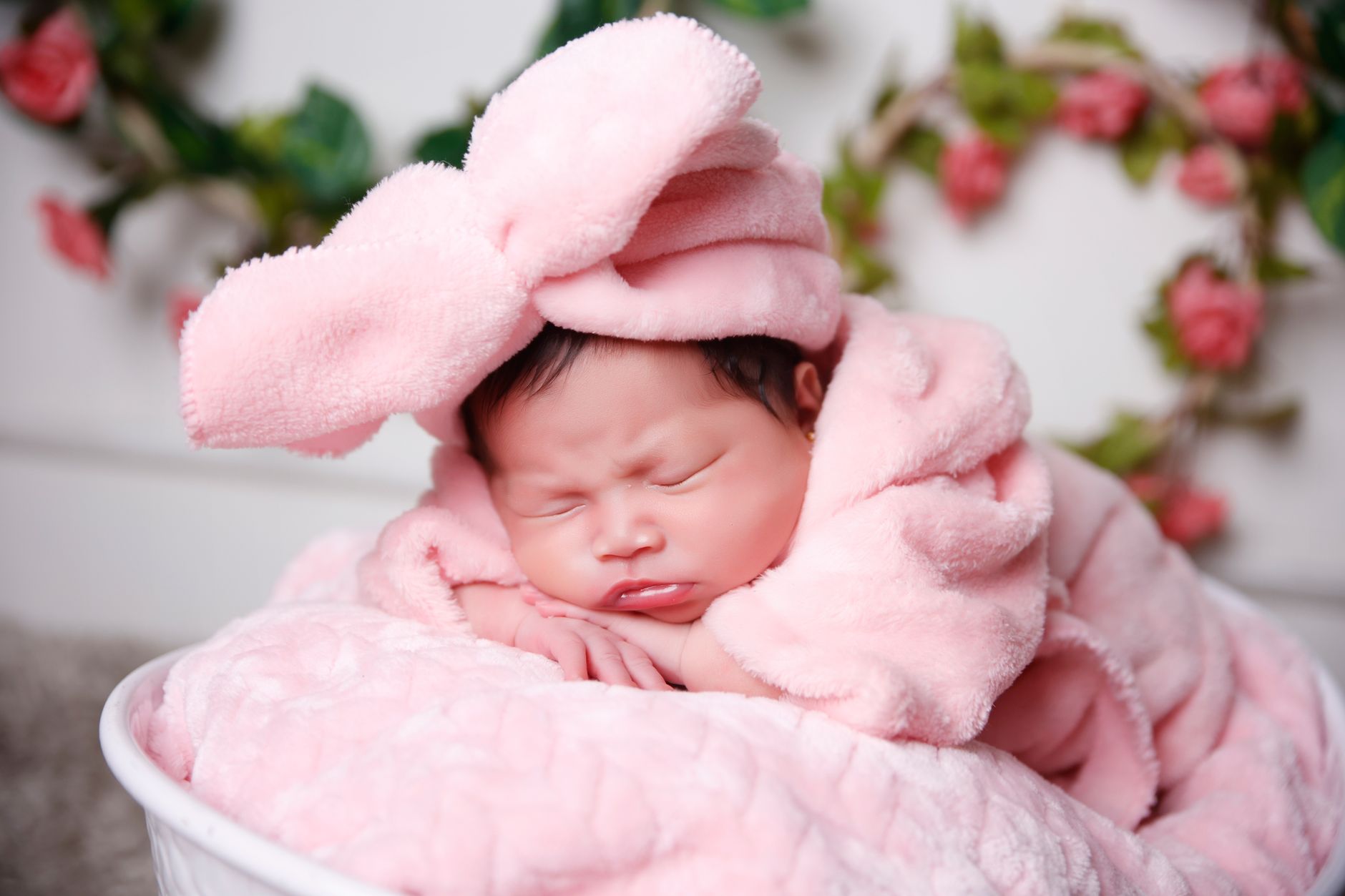
Below is a side‑by‑side look at the most common advantages reported by parents and supported by pediatric guidelines.
Overall, the “best” time hinges on how the bath integrates with your baby’s sleep‑wake cycle and your household rhythm. For most families, a consistent routine—whether at sunrise or under the night‑light—provides the most measurable benefit.
Beyond the table, research from the NHS highlights that bathing can be a bonding moment, especially when parents use gentle eye contact and soft talk. This sensory interaction supports early language development and emotional security, regardless of whether the bath occurs at dawn or dusk.
Best time of day to bathe a 3‑month‑old baby
At three months, infants begin to develop a more predictable circadian rhythm, though many still nap multiple times a day. The AAP suggests that you can start experimenting with a late‑morning or early‑evening bath, watching for signs of overstimulation or drowsiness.
Here are three practical pointers for a 3‑month‑old:
- Watch for sleep windows. If your baby typically naps around 10 a.m. and 4 p.m., aim for a bath 30 minutes before a nap to avoid making them too alert.
- Temperature stability. The room should be at least 22 °C (72 °F) to prevent chills after the bath.
- Moisturize promptly. Apply a fragrance‑free barrier cream within 3 minutes of drying to lock in moisture.
Many parents report that a mid‑morning bath (around 10 a.m.) works well because the baby is awake, fed, and not yet tired. If your infant shows signs of being “wired” after a night‑time bath—crying, wide‑eyed alertness—consider shifting the bath earlier.
Feeding patterns also matter: a bath soon after a full feeding can feel uncomfortable, while bathing after a light snack may help the baby settle. The NHS recommends pairing the bath with a gentle diaper change to keep the routine smooth and predictable.
How does a night bath affect baby's sleep schedule?
Warm water raises core body temperature slightly; after exiting the tub, the rapid cooling can promote the release of melatonin, the hormone that encourages sleep. A 2021 review in the Journal of Pediatric Health noted that infants who receive a warm bath within an hour of bedtime often fall asleep faster and enjoy longer uninterrupted sleep periods.
However, the effect isn’t universal. If the bath is too hot, too long, or followed by stimulating play, the infant may become overstimulated, delaying sleep onset. The key is to keep the bath short (5‑10 minutes) and follow it with a calm, dimly lit environment.
Practical tip: Pair a night bath with a consistent sleep routine—soft lullaby, dim lights, and a gentle rocking. This layered cueing helps the baby associate the bath with the upcoming sleep window.
From a physiological standpoint, the FDA notes that temperature‑controlled water is a non‑pharmacologic method to support melatonin secretion, reinforcing the safety of warm baths as a sleep‑aid when used appropriately.
Ideal water temperature for baby bath morning or night
Both morning and night baths should use water that feels warm—not hot—to the inner wrist. The recommended temperature is 37‑38 °C (98‑100 °F). Using a thermometer or the “elbow test” (the water should feel comfortably warm to the inside of your elbow) can prevent accidental scalds.
Why the same temperature for both times? Babies’ skin barrier is thin and sensitive regardless of the hour. Consistency helps avoid sudden temperature shifts that could trigger skin irritation or a startle response.
Key safety points:
- Test water before placing your baby in the tub.
- Never leave water unattended; keep a hand on the baby at all times.
- Adjust room temperature to avoid drafts after the bath.
The NHS also recommends checking the water temperature with a dedicated baby bath thermometer rather than relying solely on the hand test, especially in colder climates where ambient temperature can affect perception.
How long should a baby bath be in the morning?
For newborns and infants up to six months, a bath should last **no longer than 5‑10 minutes**. The skin’s natural moisturizing factor (NMF) can be stripped away if exposure to water is prolonged. A short, focused morning bath allows you to clean the face, neck, and diaper area while preserving the skin’s protective oils.
Structure a 7‑minute routine like this:
- Preparation (1 minute): Gather towel, mild cleanser, clean diaper, and a soft washcloth.
- Face & neck (1 minute): Use a damp washcloth—no soap—to gently wipe eyes and mouth.
- Body (3 minutes): Lightly lather a tiny amount of fragrance‑free baby wash; rinse quickly.
- Dry & moisturize (2 minutes): Pat dry, then apply a thin layer of hypoallergenic cream.
Keeping the bath brief reduces the risk of skin dryness and helps the baby stay calm for the rest of the morning routine.
Watch for cues that the baby is ready to finish: a squirming body, a sudden interest in toys, or a look of fatigue. When you notice these signs, gently wrap the baby in a towel and move to the next step to keep the experience pleasant.
Morning bath routine for newborns: tips
Here’s a step‑by‑step checklist that many parents find reassuring:
- Gather everything first. A basket with towel, washcloth, baby wash, and moisturizer prevents you from leaving the baby unattended.
- Use a baby bathtub. A small, shallow tub with a non‑slip surface gives you better control.
- Support the head and neck. One hand should always be under the baby’s head; the other can hold the body.
- Keep the room warm. Aim for 22‑24 °C (72‑75 °F) to avoid chilling after the bath.
- Limit distractions. Turn off bright lights, put away phones, and focus on the soothing rhythm of water.
One reader told us she felt “overwhelmed” during her first week of nighttime feedings and baths. She switched to a morning bath after a pediatrician’s suggestion, noting that the quiet house and a fresh diaper set the tone for a smoother day. Your routine can be tailored—what matters most is safety, consistency, and a calm environment.
Adding a soft, neutral‑scented lullaby during the bath can also create a sensory anchor that helps the baby associate water with comfort. Even a simple “shhh” chant can be soothing and lay groundwork for later language development.
Night bath routine for infants: safety considerations
Bathing after dark adds a layer of logistical safety concerns. Follow these precautions to make a night bath as secure as a daytime soak:
- Low‑light environment. Use a night‑light (soft amber) rather than bright white bulbs. This preserves melatonin production.
- Pre‑warm the room. Turn on a space heater or ensure the bathroom is heated to at least 22 °C (72 °F).
- Check water temperature. Use a thermometer; water should be 37‑38 °C (98‑100 °F).
- Keep supplies within arm’s reach. Have towel, washcloth, and moisturizer on a nearby shelf.
- Never leave the baby unattended. Even a moment’s distraction can lead to a slip.
- After‑bath drying. Pat the baby dry immediately, then swaddle or dress in a soft cotton onesie.
Many parents worry that a night bath could “wake” the baby. In reality, a warm, brief bath can be a soothing transition if followed by a dim, quiet environment. The AAP advises that if a baby becomes unsettled after the bath, you can try a gentle rocking or a soft lullaby before attempting to lay them down.
For added safety, keep a small, portable phone charger in the bathroom—just in case you need to call for help or check a timer while you’re holding your baby.
Morning vs night bath impact on baby skin health
Skin health is a top concern for parents of infants, especially those with a family history of eczema or dry skin. The main differences between morning and night baths relate to **moisture retention** and **exposure to irritants**.
Morning baths can strip away the natural oils that accumulate during sleep, making immediate moisturization crucial. If you apply a barrier cream right after the bath, the skin stays hydrated throughout the day, protecting against environmental irritants like wind or indoor heating.
Night baths are often followed by a longer period of sleep, during which the skin can re‑absorb moisture. However, if the bedroom air is very dry (common in winter), the skin may lose water overnight. Using a humidifier and a generous layer of moisturizer before bedtime can mitigate this.
Evidence from the National Eczema Association suggests that **short, lukewarm baths paired with immediate moisturization** are more important than the time of day. Whether you choose a morning or night bath, the routine of “bath → dry → moisturize” is what truly supports healthy skin.
For babies with diagnosed eczema, the ACOG recommends a “wet‑wrap” technique after the bath, which involves applying a damp layer of ointment followed by a breathable garment. This method can be used after either a morning or night bath, but many families find it easier to incorporate into the bedtime ritual.
When to stop giving baby night baths and transition to daytime bathing
Most pediatricians recommend phasing out nightly baths once the baby is **6‑12 months old**, as toddlers often begin to enjoy bedtime stories and a dry‑rub routine instead. Signs that it’s time to shift include:
- Consistent refusal or fussiness during night baths.
- Increased independence and interest in self‑cleaning (e.g., wanting to splash).
- Parents’ desire for a simpler bedtime routine.
Transition strategy:
- Gradual reduction. Shorten night baths to a quick “sponge‑only” wipe for a week.
- Introduce a calming bedtime ritual. Replace the bath with a warm foot soak or a gentle massage using a fragrance‑free oil.
- Maintain a morning bath. Keep the daytime soak for hygiene, then shift the focus to playtime.
By the time your child reaches one year, the majority of families find a daytime bath more practical, while the bedtime routine centers on storytime, soft music, and cuddles. This shift also encourages the toddler’s emerging sense of autonomy, a key milestone in early development.
Choosing baby‑safe bath products: what to look for
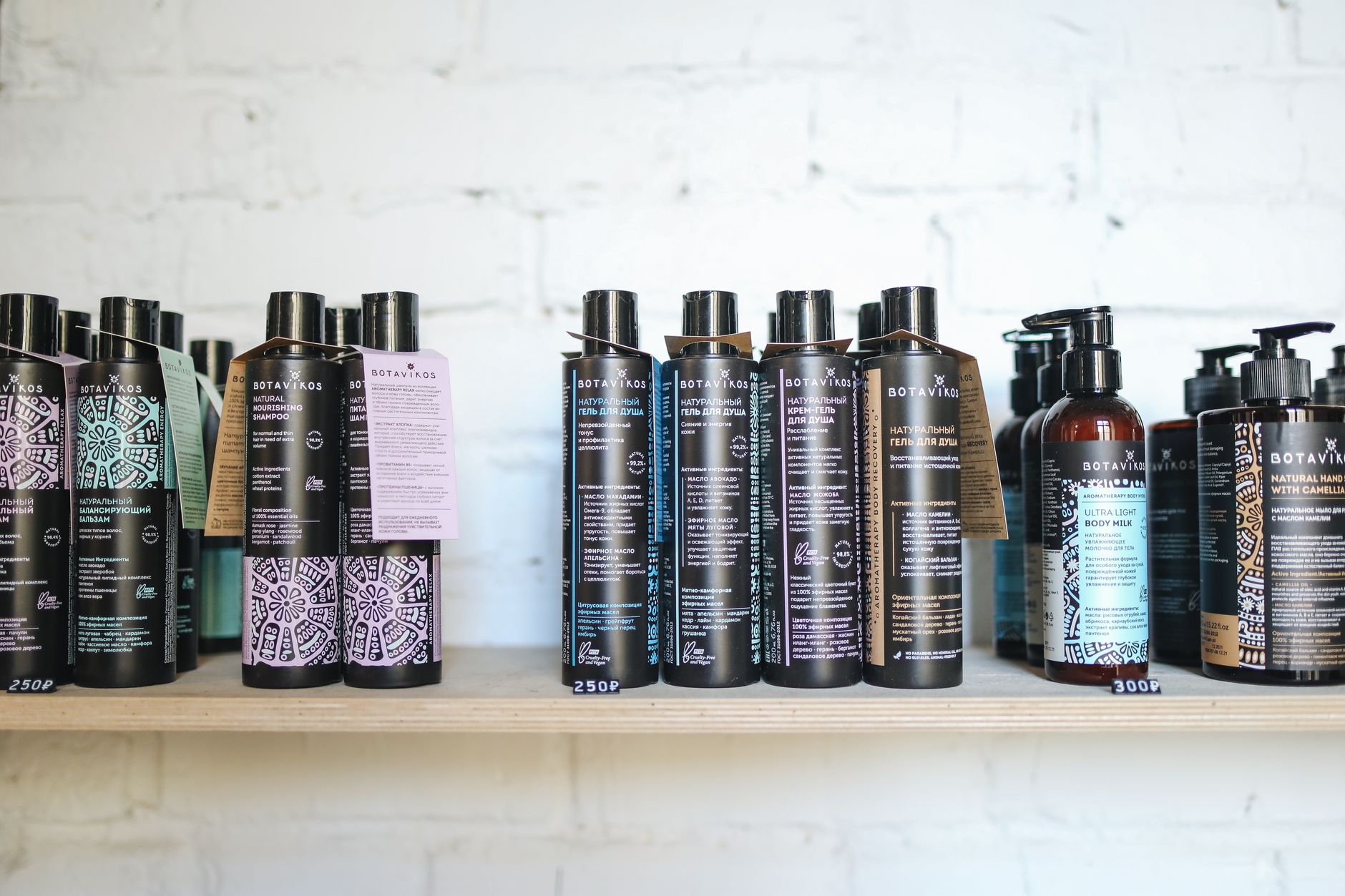
Not all baby bath items are created equal. The FDA requires that products marketed for infants meet strict safety standards, but “gentle” on the label doesn’t always mean “safe.” Look for these key features:
- Fragrance‑free or hypoallergenic. Synthetic fragrances can irritate sensitive skin.
- pH‑balanced (around 5.5). This matches the natural acidity of baby skin and helps preserve the barrier.
- Minimal ingredients. Fewer components mean fewer chances of an allergic reaction.
- Dermatology‑tested. A seal from the American Academy of Dermatology (AAD) indicates clinical testing on infant skin.
Common safe ingredients include oat extract, aloe vera, and glycerin. Ingredients to avoid are parabens, sulfates, and harsh detergents such as sodium lauryl sulfate. The NHS’s “Baby skin care” fact sheet reinforces that simple, water‑only baths are perfectly fine for newborns, especially if the baby’s skin is prone to dryness.
Below is a quick comparison of product categories you might consider:
When in doubt, check the product’s label for a “hypoallergenic” claim and look for the AAD seal. If you’re uncertain about a particular ingredient, a quick call to your pediatrician can provide peace of mind.
Creating a calming bath environment for baby
The setting of the bath can be as important as the water itself. A calm environment reinforces the soothing purpose of the soak and helps your baby associate bath time with relaxation.
- Lighting: Use a dimmable night‑light or a soft amber bulb. Avoid bright, blue‑rich LEDs that can suppress melatonin.
- Sound: Play a low‑volume lullaby, white noise, or nature sounds. Consistent auditory cues signal that it’s time to wind down.
- Temperature: Keep the bathroom at 22‑24 °C (72‑75 °F). A space heater can be useful in colder months, but be sure it’s out of reach.
- Visuals: A simple, uncluttered space with a few soft toys (e.g., a plush duck) can provide gentle visual focus without overstimulating.
- Scent: If you choose to add scent, opt for a tiny dab of diluted lavender oil placed on a cloth away from the baby’s face; however, most experts recommend keeping the bath fragrance‑free.
One mother shared that adding a small, waterproof “bath book” with high‑contrast images helped her baby stay relaxed and even look forward to bath time. Small touches like these can turn a routine chore into a cherished bonding moment.
Finally, always have a backup plan—keep a dry towel and a set of clean clothes within arm’s reach, so you can transition quickly if the baby becomes upset or if you need to attend to a sudden diaper change.
Myth vs. fact
Myth: A night bath will always keep a baby awake.
Fact: A warm, brief night bath can actually promote relaxation and faster sleep onset when followed by a dim, quiet environment.
Myth: Babies need a long bath every day to stay clean.
Fact: Infants only need a 5‑10 minute bath a few times a week; daily sponge baths are sufficient for newborns.
Myth: Morning baths are always better for skin health.
Fact: Skin health depends more on moisture retention and gentle products than on the time of day. Both morning and night baths work when paired with prompt moisturization.
Key takeaways
- Both morning and night baths are safe when water is lukewarm (37‑38 °C) and the room is warm.
- Keep each bath brief—5‑10 minutes—to protect skin moisture.
- Immediately moisturize after drying, regardless of the time of day.
- Night baths can aid sleep if followed by a calm, dim routine; morning baths can energize the day.
- Use fragrance‑free, hypoallergenic products for both routines.
- Transition away from night baths around 6‑12 months, focusing on a soothing bedtime ritual instead.
Frequently asked questions
Is it better to bathe a baby in the morning or at night?
There isn’t a universal “best” time. Choose the slot that fits your family’s schedule and your baby’s cues. Both morning and night baths work when they’re brief, warm, and followed by moisturization.
Can a night bath disrupt a baby's sleep?
Only if the bath is too hot, too long, or followed by stimulating activities. A 5‑10 minute warm bath, paired with dim lighting and a quiet routine, usually promotes relaxation and can help your baby fall asleep faster.
What temperature should the water be for a baby bath?
Aim for 37‑38 °C (98‑100 °F). Test with a thermometer or the inner wrist/inner elbow method—water should feel warm, not hot.
How long should a newborn's bath last?
Keep it to 5‑10 minutes. This protects the delicate skin barrier while still providing a thorough clean.
Are there safety risks with bathing a baby at night?
Risks include accidental scalds, slipping, and overheating. Mitigate these by pre‑warming the room, using a night‑light, keeping supplies within arm’s reach, and never leaving the baby unattended.
Do morning baths help with a baby's skin health?
Morning baths can be beneficial if you moisturize right after, but the most important factor is consistent hydration and gentle products, not the time of day.
How can I transition my baby from night baths to daytime baths?
Gradually shorten night baths, replace them with a quick sponge wipe, introduce a calming bedtime ritual (story, lullaby, gentle massage), and keep a consistent morning bath for hygiene.
What if my baby’s skin becomes red after a bath?
Redness can be a sign of irritation or an early eczema flare. Use a fragrance‑free, pH‑balanced wash, apply a barrier cream within minutes of drying, and consult your pediatrician if the redness persists or spreads.
Can I use a baby bathtub in the kitchen sink?
Yes, as long as the sink is clean, the water temperature is checked, and you have a stable surface to rest your baby. Make sure the sink isn’t too deep and always keep one hand on the baby.
When to see a doctor or specialist
If your baby shows any of the following signs, contact your pediatrician promptly:
- Persistent skin redness, rash, or signs of eczema after baths.
- Frequent fever or unexplained irritability after bathing.
- Signs of dehydration (dry mouth, very few wet diapers) following a bath.
- Any difficulty breathing or unusual crying that seems related to water temperature.
These symptoms may indicate an underlying skin condition, infection, or temperature‑regulation issue that requires professional evaluation. This article is for informational purposes only and does not replace personalized medical advice.
References
- American Academy of Pediatrics. “Guidelines for Bathing Infants.” AAP, 2022.
- Journal of Pediatric Health. “Warm Bathing and Sleep Onset in Infants.” 2021.
- National Eczema Association. “Bathing and Moisturizing for Infant Skin.” 2023.
- World Health Organization. “Safe Water Practices for Newborns.” WHO, 2020.
- Harvard T.H. Chan School of Public Health. “Infant Skin Care and Bathing Frequency.” 2022.
- American Academy of Dermatology. “Choosing Gentle Baby Bath Products.” AAD, 2021.
- National Health Service (NHS). “Baby skin care and bathing guidance.” NHS, 2022.
- American College of Obstetricians and Gynecologists (ACOG). “Skin Care for Newborns.” ACOG, 2021.
- U.S. Food and Drug Administration (FDA). “Infant Product Safety.” FDA, 2023.