Quick take: The modern grandma's role is evolving, moving beyond traditional expectations to encompass a wide range of involvement, from hands-on childcare to virtual support. This shift can create new dynamics and, at times, tension with modern moms. Understanding these changing expectations and establishing clear, empathetic communication is key to fostering a supportive and harmonious family relationship.
Bringing a new baby home, or even navigating the early years of motherhood, is a whirlwind of emotions – joy, exhaustion, and sometimes, a little anxiety. Amidst this, the arrival of a grandparent can be a huge blessing, offering much-needed support and love. Yet, many modern moms find themselves navigating a subtle, often unspoken, tension: the clash between their own parenting philosophies and the evolving (or sometimes steadfast) expectations of their baby's grandmother.
The role of a grandmother isn't what it used to be. Today's grandmas are often still active in their careers, have their own busy social lives, or live far away. Simultaneously, modern parenting has shifted, with new information, evolving norms, and different approaches to everything from sleep training to nutrition. This convergence creates what we call the "modern grandma expectations shift," a dynamic where both generations are figuring out how to best support each other while respecting individual boundaries and parenting choices.
If you've found yourself wondering how to gracefully manage advice, encourage helpful support, or gently set boundaries, you're not alone. This guide is designed to help you understand these shifting expectations, equip you with communication tools, and ultimately, build a stronger, more supportive relationship with the grandmothers in your life.
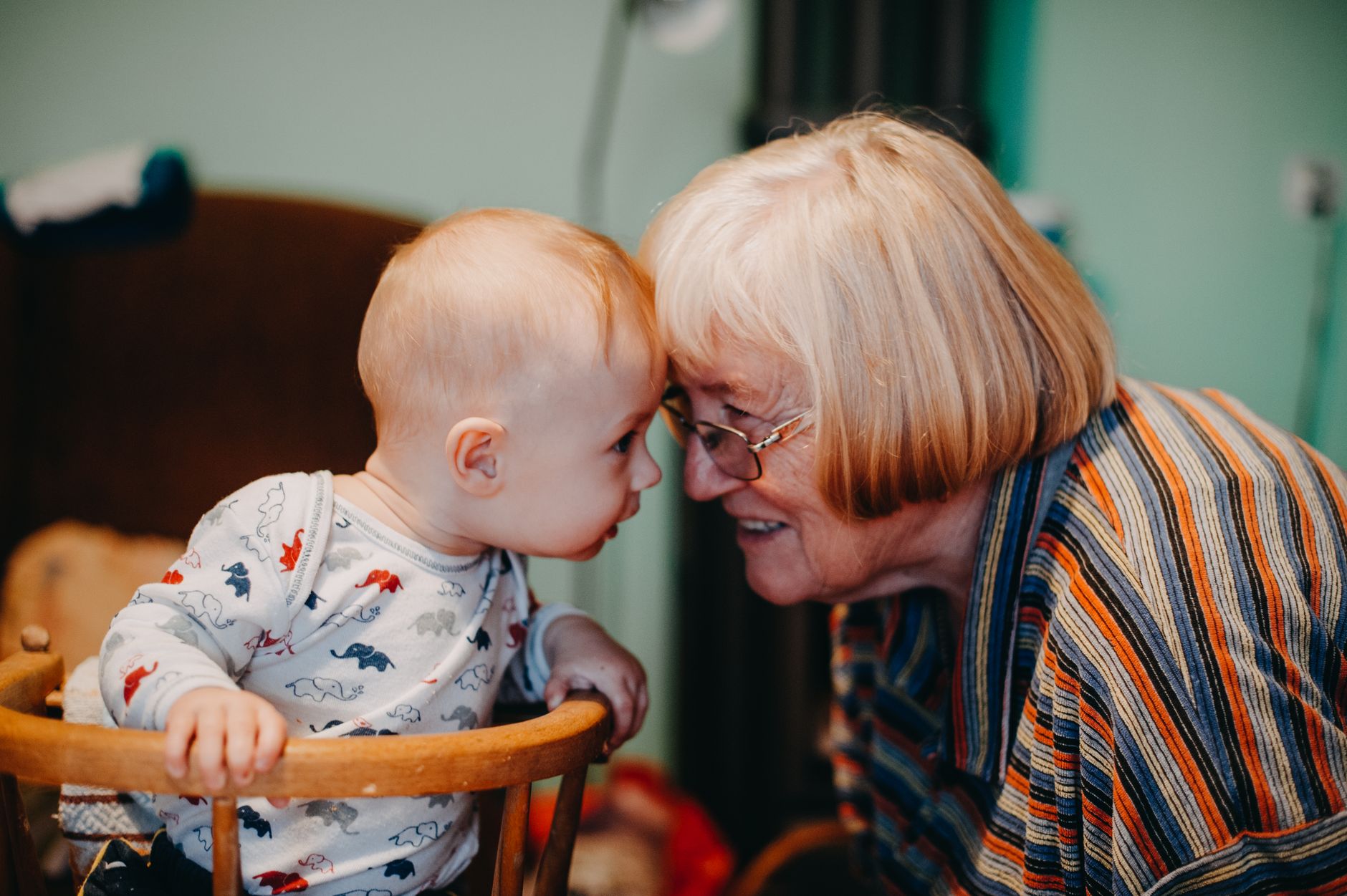
How do modern grandmothers expect to be involved in childcare?
One of the most significant areas where modern grandma expectations shift is around childcare. Traditionally, grandmothers were often seen as a primary, ever-present source of childcare, especially for stay-at-home mothers who might not have had other support systems. They might have lived nearby, or even with the family, and their involvement was often assumed to be extensive and hands-on, from daily care to cooking and cleaning.
Today, this landscape looks very different. Many grandmothers are still working full-time or part-time, have demanding hobbies, or are enjoying their own retirement plans. This means their capacity and desire for hands-on, daily childcare can vary wildly. Some grandmothers eagerly anticipate being deeply involved, wanting to be the primary babysitter or even provide regular care for several days a week. They might envision themselves as an integral part of the baby's daily routine, offering to pick up from daycare, prepare meals, or manage bath time. This level of involvement often stems from a deep love and a desire to bond closely with their grandchildren, perhaps reflecting their own experiences or longing for a second chance at nurturing a child.
On the other hand, some modern grandmothers might prefer a more occasional, supportive role. They may want to visit for special occasions, offer help during emergencies, or enjoy weekend visits, but not commit to regular childcare duties. This doesn't necessarily mean they love their grandchildren any less; it often reflects their own life stage, energy levels, or personal boundaries. For example, a grandma who has just retired might be excited to travel or pursue long-deferred interests, making a full-time childcare commitment less appealing. It's crucial for modern moms to recognize that both extremes, and everything in between, are valid expressions of grandparenting in today's world.
Balancing Availability and Desire for Involvement
The challenge for modern moms often lies in understanding where their child's grandmother falls on this spectrum, and then aligning that with their own family's needs. A new mom, particularly in the postpartum period, might desperately need regular childcare support, only to find that her mother or mother-in-law has different expectations about their availability. Conversely, a mom who prefers to handle most childcare herself might feel overwhelmed by a grandma who is constantly offering to "help" in ways that feel intrusive or undermine her parenting style.
A representative story we often hear at BumpBites is from Sarah, a new mom who expected her retired mother to be a constant presence. "My mom was always so hands-on with my cousins' kids, so I just assumed she'd be here every day," Sarah shared. "But she started volunteering at a local charity right after the baby was born. She loves him, I know, but her availability for babysitting is maybe once a month. It was a huge adjustment for me, realizing I'd need to find other childcare options." This highlights the importance of open dialogue, rather than relying on assumptions, even with those closest to us.
What new roles do grandmothers play in the digital age?
The digital age has profoundly reshaped the ways grandmothers can connect with their grandchildren and support their families, creating new roles that were unimaginable a generation ago. Technology has become a double-edged sword: a bridge for connection and sometimes a source of misunderstanding.
Virtual Connection and Support
For grandmothers who live far away, video calls have become a lifeline. They can participate in daily life from afar, watching a baby's first steps, reading bedtime stories over Zoom, or simply having a virtual "coffee chat" with their daughter or daughter-in-law while the baby naps. This allows for emotional presence even without physical proximity. Many grandmas embrace this role, becoming adept at FaceTime, WhatsApp, or other video platforms. They might send frequent photos or videos, creating a constant stream of connection that helps bridge the miles. This virtual involvement can be a huge source of comfort for both the grandmother and the modern mom, especially when navigating milestones like when your belly size at 7 weeks pregnant starts to show, or the excitement of a growing bump at 11 weeks.
The "Digital Aunt" or "Digital Helper"
Some grandmothers leverage technology to act as a "digital helper." This might involve researching parenting topics online, sending articles about baby development, or finding recipes for baby food. While well-intentioned, this can sometimes lead to an overload of unsolicited advice, or even conflicting information, especially if the grandmother's research clashes with the modern mom's chosen parenting style or recommendations from her pediatrician. It’s a new form of involvement that requires careful navigation to ensure it feels supportive, not critical.
Social media offers grandmothers a platform to proudly share their grandchildren's milestones and bond with other grandparents. However, this also introduces new challenges around privacy and parental preferences. Modern moms often have specific boundaries about what photos are shared online, how much personal information is disclosed, and whether their child's image appears on public platforms. A grandmother might enthusiastically post photos without realizing the mom's concerns, leading to awkward conversations about digital etiquette and respecting the parents' choices regarding their child's online footprint. This is a common area where "grandma expectations in 2024" often diverge significantly from a mom's boundaries.
For example, one mom, Emily, shared her frustration: "My mother-in-law would post photos of my daughter on Facebook without asking, sometimes even before I'd had a chance to share them with my own friends and family. I had to gently explain that I preferred to post first, and that I don't want photos of her in her bathing suit shared publicly. It was an uncomfortable conversation, but necessary."
Beyond direct interaction, technology serves as a primary communication channel for coordinating visits, sharing updates, and even discussing concerns. Group chats with family members can keep everyone in the loop, but they also require clear communication guidelines. Texting allows for quick check-ins, but tone can easily be misinterpreted without the nuance of in-person conversation. Understanding how to communicate with grandma about baby care effectively across these digital platforms is a new skill for both generations.
How can modern moms navigate changing grandma roles?
Navigating the evolving role of grandmothers requires a blend of empathy, clear communication, and a proactive approach. It's about understanding that grandmothers, too, are adjusting to a new phase of life and a new family dynamic. The goal isn't to create distance, but to define a healthy, supportive relationship that respects everyone's needs.
Open and Honest Communication
This is arguably the most critical tool. Instead of letting unspoken tensions fester, initiate conversations early and often. Don't wait for a conflict to arise. Before the baby arrives, or in the early weeks, sit down with the grandmothers in your life and talk about expectations. Share your parenting philosophy, discuss your needs, and ask about their hopes for involvement. Use "I" statements to express your feelings and needs without placing blame.
- "I would really appreciate it if you could help with X, Y, or Z." Be specific about what kind of help you actually need, rather than general offers of "help."
- "I'm feeling a bit overwhelmed right now, and I need some quiet time as a family." This communicates your need without rejecting their presence.
- "I've decided to approach feeding/sleep/discipline this way because [explain your reasoning]." Sharing your 'why' can help grandmothers understand your choices, even if they differ from their own past experiences.
Empathy and Understanding
Remember that the grandmother role is often deeply cherished. For many grandmas, this is a chance to relive precious moments, offer wisdom, and shower love on a new generation. Their advice, even if unsolicited or outdated, usually comes from a place of love and a desire to help. Try to see things from their perspective. Perhaps they're feeling a bit left out, or worried that you're struggling. A simple "I know you mean well, and I appreciate your concern" can go a long way before you gently redirect or explain your approach.
Consider the "grandma expectations shift postpartum" especially. New mothers are incredibly vulnerable, and grandmothers often remember their own struggles during that time. Their desire to help might be heightened, and their offers of advice might stem from a protective instinct. Acknowledging this can soften any perceived criticism.
Setting Clear Boundaries (More on this later)
While empathy is important, it doesn't mean you sacrifice your boundaries. Healthy relationships require clear lines. Decide what your non-negotiables are regarding parenting choices, visits, and advice. Communicate these boundaries kindly but firmly. It's often helpful to have your partner on the same page and present during these conversations, presenting a united front.
Educate and Involve
If grandmothers are offering outdated advice, gently educate them on current recommendations from your pediatrician or trusted sources. "Our pediatrician recommends putting baby on their back to sleep to reduce SIDS risk," is more effective than "That's not how we do things anymore." Involve them in new routines where appropriate, explaining the rationale. For instance, if you're tracking your belly size at 29 weeks pregnant and discussing the birth plan, share your preferences with them so they feel informed and respected, rather than excluded.
Leverage Your Partner
Your partner plays a crucial role, especially when it comes to their own parents. It's generally more effective for your partner to address issues with their mother, and for you to address issues with your mother. This avoids triangulation and potential resentment. Discuss expectations and boundaries together as a couple, then present a united front.
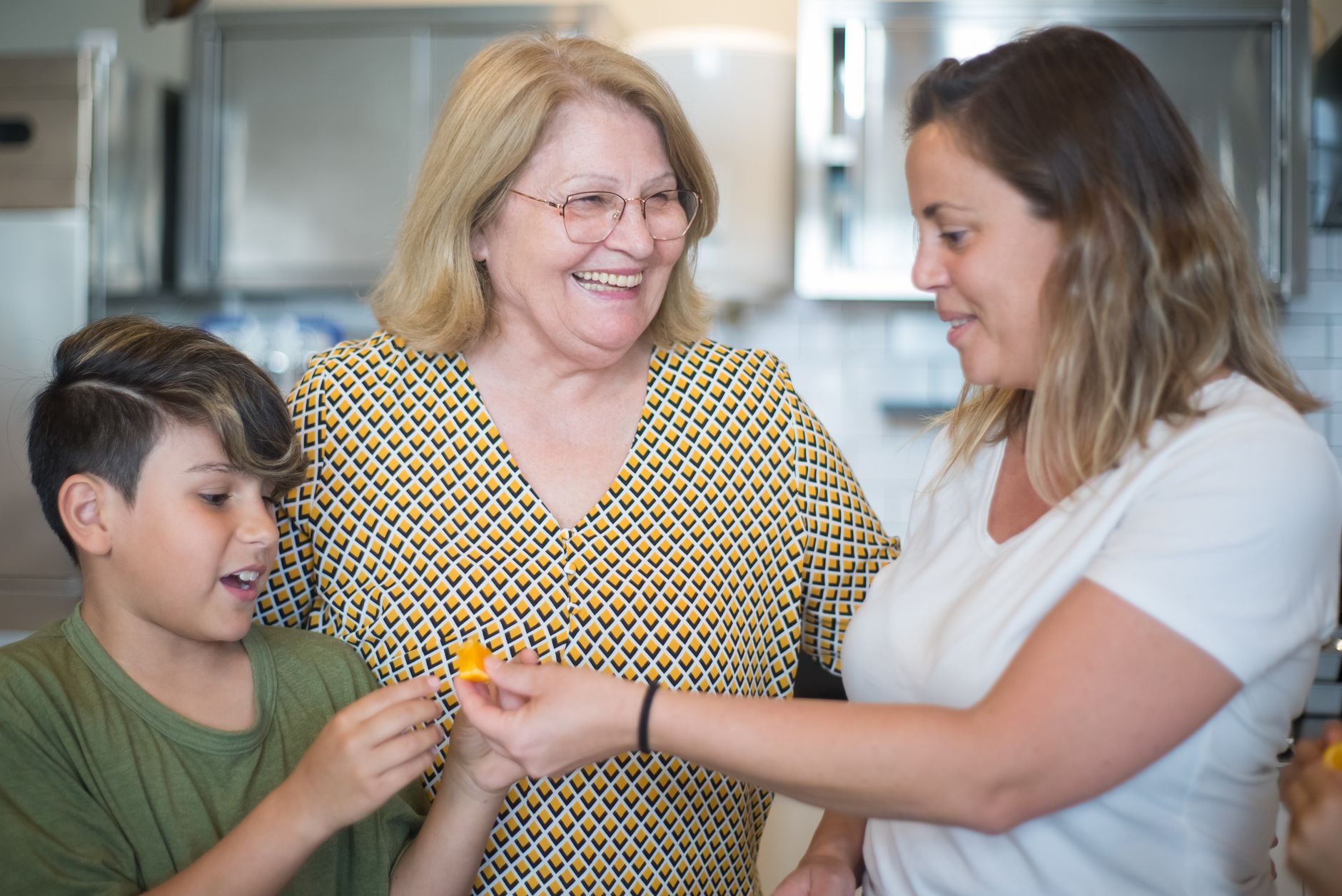
What responsibilities do grandmothers take on today?
The responsibilities grandmothers take on today are far more diverse and flexible than in previous generations, reflecting both their capabilities and the needs of modern families. While childcare remains a significant area, it's far from the only way grandmothers contribute.
Emotional Support and Mentorship
Perhaps one of the most invaluable roles a modern grandma plays is providing emotional support. Motherhood can be isolating, and having a confidante who has "been there, done that" can be incredibly reassuring. Grandmothers often become a listening ear, a source of comfort during tough times, and a cheerleader for both the mom and the children. This mentorship can be subtle, through shared stories and quiet encouragement, or more direct, offering specific advice when asked.
Many women find immense strength in their mothers or mothers-in-law during times of stress, such as when they are trying to conceive or navigating the early months with a newborn. A grandmother might be the one to remind a new mom to take a nap, bring over a home-cooked meal, or simply sit and hold the baby so the mom can shower in peace. These acts of service, often small, contribute significantly to a new mom's well-being.
Passing Down Family Traditions and History
In a fast-paced world, grandmothers are often the keepers of family history, cultural heritage, and cherished traditions. They can share stories of ancestors, teach family recipes, or introduce children to customs that might otherwise be lost. This role is vital for creating a sense of identity and belonging for grandchildren, connecting them to their roots. This might involve teaching a child a traditional song, sharing photo albums, or recounting tales of their own childhood. It's a way for them to impart wisdom and create lasting memories.
Financial Support (When Applicable)
While not universally expected, some grandmothers are in a position to offer financial support, whether it's contributing to a grandchild's education fund, helping with the cost of baby gear, or even assisting with larger expenses like housing. This is often done out of love and a desire to ease the financial burden on their children, especially given the rising costs of raising a family today. However, it's important to remember that financial contributions should never come with strings attached or be a source of leverage for demanding more involvement or control over parenting decisions.
Practical Assistance Beyond Childcare
Beyond direct childcare, grandmothers often step in to help with a wide range of practical tasks. This could include running errands, helping with household chores, cooking meals, or even assisting with home organization. These contributions, while not always glamorous, can be incredibly impactful for a busy modern family. For instance, a grandma might offer to organize the baby's nursery, help with laundry, or prepare freezer meals for the postpartum period.
Advocacy and Support for the Parents
A truly supportive modern grandma also acts as an advocate for the parents. This means respecting their choices, backing them up in front of the children, and not undermining their authority. It involves understanding that the ultimate decisions about the children's upbringing rest with the parents. This role requires trust and a deep respect for the parents' journey, even if their methods differ from what the grandmother experienced.
The "modern grandma role in parenting" is thus multifaceted, moving beyond just being a babysitter to being an emotional anchor, a cultural bridge, and a practical helper, all while navigating the nuances of contemporary family life.
How to set boundaries with modern grandmothers?
Setting boundaries can feel daunting, especially with loved ones. It's often perceived as creating distance or being ungrateful, but in reality, clear boundaries are a cornerstone of healthy, respectful relationships. When "grandma expectations modern mom" dynamics become challenging, establishing these limits is essential for your well-being and your family's harmony.
Start Early and Be Proactive
The best time to set boundaries is before issues arise. If you're expecting, discuss your hopes and concerns with grandmothers-to-be. If your baby is already here, address concerns as they come up, rather than letting resentment build. Proactivity prevents small issues from escalating into major conflicts.
Use "I" Statements
Frame your boundaries around your feelings and needs, not as accusations. This makes the conversation less confrontational. For example, instead of saying, "You always undermine my parenting," try, "I feel undermined when you give the baby a pacifier after I've said no, because it makes it harder for me to stick to our routine."
Be Specific and Consistent
Vague boundaries are easily crossed. Be clear about what you need. Instead of "Don't give the baby too many sweets," try, "We've decided to limit sugary treats to once a week, so please don't offer them on other days." Once a boundary is set, stick to it. Consistency reinforces the boundary and teaches others what to expect.
Involve Your Partner
It's crucial that you and your partner are a united front. Discuss boundaries together and decide who will communicate which boundary to whom. Generally, it's more effective for the child to address their own parent. For example, if your mother-in-law is overstepping, your partner should be the one to have the conversation. This reduces the likelihood of you being perceived as the "bad guy" or interfering outsider.
Choose Your Battles
Not every small transgression requires a full boundary discussion. Sometimes, it's okay to let minor things go for the sake of peace. Decide what truly impacts your well-being, your child's safety, or your core parenting values. Focus your energy on those significant boundaries.
Reiterate and Revisit
Boundaries aren't a one-time conversation. You may need to gently reiterate them, especially as situations change (e.g., as your child grows, or during the "grandma expectations shift postpartum"). Be prepared to calmly and kindly remind them of your agreed-upon limits. It's a process of ongoing communication and mutual respect.
Consider a Break, If Necessary
In extreme cases, if boundaries are consistently violated and causing significant stress or harm to your family, it may be necessary to temporarily limit contact. This is a last resort, but sometimes a brief pause can provide space for everyone to reflect and understand the seriousness of the situation. Always communicate this decision clearly and calmly, explaining the 'why' without blame.
Remember, setting boundaries isn't about control; it's about defining healthy roles and ensuring that your family unit feels respected and supported. It’s a key part of navigating the "modern grandma expectations vs traditional" dynamic.
What are the benefits of having a supportive modern grandma?
Despite the potential challenges of navigating the modern grandma expectations shift, having a supportive grandmother in your life can be an incredible asset. The benefits extend beyond practical help, enriching the lives of parents, children, and the grandmothers themselves.
Enhanced Emotional Well-being for Parents
Knowing you have a grandmother who respects your parenting choices, offers help without judgment, and listens empathetically can significantly reduce stress and anxiety for modern moms. This emotional safety net provides a sense of security, allowing parents to feel more confident and less overwhelmed. A supportive grandma can be a trusted confidante, a source of encouragement, and a reminder that you're not alone on your parenting journey. This can be particularly vital during the intense early weeks after birth or when facing difficult parenting decisions.
Valuable Practical Assistance
A supportive grandma can offer invaluable practical help, whether it's babysitting so you can have a much-needed date night, helping with meal prep, or running errands. This assistance frees up parents' time and energy, allowing them to focus on their children, their work, or simply on self-care. This practical support can be a lifesaver, especially for dual-income households or single parents who might not have other immediate support systems.
Intergenerational Connection and Wisdom
Grandmothers bring a wealth of life experience and wisdom that can be incredibly beneficial to both parents and children. They offer a unique perspective on child-rearing, family history, and navigating life's challenges. For children, having a loving relationship with their grandmother provides a strong sense of identity, belonging, and connection to their heritage. This intergenerational bond enriches a child's understanding of the world and provides another layer of unconditional love and support.
A Second Role Model for Children
Beyond parents, grandmothers offer another important role model for children. They expose children to different perspectives, life lessons, and ways of interacting with the world. A child who has a close relationship with their grandmother often develops a broader understanding of family dynamics and the importance of relationships, fostering empathy and respect for elders.
Backup and Emergency Support
Life is unpredictable, and having a reliable, supportive grandmother as part of your emergency network can provide immense peace of mind. Whether it's a sudden illness, an unexpected work commitment, or a personal crisis, knowing there's a trusted family member who can step in and provide care or support is invaluable. This "safety net" allows parents to navigate life's challenges with greater confidence.
Enriched Family Life
Ultimately, a supportive modern grandma contributes to a richer, more vibrant family life. Their presence adds another dimension of love, laughter, and shared experiences. Family gatherings become more meaningful, traditions are upheld, and a sense of continuity is fostered across generations. This creates a strong, cohesive family unit that benefits everyone involved.
The "modern grandma expectations shift" isn't about discarding tradition, but about adapting it to fit contemporary realities, forging new paths for connection and support that benefit all members of the family.
Myth vs. Fact
The evolving role of grandmothers often comes with misconceptions. Let's clear up a few common myths:
Myth: Grandmas should always prioritize childcare over their own lives.
Fact: Modern grandmothers often have active careers, hobbies, and social lives. While many love being involved, their capacity for hands-on childcare varies. Their desire to maintain their own identity and pursuits is valid and doesn't diminish their love for their grandchildren.
Myth: Rejecting a grandma's advice means you don't respect her or her experience.
Fact: Modern parenting has access to updated research and recommendations (e.g., safe sleep guidelines, feeding practices). Acknowledging a grandma's wisdom ("I know that worked for you") while explaining your current approach ("Our pediatrician recommends...") is a respectful way to manage differing opinions. It's about differing information, not disrespect.
Myth: Setting boundaries with grandmothers makes the relationship distant or cold.
Fact: Clear, kind boundaries actually strengthen relationships by establishing mutual respect and understanding. They prevent resentment from building and ensure that interactions are positive and supportive for everyone involved. Healthy boundaries create space for genuine connection.
Key Takeaways
- The role of grandmothers is evolving, with many having active lives and different capacities for involvement than previous generations.
- Open, empathetic communication is crucial for understanding and aligning expectations between modern moms and grandmothers.
- Technology offers new ways for grandmothers to connect, but also introduces challenges around privacy and digital etiquette.
- Grandmothers today offer diverse support, including emotional solace, passing on traditions, and practical help beyond just childcare.
- Setting clear, kind boundaries using "I" statements helps maintain healthy relationships and respects parental autonomy.
- A supportive modern grandma provides immense benefits, from emotional comfort and practical help to intergenerational connection for children.
Frequently Asked Questions
What are modern grandma expectations?
Modern grandmas often have varied expectations for involvement, from deep, regular childcare to more occasional, supportive roles. They may desire to be emotionally present, pass on traditions, and use technology to stay connected. Their expectations are shaped by their own life stage, career status, and personal desires, often differing from traditional, full-time caregiver roles.
How to handle grandma expectations?
Handling grandma expectations involves open and honest communication. Share your parenting philosophy and needs, and ask about their hopes for involvement. Use "I" statements to express your feelings, be specific about the kind of help you need, and gently educate on modern parenting approaches when necessary. Involve your partner to present a united front.
What does a modern grandma do?
A modern grandma can do many things: provide emotional support, offer practical help with errands or meals, share family history and traditions, and connect virtually through video calls. They act as confidantes, mentors, and an extra layer of love and support for the family, adapting their involvement to fit modern family structures and their own busy lives.
How to set boundaries with grandma?
Set boundaries with grandma by starting early, being specific and consistent, and using "I" statements to express your needs without blame. Involve your partner so they can address issues with their own parent. Choose your battles wisely, focusing on core values and well-being, and be prepared to calmly reiterate boundaries as needed.
What are the benefits of having a modern grandma?
The benefits of having a modern grandma include enhanced emotional well-being for parents, valuable practical assistance, rich intergenerational connections, an additional positive role model for children, and reliable backup support in emergencies. A supportive grandma contributes to a more cohesive and loving family unit.
How do grandmothers adapt to modern parenting?
Grandmothers adapt to modern parenting by learning about current recommendations (e.g., safe sleep, nutrition), respecting parents' choices even if they differ from their own, and embracing new technologies for communication and connection. This adaptation often requires flexibility, a willingness to listen, and a focus on supporting the parents' decisions.
When to see a doctor or specialist
While the "modern grandma expectations shift" is a family dynamic rather than a medical condition, ongoing conflict or stress related to grandparent involvement can significantly impact your mental health and family well-being. If you find that communication efforts are consistently failing, if you or your partner are experiencing significant stress, anxiety, or depression as a result of family tensions, or if the conflict is negatively affecting your children, it may be time to seek professional support. A family therapist or counselor can provide impartial guidance, teach effective communication strategies, and help mediate difficult conversations to establish healthier family dynamics. Your primary care provider or OB/GYN can also offer referrals to mental health professionals specializing in family issues.
References
- American Psychological Association (APA). (n.d.). Communication. Retrieved from apa.org
- Centers for Disease Control and Prevention (CDC). (n.d.). Grandparents as Caregivers. Retrieved from cdc.gov
- Mayo Clinic. (n.d.). Stress management. Retrieved from mayoclinic.org
- National Institute of Mental Health (NIMH). (n.d.). Caring for Your Mental Health. Retrieved from nimh.nih.gov
- World Health Organization (WHO). (n.d.). Maternal mental health. Retrieved from who.int



