
military family pcs move with newborn: honest tips for

military family pcs move with newborn: honest tips for

Moving with a newborn during a military PCS? Here’s how to pack, prepare, and survive the transition with minimal stress—real mom’s guide inside.

Shubhra Mishra

By Shubhra Mishra — a mom of two who turned her own confusion during pregnancy into BumpBites, a global mission to make food choices clear, safe, and stress-free for every expecting mother. 💛

Are you a qualified maternal-health or nutrition expert? Join our reviewer circle.

Wondering about another food?

Check whether any food is safe during pregnancy with the BumpBites Food Safety Checker.

Quick take: Moving with a newborn during a military PCS is chaotic, but it’s doable with the right prep. Prioritize your baby’s essentials, arrange pediatric care in advance, and keep travel safe with a carrier and car seat. Pack a "go bag" with diapers, wipes, and comfort items, and don’t forget to schedule vaccinations before you leave. Your mental health matters too—ask for help and trust the process. **Pro tip:** Use a military-approved moving checklist (like the [DoD’s official PCS guide](https://www.militaryonesource.mil/)) to track your baby’s gear alongside household items, and consider a "first night" box with everything you’ll need to set up a safe sleep space immediately upon arrival.
Military Family PCS Move with Newborn: A Modern Mom's Honest Guide

You’re holding your newborn for the first time, their tiny fingers curled around yours, when your phone buzzes with a text: *"Deployment orders finalized—PCS in six weeks."* The room spins. You’ve got diaper rash, a clogged breast pump, and a crib that still smells like new wood. How do you pack a baby, schedule pediatrician visits, and keep them safe while uprooting your life? Trust me, you’re not alone. Military families move an average of 7 times in 20 years, and the first PCS with a newborn is the hardest. But with the right plan, you can make it work—even if it feels impossible right now.

This guide is for the mom who’s staring at a moving truck full of boxes and wondering, *"What if my baby gets sick halfway through?"* or the dad who’s trying to figure out how to pack a car seat without crushing it. We’ll cover everything from packing essentials to finding a pediatrician in a new state, plus how to keep your sanity intact when the world feels like it’s spinning out of control. You’ve got this—one step at a time. **And remember:** Many military moms tell us they wish they’d started packing a "newborn survival kit" *two weeks* before departure—so you’re already ahead of the game by reading this.**

--- ## **How to Pack a Newborn for a Military PCS Move** The first rule of moving with a newborn? Don’t try to bring everything. You’ll need to prioritize what’s truly essential and leave the rest behind. Many military moms tell us they regret packing their entire baby library or every single outfit—newborns grow fast, and you’ll need space for the essentials. ### **Step 1: Start with the "Must-Have" Essentials** Begin with a newborn PCS checklist (we’ll provide one below) and focus on these categories: - **Diapers and wipes**: Pack at least 2 weeks’ worth of newborn diapers (size 1) and wipes. Newborns go through 8–12 diapers a day, so running low mid-move is a nightmare. **Pro tip:** Buy a few extra packs of your baby’s preferred brand—some stores may have limited stock at your new location. - **Clothing**: Newborns only need 5–7 outfits per day. Pack 1–2 sets of sleepers, 3–4 onesies, and 2–3 hats and mittens (for temperature control). **Don’t forget:** Newborns sweat easily—include a few lightweight long-sleeve options for indoor AC. - **Feeding supplies**: If breastfeeding, pack a manual breast pump, lactation support tools, and 10–15 nursing pads. If formula-feeding, bring 2–3 cans of formula (or powder if you prefer) and 4–6 bottles. **For moms traveling internationally:** Check FDA guidelines on formula storage—some countries have different regulations. - **Sleep gear**: A portable crib or bassinet (if you have one), 2–3 swaddles or sleep sacks, and a battery-powered white noise machine (travel-friendly options like the Hatch Baby Rest n Go are ideal). **Safety note:** If using a portable crib, ensure it meets CPSC safety standards. - **Health and safety**: Baby thermometer, saline drops, nasal aspirator, first-aid kit (bandages, antiseptic wipes), and a copy of your baby’s medical records. **Add this:** A small bottle of hand sanitizer (for when you’re on the go) and a digital thermometer (easier to read in low light). ### **Step 2: Pack a "Go Bag" for the First Few Days** Your PCS go bag should fit in a backpack or duffel and include: - 7 days of diapers and wipes - 7 onesies and 3 sleepers - 2–3 swaddles or sleep sacks - Formula (if applicable) or breast milk storage supplies - Pacifiers (if used) - Baby lotion and diaper rash cream - A change of clothes for you - Your phone, charger, and a portable power bank - A small blanket or lovey (if your baby uses one) - **New addition:** A foldable baby carrier (like the Ergobaby Omni 360) for hands-free mobility during setup.
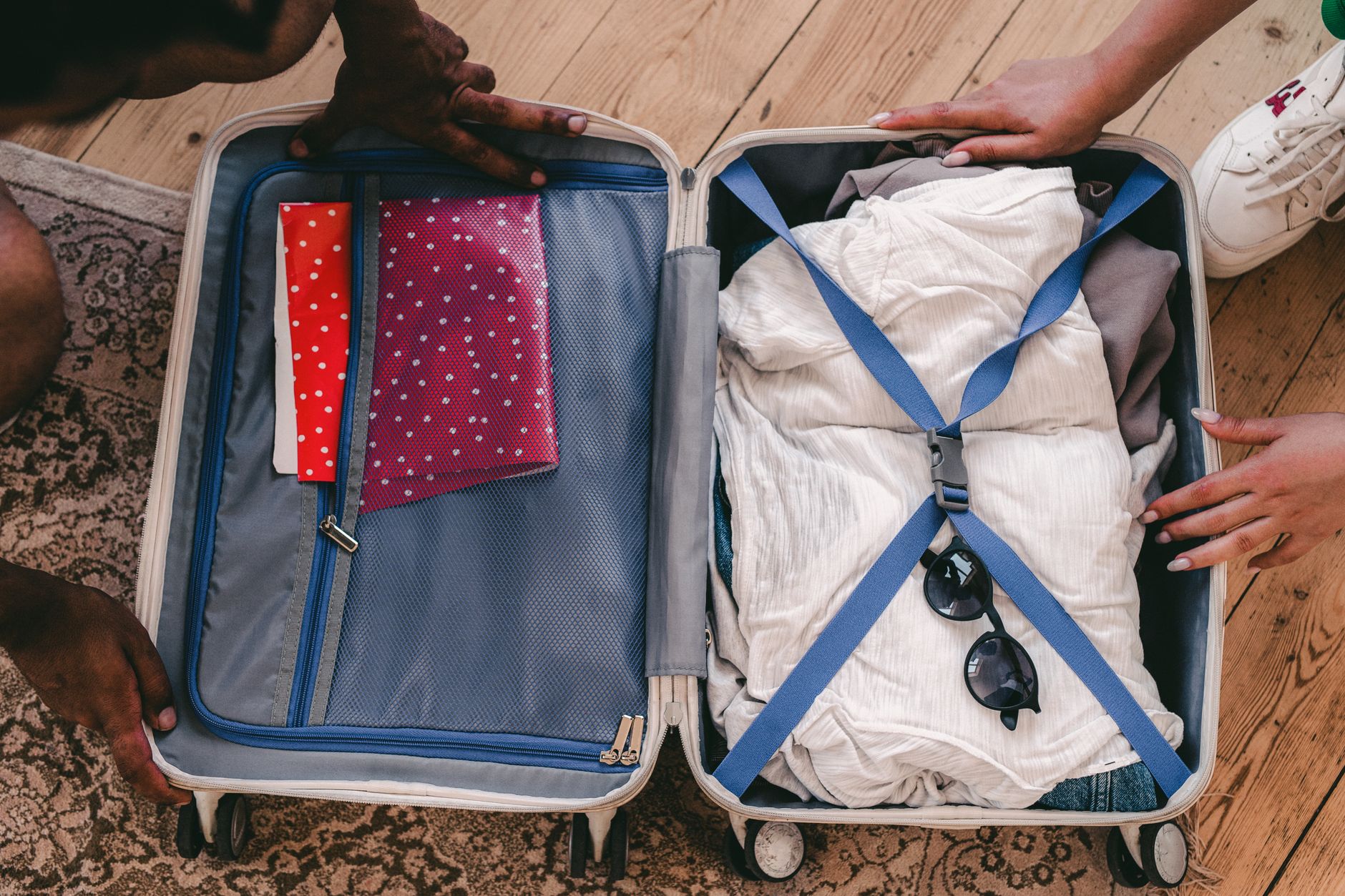
A neatly packed military PCS go bag with diapers, wipes, and a baby onesie visible on top of a moving box
Your go bag should fit in a backpack—no room for guilt, just essentials.
### **Step 3: Protect Your Baby Gear** - **Car seat**: If you’re flying, check airline policies—some require you to bring your car seat on board. If driving, secure it properly and never leave your baby unattended in the car. **Military tip:** Many bases offer free car seat inspections—schedule one before your move. - **Portable crib**: If you have one, pack it disassembled and label all parts. If not, look for a foldable bassinet that fits in your car (e.g., the SNOO by Happiest Baby or Baby Zen Bassinet). - **Stroller**: If you’re driving, a compact umbrella stroller is easier to maneuver. If flying, check airline rules—some allow strollers on board but require them to be in a specific size. **Pro tip:** Wrap the stroller in a tarp to protect it from dust during transit. ### **Step 4: Pack a "Just in Case" Box** Leave one box labeled **"OPEN FIRST"** with: - Extra diapers and wipes - Baby food (if applicable) - A change of clothes for you and baby - Basic toiletries (toothbrush, toothpaste, soap) - Your baby’s favorite comfort item (lovey, blanket, pacifier) - **New addition:** A small pack of baby-safe wipes for quick cleanups (e.g., sticky fingers or spilled milk) and a mini first-aid kit with infant Tylenol (if approved by your pediatrician). --- ## **Best Baby Gear for a Military Family Moving with a Newborn** Not all baby gear is created equal when it comes to moving. Some items are worth investing in, while others can be borrowed or skipped entirely. Here’s what we recommend: ### **Must-Have Gear** | **Item** | **Why It’s Worth It** | **Alternative** | |-------------------------|--------------------------------------------------------------------------------------|------------------------------------------| | **Portable crib/bassinet** | Safe sleep space for travel; some can fold flat for storage. | Rent a bassinet at your new location. | | **Compact stroller** | Easy to maneuver in tight spaces; fits in a car trunk. | Use a car seat carrier instead. | | **Manual breast pump** | Travel-friendly; no electricity needed. | Portable electric pump (if you have space). | | **Car seat organizer** | Keeps essentials (wipes, diapers, snacks) within reach while driving. | Use a diaper bag with a built-in organizer. | | **Baby carrier** | Hands-free for moms who need to hold their baby while moving boxes. | Borrow from a friend or rent locally. | ### **Nice-to-Have (But Not Essential)** - **White noise machine**: Helps soothe baby during travel noise. **Travel tip:** Opt for a battery-powered version like the LectroFan White Noise Machine. - **Baby swing or bouncer**: Can be used for short naps during setup. **Space-saving tip:** Choose a foldable model like the Fisher-Price Snugabunny. - **Travel-friendly diaper bag**: Look for one with a built-in changing pad (e.g., the Stroller Swag Diaper Bag). ### **What You Can Skip (For Now)** - **Bulky baby furniture**: Crib, dresser, changing table—these can be bought or rented at your new location. - **Excessive clothing**: Newborns grow quickly; you’ll need less than you think. **Exception:** Pack a few extra hats and mittens if your new location has extreme weather. - **Baby toys**: A few pacifiers or loveys are enough for the first few weeks. **Exception:** Bring one familiar toy (like a lovey) for comfort during transitions. --- ## **What to Bring for a Newborn During a Military Relocation** You don’t need to bring your entire nursery, but there are a few things that will make the transition smoother. Focus on: - **Sleep essentials**: Swaddles, sleep sacks, and a white noise machine (if you have one). **Safety note:** If using a swaddle, opt for a wrap-style (like the Adorable Baby Swaddle) to reduce the risk of overheating. - **Feeding supplies**: Pump, bottles, and formula (if applicable). **For international moves:** Check FDA regulations on formula storage and transport. - **Comfort items**: A small blanket or lovey that your baby is used to. **New addition:** A small mirror (babies love looking at faces, and it can help them adjust to their new environment). - **Medical records**: A copy of your baby’s birth certificate, immunization records, and any doctor’s notes. **Military tip:** Request electronic copies to avoid lost paperwork.
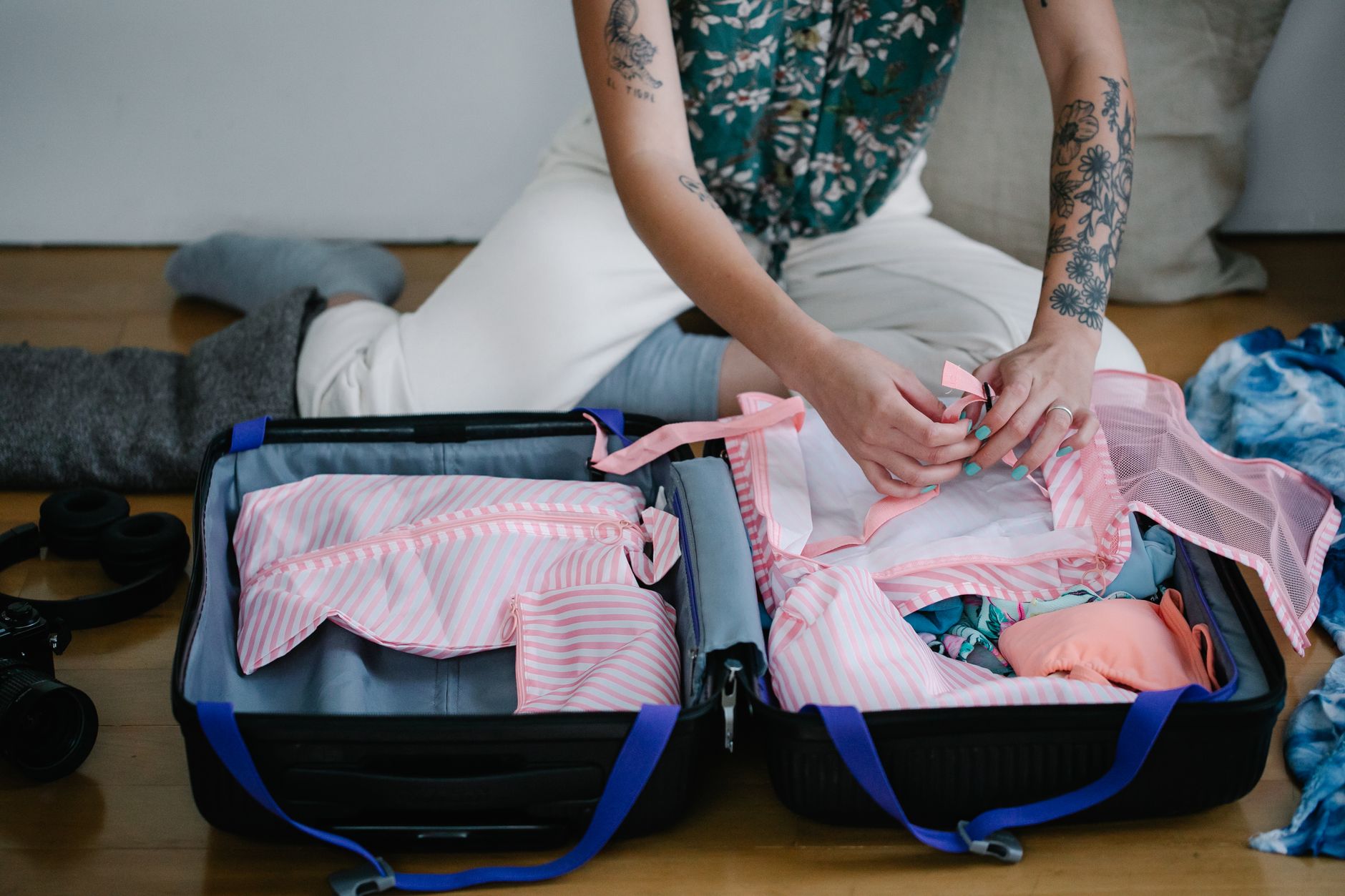
A military mom packing a small suitcase with a newborn onesie, diapers, and a pacifier
Less is more—focus on what your baby truly needs for the first few days.
--- ## **How to Schedule Pediatric Appointments During a Military PCS** One of the biggest stresses of moving with a newborn is finding a new pediatrician. But with advance planning, you can avoid last-minute panic. ### **Step 1: Research Pediatricians Before You Move** - Check the Military Health System (MHS) directory for pediatricians at your new base. - Look for reviews on Healthgrades or Zocdoc to see if they’re a good fit. **New addition:** Ask about the doctor’s experience with military families—some specialize in transitioning care. - Ask fellow military families in your new location for recommendations. **Pro tip:** Join Facebook groups like *"[New Base Name] Military Families"* for local insights. ### **Step 2: Schedule a Pre-Move Consultation** If possible, schedule a phone or video call with your new pediatrician before you arrive. Ask: - What vaccines are required for your baby’s age? - How do you handle after-hours care? (e.g., nurse advice line, urgent care partnerships) - What’s the wait time for appointments? - **New addition:** Ask about telehealth options for follow-ups if you’re still settling in. ### **Step 3: Transfer Your Baby’s Records** - Request a copy of your baby’s medical records from your current pediatrician. - Have your new pediatrician’s office fax or email them before you arrive. **Military tip:** Use the Military Health Portal to request records electronically. - **New addition:** Include a list of current medications (even if it’s just vitamins) and any allergies. ### **Step 4: Schedule Well-Child Visits ASAP** Once you arrive, schedule your baby’s first well-child visit within the first week. This ensures they’re up to date on vaccinations and any developmental screenings. **New addition:** If your baby was born prematurely, schedule an extra check-in with a pediatrician experienced in preemie care. --- ## **Tips for Keeping a Newborn Safe During a Military Move** Safety is the top priority when moving with a newborn. Here’s how to keep them protected: ### **Travel Safety** - **Car seat**: Always use a rear-facing car seat and ensure it’s installed correctly. Many military bases have car seat check stations—take advantage of them! **New addition:** If driving cross-country, plan stops every 2–3 hours to check on your baby and stretch your legs. - **Air travel**: If flying, check airline policies on car seats. Some allow them on board, while others require you to check them as luggage. **New addition:** If checking the car seat, use a hard-shell case to protect it from damage. - **Stroller safety**: If using a stroller, ensure it’s in good condition and not damaged from packing. **New addition:** Test the stroller’s brakes and wheels before your move—nothing’s worse than a broken stroller on arrival day. ### **Sleep Safety** - Follow the AAP’s safe sleep guidelines—always place your baby on their back in a crib or bassinet with a firm mattress and no loose blankets or pillows. - If using a portable crib, ensure it meets safety standards. **New addition:** Place the crib in a quiet, temperature-controlled room (aim for 68–72°F). ### **Feeding Safety** - If breastfeeding, pump before travel to avoid engorgement. **New addition:** Bring a cooling gel pack to store pumped milk in your cooler. - If formula-feeding, bring enough formula for the trip and consider bringing a portable cooler for storage. **New addition:** Use sterile water packets if you’re traveling internationally to ensure safe formula preparation. - Always wash hands and sanitize bottles before feeding. **New addition:** Pack baby-safe wipes for quick cleanups during travel. --- ## **How to Handle Newborn Feeding During a Military PCS** Feeding a newborn during a move can be tricky, but with the right prep, you can keep it smooth. ### **Breastfeeding Tips** - **Pump before travel**: Prevent engorgement and ensure you have milk stored for the trip. **New addition:** Use a pump storage bag to keep milk cold without a freezer. - **Bring a manual pump**: No electricity needed, and it’s easier to pack. **New addition:** Pack extra pump parts (like valves and membranes) in case of leaks. - **Pack nursing accessories**: Nursing pads, breast pads, and a small towel for leaks. **New addition:** Bring a nursing cover for discreet feeding in public spaces during your move. ### **Formula-Feeding Tips** - **Bring enough formula**: Calculate for at least 3 days of travel. **New addition:** If traveling internationally, check FDA guidelines on formula storage and transport. - **Use powder formula**: It’s lighter and easier to pack than liquid. **New addition:** Bring sterile water packets for safe preparation. - **Bring a portable cooler**: Keeps formula cool during long drives. **New addition:** Use insulated bottles to keep formula at the right temperature. ### **Solid Foods (If Applicable)** - If your baby is starting solids, bring a few familiar foods to avoid digestive upset. **New addition:** Pack a small highchair tray for easy cleanup during mealtime. - **New addition:** If your baby is teething, bring a silicon teether (like the Nuby Teether) to soothe sore gums during the move. --- ## **Newborn Care During Military Relocation: A Day-by-Day Guide** The first few days after moving can be overwhelming. Here’s how to keep your baby’s routine as consistent as possible: ### **Day 1: Arrival and Setup** - Unpack your go bag first. - Set up a safe sleep space (crib or bassinet) in a quiet room. **New addition:** Use a blackout curtain if your new location has unusual light patterns. - Schedule a pediatrician visit within the first week. **New addition:** If possible, arrive early enough to explore your new neighborhood and find nearby parks or baby-friendly stores. ### **Day 2–3: Adjusting to the New Space** - Keep feeding and sleep routines as close to normal as possible. **New addition:** Use a white noise app (like White Noise Lite) if your baby is sensitive to new sounds. - Let your baby explore their new environment but avoid overstimulation. **New addition:** Introduce one new toy or book per day to ease the transition. - Take short walks outside to help them adjust to the new location. **New addition:** Visit a local playground or park to help your baby get used to the new area’s sounds and smells. ### **Day 4–7: Establishing a Routine** - Gradually introduce new foods or toys if your baby is ready. **New addition:** If your baby is fussy, try a gentle massage or swaddling to soothe them. - Keep a log of feedings, diapers, and naps to help your pediatrician track progress. **New addition:** Use a digital baby journal app (like Baby Connect) to track milestones. - Ask for help—military spouses and friends are used to this and will offer support. **New addition:** If you’re feeling overwhelmed, consider hiring a postpartum doula for a few hours to help with newborn care. --- ## **Managing Stress and Mental Health for Mom During a PCS** Moving with a newborn is exhausting, and it’s okay to feel overwhelmed. Here’s how to take care of yourself: ### **Ask for Help** - Military spouses and friends have been through this before—they know what you’re going through. **New addition:** Reach out to your base’s Family Readiness Group for resources and support. - Use your military support network—whether it’s a fellow mom or a base social worker. **New addition:** Many bases offer mental health counseling for military families—don’t hesitate to use it. ### **Prioritize Self-Care** - Even 10 minutes of deep breathing or a short walk can help. **New addition:** Try a 5-minute guided meditation (like the Headspace app) to reduce stress. - Try to get some sleep when your baby sleeps—even if it’s just 20 minutes. **New addition:** Use a white noise machine to help you nap during the day. ### **Trust the Process** - It’s normal to feel anxious, but remember: you’re doing great. Every mom who’s moved with a newborn has been where you are. **New addition:** Celebrate small wins—like successfully setting up the crib or getting through the first diaper change in your new home. --- ## **Military Family Newborn Moving Cost: Budgeting Tips** Moving with a newborn can be expensive, but there are ways to save money: ### **Military Moving Allowances** - Check your PERQS (Privatized Entitlements, Retirement, and Travel System) for moving allowances. **New addition:** Some bases offer free storage units for essentials if you need extra time to unpack. - Some bases offer free or discounted moving assistance for families with dependents. **New addition:** Ask about military relocation services that can help with packing and transporting baby gear. ### **Cost-Saving Tips** - Sell or donate baby gear you won’t use (cribs, dressers, changing tables). **New addition:** Check Facebook Marketplace or OfferUp for local buyers. - Buy essentials (diapers, wipes, formula) online or at military discounts. **New addition:** Look for bulk discounts on diapers and wipes—many stores offer them for military families. - Rent furniture like cribs or dressers at your new location. **New addition:** Some rental companies offer military discounts on baby furniture. --- ## **Military PCS Newborn Transportation Tips** Traveling with a newborn requires extra planning, especially if you’re moving by car or plane. ### **Driving Tips** - Take breaks every 2–3 hours to stretch and feed your baby. **New addition:** Plan stops at military-friendly rest areas (many have baby-changing stations and clean facilities). - Pack a car seat organizer with snacks, wipes, and a change of clothes. **New addition:** Bring a small cooler to keep formula or breast milk cold. - Use a car seat cover if the weather is extreme. **New addition:** If driving in hot weather, never leave your baby in the car—even for a minute. ### **Flying Tips** - Check airline policies on car seats—some allow them on board, while others require you to check them. **New addition:** If checking the car seat, use a hard-shell case to protect it from damage. - Pack a portable crib or bassinet if you’re staying in a hotel. **New addition:** Book a hotel with a crib or bassinet—many military-friendly hotels offer this for free. - Bring a white noise machine to help your baby sleep on the plane. **New addition:** Pack a neck pillow for you to stay comfortable during the flight. --- ## **How to Choose a Pediatrician When Moving with a Newborn** Finding the right pediatrician is crucial for your baby’s health. Here’s how to pick one: ### **Research Before You Move** - Check the Military Health System (MHS) directory for pediatricians at your new base. **New addition:** Look for doctors who specialize in newborn care or military family transitions. - Look for reviews on Healthgrades or Zocdoc. **New addition:** Ask about the doctor’s experience with vaccine schedules and developmental screenings. - Ask fellow military families for recommendations. **New addition:** Join local Facebook groups to get insights from moms who’ve moved to your new location. ### **Schedule a Pre-Move Consultation** - Call the office and ask about their approach to well-child visits, vaccinations, and after-hours care. **New addition:** Ask if they offer telehealth appointments for follow-ups. - Ask if they accept your military insurance (TRICARE). **New addition:** Confirm that they participate in TRICARE Prime or TRICARE Select, depending on your plan. ### **Transfer Your Baby’s Records** - Request a copy of your baby’s medical records from your current pediatrician. **New addition:** Include a list of current medications (even if it’s just vitamins) and any allergies. - Have your new pediatrician’s office fax or email them before you arrive. **New addition:** Use the Military Health Portal to request electronic records. --- ## **Newborn Safety During Military Move: Red Flags to Watch For** While most moves go smoothly, there are a few safety concerns to keep in mind: ### **Car Seat Safety** - Never leave your baby unattended in the car, even for a minute. **New addition:** If you must leave your baby in the car (e.g., for a quick errand), park in the shade and crack the windows. - Ensure your car seat is installed correctly—many military bases have car seat check stations. **New addition:** Schedule a check before your move to avoid last-minute stress. ### **Sleep Safety** - Always place your baby on their back in a safe sleep space. **New addition:** Avoid using a bumper pad in the crib—it poses a suffocation risk. - Avoid loose blankets, pillows, or stuffed animals in the crib. **New addition:** If your baby uses a lovey, ensure it’s flat and safe (no strings or loose parts). ### **Feeding Safety** - If breastfeeding, pump before travel to avoid engorgement. **New addition:** Use a cooling gel pack to store pumped milk in your cooler. - If formula-feeding, bring enough formula for the trip and keep it cool. **New addition:** Use sterile water packets if you’re traveling internationally. ### **When to See a Doctor** If your baby has: - A fever over 100.4°F (38°C) - Difficulty breathing or unusual sleepiness - Diarrhea or vomiting for more than 24 hours - A rash that doesn’t go away or spreads - Signs of dehydration (fewer wet diapers, sunken fontanelle) - **New addition:** Excessive fussiness or irritability (this could indicate discomfort or illness). For routine pediatric care, schedule a well-child visit within the first week of arriving at your new location. If you’re concerned about developmental milestones, ask your pediatrician about screening options. **New addition:** If your baby was born prematurely, schedule an extra check-in with a pediatrician experienced in preemie care. --- ## **Military Family Newborn Moving Checklist** Here’s a quick checklist to help you stay organized: | **Category** | **Items to Pack** | |-----------------------|-----------------------------------------------------------------------------------| | **Diapers & Wipes** | 2 weeks’ worth of diapers, wipes, diaper rash cream | | **Clothing** | 5–7 outfits per day, 2–3 hats/mittens, 1–2 swaddles | | **Feeding Supplies** | Pump, bottles, formula (if applicable), nursing pads | | **Sleep Gear** | Portable crib/bassinet, swaddles, white noise machine | | **Health & Safety** | Baby thermometer, saline drops, nasal aspirator, first-aid kit, medical records | | **Go Bag** | 7 days of diapers, 7 onesies, 3 sleepers, pacifiers, baby lotion, your phone | | **New Addition** | Car seat organizer, portable cooler, sterile water packets, teether, lovey | --- ## **Myth vs. Fact: Military PCS with a Newborn** Let’s debunk some common misconceptions: Myth: *"You have to bring your entire nursery with you."* Fact: Most baby gear can be bought or rented at your new location. Focus on what’s essential for the first few weeks. **New addition:** Many military bases have military-friendly stores that offer discounts on baby essentials. Myth: *"Finding a pediatrician is impossible after a move."* Fact: With advance planning, you can schedule a consultation before you arrive and transfer your baby’s records easily. **New addition:** Use the Military Health Portal to find pediatricians who accept TRICARE. Myth: *"You have to stick to a strict routine during a move."* Fact: Some flexibility is okay—just keep feedings and sleep as consistent as possible. **New addition:** Use a white noise app to help your baby adjust to new sounds. Myth: *"Military moves are always stressful for babies."* Fact: Babies are resilient! With a little prep and consistency, they’ll adjust to their new home. **New addition:** Many babies thrive in new environments with familiar routines and love. --- ## **Key Takeaways** - Pack light but smart: Focus on diapers, clothes, feeding supplies, and a go bag for the first few days. - Schedule pediatrician visits early: Research doctors before you move and transfer your baby’s records. - Prioritize safety: Always use a rear-facing car seat, follow safe sleep guidelines, and keep feeding supplies clean. - Ask for help: Military spouses and friends have been through this before—they know what you’re going through. - Take care of yourself: Moving with a newborn is exhausting, but self-care is non-negotiable. **New addition:** Remember that it’s okay to ask for support—you’re not failing if you need help. - **New addition:** Embrace the chaos—moving with a newborn is unpredictable, but every step you take is progress. --- ## **Frequently Asked Questions** ### **What should I pack for my newborn when moving for a military PCS?** Start with a go bag containing 7 days of diapers, wipes, onesies, sleepers, and a change of clothes for you and baby. Pack essentials like a portable crib, car seat, pump (if breastfeeding), and a copy of your baby’s medical records. Leave bulky items like cribs and dressers behind—you can buy or rent them at your new location. **New addition:** Don’t forget a foldable baby carrier for hands-free mobility during setup. ### **How do I find a pediatrician in a new location after a military move?** Use the Military Health System (MHS) directory to find pediatricians at your new base. Research reviews on Healthgrades or Zocdoc, and ask fellow military families for recommendations. Schedule a pre-move consultation to transfer your baby’s records and discuss care plans. **New addition:** Ask about the doctor’s experience with military families and their approach to vaccine schedules. ### **What are the best baby carriers for military families on the move?** A compact, hands-free carrier is ideal for military moms. Look for options like the Ergobaby Omni 360 or BabyBjörn Carrier, which are easy to pack and provide support for both mom and baby during long moves. **New addition:** Consider a wrap-style carrier (like the Moby Wrap) for a snug, customizable fit. ### **How can I keep my newborn comfortable during a long military move?** - Take breaks every 2–3 hours to stretch and feed your baby. - Use a car seat organizer to keep snacks, wipes, and a change of clothes handy. - Bring a white noise machine or lovey to help your baby sleep during travel. - If flying, check airline policies on car seats and pack a portable crib or bassinet for hotel stays. **New addition:** Use a neck pillow for you to stay comfortable during the flight. ### **What are the safety concerns for a newborn during a military relocation?** - Always use a rear-facing car seat and ensure it’s installed correctly. - Follow AAP safe sleep guidelines, including placing your baby on their back in a firm sleep space. - Avoid overstimulation—keep feedings and naps as consistent as possible. - Never leave your baby unattended in a car, even for a short time. **New addition:** If you must leave your baby in the car, park in the shade and crack the windows. ### **How do I schedule newborn vaccinations during a military PCS?** Schedule your baby’s first well-child visit within the first week of arriving at your new location. Your new pediatrician will review your baby’s vaccination records and create a schedule based on their age and health. If you’re moving internationally, check with the CDC’s vaccination guidelines for travel requirements. **New addition:** If your baby was born prematurely, schedule an extra check-in with a pediatrician experienced in preemie care. ### **What should I do if my newborn gets sick during a military move?** If your baby has a fever over 100.4°F (38°C), difficulty breathing, or persistent vomiting/diarrhea, contact your pediatrician immediately. For less urgent issues, use the TRICARE Nurse Advice Line (1-800-874-2273) for guidance. **New addition:** Keep a list of local emergency rooms and urgent care centers in your new area handy.

Editor's pick for this topic

Not sure about the label on Military Family Pcs Move With Newborn products?

Snap the ingredients list and SafeFilter checks every ingredient for your stage — only 3 free scans this month, then you're locked until reset. Unlimited from $7/mo or $50/yr.

Informational only — not medical advice.

Shubhra Mishra

About the Author

When Shubhra Mishra was expecting her first child in 2016, she was overwhelmed by conflicting food advice — one site said yes, another said never. By the time her second baby arrived in 2019, she realized millions of mothers face the same confusion.

That sparked a five-year journey through clinical nutrition papers, cultural diets, and expert conversations — all leading to BumpBites: a calm, compassionate space where science meets everyday motherhood.

Her long-term vision is to build a global community ensuring safe, supported, and free deliveriesfor every mother — because no woman should face pregnancy alone or uninformed. 🌿

🌍 Stand with mothers, shape safer guidance

Join a small circle of experts who review BumpBites articles so expecting parents everywhere can decide with confidence.

⚠️ Always consult your doctor for medical advice. This content is informational only.

Recommended picks

Ritual Ritual Essential Prenatal

Prenatal pick

Ritual — Ritual Essential Prenatal

Choline + DHA + folate from methylfolate (not synthetic).

$39Check prenatal →
Nordic Naturals Nordic Naturals Prenatal DHA (Strawberry Softgels)

Prenatal pick

Nordic Naturals — Nordic Naturals Prenatal DHA (Strawberry Softgels)

Premium fish-oil DHA in strawberry softgels — gentle on the stomach.

$55Check prenatal →