Yes, melasma is a common 'pregnancy mask' causing dark patches on the face. Learn why it happens during pregnancy, effective ways to manage symptoms, and how to prevent its recurrence for clearer skin.
By Shubhra Mishra — a mom of two who turned her own confusion during pregnancy into BumpBites, a global mission to make food choices clear, safe, and stress-free for every expecting mother. 💛
Check whether any food is safe during pregnancy with the BumpBites Food Safety Checker.
Quick take: Melasma, often called the "pregnancy mask" or chloasma, is a common and harmless skin condition causing dark, discolored patches on the face during pregnancy. Triggered by hormonal changes and sun exposure, it's not a sign of any health issue for you or your baby. While it often fades after delivery, strict sun protection is your best defense to prevent it from worsening, and safe, gentle skincare can help manage it.
You glance in the mirror one morning, and there it is: a faint, shadowy patch on your forehead, or maybe a symmetrical pattern across your cheeks. If you’re pregnant, you might be wondering, "What is this dark discoloration on my face, and is it normal?" Take a breath, mama. You’re likely experiencing melasma, affectionately (or sometimes, not so affectionately!) known as the "pregnancy mask" or chloasma.
This common skin change affects a significant number of expecting parents, bringing with it a mix of curiosity and sometimes, concern. While those dark spots might feel new and unexpected, they’re a completely normal part of pregnancy for many. The good news? Melasma is harmless, both to you and your developing baby, and it often fades on its own after your little one arrives.
At BumpBites, we understand that every new symptom can spark a flurry of questions. In this comprehensive guide, we'll demystify the pregnancy mask, explore why it happens, share practical tips for managing it safely during pregnancy, and discuss what to expect for your skin once your baby is here.
What is Melasma, the "Pregnancy Mask," and Why Does It Happen?
Melasma is a common skin condition characterized by patches of hyperpigmentation, meaning areas where your skin becomes darker than the surrounding skin. During pregnancy, it's so prevalent that it's earned the nickname "the pregnancy mask" or "chloasma gravidarum." It typically appears as symmetrical, irregular patches of brown or grey-brown discoloration, most often on your face.
Picture this: you might see it across your forehead, on your cheeks, the bridge of your nose, above your upper lip (sometimes resembling a faint mustache), or on your chin. These patches can range from light tan to dark brown, and they usually have distinct, irregular borders. While melasma can affect anyone, it's particularly common in women, especially those with darker skin tones, and it's exacerbated by hormonal shifts.
The Hormonal Rollercoaster: Why Pregnancy is a Trigger
The primary driver behind melasma during pregnancy is the surge in hormones, specifically estrogen and progesterone. These hormones play a vital role in nurturing your pregnancy, but they also have a side effect on your skin. They stimulate melanocytes, which are the specialized cells in your skin responsible for producing melanin – the pigment that gives your skin, hair, and eyes their color. With elevated hormone levels, these melanocytes go into overdrive, producing more melanin than usual, leading to those visible dark patches.
This explains why melasma is so closely linked to pregnancy. Your body is undergoing profound hormonal changes, and your skin is simply responding to that internal shift. It’s also why hormonal birth control can sometimes trigger melasma in non-pregnant individuals, mimicking the hormonal state of pregnancy.
The Sun's Role: An Amplifier for Melasma
While hormones are the internal trigger, environmental factors, especially sun exposure, are a major amplifier. Ultraviolet (UV) light from the sun significantly stimulates melanin production. For pregnant individuals with already heightened melanocyte activity due to hormones, even a small amount of sun exposure can dramatically worsen melasma, making the patches darker and more widespread. This is why melasma often becomes more noticeable during summer months or after spending time outdoors without adequate sun protection.
Think of it this way: your hormones set the stage for increased pigment production, and the sun acts as a spotlight, turning up the intensity. This combination is why sun protection becomes incredibly important when you're pregnant and dealing with melasma.
Other Contributing Factors
Genetics: If your mother or other close female relatives experienced melasma during pregnancy, you’re more likely to develop it too. There's a strong genetic predisposition.
Skin Tone: Individuals with olive or darker skin tones are more prone to melasma because they naturally have more active melanocytes.
Stress: While not a primary cause, stress can sometimes exacerbate inflammatory conditions in the body, and some experts believe it could potentially play a minor role in worsening melasma, though research is ongoing. It’s certainly not a direct cause, but managing stress is always a good idea for overall pregnancy wellness.
It’s important to remember that melasma is purely a cosmetic concern. It’s not harmful to your baby, nor is it a sign of any underlying health problem or an indication of how "healthy" your pregnancy is. It's simply one of the many fascinating ways your body adapts and changes as it grows new life.
How Can You Prevent Melasma from Getting Worse During Pregnancy?
While you can't control the hormonal shifts that cause melasma during pregnancy, you absolutely can control the factors that make it worse. The key to preventing melasma from darkening or spreading lies almost entirely in diligent sun protection and a gentle approach to skincare. Many moms tell us the same thing: even if you can't prevent it entirely, you can keep it from becoming more pronounced.
Sun Protection: Your Non-Negotiable Daily Defense
This is, without a doubt, the most critical step in managing melasma. UV radiation is the biggest culprit for making those dark patches even darker. Think of sun protection as your daily armor.
Wear Broad-Spectrum Sunscreen Every Single Day: This isn't just for beach days. You need to apply sunscreen every morning, rain or shine, even if you're just staying indoors (UV rays can penetrate windows).
SPF 30 or Higher: The American Academy of Dermatology (AAD) recommends an SPF of 30 or greater for daily use.
Broad-Spectrum: This means it protects against both UVA (aging rays) and UVB (burning rays).
Mineral Sunscreens Are Preferred: Look for sunscreens with active ingredients like zinc oxide and titanium dioxide. These are "physical blockers" that sit on top of your skin and deflect UV rays. They are generally considered very safe during pregnancy because they aren't absorbed into the bloodstream. Chemical sunscreens, while often effective, have raised some concerns about absorption, so mineral options are usually the go-to for expecting parents.
Reapply Frequently: Sunscreen isn't a "one-and-done" application. Reapply at least every two hours, or more often if you're sweating, swimming, or towel-drying.
Seek Shade: Whenever possible, avoid direct sun exposure, especially during peak UV hours (typically 10 a.m. to 4 p.m.). Plan outdoor activities for earlier mornings or later afternoons.
Wear Protective Clothing: Think beyond just sunscreen. A wide-brimmed hat (one that shades your entire face and neck) and sunglasses are excellent physical barriers against the sun. Some clothing also offers UPF (Ultraviolet Protection Factor) ratings for added protection.
Physical barriers like wide-brimmed hats and seeking shade are just as important as sunscreen for preventing melasma from worsening.
Gentle Skincare: Avoid Irritation
While you might be tempted to scrub or use harsh products to "get rid of" dark spots, this can actually backfire. Irritated skin can trigger post-inflammatory hyperpigmentation, which can make melasma even worse or create new dark spots. Stick to a gentle, nourishing skincare routine:
Use Mild Cleansers: Choose cleansers that are fragrance-free and designed for sensitive skin.
Avoid Harsh Exfoliants: Steer clear of aggressive physical scrubs or strong chemical exfoliants (like high concentrations of AHAs or BHAs) unless specifically recommended and monitored by your dermatologist.
Stay Hydrated: Use a good, pregnancy-safe moisturizer to keep your skin barrier healthy and intact. A healthy skin barrier is less prone to irritation and can better protect itself.
Remember, preventing melasma from worsening is a marathon, not a sprint. Consistency in your sun protection habits is far more effective than any sporadic effort. One BumpBites reader shared, "I religiously wore a huge hat and SPF 50 every day of my second pregnancy, even if I was just running errands. I still got some melasma, but it was much lighter than what my mom experienced, and it faded quickly after birth." This proactive approach really does make a difference.
Does Melasma Go Away After Delivery?
This is often the most pressing question for expecting parents dealing with melasma: will these dark patches ever disappear? The good news is that for many, the "pregnancy mask" is a temporary visitor. Melasma often fades significantly, or even completely, within a few months after delivery. However, it's important to understand the factors that influence this process and manage your expectations.
The Return to Hormonal Balance
The primary reason melasma tends to improve postpartum is the normalization of your hormone levels. Once your baby is born and your body begins its journey back to its pre-pregnancy state, the high levels of estrogen and progesterone that stimulated your melanocytes start to decrease. As these hormones recede, the overproduction of melanin slows down, allowing the dark patches to gradually lighten.
This natural fading process can begin within weeks of delivery and continue for several months. For some, the spots become barely noticeable, while for others, they may disappear entirely. The extent of fading can vary greatly from person to person.
Factors Influencing Fading and Persistence
While many women experience spontaneous improvement, several factors can influence whether melasma fades completely, persists, or even recurs:
Severity During Pregnancy: If your melasma was very dark or widespread during pregnancy, it might take longer to fade, or it may not disappear completely on its own.
Continued Sun Exposure: Even after delivery, sun protection remains crucial. If you expose your skin to UV radiation without protection, any residual melasma can darken again, or new patches can form. Sun exposure is a major trigger for recurrence.
Subsequent Pregnancies: If you've had melasma in one pregnancy, you are highly likely to develop it again in future pregnancies, and it may be more stubborn to fade each time.
Hormonal Contraceptives: If you start using hormonal birth control (like oral contraceptives or hormonal IUDs) after delivery, the introduction of synthetic hormones can sometimes trigger a recurrence or persistence of melasma. Discuss this with your healthcare provider if melasma is a concern for you.
Genetics: A strong genetic predisposition might mean your melasma is more likely to be persistent.
Managing Expectations and Seeking Post-Pregnancy Treatment
It's important to be patient. Your body has undergone immense changes, and it needs time to recover. Don't expect immediate results. If, after several months postpartum, your melasma hasn't faded to your satisfaction, or if it's causing you significant distress, that's the time to consider more targeted treatments. Many effective treatments for melasma are not safe during pregnancy but become options once you've delivered and finished breastfeeding (if applicable).
One mom shared her experience: "My melasma was really noticeable during my third trimester. After my daughter was born, I noticed it started getting lighter around the time I stopped breastfeeding at six months. By her first birthday, it was almost completely gone, but I still wear sunscreen religiously!" This highlights the often gradual nature of the fading process and the ongoing importance of sun protection.
While melasma can be frustrating, remember that its tendency to fade postpartum is a testament to your body's remarkable ability to adapt and heal. Focus on protecting your skin now, and know that options are available if it persists later.
What Are Safe Treatments for Melasma During Pregnancy?
When you're pregnant and notice melasma, your first thought might be, "How do I get rid of this?" However, it's crucial to approach treatments with caution. Many popular and effective melasma treatments that are used outside of pregnancy are *not* considered safe for use during pregnancy or while breastfeeding. The focus during pregnancy is primarily on prevention of worsening and gentle management, rather than aggressive treatment.
Treatments to AVOID During Pregnancy
Before diving into what you *can* use, let's be clear about what to avoid. These ingredients and procedures are generally contraindicated for pregnant individuals due to potential risks to the baby or lack of sufficient safety data:
Hydroquinone: A powerful skin-lightening agent, but its absorption rates and potential risks have led experts to advise against its use in pregnancy.
Retinoids (Retinol, Tretinoin, Adapalene, Tazarotene): These vitamin A derivatives are known teratogens (substances that can cause birth defects) when taken orally (e.g., isotretinoin). While topical absorption is much lower, most doctors recommend avoiding them as a precaution during pregnancy and breastfeeding.
Strong Chemical Peels: Procedures involving high concentrations of glycolic acid, salicylic acid, or trichloroacetic acid are generally not recommended due to systemic absorption and potential irritation.
Laser and Light Therapies: While some lasers might be considered safe by certain practitioners, the general consensus is to avoid them during pregnancy, as there isn't enough safety data, and the hormonal changes could make the skin more susceptible to post-inflammatory hyperpigmentation from the treatment itself.
Safe and Gentle Options During Pregnancy
The good news is that there are active ingredients that are considered safe for use during pregnancy, especially when used under the guidance of your healthcare provider or dermatologist. These options aim to gently lighten existing spots and prevent new ones from forming, all while keeping your baby's safety paramount.
Azelaic Acid: This is often considered the first-line topical treatment for melasma in pregnancy. It's a naturally occurring acid that helps to reduce inflammation and inhibit melanin production by targeting overactive melanocytes. It's classified as a Pregnancy Category B drug, meaning animal studies haven't shown a risk, but human studies are limited. However, it's widely used and recommended by dermatologists for pregnant patients due to its excellent safety profile and effectiveness.
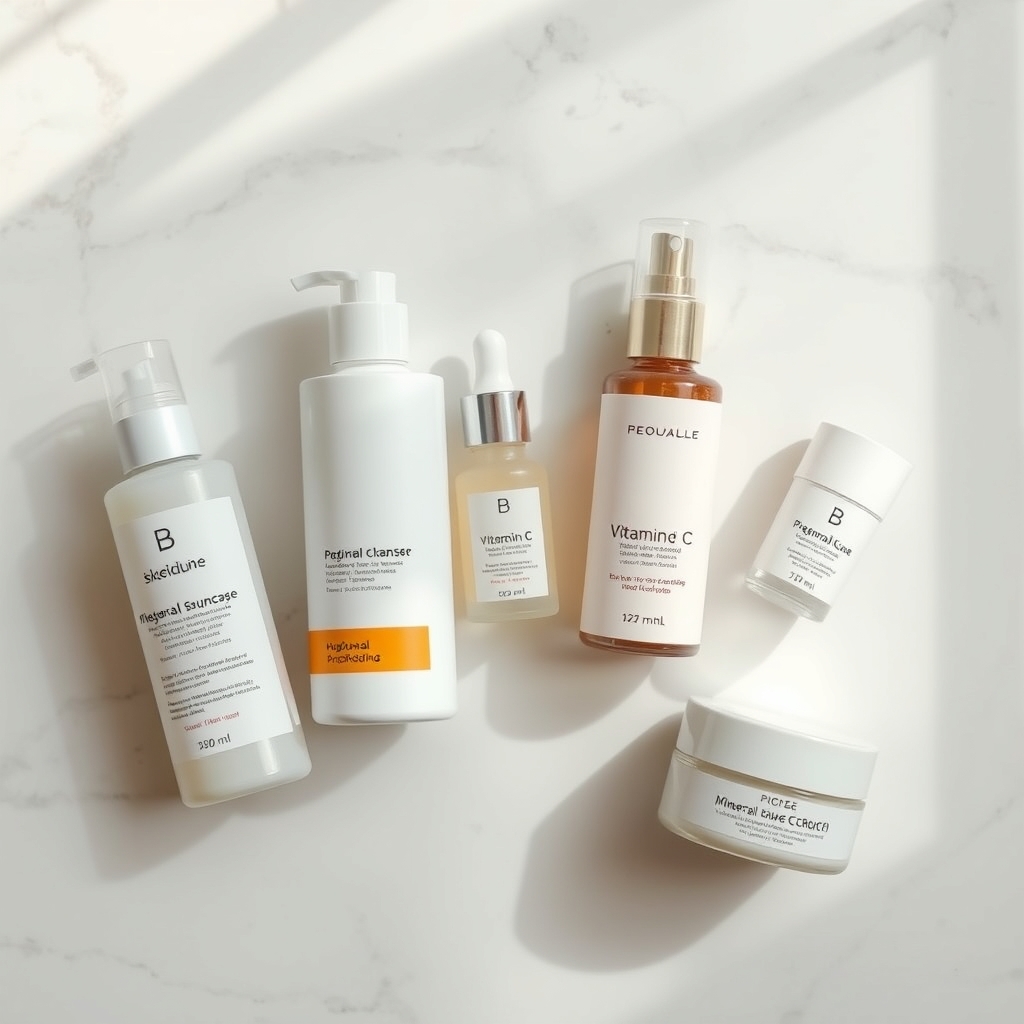
Vitamin C (L-Ascorbic Acid): A powerful antioxidant, Vitamin C can help lighten existing hyperpigmentation by inhibiting tyrosinase, an enzyme crucial for melanin production. It also offers some photoprotection against UV damage. Look for stable forms of Vitamin C in serum formulations. It's considered very safe during pregnancy.
Niacinamide (Vitamin B3): This versatile ingredient can help improve skin barrier function, reduce inflammation, and, importantly for melasma, it can reduce the transfer of melanin from melanocytes to skin cells. It's well-tolerated and considered safe for use during pregnancy.
Low-Concentration Glycolic Acid: While high concentrations are out, a gentle cleanser or toner with a low concentration of glycolic acid (typically under 10%) might be used cautiously, as it helps with mild exfoliation to improve skin texture and lighten superficial pigmentation. Always discuss this with your doctor first.
Mineral Sunscreen: As discussed, while not a "treatment" for existing melasma, it is the most crucial product for preventing further darkening and supporting the efficacy of any lightening agents. Consistent use of broad-spectrum mineral sunscreen (zinc oxide, titanium dioxide) is non-negotiable.
When considering any product, even those generally deemed safe, it's always best to consult with your obstetrician or a dermatologist experienced in pregnancy skincare. They can provide personalized recommendations based on your specific situation and ensure that any products you use are truly safe for both you and your baby.
What's the Best Skincare Routine for Pregnant Women with Melasma?
Developing a consistent and gentle skincare routine is paramount when you're pregnant and experiencing melasma. The goal is to support your skin's health, prevent further darkening, and gently encourage lightening, all while avoiding harsh ingredients or procedures that could harm your baby. Simplicity, consistency, and safety are your guiding principles.
Morning Routine: Protection and Prevention
Gentle Cleanser: Start your day with a mild, hydrating, and fragrance-free cleanser. This removes any overnight impurities without stripping your skin's natural oils or causing irritation.
Vitamin C Serum: After cleansing, apply a stable Vitamin C serum. This powerful antioxidant helps to brighten your skin, reduce existing pigmentation, and provide an extra layer of defense against environmental damage and UV radiation. Pat it gently onto your face and neck.
Hydrating Moisturizer: Follow with a non-comedogenic (won't clog pores), pregnancy-safe moisturizer. Hydrated skin is healthy skin, and a strong skin barrier is less prone to irritation and hyperpigmentation.
Broad-Spectrum Mineral Sunscreen (SPF 30+): This is the MOST critical step. Apply a generous amount of mineral-based sunscreen (zinc oxide and/or titanium dioxide) to your entire face, neck, and any exposed areas. Make sure it's broad-spectrum to protect against both UVA and UVB rays. Reapply every two hours if you're outdoors, or more frequently if sweating or swimming.
Evening Routine: Gentle Treatment and Repair
Gentle Cleanser: Thoroughly cleanse your face to remove makeup, sunscreen, and daily grime. Double cleansing (using an oil-based cleanser first, followed by a water-based one) can be effective for removing stubborn sunscreen without harsh scrubbing.
Azelaic Acid (if prescribed/recommended): If your dermatologist has recommended azelaic acid, apply it to your clean, dry skin. Start with a pea-sized amount and gently spread it over the affected areas. This ingredient works to inhibit melanin production and reduce inflammation.
Hydrating Moisturizer: Finish with a nourishing moisturizer to support skin repair and hydration overnight. Choose one rich in ceramides or hyaluronic acid to help restore your skin barrier.
A simple, consistent routine with gentle cleansers, Vitamin C, azelaic acid, and mineral sunscreen can help manage melasma during pregnancy.
Ingredients and Habits to Avoid
Harsh Exfoliants: Steer clear of physical scrubs with abrasive particles or high concentrations of chemical exfoliants that can irritate your skin.
Fragrances and Dyes: These can be irritating, especially for sensitive pregnancy skin. Opt for fragrance-free products.
Hot Water: Wash your face with lukewarm water, as hot water can strip your skin of its natural oils and exacerbate sensitivity.
Picking or Scratching: Avoid picking at any blemishes or rough patches, as this can lead to post-inflammatory hyperpigmentation, making new dark spots.
What About "Natural Remedies" for Melasma?
You might come across suggestions for natural remedies like lemon juice, apple cider vinegar, turmeric, or aloe vera for melasma. While these ingredients are natural, their effectiveness for treating melasma is largely unproven by scientific research, and some can even be irritating or photosensitizing (making your skin more sensitive to the sun). For example, lemon juice is highly acidic and can cause burns or worsen hyperpigmentation, especially when followed by sun exposure. We always recommend sticking to ingredients with a proven safety record and efficacy, as discussed above, and consulting your healthcare provider before trying any home remedies.
The journey with melasma during pregnancy requires patience and diligence. By adopting this safe and consistent skincare routine, you're giving your skin the best possible chance to manage pigmentation and maintain its health throughout your pregnancy.
Melasma vs. Other Common Pregnancy Skin Changes
Pregnancy brings a myriad of fascinating, and sometimes surprising, changes to your body – and your skin is no exception! Beyond melasma, you might notice several other common skin alterations. It's helpful to understand the differences, as they each have distinct appearances, causes, and prognoses.
Understanding the Differences
While melasma typically presents as symmetrical, irregular dark patches on the face, other forms of hyperpigmentation and skin changes can occur during pregnancy. Here’s a quick comparison:
Condition
Appearance
Typical Location
Primary Cause
Prognosis Post-Delivery
Melasma (Chloasma)
Irregular, symmetrical patches of brown/grey-brown discoloration
Face (forehead, cheeks, nose, upper lip, chin)
Hormonal surges (estrogen, progesterone) + Sun exposure
Often fades significantly or completely; can persist or recur with sun/hormones
Linea Nigra
A dark, vertical line
Midline of the abdomen, from the belly button to the pubic bone (and sometimes above the belly button)
Usually fades significantly or completely within months after delivery
Areola/Genital Darkening
Darkening of the nipples and the skin around them; darkening of external genital skin
Breasts (areolas), external genitalia
Hormonal surges
Often persists to some degree; may not fully return to pre-pregnancy shade
Darkening of Moles/Freckles/Scars
Existing moles, freckles, or scars may appear darker or larger
Anywhere on the body where these already exist
Hormonal surges
Usually returns to original shade/size after delivery
Post-inflammatory Hyperpigmentation (PIH)
Dark spots that appear after an injury, acne breakout, or skin irritation
Anywhere on the body, follows the pattern of the original trauma
Skin inflammation or injury that stimulates melanin production
Can fade over months to years, but often slower than other pregnancy-related pigmentation
Why These Changes Happen
The common thread among most of these pregnancy-related pigmentary changes is the dramatic increase in hormones, particularly estrogen and progesterone. These hormones act on the melanocytes in your skin, prompting them to produce more melanin. While melasma is specifically characterized by its facial distribution and strong link to sun exposure, the other conditions are more generalized responses to this hormonal surge.
Linea Nigra: This fascinating line appears because the skin along your midline is particularly sensitive to hormonal changes. It's often a source of curiosity and a fun visual marker of pregnancy for many.
Areola and Genital Darkening: This is another area where melanocytes are highly responsive to hormones. The increased pigmentation in these areas is a normal physiological change.
Moles, Freckles, and Scars: Existing areas of concentrated pigment or areas of skin healing can become more pronounced due to the overall increase in melanin production throughout your body. It's always a good idea to monitor any changes in moles and bring them to your doctor's attention, just to be safe.
Recognizing these different conditions can help alleviate worry. If you see a dark line on your belly, you'll know it's likely linea nigra, a normal change, rather than mistaking it for melasma. All of these changes are benign – meaning they are not harmful – and are simply part of the incredible transformation your body undergoes during pregnancy. They are not a cause for concern regarding your health or the health of your baby.
Linea nigra, the dark line on the belly, is another common and harmless pregnancy skin change, distinct from melasma.
When Should You See a Dermatologist for Pregnancy Melasma?
While melasma is a common and harmless condition during pregnancy, there are certain situations where it’s a good idea to consult with a dermatologist or your healthcare provider. Seeking professional advice ensures an accurate diagnosis, helps rule out other conditions, and can provide you with the safest and most effective management strategies.
When to Consult a Specialist
We recommend reaching out to a dermatologist if any of the following apply to your situation:
Uncertain Diagnosis: If you're unsure whether the dark patches on your face are indeed melasma or if they look different from the typical presentation. Other skin conditions, such as post-inflammatory hyperpigmentation, sunspots, or even certain rashes, can sometimes mimic melasma. A dermatologist can accurately diagnose your condition and rule out anything more serious.
Severe or Widespread Melasma: If your melasma is very dark, covers a large area of your face, or is causing you significant emotional distress. While melasma is benign, its impact on your self-esteem can be considerable. A dermatologist can offer reassurance and discuss all available safe options.
Lack of Improvement with Safe Skincare: If you've been diligently following a pregnancy-safe skincare routine, including strict sun protection and recommended topical agents like azelaic acid or Vitamin C, but aren't seeing any improvement after several months. A specialist can assess your routine and suggest adjustments.
Concern About Changing Spots: While rare, it's always important to monitor any skin changes carefully. If a dark spot changes in size, shape, color, becomes itchy, bleeds, or has irregular borders (especially if it's asymmetrical or multi-colored), it warrants immediate medical attention to rule out more serious conditions like melanoma. Though melasma itself is not cancerous, it's crucial to distinguish it from other potentially harmful growths.
Planning Post-Pregnancy Treatment: If you anticipate that your melasma may persist after delivery or if you want to be proactive about managing it once you've finished breastfeeding, a dermatologist can help you create a long-term treatment plan. They can discuss more advanced treatments that become safe postpartum, such as hydroquinone, retinoids, or certain procedures.
What to Expect at Your Appointment
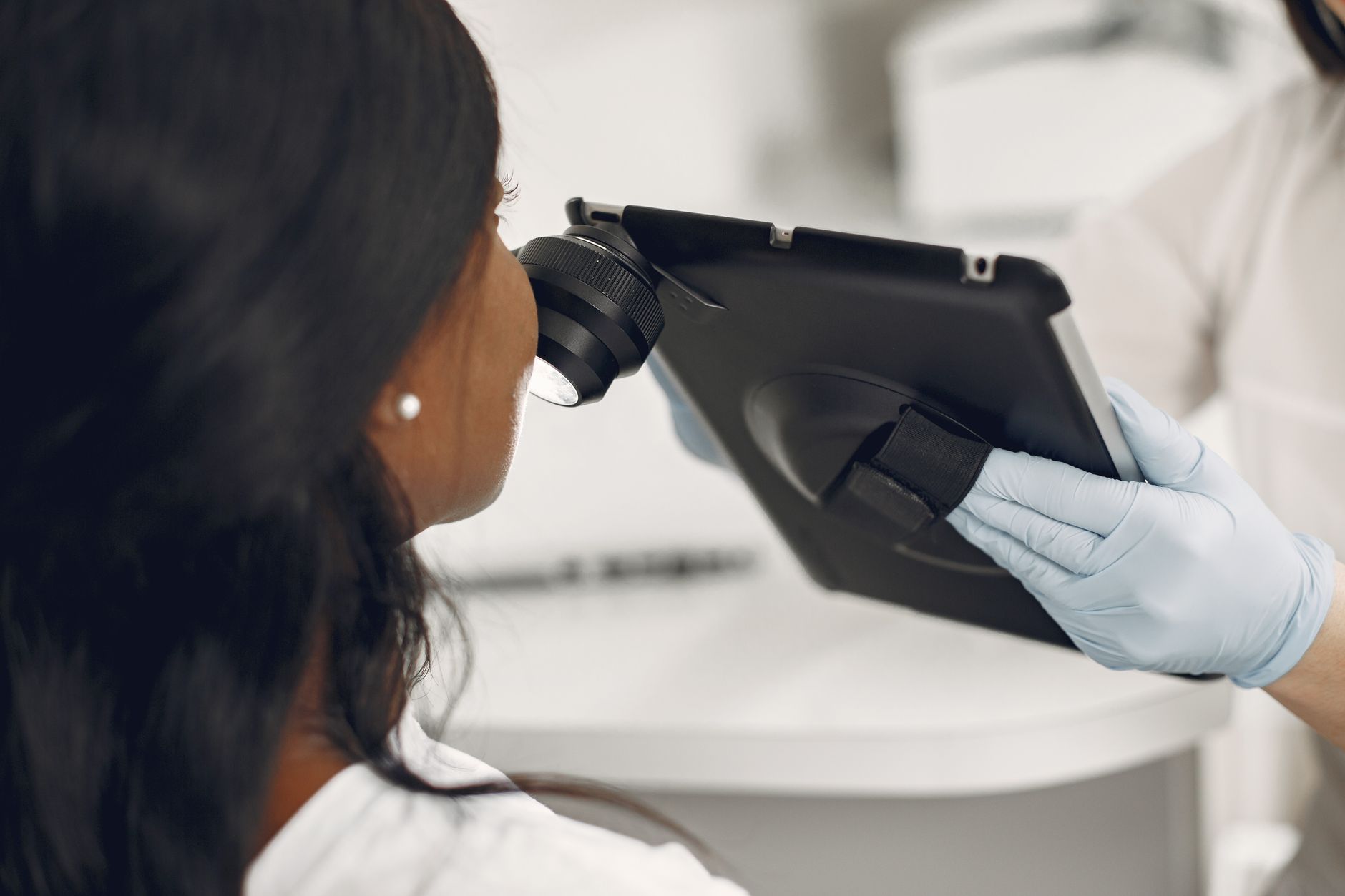
When you see a dermatologist, they will typically examine your skin, ask about your medical history (including your pregnancy status and any medications you're taking), and inquire about your sun exposure habits. They may use a special light called a Wood's lamp to better visualize the depth of the pigment. Based on their assessment, they can confirm the diagnosis, provide tailored advice on pregnancy-safe skincare, and discuss what to expect regarding your melasma's prognosis.
One BumpBites reader shared, "I was so worried my melasma was something serious, but my dermatologist quickly reassured me it was just the pregnancy mask. She gave me a simple routine with azelaic acid and emphasized sunscreen. Just knowing it was normal and having a plan made a huge difference to my peace of mind." This highlights the value of professional guidance.
Remember, a dermatologist is your expert ally in navigating skin changes during pregnancy. Don't hesitate to seek their advice if you have any concerns.
Consulting a dermatologist can provide peace of mind and clarify the best, safest approach to managing melasma during pregnancy.
From our medical team: Melasma is an incredibly common and benign skin change during pregnancy, reflecting your body's amazing hormonal adaptations. While it can be aesthetically frustrating, it poses no risk to your health or your baby's. The cornerstone of management is rigorous sun protection. If you're concerned about its appearance or persistence, a dermatologist can offer safe, personalized guidance.
Myth vs. Fact
Myth vs. Fact
Myth: Melasma means something is wrong with your pregnancy or baby.
Fact: Absolutely not. Melasma is a normal, harmless response to hormonal changes during pregnancy and has no bearing on the health of your pregnancy or your baby. It's purely a cosmetic skin condition.
Myth: You can't do anything about melasma during pregnancy, so why bother?
Fact: While many aggressive treatments are off-limits, you can do a lot! Strict daily sun protection (sunscreen, hats, shade) is incredibly effective at preventing melasma from getting darker. Gentle, pregnancy-safe skincare ingredients like azelaic acid and Vitamin C can also help manage and lighten existing spots.
Myth: Melasma will definitely go away completely after pregnancy.
Fact: It often does fade significantly or completely once hormones normalize after delivery. However, for some, it can persist for months or years, or even recur with future pregnancies or hormonal birth control. Ongoing sun protection is key even postpartum, and targeted treatments are available if it lingers.
Key Takeaways
Melasma, or "pregnancy mask," is common and harmless, caused by pregnancy hormones and sun exposure.
It appears as symmetrical dark patches on the face (forehead, cheeks, nose, upper lip, chin).
Strict, daily sun protection (mineral sunscreen SPF 30+, wide-brimmed hats, shade) is your best defense against worsening melasma.
Many common melasma treatments are unsafe in pregnancy; stick to pregnancy-safe options like azelaic acid and Vitamin C, under medical guidance.
Melasma often fades on its own within months after delivery as hormones return to normal.
Consult a dermatologist if you're unsure of the diagnosis, the melasma is severe, or if spots change in appearance.
Frequently Asked Questions
What is the pregnancy mask called?
The pregnancy mask is medically known as melasma or, specifically during pregnancy, chloasma gravidarum. It refers to the dark, discolored patches that can appear on a pregnant person's face due to hormonal changes and sun exposure.
Does pregnancy mask go away on its own?
Yes, for many individuals, the pregnancy mask (melasma) often fades significantly or completely on its own within a few months after delivery, as pregnancy hormones return to their pre-pregnancy levels. However, it can sometimes persist or recur, especially with continued sun exposure or future hormonal shifts.
How do you get rid of melasma during pregnancy?
During pregnancy, the focus isn't on "getting rid of" melasma with aggressive treatments, but rather on preventing it from worsening and gently managing it. This involves diligent daily sun protection (mineral sunscreen, hats, shade) and using pregnancy-safe topical ingredients like azelaic acid or Vitamin C, always after consulting your doctor.
What causes melasma to appear during pregnancy?
Melasma during pregnancy is primarily caused by the surge in hormones, particularly estrogen and progesterone, which stimulate melanocytes (pigment-producing cells) in the skin. This hormonal sensitivity is greatly exacerbated and intensified by exposure to ultraviolet (UV) light from the sun.
Can you prevent melasma while pregnant?
You cannot entirely prevent melasma because of the unavoidable hormonal changes during pregnancy. However, you can significantly prevent it from worsening or becoming more prominent by strictly adhering to sun protection measures, such as wearing broad-spectrum mineral sunscreen daily, seeking shade, and wearing wide-brimmed hats.
Is melasma harmful to baby during pregnancy?
No, melasma is completely harmless to your baby during pregnancy. It is a cosmetic skin condition that affects only the pregnant parent and does not pose any risk or indicate any health issues for the developing fetus. It's a benign and common side effect of pregnancy's hormonal shifts.
When to Call Your Doctor
While melasma is a harmless condition, it's always wise to consult your healthcare provider or a dermatologist if you have any concerns about your skin during pregnancy. Call your doctor if:
You notice any dark spots that are changing rapidly in size, shape, or color.
Any new or existing spots become itchy, bleed, or feel painful.
You are unsure if the spots are indeed melasma and want a professional diagnosis.
The melasma is causing you significant emotional distress or impacting your quality of life.
This article is for informational purposes only and is not a substitute for professional medical advice, diagnosis, or treatment. Always seek the advice of your physician or other qualified health provider with any questions you may have regarding a medical condition.
References
American Academy of Dermatology Association (AAD). "Melasma: Diagnosis and treatment."
American College of Obstetricians and Gynecologists (ACOG). "Skin Conditions During Pregnancy."
Mayo Clinic. "Melasma: Symptoms & causes."
National Health Service (NHS). "Skin changes in pregnancy."
Draelos, Zoe Diana. "Cosmetics and Dermatologic Problems and Solutions, Third Edition." Informa Healthcare, 2011.
Wolff, K., Johnson, R. A., Saavedra, A. P., & Roh, E. K. (2018). Fitzpatrick's Color Atlas and Synopsis of Clinical Dermatology. McGraw-Hill Education.
Not sure about the label on Melasma Pregnancy Mask products?
Snap the ingredients list and SafeFilter checks every ingredient for your stage — only 3 free scans this month, then you're locked until reset. Unlimited from $7/mo or $50/yr.
When Shubhra Mishra was expecting her first child in 2016, she was overwhelmed by conflicting food advice — one site said yes, another said never. By the time her second baby arrived in 2019, she realized millions of mothers face the same confusion.
That sparked a five-year journey through clinical nutrition papers, cultural diets, and expert conversations — all leading to BumpBites: a calm, compassionate space where science meets everyday motherhood.
Her long-term vision is to build a global community ensuring safe, supported, and free deliveriesfor every mother — because no woman should face pregnancy alone or uninformed. 🌿
🌍 Stand with mothers, shape safer guidance
Join a small circle of experts who review BumpBites articles so expecting parents everywhere can decide with confidence.