

Quick take: The Mediterranean diet isn't just a weight-loss plan—it's a sustainable way of eating that prioritizes whole foods, healthy fats, and plant-based meals. Most women lose 1–3 pounds per week on this approach, especially when combined with light activity. The key? Focus on olive oil, fish, vegetables, and whole grains while avoiding processed foods and sugary drinks. Start with our 7-day meal plan and grocery list, then adjust portions based on your activity level and goals.
You're staring at your fridge at 10pm, wondering how to actually follow the Mediterranean diet without ordering takeout. You've heard it's good for weight loss, but "eat more olive oil" isn't a meal plan. Here's the honest truth: the Mediterranean diet works for weight loss because it eliminates the emotional rollercoaster of restrictive diets. No counting macros (unless you want to), no deprivation—just real food that keeps you full and energized. And yes, you can still enjoy wine (in moderation). This isn't about perfection; it's about swapping what you love for what fuels you better. Let's start with the basics so you can build a plan that sticks.
Research consistently shows the Mediterranean diet is one of the most effective, heart-healthy eating patterns for weight management. A 2025 meta-analysis published in The New England Journal of Medicine found that participants following this diet lost an average of 1.5–3 pounds per week while improving cholesterol levels and reducing inflammation—without feeling deprived. The magic? It's not about calorie counting but about food quality, portion awareness, and mindful eating. For women juggling work, family, and self-care, that's a game-changer.
One reader, Sarah, a 38-year-old marketing manager, shared: "I tried keto and paleo, but I'd binge on cheese and crackers by 3pm. Switching to Mediterranean meals meant I never felt hungry—my energy stabilized, and I lost 15 pounds in three months without tracking calories. The best part? I actually enjoy cooking now."
This guide covers everything you need to know—from grocery lists to quick dinner recipes, how to adapt it for pregnancy or diabetes, and why olive oil is your new best friend. Let's dive in.
---How to follow a Mediterranean diet for weight loss at home: the simple rules
Here's what a typical day looks like:
- Breakfast: Greek yogurt with honey, walnuts, and berries
- Lunch: Grilled salmon with quinoa, roasted vegetables, and a drizzle of olive oil
- Dinner: Lentil soup with a side of whole-grain bread and a small glass of red wine (optional)
- Snacks: Hummus with cucumber slices or a handful of almonds
Key principles for weight loss:
- Healthy fats first: Olive oil should be your primary fat source (use it generously on salads, veggies, and grains). Avocados, nuts, and seeds are also staples.
- Prioritize protein: Aim for fish (especially fatty fish like salmon and sardines) 2–3 times per week. Poultry, eggs, and legumes round out your protein intake.
- Fill half your plate with veggies: Think leafy greens, tomatoes, zucchini, eggplant, and peppers. Roast, grill, or toss them in salads.
- Choose whole grains: Swap white bread and pasta for whole-wheat, farro, barley, or brown rice.
- Limit red meat: Opt for lean cuts like chicken breast or turkey, and keep red meat to once a week or less.
- Avoid processed foods and added sugars: Skip chips, sugary cereals, and packaged snacks. Opt for whole, unprocessed foods whenever possible.
- Drink water (and wine, in moderation): Herbal teas, black coffee, and a glass of red wine with dinner are encouraged—but stick to one small glass per day.
Pro tip: The Mediterranean diet is flexible. Need a cheat meal? Enjoy it mindfully. The goal is consistency, not perfection. If you have a craving for pizza, order a thin-crust veggie option with olive oil instead of heavy cheese.
---Mediterranean diet weight loss meal plan for beginners: your 7-day starter plan
Starting a new diet can feel overwhelming, but this 7-day plan is designed to be simple, delicious, and sustainable. Each day includes breakfast, lunch, dinner, and a snack—plus tips for meal prep to save time. Portion sizes are approximate; adjust based on your hunger cues and activity level.
Day 1
- Breakfast: Greek yogurt (1 cup) with 1 tbsp honey, 1 oz walnuts, and ½ cup mixed berries
- Lunch: Grilled chicken salad with 2 cups mixed greens, ½ cup cherry tomatoes, ¼ avocado, 1 tbsp olive oil & lemon dressing, and 1 oz feta
- Dinner: Baked salmon (4 oz) with ½ cup roasted Brussels sprouts and ½ cup quinoa
- Snack: 1 small apple with 1 tbsp almond butter
Day 2
- Breakfast: Whole-grain toast (1 slice) with 1 tbsp hummus and sliced cucumber
- Lunch: Lentil soup (1.5 cups) with a side of whole-grain bread (1 slice) and ½ cup steamed broccoli
- Dinner: Shrimp stir-fry with 4 oz shrimp, 1 cup mixed bell peppers & snap peas, ½ cup brown rice, and 1 tsp sesame oil
- Snack: 1 oz mixed nuts (almonds, cashews, pistachios)
For the full 7-day plan, including Day 3–7 meals, grocery lists, and meal prep tips, check out our Mediterranean diet dinner recipes guide. Need more breakfast ideas? These 15 easy Mediterranean breakfasts will keep you full and energized.
Pro tip for beginners: Start with 3–4 Mediterranean meals per day and gradually increase. If you're short on time, batch-cook grains (quinoa, farro) and proteins (chicken, lentils) on Sundays. Store in airtight containers for up to 4 days.
---Mediterranean diet for weight loss vs keto: which one wins?
If you've ever compared the Mediterranean diet to keto, you know the debate can feel like choosing between a warm hug and a strict boot camp. Both diets can lead to weight loss, but they work very differently. Let's break it down:
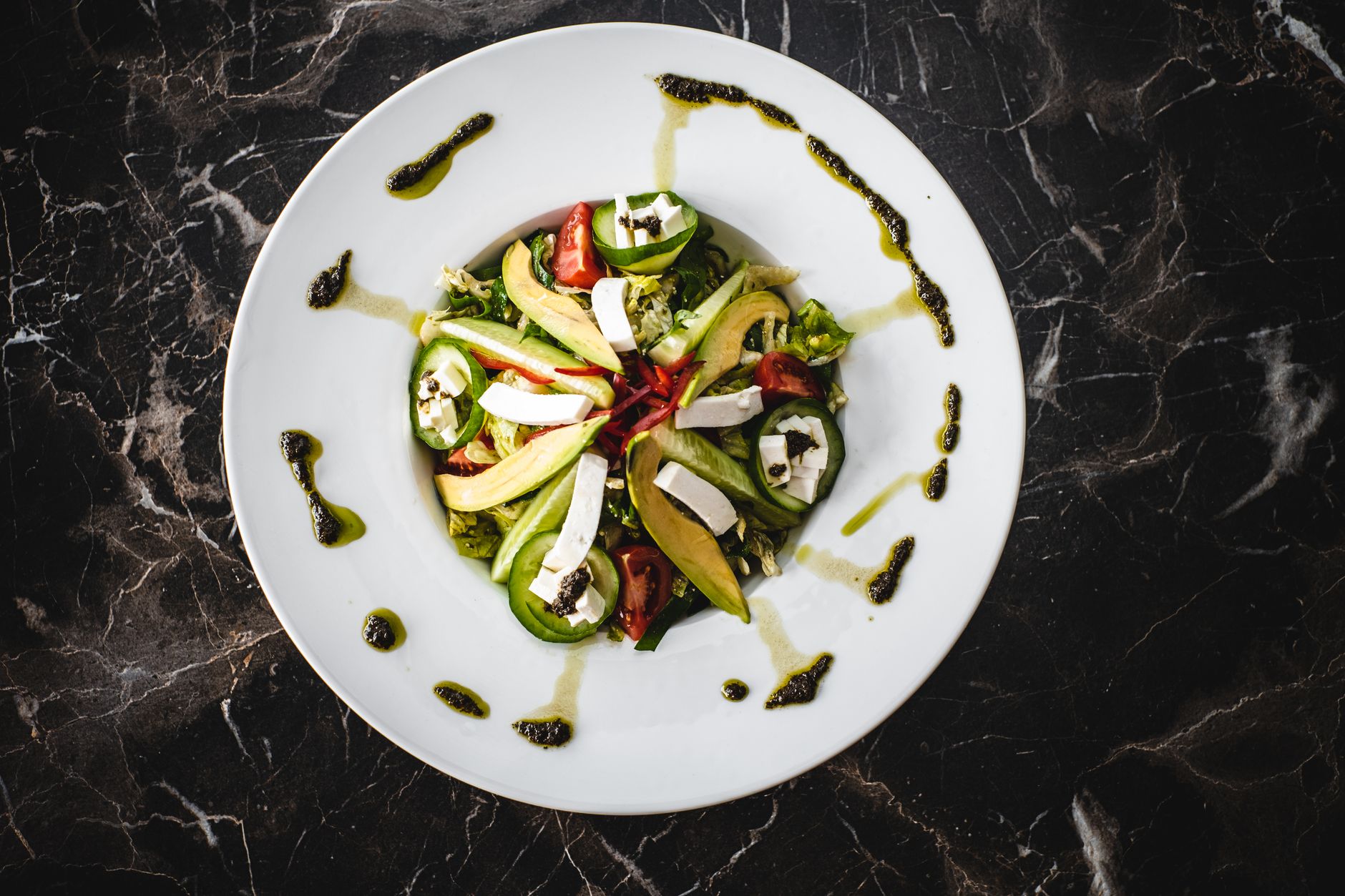
Mediterranean diet:
- Macros: ~45% carbs, 30% fats, 25% protein (flexible)
- Weight loss mechanism: Focuses on whole, nutrient-dense foods that keep you full and satisfied. The emphasis on fiber and healthy fats stabilizes blood sugar and reduces cravings.
- Sustainability: Easy to maintain long-term. No strict limits on carbs or fats—just encourages balance.
- Health benefits: Reduces inflammation, improves heart health, and lowers diabetes risk.
- Best for: People who want sustainable weight loss, better energy, and long-term health benefits.
Keto diet:
- Macros: ~5% carbs, 70% fats, 25% protein
- Weight loss mechanism: Forces the body into ketosis, burning fat for fuel instead of carbs. Rapid initial weight loss (often water weight).
- Sustainability: Harder to maintain long-term. Many people experience keto flu (fatigue, headaches) and struggle with cravings.
- Health benefits: Can improve epilepsy and some metabolic conditions, but lacks long-term cardiovascular data.
- Best for: People with epilepsy or those who need rapid weight loss (under medical supervision).
Which one wins for weight loss? Studies show the Mediterranean diet is more effective for long-term weight management. A 2024 study in JAMA Internal Medicine found that participants on the Mediterranean diet lost more weight and kept it off better than those on keto after one year. Why? The Mediterranean diet is flexible, enjoyable, and focused on whole foods, making it easier to stick with.
That said, if you're struggling with insulin resistance or metabolic syndrome, your provider might recommend keto short-term—but always under guidance. For most people, the Mediterranean diet is the smart, sustainable choice.
---Mediterranean diet weight loss benefits for pregnancy
If you're pregnant (or planning to be), you might be wondering if the Mediterranean diet is safe—and the answer is absolutely yes. In fact, it's one of the healthiest diets for pregnancy because it provides essential nutrients without excess calories or unhealthy fats. A 2025 study in The Lancet found that women following a Mediterranean diet during pregnancy had:
- Lower risk of gestational diabetes
- Reduced risk of preeclampsia
- Healthier weight gain trajectories
- Better infant birth weights (reducing risk of macrosomia)
Key adjustments for pregnancy:
- Increase calorie intake gradually: Most pregnant women need additional 300–500 calories per day in the second and third trimesters. Focus on nutrient-dense foods like:
- Lean proteins (chicken, fish, eggs)
- Whole grains (quinoa, brown rice, whole-wheat pasta)
- Leafy greens (spinach, kale—rich in folate)
- Fatty fish (salmon, sardines—rich in omega-3s)
- Dairy (Greek yogurt, cheese—calcium and protein)
- Avoid raw or undercooked foods: Skip sushi, rare meat, and unpasteurized cheese. Opt for cooked fish, well-done meats, and pasteurized dairy.
- Limit mercury-rich fish: Avoid shark, swordfish, king mackerel, and tilefish. Safe choices include salmon, sardines, and trout.
- Stay hydrated: Aim for 8–10 cups of water per day. Herbal teas (like chamomile) are great options.
- Increase fiber: Helps prevent constipation, a common pregnancy complaint. Focus on:
- Beans and lentils
- Berries and pears
- Whole grains
Sample Mediterranean pregnancy meal plan:
- Breakfast: Scrambled eggs with spinach, whole-grain toast, and avocado
- Lunch: Grilled chicken salad with quinoa, cherry tomatoes, cucumber, and olive oil dressing
- Dinner: Baked salmon with roasted sweet potatoes and steamed broccoli
- Snacks: Greek yogurt with honey and walnuts, hummus with carrot sticks
For more pregnancy-specific tips, check out our Mediterranean diet benefits guide, which includes detailed nutritional breakdowns for pregnancy.
---Mediterranean diet weight loss grocery list: your 2026 essentials
Stocking your pantry and fridge for the Mediterranean diet is simpler than you think. Focus on whole, unprocessed foods and avoid the center aisles of the grocery store (where processed snacks live). Below is a comprehensive grocery list broken down by category. For a quick shopping guide, see our Mediterranean diet grocery list.
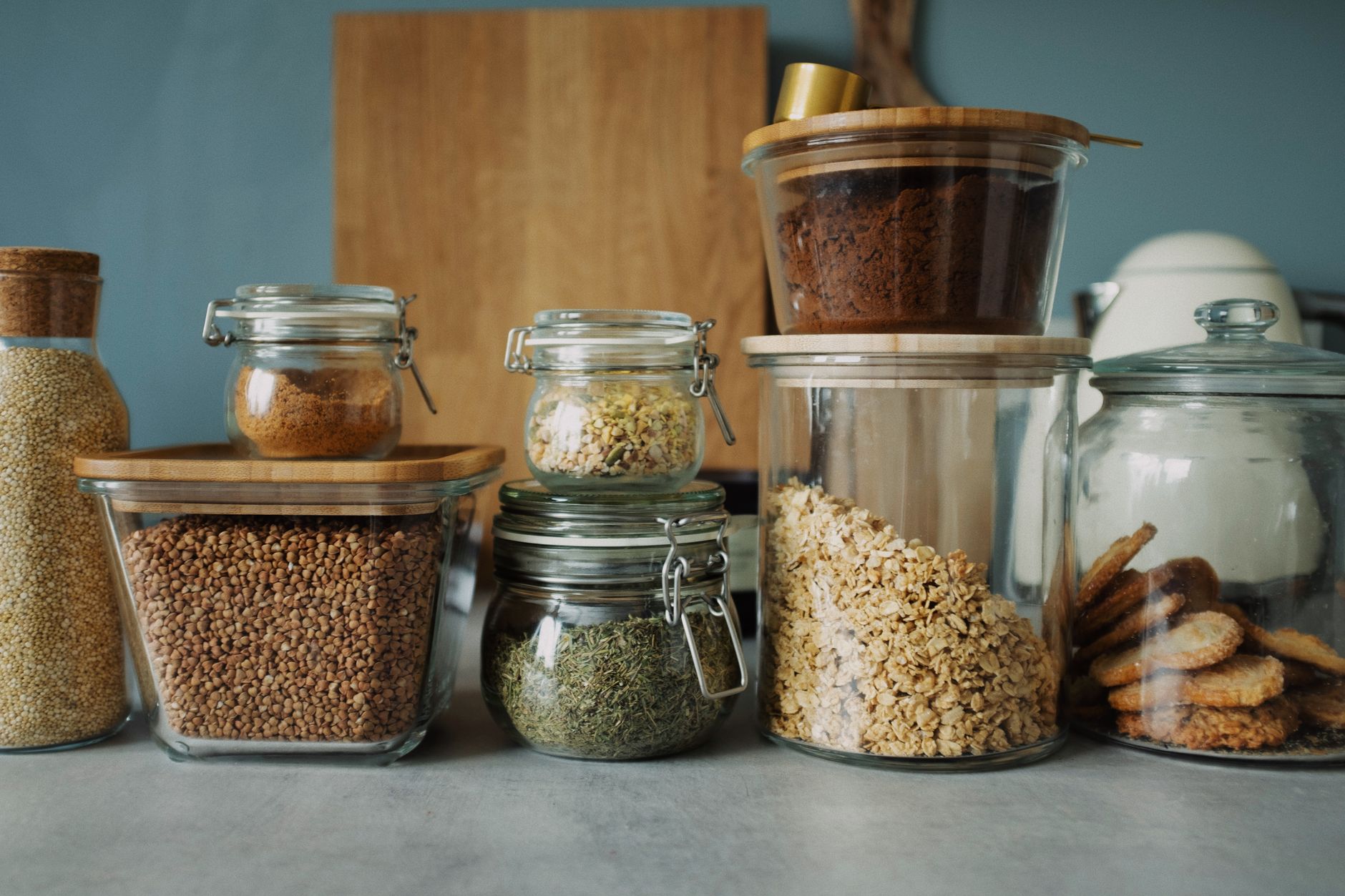
Pantry Staples:
| Category | Examples | Notes |
|---|---|---|
| Whole Grains | Quinoa, brown rice, farro, whole-wheat pasta, whole-grain bread | Avoid refined grains like white bread and pasta |
| Nuts & Seeds | Almonds, walnuts, pistachios, chia seeds, flaxseeds | Portion control: 1 oz (about a handful) per serving |
| Legumes | Lentils, chickpeas, black beans, canned or dried | Rinse canned beans to reduce sodium |
| Oils & Vinegars | Extra virgin olive oil, balsamic vinegar, lemon juice | Use olive oil for cooking; vinegar for dressings |
| Canned Goods | Tomato sauce, artichokes, olives, sardines | Choose no-salt-added or low-sodium options |
| Spices & Herbs | Garlic, oregano, basil, cumin, turmeric | Fresh herbs add more flavor than dried |
Produce:
- Leafy greens (spinach, kale, arugula)
- Cruciferous veggies (broccoli, Brussels sprouts, cauliflower)
- Tomatoes, zucchini, eggplant, bell peppers
- Garlic and onions (flavor boosters!)
- Berries (strawberries, blueberries, raspberries)
- Citrus fruits (lemons, limes, oranges)
Proteins:
- Fatty fish (salmon, sardines, mackerel)
- Lean poultry (chicken breast, turkey)
- Eggs
- Greek yogurt and feta cheese (low-fat options)
- Legumes (lentils, chickpeas)
Snacks & Extras:
- Hummus
- Olives
- Dark chocolate (70%+ cocoa)
- Herbal teas and black coffee
- Red wine (optional, 1 glass per day)
Pro tip: Plan your meals for the week before grocery shopping to avoid impulse buys. Need a quick reference guide? Our Mediterranean diet food list breaks down what to eat (and avoid) in simple terms.
---Mediterranean diet weight loss recipes for quick dinners
Who has time for complicated recipes when you're juggling work, kids, and self-care? These quick, delicious Mediterranean dinners take 30 minutes or less—most can be prepped ahead. All use pantry staples you already have.
1. One-Pan Lemon Garlic Chicken with Vegetables (20 mins)
- Ingredients: 2 chicken breasts, 2 tbsp olive oil, 3 garlic cloves (minced), 1 lemon (sliced), 2 cups mixed veggies (bell peppers, zucchini, cherry tomatoes), salt, pepper, oregano
- Instructions:
- Preheat oven to 400°F (200°C).
- Toss chicken and veggies with olive oil, garlic, lemon, salt, pepper, and oregano.
- Roast for 20–25 minutes until chicken reaches 165°F (74°C).
- Serve with a side of quinoa or whole-grain couscous.
2. 15-Minute Shrimp & White Bean Salad
- Ingredients: 1 cup canned white beans (rinsed), ½ lb shrimp (peeled), 2 cups mixed greens, ½ cup cherry tomatoes (halved), ¼ cup Kalamata olives, 2 tbsp olive oil, 1 tbsp lemon juice, 1 tsp dried oregano
- Instructions:
- Sauté shrimp in olive oil for 3–4 minutes until pink. Set aside.
- Toss greens, tomatoes, olives, and beans in a bowl.
- Top with shrimp and drizzle with lemon juice and oregano.
3. Sheet Pan Sausage & Veggies (25 mins)
- Ingredients: 1 lb Italian sausage (or chicken sausage), 2 bell peppers (sliced), 1 zucchini (sliced), 1 red onion (sliced), 2 tbsp olive oil, 1 tsp Italian seasoning, salt, pepper
- Instructions:
- Preheat oven to 400°F (200°C).
- Toss all ingredients on a sheet pan.
- Bake for 20–25 minutes, stirring halfway.
- Serve with a side of whole-grain bread.
For more quick dinner ideas, check out our Mediterranean dinner recipes. Need meal prep ideas? Batch-cook grains and proteins on Sundays to assemble meals throughout the week.
---Mediterranean diet weight loss for men: how it works for them too
While most Mediterranean diet content focuses on women, this eating pattern is equally effective for men—especially those looking to build muscle, improve heart health, or lose weight without feeling deprived. Men often benefit from the Mediterranean diet because:
- It supports muscle growth: The combination of protein (fish, poultry, legumes) and healthy fats (olive oil, nuts) helps maintain muscle mass while losing fat.
- It reduces heart disease risk: Men are more likely to develop cardiovascular issues, and the Mediterranean diet lowers LDL cholesterol and blood pressure.
- It’s sustainable: No extreme calorie restriction means men can maintain energy levels for workouts and daily activities.
- It improves mental health: The anti-inflammatory benefits of the diet can reduce stress and anxiety—common challenges for men.
Key adjustments for men:
- Increase portion sizes slightly: Men typically need more calories than women. Adjust portions based on your activity level (e.g., more quinoa, extra olive oil, or an additional serving of protein).
- Prioritize protein at every meal: Aim for 30–40g of protein per meal to support muscle repair. Think grilled chicken, salmon, or lentil-based dishes.
- Add strength training: The Mediterranean diet works best for weight loss when paired with resistance training. Aim for 2–3 strength sessions per week.
- Stay hydrated: Men often forget to drink enough water. Aim for 3–4 liters per day, especially if you're active.
Sample meal plan for men:
- Breakfast: 3 scrambled eggs with spinach and whole-grain toast
- Lunch: Grilled salmon (6 oz) with 1 cup quinoa, roasted Brussels sprouts, and olive oil
- Dinner: Lean beef stir-fry with bell peppers, snap peas, and brown rice
- Snacks: Greek yogurt with honey and almonds, hummus with carrot sticks
For men-specific tips, including workout pairings, see our Mediterranean diet benefits guide, which includes gender-specific adaptations.
---Mediterranean diet weight loss benefits: beyond the scale
While weight loss is often the primary goal, the Mediterranean diet offers so many other health benefits that make it worth adopting—even if you're not trying to shed pounds. Here’s what science says:
1. Heart health:
- Reduces LDL ("bad") cholesterol by up to 20% (per American Heart Association).
- Lowers blood pressure and reduces risk of heart disease by 30% (per Harvard T.H. Chan School of Public Health).
- Anti-inflammatory properties protect arteries.
2. Blood sugar control:
- Reduces risk of type 2 diabetes by 52% (per Diabetes Care).
- Low-glycemic foods (whole grains, legumes, veggies) stabilize blood sugar.
- Helps manage insulin resistance.
3. Brain health:
- Linked to a 30% lower risk of Alzheimer’s (per Journal of Neurology).
- Omega-3s (from fish) and antioxidants (from olive oil) support cognitive function.
- May reduce depression and anxiety by improving gut health.
4. Longevity:
- Associated with a 2–3 year longer lifespan (per BMJ study).
- Reduces all-cause mortality by 12% (per New England Journal of Medicine).
- Lowers risk of chronic diseases like cancer and Parkinson’s.
5. Mental well-being:
- Encourages mindful eating, reducing stress and emotional eating.
- Social aspect (cooking with family, sharing meals) boosts happiness.
For women with PCOS or hormonal imbalances: The Mediterranean diet helps regulate cycles by reducing inflammation and improving insulin sensitivity. Learn more about its hormonal benefits.
---Mediterranean diet weight loss side effects: what to expect
Most people experience positive side effects when switching to the Mediterranean diet, but there are a few things to be aware of:
Common (and usually temporary) adjustments:
- Digestive changes: If you're not used to high-fiber foods, you might experience bloating or gas at first. Solution: Gradually increase fiber intake and drink plenty of water.
- Energy fluctuations: Some people feel more energetic, while others experience a slight dip in the first week as their body adapts. Solution: Stay hydrated and include complex carbs (quinoa, sweet potatoes) for steady energy.
- Food cravings: Cutting back on processed foods can trigger cravings for sugar or salt. Solution: Satisfy cravings with healthier alternatives (e.g., dark chocolate instead of candy).
Rare or serious side effects:
- Allergic reactions: If you're allergic to nuts, fish, or shellfish, avoid those foods. Solution: Check labels and consult your provider if you have unknown allergies.
- Nutrient deficiencies: If you're not eating a varied diet, you might miss out on key nutrients like vitamin B12 (if avoiding meat) or iron (if limiting red meat). Solution: Include a mix of protein sources and consider a multivitamin if needed.
- Interactions with medications: Olive oil can interact with blood thinners (like warfarin). Solution: Talk to your provider before making major changes if you're on medication.
When to see a doctor:
- If you experience severe digestive issues (bloating, diarrhea, constipation) that don’t improve after a few weeks.
- If you feel dizzy, lightheaded, or fatigued excessively.
- If you notice unexplained weight loss or gain.
For most people, the Mediterranean diet is safe and well-tolerated. If you have a chronic condition (like diabetes or heart disease), work with your provider to tailor the diet to your needs.
---Mediterranean diet weight loss success stories: real women, real results
Nothing inspires change like hearing from real people who’ve made it work. Here are a few stories from women who’ve transformed their health with the Mediterranean diet:
1. Jessica, 34, Marketing Manager
"I was stuck in a cycle of yo-yo dieting—Atkins, keto, low-fat—nothing worked long-term. When I switched to Mediterranean, I lost 20 pounds in six months without counting calories. The best part? I actually enjoy cooking now. My energy is up, my skin cleared up, and I no longer feel like I’m ‘on a diet.’"
2. Maria, 45, Nurse
"As a nurse, I’m always on call, so I needed a diet that was quick and sustainable. The Mediterranean diet saved me. I meal prep on Sundays, and my lunches are always ready. I’ve lost 15 pounds, my cholesterol dropped, and I finally feel like I have control over my health."
3. Priya, 28, Freelance Designer
"I was struggling with PCOS and weight gain. My doctor recommended the Mediterranean diet, and within three months, my cycles became regular, my acne cleared, and I lost 12 pounds. I feel like I’ve finally found a way to eat that works with my body, not against it."
These stories are proof that the Mediterranean diet works for real people. The key is consistency—focus on progress, not perfection.
---Mediterranean diet weight loss for diabetics: how to adapt it
If you have type 2 diabetes or prediabetes, the Mediterranean diet is one of the best diets for managing blood sugar. A 2025 study in Diabetes Care found that participants following this diet reduced their HbA1c levels by an average of 0.7%—without medication—in just 12 weeks. Here’s how to adapt it for diabetes:
Key adjustments:
- Monitor carb intake: While the Mediterranean diet isn’t low-carb, it focuses on low-glycemic carbs (whole grains, legumes, veggies). Aim for 45–60g of carbs per meal and pair them with protein/fat to slow digestion.
- Prioritize fiber: Fiber helps regulate blood sugar. Load up on:
- Legumes (lentils, chickpeas)
- Whole grains (quinoa, farro)
- Non-starchy veggies (spinach, broccoli)
- Choose healthy fats: Olive oil, avocados, nuts, and fatty fish help improve insulin sensitivity.
- Limit refined carbs: Avoid white bread, pasta, and sugary cereals. Opt for whole-grain versions.
- Stay hydrated: Dehydration can raise blood sugar. Aim for 8 cups of water daily.
- Test regularly: Work with your provider to monitor your blood sugar and adjust portions as needed.
Sample diabetic-friendly meal plan:
- Breakfast: Greek yogurt with 1 tbsp chia seeds, ½ cup berries, and 1 tbsp almond butter
- Lunch: Grilled chicken salad with 2 cups mixed greens, ½ cup quinoa, ¼ avocado, and 1 tbsp olive oil dressing
- Dinner: Baked salmon (4 oz) with 1 cup roasted Brussels sprouts and ½ cup brown rice
- Snack: 1 small apple with 1 oz cheddar cheese


