Quick take: A well‑planned meal train can lift a new mom’s stress, keep her nourished, and give her more time to rest and bond with baby. Start with a simple sign‑up sheet, focus on easy‑to‑reheat dishes, and tailor meals to her delivery type, lactation needs, and any dietary restrictions. A few thoughtful non‑food items—like a grocery gift card or a cozy blanket—can make the support feel even more personal. ✅
Imagine it’s 2 a.m., the house is quiet except for the soft coo of a newborn, and you hear a gentle knock on the door. Your friend, Sarah, has just delivered a baby via C‑section and is still adjusting to the IV drip and the lingering anesthesia. She smiles, exhausted, and says, “I’m so grateful you’re here—do you think you could bring something for dinner?” That moment is the spark behind a meal train: a coordinated, compassionate way to feed a new mom when her own kitchen feels like a distant world.
At BumpBites, we’ve spoken with dozens of families who have launched meal trains, and the common thread is simple—organized kindness reduces anxiety, supplies nutrition, and lets the new mom focus on recovery and her baby. In this 2026 guide, we walk you through meal train ideas for new mom step by step, from setting up the sign‑up sheet to choosing dishes that suit a C‑section recovery, breastfeeding demands, or specific dietary needs. Whether you’re coordinating for twins, a single mom, or a vegan family, the ideas below will help you build a supportive, stress‑free menu.
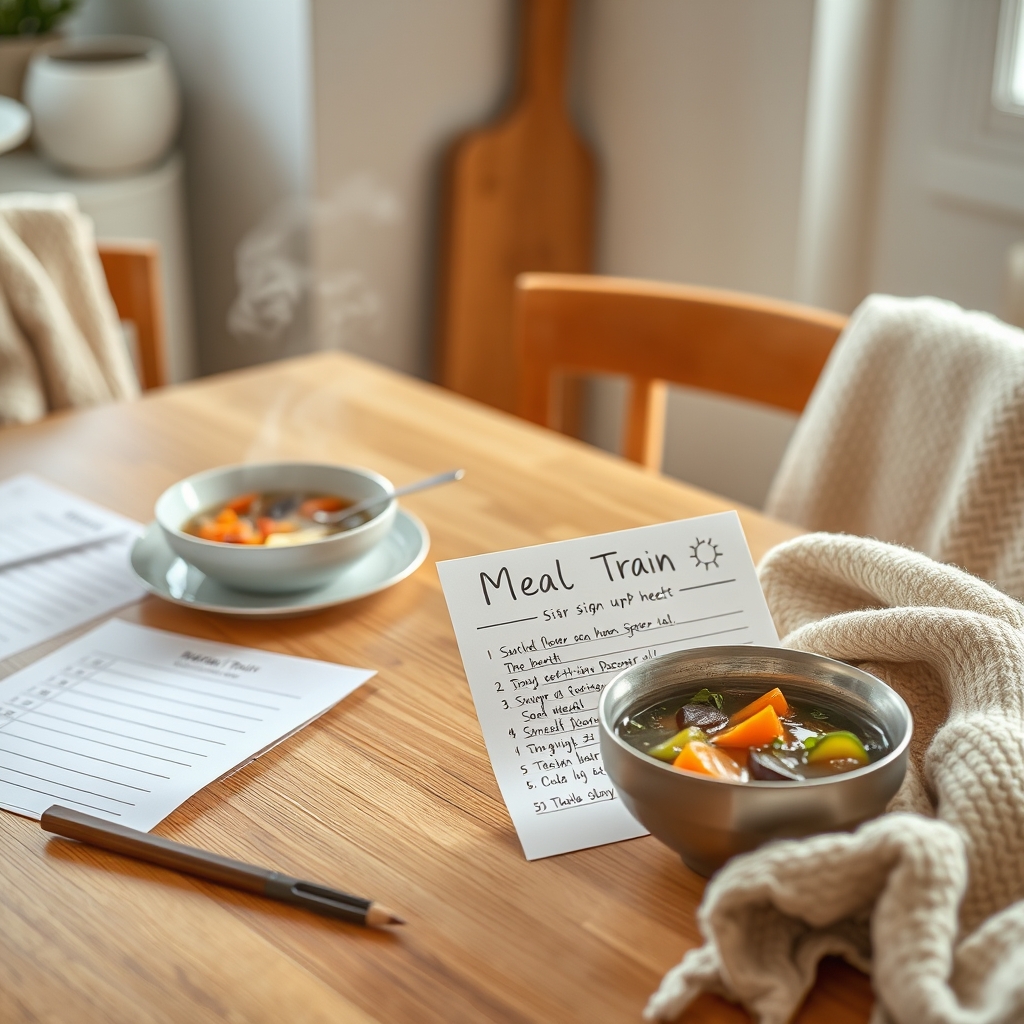
What are meal train ideas for new mom after C‑section?
A C‑section means a surgical recovery, so meals should be easy to chew, rich in protein, and low in heavy spices that could upset the stomach. Think soft textures, plenty of fluids, and nutrients that promote wound healing. Soft, protein‑rich foods also help keep energy levels stable when the new mom is navigating pain medication and limited mobility.
Beyond taste, the right foods can reduce the risk of postoperative complications. The National Health Service (NHS) notes that adequate protein intake supports collagen synthesis, while vitamin C and zinc aid tissue repair. By offering dishes that combine these nutrients, you’re not just feeding a belly—you’re supporting the body’s natural healing processes.
Why protein matters after surgery
- Protein supports tissue repair and helps close incisions faster.
- Lean meats, legumes, and dairy provide the building blocks without adding excess fat.
- Vitamin C and zinc (found in citrus, bell peppers, and pumpkin seeds) boost collagen formation.
Top C‑section‑friendly dishes
- Silky chicken and rice soup – shredded chicken, soft rice, carrots, and a splash of low‑sodium broth; easy to sip.
- Mashed sweet potato and black bean mash – high in vitamin A and fiber, gentle on the stomach.
- Greek yogurt parfait with honey, berries, and a sprinkle of granola for protein and probiotics.
- Soft‑cooked salmon with a lemon‑dill drizzle; omega‑3s help reduce inflammation.
When you’re the one delivering the meal, bring it in a disposable container with a lid, and include a brief reheating note (“Microwave 2 minutes, stir, then 1 minute more”). That small detail spares the new mom from guessing temperatures while she’s still groggy.
What are easy meal train recipes for new mothers?
Time is the most precious commodity after birth. Recipes that can be pre‑made, frozen, or assembled quickly are gold. Below is a curated list of recipes that require ten minutes or less of active cooking and can be stored for up to three days.
Many of these dishes also contain a balance of carbohydrates, protein, and healthy fats, aligning with the American College of Obstetricians and Gynecologists (ACOG) recommendation of 2,200 kcal per day for lactating mothers. The combination of nutrients helps maintain blood sugar stability, which can curb mood swings and keep milk supply steady.
One‑pot wonders
- One‑pot quinoa pilaf – quinoa, vegetable broth, peas, corn, and shredded cheddar; ready in 15 minutes.
- Hearty lentil stew – brown lentils, diced tomatoes, carrots, and cumin; tastes better the next day.
- Chicken tortilla casserole – rotisserie chicken, black beans, corn, and crushed tortilla chips baked for a comforting crunch.
Sheet‑pan meals
- Sheet‑pan salmon with asparagus – place salmon fillets and asparagus on a parchment sheet, drizzle olive oil, bake 12 minutes.
- Roasted veggie & tofu tray – cubed tofu, sweet potatoes, broccoli, and bell peppers; season with garlic‑ginger.
Grab‑and‑go snacks
- Energy‑boosting trail mix – almonds, dried cranberries, pumpkin seeds, and dark chocolate chips.
- Protein‑rich hummus cups – store‑bought or homemade hummus in small containers with pretzel sticks.
For extra convenience, prep the ingredients the night before and store them in zip‑top bags. A quick toss in the pan and dinner is ready before the baby’s next feeding.
How can I come up with meal train organization ideas for new parents?
Running the logistical side of a meal train is as rewarding as the cooking itself. A clear plan prevents duplicate dishes, ensures a balanced nutrient profile, and respects the new parents’ schedule.
Good organization also reduces the mental load for volunteers. When contributors know exactly what’s needed, they can focus on quality rather than guessing. A study from the Academy of Nutrition and Dietetics (2021) found that structured meal‑sharing programs improve adherence to dietary guidelines among postpartum families.
Step‑by‑step organization checklist
- Create a sign‑up sheet – use free platforms like Google Sheets, SignUpGenius, or a printable calendar.
- Set a timeline – most families benefit from a two‑week train (7–10 meals), but adjust based on the parents’ needs.
- Assign categories – Breakfast, Lunch, Dinner, Snacks, and “Non‑Food” items.
- Gather preferences – ask the new mom about dietary restrictions, favorite cuisines, and reheating facilities.
- Communicate updates – send a brief reminder a day before each contributor’s slot.
Sample sign‑up layout
When the sheet is visible to all participants, it reduces the chance of duplicate dishes and helps contributors see gaps—like a need for a low‑sugar option—so they can step in.
What should I bring to a new mom meal train?
Food is the centerpiece, but a thoughtful mix of non‑food items can make the train feel holistic. Below are practical suggestions that complement the meals without adding clutter.
Non‑food gifts can be especially valuable when the new mom is juggling diaper changes, nighttime feeds, and limited bathroom trips. A small, well‑chosen item can become a morale‑boosting touchpoint that reminds her she’s supported.
Non‑food ideas that truly help
- Grocery gift card – lets the new mom buy fresh produce or pantry staples.
- Pre‑made freezer bags of frozen fruit – perfect for smoothies or quick desserts.
- Reusable silicone storage containers – eco‑friendly and easy to stack in the freezer.
- Cozy care package – a soft blanket, a soothing candle, and a tea sampler for late‑night feeds.
What to avoid
- Highly allergenic foods (unless you’ve confirmed safety).
- Strongly scented items that may trigger nausea.
- Large, heavy pots that are difficult to transport.
When you hand over a meal, a brief note that includes the dish name, reheating instructions, and any storage tips shows you’ve thought beyond just the plate.
Which meal train ideas are best for breastfeeding mothers?
Breastfeeding burns extra calories—roughly 500 kcal per day—so a new mom needs calorie‑dense, hydrating foods rich in iron, calcium, and B‑vitamins. The goal is to keep her energy up while supporting milk production.
Research from the Academy of Nutrition and Dietetics indicates that mothers who consume adequate protein and omega‑3 fatty acids report higher milk volume and fewer fatigue episodes. Pairing these nutrients with plenty of fluids helps maintain hydration, a key factor for lactation.
Key nutrients for lactation
- Iron – lean red meat, lentils, spinach.
- Calcium – dairy, fortified plant milks, tofu.
- Omega‑3 fatty acids – salmon, chia seeds, walnuts.
- Fluid – soups, broths, and water‑rich fruits like watermelon.
Breastfeeding‑friendly dishes
- Spinach & feta frittata – high in iron and calcium, easy to slice and reheat.
- Quinoa & roasted vegetable bowl – complete protein plus colorful veggies for vitamins.
- Chia‑seed pudding with almond milk and berries – a calcium‑rich dessert you can pop into the fridge.
- Hearty beef and barley stew – iron‑rich and provides sustained energy.
Don’t forget to include a bottle of electrolyte‑enhanced water or a few herbal teas (like fenugreek) that many nursing moms find helpful for milk supply.
What are freezer meal train ideas for new moms?
Freezer meals are a lifesaver when the new mom’s schedule is unpredictable. Choose dishes that freeze flat, retain flavor, and reheat quickly.
The U.S. Department of Agriculture (USDA) advises that frozen meals should be stored at 0 °F (‑18 °C) and labeled with date and reheating instructions to maintain safety and quality.
Freezer‑friendly guidelines
- Cool foods completely before sealing to avoid ice crystals.
- Label each container with the dish name and reheating time.
- Portion meals in single‑serving sizes to reduce waste.
Top freezer meals
When you drop off a freezer meal, include a simple reheating card: “Thaw overnight in fridge, then microwave 3 minutes, stir, microwave 1 minute.” This removes guesswork for a sleep‑deprived mom.
What are meal train ideas for new mom with dietary restrictions?
Every new mom’s plate looks different—some avoid gluten, others follow a vegan lifestyle, and many have health‑related restrictions. The key is communication: ask early, note preferences on the sign‑up sheet, and provide a variety of options.
Incorporating a range of dietary patterns also respects cultural traditions. For example, many families value traditional postpartum foods like bone broth or congee, which can be adapted to be low‑sodium or dairy‑free as needed.
Vegan new mom meals
- Chickpea‑spinach curry – protein‑packed, served over brown rice.
- Tofu scramble with turmeric, bell peppers, and nutritional yeast.
- Black‑bean quinoa salad with avocado and lime dressing.
Gluten‑free meals
- Polenta & mushroom stew – comforting, naturally gluten‑free.
- Rice‑based stir‑fry with shrimp, snap peas, and tamari.
- Almond‑flour banana muffins – a sweet treat without wheat.
Low‑sodium & heart‑healthy choices
- Steamed fish with lemon‑herb drizzle.
- Vegetable quinoa pilaf with no added salt.
- Fresh fruit salad with a mint‑yogurt dip.
When a contributor isn’t sure about a restriction, encourage them to reach out to the new mom directly (or the meal‑train coordinator) before finalizing the dish.
How can I tailor meal train ideas for twins, single moms, and seasonal needs?
Whether the family is welcoming one baby or two, or navigating winter chills, the meal train can adapt. Below are customized suggestions that respect the unique demands of each scenario.
Seasonal adjustments are more than flavor choices—they can influence hydration and immune support. For instance, winter meals rich in vitamin C and zinc can help fend off colds, while summer dishes packed with water‑rich fruits aid hydration.
Meal train ideas for twins
- Double‑portion casseroles – larger batches mean leftovers for the second night.
- Batch‑made smoothies – blend fruit, spinach, and protein powder; freeze in individual cups.
- High‑calorie snack boxes – trail mix, cheese cubes, and whole‑grain crackers for quick energy.
Meal train ideas for single moms
- Focus on ready‑to‑eat meals that require minimal kitchen time.
- Include grocery gift cards to help cover extra pantry staples.
- Offer “drop‑in” meals that can be left on the doorstep—no need for a hand‑off.
Seasonal meal train ideas
Winter – hearty stews, roasted root vegetables, and warming soups help combat cold air and boost immunity.
Summer – light salads, chilled gazpacho, and fruit‑based desserts keep meals refreshing and prevent overheating.
Adjust the menu to the climate; winter meals can be richer and more comforting, while summer dishes should emphasize hydration and cool flavors.
Budget‑friendly meal train ideas for new moms
Not every family has a big budget, but thoughtful meals don’t have to break the bank. Shopping smart and using pantry staples can stretch dollars while still delivering nutrition.
Plan meals around affordable protein sources such as beans, lentils, and eggs. The USDA’s “Food Plans” show that a plant‑based diet can meet postpartum needs for under $50 a week when combined with seasonal produce.
Cost‑saving tips
- Buy in bulk and freeze portions (e.g., bulk chicken breasts, frozen mixed vegetables).
- Use store‑brand canned goods—look for low‑sodium options.
- Incorporate pantry staples like rice, pasta, and oats as carbohydrate bases.
- Season with herbs and spices you already have; avoid buying specialty sauces.
- Bean‑and‑rice burrito bowls – black beans, brown rice, corn, salsa, and a sprinkle of cheese.
- Egg‑and‑veggie stir‑fry – eggs, frozen mixed veggies, and a dash of soy sauce.
- Vegetable‑lentil soup – lentils, carrots, celery, and canned diced tomatoes.
Pair these meals with a simple grocery gift card so the new mom can add fresh fruit or a dairy item of her choice.
Eco‑friendly and sustainable meal train options
Many new parents are conscious about waste, especially when they’re already handling a lot of diapers and disposable items. A sustainable meal train shows you care about the planet as well as the mom’s wellbeing.
The Environmental Protection Agency (EPA) recommends using reusable containers and minimizing single‑use plastics. By choosing eco‑friendly packaging, you reduce the post‑delivery cleanup burden.
Green packaging ideas
- Reusable glass jars with airtight lids for soups and stews.
- Biodegradable bamboo or compostable containers for salads.
- Reusable silicone bags for pre‑cut fruits or snack portions.
- Seasonal vegetable pasta – whole‑grain pasta tossed with locally sourced veggies and a drizzle of olive oil.
- Plant‑based chili – beans, corn, tomatoes, and spices, served with a side of brown rice.
- Whole‑food grain bowls – quinoa, roasted carrots, kale, and a lemon‑tahini dressing.
Encourage contributors to bring their own reusable containers when possible, and remind the new mom to store leftovers in the same containers to keep waste low.
Meal train etiquette for volunteers
Even with the best intentions, a misstep can add stress. Knowing the etiquette helps volunteers support the new mom smoothly.
Etiquette isn’t about rigid rules; it’s about respecting the family’s rhythm and privacy. A quick check‑in before delivering a meal can prevent duplicate dishes and ensure the timing works with feeding schedules.
Key etiquette points
- Confirm the delivery time—most families prefer meals dropped off during a lull between feedings.
- Keep the container lid closed until you hand it over; this keeps aromas from spreading in a small apartment.
- Bring a handwritten note with the dish name, reheating directions, and any allergen warnings.
- Ask before offering extra help (e.g., folding laundry); some families may feel overwhelmed by additional tasks.
- Respect privacy—avoid lingering to chat if the mom looks tired or needs space.
By following these simple guidelines, volunteers can provide a seamless, comforting experience that truly eases the postpartum transition.
Myth vs. fact
Myth: New moms don’t need much food because they’re “eating for two.”
Fact: After delivery, a mother’s body requires adequate calories, protein, and fluids to heal, especially if she’s breastfeeding. The American College of Obstetricians and Gynecologists (ACOG) recommends at least 2,200 kcal per day for lactating mothers.
Myth: A meal train should last for a month to be helpful.
Fact: Most new parents benefit most from a two‑week train (about 10–14 meals). Extending beyond that can feel overwhelming, and the need for meals often diminishes as the family settles into a routine (source: ACOG postpartum care guidelines).
Myth: Only home‑cooked meals are useful.
Fact: High‑quality store‑bought items—like pre‑cut vegetables, rotisserie chicken, or ready‑made soups—are perfectly acceptable and can save contributors valuable time.
Key takeaways
- Start with a simple sign‑up sheet and ask the new mom about any dietary needs.
- Prioritize soft, protein‑rich dishes for post‑C‑section recovery.
- Freezer‑friendly meals and one‑pot recipes make reheating quick and stress‑free.
- Include non‑food items like gift cards, storage containers, or cozy comforts.
- Tailor the menu for twins, single parents, seasonal climates, and specific restrictions (vegan, gluten‑free, etc.).
- Communicate clearly—provide reheating notes and storage instructions with every dish.
- Consider budget‑friendly and eco‑friendly options to respect both the family’s wallet and the planet.
- Follow volunteer etiquette to keep the experience smooth and respectful.
Frequently asked questions
How do I organize a meal train for a new mom?
Begin by creating a sign‑up sheet (Google Sheet or SignUpGenius), set a two‑week schedule, ask the mom about dietary preferences, assign meal categories (breakfast, lunch, dinner, snacks), and send reminder emails a day before each contributor’s slot. A clear spreadsheet prevents duplicate dishes and helps track who’s bringing what.
What are some healthy meal ideas for new moms?
Focus on protein (chicken, fish, lentils), complex carbs (quinoa, brown rice), and plenty of vegetables. Easy options include chicken‑rice soup, quinoa pilaf with roasted veggies, lentil stew, and Greek yogurt parfaits. These meals are nutrient‑dense, low‑effort, and reheatable.
How long should a meal train last for a new mom?
Most experts, including ACOG, suggest a two‑week train (about 10–14 meals). This window covers the most physically demanding postpartum period while avoiding burnout for both the new family and the volunteers.
Can I participate in a meal train if I don’t know the new mom well?
Yes. Keep your dish simple, ask the coordinator for any known preferences, and include a note that you’re happy to adjust the recipe if needed. A friendly, non‑intrusive approach is appreciated, and your contribution still provides valuable support.
What are some meal train ideas that are easy to reheat?
One‑pot soups, casseroles, and freezer‑friendly stews reheat quickly. Dishes like chicken‑rice soup, lentil stew, and mini meatballs can be microwaved in 3–5 minutes. Include reheating instructions on the container for added convenience.
How can I make sure the meal train is helpful and not overwhelming for the new mom?
Communicate early about food likes/dislikes, limit deliveries to one or two meals per day, and pair food with non‑food items (gift cards, blankets). Keep the schedule flexible—if the mom needs a break, contributors can pause without pressure.
What should I do if I’m unsure about the new mom’s dietary restrictions?
Reach out to the meal‑train coordinator or the mom directly for clarification before preparing the dish. When in doubt, opt for universally safe meals—like plain grilled chicken, steamed veggies, and gluten‑free grains—and label the dish clearly.
How can I incorporate sustainable practices into a meal train?
Use reusable glass jars, biodegradable containers, or silicone bags for packaging. Choose menu items that rely on seasonal produce and plant‑based proteins, which have a lower environmental footprint. Including a note about the eco‑friendly packaging can also reassure the new mom that waste is minimized.
Are there specific foods that help speed up postpartum healing?
Protein‑rich foods (lean meats, beans, dairy), vitamin C sources (citrus, bell peppers), and zinc‑rich foods (pumpkin seeds, nuts) support tissue repair. A balanced intake of these nutrients, as highlighted by the NIH, can aid wound healing and boost energy during recovery.
When to see a doctor or specialist
If the new mom experiences any of the following, advise her to contact her healthcare provider promptly:
- Persistent fever above 101 °F (38.3 °C) more than 24 hours after delivery.
- Severe abdominal pain, foul‑smelling vaginal discharge, or heavy bleeding.
- Signs of dehydration (dry mouth, dizziness, reduced urine output).
- Sudden, unexplained weight loss or inability to keep down food.
- Breastfeeding difficulties that persist despite support (e.g., painful latch, severe mastitis).
These symptoms may indicate infection, lactation complications, or other postpartum issues that require medical attention. The information in this guide is for general support only and does not replace personalized medical advice. Encourage the new mom to discuss any concerns with her obstetrician, midwife, or a registered dietitian.
References
- American College of Obstetricians and Gynecologists (ACOG). “Postpartum Care.” 2023 Clinical Guidance.
- Academy of Nutrition and Dietetics. “Nutrition During Lactation.” Position Paper, 2022.
- Harvard T.H. Chan School of Public Health. “Healthy Eating for New Moms.” 2024.
- National Institutes of Health (NIH). “Recovery After Cesarean Delivery.” 2023.
- United States Department of Agriculture (USDA). “Freezer Food Safety.” 2022.
- World Health Organization (WHO). “Maternal Nutrition.” 2023.
- American Heart Association (AHA). “Dietary Recommendations for Postpartum Women.” 2022.
- National Institute of Diabetes and Digestive and Kidney Diseases (NIDDK). “Postpartum Nutrition.” 2023.
- Environmental Protection Agency (EPA). “Sustainable Packaging Guidance.” 2021.



