f you’re pregnant (or planning to be), you’ve probably heard the sodium warning before—but do you know why it’s so critical? Here’s the deal: during pregnancy, your body holds onto more water to support the growing baby, and excess sodium can contribute to swelling, high blood pressure, and even preeclampsia—a serious condition that affects about 2–8% of pregnancies. The American College of Obstetricians and Gynecologists (ACOG) recommends pregnant women limit sodium to 1,500–1,700 mg/day—about half the amount most adults consume daily.
But here’s the catch: sodium isn’t just in the salt shaker. It’s hiding in processed foods, canned soups, frozen meals, and even “healthy” snacks. That’s why your grocery list needs to be your secret weapon. Think of it like a sodium detox—but one that still lets you enjoy flavor.
**Representative story:** One mom-to-be shared, *“I thought I was doing okay until I tracked my sodium for a week. My ‘healthy’ yogurt had 120 mg per serving, my ‘light’ soup had 900 mg, and my ‘low-fat’ cheese had 200 mg. I was hitting 3,000 mg before noon!”* The fix? Swapping those items for fresh fruit, homemade soups, and low-sodium cheese. Small changes made a big difference.
**Key takeaway:** Your sodium limit isn’t about cutting out flavor—it’s about choosing the right flavors. Herbs, spices, citrus, and vinegars are your new best friends. We’ll dive into those later, but first: let’s tackle the most overwhelming part of all—reading nutrition labels like a pro.
---
How to read sodium labels on packaged foods: Your 5-step cheat sheet
You’re at the store, holding a box of cereal, and your brain starts to fog over: “Is this ‘low sodium’? What does ‘% Daily Value’ even mean?” Don’t worry—we’ve got you covered. Here’s how to decode sodium labels in under 10 seconds:
- Check the sodium amount per serving. The number next to “Sodium” (in milligrams) tells you exactly how much you’re getting. Aim for <150 mg per serving or less for most items.
- Compare to the % Daily Value (%DV). The FDA sets the %DV for sodium at 2,300 mg/day (the general population’s limit). If a serving has <5% DV, it’s low; >20% DV is high.
- Look for “low sodium” or “no salt added.” These labels are your green light—but don’t assume “low sodium” means zero sodium. Even “no salt added” can contain sodium from other ingredients (like baking soda).
- Watch for “reduced sodium” or “lightly salted.” These are improvements, but they can still pack <300–500 mg per serving. Use them in moderation.
- Add up the servings per container. If a package has 2 servings and each has 300 mg, that’s 600 mg total—nearly half your daily limit in one sitting!
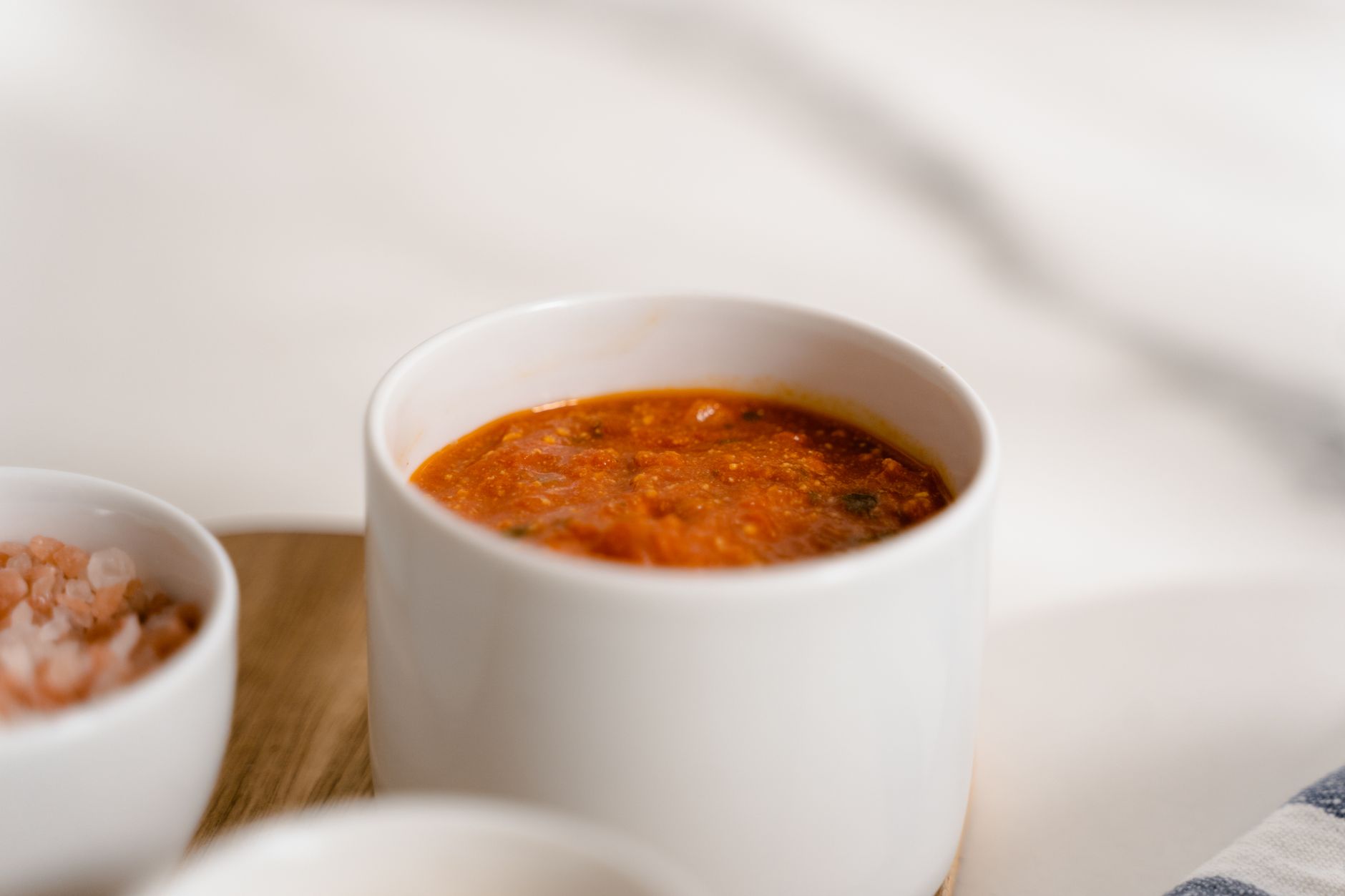
**Pro tip:** If you’re shopping for canned goods (like tomatoes or beans), choose the “no salt added” or “low sodium” versions. These are usually marked with a green label or a “low sodium” claim. For example, canned black beans with no salt added have <5 mg sodium per serving—compared to 300+ mg in regular versions.
**Common mistake:** Assuming frozen meals are your only option. Many frozen vegetables and pre-cut fruits are naturally low in sodium—just check the label. For example, frozen spinach often has <5 mg sodium per serving, while frozen mixed vegetables might have 100–150 mg. The difference? Fresh or frozen plain (without added salt) is always better.
Ready to start building your list? Next up: the ultimate low-sodium grocery items for pregnancy—organized by category so you can shop efficiently.
---
Best low sodium grocery items for pregnancy: Your category-by-category list
You don’t need to memorize every item on this list—just grab the staples and build from there. Below is a breakdown of the best low-sodium options for each grocery category, plus a few surprises that might not be on your radar.
Fresh Produce: The Lowest-Sodium Staples
Fresh fruits and vegetables are naturally sodium-free (or nearly so), making them the backbone of your low-sodium diet. Aim for:
- Leafy greens: Spinach, kale, arugula (<5 mg sodium per cup)
- Cruciferous veggies: Broccoli, cauliflower, Brussels sprouts (<20 mg per cup)
- Bell peppers, zucchini, and mushrooms: All under 10 mg per cup
- Fresh berries: Strawberries, blueberries, raspberries (<2 mg per cup)
- Avoid: Canned or pickled veggies (like sauerkraut or pickles), which can have 300–800 mg sodium per serving.
Proteins: Low-Sodium Swaps
Protein is essential for your growing baby, but many high-protein foods are sodium bombs. Opt for:
- Fresh or frozen fish: Salmon, cod, or tilapia (0 mg sodium per serving)
- Skinless poultry: Chicken breast or turkey (0 mg sodium per serving)
- Eggs: 1 egg = 60 mg sodium (but they’re packed with protein and choline!)
- Plant-based proteins: Lentils, chickpeas, and black beans (<5 mg per cooked cup if “no salt added”)
- Avoid: Canned tuna, smoked salmon, or processed meats (like deli turkey or ham).
Dairy: Low-Sodium Cheese and Alternatives
Dairy is a great source of calcium and vitamin D, but many cheeses are high in sodium. Here’s how to navigate it:
- Low-sodium cheeses: Feta (check labels—some have <200 mg per ounce), mozzarella (0 mg per serving if fresh), and cottage cheese (<40 mg per ½ cup)
- Milk and yogurt: Unsweetened almond milk (0 mg), plain Greek yogurt (<50 mg per serving)
- Avoid: Processed cheeses (like American cheese), which can have 300+ mg per ounce.
Grains: The Hidden Sodium Trap
Whole grains are great, but many packaged grains are loaded with sodium. Stick to:
- Whole grains: Brown rice, quinoa, oats, and whole-wheat pasta (<5 mg per cooked cup)
- Avoid: Instant rice mixes, flavored oatmeal packets, and packaged bread (even “whole grain” versions can have 200–400 mg per slice).
Snacks: Low-Sodium Pregnancy-Friendly Options
Craving something crunchy or sweet? These snacks keep you under 150 mg per serving:
- Fresh fruit: Apple slices with almond butter (0 mg)
- Roasted chickpeas: Homemade (season with paprika and garlic powder, 0 mg)
- Popcorn: Air-popped with cinnamon (0 mg)
- Dark chocolate (70%+ cocoa): 1 oz = 10 mg
- Avoid: Pretzels, chips, and flavored nuts (often 150–300 mg per serving).
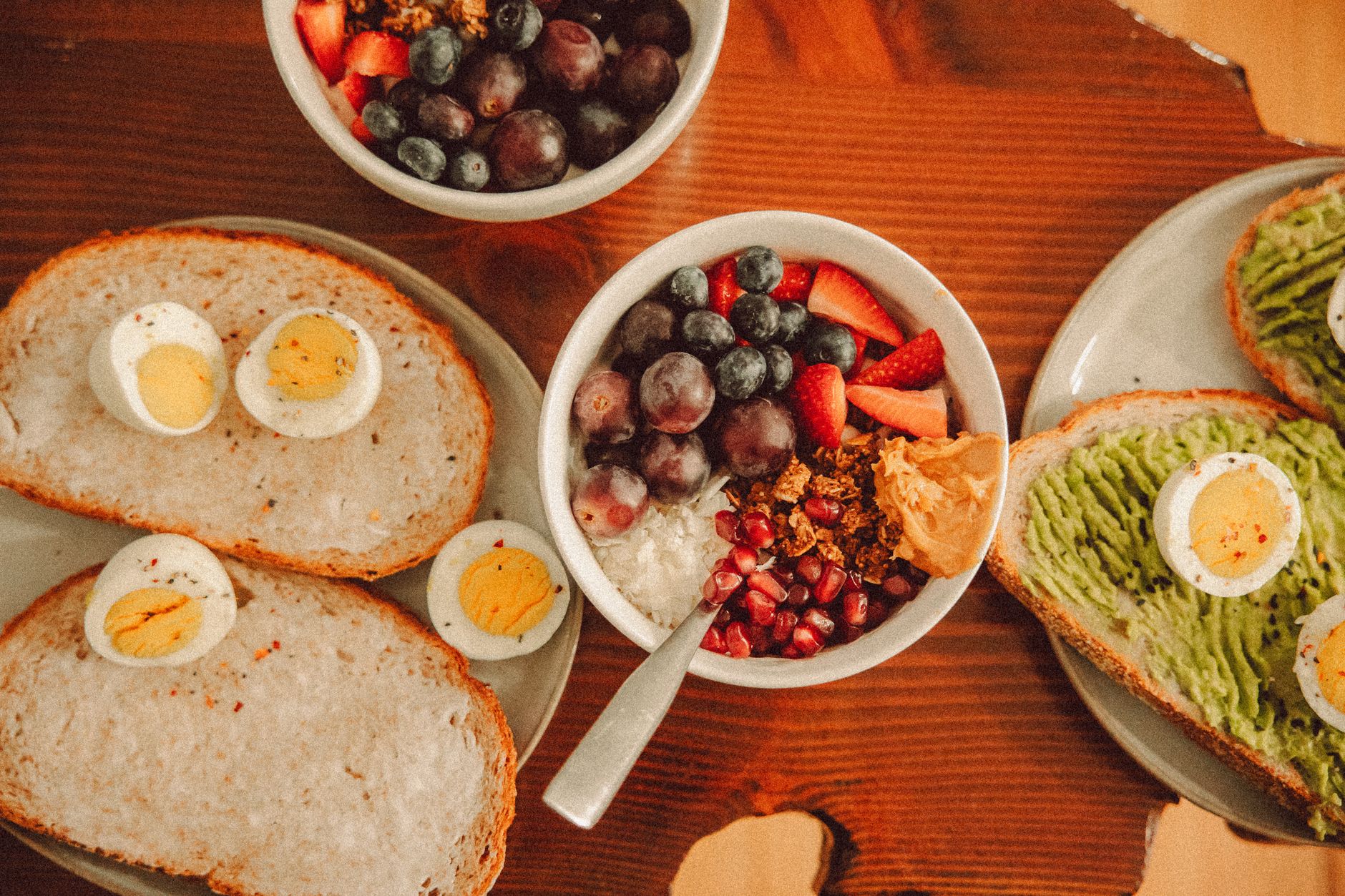
**Pro tip:** If you’re craving something salty, try herbs, spices, or a pinch of sea salt (which has less sodium than table salt). Or, make your own “salt” blend with garlic powder, onion powder, and a tiny bit of salt.
Now that you know what to buy, let’s talk about how to meal prep for a week without stress—so you’re never left scrambling for a low-sodium option.
---
Low sodium meal prep for a week: The ultimate pregnancy-friendly plan
Meal prepping might feel like a chore, but it’s actually a game-changer for low-sodium eating during pregnancy. Why? Because it eliminates the temptation to grab high-sodium takeout or convenience foods when you’re exhausted. Plus, cooking in bulk saves time and money.
Here’s how to do it right:
Step 1: Plan Your Meals Around Low-Sodium Staples
Pick 3–4 proteins, 3–4 veggies, and 2–3 grains to rotate through the week. For example:
- Proteins: Grilled chicken, baked salmon, lentils, tofu
- Veggies: Spinach, bell peppers, zucchini, broccoli
- Grains: Brown rice, quinoa, whole-wheat pasta
Step 2: Cook in Batches
Dedicate one day (Sunday works well) to:
- Roast a big tray of veggies with olive oil and herbs.
- Cook a large pot of grains (like quinoa or rice).
- Bake proteins in advance (chicken breasts, salmon fillets).
Step 3: Assemble Meals for the Week
Use low-sodium sauces (like olive oil, lemon juice, or homemade dressings) to toss everything together. For example:
- Monday: Quinoa bowl with grilled chicken, roasted veggies, and a lemon-tahini dressing.
- Wednesday: Lentil soup with spinach and brown rice.
- Friday: Stuffed bell peppers with ground turkey and whole-wheat pasta.
Step 4: Prep Snacks Ahead
Portion out snacks like:
- Hard-boiled eggs
- Fresh fruit with nut butter
- Roasted chickpeas
- Cheese cubes (if low-sodium)
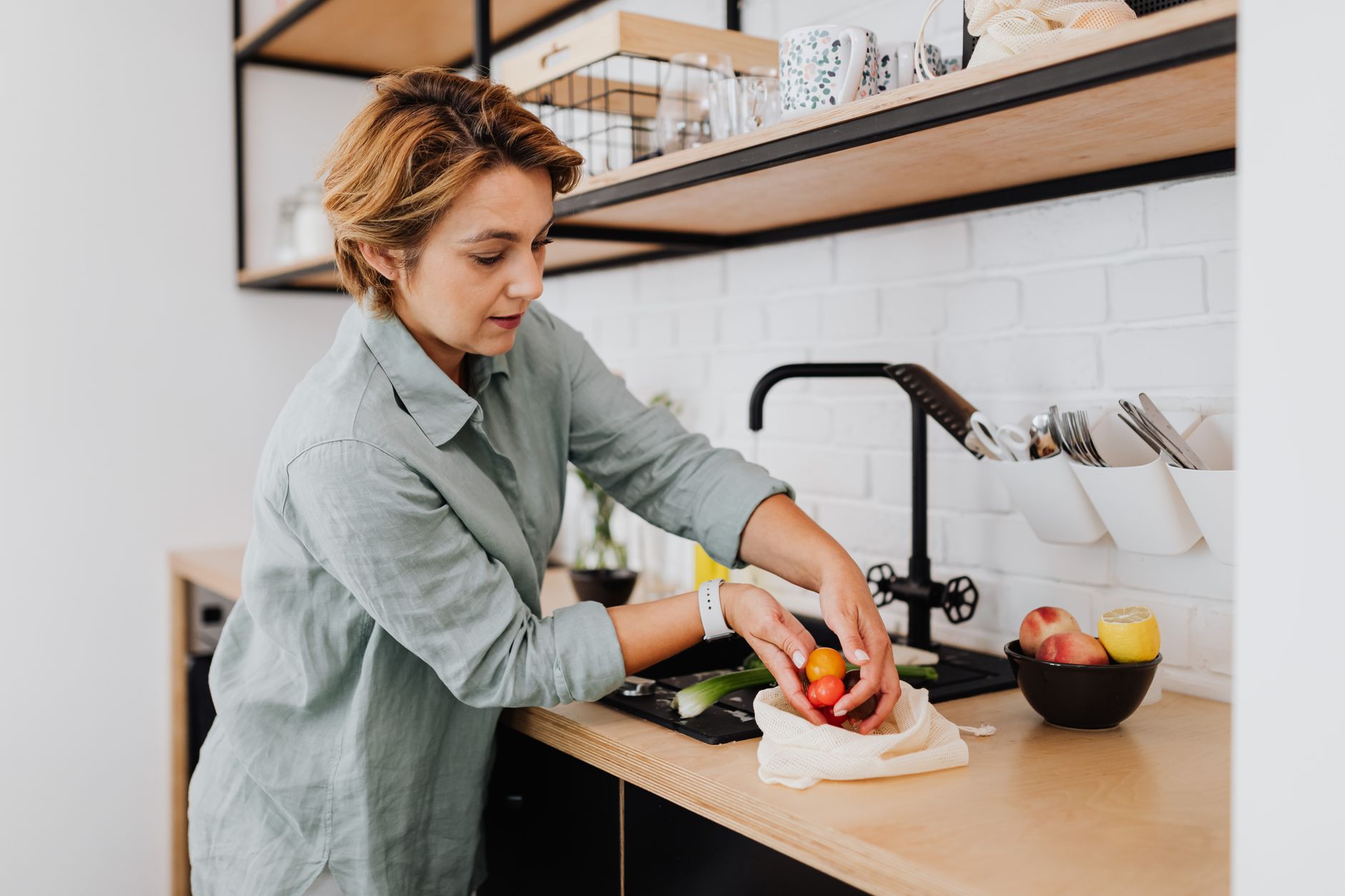
**Pro tip:** Use airtight containers to store meals for up to 4 days. If you need to freeze, opt for baking dishes or freezer-safe containers to avoid soggy veggies.
**Common mistake:** Overcooking grains or proteins. Undercook slightly and add water or broth (low-sodium, of course) when reheating.
Need more inspiration? Check out our Blue Zones Diet Grocery List for more naturally low-sodium meal ideas that focus on whole foods.
---
Low sodium snack ideas for pregnant women: Quick and satisfying
Snacking is normal during pregnancy—your body needs extra fuel! But many “healthy” snacks are secretly high in sodium. Here are 15 low-sodium snack ideas that keep you under 150 mg per serving:
**Pro tip:** If you’re craving something crunchy, try rice cakes with avocado (0 mg sodium) or seaweed snacks (check labels—some have <20 mg per sheet).
**Common mistake:** Assuming all “healthy” snacks are low in sodium. Even “light” or “reduced-fat” options can be sneaky. Always check the label!
Need more snack inspiration? Our AIP Diet Grocery List has plenty of naturally low-sodium options too.
---
Budget-friendly low sodium grocery list: Save money without sacrificing flavor
Let’s be real: pregnancy comes with unexpected expenses, and grocery shopping can feel like another bill. But you don’t need to spend a fortune to eat low-sodium. Here’s how to stretch your budget:
Shop the Perimeter
The outer edges of the grocery store (produce, meat, dairy) are where the cheapest, lowest-sodium foods live. Stock up on:
- Seasonal fruits and vegetables (they’re cheaper and fresher)
- Frozen vegetables (just check the label for “no salt added”)
- Whole grains like rice, oats, and beans (buy in bulk)
Buy in Bulk (But Smartly)
Bulk bins are great for low-sodium staples like:
- Nuts and seeds (almonds, walnuts, chia seeds)
- Dried beans and lentils (rinse well to remove any residual sodium)
- Whole grains (quinoa, brown rice)
Make Your Own
Skip the pre-packaged snacks and make your own:
- Homemade granola bars (use oats, honey, and nuts)
- Roasted chickpeas (instead of store-bought snacks)
- Low-sodium broth (simmer veggie scraps with herbs)
Store-Brand vs. Name-Brand
Store-brand items are often just as safe (and cheaper) than name brands. Compare labels side by side—you might find a store-brand canned tomato with <10 mg sodium vs. a name brand with 300 mg!
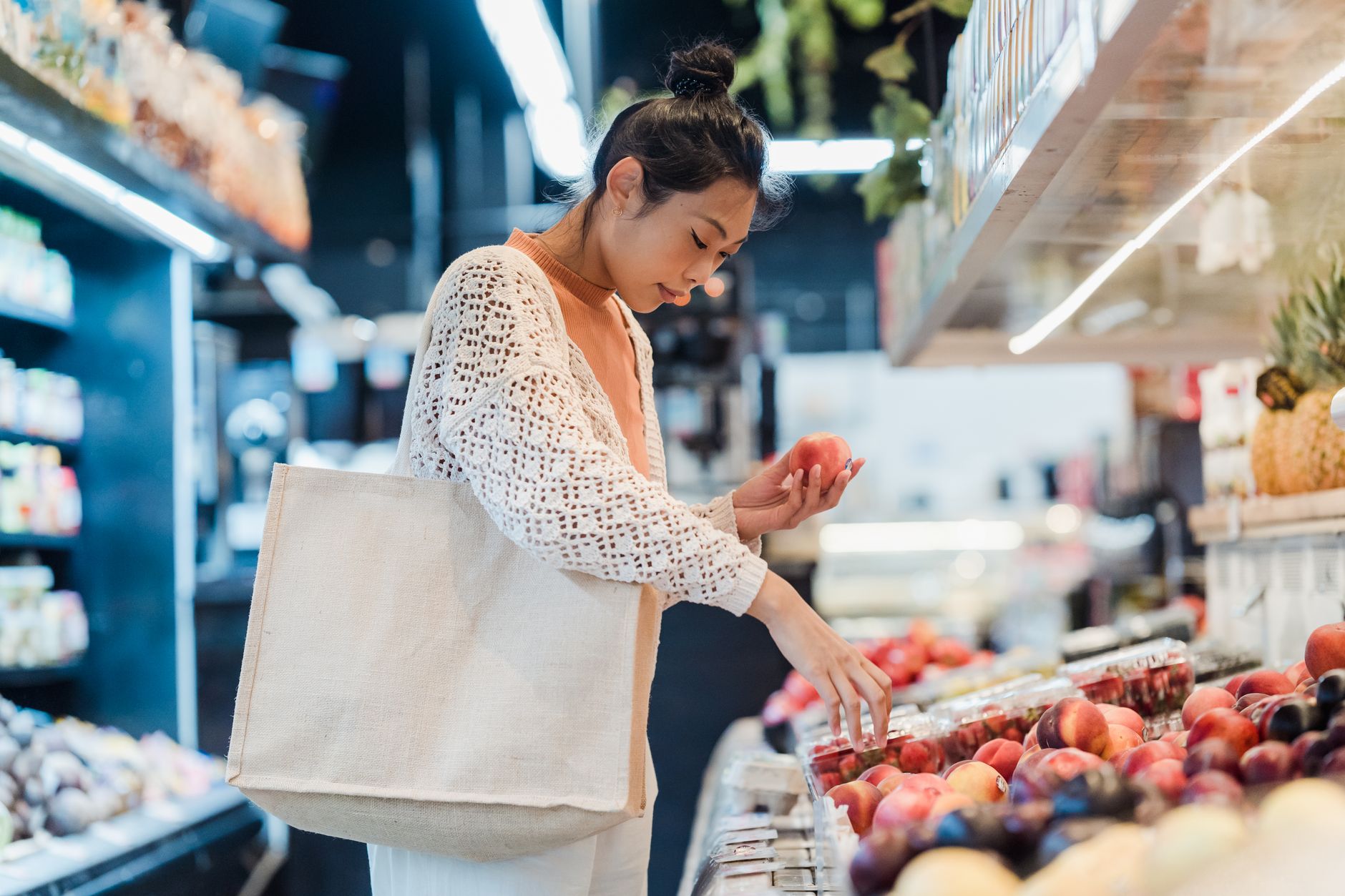
**Pro tip:** Use apps like Store Specials or Flipp to track sales on low-sodium staples like eggs, bananas, and oats.
**Common mistake:** Buying pre-cut or pre-washed veggies—these often have added sodium. Stick to whole produce and wash it yourself.
Need more budget-friendly meal ideas? Our Dairy-Free Diet Grocery List has plenty of affordable, whole-food options too.
---
How to avoid hidden sodium in restaurant meals: Your cheat sheet
Eating out during pregnancy is totally normal—and sometimes necessary! But restaurants can be a sodium minefield. Here’s how to navigate it like a pro:
Many restaurants now list sodium content on their menus. If you see a dish marked with 300 mg or less per serving, that’s a safe bet. Look for:
- Grilled or baked proteins (skip fried or breaded)
- Steamed or sautéed veggies (avoid creamy sauces)
- Salads with light dressings (ask for olive oil and lemon instead of ranch)
2. Ask Smart Questions
Don’t be afraid to ask your server or chef! Try these phrases:
- *“Is this dish made with salt or soy sauce?”*
- *“Can you hold the salt and use herbs instead?”*
- *“What’s the lowest-sodium option on the menu?”*
3. Watch Out for Sodium Traps
Even “healthy” restaurant dishes can be sneaky. Avoid:
- Bread baskets (even “whole grain” bread can have 200–400 mg per slice)
- Soups (especially creamy ones—opt for broth-based instead)
- Processed meats (like bacon or sausage)
- Frozen entrees (like frozen pizza or mac and cheese)
4. Build Your Own Plate
If you’re unsure, order à la carte and build a simple, low-sodium meal:
- Grilled chicken or fish
- Steamed veggies
- Quinoa or brown rice
- Fresh fruit for dessert
**Pro tip:** Use apps like Yelp’s sodium filters or Menu Insight to check sodium content before you go.
**Common mistake:** Assuming “healthy” restaurant chains are safe. Even salads can have 1,000+ mg sodium due to dressings and toppings. Always ask for modifications!
For more restaurant-friendly meal ideas, check out our Flexitarian Diet Grocery List—it’s full of naturally low-sodium options that work in a variety of settings.
---
Low sodium alternatives to high sodium condiments: Flavor without the salt
Condiments are the secret weapon of low-sodium eating—but many are sodium bombs. Here’s how to swap them out for flavor-packed alternatives:
**Pro tip:** Keep a small jar of low-sodium soy sauce (like Kikkoman Low Sodium) on hand for when you crave umami flavor. It’s usually <100 mg per tablespoon.
**Common mistake:** Assuming all “natural” or “artisanal” condiments are low in sodium. Always check the label—even “all-natural” BBQ sauce can have 400+ mg per serving.
For more naturally flavorful swaps, check out our Atkins Diet Grocery List—it’s full of low-sodium, high-flavor options.
---
If you’ve been diagnosed with gestational diabetes, a low-sodium diet is just one piece of the puzzle. You’ll also need to focus on blood sugar balance, which means avoiding refined carbs and sugary foods. Here’s how to adapt your low-sodium list for gestational diabetes:
Foods to Prioritize
- Non-starchy veggies: Spinach, zucchini, cauliflower, broccoli (all <5 mg sodium per cup)
- Lean proteins: Chicken, turkey, fish, tofu (0 mg sodium per serving)
- Healthy fats: Avocado, nuts, olive oil (0 mg sodium)
- Complex carbs: Quinoa, sweet potatoes, whole-grain bread (check sodium labels!)
Foods to Avoid
- Processed meats (deli turkey, bacon)
- Canned soups and broths
- Flavored yogurts and granolas
- White bread and pasta
Snack Swaps for Gestational Diabetes
- Apple slices with almond butter (0 mg sodium)
- Cottage cheese with cucumber (50 mg sodium)
- Roasted pumpkin seeds (0 mg sodium)
- Celery with peanut butter (0 mg sodium)
**Pro tip:** Pair carbs with protein or fat to slow digestion and stabilize blood sugar. For example, eat an apple with cheese instead of alone.
For more gestational diabetes-friendly meal ideas, check out our Blue Zones Diet Grocery List—it’s packed with whole-food, blood-sugar-balancing options.
---
Low sodium diet for high blood pressure during pregnancy: What else to watch for
If you’ve been diagnosed with preeclampsia or chronic high blood pressure during pregnancy, your doctor may recommend an even more restrictive sodium limit—sometimes as low as <1,000 mg/day. Here’s how to go even lower:
- Rinse canned beans and veggies thoroughly before cooking.
- Avoid processed cheeses (like American cheese) and opt for fresh or low-sodium varieties.
- Skip the salt shaker entirely—use herbs, citrus, and vinegars for flavor.
- Limit cured meats (like salami or pepperoni) to <1 serving per week.
Foods to Avoid Completely
- Instant noodles and ramen
- Canned soups and broths
- Processed deli meats
- Flavored nuts and seeds
**Pro tip:** If you’re craving something salty, try olives (in moderation—check sodium content) or seaweed snacks (some brands have <20 mg per sheet).
For more blood-pressure-friendly meal ideas, check out our Dairy-Free Diet Grocery List—many dairy-free options are naturally lower in sodium.
---
Myth vs. Fact: Low sodium diet during pregnancy
There’s a lot of misinformation out there about sodium and pregnancy. Let’s set the record straight:
Myth: “I can just cut out salt and I’ll be fine.”
Fact: Sodium isn’t just in table salt—it’s hiding in processed foods, canned goods, and even “healthy” snacks. You need to read labels and choose whole foods to truly reduce sodium intake.
Myth: “Low-sodium diets are boring and tasteless.”
Fact: Herbs, spices, citrus, vinegars, and fresh ingredients make flavorful, satisfying meals. You don’t have to sacrifice taste—just swap salt for other seasonings.
Myth: “I don’t need to worry about sodium until my second trimester.”
Fact: Sodium matters from the start. Even in early pregnancy, reducing processed foods can help prevent swelling and high blood pressure later on.
Myth: “All ‘low-sodium’ foods are safe.”
Fact: “Low-sodium” doesn’t mean zero sodium. Always check the label, especially for can




