hen you’re in a rush, you need snacks that are low in potassium (<20mg per serving), portable, and won’t spoil in your bag. Here’s what to keep stocked:
- Fresh herbs (basil, parsley, cilantro): Sprinkle on meals or blend into dressings. Potassium: ~10mg per tablespoon. Bonus: Freeze extras in ice cube trays for later use.
- Hard-boiled eggs: Pre-boil and store in the fridge. Potassium: ~6mg per egg. Pro tip: Peel and store in an airtight container with a damp paper towel to keep them fresh for up to 5 days.
- Plain yogurt (unsweetened, dairy or coconut-based): Check labels for added potassium. Potassium: ~30mg per ½ cup. Variation: Try Greek yogurt (lower in potassium than regular yogurt) or coconut yogurt (~25mg per ½ cup). New tip: Add a pinch of cinnamon or vanilla extract for flavor without potassium.
- Cheese sticks or slices (cheddar, mozzarella): Stick to low-potassium varieties. Potassium: ~20mg per stick. Tip: Opt for pre-shredded cheese (often lower in potassium than block cheese due to processing). New tip: Pair with cucumber slices for a refreshing crunch.
- Low-potassium crackers (like Saltine or Ryvita): Avoid flavored or seed-based options. Potassium: ~15mg per 10 crackers. Alternative: Try gluten-free rice cakes (~20mg per cake). New tip: Store crackers in the freezer for up to 3 months to extend freshness.
- Dark chocolate (70%+ cocoa, in moderation): A small square (10g) has ~15mg. Skip chocolate bars with dried fruit. Fun fact: Dark chocolate is rich in magnesium and iron, which can help balance electrolyte levels when potassium is restricted. New tip: Pair with a few raspberries (~25mg per cup) for a sweet-and-savory combo.
- Processed meats (in moderation): Turkey or chicken jerky (check labels—some brands have <50mg per serving). Potassium: ~25mg per oz. Caution: Avoid jerky with added potassium citrate or other potassium-rich additives. New tip: Look for brands labeled “low-potassium” or “no added potassium.”
- Popcorn (air-popped, no salt): A 3-cup serving has ~25mg. Skip pre-packaged buttered or flavored kinds. Upgrade: Sprinkle with nutritional yeast (~10mg per tbsp) for a cheesy flavor without the potassium. New tip: Use a popcorn maker with a built-in timer to avoid overcooking.
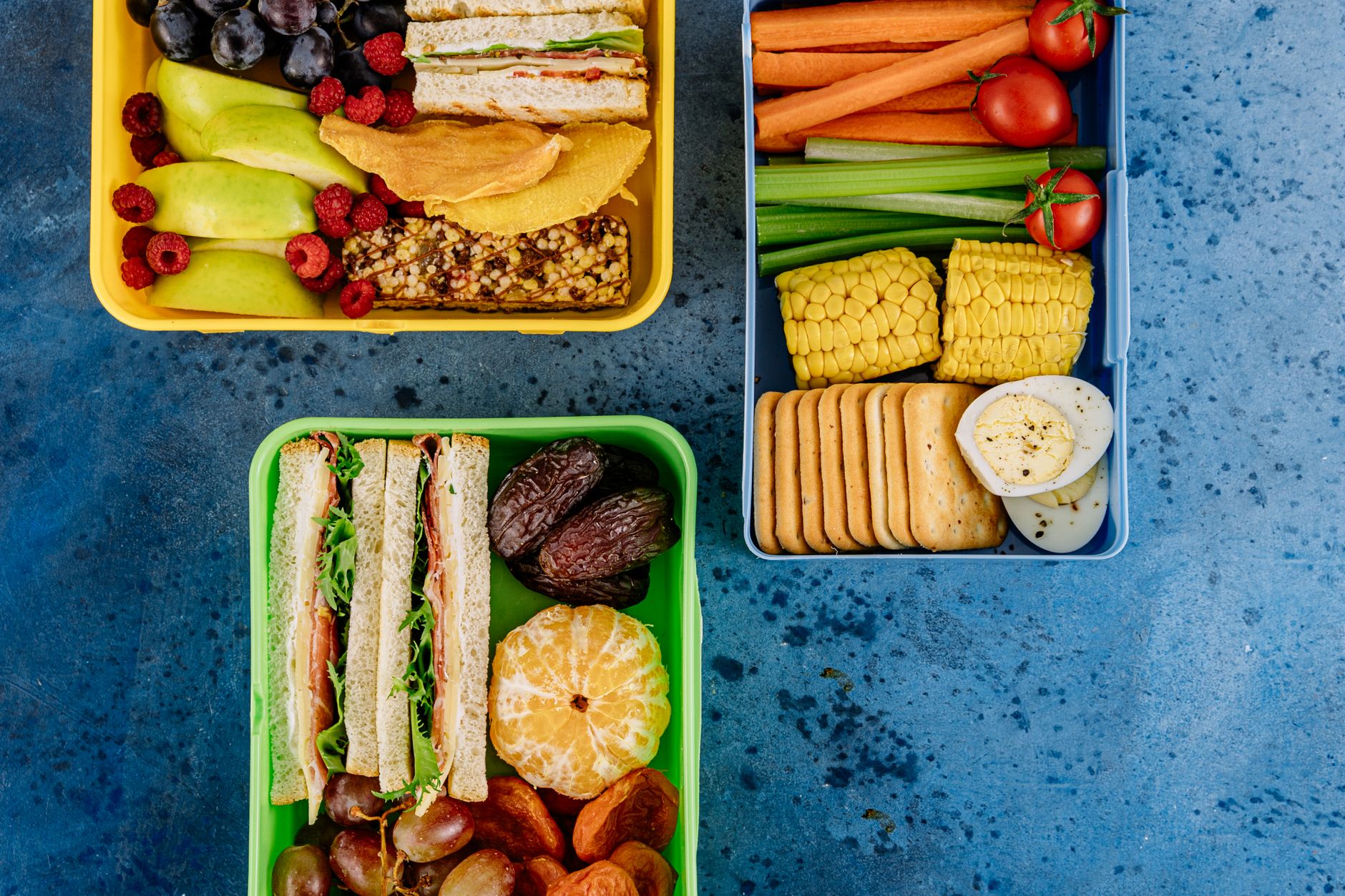
Pro tip: If you’re at a restaurant or office, ask for plain cheese, plain crackers, or cucumber slices—they’re often low-potassium options. Script for servers: “I’m on a low-potassium diet. Could you bring me plain cheese and crackers, please?” New tip: Always carry a small notebook to jot down restaurant snack options and potassium content.
---
Low Potassium Snack Ideas for Pregnant Women: Safe and Satisfying
Pregnancy throws your body into overdrive, and many women are told to limit potassium—especially if they have preeclampsia or kidney concerns. But you don’t have to live on plain rice cakes. Here’s how to snack smart:
**Safe choices:**
- Cottage cheese (low-fat): ~150mg per ½ cup. Pair with cucumber or cherry tomatoes. Tip: Look for brands with <100mg per serving to stay within safe limits. New tip: Add a sprinkle of chives for extra flavor.
- Plain rice cakes: ~20mg per cake. Top with peanut butter (if tolerated). Alternative: Try almond flour rice cakes (~15mg per cake). New tip: Store peanut butter in small portions to avoid spoilage.
- Sliced bell peppers (red or yellow): ~120mg per cup—less than green peppers! Dip in hummus (check for low-potassium brands). Fun fact: Bell peppers are also high in vitamin C, which supports immune health during pregnancy. New tip: Roast bell peppers with olive oil and herbs for extra flavor.
- Plain Greek yogurt with a drizzle of honey: ~35mg per ½ cup. Sweetener swap: Use stevia or monk fruit instead of honey if you’re monitoring sugar intake. New tip: Add a few raspberries (~25mg per cup) for natural sweetness.
- Turkey or chicken roll-ups: Use low-potassium deli meat (check labels) wrapped in lettuce. Pro tip: Roll up with avocado-free mayo (some brands have <10mg per tbsp). New tip: Use a tortilla made from low-potassium ingredients like cauliflower.
Avoid: Bananas, oranges, potatoes, spinach, and avocados—these are high-potassium traps.
Representative story: “I was craving something sweet during my third trimester, but all the snacks had potassium in them. Then I found plain yogurt with a sprinkle of cinnamon—it hit the spot and kept my potassium in check. Now I keep a stash of unsweetened almond milk yogurt in my freezer. I also discovered that a few raspberries (~25mg per cup) can satisfy my sweet tooth without spiking my potassium.”
For more pregnancy-safe snacking, check out our guide to low-potassium foods during pregnancy.
---
Low Potassium Snack Recipes for Work: Meal-Prep Friendly
No one wants to eat a sad desk salad every day. Here are three easy, portable recipes that require minimal prep:
1. Cheesy Egg Muffins (Make a batch on Sunday)
Ingredients: 6 eggs, ¼ cup shredded cheddar, 2 tbsp milk, salt. Whisk eggs, pour into greased muffin tins, top with cheese, bake at 350°F for 20 mins. Potassium: ~12mg per muffin. Upgrade: Add diced bell peppers (~100mg per ½ cup) for extra flavor and nutrients. New tip: Freeze extras for up to 3 months; reheat in the microwave for 30 seconds.
2. Cucumber and Cheese Roll-Ups
Layer thinly sliced cucumber with low-potassium cheese (like cheddar) and a smear of cream cheese. Roll tightly. Potassium: ~15mg per roll-up. Variation: Use turkey slices instead of cheese for a meatier option (~20mg per oz). New tip: Store in an airtight container with a damp paper towel to keep cucumbers crisp.
3. Popcorn and Nut-Free Trail Mix (No Nuts? No Problem!)
Air-pop 3 cups popcorn, toss with ¼ cup sunflower seeds and 1 tbsp olive oil. Potassium: ~25mg per serving. Alternative: Use pumpkin seeds (~15mg per tbsp) for a different crunch. New tip: Portion trail mix into small bags for easy grab-and-go.
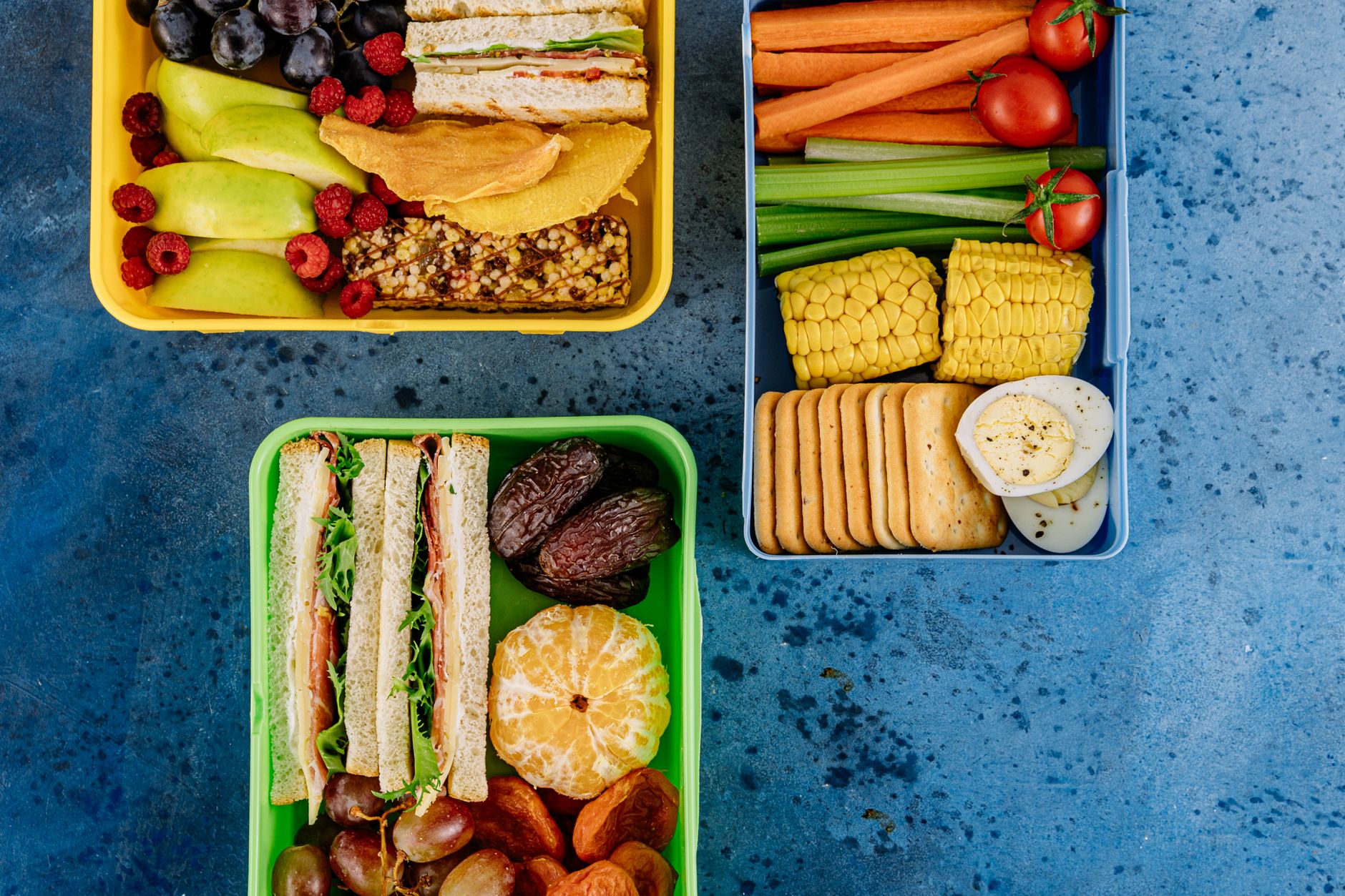
Pro tip: Use silicon molds to portion snacks like cheese cubes or crackers—easy to grab and go. New tip: Label containers with the date and potassium content for easy tracking.
---
Low Potassium Snack Options for Grocery Store: What to Grab in a Hurry
When you’re in the store, avoid the snack aisle’s usual suspects (trail mix, dried fruit, potato chips) and head for these sections instead:
- Dairy aisle: Plain yogurt, cheese sticks, or hard cheeses (like Gouda). Tip: Look for “low-potassium” labels or brands like Horizon or Kite Hill. New tip: Opt for lactose-free dairy if lactose intolerance is a concern.
- Produce section: Bell peppers, cauliflower, zucchini, or cucumbers. Caution: Avoid leafy greens like spinach or kale. New tip: Buy pre-washed veggies to save time.
- Bakery: Plain crackers, rice cakes, or gluten-free bread (check labels). Alternative: Try pita bread (~30mg per slice) for a heartier option. New tip: Look for bread with added fiber for extra satisfaction.
- Meat counter: Pre-cooked chicken or turkey slices (low-potassium brands). Tip: Ask for “no added potassium” options. New tip: Request turkey or chicken that’s been seasoned with herbs instead of salt.
- Snack aisle (hidden gems): Saltine crackers, plain pretzels, or low-potassium jerky. Pro tip: Brands like Quest or Boar’s Head often have lower-potassium jerky (~25mg per oz). New tip: Check the “low-sodium” section, as these snacks are often lower in potassium.
Pro tip: If you see a product labeled “low-sodium”, it’s often lower in potassium too. Bonus: Pair low-sodium snacks with herbs (like basil or parsley) for extra flavor without added potassium. New tip: Use a small spray bottle with olive oil to add flavor to crackers or veggies.
---
Low Potassium Snack Packs for Travel: Packing Like a Pro
Traveling with a low-potassium diet? You need insulated bags, ice packs, and smart packing. Here’s how to do it:
- Use a cooler bag with ice packs for perishables like cheese, yogurt, or hard-boiled eggs. Tip: Freeze a water bottle overnight to use as an ice pack. New tip: Pack a small thermos for hot drinks like tea or coffee.
- Portion snacks in reusable containers (like bento boxes) to avoid mess. Upgrade: Use silicone dividers to keep snacks separate. New tip: Use stackable containers to save space.
- Pack non-perishables in a separate bag: crackers, jerky, or dark chocolate. Tip: Use a small backpack or crossbody bag for easy access. New tip: Attach a small water bottle to your bag for hydration.
- Bring a small cutting board and knife for fresh snacks like cucumber slices. Alternative: Pack pre-sliced veggies in a vacuum-sealed bag. New tip: Use a collapsible cutting board to save space.
Sample travel pack:
- 2 cheese sticks
- 1 yogurt tube (coconut-based for lower potassium)
- 10 crackers (rice cakes or Saltines)
- 1 small bag of popcorn (air-popped)
- 1 cucumber (peeled and sliced, stored in a container with a damp paper towel)
- 1 small bag of sunflower seeds (~15mg per tbsp)
- 1 thermos of hot tea or coffee
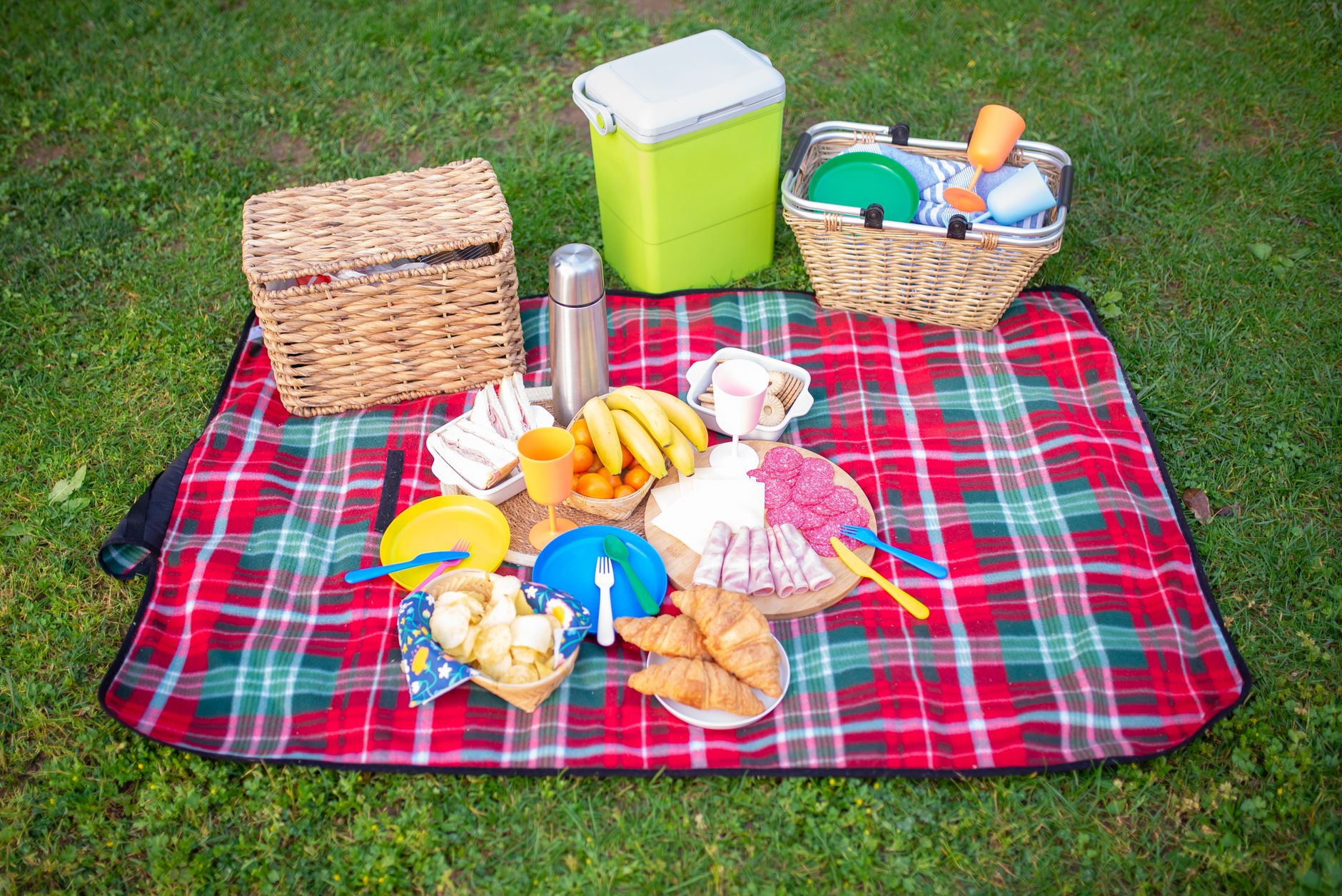
Pro tip: If you’re flying, check your airline’s snack policies—some allow empty water bottles to refill post-security. Airport hack: Fill your water bottle at the security checkpoint and add ice from the water fountain. New tip: Pack a small umbrella for unexpected rain or sun protection.
---
Low Potassium Snack List for Hospital Stay: What to Bring (or Ask For)
Hospitals aren’t exactly snack-friendly, but you can advocate for yourself. Here’s what to bring (or ask the staff for):
- Plain crackers or rice cakes (ask for unsalted). Tip: Bring a small pack of your favorite brand to avoid confusion. New tip: Ask for crackers without added potassium citrate.
- Cheese slices or cheese cubes (low-potassium varieties). Alternative: Ask for cottage cheese (check the label for potassium content). New tip: Request cheese that’s been baked or grilled instead of processed.
- Hard-boiled eggs (pre-peeled for convenience). Tip: Pack them in a small container with a damp paper towel. New tip: Bring a small steamer to reheat eggs if needed.
- Plain yogurt or pudding (unsweetened). Tip: Choose brands like Silk or Chobani with <30mg per serving. New tip: Ask for yogurt without added potassium citrate.
- Popcorn or pretzels (plain, no toppings). Alternative: Ask for plain rice cakes or crackers. New tip: Request popcorn that’s been air-popped without added salt.
- A small blender to make smoothies with low-potassium ingredients (like coconut milk and berries). Recipe: Blend ½ cup coconut milk, ½ cup raspberries (~25mg), and 1 tbsp sunflower seeds (~15mg). New tip: Bring a small pitcher to mix ingredients.
Script for hospital staff:
“I’m on a low-potassium diet. Could you check the nutrition labels on the snacks? I’d love to avoid anything with more than 20mg of potassium per serving. If you don’t have low-potassium options, could you bring me plain cheese, crackers, or cucumber slices?”
Pro tip: If you’re staying long-term, ask for a dietitian consult—many hospitals have low-potassium meal plans. Follow-up: Request a list of approved snacks from the dietitian to share with staff. New tip: Bring a small notebook to jot down any questions for the dietitian.
---
Low Potassium Snack Ideas for Teens and Older Adults
Low-potassium diets aren’t just for adults—they’re also important for teens with kidney disease or older adults managing hypertension. Here’s how to adapt snacks for different life stages:
For Teens
- Cheese and cracker platter: Pair low-potassium cheese with rice cakes or plain crackers. Tip: Let teens assemble their own snacks for fun. New tip: Add a small bowl of hummus (low-potassium brand) for dipping.
- Hard-boiled egg and veggie sticks: Serve with cucumber or bell pepper slices. Upgrade: Add a small container of hummus (check for low-potassium brands). New tip: Use cookie cutters to make fun shapes out of veggies.
- Popcorn bar: Set out plain popcorn and let teens sprinkle with nutritional yeast or a pinch of salt. Tip: Use a small bowl for portion control. New tip: Add a few dark chocolate squares for a sweet option.
For Older Adults
- Cottage cheese with herbs: Top with fresh basil or parsley for flavor. Tip: Add a drizzle of olive oil for healthy fats. New tip: Pair with a few sunflower seeds for extra crunch.
- Turkey and cheese roll-ups: Use low-potassium deli turkey wrapped in lettuce. Alternative: Try smoked salmon (~20mg per oz) for a different protein source. New tip: Use a tortilla made from low-potassium ingredients like cauliflower.
- Dark chocolate and nuts (in moderation): Pair a small square of dark chocolate with a handful of sunflower seeds. Tip: Portion nuts in small bags to avoid overeating. New tip: Add a few raspberries for a sweet-and-savory combo.
Key difference: Teens may need more variety to stay engaged, while older adults benefit from easy-to-prepare, nutrient-dense snacks. Always consult a dietitian to tailor portions to individual needs.
---
Low Potassium Diet Foods: The Full Breakdown
Not all low-potassium foods are created equal. Here’s a quick comparison table of common low-potassium options:
For a full grocery list, check out our guide to low-potassium foods.
---
How to Read Nutrition Labels for Potassium Content
Labels can be confusing, but here’s how to spot hidden potassium:
- Look for “% Daily Value”: Anything over 5% is high. Aim for <5% per snack. Example: A bag of pretzels might say “15% DV per serving”—that’s high. New tip: Check the serving size to ensure you’re comparing accurate amounts.
- Check ingredient lists for potassium-rich foods like bananas, oranges, or tomatoes. Watch for: “Natural flavors,” “fruit juice concentrate,” or “potassium citrate” (an additive). New tip: Look for “no added potassium” on the label.
- Avoid “natural” or “no added salt” claims—these can still be high in potassium. Tip: “No added salt” often means no added sodium, but potassium can still be present. New tip: Compare brands side by side to find the lowest-potassium option.
- Compare brands: Some crackers have <10mg per serving; others have >100mg. Pro tip: Use a potassium tracker app to log snacks and stay within your limit. New tip: Take photos of labels to review later.
- Watch for “low-sodium” labels: These are often lower in potassium too. Example: Low-sodium crackers may have <20mg per serving. New tip: Look for “very low-sodium” options for even lower potassium.
Example: A bag of pretzels might say “0g fat, 0g sugar, 150mg potassium per serving.” That’s high—opt for plain crackers instead. Alternative: Try gluten-free rice cakes (~20mg per cake). New tip: Always double-check the label for any unexpected ingredients.
---
Storing and Transporting Low Potassium Snacks
Snacks spoil fast if not stored right. Here’s how to keep them fresh:
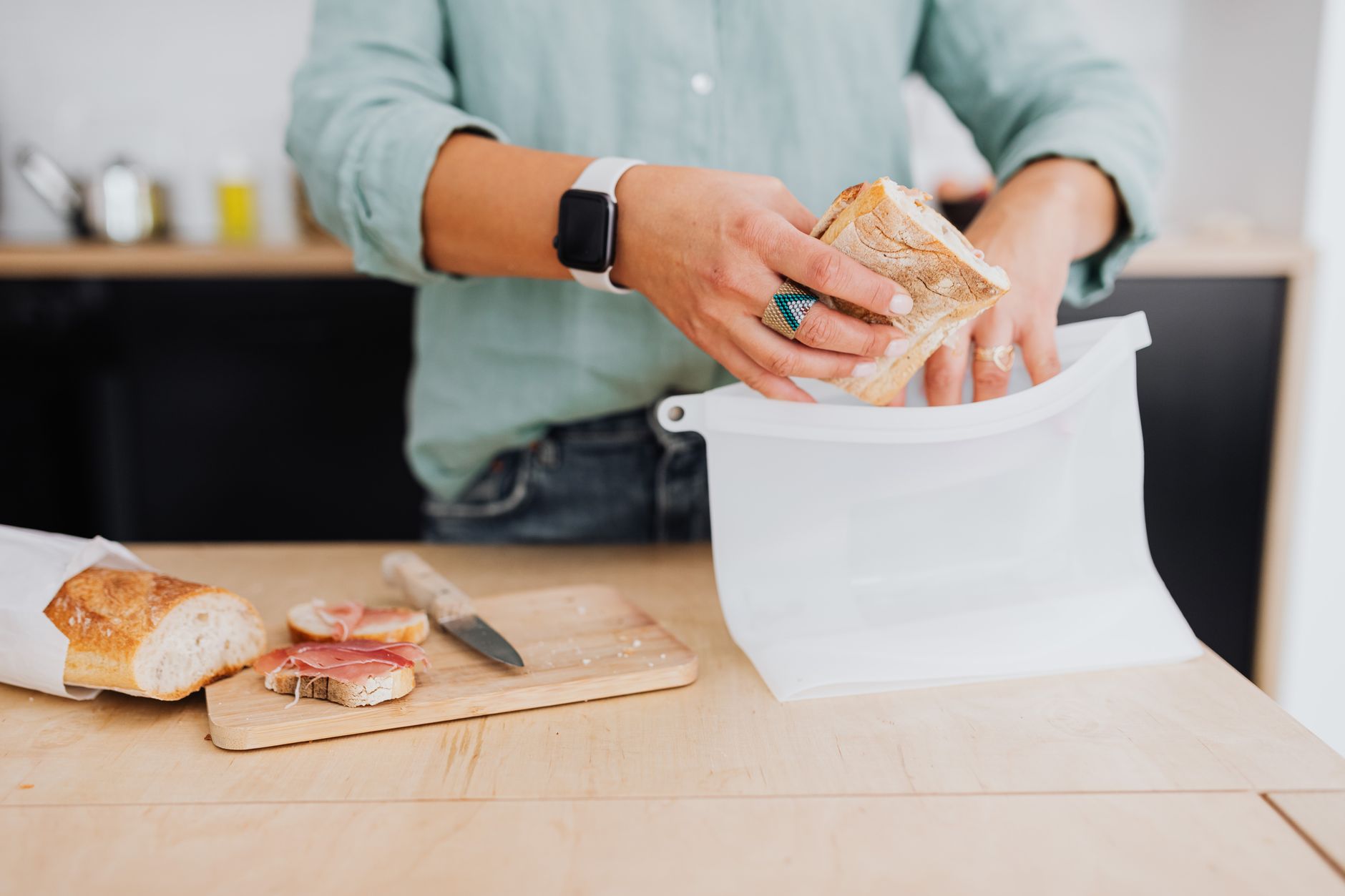
- Use airtight containers for crackers, popcorn, or nuts to avoid moisture. Tip: Store crackers in the freezer for up to 3 months to extend freshness. New tip: Use vacuum-sealed bags for extra protection.
- Freeze perishables like yogurt or cheese for longer trips. Tip: Freeze yogurt in individual tubes for easy grab-and-go convenience. New tip: Use silicone molds to portion cheese into small cubes.
- Avoid plastic bags for fresh foods (like cucumbers)—use reusable containers. Tip: Wrap cucumbers in a damp paper towel to keep them crisp. New tip: Use mesh bags for herbs to keep them fresh longer.
- Keep a small cooler bag in your car or bag for hot days. Upgrade: Use a thermal bag with ice packs for longer outings. New tip: Pack a small fan for extra cooling.
- Label everything with the date and potassium content. Tip: Use a whiteboard marker on containers for easy reading. New tip: Use color-coded labels for different types of snacks.
---
Low Potassium Diet Side Effects: What to Watch For
Cutting potassium too aggressively can cause muscle cramps, fatigue, or irregular heartbeat. According to the American Heart Association, most adults need <2,000–3,500mg per day—but those with kidney disease or certain medications may need <2,000mg total.
Signs you’re eating too little:
- Muscle weakness or cramps (especially in the legs or feet)
- Heart palpitations or irregular heartbeat
- Dizziness or confusion (especially when standing up)
- Numbness or tingling in hands/feet
- Fatigue or extreme tiredness
If you experience these symptoms, stop restricting potassium and consult your doctor. You may need a potassium supplement or adjustments to your diet. Emergency sign: If you experience chest pain or severe shortness of breath, seek medical attention immediately.
---
Low Potassium Diet Restrictions: What’s Off-Limits?
Some foods are dangerously high in potassium. Here’s what to avoid:
- Bananas, oranges, and other citrus fruits (>400mg per fruit). Alternative: Strawberries (~20mg per cup) or raspberries (~25mg per cup). New tip: Pair with a small square of dark chocolate for a sweet treat.
- Potatoes and sweet potatoes (>500mg per medium potato). Swap: Cauliflower mash (~25mg per cup) or zucchini noodles (~100mg per cup). New tip: Use cauliflower rice as a base for stir-fries.
- Spinach, Swiss chard, and beets (>500mg per cup). Alternative: Green beans (~200mg per cup) or lettuce (~150mg per cup). New tip: Use lettuce wraps for sandwiches instead of bread.
- Avocados (>400mg per half). Swap: Guacamole made with cauliflower (~100mg per ¼ cup). New tip: Try avocado-free guacamole with zucchini and herbs.
- Tomatoes and tomato sauce (>400mg per cup). Alternative: Zucchini noodles with pesto (check for low-potassium brands). New tip: Use zucchini as a base for sauces and soups.
- Nuts and seeds (most varieties) (>200mg per oz). Exceptions: Sunflower seeds (~15mg per tbsp) or pumpkin seeds (~15mg per tbsp). New tip: Use seeds as a crunchy topping for salads or yogurt.
- Processed meats with added potassium (e.g., some jerky or deli meats). Tip: Always check labels for “potassium citrate” or “potassium chloride.” New tip: Look for meats labeled “no added potassium.”
For a full list of restricted foods, check our grocery guide.
---
Low Potassium Diet for Kidney Disease: Special Considerations
If you have chronic kidney disease (CKD), your doctor may recommend <1,500mg of potassium per day. Here’s how to adjust:
- Limit dairy (cheese is lower than yogurt). Tip: Choose hard cheeses like Gouda or cheddar (~20mg per oz). New tip: Opt for lactose-free dairy if lactose intolerance is an issue.
- Avoid processed meats (high in sodium *and* potassium). Swap: Fresh chicken or turkey (~150mg per 3 oz). New tip: Season meats with herbs and spices instead of salt.
- Cook vegetables in water and drain to reduce potassium. Tip: Use the starchy water for soups or sauces (but avoid drinking it). New tip: Blend cooked veggies into smoothies for easy digestion.
- Work with a dietitian to tailor your plan. Pro tip: Ask for a potassium-restricted meal plan from your hospital or clinic. New tip: Request a personalized potassium tracker to monitor intake.
- Monitor supplements: Many vitamins and minerals contain potassium. Tip: Choose potassium-free multivitamins. New tip: Ask your doctor about potassium-free alternatives to common supplements




