

Quick take: A low potassium diet is medically necessary for people with kidney disease, heart failure, or certain medications that cause potassium loss — but it’s not a one-size-fits-all solution. While it can help manage conditions like hypertension or kidney stones, cutting potassium too aggressively can lead to muscle weakness, fatigue, or even dangerous heart rhythms. Always work with your provider to monitor levels and replace lost nutrients like magnesium and calcium. If you’re pregnant or elderly, extra caution is needed.Low Potassium Diet Benefits and Side Effects: The Complete 2026 Guide
You’re scrolling through your phone at 2am, heart pounding, when you see it again: “potassium levels too low.” Your provider’s note from last week flashes in your mind. You’ve been feeling weak, like your legs give out when you stand up too fast. Maybe you’ve been peeing more than usual, or your muscles ache even after light exercise. You’ve heard potassium is important, but what if less is the answer?
This isn’t just a diet — it’s a medical necessity for some, a lifeline for others. A low potassium diet can be a game-changer for people managing kidney disease, heart failure, or certain medications that flush potassium right out of your system. But it’s also a tightrope walk. Too little potassium, and you risk muscle cramps, irregular heartbeat, or even paralysis. Too much focus on restriction, and you might miss out on other critical nutrients your body needs to thrive.
We’re breaking down everything you need to know: the science-backed benefits, the real risks, how to do it safely, and when to call your doctor. Whether you’re navigating dialysis, high blood pressure, or just trying to understand your lab results, this guide will help you make informed choices — without the guesswork.
Let’s start with the most urgent question: Who actually needs a low potassium diet?
---Who needs a low potassium diet?
Most of us hear about potassium as the “good” electrolyte — the one in bananas that keeps our hearts beating and muscles moving. But for some people, less is exactly what the doctor ordered. A low potassium diet is a medical intervention, not a fad. Here’s when your provider might recommend it:
- Kidney disease or kidney failure: Healthy kidneys filter out excess potassium, but when they’re not working well, potassium builds up in your blood (hyperkalemia). A low potassium diet helps prevent dangerous spikes.
- Heart failure or heart disease: High potassium can strain your heart, especially if you have conditions like congestive heart failure or recent heart attacks.
- Certain medications: Diuretics (like furosemide), some blood pressure drugs, or even chemotherapy can cause potassium loss. If your levels dip too low (hypokalemia), your provider may ask you to cut back on potassium-rich foods.
- Acute kidney injury (AKI): A sudden drop in kidney function can lead to rapid potassium imbalances, requiring temporary dietary changes.
- Dialysis patients: If you’re on hemodialysis or peritoneal dialysis, your treatment team will monitor your potassium closely and adjust your diet accordingly.
But here’s the catch: most healthy people don’t need to restrict potassium. The average adult needs about 2,600–3,400 milligrams per day, and unless you have a specific medical condition, cutting it out isn’t beneficial — it’s just risky. If you’re not in one of the groups above, a low potassium diet might do more harm than good.
**Representative story:** One reader, Sarah (38), was diagnosed with stage 3 chronic kidney disease after a routine blood test showed her potassium at 5.8 mEq/L (the normal range is 3.6–5.0). Her nephrologist explained that her kidneys weren’t filtering potassium efficiently, and if she didn’t adjust her diet, she risked life-threatening heart arrhythmias. Sarah had to learn to read food labels like never before — no more avocados, no more sweet potatoes, and even her morning orange juice became a no-go. “At first, I felt like I was missing out,” she says, “but my provider also emphasized replacing lost electrolytes with magnesium and calcium. It’s not just about cutting; it’s about balancing.”
If you’re curious about your own potassium levels, ask your provider for a simple blood test. It’s the only way to know if a low potassium diet is right for you.
---Low potassium diet benefits for kidney disease
- Irregular heartbeat (arrhythmias)
- Fatigue or weakness
- Numbness or tingling in hands/feet
- In severe cases, cardiac arrest
A low potassium diet helps lower these risks by reducing the amount of potassium your body absorbs. Studies show that patients with chronic kidney disease (CKD) who follow a low potassium diet have fewer hospitalizations for heart-related issues (heart-healthy diets are often recommended alongside dietary potassium adjustments). The National Kidney Foundation recommends limiting potassium to 2,000–3,000 mg/day for early-stage CKD and even lower (1,000–2,000 mg) for later stages.
**Key benefit:** Reducing potassium intake can also help manage other complications of kidney disease, like high blood pressure and fluid retention. Many patients report feeling less bloated and more energetic when they stick to a low potassium plan.
**But here’s the balance:** Cutting potassium too aggressively can lead to hypokalemia (low potassium), which has its own risks. That’s why your provider will likely monitor your levels regularly and adjust your diet as needed.
---Side effects of low potassium diet in pregnancy
If you’re pregnant and your provider has suggested a low potassium diet, you’re probably feeling a mix of relief and anxiety. “I can’t believe I have to give up bananas,” one mom-to-be joked in our reader community — but the reality is more nuanced. Here’s what you need to know:
Pregnancy itself can affect potassium levels. Some women experience hyperkalemia due to hormonal changes or kidney stress, while others may develop hypokalemia if they’re vomiting frequently (a common pregnancy symptom) or taking diuretics. If your provider recommends a low potassium diet, it’s usually because:
- You have a pre-existing kidney condition.
- You’re at risk for preeclampsia (high blood pressure during pregnancy).
- You’re taking medications that lower potassium (like certain blood pressure drugs).
**Potential side effects of a low potassium diet during pregnancy:
- Muscle cramps or weakness: Potassium helps muscles contract properly. Low levels can cause painful cramps, especially in your calves or feet.
- Fatigue or dizziness: Your body needs potassium to produce energy. Without enough, you might feel unusually tired or lightheaded.
- Irregular heartbeat: While rare, severe potassium deficiency can affect your heart’s rhythm.
- Constipation: Potassium helps regulate digestion. Cutting it out can slow things down.
**But don’t panic:** Most pregnant women don’t need to restrict potassium unless their provider specifically advises it. If you’re following a low potassium diet, focus on replacing lost nutrients with:
- Magnesium-rich foods (spinach, almonds, pumpkin seeds)
- Calcium-rich foods (dairy, fortified plant milks)
- Healthy fats (avocado oil, olive oil — even if avocados are off-limits)
**Representative story:** Emily, a 32-year-old in her third trimester, was diagnosed with gestational hypertension and mild preeclampsia. Her obstetrician recommended a low potassium diet to help manage her blood pressure. “I felt like I was missing out on so much,” she admits, “but my provider gave me a list of safe alternatives. I swapped sweet potatoes for butternut squash, and I started taking a magnesium supplement. I still had cravings, but I found ways to make it work.”
**Bottom line:** If you’re pregnant and considering a low potassium diet, talk to your provider first. They may recommend monitoring your levels with regular blood tests to ensure you’re not at risk for deficiency.
---How to maintain a low potassium diet safely
So you’ve got the green light from your provider to try a low potassium diet. Now what? The key is balance. You’re not just cutting potassium — you’re rebuilding your diet with nutrient-dense, safe alternatives. Here’s how to do it the smart way:
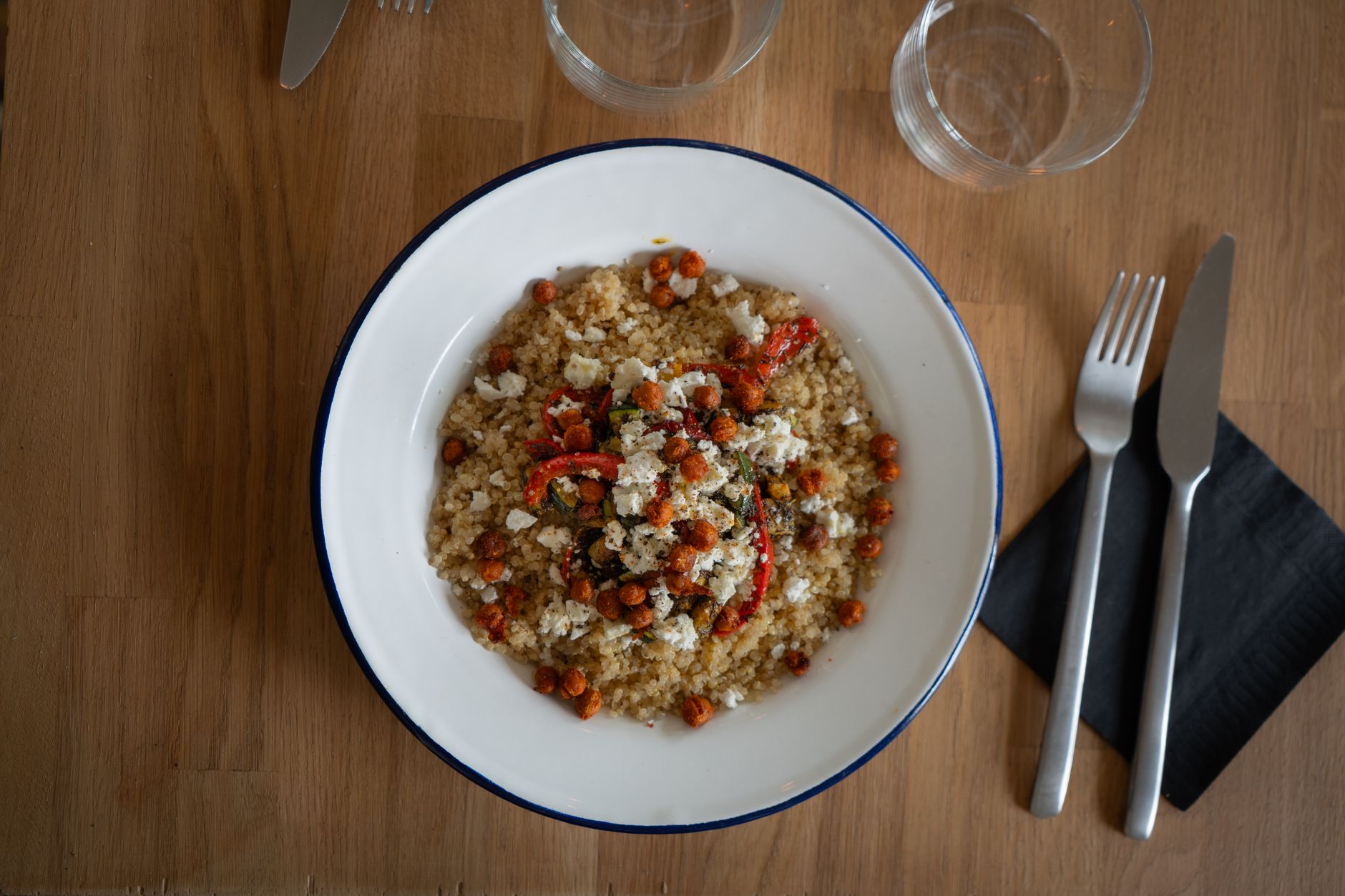
Step 1: Learn which foods to avoid
Potassium is hiding in some surprising places. Here are the biggest offenders:
Foods to limit or avoid on a low potassium diet:
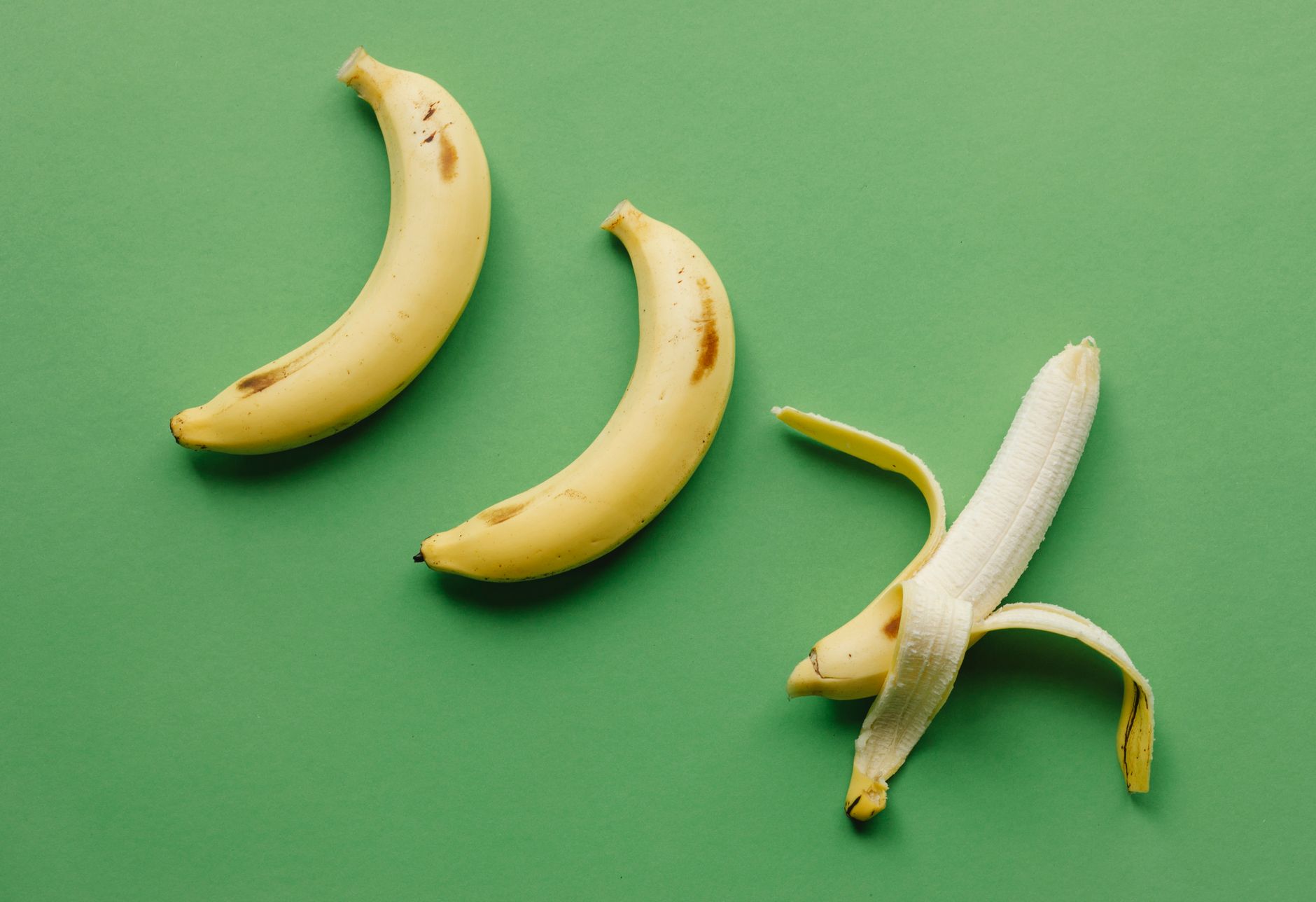
- Bananas, oranges, and other citrus fruits
- Avocados
- Sweet potatoes and regular potatoes
- Spinach, Swiss chard, and other leafy greens
- Tomatoes and tomato sauce
- Coconut water and most fruit juices
- Beets and beet greens
- Dried fruits (raisins, apricots, prunes)
- Legumes (beans, lentils, chickpeas)
- Nuts and seeds (except pumpkin seeds and almonds in moderation)
Step 2: Focus on safe, potassium-friendly foods
You don’t have to eat boring meals. Here are some great low-potassium alternatives:
Safe low-potassium foods:
- Meats: Chicken, turkey, beef, pork (lean cuts preferred)
- Fish: Cod, haddock, tilapia, white fish
- Eggs
- Low-potassium vegetables: Cauliflower, zucchini, green beans, carrots, lettuce
- Grains: White rice, quinoa, oats
- Dairy: Plain yogurt, cottage cheese, milk (in moderation)
- Fats: Olive oil, coconut oil, butter
- Herbs and spices: Basil, oregano, thyme, garlic, ginger
Step 3: Watch your portions
Even safe foods can add up. For example, a medium white potato has about 420 mg of potassium, while a medium cauliflower has only 30 mg. Stick to smaller portions of higher-potassium foods and focus on low-potassium staples.
Step 4: Monitor your levels
Your provider will likely check your potassium levels regularly. If you’re on dialysis, they may adjust your diet based on your treatment schedule. Use a food diary or app to track what you eat and how you feel.
Step 5: Replace lost nutrients
Cutting potassium means you’re also missing out on other important minerals. To stay balanced, focus on:
- Magnesium: Helps with muscle function and energy. Try pumpkin seeds, almonds, or dark chocolate (in moderation).
- Calcium: Supports bones and nerves. Dairy, fortified plant milks, and leafy greens (in moderation) are good sources.
- Sodium: In moderation, sodium helps balance electrolytes. But be careful — too much can raise blood pressure. Learn more about safe sodium levels.
**Pro tip:** If you’re struggling to get enough nutrients, a multivitamin or electrolyte supplement (like one with magnesium and calcium) can help fill the gaps.
---Low potassium diet and heart health benefits
If you or a loved one has heart disease, a low potassium diet might seem counterintuitive. After all, potassium is often touted as a heart-healthy nutrient. But for people with certain heart conditions, too much potassium can be dangerous. Here’s how a low potassium diet can support heart health:
**Benefits for heart health:
- Prevents arrhythmias: High potassium can disrupt your heart’s electrical signals, leading to irregular rhythms. Cutting back can help stabilize your heartbeat.
- Reduces fluid retention: Potassium affects how your body retains water. Lowering it can help ease swelling (edema) in people with heart failure.
- Supports blood pressure management: While potassium is generally good for blood pressure, some people with heart conditions benefit from a temporary reduction to prevent spikes.
- Works alongside other heart-healthy diets: Pairing a low potassium diet with heart-healthy foods like fatty fish, leafy greens (in moderation), and whole grains can improve overall cardiovascular health.
**But be cautious:** If you’re otherwise healthy, a low potassium diet isn’t recommended for heart health. In fact, most heart-healthy guidelines encourage potassium-rich foods like bananas, sweet potatoes, and beans. The key is personalization — your provider will help you determine if a low potassium diet is right for your specific heart condition.
**Representative story:** Mark, a 65-year-old with a history of heart attacks, was surprised when his cardiologist recommended a low potassium diet. “I thought I was supposed to eat more potassium,” he said. But after a blood test showed his levels were creeping up, his team adjusted his diet to include more white rice, chicken, and cauliflower — and less spinach and tomatoes. “I felt lighter, less bloated,” he noted, “and my doctor said my heart rhythm looked more stable.”
---Low potassium diet side effects on muscle function
Potassium is like the unsung hero of your muscles — it helps them contract and relax properly. When you don’t have enough, your muscles can’t do their job. Here’s what happens:
Common muscle-related side effects
- Muscle cramps or spasms: The most common symptom. You might wake up with a charley horse in your calf or feel sudden twinges in your feet.
- Weakness or fatigue: Even simple tasks like walking up stairs or carrying groceries can feel exhausting.
- Tingling or numbness: Low potassium can affect nerve function, leading to pins-and-needles sensations in your hands or feet.
- Difficulty moving: In severe cases, muscle weakness can make it hard to stand up or even hold a pen.
Why does this happen?
Potassium works with sodium to help your muscles contract and relax. When potassium is low, the balance is thrown off, and your muscles can’t communicate properly. Think of it like a traffic jam — signals get crossed, and nothing moves smoothly.
How to manage muscle side effects
- **Stay hydrated:** Dehydration worsens muscle cramps. Sip water throughout the day.
- **Gentle stretching:** Helps relieve cramps and improve circulation.
- **Magnesium supplements:** Some people find relief with magnesium glycinate or citrate.
- **Gradual exercise:** Light walking or swimming can strengthen muscles without overloading them.
- **Check your medications:** Some drugs (like diuretics) can lower potassium. Ask your provider about alternatives.
**Representative story:** Lisa, a 40-year-old marathon runner, noticed her muscles were cramping more often after starting a new blood pressure medication. “I’d wake up in the middle of the night with my calves locked up,” she recalls. Her provider checked her potassium levels and found she was slightly low. “I swapped my banana smoothies for coconut water (in moderation) and added more white rice to my meals,” she says. “Within a few days, the cramps eased up.”
---Low potassium diet benefits for hypertension
High blood pressure affects nearly half of all adults in the U.S., and diet is a powerful tool for managing it. But here’s the twist: most people with hypertension benefit from more potassium, not less. The National Heart, Lung, and Blood Institute (NHLBI) recommends 3,400–4,700 mg of potassium per day to help lower blood pressure. So why would a low potassium diet ever help?
The answer lies in specific circumstances:
- People with kidney disease: If your kidneys aren’t filtering potassium well, eating more potassium can actually raise your levels, worsening hypertension.
- Those on certain medications: Some blood pressure drugs (like ACE inhibitors or ARBs) can cause potassium to rise. If your levels get too high, your provider might ask you to cut back on potassium-rich foods.
- Acute hypertension crises: In rare cases, severe hypertension can be managed with temporary dietary restrictions to stabilize potassium levels.
**But for most people with hypertension, the opposite is true:**
How potassium helps lower blood pressure:
- Potassium relaxes the walls of your blood vessels, making it easier for blood to flow.
- It helps counteract the effects of sodium, which can raise blood pressure.
- Studies show that increasing potassium intake by 1,000–2,000 mg/day can lower systolic blood pressure by 4–5 mmHg.
**Representative story:** David, a 55-year-old with stage 2 hypertension, was frustrated when his provider suggested reducing potassium. “I thought I was supposed to eat more bananas and spinach,” he said. But after a blood test showed his potassium was creeping up to 5.5 mEq/L, his team adjusted his diet to include more white rice, chicken, and cauliflower — and less sweet potatoes and avocados. “I felt like I was going backward,” he admits, “but my blood pressure stabilized, and my provider said my heart rhythm looked better.”
**Bottom line:** If you have hypertension and your provider recommends a low potassium diet, it’s likely because you have another underlying condition (like kidney disease) that requires it. Otherwise, focus on potassium-rich foods as part of a heart-healthy diet.
---What foods are low in potassium?
One of the biggest challenges of a low potassium diet is knowing which foods are safe to eat. The good news? There are plenty of delicious, nutrient-rich options. Here’s a breakdown:
Low-potassium fruits (under 200 mg per serving)
Safe choices:
- Apples (100 mg)
- Pears (120 mg)
- Peaches (160 mg)
- Strawberries (150 mg)
- Watermelon (170 mg)
- Cantaloupe (160 mg)
Low-potassium vegetables (under 200 mg per serving)
Safe choices:
- Cauliflower (30 mg)
- Zucchini (180 mg)
- Green beans (160 mg)
- Carrots (200 mg — close to the limit!)
- Lettuce (150 mg)
- Cabbage (150 mg)
Low-potassium proteins
Safe choices:
- Chicken breast (200 mg per 3 oz)
- Turkey breast (200 mg per 3 oz)
- Beef (250 mg per 3 oz)
- Pork (250 mg per 3 oz)
- Cod (30 mg per 3 oz)
- Eggs (60 mg each)
Low-potassium grains and dairy
Safe choices:
- White rice (20 mg per cooked cup)
- Quinoa (100 mg per cooked cup)
- Oats (100 mg per cooked cup)
- Plain yogurt (30 mg per ½ cup)
- Cottage cheese (100 mg per ½ cup)
- Milk (150 mg per cup)
Low-potassium fats and oils
Safe choices:
- Olive oil (0 mg)
- Coconut oil (0 mg)
- Butter (5 mg per tbsp)
- Avocado oil (0 mg — but avoid whole avocados)
**Pro tip:** Always check labels! Even “low-potassium” foods can vary. For example, a plain baked potato has about 420 mg of potassium, while a white potato has about 200 mg. If you’re unsure, ask your dietitian or provider for personalized guidance.
---How much potassium should I avoid?
This is where it gets tricky. There’s no one-size-fits-all answer because your recommended intake depends on your health status, medications, and kidney function. Here’s a general guideline:
Low potassium diet targets by condition:
Condition Daily Potassium Target (mg) Notes Early-stage kidney disease (CKD stage 1–2) 2,000–3,000 mg Monitor levels every 3–6 months. Advanced kidney disease (CKD stage 3–5) 1,000–2,000 mg May require dialysis adjustments. Heart failure or recent heart attack 2,000–3,000 mg Individualized based on lab results. Dialysis patients 1,000–2,000 mg (varies by session) Work with your nephrologist for a personalized plan. Pregnancy (with medical need) 2,000–3,000 mg Consult your obstetrician first. Elderly with kidney issues 1,500–2,500 mg Higher risk of deficiency; monitor closely.
**How to track your intake:**
- Use a food diary app like MyFitnessPal or Cronometer to log what you eat.
- Ask your provider for a potassium test (simple blood work) to check your levels.
- If you’re on dialysis, your dietitian will help you adjust based on your treatment schedule.
- Start with small changes — gradually reduce potassium-rich foods to avoid nutrient deficiencies.
**Representative story:** John, a 70-year-old with stage 4 CKD, was overwhelmed by the idea of tracking his potassium. “I thought I had to give up everything,” he said. His nephrologist worked with him to create a simple plan: “No bananas, no sweet potatoes, but you can have chicken, rice, and cauliflower every day.” John also kept a food log and checked his potassium levels every month. “It’s not perfect,” he admits, “but it’s manageable.”
---Low potassium diet vs high potassium diet: What’s the difference?
Let’s clear up the confusion. A high potassium diet is generally recommended for most people — especially those with hypertension, heart disease, or muscle cramps. But a low potassium diet is a targeted intervention for specific medical conditions. Here’s how they compare:
High potassium diet (recommended for most):
- Daily target: 2,600–3,400 mg
- Focus foods: Bananas, sweet potatoes, spinach, beans, avocados
- Benefits: Lowers blood pressure, supports muscle function, improves heart health
- Risks: Rarely, too much potassium can cause hyperkalemia (especially in kidney disease)
Low potassium diet (medical intervention):
- Daily target: 1,000–3,000 mg (depending on condition)
- Focus foods: Chicken, white rice, cauliflower, eggs, dairy (in moderation)
- Benefits: Manages hyperkalemia, supports heart health in specific cases
- Risks: Hypokalemia (muscle weakness, fatigue, irregular heartbeat)
**When to choose which?
- **High potassium diet:** If you’re healthy, have hypertension, or need to support muscle function.
- **Low potassium diet:** If you have kidney disease, heart failure, or are on medications that lower potassium.
- **Always consult your provider:** They’ll help you determine the right approach based on your labs and symptoms.
Low potassium diet for dialysis patients
If you’re on dialysis, your diet isn’t just about potassium — it’s about everything. Dialysis removes waste and extra fluids from your blood, but it doesn’t filter potassium perfectly. That’s why your dietitian will work with you to create a plan that keeps your potassium in check. Here’s what you need to know:
Key dietary adjustments for dialysis patients
- Strict potassium limits: Most dialysis patients aim for 1,000–2,000 mg of potassium per day, depending on their treatment type (hemodialysis vs. peritoneal dialysis).
- Avoid high-potassium foods: No bananas, oranges, sweet potatoes, or tomatoes. Even “safe” foods like cauliflower and chicken can add up if you eat too much.
- Monitor phosphorus too: Dialysis patients often struggle with phosphorus imbalances as well. Foods high in phosphorus (like dairy, nuts, and processed meats) may need to be limited.
- Stay hydrated (but not too much): Dialysis removes excess fluids, but you still need to stay hydrated. Follow your provider’s guidelines on fluid intake.
- Focus on protein: Dialysis patients need more protein to support muscle health, but too much can strain your kidneys. Your dietitian will help you find the right balance.
Sample low potassium dialysis-friendly meal plan
Day 1:
- Breakfast: Scrambled eggs with white rice and sautéed zucchini
- Lunch: Grilled chicken with cauliflower rice and steamed green beans
- Dinner: Baked cod with roasted carrots and a side salad (lettuce, cucumber, olive oil dressing)
- Snack: Cottage cheese with pear slices
Day 2:
- Breakfast: Plain yogurt with apples and cinnamon
- Lunch: Turkey and cheese wrap (low-potassium tortilla, if available)
- Dinner: Lean beef stir-fry with cabbage and carrots (no soy sauce — it’s high in potassium)
- Snack: Hard-boiled eggs
**Representative story:** Maria, a 62-year-old on hemodialysis, struggled with the idea of giving up her favorite foods. “I loved my sweet potatoes and avocados,” she says. Her renal dietitian helped her transition to cauliflower mash and guacamole made with avocado oil instead of whole avocados. “It’s not perfect,” she admits, “but I feel so much better. My potassium levels are stable, and I have more energy.”
**Pro tip:** Dialysis patients often benefit from working with a renal dietitian. They can create a personalized plan based on your treatment schedule, lab results, and preferences. Many dialysis centers offer nutrition counseling as part of your care.
---Low potassium diet side effects in the elderly
As we age, our bodies change — and so do our dietary needs. The elderly are particularly vulnerable to potassium imbalances because:
- Kidneys become less efficient at filtering potassium.
- Medications (like diuretics for blood pressure) can lower potassium levels.
- Appetite changes or mobility issues can lead to poor nutrition.
- Chronic conditions (like diabetes or heart disease) may require dietary adjustments.
**Common side effects of low potassium in the elderly:
- Increased risk of falls: Muscle weakness can make it harder to walk or stand up, leading to dangerous trips and falls.
- Worsened heart health: Low potassium can disrupt heart rhythms, which is especially risky for older adults.
- Constipation: Potassium helps regulate digestion. Without enough, stools can become harder to pass.
- Fatigue and weakness: Many elderly patients report feeling “out of breath” or exhausted even after light activities.
- Confusion or memory issues: Severe potassium deficiency can affect brain function.
**How to prevent low potassium in the elderly:
- **Regular blood tests:** Check potassium levels every 3–6 months, especially if you’re on medications.
- **Balanced diet:** Even if you’re on a low potassium diet, focus on nutrient-dense foods like eggs, chicken, and dairy (in moderation).
- **Hydration:** Dehydration worsens muscle cramps. Encourage fluids (water, herbal teas) throughout the


