Quick take: The low FODMAP diet isn't primarily a weight-loss plan—it's designed to ease IBS symptoms—but many women find they lose pounds naturally by cutting out fermentable carbs. Expect 1–3 lbs per week if you're mindful of portion sizes and swap high-FODMAP foods for protein-rich, low-FODMAP alternatives. Pair it with strength training for best results, and work with a dietitian to avoid nutrient gaps.
Low FODMAP Diet for Weight Loss: The Complete 2026 Guide
It was 2 a.m., the kind of hour when your brain runs on caffeine and desperation. You’d just tracked another 5 lbs on the scale—again—and this time, it wasn’t just the postpartum belly bloating. It was the *constant* bloating. The gassiness that made you avoid dinner parties. The cramps that turned your back into a question mark. You’d tried every "quick fix": the keto diet (too restrictive), the juice cleanse (left you hangry), even the latest "detox tea" trend (which did *nothing* but make you pee like a racehorse). Then you stumbled on the low FODMAP diet in a support group for IBS sufferers—and realized: what if the same foods that were wrecking your gut were also wrecking your waistline?
Here’s the thing: the low FODMAP diet wasn’t designed for weight loss. It’s a medically backed elimination diet to manage irritable bowel syndrome (IBS) by cutting out fermentable carbs that trigger symptoms like bloating, gas, and pain. But for many women—especially those with IBS, PCOS, or postpartum digestive issues—it’s become a happy accident. The same foods that cause discomfort? Often packed with empty calories and fiber that slow digestion. Cut them, and the scale starts to budge.
This guide isn’t about hype. It’s about how the low FODMAP diet *can* support weight loss—when done right—and what you need to know to do it safely. We’ll break down the science, share real women’s stories (yes, even the messy ones), and give you a practical 7-day meal plan to test the theory. But first: a crucial disclaimer.
This isn’t a magic bullet. If you’re hoping for rapid weight loss like a juice cleanse, you’ll be disappointed. The low FODMAP diet helps by reducing bloating (which *feels* like weight) and curbing cravings for sugary, processed foods—but you’ll still need to create a calorie deficit. And if you’re not careful, you might trade IBS relief for nutrient deficiencies or an unhealthy relationship with food. That’s why we’ll cover how to track progress, adjust calories, and know when to call your doctor.
Let’s start with the question on everyone’s mind:
---
How to Lose Weight on a Low FODMAP Diet
The low FODMAP diet works for weight loss in two main ways:
- Reducing bloating and discomfort—many women report feeling "lighter" and less sluggish after cutting high-FODMAP foods, which can make clothes fit better and boost confidence.
- Encouraging mindful eating—the diet forces you to pay attention to portion sizes and food triggers, which helps break cycles of emotional eating or overeating on processed foods.
But here’s the catch: you won’t lose weight *just* by following the low FODMAP diet. Think of it like a foundation. You can build a house on it, but you still need proper framing and insulation. To lose weight, you’ll need to:
- Create a calorie deficit—either by eating fewer calories or burning more through movement.
- Prioritize protein and healthy fats—low FODMAP foods like eggs, meat, and nuts help keep you full.
- Avoid processed low-FODMAP foods—sweetened yogurts, "low-carb" snacks, and frozen meals can derail progress.
- Reintroduce foods strategically—the diet is temporary; long-term weight loss requires balance.
**Real story:** Sarah, a 34-year-old mom of two, had given up on weight loss after her third pregnancy. She’d tried every diet—Atkins, Whole30, even the cabbage soup diet—only to gain it all back (plus 10 lbs). Then she read about the low FODMAP diet in a gut health forum. "I thought, *This is crazy*—I don’t have IBS!" she says. But after tracking her symptoms for a week, she realized she *did*—just not the "textbook" version. Within two months, she lost 15 lbs, her energy returned, and her doctor praised her cholesterol levels. "I didn’t even realize how much sugar and processed food I was eating," she admits. "The diet made me see my habits for what they were."
**How to start:**
- Identify your triggers—keep a food diary for a week to note bloating, gas, or discomfort after meals.
- Cut high-FODMAP foods for 2–6 weeks—this is the elimination phase. Common culprits: onions, garlic, apples, wheat, dairy, and high-sugar fruits.
- Focus on low-FODMAP swaps—replace bread with rice crackers, swap apples for blueberries, and use garlic-infused oil instead of fresh garlic.
- Add strength training—building muscle helps your body burn fat more efficiently. Aim for 2–3 sessions per week.
- Track your progress beyond the scale—measure waist circumference, take progress photos, and note how your clothes fit.

---
Low FODMAP Diet Weight Loss Success Stories
When women share their low FODMAP weight loss journeys online, the themes are surprisingly consistent:
- It’s not just about the scale—many report feeling "lighter" in their minds and bodies, with less brain fog and more energy.
- The hardest part is the reintroduction phase—adding back foods like garlic or onions can trigger cravings and setbacks.
- Most success comes from combining it with other habits—like meal prep, hydration, or therapy for emotional eating.
- Some women gain weight if they don’t adjust calories—low FODMAP foods can be calorie-dense (think nuts, oils, and cheeses).
**Lisa’s story:** A 42-year-old teacher with PCOS, Lisa had tried every diet under the sun—even the carnivore diet for weight loss (which she found too restrictive)—but nothing stuck. Then she discovered the low FODMAP diet through a gut health podcast. "I had no idea my onions were making me retain water," she laughs. Within three months, she lost 22 lbs and her period became regular for the first time in years. "The best part? I didn’t feel deprived. I just ate *real* food."
**Amanda’s postpartum struggle:** After giving birth to her second child, Amanda’s digestive system felt "broken." She was bloated 24/7, constipated, and had given up on ever fitting into her pre-pregnancy jeans. A friend recommended the low FODMAP diet, and Amanda was skeptical—until she tried it. "I lost 18 lbs in six weeks, and my energy came back," she says. "But the real win was my confidence. I could wear skirts again without feeling like a balloon."
**Key takeaway:** Success stories often highlight two major wins:
- Improved gut health—less bloating and discomfort make it easier to enjoy meals and stick with a diet.
- Simpler, more intentional eating—cutting processed foods and focusing on whole ingredients naturally leads to weight loss.
**Warning:** Not every success story is sustainable. Some women find they can’t maintain the diet long-term due to social or practical challenges (e.g., dining out, holiday gatherings). That’s why the next phase—reintroducing foods—is critical.
---
Low FODMAP Diet for Weight Loss Meal Plan
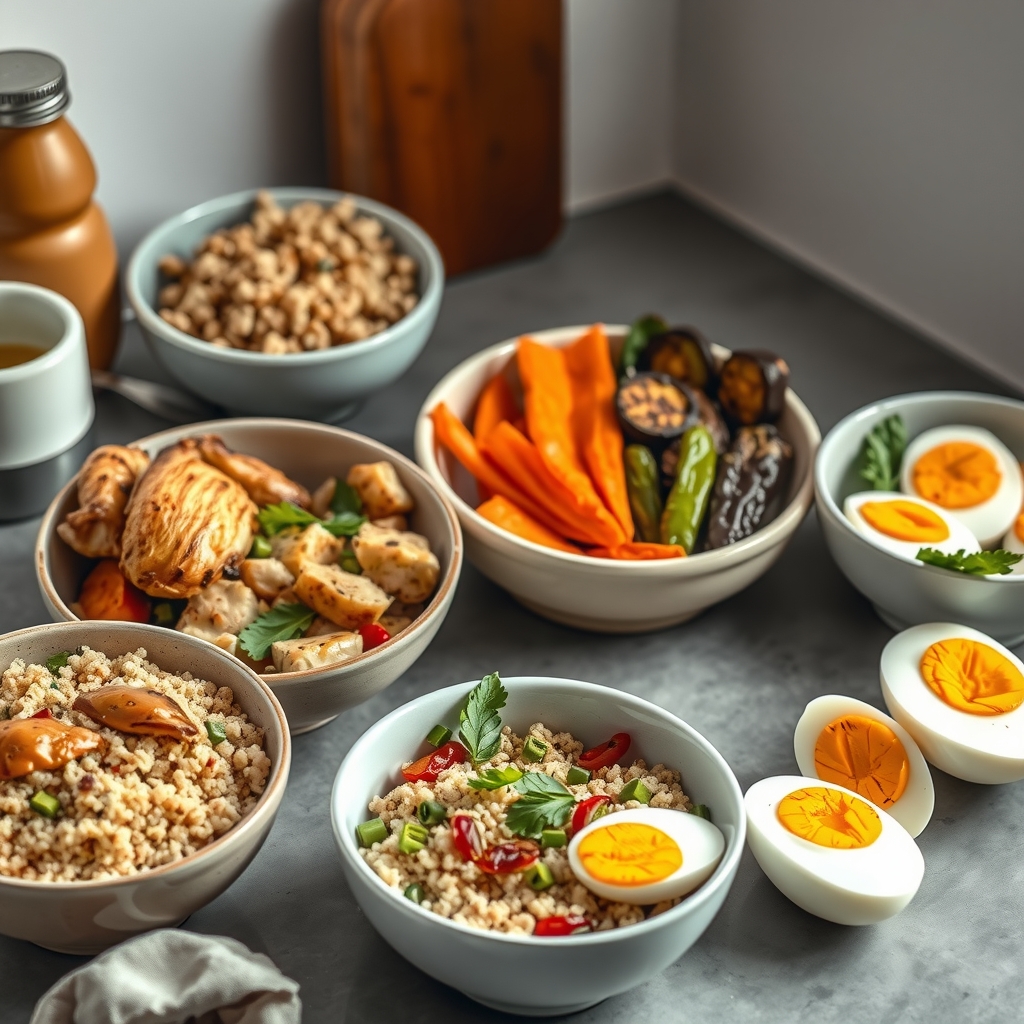
Ready to test the low FODMAP diet for yourself? Below is a **7-day meal plan** designed for weight loss, with an emphasis on protein, healthy fats, and low-FODMAP vegetables. Each day includes three meals and two snacks, with calorie targets for moderate weight loss (1,500–1,800 kcal/day, depending on activity level).
Note: Always consult a dietitian before starting a new diet, especially if you have medical conditions like diabetes or kidney disease.
**Pro tips for success:**
- Batch cook proteins—grill chicken, bake salmon, or hard-boil eggs for the week to save time.
- Use spices and herbs liberally—low-FODMAP options include basil, oregano, thyme, and cinnamon.
- Avoid "low-FODMAP" processed foods—opt for whole foods whenever possible.
- Hydrate with herbal teas—ginger or peppermint can aid digestion.
---
Low FODMAP Diet Weight Loss Foods: What to Eat and Avoid
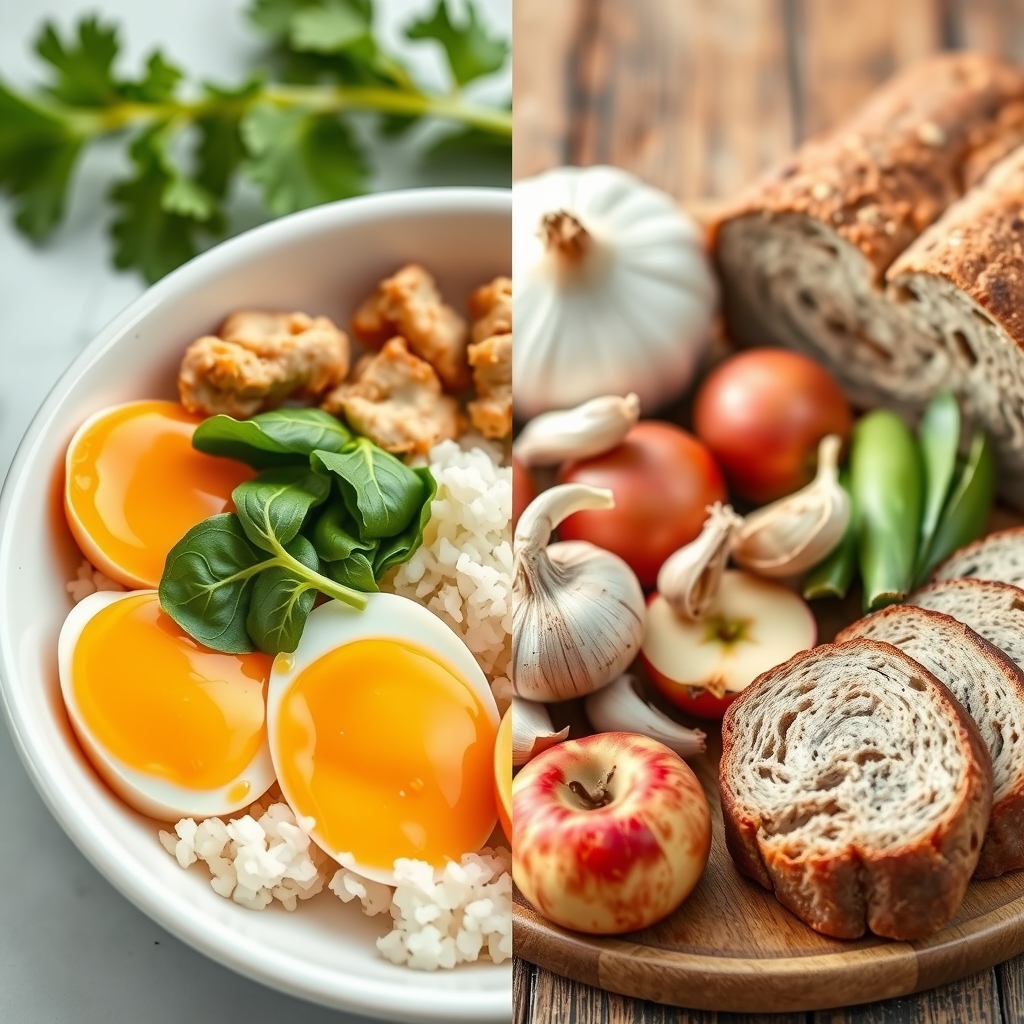
The low FODMAP diet divides foods into three categories:
- Green light: Low-FODMAP foods—safe to eat in normal portions.
- Orange light: Low-FODMAP in small amounts—eat 1–2 servings per day.
- Red light: High-FODMAP foods—avoid or limit during the elimination phase.
**Common mistakes to avoid:**
- Replacing high-FODMAP carbs with sugar—opt for sweet potatoes or berries instead of candy.
- Assuming all dairy is off-limits—lactose-free options are safe for most.
- Eating too many nuts—they’re calorie-dense; stick to 1 oz portions.
- Skipping reintroduction—the diet is temporary; you’ll need to test tolerance for high-FODMAP foods later.
---
Low FODMAP Diet Weight Loss Side Effects
The low FODMAP diet isn’t without risks. While it’s generally safe for short-term use, long-term adherence can lead to nutrient deficiencies or digestive issues if not managed properly. Here’s what to watch for:
Common side effects during the elimination phase:
- Constipation—low-FODMAP diets often lack fiber. Combat this by eating skin-on fruits, chia seeds, or flaxseeds (in small amounts).
- Fatigue or brain fog—cutting out fermented foods (like yogurt) can reduce gut bacteria diversity, which may affect mood and energy.
- Hormonal imbalances—some women report irregular periods or worsened PCOS symptoms due to low fiber or nutrient gaps.
- Social challenges—dining out or attending gatherings can feel restrictive without planning ahead.
Potential nutrient deficiencies:
- Calcium and vitamin D—if you avoid dairy, opt for fortified lactose-free milk or leafy greens.
- Fiber—low-FODMAP diets are naturally low in fiber. Aim for 25–30g/day from sources like rice bran or psyllium husk (check tolerance).
- Magnesium—found in nuts and seeds, but portion control is key.
- B vitamins—eggs, meat, and fish are good sources, but some women benefit from a supplement.
When to see a doctor:
- You experience unintentional weight loss (less than 5% of body weight in a month).
- You develop severe constipation or diarrhea that doesn’t improve with diet adjustments.
- You notice hair loss, fatigue, or dizziness—signs of nutrient deficiencies.
- You’re pregnant or breastfeeding—consult your provider before starting the diet.
**Solution:** Work with a registered dietitian to monitor your nutrient intake and adjust as needed. Many women find that adding back low-FODMAP fiber sources (like rice bran) or supplementing with vitamin D helps mitigate side effects.
---
Low FODMAP Diet for Weight Loss vs. Keto
If you’re comparing the low FODMAP diet to other weight-loss plans—like keto or the low-carb diet—here’s how they stack up:
**Key differences:**
- Keto focuses on fat and protein to induce ketosis, while low FODMAP avoids specific carbs to reduce bloating.
- Low FODMAP is more flexible—you can eat carbs like rice or quinoa, just not high-FODMAP ones.
- Keto can cause "keto flu" (fatigue, headaches), while low FODMAP side effects are usually digestive.
- Low FODMAP is safer for gut health—it doesn’t eliminate all fiber, unlike strict keto.
**Who should choose low FODMAP for weight loss?**
- Women with IBS, SIBO, or digestive sensitivity.
- Those who struggle with bloating or food intolerances.
- People who want a more sustainable, gut-friendly approach.
**Who might prefer keto?**
- Those looking for rapid fat loss.
- People with insulin resistance or PCOS (when managed by a doctor).
- Those who thrive on high-fat, low-carb diets.
---
Low FODMAP Diet Weight Loss for Beginners
Starting the low FODMAP diet for weight loss can feel overwhelming, especially if you’re new to meal planning or gut health. Here’s a step-by-step guide to help you ease in:
- Educate yourself—download the Monash University FODMAP app or consult a dietitian to learn which foods to avoid.
- Start with the elimination phase—cut all high-FODMAP foods for 2–6 weeks to allow your gut to heal.
- Focus on protein and healthy fats—these keep you full and prevent muscle loss. Aim for 25–30% of calories from fat.
- Meal prep on Sundays—cook proteins in bulk and portion them out for the week.
- Hydrate well—drink at least 8 cups of water daily, and add electrolytes if you’re active.
- Track your symptoms—use a journal or app to note bloating, gas, and energy levels after meals.
- Reintroduce foods slowly—after 2–6 weeks, start testing high-FODMAP foods one at a time to identify your personal triggers.
- Combine with strength training—lifting weights helps preserve muscle and boosts metabolism.
**Sample beginner’s grocery list:**
- Proteins: Chicken, turkey, eggs, salmon, cod, tofu
- Low-FODMAP carbs: Rice, quinoa, gluten-free oats, potatoes, sweet potatoes
- Vegetables: Spinach, lettuce, carrots, zucchini, cucumber, green beans
- Fruits: Blueberries, strawberries, raspberries, kiwi, lemon
- Fats: Olive oil, avocado oil, almonds, walnuts, chia seeds
- Dairy alternatives: Lactose-free milk, lactose-free yogurt
- Spices: Basil, oregano, thyme, cinnamon, ginger
**Common beginner mistakes:**
- Assuming all dairy is off-limits—lactose-free options are safe for most.
- Skipping reintroduction—the diet is temporary; you’ll need to test tolerance later.
- Eating too many nuts—they’re calorie-dense; stick to 1 oz portions.
- Not tracking progress beyond the scale—measure waist circumference and note how clothes fit.
---
Low FODMAP Diet Weight Loss for Postpartum Women
Postpartum digestion is a whole other beast. Hormonal shifts, delivery trauma, and stress can leave your gut feeling like a war zone. For many new moms, the low FODMAP diet becomes a lifesaver—both for weight loss and digestive relief. Here’s what to consider:
Why postpartum women benefit:
- Reduced bloating and gas—many women experience severe gas postpartum due to hormonal changes and slowed digestion.
- Less constipation—low-FODMAP foods like rice and quinoa are gentle on the digestive tract.
- Simpler eating—fewer food restrictions than strict diets like keto or Whole30.
- Energy boost—less bloating and discomfort can make parenting feel more manageable.
Special considerations for postpartum women:
- Nutrient needs are higher—focus on iron-rich foods (lean meats, spinach) and calcium (lactose-free milk, fortified alternatives).
- Hydration is key—breastfeeding moms need extra water; aim for 10 cups daily.
- Avoid extreme calorie restriction—your body needs fuel for recovery and milk production.
- Consult your doctor before starting—especially if you’re breastfeeding or have a history of eating disorders.
**Postpartum-friendly meal ideas:**
- Breakfast: Scrambled eggs with spinach and lactose-free cheese, or a smoothie with blueberries, chia seeds, and almond milk.
- Lunch: Grilled chicken salad with rice crackers and avocado, or a turkey lettuce wrap with lactose-free mayo.
- Dinner: Baked salmon with quinoa and roasted carrots, or beef stir-fry with rice noodles and zucchini.
- Snacks: Hard-boiled eggs, lactose-free yogurt with raspberries, or a handful of almonds.
**Real story:** After giving birth to her third child, Amanda’s digestion was "completely broken." She was bloated 24/7, constipated, and had given up on ever fitting into her pre-pregnancy jeans. A friend recommended the low FODMAP diet, and Amanda was skeptical—until she tried it. "I lost 18 lbs in six weeks, and my energy came back," she says. "But the real win was my confidence. I could wear skirts again without feeling like a balloon."
**Warning:** If you’re breastfeeding, avoid extreme calorie restriction. The low FODMAP diet can be safe if you focus on nutrient-dense foods and consult your pediatrician or lactation specialist.
---
Low FODMAP Diet Weight Loss Benefits
While the primary goal of the low FODMAP diet is gut health, many women report additional benefits that contribute to weight loss:
- Reduced cravings—cutting out sugar and processed foods can curb emotional eating.
- Improved energy levels—less bloating and discomfort mean more energy for workouts and daily life.
- Better sleep—digestive discomfort can disrupt sleep; reducing bloating may help you sleep deeper.
- Hormonal balance—some women with PCOS or irregular periods see improvements in cycle regularity.
- Mindful eating habits—tracking food triggers encourages portion control and awareness.
- Reduced inflammation—low-FODMAP foods are often anti-inflammatory, which may aid weight loss.
**Science-backed benefits:**
- Monash University research found that the low FODMAP diet reduces IBS symptoms in 75% of patients within four weeks.
- A study in the Journal of Gastroenterology showed that women with IBS who followed the diet lost an average of 2.5 kg (5.5 lbs) in 12 weeks, even without calorie tracking.
- Research in Nutrients suggests that reducing fermentable carbs can improve gut microbiota diversity, which is linked to better metabolism.
**But remember:** These benefits are secondary to the diet’s primary purpose—managing IBS. If your goal is weight loss, you’ll need to combine it with other habits like strength training and calorie tracking.
---
How Long Does It Take to Lose Weight on a Low FODMAP Diet?
The timeline for weight loss on the low FODMAP




