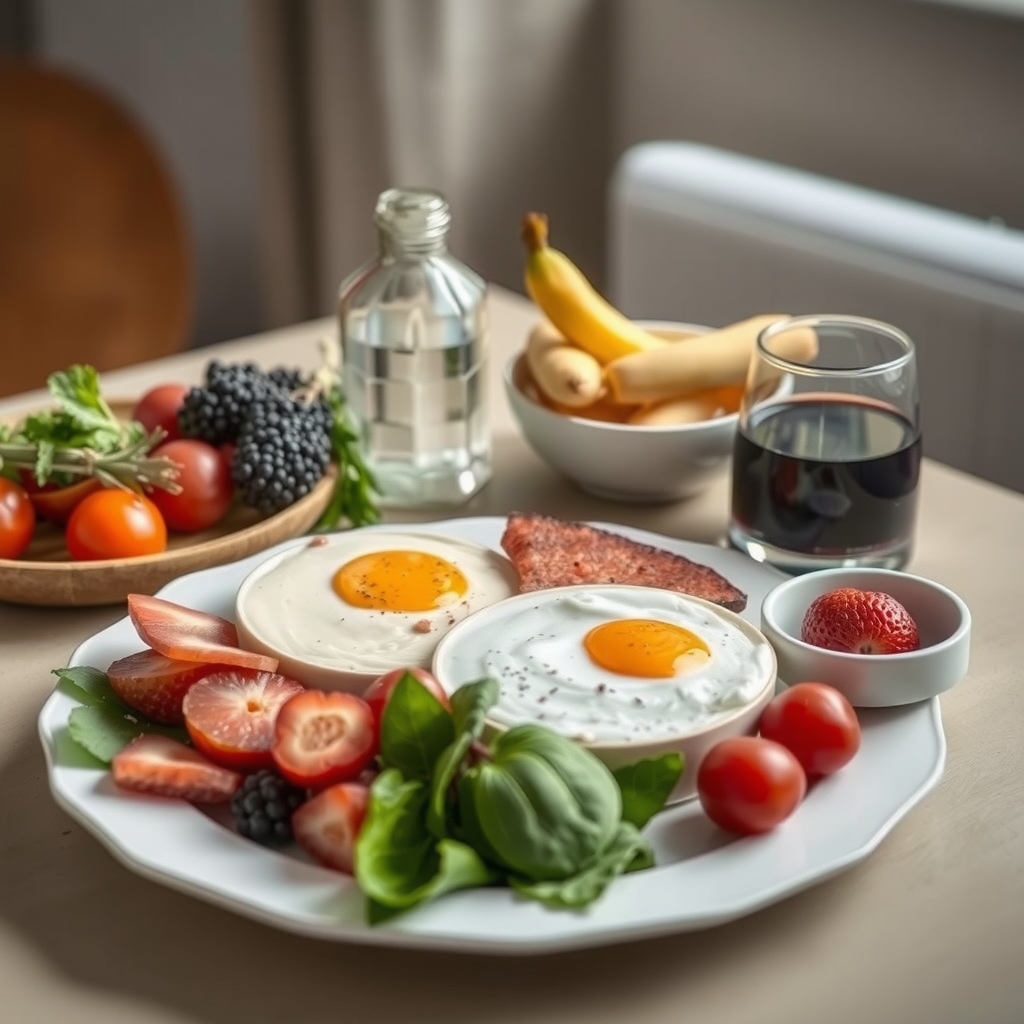
Want to lose weight with a low cholesterol diet? Discover the best foods, meal plans, and science-backed strategies for safe, effective fat loss in 2026.
By Shubhra Mishra — a mom of two who turned her own confusion during pregnancy into BumpBites, a global mission to make food choices clear, safe, and stress-free for every expecting mother. 💛
Check whether any food is safe during pregnancy with the BumpBites Food Safety Checker.
Quick take: A low cholesterol diet for weight loss can help shed pounds by focusing on fiber-rich, plant-based foods that support fat burning while gently lowering LDL ("bad") cholesterol—without drastically cutting out healthy fats. Expect gradual results (1–3 lbs per week) as your body adapts to nutrient-dense meals, but avoid extreme restriction: cholesterol in food has minimal impact on blood levels compared to saturated fat and sugar intake. Always monitor for fatigue, dizziness, or irregular periods (red flags for very low cholesterol), and consult your provider if you're pregnant, have diabetes, or take cholesterol-lowering meds.
You’re staring at your cholesterol test results, wondering: Is this diet even safe?
It’s 3:17 AM, and the glow of your phone screen cuts through the dark. Your latest bloodwork is back—LDL cholesterol a little higher than you’d like, and that nagging extra 10 pounds around your waistline has you Googling again. This time, the search bar reads: “low cholesterol diet for weight loss.” You’ve heard cholesterol is a silent killer, but what if lowering it too aggressively backfires? What if your body rebels? What if you lose weight… only to feel worse?
You’re not alone. Many women in their 30s, 40s, and beyond turn to low-cholesterol diets as a way to tackle both heart health and stubborn weight—only to hit a wall of conflicting advice. “Aren’t eggs and butter bad?” you ask your doctor. “But my friend swears by butter coffee for weight loss.” Meanwhile, social media is flooded with before-and-afters of people on keto or low-carb diets, leaving you wondering: Is a low cholesterol diet for weight loss even the right path—or just another fad?
Here’s the truth: A well-planned low cholesterol diet can support weight loss, but it’s not about slashing cholesterol from your diet entirely. It’s about swapping processed foods, refined sugars, and trans fats for whole, fiber-rich foods that gently lower LDL while keeping you full and energized. The key is balance—and knowing when to pause and listen to your body.
This guide cuts through the noise. We’ll break down exactly what a low cholesterol diet for weight loss looks like, how it differs from other diets, and—most importantly—how to do it safely. You’ll get a 7-day meal plan, supplements to support your goals, and red flags to watch for. Let’s start with the question burning in your mind right now:
---
Can a low cholesterol diet for weight loss actually lower your good cholesterol levels?
Here’s the paradox: You’re trying to lower LDL cholesterol to improve heart health, but you’re worried about tanking HDL (“good” cholesterol) in the process. And honestly? That worry is valid. HDL helps clear LDL from your arteries, and some diets designed to lower cholesterol can unintentionally drag HDL down too.
But here’s the good news: You don’t have to choose between lowering LDL and protecting HDL. The American Heart Association (AHA) emphasizes that both types of cholesterol matter—and that a diet rich in unsaturated fats (like olive oil and avocados), soluble fiber (oats, beans), and plant sterols (found in nuts and seeds) can improve your cholesterol profile overall. In fact, studies show that diets high in monounsaturated fats (like those in the Mediterranean diet) can increase HDL by up to 10% while lowering LDL.
How does this translate to weight loss? When you focus on whole foods that support healthy cholesterol, you’re also filling your plate with nutrients that promote fat burning. For example, a bowl of oatmeal (rich in beta-glucan fiber) keeps you full longer than a bowl of cereal, while a handful of almonds (a great source of monounsaturated fats) provides sustained energy without spiking blood sugar. The result? You’re less likely to overeat later—and your body is better equipped to use stored fat for energy.
**Representative story:** “I thought I had to give up all fats to lower my cholesterol,” says Sarah, a 42-year-old marketing manager who tried a low-fat diet before switching to a low-cholesterol approach. “But when I swapped my afternoon snack of crackers and cheese for hummus and veggies, I lost 12 pounds in three months—and my HDL actually went up. I was shocked!”
Key takeaway: A low cholesterol diet for weight loss should focus on replacing unhealthy fats and refined carbs with nutrient-dense foods that support both cholesterol and metabolism. Think of it as a metabolic upgrade—not a deprivation plan.
---
What are the best foods to eat on a low cholesterol diet that also promote fat burning?
You’re ready to dive in—but what exactly should you be eating? The answer isn’t about cutting out cholesterol (your body produces most of it anyway); it’s about reducing saturated and trans fats while loading up on foods that lower LDL, stabilize blood sugar, and keep you full. Here’s your cheat sheet:
Foods to Enjoy (Daily or Most Days)
Soluble fiber: Oats, barley, apples, citrus fruits, lentils, and beans. These foods bind to cholesterol in your digestive tract and help remove it from your body.
Unsaturated fats: Olive oil, avocados, nuts (almonds, walnuts), seeds (chia, flax), and fatty fish (salmon, mackerel). These support heart health and satiety.
Plant sterols: Found in fortified foods like plant-based milks, margarine, and nuts. They block cholesterol absorption.
Lean proteins: Skinless poultry, tofu, tempeh, and eggs (yes, eggs! The cholesterol in eggs has minimal impact on blood cholesterol for most people).
Whole grains: Quinoa, brown rice, and whole-wheat bread. They provide steady energy and fiber.
Pro tip: Pair your meals with low-carb, high-fiber foods to amplify fat-burning. For example, swap your afternoon snack of chips and dip for roasted chickpeas with hummus. Not only will you reduce LDL, but you’ll also avoid the blood sugar crashes that lead to cravings—and weight regain.
**Representative story:** “I used to think ‘fat-free’ meant ‘healthy,’” admits Priya, a 38-year-old mom of two. “But when I started adding olive oil to my salads and swapping my afternoon coffee for a smoothie with flaxseeds, I lost 8 pounds in a month—and my energy levels soared. I even stopped getting those 3 PM sugar crashes!”
---
How does a low cholesterol diet for weight loss differ from a traditional low-fat diet?
Here’s where things get confusing: A low-fat diet and a low cholesterol diet aren’t the same thing—and mixing them up could sabotage your goals. Let’s clear it up:
A traditional low-fat diet focuses on reducing all dietary fat, including the good stuff. The problem? Fat is essential for hormone production, brain function, and nutrient absorption. When you slash fats too aggressively, you might:
Feel constantly hungry.
Experience nutrient deficiencies (vitamins A, D, E, K are fat-soluble!).
Lose muscle instead of fat.
Disrupt thyroid function (fat is crucial for hormone synthesis).
A low cholesterol diet for weight loss, on the other hand, is about quality over quantity. You’re not avoiding fat entirely—you’re choosing the right kinds of fat (unsaturated fats) and reducing the wrong kinds (saturated and trans fats). This approach:
Supports heart health by lowering LDL.
Keeps you full with healthy fats and fiber.
Helps stabilize blood sugar, reducing cravings.
Can improve metabolic health (including insulin sensitivity).
**Think of it like this:** A low-fat diet is like eating a salad with no dressing—it might be light, but it’s missing the nutrients that keep you satisfied. A low cholesterol diet is like choosing a salad with olive oil and avocado: still light on LDL-raising fats, but packed with nutrients that support your body.
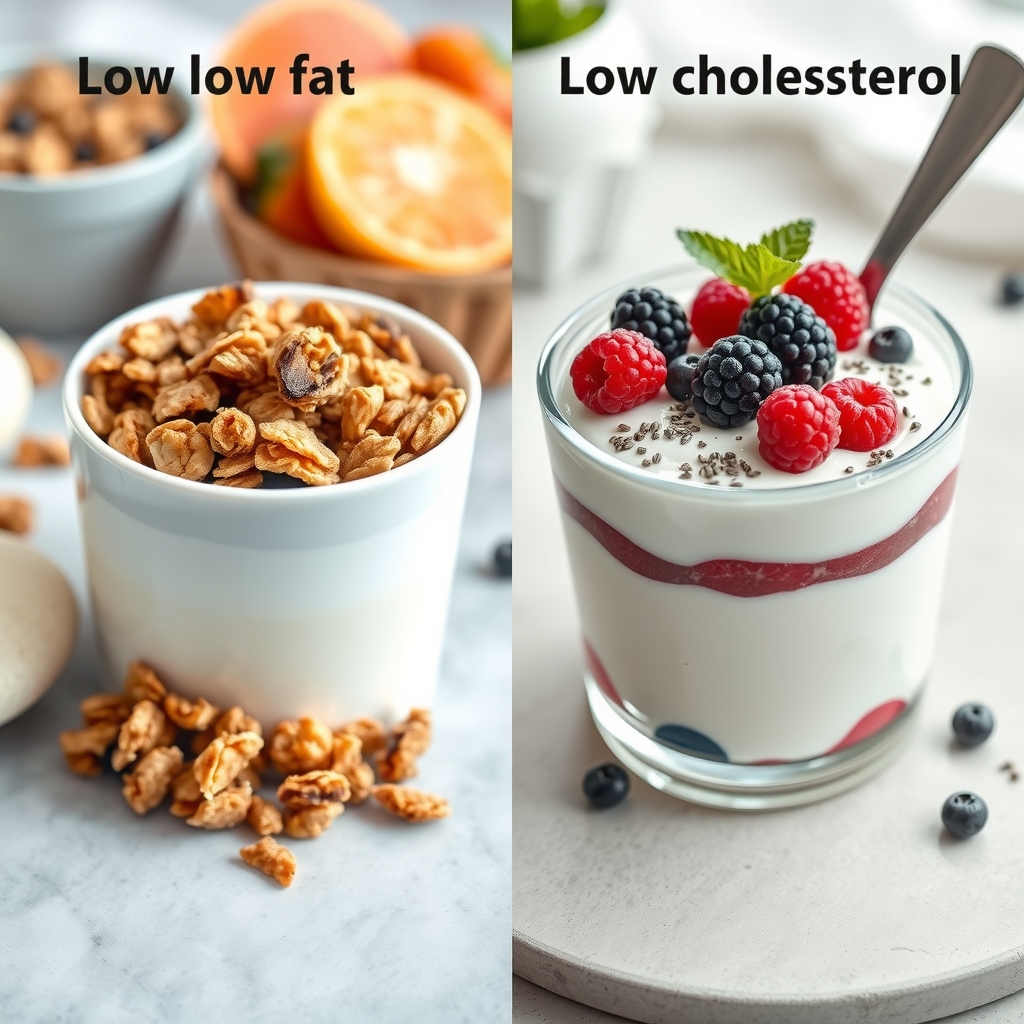
Key difference in practice: On a low-fat diet, you might eat a bowl of low-fat yogurt with granola. On a low cholesterol diet, you’d opt for full-fat Greek yogurt with chia seeds and berries—same calories, but a better balance of fats, protein, and fiber.
---
What are the potential risks of a low cholesterol diet for weight loss during pregnancy?
If you’re pregnant or planning to conceive, a low cholesterol diet for weight loss can be part of a healthy lifestyle—but it requires extra caution. Here’s why:
During pregnancy, your body naturally produces more cholesterol to support fetal development, hormone production, and cell growth. While most women don’t need to worry about too much cholesterol, too little can pose risks, including:
Premature birth or low birth weight: Very low cholesterol levels have been linked to complications in some studies, though more research is needed.
Hormonal imbalances: Cholesterol is a building block for hormones like estrogen and progesterone. Extreme restriction could theoretically affect hormone levels.
Fatigue or dizziness: If you’re not getting enough healthy fats, you might feel sluggish or experience lightheadedness.
What to do instead:
Focus on nutrient-dense foods rather than restriction. Prioritize leafy greens, lean proteins, whole grains, and healthy fats.
Avoid extreme calorie restriction. You need about 300–500 extra calories per day during pregnancy, not fewer.
Talk to your provider before making major dietary changes. They can monitor your cholesterol and ensure you’re getting enough nutrients for both you and your baby.
Consider a balanced approach that includes all macronutrients in moderation.
Representative story: “I was so focused on losing the ‘baby weight’ after my delivery that I tried a strict low-fat diet,” says Meera, a 35-year-old nurse. “But I felt exhausted, and my provider warned me that my cholesterol was dropping too low. I switched to a more balanced approach—still low in saturated fats, but with plenty of healthy fats—and I lost weight without feeling deprived.”
Bottom line: If you’re pregnant or breastfeeding, a low cholesterol diet for weight loss should be gentle and well-balanced. Avoid fad diets, and always prioritize your baby’s needs alongside your own.
---
How long does it see weight loss results on a low cholesterol diet?
If you’ve ever tried a diet before, you know that timing is everything. With a low cholesterol diet for weight loss, you can expect:
First week: Water weight loss (1–3 lbs) as your body flushes excess sodium and starts burning stored glycogen.
Weeks 2–4: Noticeable fat loss (1–2 lbs per week) as your body adapts to higher fiber and protein intake.
Months 2–3: Steady progress (0.5–1 lb per week) as your metabolism stabilizes and you build sustainable habits.
Why the gradual pace? Unlike crash diets that rely on extreme calorie restriction, a low cholesterol diet works by:
Reducing inflammation (which slows fat loss).
Stabilizing blood sugar (preventing cravings and binge-eating).
Preserving muscle (which keeps your metabolism humming).
How to speed up results (safely):
Add strength training: Lifting weights 2–3x per week helps build muscle, which boosts your metabolism.
Stay hydrated: Drink plenty of water to support digestion and reduce bloating.
Prioritize sleep: Poor sleep disrupts hunger hormones (ghrelin and leptin), making weight loss harder.
Track progress beyond the scale: Measure waist circumference, take progress photos, and note how your clothes fit.
Representative story: “I was expecting to lose weight fast, but I was surprised by how much better I felt after just two weeks,” says Laura, a 45-year-old accountant. “I lost 4 pounds, but I also had more energy and didn’t feel as bloated. My doctor even said my cholesterol was trending in the right direction!”
Key takeaway: Patience is key. The goal isn’t just to lose weight—it’s to create lasting changes that improve your overall health. If you’re not seeing progress after 4–6 weeks, reassess your habits (are you still eating processed foods? Are you drinking enough water?).
---
What supplements should I take alongside a low cholesterol diet for weight loss?
While food should be your primary source of nutrients, certain supplements can support your low cholesterol diet for weight loss goals. Here’s what the research says:
Evidence-Based Supplements
Supplement
Typical Dose
Best Time to Take
Food Sources
Known Interactions
Omega-3 fatty acids (EPA/DHA)
1,000–2,000 mg/day
With meals
Fatty fish (salmon, mackerel), flaxseeds, walnuts
Blood thinners (e.g., warfarin)
Fiber (psyllium husk or soluble fiber)
5–10 grams/day
With meals or as directed
Oats, beans, apples, citrus fruits
Medications (take fiber 1–2 hours apart from prescriptions)
Cholesterol-lowering supplements (e.g., red yeast rice): These can interact with prescription statins and may not be safe for everyone. Always check with your provider.
Fat burners or detox teas: These often lack evidence and can disrupt electrolytes or metabolism.
Representative story: “I started taking omega-3s and psyllium husk when I switched to this diet,” says Priya. “I noticed my joints felt less stiff, and my skin looked brighter. My doctor even mentioned my triglycerides were improving!”
---
Can a low cholesterol diet for weight loss help with hormonal weight gain?
If you’ve ever struggled with hormonal weight gain—especially around your waist, breasts, or thighs—you know it’s not just about calories in vs. calories out. Hormones like insulin, cortisol, and estrogen play a huge role in where your body stores fat. Here’s how a low cholesterol diet can help:
How It Works
Stabilizes blood sugar: High-fiber, low-glycemic foods (like oats and beans) prevent blood sugar spikes, which reduce insulin resistance—a major driver of belly fat.
Supports hormone production: Healthy fats (like those in avocados and nuts) are essential for producing sex hormones, including estrogen and progesterone.
Reduces inflammation: Processed foods and trans fats increase inflammation, which can disrupt hormone balance. A low cholesterol diet reduces these triggers.
Balances cortisol: Stress and poor sleep raise cortisol, which promotes fat storage. The nutrients in a low cholesterol diet (like magnesium and vitamin B) help regulate cortisol levels.
Foods to Focus On for Hormonal Balance
Cruciferous vegetables (broccoli, kale, Brussels sprouts) for estrogen metabolism.
Lean proteins (tofu, chicken, fish) to support hormone production.
Healthy fats (avocados, olive oil) for hormone synthesis.
Complex carbs (quinoa, sweet potatoes) for steady energy.
Representative story: “I had always struggled with weight around my middle, especially during my cycle,” says Priya. “But when I started eating more fiber and healthy fats, my bloating decreased, and I lost 5 pounds in my hips and thighs in just two months!”
Key takeaway: If hormonal weight gain is your main concern, pair your low cholesterol diet with stress management (yoga, meditation) and consistent sleep. Track your cycle to identify patterns—some women gain weight in the luteal phase (the week before their period) due to water retention.
---
What is the ideal daily cholesterol intake for weight loss without health risks?
Here’s a common misconception: You don’t need to avoid cholesterol entirely. In fact, dietary cholesterol has minimal impact on blood cholesterol levels for most people. The real culprits are saturated and trans fats, which your body converts into LDL cholesterol. Here’s what the science says:
Dietary Cholesterol Guidelines
American Heart Association (AHA): No more than 300 mg of dietary cholesterol per day for most adults. (For those with diabetes or heart disease, aim for <200 mg/day.)
Harvard T.H. Chan School of Public Health: Emphasizes focusing on food sources rather than strict limits. For example, an egg contains about 186 mg of cholesterol, but it also provides high-quality protein and nutrients like choline.
National Institutes of Health (NIH): Notes that most people produce enough cholesterol internally to meet their needs, so dietary cholesterol isn’t a major concern unless you have a genetic condition (like familial hypercholesterolemia).
What About Eggs?
Eggs are often demonized, but research shows that moderate egg consumption (up to 7 eggs per week) is safe for most healthy people and does not significantly raise LDL cholesterol. If you have diabetes or heart disease, your provider may recommend limiting eggs to 4–5 per week.
Foods High in Cholesterol (But Still Healthy in Moderation)
Eggs (186 mg per egg).
Liver (about 300 mg per 3 oz serving).
Shrimp (184 mg per 3 oz serving).
Cheese (about 25 mg per oz).
Key takeaway: Instead of obsessing over cholesterol content, focus on the overall quality of your diet. Swap processed meats for lean poultry, full-fat dairy for fermented options (like Greek yogurt), and fried foods for grilled or baked alternatives. Your body will thank you with better cholesterol numbers—and easier weight loss.
---
Low cholesterol diet for weight loss meal plan for beginners
Ready to try a low cholesterol diet for weight loss? Start with this 7-day meal plan designed to lower LDL, stabilize blood sugar, and keep you full. Each day includes three meals and two snacks, with a focus on whole, fiber-rich foods.
Meal Plan Notes:
Drink plenty of water (aim for 2–3 liters/day).
Limit added sugars and refined carbs.
Use healthy fats (olive oil, avocado, nuts) liberally.
Cook at home whenever possible to control ingredients.
Day
Breakfast
Snack
Lunch
Snack
Dinner
Day 1
Greek yogurt with 1 tbsp chia seeds, ½ cup blueberries, and 1 tbsp almond butter
1 small apple with 1 tbsp almond butter
Grilled chicken salad with spinach, cherry tomatoes, cucumber, ¼ avocado, and balsamic vinaigrette
Handful of walnuts (about ¼ cup)
Baked salmon with roasted Brussels sprouts and quinoa
Day 2
Oatmeal with 1 tbsp flaxseeds, ½ banana, and 1 tbsp peanut butter
Carrot sticks with 2 tbsp hummus
Lentil soup with a side of whole-grain bread
1 hard-boiled egg with a sprinkle of sea salt
Stuffed bell peppers with ground turkey, black beans, and brown rice
Day 3
Smoothie with spinach, ½ banana, 1 tbsp almond butter, and unsweetened almond milk
1 small orange
Grilled shrimp salad with mixed greens, avocado, and lemon-tahini dressing
1 oz mixed nuts (almonds, walnuts, cashews)
Baked chicken breast with roasted sweet potatoes and steamed broccoli
Day 4
Avocado toast on whole-grain bread with a poached egg
1 cup edamame with sea salt
Quinoa bowl with black beans, corn, bell peppers, and lime-cilantro dressing
1 string cheese with a handful of cherry tomatoes
Grilled cod with a side of roasted asparagus and wild rice
Day 5
Chia pudding with almond milk, ½ cup strawberries, and 1 tbsp hemp seeds
1 small pear with 1 tbsp almond butter
Turkey lettuce wraps with avocado, spinach, and mustard
1 cup cottage cheese with pineapple chunks
Baked tofu with stir-fried veggies (bell peppers, snap peas, carrots) and brown rice
Day 6
Scrambled eggs with spinach and mushrooms (cooked in olive oil)
1 small handful of roasted chickpeas
Grilled chicken Caesar salad (no croutons, light dressing)
1 small handful of walnuts
Beef stir-fry with broccoli, bell peppers, and brown rice (lean beef, minimal oil)
Day 7
Smoothie bowl with frozen mango, spinach, and almond milk topped with granola
1 small apple with cinnamon
Mediterranean plate with hummus, whole-grain pita, cucumber, olives, and grilled chicken
1 oz dark chocolate (70% or higher) with almonds
Baked lemon herb chicken with roasted zucchini and farro
Grocery List Essentials
Leafy greens (spinach, kale, arugula)
Berries (blueberries, strawberries, raspberries)
Nuts and seeds (almonds, walnuts, chia, flax, hemp)
Legumes (lentils, chickpeas, black beans)
Fatty fish (salmon, mackerel, sardines)
Whole grains (oats, quinoa, brown rice, whole-grain bread)
How to reduce cholesterol naturally for weight loss without medication
If you’re avoiding statins or simply want to optimize your cholesterol naturally, here’s a step-by-step plan to lower LDL and support weight loss:
Step 1: Audit Your Current Diet
Track what you eat for 3–4 days using an app like MyFitnessPal or Cronometer. Look for patterns:
Are you eating more processed foods than whole foods?
How often do you eat out or grab takeout?
Are you drinking sugary beverages or eating desserts daily?
Step 2: Swap Problematic Foods
Replace these common LDL-raising foods with healthier alternatives:
Food to Avoid
Healthier Swap
Fast food burgers
Grilled chicken or turkey burger with whole-grain bun and avocado
Fried chicken
Baked or air-fried chicken with herbs and lemon
White bread and pasta
Whole-grain or legume-based pasta (e.g., chickpea pasta)
Sugary cereals
Oatmeal with nuts and berries
Processed snacks (chips, crackers)
Roasted chickpeas or mixed nuts
Step 3: Move Your Body
Exercise directly impacts cholesterol levels:
Aerobic exercise: Aim for 150 minutes of moderate activity (brisk walking, cycling, swimming) per week. This can raise HDL by up to 5% and lower LDL by up to 10%.
Strength training: 2–3x per week helps preserve muscle mass and improves insulin sensitivity.
NEAT (Non-Exercise Activity Thermogenesis): Walk more—take the stairs, park farther away, or stand during calls.
Step 4: Manage Stress
Chronic stress raises cortisol, which can increase belly fat and worsen cholesterol. Try:
Deep breathing exercises (try the 4-7-8 method: inhale for 4, hold for 7, exhale for 8).
Yoga or tai chi (both reduce cortisol and improve HDL).
Prioritize sleep (7–9 hours per night).
Step 5: Monitor Progress
Track your cholesterol levels every 3–6 months. Other signs of improvement:
Easier weight loss (especially around the middle).
---
Low cholesterol diet for weight loss vs. keto diet: which is better?
If you’ve been following the weight loss space, you’ve probably heard of the keto diet—a high-fat, very low-carb approach that promises rapid fat loss. But how does it compare to a low cholesterol diet? Let’s break it down:
Key Differences
Factor
Low Cholesterol Diet
Keto Diet
Primary Focus
Lowering LDL cholesterol and promoting heart health
Inducing ketosis for rapid fat burning
Macronutrient Breakdown
Moderate fat (25–35% of calories), high fiber (25–30g/day), balanced protein
Very high fat (70–80%), very low carb (<20g/day), moderate protein
Not sure about the label on Low Cholesterol Diet For Weight Loss products?
Snap the ingredients list and SafeFilter checks every ingredient for your stage — only 3 free scans this month, then you're locked until reset. Unlimited from $7/mo or $50/yr.
When Shubhra Mishra was expecting her first child in 2016, she was overwhelmed by conflicting food advice — one site said yes, another said never. By the time her second baby arrived in 2019, she realized millions of mothers face the same confusion.
That sparked a five-year journey through clinical nutrition papers, cultural diets, and expert conversations — all leading to BumpBites: a calm, compassionate space where science meets everyday motherhood.
Her long-term vision is to build a global community ensuring safe, supported, and free deliveriesfor every mother — because no woman should face pregnancy alone or uninformed. 🌿
🌍 Stand with mothers, shape safer guidance
Join a small circle of experts who review BumpBites articles so expecting parents everywhere can decide with confidence.