

Quick take: A low carb diet sample day of eating focuses on high-protein, healthy fats, and non-starchy vegetables. Think breakfast with eggs and avocado, lunch with grilled chicken and leafy greens, dinner with salmon and roasted Brussels sprouts, and snacks like cheese and nuts. Our 7-day meal plan includes macros, grocery lists, and meal prep tips to make it easy—even for busy moms.Low Carb Diet Sample Day of Eating: The Complete 2026 Guide
It was 3:17 AM, and you were staring at your phone like it was a puzzle you couldn’t solve. The question was simple: “What do I even eat for breakfast that’s low carb and won’t make me feel like I’m eating cardboard?” You’d Googled low carb breakfast ideas a dozen times, but every recipe either looked like a science experiment or promised results that felt too good to be true. Then you remembered that friend who swore by her low carb routine—she lost 15 pounds in three months without feeling deprived. But how did she do it? What did her actual day look like?
You’re not alone. Thousands of women—whether they’re trying to shed pregnancy weight, manage diabetes, build muscle, or just feel more energized—turn to low carb diets for answers. But the confusion is real: “What’s actually allowed?” “How do I track this without going crazy?” “Can I still enjoy food without feeling like I’m on a diet?”
This guide is your lifeline. We’ll walk you through a realistic, delicious, and sustainable low carb sample day of eating—complete with macros, grocery lists, meal prep hacks, and answers to the questions you’ve been too embarrassed to ask. Whether you’re a keto beginner, a busy mom, or someone navigating pregnancy, we’ve got you covered. And no, you won’t be eating nothing but bacon and cheese.
Let’s start with the basics: what a low carb diet actually looks like—and how to make it work for you.
--- ## What Does a Low Carb Diet Look Like?Imagine your plate as a canvas. On a low carb diet, you’re painting with three primary colors:
- High-quality protein (think eggs, chicken, fish, tofu, or lean beef)
- Healthy fats (avocado, olive oil, nuts, seeds, and fatty fish like salmon)
- Non-starchy vegetables (spinach, broccoli, zucchini, cauliflower—basically anything that doesn’t turn into a carb-heavy side dish)
Carbs? You’re limiting them to 20–100 grams per day, depending on your goals. That means no white bread, pasta, or sugary cereals. But don’t worry—you’re not giving up flavor. Think creamy cheeses, crispy bacon, and meals that taste like they’re straight out of a restaurant menu. The key is swapping refined carbs for whole, nutrient-dense foods that keep you full and satisfied.
And here’s the thing: low carb isn’t one-size-fits-all. Some women thrive on strict keto (20g carbs or less), while others do better with a moderate approach (around 50–100g carbs). If you’re pregnant, managing diabetes, or trying to build muscle, your macros will look different. We’ll dive into those adjustments later—but first, let’s take you through a sample day of eating that’s packed with flavor, easy to prep, and actually doable.
--- ## Low Carb Breakfast Ideas for Weight LossYou’ve heard it a thousand times: “Breakfast is the most important meal of the day.” But when you’re on a low carb diet, breakfast can feel like a minefield. You want something that keeps you full, stabilizes your blood sugar, and doesn’t leave you craving a donut by 10 AM.
Here’s the secret: start with protein and fat. That combo tells your brain, “Hey, we’ve got fuel—no need to panic.” And yes, you can make it taste amazing.
**Sample Breakfast Options:
- Scrambled Eggs with Avocado and Feta
- 2 eggs scrambled with 1 tbsp butter
- ½ avocado, sliced
- 2 tbsp crumbled feta
- Handful of spinach, sautéed
- Chia Pudding with Almond Milk and Berries
- 2 tbsp chia seeds soaked in ½ cup unsweetened almond milk overnight
- ¼ cup raspberries (low-carb berry pick)
- 1 tbsp almond butter
- Greek Yogurt Parfait with Nuts and Cocoa
- ½ cup plain Greek yogurt (unsweetened)
- 1 tbsp cocoa powder
- 1 tbsp chopped walnuts
- Dash of vanilla extract
**Pro Tip:** If you’re in a rush, pre-make overnight oats (using almond flour instead of oats) or hard-boiled eggs. You can grab them on the go without sacrificing your macros.
Want more ideas? Check out our Keto Diet Sample Day of Eating for extra inspiration—or swap in a few Dash Diet breakfast tricks if you prefer a slightly higher-carb approach.
--- ## Low Carb Lunch Recipes with ChickenLunchtime is where a lot of people hit the wall. You’re either staring at your fridge wondering, “What do I even *have* that fits?”, or you’re reaching for the first thing that doesn’t require brainpower—like a sad salad with dressing that’s basically sugar in a bottle.
Not today. Today, you’re making lunch that’s hearty, satisfying, and easy to prep ahead.
**Sample Lunch: Lemon-Garlic Chicken with Roasted Brussels Sprouts and Cauliflower Mash**
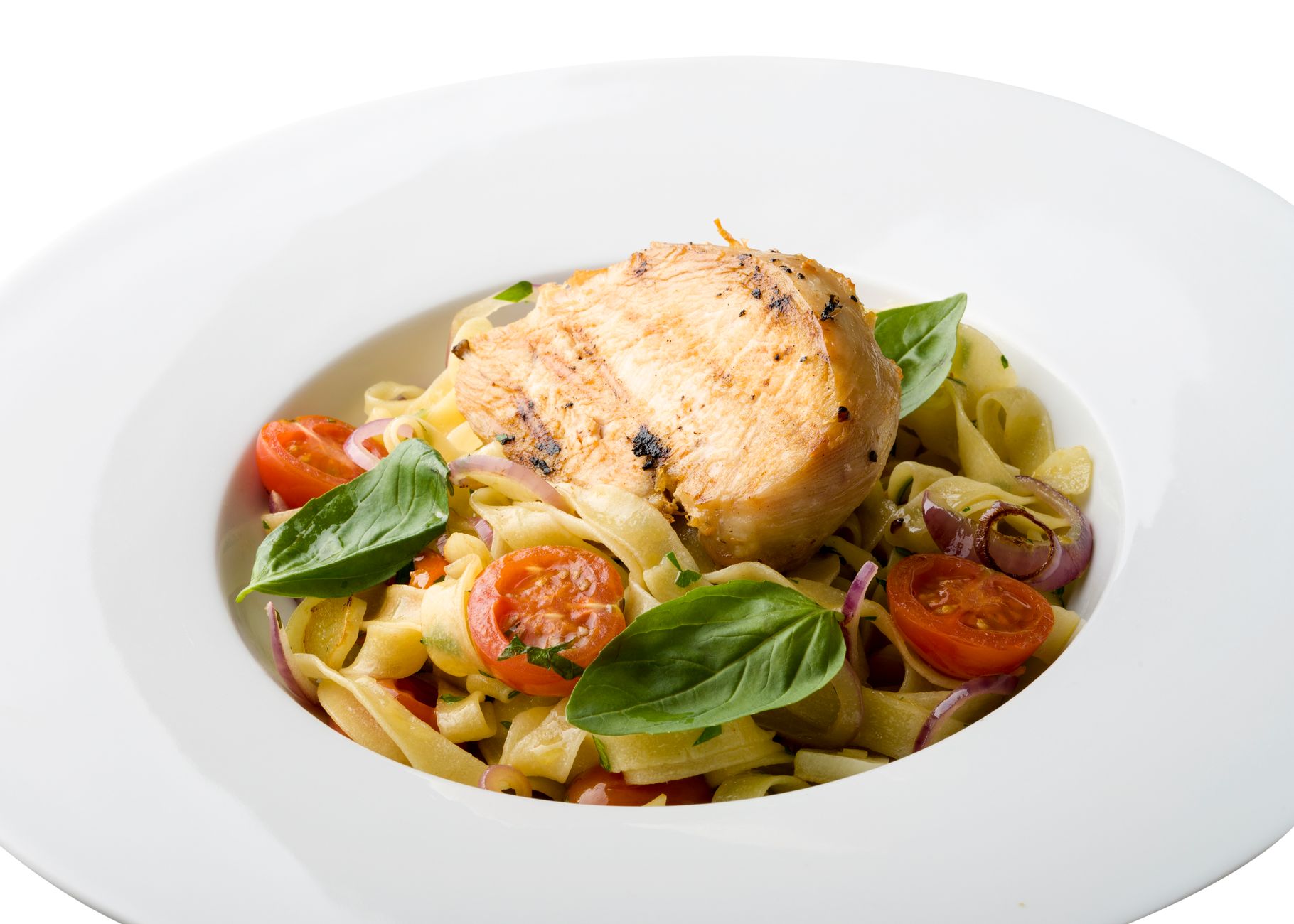
Ingredients:
- 1 boneless, skinless chicken breast
- 1 tbsp olive oil
- 1 tbsp lemon juice
- 2 cloves garlic, minced
- ½ tsp dried oregano
- 1 cup Brussels sprouts, halved
- ½ cup cauliflower florets
- 1 tbsp butter
- Salt and pepper to taste
Instructions:
- Preheat oven to 400°F (200°C). Toss Brussels sprouts and cauliflower with olive oil, salt, and pepper. Roast for 20 minutes.
- While veggies roast, marinate chicken in lemon juice, garlic, oregano, salt, and pepper for 10 minutes. Cook in a pan over medium heat for 6–7 minutes per side until fully done.
- For the cauliflower mash, steam cauliflower until tender, blend with butter, salt, and pepper, and mash like you would potatoes.
- Serve chicken over roasted Brussels sprouts with a side of cauliflower mash.
Macros (approx): 12g carbs, 35g protein, 25g fat
**Why It Works:
- Chicken is a lean protein that keeps you full.
- Brussels sprouts are packed with fiber and vitamins.
- Cauliflower mash mimics mashed potatoes but with a fraction of the carbs.
**Meal Prep Hack:** Cook a batch of chicken breasts on Sunday, portion them out, and store with your favorite low carb sauces (like garlic aioli or pesto). Toss with pre-roasted veggies for a 5-minute lunch.
--- ## Low Carb Dinner Recipes for BeginnersDinner is where a lot of people give up on low carb. They think it has to be boring, or they’re worried about overcomplicating things. But dinner can be your favorite meal of the day—if you know what to make.
**Sample Dinner: Sheet Pan Salmon with Asparagus and Quinoa-Free "Rice"**
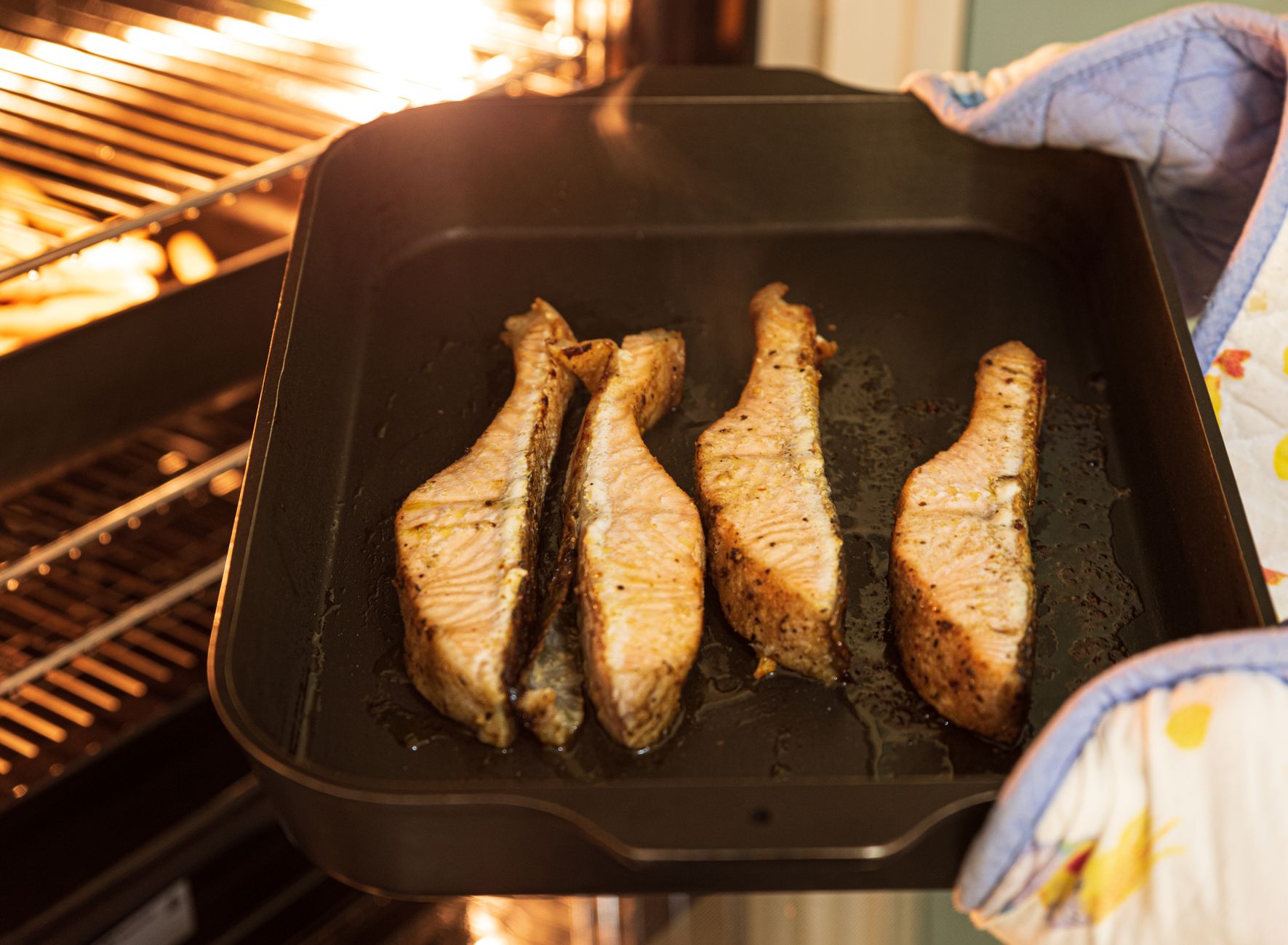
Ingredients:
- 2 salmon fillets
- 1 bunch asparagus
- ½ cup cauliflower rice (or zucchini noodles)
- 1 tbsp olive oil
- 1 tbsp lemon zest
- 1 tsp dried dill
- Salt and pepper to taste
Instructions:
- Preheat oven to 375°F (190°C). Toss cauliflower rice and asparagus with olive oil, salt, and pepper. Spread on a sheet pan.
- Place salmon fillets on the pan, drizzle with lemon zest and olive oil, and sprinkle with dill and salt.
- Bake for 12–15 minutes until salmon flakes easily.
- Serve salmon over cauliflower rice with a side of roasted asparagus.
Macros (approx): 10g carbs, 30g protein, 28g fat
**Beginner-Friendly Tips:
- Use pre-cut cauliflower rice to save time.
- Swap salmon for shrimp or cod if you prefer.
- Add a sprinkle of Parmesan cheese on top for extra flavor.
For more dinner inspiration, check out our 7-Day Keto Meal Plan—it’s packed with easy, beginner-friendly recipes.
--- ## Low Carb Snack Ideas for PregnancyIf you’re pregnant, the idea of a low carb diet might feel like walking a tightrope—especially when you’re suddenly craving everything. But the good news? A moderate low carb approach can actually support both your energy levels and your baby’s development. The key is focusing on nutrient-dense snacks that keep you full and avoid blood sugar crashes.
**Sample Snacks:
- Cheese and Crackers (Low Carb)
- 2 slices cheddar cheese
- ¼ cup almond flour crackers
- 5 olives
- Hard-Boiled Eggs with Avocado
- 2 hard-boiled eggs
- ¼ avocado, sliced
- Pinch of salt and pepper
- Cottage Cheese with Walnuts
- ½ cup cottage cheese (full-fat)
- 1 tbsp chopped walnuts
- Dash of cinnamon
**Important Note:** Always consult your healthcare provider before making major dietary changes during pregnancy. Some women may need to adjust their carb intake based on blood sugar levels or gestational diabetes risk. For more guidance, check out our Mind Diet resources, which often align well with pregnancy-friendly nutrition.
--- ## Low Carb Meal Prep for Busy MomsLet’s be real: if you’re a mom, your day looks more like a circus act than a structured routine. Between school drop-offs, soccer practices, and the endless cycle of laundry and diapers, meal prep can feel like a luxury you don’t have time for. But here’s the thing: low carb meal prep doesn’t have to be complicated—it just has to be strategic.
**How to Prep Ahead Like a Pro:
- Batch Cook Proteins
- Cook a big batch of chicken breasts, ground turkey, or hard-boiled eggs on Sunday.
- Store in the fridge for up to 4 days or freeze for longer storage.
- Pre-Chop Veggies
- Wash, dry, and chop all your low carb veggies (spinach, broccoli, zucchini) and store them in airtight containers.
- Toss them in a pan with olive oil and seasonings for a 5-minute side dish.
- Make Freezer-Friendly Meals
- Portion out soups, stews, or casseroles and freeze in individual containers.
- When you’re short on time, pop one in the oven or microwave.
- Keep Snacks Visible
- Fill a bowl with cheese cubes, nuts, and olives so they’re easy to grab.
- Avoid the temptation of hiding healthy snacks in the back of the fridge.
**Sample Meal Prep Plan for the Week:
- Sunday: Cook chicken, roast veggies, make cauliflower rice, and portion snacks.
- Monday–Friday: Assemble lunches by grabbing prepped proteins, veggies, and a quick sauce (like pesto or mayo).
- Evenings: Use prepped ingredients to throw together a simple dinner (e.g., stir-fry with pre-cut veggies and pre-cooked meat).
**Pro Tip:** Use meal prep containers with compartments to keep proteins and veggies separate until you’re ready to eat. This keeps things fresh and makes assembly a breeze.
--- ## Low Carb Grocery List for a WeekWalking into the grocery store on a low carb diet can feel like a foreign language. One minute you’re grabbing avocados, the next you’re debating whether to buy almond flour or coconut flour. But with a clear grocery list, you’ll avoid the “Is this allowed?” panic.
**Essential Low Carb Grocery List:
Proteins:
- Chicken breasts/thighs
- Ground turkey or beef
- Salmon or other fatty fish
- Eggs
- Canned tuna or sardines
- Tofu or tempeh (for plant-based options)
Healthy Fats:
- Avocados
- Olive oil
- Coconut oil
- Almonds, walnuts, macadamia nuts
- Chia seeds or flaxseeds
- Cheese (cheddar, feta, gouda, mozzarella)
- Butter or ghee
Non-Starchy Veggies:
- Spinach, kale, arugula
- Broccoli, cauliflower, Brussels sprouts
- Zucchini, bell peppers, mushrooms
- Asparagus, green beans
- Cauliflower rice
Low Carb Staples:
- Almond flour or coconut flour
- Unsweetened almond milk
- Dark chocolate (85%+ cocoa)
- Olives
- Pesto or mayo (check labels for added sugar)
Pantry & Condiments:
- Lemon juice and zest
- Garlic and onions (in moderation)
- Spices: cinnamon, cumin, paprika, turmeric
- Mustard, hot sauce, vinegar
Snacks:
- Cheese cubes
- Hard-boiled eggs
- Nuts and seeds
- Jerky (sugar-free)
- Dark chocolate-covered almonds
**Pro Tip:** Always check labels! Even seemingly healthy foods can hide added sugars or fillers. Stick to ingredients you recognize—and if it’s not on your list, leave it in the store.
--- ## How to Track Macros on a Low Carb DietTracking macros can feel overwhelming, especially if you’re new to the whole “gram counting” thing. But here’s the good news: you don’t have to be a math whiz to do it. The key is using the right tools and understanding what you’re actually tracking.
**Macros 101:
- Carbs: Your main focus—aim for 20–100g per day, depending on your goals.
- Protein: Keeps you full and supports muscle. Aim for 15–30% of your total calories.
- Fat: Your body’s primary fuel source on a low carb diet. Aim for 70–80% of your total calories.
**How to Track:
- Use an App: Try MyFitnessPal, Cronometer, or Carb Manager. These apps let you log foods, track macros, and even scan barcodes.
- Weigh Your Food: A kitchen scale is your best friend. Portion control is key—even healthy fats add up!
- Start Simple: Focus on tracking carbs first, then adjust protein and fat as needed.
- Check Labels: Always read nutrition labels to avoid hidden carbs in sauces, dressings, and processed foods.
**Sample Macro Breakdown for a Day:
| Meal | Carbs (g) | Protein (g) | Fat (g) | Calories |
|---|---|---|---|---|
| Breakfast: Scrambled Eggs with Avocado | 15 | 20 | 30 | 450 |
| Lunch: Lemon-Garlic Chicken with Roasted Brussels Sprouts | 12 | 35 | 25 | 500 |
| Dinner: Sheet Pan Salmon with Asparagus | 10 | 30 | 28 | 480 |
| Snacks: Cheese and Olives | 8 | 10 | 18 | 250 |
| Daily Total | 45g | 95g | 101g | 1,680 kcal |
**Pro Tip:** If tracking feels like a chore, try the 80/20 rule. Aim for 80% of your meals to be low carb, and give yourself flexibility for the other 20%. This keeps things sustainable and enjoyable.
--- ## Adjusting the Low Carb Diet for Pregnancy and Health ConditionsLow carb diets aren’t one-size-fits-all. If you’re pregnant, managing diabetes, or trying to build muscle, your approach might need tweaks. Here’s how to adapt:
For Pregnancy:
- Focus on moderate carbs (around 175g/day) to support your baby’s growth.
- Prioritize folate-rich foods (spinach, lentils, eggs) and iron (lean beef, chicken).
- Avoid extreme low carb (under 50g/day) unless advised by your provider.
- Monitor blood sugar levels closely—low carb can sometimes cause dips.
For Diabetes:
- Focus on low-glycemic carbs (non-starchy veggies, berries, nuts).
- Pair carbs with protein/fat to slow digestion and prevent spikes.
- Work with your doctor to adjust insulin if needed.
For Muscle Gain:
- Increase protein intake (aim for 1.6–2.2g per kg of body weight).
- Add healthy fats for energy (avocado, olive oil, nuts).
- Consider a moderate carb refeed on workout days to fuel performance.
For Athletes:
- Adjust carbs around workouts (e.g., 50–100g carbs pre- and post-exercise).
- Prioritize electrolytes (sodium, potassium, magnesium).
- Experiment with timing—some athletes do better with higher carbs on training days.
**When in Doubt, Ask Your Provider:** If you have a health condition, always check with your doctor before making major dietary changes. What works for one person might not work for another.
--- ## Common Pitfalls and How to Avoid ThemEven the best-laid plans can go off the rails. Here are the most common low carb mistakes—and how to avoid them:
1. Not Drinking Enough Water
Low carb diets can cause water weight loss at first, but if you’re not hydrating, you might feel sluggish or get headaches. Fix: Drink at least 8 cups of water a day (more if you exercise). Add electrolytes (like a pinch of salt in your water) to help.
2. Eating Too Much Processed Meat
Bacon and sausage are delicious, but eating them every day can increase your risk of heart disease. Fix: Balance your protein intake with fish, chicken, and plant-based options.
3. Skipping Meals
Low carb can be filling, but if you skip meals, you might end up overeating later. Fix: Plan snacks and meals ahead of time to avoid hunger pangs.
4. Ignoring Fiber
Low carb doesn’t mean low fiber! Fiber keeps you regular and supports gut health. Fix: Load up on non-starchy veggies, chia seeds, and flaxseeds.
5. Over-Restricting
If you’re feeling deprived, you’re more likely to binge. Fix: Give yourself flexibility—80% of the time, focus on low carb; 20% of the time, enjoy a treat.
--- ## Myth vs. Fact: Low Carb Diet MisconceptionsLet’s clear up some common myths about low carb diets:
Myth: You’ll Feel Hungry All the Time
Fact: When you eat enough protein and fat, you’ll actually feel fuller for longer. Many people report less cravings and more stable energy.
Myth: Low Carb is Unhealthy for Your Heart
Fact: Studies show that well-formulated low carb diets can improve heart health by reducing triglycerides and increasing HDL (“good”) cholesterol. However, it’s important to focus on healthy fats (like olive oil and avocado) and avoid trans fats.
Myth: You Can’t Eat Out on a Low Carb Diet
Fact: With a little planning, you can enjoy restaurant meals. Look for grilled proteins, salads with dressing on the side, and veggie-heavy dishes. Apps like Yelp or Google Maps can help you find low carb-friendly spots.
Myth: Low Carb is Only for Weight Loss
Fact: Low carb diets can support muscle gain, manage diabetes, improve mental clarity, and even help with hormonal imbalances. It’s not just about losing weight—it’s about optimizing your health.
--- ## Key TakeawaysHere’s what you need to remember:
- Low carb isn’t about deprivation—it’s about swapping refined carbs for whole, nutrient-dense foods.
- Start with a sample day of eating and adjust based on your goals (weight loss, pregnancy, muscle gain, etc.).
- Meal prep is your best friend—batch cook proteins and veggies to save time.
- Track macros to stay on target, but don’t obsess over perfection.
- Adjust for health conditions like pregnancy or diabetes with guidance from your provider.
- Common pitfalls like dehydration and over-restricting can be avoided with simple tweaks.
What does a low carb diet look like?
A low carb diet focuses on high-protein foods, healthy fats, and non-starchy vegetables while limiting refined carbs like bread, pasta, and sugary snacks. Think eggs, avocado, chicken, salmon, leafy greens, and nuts. The goal is to keep daily carbs between 20–100g, depending on your goals.
How many carbs should I eat per day on a low carb diet?
Most low carb diets aim for 20–100 grams of carbs per day. Strict keto diets target under 20g, while moderate approaches (like the Mind Diet) allow up to 100g. If you’re pregnant or managing diabetes, you may need to adjust this range with your provider’s guidance.
Is a low carb diet safe during pregnancy?
A moderate low carb approach can be safe during pregnancy, but extreme low carb (under 50g/day) is not recommended unless supervised by a healthcare provider. Focus on nutrient-dense foods like leafy greens, lean proteins, and healthy fats to support both you and your baby’s needs. Always consult your OB/GYN before making major dietary changes.
What are the best low carb snacks?
The best low carb snacks are high in protein and fat to keep you full. Try cheese and nuts, hard-boiled eggs with avocado, olives, jerky (sugar-free), or a small handful of macadamia nuts. For something sweet, dark chocolate (85%+ cocoa) or berries with whipped cream are great options.
How long does it take to see results on a low carb diet?
Many people see initial weight loss within the first 1–2 weeks due to water weight loss. However, sustainable fat loss typically takes 4–12 weeks, depending on your starting point, activity level, and consistency. Some women also report improvements in energy, digestion, and mental clarity within the first few weeks.
Can I eat dairy on a low carb diet?
Yes! Dairy can be a great part of a low carb diet, especially full-fat options like cheese, Greek yogurt, and butter. However, some people are lactose intolerant or sensitive to dairy, so listen to your body. If you experience bloating or discomfort, try lactose-free options or limit intake.
--- ## When to See a Doctor or SpecialistWhile low carb diets are generally safe for most people, there are times when you should consult a healthcare provider:
- If you have type 1 diabetes or are on insulin—low carb diets require careful monitoring.
- If you experience extreme fatigue, dizziness, or irregular heartbeats—these could be signs of electrolyte imbalances.
- If you’re pregnant or breastfeeding—always check with your OB/GYN before making major dietary changes.
- If you have a history of eating disorders—low carb diets can trigger unhealthy behaviors.
- If you’re unsure how to adjust your diet for specific health conditions like PCOS, thyroid issues, or heart disease.
For general guidance, consider speaking with a registered dietitian or endocrinologist who specializes in low carb diets.
--- ## References- The American Heart Association. (2023). Dietary Guidelines for Americans. https://www.heart.org
- The Mayo Clinic. (2022). Low-Carb Diet: Can It Help with Weight Loss?. https://www.mayoclinic.org
- The Academy of Nutrition and Dietetics. (2023). Low-Carb Diets: What You Need to Know. https://www.eatright.org
- Harvard T.H. Chan School of Public Health. (2021). Low-Carb Diets and Heart Health. https://www.hsph.harvard.edu
- The Men


