Quick take: Loose skin after pregnancy is common, and most women see noticeable tightening within 12–18 months without surgery. Gentle exercise, balanced nutrition, and targeted skin‑care can improve elasticity, while surgical options remain safe but require careful timing and recovery planning.
After months of a growing belly, many new moms stare at their reflection and wonder why the skin feels floppy instead of firm. You’re not alone—the sudden stretch and hormone surge during pregnancy can leave a “saggy” appearance that feels both surprising and frustrating. The good news is that the body does try to bounce back, and there are realistic, evidence‑based steps you can take now to help it along.
In this guide we’ll walk through exactly how long loose skin stays after pregnancy, which exercises and foods truly support skin tightening, what medical and cosmetic treatments are available, and when it’s time to call a dermatologist. By the end you’ll have a clear, realistic roadmap for navigating loose skin after pregnancy—without feeling overwhelmed or misinformed.
How long does loose skin stay after pregnancy?
Most women notice the biggest change in skin tightness within the first six months postpartum, but the full remodeling process can take anywhere from 12 to 18 months. During this time the skin’s collagen and elastin fibers gradually reorganize, especially if you maintain a stable weight and stay hydrated.
What is the typical timeline for skin tightening after childbirth?
According to the American Academy of Dermatology (AAD), about 70% of women report visible improvement in belly skin tone by the end of the first year, with another 20% seeing continued gains into the second year. The timeline can be broken down roughly as follows:
- 0–3 months: Initial shrinkage as the uterus returns to its pre‑pregnancy size; skin may still feel loose.
- 3–6 months: Collagen production peaks, especially if you’re eating protein‑rich foods.
- 6–12 months: Gradual tightening as elastin fibers align; regular exercise accelerates this phase.
- 12–18 months: Most natural remodeling plateaus; any remaining laxity may need medical intervention.
If you’re still seeing significant sag after 18 months despite a stable weight, it’s worth discussing options with a dermatologist or plastic surgeon.
Factors that influence how quickly skin tightens
Age, genetics, the number of pregnancies, and the amount of weight you gained and lost all play roles. Younger skin typically has more collagen reserves, while a history of rapid weight gain can stretch the dermal matrix more dramatically.
Best exercises to tighten loose belly skin after baby
Targeted core work helps rebuild muscle tone, which can camouflage loose skin and improve overall abdominal firmness. The key is to start gently and progress as your pelvic floor recovers.
Three core‑focused moves you can do at home
- Pelvic tilts: Lie on your back with knees bent, gently flatten your lower back against the floor, and hold for 5 seconds. Perform 2 sets of 10 repetitions.
- Modified plank: Begin on your knees and forearms, keeping a straight line from shoulders to hips. Hold for 15–30 seconds, building up to 1 minute.
- Standing side bends: With a light dumbbell (1–2 lb) in one hand, lean away from the weight, feeling a stretch along the side. Do 2 sets of 12 each side.
These moves stimulate the deeper abdominal muscles without putting undue pressure on the healing uterus.
How much weight loss is needed to reduce loose skin after baby?
Gradual weight loss—about 0.5–1 lb per week—is safest for skin health. Rapid drops can actually worsen laxity because the skin doesn’t have time to adapt. The Mayo Clinic advises aiming for a total loss of 10–15% of your postpartum weight before considering more aggressive measures.
Additional cardio and strength tips
Incorporating low‑impact cardio (walking, swimming) 3‑5 times a week improves circulation, delivering nutrients that support collagen synthesis. Adding full‑body strength training 2‑3 times weekly maintains muscle mass, which subtly lifts the skin.
Can loose skin after pregnancy be prevented with diet?
While you can’t completely stop the skin from stretching, certain nutrients give your dermis the building blocks it needs to bounce back.
Key nutrients for skin elasticity
- Protein: Each gram supplies amino acids needed for collagen. Aim for 1.1 g per kilogram of body weight daily (e.g., a 70 kg mom needs ~77 g).
- Vitamin C: Enhances collagen cross‑linking; citrus fruits, strawberries, and bell peppers are rich sources.
- Zinc: Supports tissue repair; found in pumpkin seeds, lentils, and lean meat.
- Omega‑3 fatty acids: Reduce inflammation and improve skin hydration; include salmon, walnuts, or flaxseed.
Collagen supplements for postpartum skin health
Hydrolyzed collagen peptides (10 g per day) have modest evidence for improving skin firmness, according to a review by the Academy of Nutrition and Dietetics. They’re safe, but talk to your provider before adding any supplement.
Sample daily meal plan for skin‑supporting nutrition
Staying hydrated (≈2.7 L of water daily) also helps keep the dermal matrix supple.
Surgical options for postpartum loose skin and recovery time
When natural methods haven’t achieved the desired firmness, many women explore cosmetic surgery. The most common procedure is an abdominoplasty, often called a “tummy tuck.”
Abdominoplasty (tummy tuck) basics
- What it does: Removes excess skin, tightens abdominal muscles, and re‑contours the waistline.
- Typical candidacy: At least 6–12 months after delivery, with a stable weight for 3 months.
- Average cost: In the United States, the Aesthetic Society reports an average of $6,500–$10,000; in the UK, NHS private clinics charge £5,000–£8,000.
Recovery timeline
Most patients return to light activities within 2–3 weeks, but full recovery—including scar fading—can take up to 6 months. Follow post‑op instructions closely to minimize complications such as infection or seroma.
Other surgical options
For localized areas, a mini‑abdominoplasty (smaller incision) or a body‑contouring liposuction may be appropriate. Radiofrequency‑assisted skin tightening (e.g., Thermage) offers a non‑invasive alternative, though results are less dramatic than surgery.
Risks to consider
Any surgery carries infection, scarring, and anesthesia risks. Discuss your medical history, especially if you have hypertension or diabetes, with a board‑certified plastic surgeon.
Difference between stretch marks and loose skin after pregnancy
Although they often appear together, stretch marks and loose skin are distinct entities.
What are stretch marks?
Stretch marks (striae) are linear scars that form when the dermis tears under rapid stretching. They usually start as reddish or purplish lines and fade to silvery‑white over months.
What is loose skin?
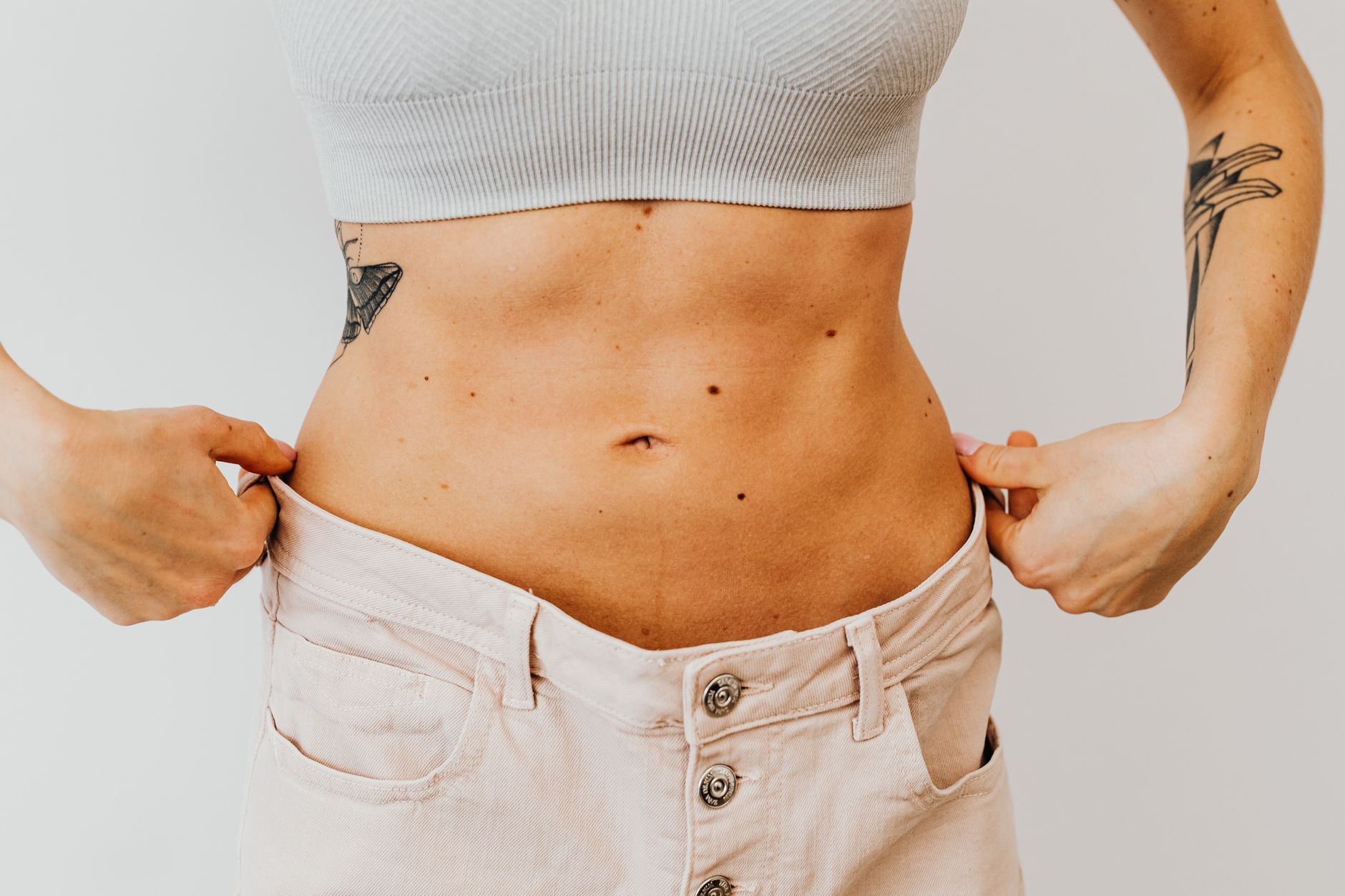
Loose skin is the overall laxity of the belly’s surface, caused by a combination of collagen loss, elastin degradation, and muscle separation. It may appear as a sagging dome without the linear pattern of stretch marks.
Do treatments work for both?
Laser resurfacing and microneedling can improve both stretch‑mark texture and overall skin firmness, but surgical removal is the only definitive method for excess skin.
Does breastfeeding affect postpartum skin elasticity?
Breastfeeding itself does not directly cause loose skin on the abdomen, but hormonal shifts associated with lactation can influence overall skin health.
Hormonal impact
Prolactin and estrogen levels fluctuate during breastfeeding, which may modestly slow collagen production. However, a 2021 review in the Journal of Obstetric, Gynecologic & Neonatal Nursing found no significant difference in abdominal skin laxity between breastfeeding and non‑breastfeeding mothers when weight gain was comparable.
Practical advice for nursing moms
- Maintain a balanced diet rich in protein and vitamin C.
- Stay hydrated—lactation increases fluid needs.
- Continue gentle core exercises after your provider clears you (usually 6 weeks postpartum).
Home remedies for tightening loose skin after pregnancy
Many women turn to over‑the‑counter creams and natural oils hoping for a quick fix. While no topical can replace the structural changes from collagen synthesis, some ingredients do have modest benefits.
Postpartum skin tightening creams review
These products are best applied after showering, when the skin is still slightly damp, to lock in moisture.
Natural oils for postpartum skin elasticity
- Rosehip seed oil: Contains linoleic acid and vitamin A; a 2016 pilot study showed slight improvement in skin elasticity after 12 weeks.
- Sweet almond oil: Rich in fatty acids; helps maintain barrier function.
- Coconut oil: Provides hydration but offers limited collagen support.
Massage the chosen oil in circular motions for 5 minutes daily. The mechanical stimulation itself can promote micro‑circulation.
DIY tightening mask
Mix 1 tbsp plain Greek yogurt, 1 tsp honey, and a few drops of rosehip oil. Apply for 15 minutes, then rinse with lukewarm water. The lactic acid in yogurt offers gentle exfoliation, while honey adds humectant moisture.
When to see a dermatologist for postpartum loose skin
Most loose skin improves with time, but certain signs indicate a professional evaluation is warranted.
Red‑flag symptoms
- Persistent, painful tightness that doesn’t improve after 12 months.
- Visible skin that folds over itself, causing irritation or infection.
- Rapid weight loss or gain (≥10% of body weight) that dramatically changes skin tension.
- Any new discoloration, itching, or ulceration on the abdomen.
If you notice any of these, schedule an appointment with a board‑certified dermatologist or a plastic surgeon experienced in postpartum aesthetics.
Myth vs. fact
Myth: “You can completely prevent loose skin by staying thin during pregnancy.”
Fact: Some degree of skin stretching is inevitable with a growing uterus; healthy weight gain (25–35 lb for a typical pregnancy) supports fetal development and reduces other complications.
Myth: “All stretch marks are permanent and untreatable.”
Fact: Early‑stage stretch marks often fade with laser therapy, microneedling, or topical retinoids.
Myth: “Breastfeeding will make your belly skin looser.”
Fact: Breastfeeding alone does not increase abdominal laxity; lifestyle factors such as nutrition and weight fluctuation play larger roles.
Key takeaways
- Loose skin after pregnancy is common and usually improves within 12–18 months.
- Gentle core exercises, steady weight loss, and a protein‑rich diet support natural tightening.
- Topical retinol or peptide serums can enhance skin texture but won’t replace collagen remodeling.
- Surgical options like abdominoplasty are safe after 6–12 months postpartum but involve cost and recovery considerations.
- Breastfeeding does not directly cause additional abdominal sag; focus on overall nutrition and hydration.
- Seek dermatologic or surgical advice if skin remains painful, inflamed, or unchanged after a year.
Frequently asked questions
Is it normal for my belly to look loose after pregnancy?
Yes. The skin stretches dramatically during pregnancy, and most women see some degree of laxity after delivery. Natural tightening typically occurs over the first year, especially with stable weight and proper skin care.
How can I tighten loose skin without surgery?
Combine core‑strengthening moves (pelvic tilts, modified planks), a protein‑rich diet, adequate hydration, and topical products containing retinol or peptides. Consistency over 6–12 months yields the best non‑surgical results.
What foods help improve skin elasticity after childbirth?
Protein‑dense foods (lean meat, legumes, dairy), vitamin C‑rich fruits (citrus, berries), zinc sources (pumpkin seeds, nuts), and omega‑3 fatty acids (salmon, walnuts) all contribute to collagen synthesis and skin health.
When should I consider a tummy tuck after having a baby?
If you’ve maintained a stable weight for at least 3 months, are at least 6–12 months postpartum, and loose skin remains painful or cosmetically concerning, a consultation with a board‑certified plastic surgeon is appropriate.
Can breastfeeding affect the appearance of loose skin?
Breastfeeding itself does not cause additional abdominal laxity. Hormonal changes may slightly influence collagen turnover, but diet, hydration, and weight stability have a larger impact on skin elasticity.
Are stretch marks and loose skin the same thing?
No. Stretch marks are linear scars from dermal tearing, while loose skin refers to overall sagging of the abdominal surface. Treatments may overlap but target different underlying issues.
What natural oils are best for postpartum skin elasticity?
Rosehip seed oil, sweet almond oil, and, to a lesser extent, coconut oil are popular choices. Regular massage with these oils can improve micro‑circulation and moisturization, supporting skin health.
When to see a doctor / specialist
If any of the following red‑flag signs appear, contact a healthcare professional promptly:
- Persistent, painful tightening that doesn’t improve after 12 months.
- Skin that folds over itself, causing irritation, infection, or ulceration.
- Rapid weight fluctuations (gain or loss of ≥10% body weight) that dramatically alter skin tension.
- New discoloration, itching, or open sores on the abdomen.
Schedule an appointment with a board‑certified dermatologist for skin‑specific concerns, or a plastic surgeon if you’re considering surgical correction. Always discuss any supplement or medication changes with your primary care provider.
References
- American Academy of Dermatology. “Skin Changes During Pregnancy.” AAD Clinical Guidance, 2022.
- American College of Obstetricians and Gynecologists. “Postpartum Care.” ACOG Committee Opinion No. 736, 2020.
- Mayo Clinic. “Post‑partum recovery: What to expect.” Mayo Clinic, 2023.
- Academy of Nutrition and Dietetics. “Nutrition for the postpartum period.” Eatright.org, 2021.
- Journal of Obstetric, Gynecologic & Neonatal Nursing. “Breastfeeding and maternal skin health: A systematic review.” 2021.
- American Society of Plastic Surgeons. “Abdominoplasty (Tummy Tuck) Statistics.” ASPS, 2022.
- National Center for Complementary and Integrative Health. “Collagen supplements: What the science says.” NIH, 2023.
- Harvard T.H. Chan School of Public Health. “Dietary protein and skin health.” Harvard Health Publishing, 2022.
- International Society of Aesthetic Plastic Surgery. “Non‑invasive skin tightening technologies.” ISAPS, 2022.


