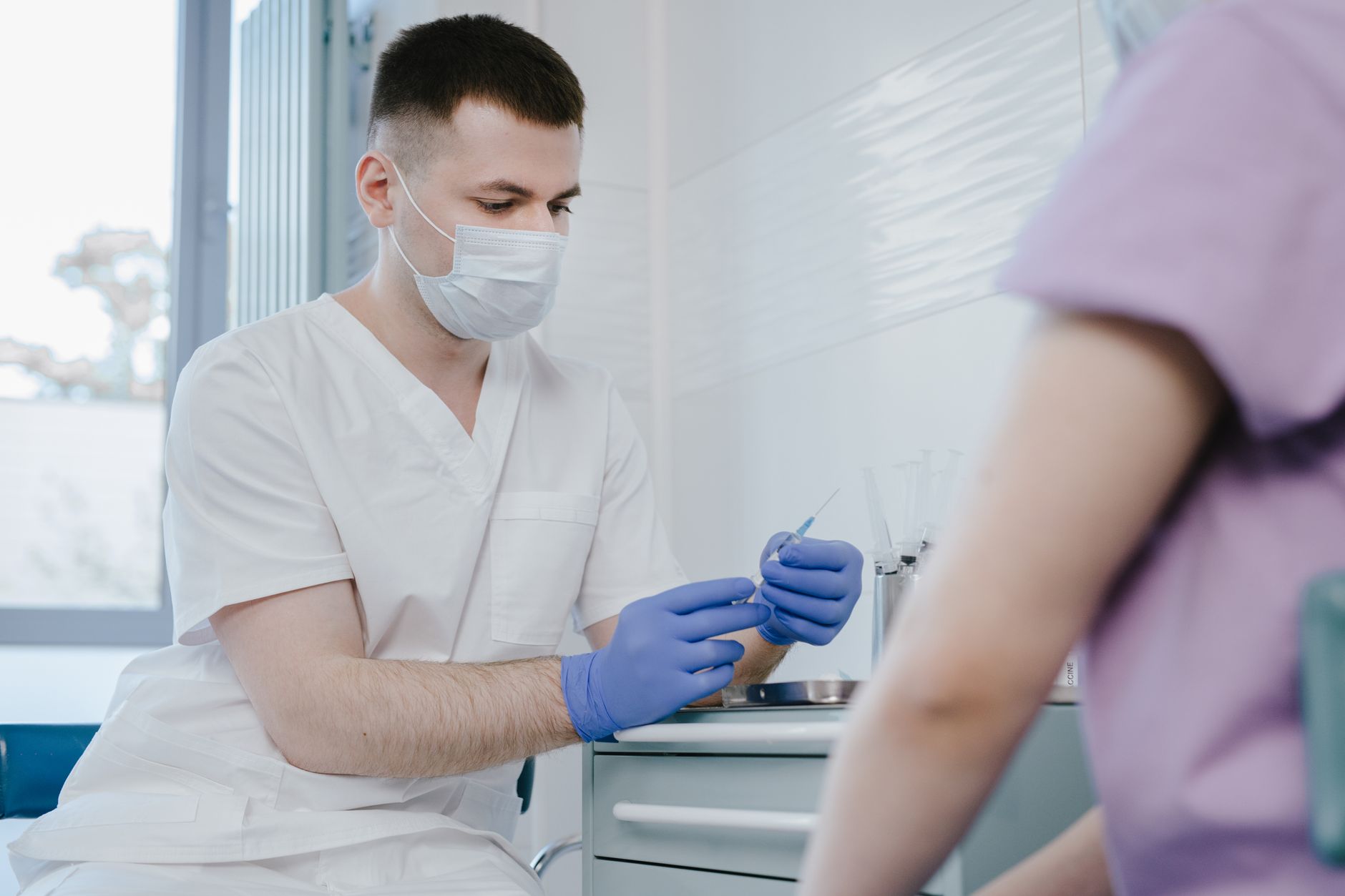
Pregnant? It's crucial to know which live vaccines to avoid during pregnancy to protect both you and your baby. Learn about the specific vaccines, why they're contraindicated, and safe alternatives for prenatal care. Make informed decisions for a healthy pregnancy.
By Shubhra Mishra — a mom of two who turned her own confusion during pregnancy into BumpBites, a global mission to make food choices clear, safe, and stress-free for every expecting mother. 💛
Check whether any food is safe during pregnancy with the BumpBites Food Safety Checker.
Quick take: Certain live attenuated vaccines, which use weakened forms of a virus, are generally not recommended during pregnancy due to a theoretical risk of transmitting the vaccine virus to the developing fetus. Key live vaccines to avoid include MMR (measles, mumps, rubella), varicella (chickenpox), yellow fever, and the nasal spray flu vaccine. Always discuss your vaccination status and any travel plans with your healthcare provider when planning or during pregnancy.
Finding out you’re pregnant or planning for a baby brings a whirlwind of emotions – excitement, anticipation, and often, a healthy dose of concern about doing everything right to protect your little one. Among the many questions that come up, vaccination is a big one. You want to ensure you and your baby are safe from preventable diseases, but you might also be wondering if certain vaccines pose any risks during this delicate time.
It’s a valid concern, and one many women share. The good news is that many vaccines are not only safe but highly recommended during pregnancy to protect both you and your baby. However, there are a specific group of vaccines, known as live attenuated vaccines, that are generally advised against during pregnancy. This isn't to cause alarm, but rather to ensure the utmost caution and safety for your developing baby.
In this article, we’ll explore what live vaccines are, why they’re typically avoided during pregnancy, and which specific ones to be aware of. We’ll also cover what to do if you’ve already received one before knowing you were pregnant, which vaccines are safe and recommended, and how to plan your vaccinations around conception and postpartum. Our goal is to provide clear, trustworthy, and actionable information so you can make informed decisions with your healthcare provider.
What are live attenuated vaccines and how do they work?
To understand why some vaccines are avoided during pregnancy, it helps to know a little about how different types of vaccines work. Live attenuated vaccines use a weakened, or "attenuated," form of the living virus or bacteria that causes a disease. Think of it like a highly trained, very gentle sparring partner – it’s still the real thing, but it’s been modified so it can’t cause a full-blown illness in a healthy person.
When you receive a live attenuated vaccine, your immune system is exposed to this weakened pathogen. It then mounts a robust immune response, producing antibodies and memory cells, just as it would if you encountered the actual disease. Because the vaccine contains a living, albeit weakened, version, it often provides very strong, long-lasting immunity, sometimes after just one dose. This mimics a natural infection without the severe symptoms and complications.
Common examples of live attenuated vaccines include those for measles, mumps, and rubella (MMR), varicella (chickenpox), yellow fever, rotavirus, and the nasal spray flu vaccine. These vaccines are incredibly effective at protecting the general population from serious diseases. However, the presence of a living virus, even a weakened one, is what raises a theoretical concern during pregnancy.
Why are live vaccines generally unsafe during pregnancy?
The primary reason live vaccines are generally considered unsafe during pregnancy stems from a theoretical risk: the possibility that the weakened vaccine virus could multiply and potentially cross the placenta, leading to an infection in the developing fetus. While the vaccine virus is attenuated and designed not to cause illness in a healthy adult, a fetus's immune system is still developing and might be more vulnerable.
This concern is largely theoretical for many live vaccines, meaning there isn't extensive evidence of actual harm in humans, especially for vaccines like MMR. However, out of an abundance of caution, healthcare providers err on the side of protecting the fetus from any potential exposure to a live virus, no matter how weakened. The goal during pregnancy is to minimize all possible risks to the developing baby.
The immune system of a pregnant person also undergoes changes, which can sometimes affect how they respond to vaccines. While these changes don't typically make live vaccines more dangerous for the pregnant individual themselves, the focus remains on the potential impact on the fetus. Therefore, medical guidelines from organizations like the Centers for Disease Control and Prevention (CDC) and the American College of Obstetricians and Gynecologists (ACOG) universally recommend avoiding live attenuated vaccines during gestation.
Making informed decisions about vaccinations is a key part of prenatal care.
Which specific live vaccines should pregnant women avoid?
When you're pregnant or planning to conceive, it's crucial to be aware of the specific live attenuated vaccines that are contraindicated. These are vaccines that you should generally not receive during pregnancy. If you’re unsure about your vaccination history, it’s always best to discuss it with your healthcare provider.
Here’s a detailed look at the primary live vaccines to avoid:
MMR (Measles, Mumps, Rubella) Vaccine: The MMR vaccine contains live attenuated viruses for measles, mumps, and rubella. The greatest concern is the rubella component, as wild-type rubella infection during pregnancy is known to cause severe birth defects (Congenital Rubella Syndrome). While there's no evidence of birth defects from the rubella vaccine virus itself, the theoretical risk is enough to recommend avoiding it. Women planning pregnancy should get the MMR vaccine at least one month before trying to conceive.
Varicella (Chickenpox) Vaccine: This vaccine contains a live attenuated varicella-zoster virus. While the risk is considered very low, there have been a few isolated reports of fetal varicella syndrome in infants born to mothers vaccinated during pregnancy, though a direct causal link is not definitively established. Still, due to this theoretical concern, the varicella vaccine is contraindicated in pregnancy. Similar to MMR, women should wait at least one month after vaccination before attempting to conceive.
Yellow Fever Vaccine: The yellow fever vaccine is a live attenuated vaccine often required for travel to certain parts of Africa and South America. Due to the theoretical risk of transmission to the fetus, it's generally contraindicated during pregnancy. If travel to an endemic area is unavoidable and the risk of exposure to yellow fever is high, a discussion with a travel medicine specialist and your OB/GYN is essential to weigh the risks and benefits. In some extreme cases, it might be given if the risk of yellow fever infection outweighs the theoretical vaccine risk, but this is rare and highly individualized.
Nasal Spray Flu Vaccine (LAIV): Unlike the inactivated flu shot, which is safe and recommended during pregnancy, the nasal spray flu vaccine (Live Attenuated Influenza Vaccine or LAIV) contains live, weakened influenza viruses. For this reason, it should not be used by pregnant women. Always ensure you receive the inactivated (shot) version of the flu vaccine if you are pregnant.
Zoster (Shingles) Vaccine: Both the older live attenuated shingles vaccine (Zostavax) and the newer recombinant zoster vaccine (Shingrix) are generally not recommended during pregnancy. While Shingrix is not a live vaccine, there isn't enough safety data in pregnant populations, and it's typically given to older adults. For the live vaccine (Zostavax), the same theoretical concerns about fetal exposure apply. If you're considering pregnancy, it's best to discuss your need for shingles vaccination with your provider, ideally receiving it before conception or waiting until after birth.
Smallpox Vaccine: This vaccine is generally not available to the public and is primarily reserved for individuals at high risk of exposure (e.g., military personnel, laboratory workers). It contains a live vaccinia virus and is contraindicated in pregnancy due to known risks of fetal infection and complications.
Here’s a summary table of these live vaccines and key considerations:
Vaccine
Type
Why Avoided in Pregnancy
Recommended Waiting Period Before Conception
MMR (Measles, Mumps, Rubella)
Live Attenuated
Theoretical risk of fetal infection, especially rubella component (though no confirmed cases of CRS from vaccine).
1 month
Varicella (Chickenpox)
Live Attenuated
Theoretical risk of fetal varicella syndrome (rare, unconfirmed link).
1 month
Yellow Fever
Live Attenuated
Theoretical risk of fetal infection. Only considered if unavoidable travel to high-risk endemic areas.
4 weeks
Nasal Spray Flu (LAIV)
Live Attenuated
Contains live, weakened influenza viruses.
N/A (inactivated flu shot is recommended)
Zoster (Shingles)
Live Attenuated (Zostavax)
Theoretical risk of fetal infection; insufficient data for non-live Shingrix in pregnancy.
1 month (for live vaccine)
Smallpox
Live Virus
Known risks of fetal infection and complications.
Not applicable for general public
This table highlights the importance of discussing your immunization history and any upcoming travel plans with your healthcare provider well before or during pregnancy. This proactive approach helps ensure your safety and that of your baby.
What if I received a live vaccine before knowing I was pregnant?
It's a common scenario: you receive a vaccine, and then, a few days or weeks later, you discover you’re pregnant. This can certainly be a moment of panic and worry for many women. If this happens with a live attenuated vaccine, the first and most important step is to contact your healthcare provider immediately.
Take a deep breath. While live vaccines are generally avoided during pregnancy, the risk to the fetus from accidental vaccination, especially in early pregnancy, is considered very low. For instance, extensive studies and surveillance data on women who unknowingly received the MMR vaccine during pregnancy have shown no evidence of an increased risk of birth defects or congenital rubella syndrome (CRS) due to the vaccine virus. The CDC and ACOG both state that accidental MMR vaccination during pregnancy is not a reason to terminate the pregnancy.
The same reassuring message generally applies to accidental varicella vaccination. While a few isolated cases of fetal varicella syndrome have been reported, the overall risk is extremely low, and these cases are not definitively linked to the vaccine itself. Most exposures to live attenuated vaccine viruses in early pregnancy have not resulted in adverse fetal outcomes.
Your healthcare provider will assess your specific situation, including the exact vaccine received, the timing relative to your last menstrual period, and your overall health. They may recommend monitoring, but in most cases, they will reassure you that the risk is minimal. It’s vital to provide all the details you remember about the vaccination to help your doctor give you the most accurate and personalized guidance.
This scenario underscores the importance of pre-conception counseling. If you are trying to conceive, or there’s a possibility you might become pregnant, always inform your doctor before receiving any vaccinations.
Are there any vaccines that are safe and recommended during pregnancy?
Absolutely! While some vaccines need to be avoided, many others are not only safe but highly recommended during pregnancy. These vaccines protect you from serious illnesses and, importantly, pass protective antibodies to your baby before birth, offering them some early immunity after they're born. This is called passive immunity, and it's a wonderful benefit of vaccinating during pregnancy.
The two most commonly recommended vaccines during pregnancy are:
Tdap Vaccine (Tetanus, Diphtheria, Pertussis/Whooping Cough): The Tdap vaccine is strongly recommended during every pregnancy, ideally between 27 and 36 weeks gestation. Pertussis (whooping cough) can be very serious, even deadly, for newborns who are too young to be vaccinated themselves. Getting the Tdap vaccine during pregnancy allows your body to produce antibodies, which then cross the placenta to your baby. This provides crucial protection against whooping cough for your baby in their first few months of life, before they can receive their own immunizations. The vaccine also protects you, reducing your risk of getting pertussis and potentially transmitting it to your newborn.
Inactivated Flu Shot: The seasonal flu shot is also highly recommended for all pregnant women, regardless of their trimester. Pregnancy changes your immune system, heart, and lung function, making you more susceptible to severe illness from the flu. Getting the flu while pregnant can lead to serious complications for you, including hospitalization, and can also increase the risk of preterm labor and delivery. The flu shot is an inactivated (not live) vaccine, meaning it contains killed viruses and cannot cause the flu. It's safe for both you and your baby and, like Tdap, provides your baby with protective antibodies after birth. Remember to specifically ask for the "flu shot" and confirm it's not the nasal spray version.
Your healthcare provider may also recommend other inactivated vaccines based on your individual risk factors, health conditions, or travel plans. These might include hepatitis B vaccine, especially if you're at risk, or potentially others like the meningococcal vaccine if there's a specific outbreak or travel requirement. The key is to discuss your specific needs and medical history with your OB/GYN or family doctor, as they can provide tailored advice based on current guidelines from health authorities like the CDC and ACOG.
Many vaccines, like the Tdap and flu shot, are safe and crucial for maternal and infant health during pregnancy.
How long should I wait to conceive after receiving a live vaccine?
If you're planning a pregnancy, it's a great idea to review your vaccination history with your healthcare provider well in advance. This pre-conception planning allows you to catch up on any necessary vaccinations, especially live ones, without worrying about potential risks to a developing fetus. It also ensures you have adequate time for the vaccine to become effective before you try to conceive.
For most live attenuated vaccines, the general recommendation is to wait at least one month (or four weeks) after vaccination before attempting to become pregnant. This waiting period is a precautionary measure to ensure that the vaccine virus has fully cleared your system and that your body has mounted a complete immune response. For example, if you receive the MMR or varicella vaccine, you should use reliable contraception for at least one month following the shot.
This waiting period allows for peace of mind and minimizes any theoretical risks. While, as mentioned, accidental vaccination often doesn't lead to adverse outcomes, planning ahead eliminates that worry entirely. Your doctor will review your immunization records, discuss your plans, and help you create a vaccination schedule that optimizes both your health and the health of your future baby.
If you have any doubts about your immunity to diseases like rubella or chickenpox, a simple blood test (titer test) can determine if you're protected. If you're not immune, your doctor can recommend vaccination and advise on the appropriate waiting period before trying to conceive.
When can I safely get live vaccines after giving birth?
The good news is that after your baby is born, the restrictions on live attenuated vaccines generally lift. Postpartum is an excellent time to catch up on any vaccinations you couldn't receive or had to delay during pregnancy, including live vaccines like MMR and varicella. This is important not only for your own health but also for the health of your new baby and other family members.
For most live vaccines, they can be safely administered immediately after birth, even if you are breastfeeding. The live attenuated viruses in vaccines are generally not transmitted through breast milk in amounts that would pose a risk to the infant. The benefits of vaccinating the mother to protect her from illness and prevent her from transmitting diseases to her baby (who is still developing their own immune system) typically outweigh any theoretical concerns.
For example, if you were found to be non-immune to rubella during pregnancy, getting the MMR vaccine postpartum is highly recommended. This protects you from rubella in future pregnancies and ensures you don't contract the disease and potentially expose your infant. Similarly, if you've never had chickenpox or the varicella vaccine, getting vaccinated postpartum can protect you from a potentially serious illness.
Always discuss your postpartum vaccination needs with your healthcare provider during your postpartum check-ups. They can help you determine which vaccines are appropriate for you based on your vaccination history, health status, and whether you are breastfeeding. The CDC and ACOG both support the safety of most vaccines, including live ones, for breastfeeding mothers.
What are the potential risks of getting a live vaccine while pregnant?
Understanding the potential risks of live vaccines during pregnancy is key to making informed decisions. While the overall risk is often described as theoretical, it's based on the understanding of how viruses work and the vulnerability of a developing fetus. The primary concern is that the weakened live virus in the vaccine could potentially cross the placenta and cause an infection in the fetus.
Let's break down the specific concerns for some of the key live vaccines:
MMR Vaccine (specifically the Rubella component): Wild-type rubella infection during early pregnancy is known to cause Congenital Rubella Syndrome (CRS), which can lead to severe birth defects including heart problems, deafness, cataracts, and intellectual disabilities. While the rubella vaccine virus is attenuated, the theoretical risk of it causing similar, albeit milder, issues is why it's avoided. However, as mentioned earlier, extensive data has shown no evidence of CRS or other birth defects in infants born to mothers who unknowingly received the MMR vaccine during pregnancy. The vaccine virus appears to be far less pathogenic than the wild virus.
Varicella Vaccine: Wild-type chickenpox (varicella) infection during pregnancy can lead to congenital varicella syndrome, which can cause skin scarring, limb abnormalities, eye problems, and neurological damage in the baby. The varicella vaccine contains a live attenuated virus. There have been a handful of isolated reports of congenital varicella syndrome in infants whose mothers received the vaccine during pregnancy. However, establishing a direct causal link is difficult, and these cases are extremely rare. The risk, if any, is considered to be very low, but the potential for serious outcomes from the wild virus makes caution paramount.
Yellow Fever Vaccine: Wild-type yellow fever infection during pregnancy can be very serious for the mother and may lead to fetal loss or preterm labor. The yellow fever vaccine is a live attenuated virus, and there is a theoretical risk of fetal infection. While data on human pregnancies is limited, some studies have shown no increased risk of adverse fetal outcomes. However, due to the potential severity of the wild virus and the lack of extensive safety data for the vaccine in pregnancy, it's generally avoided unless the risk of contracting yellow fever is exceptionally high and unavoidable.
It's important to differentiate between the risks of the actual disease (wild virus) and the theoretical risks of the vaccine. The risks associated with contracting these diseases during pregnancy are often far more severe and well-documented than the theoretical risks from the attenuated vaccine viruses. This is why pre-conception planning to ensure immunity to these diseases is so crucial. Your healthcare provider will always weigh the known risks of disease exposure against the theoretical risks of vaccination to provide the safest recommendation.
Protecting your baby means understanding the nuances of vaccine safety.
Myth vs. Fact
Navigating health information during pregnancy can be confusing, especially with so much conflicting advice available. Let's clear up some common myths about vaccines and pregnancy.
Myth: You can't get any vaccines at all while pregnant.
Fact: This is untrue. While live attenuated vaccines are generally avoided, several inactivated vaccines are not only safe but highly recommended during pregnancy. The Tdap vaccine and the inactivated flu shot are crucial for protecting both you and your baby from serious illnesses. Your healthcare provider will advise you on which vaccines are safe and necessary based on your individual health profile and risk factors.
Myth: Being around someone who just received a live vaccine (like MMR or varicella) is dangerous for a pregnant woman.
Fact: For most live vaccines, there is no risk to pregnant women or their fetuses from being around someone who has recently been vaccinated. The vaccine viruses are typically not shed in a way that can transmit the disease to others, or if they are shed (as with the varicella vaccine), the amount is very small and unlikely to cause infection in a healthy person. The only exception often cited is the oral polio vaccine (no longer used in the US) or, in rare cases, a severe rash from the varicella vaccine in an immunocompromised person. For common vaccines like MMR and varicella, you can safely be around vaccinated individuals.
Myth: If you've been exposed to a disease like measles or chickenpox and aren't immune, getting the vaccine during pregnancy is still too risky.
Fact: This is a complex situation that requires immediate medical consultation. In some cases of known exposure to a serious disease like measles or chickenpox, if you are not immune, your doctor might recommend an immediate dose of immunoglobulin. This is a blood product containing antibodies that can provide temporary, passive immunity and might prevent or lessen the severity of the disease. This is different from a vaccine and is considered a post-exposure prophylactic measure, not a vaccination. Always talk to your doctor right away if you believe you've been exposed to a contagious disease and are pregnant or trying to conceive.
Key Takeaways
Live attenuated vaccines, which use weakened viruses, are generally avoided during pregnancy due to a theoretical risk of fetal infection.
Key live vaccines to avoid include MMR, varicella (chickenpox), yellow fever, and the nasal spray flu vaccine.
If you unknowingly received a live vaccine before pregnancy, the risk to the fetus is considered very low, but you should contact your doctor immediately.
Several vaccines, like the Tdap and inactivated flu shot, are safe and highly recommended during pregnancy to protect both mother and baby.
Plan your vaccinations with your healthcare provider well before trying to conceive, allowing at least a one-month waiting period after live vaccines.
Postpartum is an ideal time to receive any live vaccines you missed or deferred during pregnancy, even if you are breastfeeding.
Frequently Asked Questions
What vaccines are contraindicated in pregnancy?
Vaccines contraindicated in pregnancy are primarily live attenuated vaccines, which contain weakened forms of a virus. These include the MMR (measles, mumps, rubella) vaccine, varicella (chickenpox) vaccine, yellow fever vaccine, and the nasal spray flu vaccine. These are avoided due to a theoretical, though often unproven, risk of the vaccine virus crossing the placenta and potentially affecting the developing fetus.
What happens if you get a live vaccine while pregnant?
If you receive a live vaccine while pregnant, especially before you knew you were pregnant, the risk to the fetus is generally considered very low. For example, extensive studies on accidental MMR vaccination during pregnancy have found no evidence of increased birth defects. However, it's crucial to inform your healthcare provider immediately so they can assess your specific situation and provide personalized guidance and reassurance.
Can you get MMR vaccine while pregnant?
No, the MMR vaccine is a live attenuated vaccine and is generally contraindicated during pregnancy. The main concern is the rubella component, as wild-type rubella infection can cause severe birth defects. While the vaccine virus itself has not been shown to cause such defects, the theoretical risk leads to the recommendation to avoid it. Women should wait at least one month after receiving the MMR vaccine before trying to conceive.
What vaccines are safe during pregnancy?
Many vaccines are safe and recommended during pregnancy. The most important ones are the Tdap (tetanus, diphtheria, and pertussis/whooping cough) vaccine, typically given between 27 and 36 weeks, and the inactivated flu shot, recommended for all pregnant women at any stage of pregnancy. These vaccines protect the mother and pass crucial antibodies to the baby, offering early protection after birth.
How long after live vaccine can I get pregnant?
After receiving a live attenuated vaccine, such as MMR or varicella, it is generally recommended to wait at least one month (four weeks) before attempting to conceive. This waiting period is a precautionary measure to ensure the vaccine virus has cleared your system and your body has developed its full immune response, minimizing any theoretical risks to a potential pregnancy.
Is it safe to be around someone who just got a live vaccine while pregnant?
Yes, for most live vaccines, it is generally safe for a pregnant woman to be around someone who has recently been vaccinated. The vaccine viruses are typically not shed in a way that can transmit the disease to others, or if shedding occurs (as with the varicella vaccine), the amount is very low and poses no risk to a healthy pregnant individual or her fetus. There is no need to avoid contact with vaccinated individuals.
When to see a doctor or specialist
You should always discuss your vaccination status and any concerns with your healthcare provider, especially if you are pregnant, planning to become pregnant, or breastfeeding. Specifically, contact your OB/GYN or family doctor:
If you received a live attenuated vaccine (like MMR or varicella) before you knew you were pregnant.
If you are planning to become pregnant and are unsure about your immunity or vaccination history.
If you have travel plans to areas where specific vaccines (like yellow fever) might be recommended, especially during pregnancy.
If you believe you have been exposed to a contagious disease (like measles or chickenpox) and are not immune while pregnant.
For routine pre-conception counseling and to plan your vaccination schedule.
For your routine prenatal and postpartum care, during which your doctor will discuss recommended vaccines like Tdap and the flu shot.
This article provides general information and is not a substitute for professional medical advice. Always consult with a qualified healthcare provider for personalized diagnosis, treatment, and medical advice.
Not sure about the label on Live Vaccines To Avoid During Pregnancy products?
Snap the ingredients list and SafeFilter checks every ingredient for your stage — only 3 free scans this month, then you're locked until reset. Unlimited from $7/mo or $50/yr.
When Shubhra Mishra was expecting her first child in 2016, she was overwhelmed by conflicting food advice — one site said yes, another said never. By the time her second baby arrived in 2019, she realized millions of mothers face the same confusion.
That sparked a five-year journey through clinical nutrition papers, cultural diets, and expert conversations — all leading to BumpBites: a calm, compassionate space where science meets everyday motherhood.
Her long-term vision is to build a global community ensuring safe, supported, and free deliveriesfor every mother — because no woman should face pregnancy alone or uninformed. 🌿
🌍 Stand with mothers, shape safer guidance
Join a small circle of experts who review BumpBites articles so expecting parents everywhere can decide with confidence.