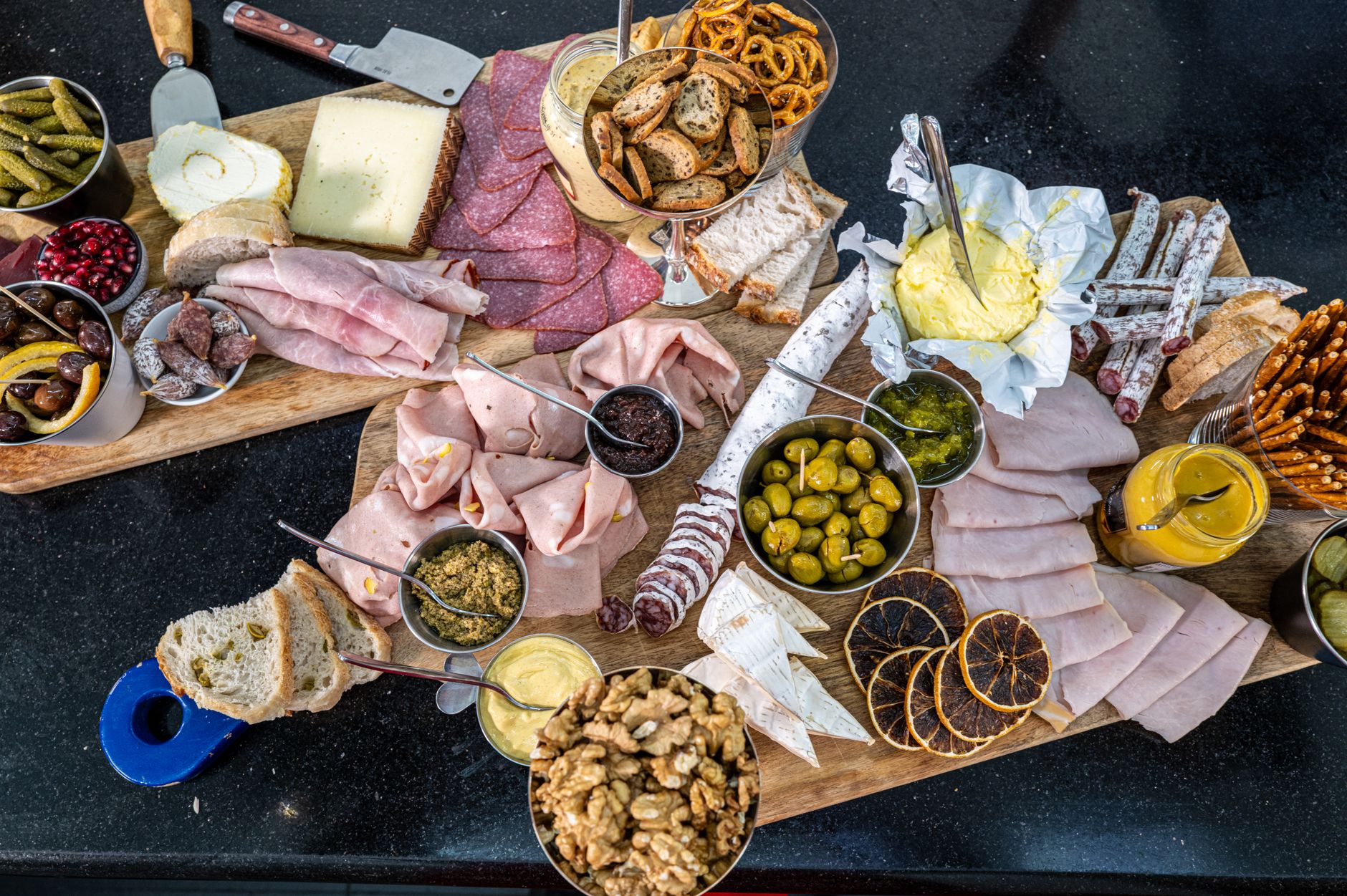
Yes. Soft cheeses made from unpasteurized milk are a well‑documented source of listeria. The creamy texture and low acidity give the bacteria a comfortable environment to multiply.
Examples of soft cheeses to watch out for include:
- Feta
- Brie
- Camembert
- Queso blanco
- Blue‑veined cheeses such as gorgonzola (unless labeled pasteurized)
If you love cheese, opt for varieties that are clearly labeled “made with pasteurized milk” or choose hard cheeses like cheddar and parmesan, which are far less likely to harbor listeria.
Hard cheeses have a lower moisture content and a higher pH, both of which inhibit bacterial growth. The American College of Obstetricians and Gynecologists (ACOG) notes that hard cheeses are generally safe for pregnant women, provided they are stored properly and not past their expiration date.
When shopping, look for the “pasteurized” seal; if it’s missing, it’s safest to set the cheese aside.
Unpasteurized juice listeria pregnancy
Just as with soft cheeses, unpasteurized fruit juices can contain listeria. Even though the risk is lower than with dairy, the CDC still recommends that pregnant women choose only pasteurized juices or heat the juice to a rolling boil for at least one minute before drinking.
Is deli meat safe to eat while pregnant?
Most deli meats—ham, turkey, roast beef, and salami—are safe if you heat them to steaming hot (at least 165 °F/74 °C) before eating. The heat kills any listeria that might be present.
Here’s a quick checklist for deli meats:
- Buy freshly sliced meats from a reputable source.
- Check the “use‑by” date and avoid any product that looks slimy or has an off odor.
- Reheat in a microwave, skillet, or oven until the interior is steaming.
- Consume within 3‑4 days of purchase if stored properly.
Cold cuts that have been sitting in the fridge for a week should be discarded, even if the package looks sealed. Listeria can grow slowly over time, turning a seemingly harmless sandwich into a risk.
When you’re at a deli counter, ask staff whether the meat has been “heat‑treated” or “steam‑cooked.” If the answer is uncertain, it’s safest to reheat the product at home before adding it to a sandwich.
Choosing nitrate‑free varieties does not affect listeria risk, but it can be a healthier option for other reasons.
Listeria vs. salmonella pregnancy
Both listeria and salmonella are foodborne pathogens, but they differ in how they affect pregnant women. Salmonella typically causes gastroenteritis with severe diarrhea, while listeria can lead to a milder flu‑like illness that progresses to severe complications for the fetus. Importantly, salmonella does not cross the placenta as readily as listeria, making the latter the greater concern for fetal health.
How to properly store leftovers to prevent listeria for pregnant moms?
Proper storage is a cornerstone of listeria prevention. Follow these steps:
- Cool quickly: Place hot foods into shallow containers (no deeper than 2 inches) and refrigerate within two hours. If the ambient temperature is above 90 °F (32 °C), refrigerate within one hour.
- Maintain fridge temperature: Keep your refrigerator at or below 40 °F (4 °C). Use a thermometer to verify.
- Label and date: Write the date on the container’s lid. Consume leftovers within three days.
- Reheat thoroughly: When reheating, ensure the food reaches an internal temperature of 165 °F (74 °C) throughout.
- Avoid cross‑contamination: Store raw meats on the bottom shelf and keep ready‑to‑eat foods on upper shelves.
Even if a food looks and smells fine, listeria can be present. Following these storage rules dramatically reduces the chance of bacterial growth.
For added safety, consider using a dedicated “pregnancy‑safe” drawer in your fridge for items you’ve already heated or verified as low‑risk. The National Health Service (NHS) in the UK recommends separating high‑risk foods from low‑risk foods to minimize cross‑contamination.
Regularly cleaning fridge shelves with a mild bleach solution can also help eliminate lingering bacteria.
How long can listeria survive in refrigerated foods?
Listeria can survive—and even multiply—at temperatures as low as 32 °F (0 °C). In practice, this means that if a contaminated food is left in the fridge for a week, the bacterial count can increase enough to cause illness. That’s why the “three‑day rule” for leftovers is a critical safety net.
What are the symptoms of listeria infection in pregnancy?
Listeria infection, or listeriosis, often starts with mild, flu‑like symptoms that can be mistaken for a common cold. However, because pregnant women are more vulnerable, any of the following signs should prompt immediate medical attention:
- Fever of 100.4 °F (38 °C) or higher
- Severe headache
- Stiff neck
- Muscle aches
- Nausea or vomiting
- Diarrhea (less common)
- General feeling of being “off” or unusually fatigued
In some cases, the infection can progress to miscarriage, stillbirth, or severe neonatal illness. Diagnosis is confirmed through a blood culture or, in some cases, a spinal fluid test. Prompt antibiotic treatment can dramatically improve outcomes for both mother and baby.
Because the early symptoms overlap with many benign illnesses, the American College of Obstetricians and Gynecologists (ACOG) advises any pregnant woman with a fever that lasts more than 24 hours to contact her provider for evaluation.
Keeping a symptom diary can help your clinician differentiate listeriosis from other common viral illnesses.
Listeria infection treatment during pregnancy
The standard treatment is a course of intravenous antibiotics, typically ampicillin combined with gentamicin, administered in a hospital setting. Treatment usually lasts 14 days, and the mother’s fever should resolve within 48 hours of starting therapy. Early treatment is associated with a >90 % survival rate for the infant.
Are there any safe ready‑to‑eat foods for pregnant women?
Yes—many ready‑to‑eat foods are low risk when they’re either cooked, pasteurized, or have a low pH that inhibits bacterial growth. Safe options include:
- Pre‑washed, packaged baby carrots (check for a “pasteurized” label if they’re in a dip).
- Hard cheeses such as cheddar, Swiss, or gouda (made with pasteurized milk).
- Cooked frozen meals that are heated to a steaming hot temperature.
- Canned tuna, salmon, or chicken (ensure they’re heated or consumed straight from the can).
- Fresh fruits and whole‑grain breads without added deli spreads.
Always read labels for “pasteurized” or “fully cooked” claims, and when in doubt, heat the item to 165 °F (74 °C) before eating.
These foods are also convenient for busy moms‑to‑be who need quick, nutritious options without compromising safety.
Listeria safe cooking temperature pregnancy
The U.S. Food and Drug Administration (FDA) recommends cooking all high‑risk foods to an internal temperature of at least 165 °F (74 °C). Use a food‑grade thermometer to verify the temperature, especially for thick cuts of meat or reheated leftovers.
How long should pregnant women avoid unpasteurized milk?
Unpasteurized (raw) milk and products made from it should be avoided for the entire duration of pregnancy. Pasteurization kills listeria along with other harmful bacteria. Even if you’re a fan of farm‑fresh milk, the risks far outweigh the benefits while you’re expecting.
If you’ve already consumed raw milk, monitor for fever or flu‑like symptoms, and contact your provider promptly. In most cases, a brief course of antibiotics can prevent an infection from taking hold.
In the United Kingdom, the NHS explicitly lists raw milk as a food to avoid during pregnancy, citing documented outbreaks linked to Listeria monocytogenes.
Unpasteurized juice listeria pregnancy
Similar to raw milk, unpasteurized fruit juices can harbor listeria. If you enjoy fresh‑pressed juice, ask the vendor whether the juice has been pasteurized or consider boiling it briefly before drinking.
What cooking methods kill listeria in high‑risk foods?
Heat is the most reliable way to eliminate listeria. Here are the best methods:
- Boiling: Bring soups, stews, and sauces to a rolling boil for at least one minute.
- Microwaving: Heat leftovers on high for 2‑3 minutes, stirring halfway through to ensure even heating.
- Oven roasting: Bake casseroles or meat dishes until the center reaches 165 °F (74 °C).
- Grilling: Grill meats and fish until the juices run clear and the internal temperature meets the 165 °F threshold.
Simply warming a food in the fridge or at room temperature is not enough—Listeria can survive at temperatures up to 113 °F (45 °C). Consistent, thorough heating is essential.
Using a digital probe thermometer takes the guesswork out of ensuring safe temperatures.
Listeria outbreak foods list 2024
In 2024, the CDC reported several multistate outbreaks linked to:
Staying aware of current outbreaks can help you make safer choices. When a recall is announced, the FDA and CDC typically issue alerts via their websites and through news outlets.
Signing up for the FDA’s “Food Safety Alerts” email list can give you real‑time notifications.
How to test for listeria at home pregnant
There is no reliable at‑home test for listeria. If you suspect contamination, discard the product. For personal health concerns, a blood culture performed by a healthcare professional is the only definitive test.
Symptoms checklist
Use this quick list to gauge whether you might be experiencing listeriosis:
- Fever ≥ 100.4 °F (38 °C)
- Severe headache or neck stiffness
- Muscle aches or joint pain
- Nausea, vomiting, or diarrhea
- General feeling of malaise or fatigue
- Any sudden change in fetal movements (consult your OB‑GYN immediately)
If you check any two of these symptoms, especially fever, call your provider right away.
Keeping a symptom log can help your clinician decide quickly whether testing is needed.
Treatment options comparison
All regimens are guided by a physician’s assessment of disease severity and gestational age. Early IV therapy remains the gold standard.
Side‑effects such as mild stomach upset are common, but serious reactions are rare under medical supervision.
How to read food labels for listeria risk during pregnancy
Food labels are a quick way to spot potential listeria hazards. Look for the following key phrases:
- “Pasteurized” – indicates that milk or juice has been heat‑treated.
- “Ready‑to‑eat” or “pre‑cooked” – still require heating to 165 °F unless the label says “heat‑treated.”
- “Use‑by” or “sell‑by” dates – discard products past these dates, especially deli meats.
- “No added preservatives” – may suggest a higher risk of bacterial growth if the product is refrigerated.
The U.S. Department of Agriculture (USDA) advises pregnant consumers to keep a list of “safe” label terms and to avoid any product that lacks clear pasteurization or cooking instructions.
When in doubt, a quick phone call to the manufacturer can clarify whether a product is heat‑treated.
Travel tips: staying safe from listeria while on the road
Travel can introduce new food‑safety challenges, especially in regions where raw dairy and artisanal cheeses are common. Follow these simple strategies:
- Stick to bottled, pasteurized beverages. If you’re unsure, boil tap water for one minute.
- Avoid street‑vendor foods that are served cold unless you can confirm they’re cooked.
- Pack your own snacks—hard cheeses, pre‑cooked chicken strips, and whole fruits are travel‑friendly.
- When staying in a hotel, use the mini‑fridge to store perishable items and keep it at or below 40 °F (4 °C).
According to the NHS, travelers who follow these precautions reduce their listeria risk by more than 80 %.
Download a reliable food‑safety app before you go; many include country‑specific alerts.
Listeria and breastfeeding: what new moms should know
Lactating mothers who develop listeriosis can pass the bacteria to their infant through breast milk, although this is rare. The CDC recommends that mothers with confirmed listeria infection continue breastfeeding while receiving appropriate antibiotics, as the benefits of breast milk generally outweigh the risk.
If you’re being treated for listeria, discuss with your provider whether any temporary pause in nursing is advisable. In most cases, antibiotic therapy does not require stopping breastfeeding.
Maintaining proper hand hygiene before each feeding remains essential.
Myth vs. fact
Myth: “If the food smells fine, it’s safe.”
Fact: Listeria does not affect taste, smell, or appearance. Even perfectly normal‑looking foods can be contaminated.
Myth: “Freezing eliminates listeria.”
Fact: Freezing only halts bacterial growth; it does not kill the bacteria. Thawing and reheating to 165 °F (74 °C) is still required.
Myth: “Pregnant women can eat raw fruits safely.”
Fact: Unwashed or unpasteurized fruit juices can harbor listeria. Rinse fruits thoroughly and choose pasteurized juices.
Key takeaways
- Avoid unpasteurized milk, soft cheeses, deli meats, and ready‑to‑eat salads unless heated to 165 °F (74 °C).
- Store leftovers in shallow containers, refrigerate within 2 hours, and consume within three days.
- Keep your fridge at or below 40 °F (4 °C) and use a thermometer to confirm.
- Watch for fever, headache, or muscle aches—call your provider immediately if they appear.
- If diagnosed, standard treatment is IV antibiotics for about two weeks, with a high success rate.
- Read labels for “pasteurized” or “fully cooked” claims, and heat foods whenever you’re unsure.
Frequently asked questions
What foods should pregnant women avoid to prevent listeria?
Avoid unpasteurized dairy (raw milk, soft cheeses), deli meats unless reheated, ready‑to‑eat salads, pre‑cut fruits, and unpasteurized juices. Choose pasteurized or thoroughly heated alternatives.
Can I eat deli meat while pregnant?
Yes, but only after heating it to a steaming hot temperature (165 °F/74 °C). This kills any listeria that might be present. Cold cuts that have been stored for more than three days should be discarded.
How does listeria affect the baby during pregnancy?
Listeria can cross the placenta, leading to miscarriage, stillbirth, or severe neonatal infection. Early antibiotic treatment reduces these risks dramatically.
Is unpasteurized cheese safe for pregnant women?
No. Soft cheeses made from raw milk are a common source of listeria. Stick with hard cheeses or any cheese clearly labeled “made with pasteurized milk.”
What are the early signs of listeria infection?
Early signs include fever, headache, muscle aches, and sometimes nausea or diarrhea. Because symptoms can mimic a mild flu, any fever during pregnancy warrants a call to your provider.
How long can listeria survive in refrigerated foods?
Listeria can grow at refrigerator temperatures and may multiply over several days. That’s why leftovers should be consumed within three days and always reheated thoroughly.
Can I still enjoy fresh fruit during pregnancy?
Yes—wash all fruits under running water and avoid pre‑cut fruit salads that sit in the fridge. Choose whole fruits and peel when appropriate.
What should I do if I think I’ve been exposed to listeria?
Contact your OB‑GYN right away. They may order a blood culture and, if warranted, start empiric antibiotics. Early treatment is key to protecting both you and your baby.
Are probiotic supplements helpful for preventing listeria?
Current evidence does not support probiotics as a reliable way to prevent listeria infection. The Academy of Nutrition and Dietetics recommends focusing on safe food handling and thorough cooking instead.
Can I eat sushi or raw fish while pregnant?
Raw fish carries a risk of both listeria and parasites. The FDA advises pregnant women to choose fully cooked seafood or sushi made with cooked fish, such as tempura rolls.
What steps should I take during a home listeria outbreak?
Discard any suspect foods, clean surfaces with a bleach solution, and wash hands for at least 20 seconds after handling. Notify your provider promptly if you develop symptoms.
When to see a doctor / specialist
If you experience any of the following, seek medical care right away:
- Fever of 100.4 °F (38 °C) or higher
- Severe headache, stiff neck, or sudden muscle pain
- Persistent nausea, vomiting, or diarrhea
- Unexplained loss of fetal movement
- Recent consumption of high‑risk foods (soft cheese, deli meat, unpasteurized juice) within the past 72 hours
Contact your OB‑GYN or go to the nearest emergency department. If listeria is suspected, an infectious disease specialist may be consulted for antibiotic management.
This article is for informational purposes only and does not replace personalized medical advice. Always discuss dietary changes or health concerns with your healthcare provider.
References
- Centers for Disease Control and Prevention (CDC). “Listeria (Listeriosis).” 2024.
- U.S. Food and Drug Administration (FDA). “Food Safety and the Types of Foodborne Illnesses.” 2023.
- American College of Obstetricians and Gynecologists (ACOG). “Nutrition During Pregnancy.” 2023.
- World Health Organization (WHO). “Listeriosis.” 2022.
- National Institutes of Health (NIH). “Listeria monocytogenes infection.” 2023.
- Harvard T.H. Chan School of Public Health. “Food Safety for Pregnant Women.” 2024.
- U.S. Department of Agriculture (USDA). “Safe Food Handling.” 2023.
- FoodSafety.gov. “Listeria and Pregnancy.” 2024.
- National Health Service (NHS). “Food safety for pregnant women.” 2023.
- American Academy of Nutrition and Dietetics. “Probiotics and food safety.” 2022.