ou’re in luck. The Lion Diet isn’t just about meals—it’s about snacks that work for your life. Whether you’re commuting, teaching a virtual class, or just trying to survive another day of parenting, these are the snacks that keep you on track without making you feel like you’re eating out of a vending machine.
Here’s the rule of thumb: Prioritize protein, healthy fats, and fiber to keep you full and focused. Avoid anything with added sugars, refined carbs, or ingredients you can’t pronounce. Pro tip: If it comes in a bag with a nutrition label that looks like it was written in hieroglyphics, it’s probably not a Lion Diet snack.
Top 10 Lion Diet snacks for on the go:
- Hard-boiled eggs (peeled and packed in a container)
- Fatty fish packs (salmon, sardines, or mackerel—look for BPA-free pouches)
- Cheese sticks or cubes (cheddar, gouda, or pepper jack)
- Beef or turkey jerky (sugar-free, no added nitrates if possible)
- Pork rinds (plain, no seasoning—great for crunch without the carbs)
- Nut butter packets (almond or peanut butter, no added sugar)
- Canned tuna or chicken (in water, packed with a fork)
- Dark chocolate (85%+ cocoa) (a small square for a quick sugar boost)
- Pre-made meatballs or sausage links (store-bought or homemade, reheated if needed)
- Olives or pickled vegetables (for a salty, crunchy option)
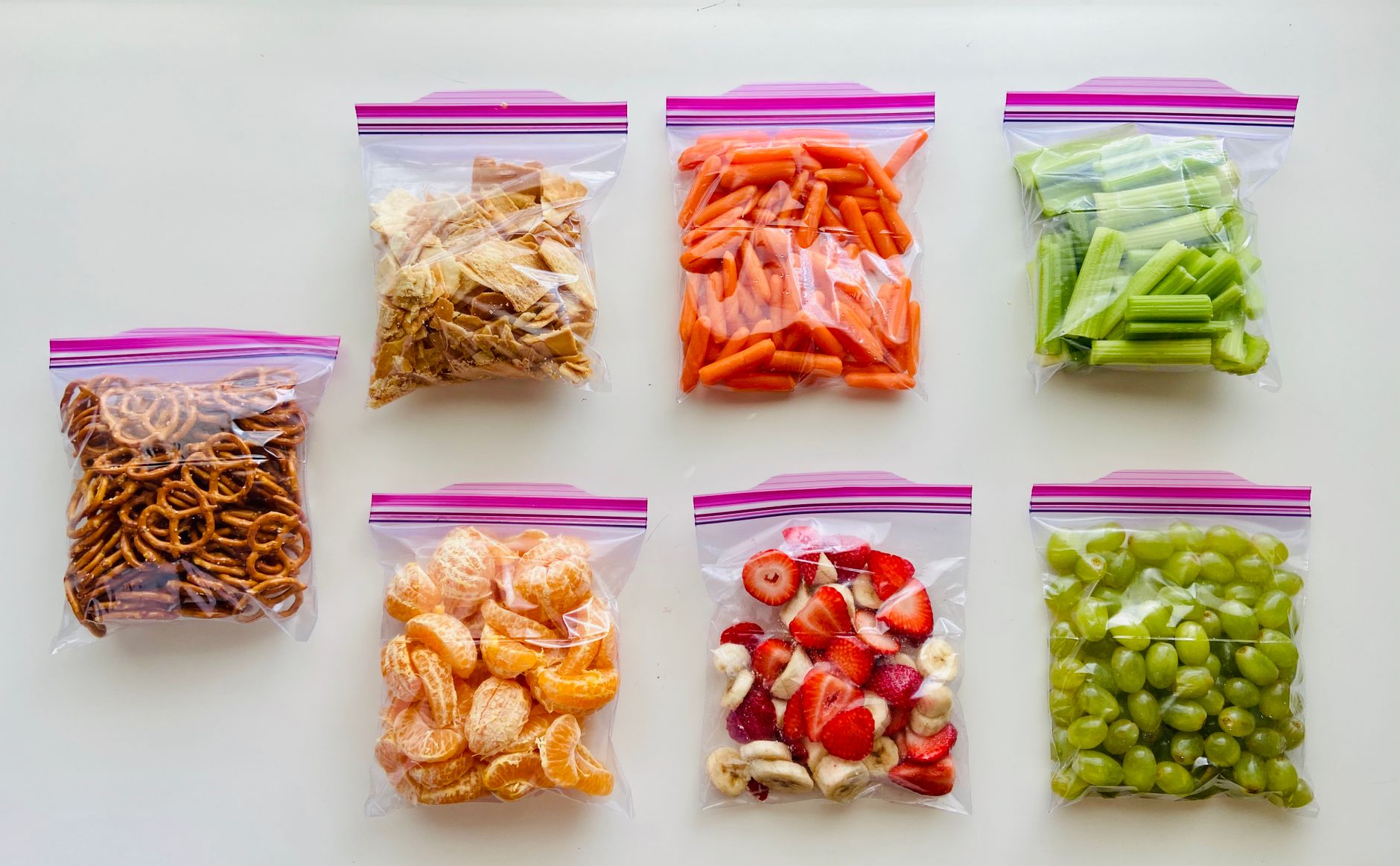
Need a little more inspiration? Our keto snack guide has some crossover ideas—like pork rinds and fatty fish—that work well here too. The key difference? Lion Diet snacks can include a little more variety, like dairy and whole fruits (in moderation).
---
Lion Diet snack ideas for busy moms: Snacks that won’t make you feel like a failure
Let’s be real: busy moms don’t have time to chop, bake, or even think about snacks. We’re talking about the kind of women who eat cereal for dinner if it means their kids get to bed on time. So how do you make Lion Diet snacks work when your life is a whirlwind of carpooling, PTA meetings, and last-minute playdates?
First, embrace the “prep ahead” mindset. Lion Diet snacks are all about convenience, but convenience doesn’t mean sacrificing quality. Here’s how to make it happen:
- Batch-prep proteins: Hard-boil a dozen eggs on Sunday. Portion out nuts or seeds into small containers. Make a big batch of jerky or meatballs and freeze them.
- Use grab-and-go containers: Mason jars, bento boxes, or even small silicone bags work great. Label them so you’re not guessing what’s inside.
- Keep emergency snacks in your car, purse, and desk drawer. Yes, that means you might have to carry three snacks at once. Worth it.
- Involve the kids (when possible): Let them help assemble snack packs or choose their favorite cheese stick. It’s a win for them and a win for you.
Here’s a real-life example: Emma, a stay-at-home mom of three, swears by her “snack station.” Every Sunday, she sets up a table with pre-portioned snacks in clear containers. She has:
- Hard-boiled eggs in a bowl with a sprinkle of salt and pepper
- Cheese cubes in a small colander
- Pork rinds in a baggie
- Olives in a jar
- A stash of fatty fish packs in the fridge
“I tell my kids, ‘This is your mom’s power fuel,’” she laughs. “And honestly? I don’t have to think about it. I just grab and go.”
For more meal prep ideas, check out our 7-day Lion Diet meal plan. The same principles apply to snacks—just smaller portions!
---
Lion Diet snack recipes for on the go: Make your own (yes, really)
You don’t have to rely on store-bought snacks—especially when you can make them in 10 minutes or less. Here are some of our favorite no-fuss Lion Diet snack recipes that you can prep ahead and take with you.
1. Egg Muffins (Make-ahead & portable)
Ingredients: 8 eggs, ¼ cup heavy cream, ½ cup shredded cheese, ¼ cup diced ham or bacon, salt, pepper.
Instructions: Whisk eggs and cream in a bowl. Pour into a muffin tin, top with cheese and ham, and bake at 350°F for 20 minutes. Let cool, then store in the fridge for up to 5 days or freeze for longer storage.
Why it works: High in protein and healthy fats, these are like little egg bites—perfect for grabbing on the go.
2. Turkey & Cheese Roll-Ups
Ingredients: 4 slices deli turkey, 4 slices cheddar cheese, mustard or mayo (optional).
Instructions: Spread mustard on turkey slices, layer with cheese, roll tightly, and slice into bite-sized pieces. Wrap in foil or parchment paper for easy transport.
Why it works: No cooking required, and it’s a great way to use up leftovers.
3. Spicy Tuna Salad Packs
Ingredients: 1 can tuna in water, 1 tbsp mayo, 1 tsp sriracha, salt, pepper, celery (optional).
Instructions: Mix all ingredients in a bowl, portion into small containers, and pack with a fork. Serve with cucumber slices or pork rinds.
Why it works: These are like a portable tuna salad, but without the bread or crackers that would derail your Lion Diet goals.
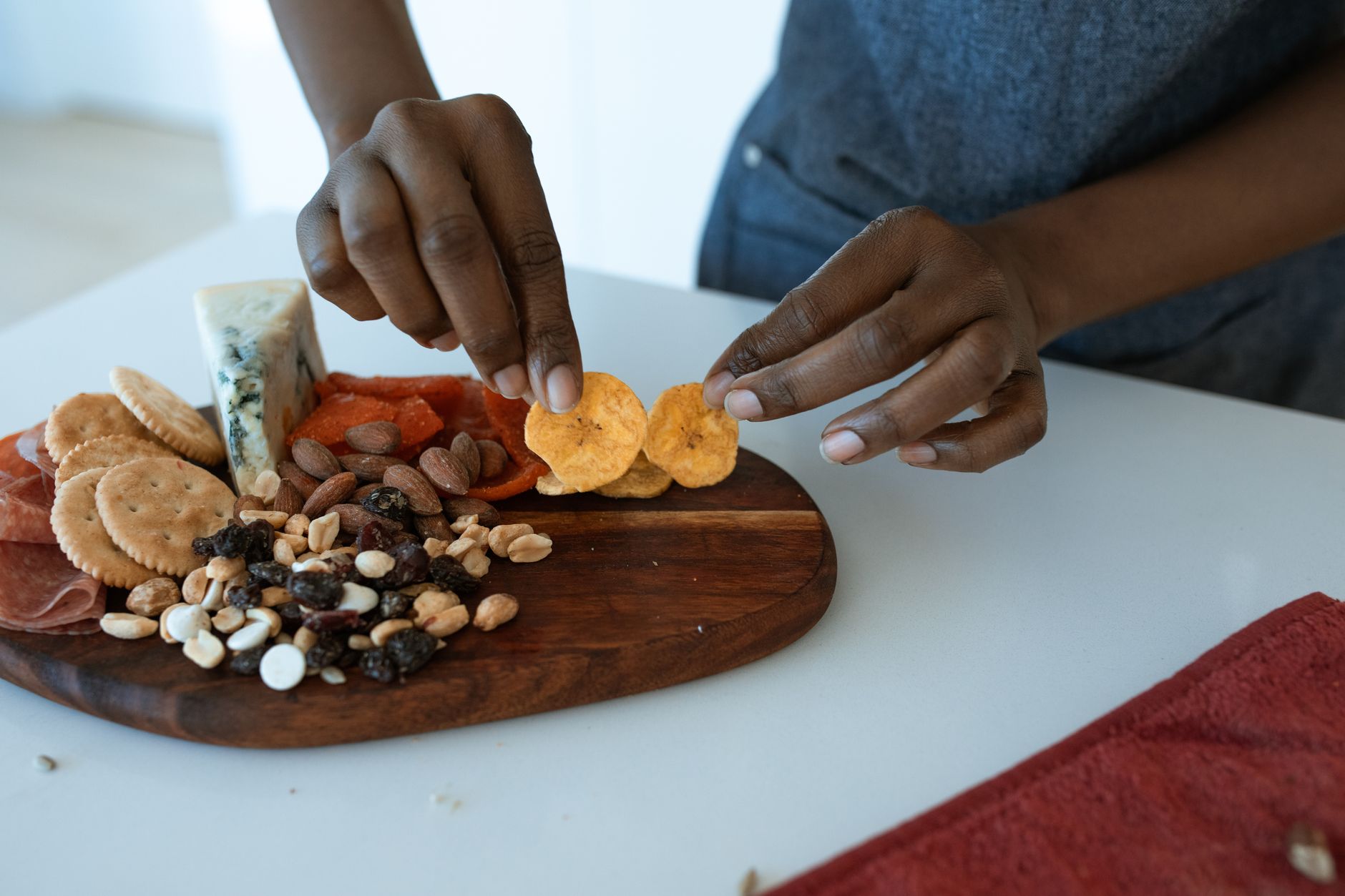
Pro tip: If you’re short on time, our carnivore snack guide has even simpler ideas—like pre-cooked ground beef or hard-boiled eggs—that you can adapt for Lion Diet snacks.
---
Lion Diet snack prep for work: Turn your lunchbox into a powerhouse
Work snacks are the ultimate test of your Lion Diet resolve. One wrong choice—like that “healthy” granola bar—and you’re back to square one. So how do you make sure your desk is stocked with snacks that actually work?
First, think like a lion. Lions don’t snack on junk—they eat what’s available in the wild, which is mostly meat, fat, and a little bit of fiber. Your work snacks should follow the same logic:
- Protein first: Aim for at least 10–15 grams per snack.
- Healthy fats: Add avocado slices, nuts, or fatty fish to keep you full.
- Avoid carbs: Skip crackers, chips, and fruit (unless it’s berries in moderation).
- Hydrate: Keep a water bottle handy—dehydration makes cravings worse.
Here’s a sample work snack rotation:
- Monday: Hard-boiled eggs + olives
- Tuesday: Turkey & cheese roll-ups + pork rinds
- Wednesday: Fatty fish pack + dark chocolate square
- Thursday: Egg muffins + nuts
- Friday: Beef jerky + cheese cubes
Pro tip: If you’re working from home, keep a snack drawer in your fridge or pantry. Label it “Lion Diet Snacks Only” and fill it with pre-portioned options. No more reaching for the chips when you’re stressed.
For more work-friendly ideas, check out our Dash Diet snack guide. While the Lion Diet is more restrictive, the principle of prepping snacks in advance applies to both!
---
Lion Diet snack packs for travel: Pack light, eat lion
Traveling on a tight schedule? The Lion Diet can still work—you just need to get creative with packing. Whether you’re flying, driving, or taking the train, these tips will keep you on track without the stress.
1. Airplane Snacks
Airport security can be a nightmare for snack lovers, but with a little planning, you can bring along:
- Pre-portioned nuts or seeds in a small container
- Cheese sticks or cubes (check TSA rules—some states allow them)
- Hard-boiled eggs (peeled and packed in a leak-proof container)
- Fatty fish packs (easy to open and eat)
- Dark chocolate (TSA allows it in reasonable quantities)
Pro tip: If you’re flying internationally, check local regulations—some countries have strict rules on meat and dairy.
2. Road Trip Snacks
For long drives, focus on snacks that won’t make a mess:
- Beef jerky or turkey sticks (no wrappers)
- Pork rinds (great for crunch without carbs)
- Pre-made meatballs or sausage links (wrapped in foil)
- Olives or pickled vegetables (in a small jar)
- Nut butter packets (no mess, no spoons needed)
3. Weekend Getaways
If you’re staying somewhere with a kitchen, pack:
- Pre-cooked bacon or sausage
- Eggs (fresh or pre-boiled)
- Cheese and cured meats
- Canned fish or chicken
Need more travel-friendly ideas? Our Dash Diet grocery list has some great portable options that can double for Lion Diet snacks—like hummus with veggies (if you’re flexible with carbs).
---
Lion Diet snack nutrition facts: What’s actually in your snacks?
One of the biggest myths about high-protein diets is that they’re all about meat and nothing else. But the Lion Diet is more nuanced—it’s about nutrient-dense foods that work with your body’s needs. Let’s break down what you’re really getting from those snacks.
Here’s a quick comparison of some common Lion Diet snacks and their nutrition per serving (approximate):
As you can see, most Lion Diet snacks are low in carbs and high in protein and fat, which helps keep your blood sugar stable and your energy levels steady. The dark chocolate is the exception—it’s higher in carbs, so enjoy it in moderation.
Pro tip: If you’re tracking macros, use an app like MyFitnessPal to log your snacks. But don’t stress too much—focus on whole foods first.
---
Lion Diet snack portion sizes: How much is too much?
Portion control is key on the Lion Diet—especially when it comes to snacks. Eating too much of even healthy foods can lead to bloating, discomfort, or (worst of all) feeling like you’ve overindulged. Here’s how to portion your snacks like a pro.
General guidelines:
- Protein snacks: Aim for 200–500 calories per snack, depending on your activity level and goals.
- Fat-heavy snacks (like nuts or fatty fish): Stick to 1–2 servings per snack to avoid feeling sluggish.
- Cheese and dairy: One serving (e.g., 1 oz cheese stick) is plenty—too much can cause bloating.
- Carb-light snacks (like pork rinds or olives): These are lower in calories, so you can have a bit more.
Here’s a quick reference table for common Lion Diet snacks:
Need more help with portioning? Our keto snack guide has similar portioning tips—just adjust for your Lion Diet goals.
---
Lion Diet snack benefits: Why these snacks actually work
So why are Lion Diet snacks so effective? It’s not just about the protein—it’s about how those foods interact with your body. Here’s what you’re really getting:
- Stable energy: High-protein, high-fat snacks keep your blood sugar steady, so you won’t crash mid-afternoon.
- Reduced cravings: The combination of protein and fat signals your brain that you’re full, so you’re less likely to reach for junk food.
- Better digestion: Fiber (from veggies or nuts) and healthy fats help keep things moving smoothly.
- Muscle maintenance: Protein supports muscle repair, which is especially important if you’re active or lifting weights.
- Hormone balance: Healthy fats help regulate hormones, which can be a game-changer for women dealing with PMS, perimenopause, or thyroid issues.
One study from the Journal of the International Society of Sports Nutrition found that high-protein diets like the Lion Diet can improve satiety and reduce overall calorie intake, making it easier to maintain a healthy weight. And since Lion Diet snacks are minimally processed, they’re also gentler on your gut than many store-bought protein bars.
For more on how the Lion Diet works, check out our 7-day meal plan. It’s all about fueling your body the way nature intended!
---
Lion Diet snack calories: How many should you eat?
Calorie needs vary widely depending on your age, activity level, and goals. But here’s a general rule of thumb for Lion Diet snacks:
- Sedentary women: Aim for 200–300 calories per snack.
- Active women (who exercise regularly): 300–500 calories per snack.
- Weight loss phase: Stick to the lower end (200–350 calories) to avoid overeating.
- Muscle gain phase: Go for the higher end (400–500 calories) to support growth.
Here’s a quick breakdown of how many snacks you might need in a day:
- Morning snack: 200–300 calories (e.g., hard-boiled eggs + olives)
- Midday snack: 300–400 calories (e.g., fatty fish pack + cheese cubes)
- Evening snack: 200–300 calories (e.g., turkey roll-ups + dark chocolate)
Pro tip: If you’re unsure about your calorie needs, track your intake for a few days using an app like Cronometer or MyFitnessPal. Most women need around 1,600–2,200 calories per day, but adjust based on your activity level.
---
Lion Diet snack protein content: How much protein do you need?
The Lion Diet is all about protein, but how much is enough? The answer depends on your goals:
- General health maintenance: 0.8 grams of protein per kilogram of body weight (or about 0.36 grams per pound). For a 150 lb woman, that’s roughly 55 grams per day.
- Muscle building: 1.2–2.0 grams of protein per kilogram of body weight (or 0.55–0.9 grams per pound). For the same 150 lb woman, that’s 70–110 grams per day.
- Weight loss: 1.0–1.2 grams of protein per kilogram of body weight (or 0.45–0.55 grams per pound). For our 150 lb example, that’s 68–83 grams per day.
Here’s how much protein you can expect from common Lion Diet snacks:
To hit your protein goals, aim for at least 20–30 grams of protein per snack. Pairing snacks like fatty fish (17g) with cheese (7g) gives you a solid 24g of protein in one go!
---
Lion Diet snack grocery list: What to buy (and what to skip)
You don’t need a full grocery haul to start snacking like a lion. But you do need to know what to buy—and what to avoid. Here’s your ultimate Lion Diet snack grocery list.
Protein Sources (Prioritize)
- Eggs (pasture-raised if possible)
- Chicken, turkey, or beef (grass-fed when available)
- Fatty fish (salmon, sardines, mackerel)
- Canned tuna or chicken (in water)
- Cheese (cheddar, gouda, mozzarella)
- Jerky or meat sticks (sugar-free, no added nitrates)
- Pork rinds (plain, no seasoning)
Healthy Fats (Essential)
- Nuts (almonds, walnuts, macadamias)
- Seeds (chia, flax, pumpkin)
- Avocados (in moderation)
- Olives or pickled vegetables
- Nut butter (almond or peanut, no sugar added)
Optional (Moderation Only)
- Dark chocolate (85%+ cocoa)
- Berries (raspberries, blackberries—low-sugar options)
Avoid (Lion Diet No-Nos)
- Processed protein bars (even “healthy” ones with added sugar)
- Granola or muesli (high in carbs)
- Crackers or chips (even “whole grain” ones)
- Fruit juices or smoothies (sugar spikes)
- Anything with added sugars or artificial sweeteners

Need more grocery list ideas? Our Dash Diet list has some great low-carb options that can overlap with Lion Diet snacks—just skip the higher-carb items.
---
Lion Diet snack alternatives: When you need a backup plan
Life happens. Sometimes you’re too tired to prep snacks, or you’re traveling and can’t find the right ingredients. That’s when you need backup Lion Diet snacks—options that still fit the diet but are a little more flexible.
1. Emergency Protein Sources
- Cottage cheese (plain, full-fat)
- Greek yogurt (unsweetened, full-fat)
- Protein powder shakes (if you’re in a pinch—just avoid sugary flavors)
2. Fat-Filled Favorites
- Guacamole with pork rinds (if you’re feeling adventurous)
- Avocado halves (with a sprinkle of salt)
- Olives or pickles (for a salty crunch)
3. Quick Carb-Light Options
- Celery sticks with nut butter (low-carb, high-protein)
- Cucumber slices with cheese (refreshing and filling)
- Seaweed snacks (low-calorie, high-sodium for cravings)
Need more ideas? Our carnivore snack guide has some great no-carb options that can double for Lion Diet snacks when you’re in a bind.
---
Lion Diet snack for kids: Can they eat along?
If you’re a parent, you might be wondering: Can my kids eat Lion Diet snacks too? The short answer? Yes—but with some adjustments. Kids have different nutritional needs, and their snacks should support growth, energy, and development. Here’s how to adapt Lion Diet snacks for little ones.
Kid-Friendly Lion Diet Snacks
- Mini meatballs or sausage links (homemade or store-bought)
- Cheese cubes or slices (cut into fun shapes)
- Hard-boiled eggs (peeled and halved) (easy for little hands)
- Nut butter packets with apple slices (if you’re okay with a little fruit)
- Turkey or ham roll-ups (cut into strips)
- Dark chocolate-covered almonds (in moderation)
What to Avoid for Kids
- High-sodium jerky (can be too salty)
- Fatty fish (unless they like it—some kids are picky!)
- Pork rinds (can be too dry or messy)
- Dark chocolate (too bitter for some kids)
Pro tip: Involve your kids in snack prep! Let them help assemble their own snack packs. It’s a fun way to get them excited about healthy eating.
---
Lion Diet snack for pregnant women: Is it safe?
If you’re




