Quick take: The Lion Diet is a high-protein, moderate-fat, very low-carb plan centered around meat, fish, eggs, and healthy fats—with zero plant foods. Expect 1,500–2,000 calories daily, mostly from animal sources, and meal prep to avoid last-minute decisions. While effective for rapid weight loss, it’s not sustainable for everyone, especially those with kidney concerns or autoimmune conditions. Start with a 3-day trial if you’re new to low-carb eating, and listen to your body for fatigue or nutrient deficiencies.
What is the Lion Diet? A Simple Breakdown of Its Principles
Picture this: You’re scrolling through wellness trends at 2 AM, exhausted from another week of meal-planning failures. The Lion Diet pops up—promising "lion-like strength" through a diet of just meat, fish, eggs, and fats. No grains. No legumes. No vegetables. Just animal foods. At first glance, it sounds extreme, but for some, it’s a game-changer. The Lion Diet is a strict carnivore-style plan with a few key twists: it allows dairy (in moderation) and emphasizes high protein to fuel muscle and energy. It’s not just another fad; it’s a way of eating that some swear by for clarity, weight loss, and even mental focus.
Many women tell us they turn to the Lion Diet after years of trial-and-error with keto or paleo—feeling stuck in a cycle of cravings and bloating. "I had tried everything, but my digestion was always off until I cut out all plant foods," says Sarah, a 38-year-old marketing manager. "I felt like I could finally think straight." Others report reduced joint pain and stabilized blood sugar, though results vary widely. The diet’s simplicity is its selling point, but it’s also why it’s controversial: no fiber, no vitamins from plants, and a heavy reliance on animal products.
The Lion Diet was popularized by advocates who argue it mimics what our ancestors ate—before agriculture introduced grains and legumes. But unlike the carnivore diet, which excludes dairy entirely, the Lion Diet allows small amounts of butter, cheese, and heavy cream. This tweak makes it more approachable for some, though purists argue it’s not "true" carnivore. Whether you’re curious for weight loss, autoimmune healing, or just a break from plant-based meals, this guide will walk you through the 7-day plan—with safety tips, meal prep hacks, and variations to keep it sustainable.
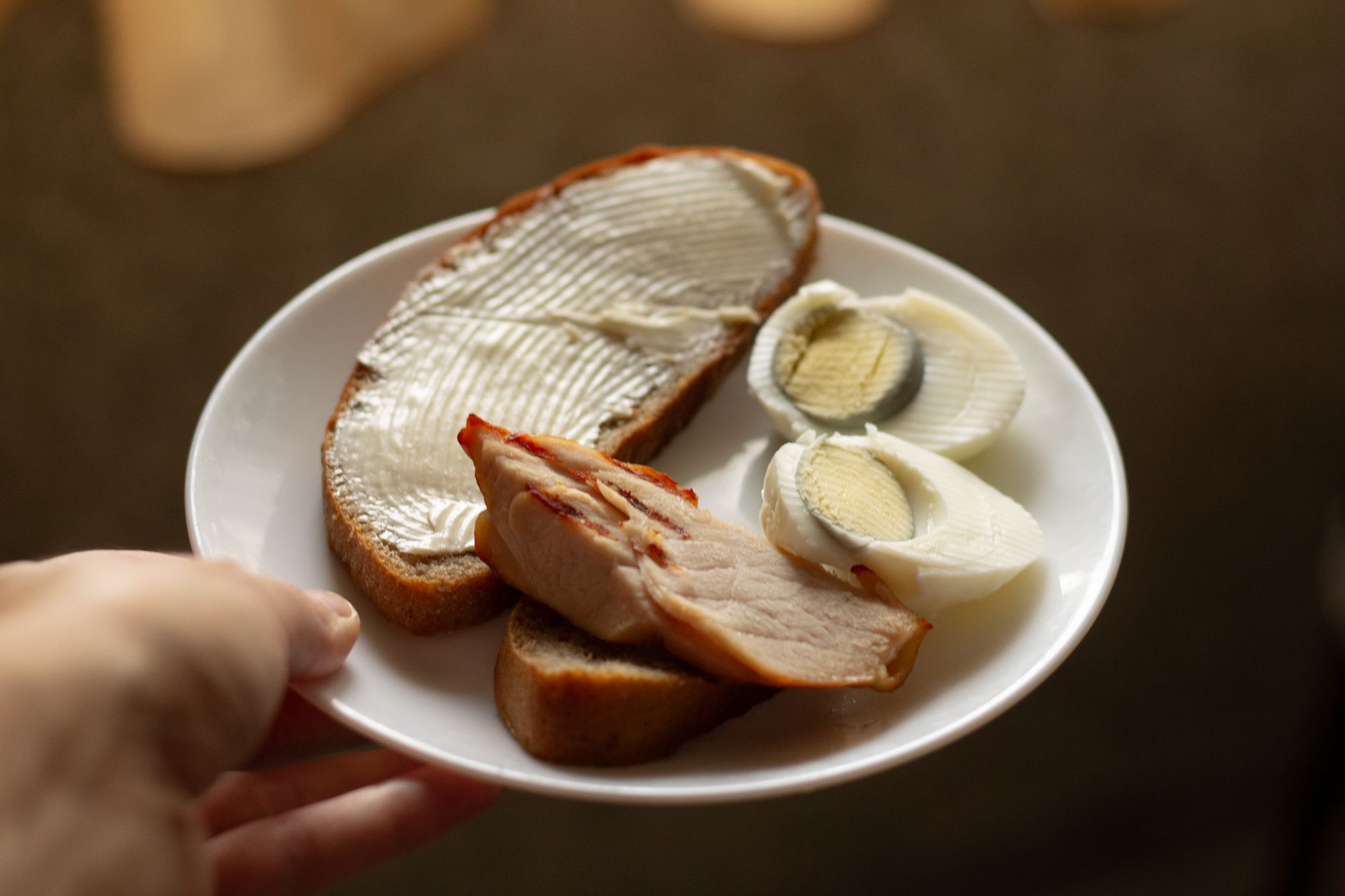
Lion Diet Meal Plan 7 Day: Breakfast Ideas (No Carbs, No Plants)
If you’ve ever stared at a fridge full of oatmeal and smoothie ingredients, only to feel sluggish by 10 AM, you’ll appreciate the Lion Diet’s breakfast options. No more guessing which "healthy" carb will spike your blood sugar—just fat and protein to keep you full until lunch. Here’s what works:
- Scrambled eggs with butter and cheese: Cook 3–4 eggs in ghee or butter, stir in a handful of shredded cheddar, and season with salt and pepper. Add a side of crispy bacon for extra fat.
- Steak and eggs: Pan-sear a 6-ounce ribeye or sirloin, then top with 2 fried eggs. Drizzle with bone broth for flavor.
- Smoked salmon and cream cheese: Layer smoked salmon on top of cream cheese, add a sprinkle of dill, and eat with a side of hard-boiled eggs.
- Chicken liver pâté: Blend cooked chicken livers with butter, egg yolks, and a pinch of salt. Serve with a side of crispy pork rinds.
- Greek yogurt (full-fat) with a drizzle of honey: Yes, dairy is allowed—but only in moderation. Stick to plain, unsweetened Greek yogurt (if tolerated) and a teaspoon of raw honey for quick energy.
Pro tip: If you’re new to this, start with a 1-day carnivore sample to test how your body responds. Some women report energy crashes on day 1, while others feel lighter and more focused. Hydration is key—aim for 3–4 liters of water daily (add electrolytes if you’re prone to headaches).
Lion Diet Meal Plan 7 Day Grocery List: What to Buy (And What to Skip)
Walking into the grocery store on the Lion Diet can feel like a treasure hunt—except you’re only looking for animal products. No produce aisle, no bulk bins of nuts or seeds. Here’s your shopping list, organized by category:
Printable shopping list: Need a quick reference? Download our Lion Diet shopping list printable (coming soon) for a checklist version. Pro tip: Buy frozen proteins in bulk to save money and reduce waste. Frozen chicken thighs, ground beef, and fish fillets keep well and cook quickly.
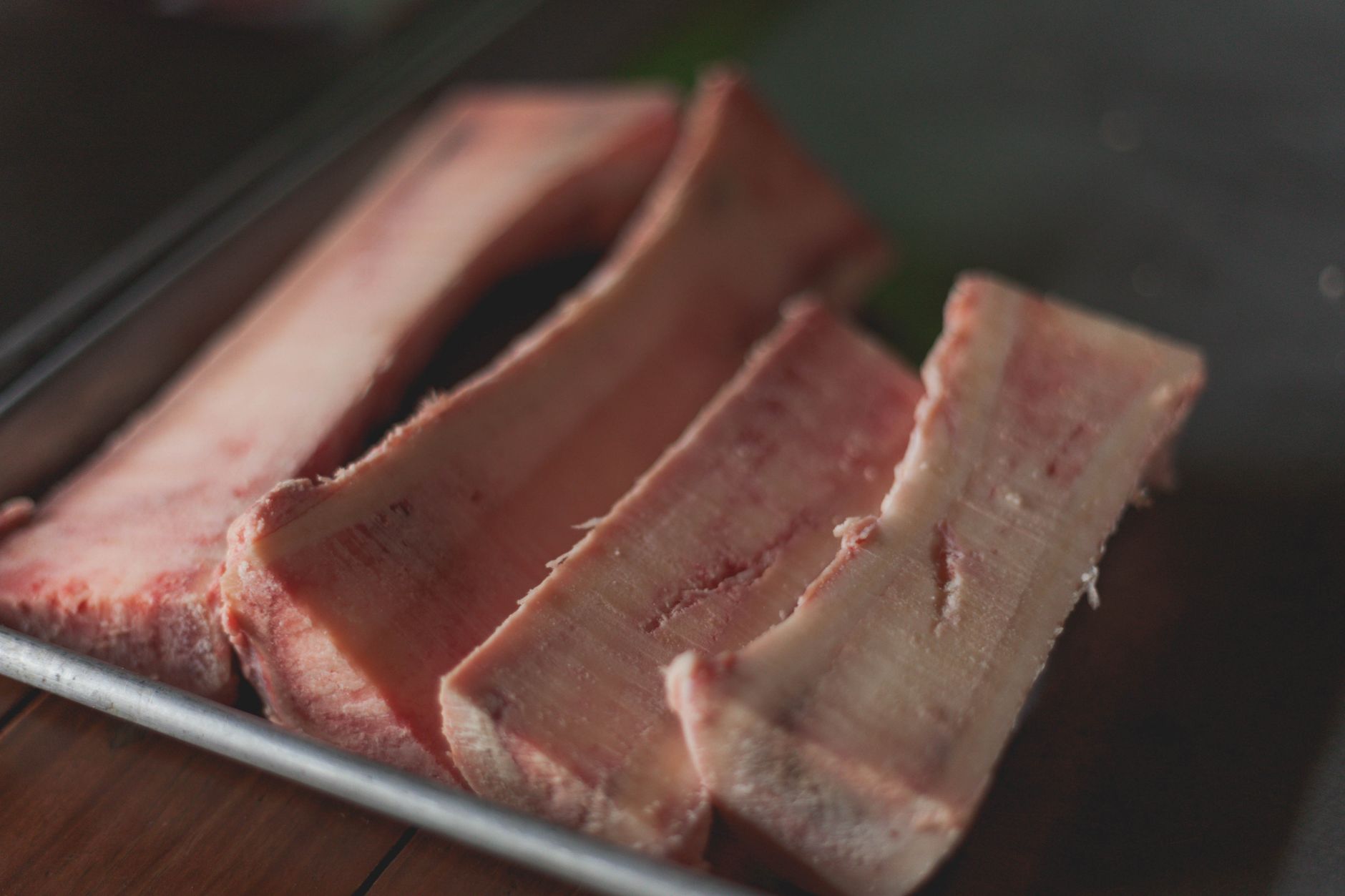
Lion Diet Meal Plan 7 Day Nutrition Facts: Calories, Protein, and Macros
If you’ve ever tracked macros on a keto diet and felt like you were solving a puzzle, the Lion Diet simplifies things—no counting carbs, just protein and fat. Here’s what to expect daily:
- Calories: 1,500–2,000 kcal, depending on your activity level and goals. Women typically aim for the lower end (1,500–1,700) unless they’re highly active.
- Protein: 150–200g daily. Prioritize fatty cuts of meat (ribeye, pork belly) to stay full.
- Fat: 80–120g daily. This keeps you satiated and supports hormone production.
- Carbs: <20g net carbs (mostly from dairy or honey if included).
Sample daily breakdown (1,800 kcal):
Key nutrients to monitor:
- Vitamin K2: Found in organ meats (liver, kidney). Critical for bone and heart health.
- Omega-3s: From fatty fish (salmon, sardines). Anti-inflammatory benefits.
- Electrolytes: Sodium, potassium, and magnesium. Add pink Himalayan salt to meals or drink electrolyte water if you experience headaches.
- Choline: Found in eggs and liver. Supports brain function.
If you’re concerned about nutrient gaps, consider a supplement like vitamin D3, magnesium, or omega-3s—but always check with your provider first. Some women swear by liver supplements for micronutrients.
Lion Diet Meal Plan 7 Day Variations for Weight Loss (Beyond the Basics)
Staring at the same steak and eggs every day can get old fast. The Lion Diet isn’t one-size-fits-all—here’s how to customize it for weight loss, muscle gain, or even athletic performance:
1. For Rapid Fat Loss
Reduce calories slightly (aim for 1,500–1,600) and increase protein density. Prioritize:
- Leaner cuts of meat (chicken breast, turkey)
- More fatty fish (salmon, mackerel) for omega-3s
- Intermittent fasting (16:8 schedule)
- Daily movement (walking, light strength training)
2. For Muscle Gain
Increase calories to 2,000–2,500 and add resistance training. Focus on:
- Higher-protein meals (8–10 oz of meat per serving)
- Healthy fats (avocado oil, ghee) for hormone support
- Strength training 4–5x/week
- Optional: Add collagen peptides to bone broth for joint support
3. For Athletes
Athletes need more fuel. Adjust with:
- Higher calorie intake (2,500–3,000+)
- More fatty cuts (ribeye, pork belly) for sustained energy
- Hydration with electrolytes (especially after workouts)
- Prioritize recovery foods (liver, eggs, salmon)
4. For Autoimmune Healing
Some advocates swear the Lion Diet reduces inflammation. Try:
- Organ meats (liver, heart) 2–3x/week for micronutrients
- Bone broth for gut healing
- Fatty fish (salmon, sardines) for omega-3s
- Dairy-free if sensitive (skip cheese/cream)
Warning: If you have autoimmune conditions like Hashimoto’s or rheumatoid arthritis, consult your provider before trying the Lion Diet. Some women report symptom relief, while others see flare-ups.
Lion Diet Meal Plan 7 Day Meal Prep Tips: Save Time, Avoid Guesswork
If you’ve ever stared into a fridge at 7 PM with no meal plan, you know the struggle. The Lion Diet’s simplicity makes meal prep a breeze—here’s how to do it right:
1. Batch Cook Proteins
Cook large batches of meat and freeze in portions. Examples:
- Grill 5 lbs of chicken thighs at once. Store in airtight containers for up to 4 days or freeze.
- Slow-cook beef short ribs for stews or tacos (if you’re experimenting with dairy-free "taco" bowls).
- Hard-boil a dozen eggs for easy snacks.
2. Prep Fats and Dairy
Keep fats and dairy ready to go:
- Melt butter or ghee into small jars for quick cooking.
- Shred cheese ahead of time and store in the fridge.
- Make a big batch of bone broth and refrigerate.
3. Use Slow Cookers and Instant Pots
Save time with set-it-and-forget-it meals:
- Slow-cook pork shoulder with bone broth for shredded pork.
- Use an Instant Pot for quick-cooking fish or eggs.
- Make a big batch of liver pâté to freeze.
4. Plan for Snacks
Keep easy grab-and-go options:
- Pre-cut bacon or pork rinds for crunch.
- Hard-boiled eggs in the fridge.
- Cream cheese and smoked salmon wraps (use lettuce leaves if avoiding dairy).
5. Meal Ideas for Busy Days
When you’re short on time, try these:
- Breakfast: Scrambled eggs with cheese and bacon, eaten cold (yes, it works!).
- Lunch: Pre-cooked ground beef mixed with bone broth for a quick "soup."
- Dinner: Frozen salmon + canned sardines + butter, microwaved for 2 minutes.
- Snack: Cheese cubes + pork rinds.
Pro tip: If you’re new to meal prep, start with simple, no-cook meals to test your tolerance before diving into complex recipes.
Lion Diet Meal Plan 7 Day for Beginners: A Step-by-Step Guide
If you’ve ever tried keto and felt like you were "cheating" on your first slip-up, the Lion Diet’s simplicity can feel like a breath of fresh air—until you realize you’ve never cooked a steak without seasoning. Here’s how to ease in:
Step 1: Start with a 3-Day Trial
Test your tolerance before committing. Many beginners report:
- Headaches or brain fog (due to electrolyte loss). Fix with salt and electrolytes.
- Fatigue (your body is adapting to ketosis). Push through—energy usually stabilizes by day 3.
- Digestive changes (constipation is common at first). Drink more water and add bone broth.
Step 2: Focus on Easy Proteins
Start with the simplest options:
- Eggs (scrambled, boiled, fried)
- Ground beef or pork chops (easy to cook)
- Canned fish (sardines, salmon) for no-cook meals
- Chicken thighs (forget breast—it’s dry)
Step 3: Master One Cooking Method
Pick one technique to master first:
- Pan-searing: Cook steaks or chops in ghee or butter until caramelized.
- Baking: Bake chicken thighs with olive oil at 375°F for 30–40 minutes.
- Slow cooking: Use a slow cooker for pulled pork or shredded chicken.
Step 4: Track Your Energy Levels
Keep a simple log:
- Note when you feel sluggish (often after skipping fat or protein).
- Adjust portions if you’re constantly hungry (more fat = more energy).
- Listen to your body—if you’re exhausted, you may need more calories.
Step 5: Gradually Reduce Carbs
If you’re coming from a standard diet, ease into it:
- Week 1: Remove obvious carbs (sugar, bread, fruit).
- Week 2: Cut dairy (if tolerated) and focus on meat/fat.
- Week 3: Test organ meats (liver) for micronutrients.
Common beginner mistakes:
- Skipping fat: Protein alone makes you hungry. Always pair meat with butter, cheese, or avocado oil.
- Overcooking meat: Dry meat = less enjoyment. Use a meat thermometer (145°F for beef, 165°F for poultry).
- Ignoring electrolytes: Headaches are a sign you need more salt. Add a pinch to your water.
Lion Diet Meal Plan 7 Day Calories Per Day: How Many Should You Eat?
If you’ve ever tracked calories on a diet and felt like you were playing a guessing game, the Lion Diet simplifies things—until you realize you’re still eating a lot. Here’s how to figure out your ideal intake:
1. Start with a Baseline
Use this formula for a rough estimate:
- Sedentary women: 1,500–1,600 kcal
- Lightly active (walking, light exercise): 1,700–1,800 kcal
- Active (strength training, hiking): 1,900–2,100 kcal
- Athletes or heavy lifters: 2,200–2,500+ kcal
2. Adjust Based on Your Goals
Need to lose weight? Reduce by 200–300 kcal. Want to gain muscle? Increase by 200–300 kcal. Use a food scale to weigh your portions—it’s easier than eyeballing.
3. Signs You’re Eating Too Little
- Constant hunger or cravings
- Fatigue or dizziness
- Irregular periods (if applicable)
- Difficulty concentrating
4. Signs You’re Eating Enough
- Steady energy throughout the day
- No cravings for sweets or carbs
- Regular bowel movements (digestion may slow initially—this is normal)
- Weight loss (if that’s your goal) without muscle loss
5. Protein Needs
Most women need 1.2–1.6g of protein per pound of body weight daily. For example:
- 140 lb woman: 168–224g protein
- 160 lb woman: 192–256g protein
If you’re struggling to hit your protein goal, try:
- Adding bone broth to meals
- Eating more fatty cuts (ribeye, pork belly)
- Snacking on cheese or hard-boiled eggs
Lion Diet Meal Plan 7 Day Side Dishes: Yes, They Exist!
If you’ve ever eaten a plain steak and felt like you were missing something, you’re not alone. The Lion Diet isn’t just meat—it’s about flavor and texture. Here are some simple, non-carb side dishes to elevate your meals:
1. Fats and Condiments
- Butter or ghee (for cooking or melting over meals)
- Olive oil or avocado oil (drizzled on top)
- Bone broth (used as a soup base or drizzled over meat)
- Cream cheese or mayo (for dips or sauces)
2. Crunchy Toppings
- Pork rinds (baked until crispy)
- Fried eggs (crispy edges)
- Cheese crisps (bake shredded cheese until golden)
3. Simple Sauces
- Mayo + mustard (for "taco" bowls)
- Cream cheese + herbs (like dill or chives)
- Bone broth + Worcestershire sauce (for a quick "gravy")
4. Quick Cooking Hacks
- Pan-sear meat in butter until caramelized for flavor.
- Use a cast-iron skillet for crispy edges on steaks.
- Add a splash of apple cider vinegar to meat before cooking for tenderness.
Example meal with sides:
- Main: 8 oz ribeye steak
- Side: Crispy pork rinds + drizzle of olive oil
- Sauce: Mayo + mustard
- Fat: Butter melted over the top
Lion Diet Meal Plan 7 Day: The Full 7-Day Plan (Recipes Included)
Ready to dive in? Here’s your 7-day plan with simple recipes. Adjust portions based on your calorie needs.
Day 1
- Breakfast: 4 scrambled eggs + 2 tbsp butter + 1 oz cheddar
- Lunch: 6 oz grilled chicken thighs + 1 tbsp olive oil + side of pork rinds
- Dinner: 8 oz ribeye steak + 1 tbsp ghee + side of bone broth
- Snack: 1 cup bone broth + 2 oz blue cheese
Day 2
- Breakfast: 2 fried eggs + 2 slices bacon + 1 tbsp butter
- Lunch: 6 oz salmon + 1 tbsp olive oil + side of cheese crisps
- Dinner: 8 oz pork chops + 1 tbsp ghee + side of mayo-dipped pork rinds
- Snack: 1 hard-boiled egg + 1 oz cream cheese
Day 3
- Breakfast: 4 eggs + 1/2 cup chicken liver pâté
- Lunch: 6 oz ground beef (cooked with bone broth) + 1 tbsp butter
- Dinner: 8 oz lamb chops + 1 tbsp olive oil + side of melted butter
- Snack: 1 cup bone broth + 1 oz cheddar
Day 4
- Breakfast: 3 scrambled eggs + 1 oz cheddar + 1 tbsp ghee
- Lunch: 6 oz sardines + 1 tbsp olive oil + side of pork rinds
- Dinner: 8 oz chicken thighs (slow-cooked in bone broth) + 1 tbsp butter
- Snack: 2 oz cream cheese + smoked salmon
Day 5
- Breakfast: 4 eggs + 2 tbsp butter + 1 oz gouda
- Lunch: 6 oz beef short ribs (slow-cooked) + 1 tbsp ghee
- Dinner: 8 oz duck breast + 1 tbsp olive oil + side of cheese crisps
- Snack: 1 cup bone broth + 1 oz blue cheese
Day 6
- Breakfast: 2 fried eggs + 2 slices bacon + 1 tbsp butter
- Lunch: 6 oz cod + 1 tbsp olive oil + side of pork rinds
- Dinner: 8 oz ribeye + 1 tbsp ghee + side of mayo
- Snack: 1 hard-boiled egg + 1 oz cream cheese
Day 7
- Breakfast: 4 eggs + 1/2 cup liver pâté
- Lunch: 6 oz ground beef (cooked with bone broth) + 1 tbsp butter
- Dinner: 8 oz salmon + 1 tbsp olive oil + side of cheese crisps
- Snack: 1 cup bone broth + 1 oz cheddar
Recipes:
1. Easy Chicken Liver Pâté
Blend 1 cup cooked chicken liver + 2 tbsp butter + 2 egg yolks + 1/2 tsp salt. Serve with pork rinds.
2. Crispy Pork Rinds
Bake pork rinds at 375°F for 10–12 minutes until crispy. Store in an airtight container.
3. Bone Broth "Soup"
Heat 1 cup bone broth + 1 tbsp ghee + salt. Serve with shredded meat or cheese.
Lion Diet Meal Plan 7 Day: Potential Risks, Side Effects, and Safety
If you’ve ever tried a restrictive diet and felt like you were walking a tightrope between results and burnout, the Lion Diet’s risks are worth discussing. While some women thrive on it, others experience side effects—especially if they’re not monitored. Here’s what to watch for:
Common Side Effects
- Headaches: Due to electrolyte loss (sodium, potassium, magnesium). Fix with pink Himalayan salt and electrolytes.
- Fatigue: Your body is adapting to ketosis. Push through—energy usually stabilizes by day 3.
- Constipation: No fiber can slow digestion. Drink more water and add bone broth.
- Hormonal imbalances: Some women report irregular periods or PMS symptoms. If this happens, consider adding more healthy fats.
- Joint pain: Rare, but possible if you’re deficient in omega-3s or collagen.
Long-Term Risks
- Nutrient deficiencies: Without planning, you may miss out on vitamin C, fiber, and antioxidants from plants. Supplement if needed (vitamin D, magnesium, omega-3s).
- Kidney strain: High protein intake can stress kidneys in susceptible individuals. If you have kidney issues, consult your provider.
- Social challenges: Eating out or dining with friends can be difficult. Plan ahead or suggest restaurants with simple options (steak, fish, eggs).
- Mood swings: Some women report irritability or brain fog. This may be due to electrolyte imbalances or micronutrient deficiencies.
Who Should Avoid the Lion Diet?
- People with kidney disease or liver issues
- Those with a history of eating disorders
- Women with PCOS who haven’t consulted their provider (low-carb diets can affect insulin sensitivity)
- People with autoimmune conditions (consult your doctor first)
- Pregnant or breastfeeding women (not enough research)
How to Stay Safe
- Monitor electrolytes (sodium, potassium, magnesium).
- Track your energy levels and mood.
- Consider supplementing with vitamin D, omega-3s, and magnesium if needed.
- Listen to your body—if you feel worse, adjust or stop.
- Consult your provider before starting, especially if you have health conditions.
Red flags to see a doctor:
- Persistent headaches or dizziness
- Extreme fatigue or weakness
- Irregular heartbeats
- Severe digestive issues (diarrhea, nausea)
- Mood changes that interfere with daily life
If you’re concerned about safety, consider starting with a heart-healthy diet first to test how your body responds to low-carb eating.
Lion Diet Meal Plan 7 Day: Myths vs. Facts
With any trendy diet, myths spread faster than facts. Here’s what you need to know:
Myth: "The Lion Diet is just keto without the carbs."
Fact:



