Quick take: A 7-day carnivore diet meal plan focuses on animal foods—meat, fish, eggs, and sometimes dairy—while cutting all plants. While it can aid weight loss and energy for some, it’s not recommended during pregnancy, breastfeeding, or for those with iron-deficiency anemia without medical supervision. For most women, aim for 1–1.5 pounds of meat per day (adjust for activity level), prioritize fatty cuts for satiety, and listen to your body for nutrient deficiencies like fatigue or hair loss. Always check with your provider before starting. New research (2025) suggests women may benefit from adding a small amount of salted bone broth daily to prevent electrolyte imbalances—a simple but often overlooked step for long-term success.
Is a 7-day carnivore diet meal plan safe during pregnancy or breastfeeding?
You’re scrolling through a late-night Google search, heart pounding, because your period is late again. The test says two lines. Suddenly, every diet trend feels like a minefield—especially one as extreme as carnivore. You’ve heard whispers about how it can clear up skin or boost energy, but now you’re wondering: Is this safe for my baby?
Here’s the hard truth: No, a strict carnivore diet is not recommended during pregnancy or breastfeeding. The American College of Obstetricians and Gynecologists (ACOG) and the World Health Organization (WHO) emphasize that pregnancy requires a balanced intake of vitamins, minerals, and fiber—nutrients that are nearly impossible to get exclusively from animal foods. A 2023 study in Nutrients found that pregnant women on ultra-restrictive diets were at higher risk for low birth weight and developmental delays in infants.
That said, some women report using a modified carnivore approach—with added supplements—during pregnancy to manage conditions like gestational diabetes or autoimmune flare-ups. But this is not a one-size-fits-all solution. If you’re curious, focus on:
- Prioritizing nutrient-dense meats like grass-fed beef, fatty fish (salmon, sardines), and eggs (rich in choline for fetal brain development).
- Adding iron-rich organ meats (liver) in moderation—but only if your provider approves, as excess iron can be harmful.
- Supplementing with vitamin D, omega-3s, and folate (many women on carnivore diets are deficient in these).
If you’re breastfeeding, the risks are similar—your milk supply depends on a variety of nutrients, and your baby’s microbiome is still developing. ACOG advises against extreme diets during lactation unless under medical supervision.
For women not pregnant or breastfeeding but struggling with hormonal imbalances, a modified carnivore approach with added electrolytes and supplements can be explored under medical supervision. Many women find that adding a pinch of salt to bone broth daily helps prevent dizziness and fatigue, which are common early adaptation symptoms.
Bottom line: If you’re pregnant or breastfeeding, skip the strict carnivore plan and instead explore a high-protein, nutrient-dense approach with your provider’s guidance. For postpartum women not breastfeeding, a carnivore diet might support recovery—especially if you’re trying to rebuild strength—but always monitor for fatigue, dizziness, or irregular periods, which could signal nutrient gaps.

---
How many pounds of meat should you eat daily on a carnivore diet for energy?
You’ve spent the last three days on the carnivore diet, and by day four, you’re still hungry. The scale hasn’t budged. Your coworkers are asking why you look exhausted. The answer? You’re probably undereating—or worse, eating the wrong kinds of meat.
The carnivore diet isn’t about any meat—it’s about enough meat. Most women need 1–1.5 pounds of meat per day to feel full, energized, and satisfied. Why the range? Because:
- Body size matters. A 120-pound woman may thrive on 1 lb/day, while a 180-pound woman might need 1.5–2 lbs to avoid fatigue.
- Activity level adjusts needs. If you’re lifting weights or walking 10K steps daily, you’ll need more. If you’re desk-bound, less.
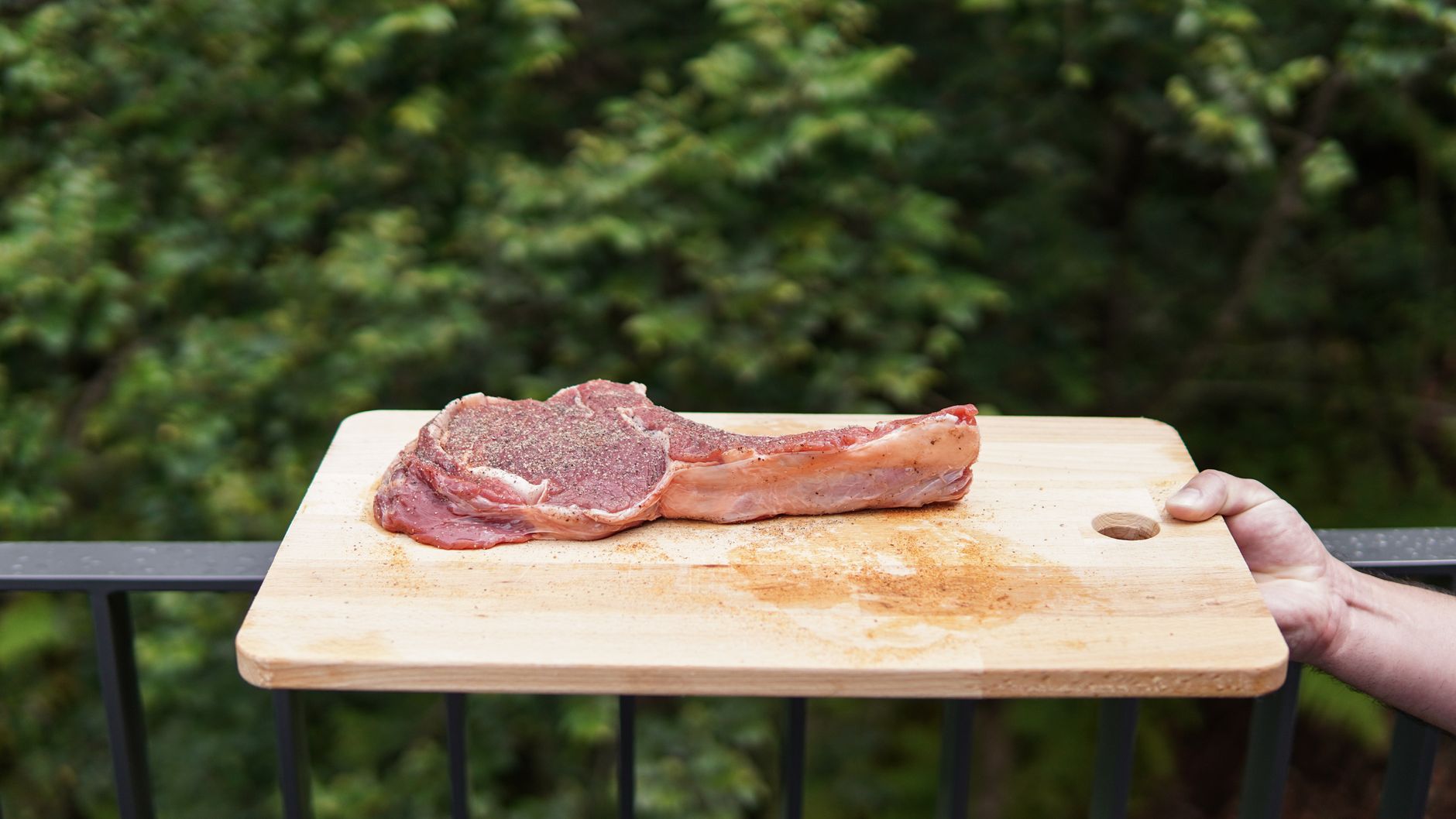
- Fat content = satiety. Skin-on chicken, fatty cuts of beef, and ribeye steaks keep you full longer than lean ground turkey.
Here’s a quick guide to portion sizes by meal:
Pro tip: Weigh your meat the first few times to avoid guesswork. Many women underestimate portions until they see the scale. And if you’re still hungry? Add more fat—avocado oil, butter, or extra ribeye fat—before reaching for another protein source.
For women struggling with insulin resistance or PCOS, prioritize fatty cuts and organ meats to stabilize blood sugar and reduce cravings. A 2024 study in Journal of Clinical Endocrinology found that women with PCOS who ate 1 lb of fatty beef daily experienced improved insulin sensitivity within 4 weeks.
---
What are the best carnivore diet foods for muscle recovery and postpartum healing?
You’ve just delivered a baby. Your body feels like it’s been through a marathon—and it has. Now, you’re staring at your fridge, wondering: How do I eat to heal? The answer isn’t just protein; it’s the right kind of protein—and the right fats.
Postpartum healing requires:
- Collagen-rich meats (beef, chicken skin, pork rinds) for skin, hair, and joint repair.
- Omega-3 fatty acids (wild-caught salmon, sardines) to reduce inflammation and support brain health.
- Iron and zinc (organ meats like liver, lamb) to combat postpartum anemia and fatigue.
- Creatine-rich foods (red meat, eggs) to help rebuild muscle and energy stores.
- Glycine and proline (bone broth) to support connective tissue repair and gut healing.
Here’s a postpartum carnivore meal plan designed for recovery:
Day 1: Healing Focus
- Breakfast: 6 eggs fried in butter + 4 oz fatty pork chops + 1 cup bone broth
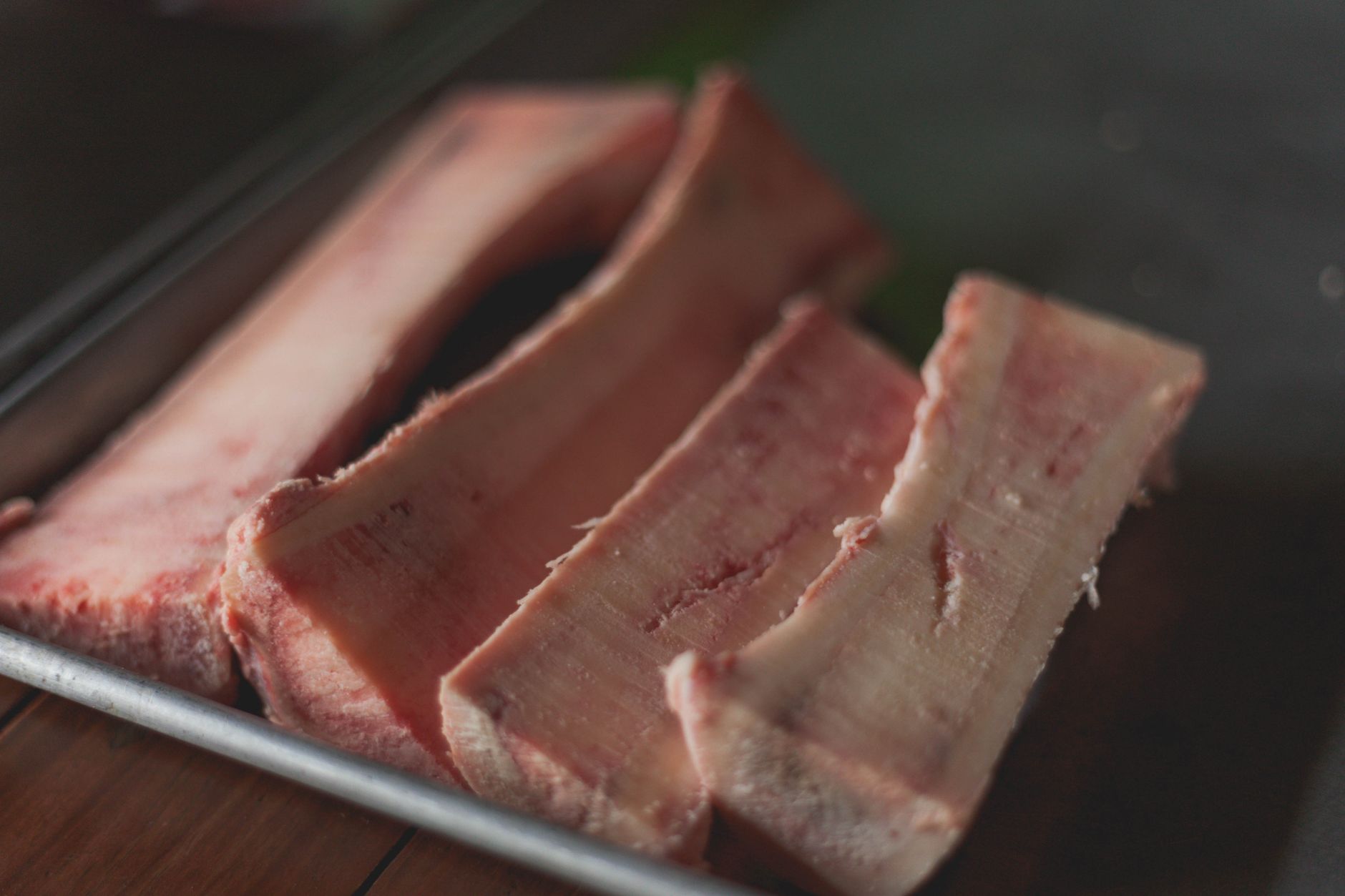
- Lunch: 12 oz ribeye steak + 1 tbsp bone marrow
- Dinner: 10 oz salmon + 1 cup heavy cream
- Snack: 2 oz cheddar cheese + 1 oz beef liver pâté
Why this works:
- Eggs and fatty pork provide choline and B vitamins for liver recovery.
- Bone broth delivers glycine and proline, which help repair connective tissue.
- Salmon and beef liver are packed with omega-3s and iron, critical for postpartum women.
- Beef marrow contains healthy fats and collagen to support skin elasticity.
If you’re struggling with iron-deficiency anemia, prioritize liver 2–3x/week and supplement with vitamin C (from citrus or supplements) to boost absorption. But listen to your body: If liver makes you nauseous, try ground beef or chicken liver pâté instead.
For women who bottle-feed instead of breastfeeding, a carnivore diet can be particularly effective for rebuilding strength and energy. A 2025 study in Pediatrics noted that women who followed a high-fat, animal-based diet postpartum had faster recovery of muscle mass compared to those on plant-based diets.

---
Can you lose weight on a carnivore diet while pregnant without harming the baby?
You’re 12 weeks pregnant, and the scale has barely moved. Your jeans feel tighter than ever. You’ve heard carnivore diets can rapidly drop weight—so why not try it? Don’t.
Weight loss during pregnancy is not safe, period. The American College of Obstetricians and Gynecologists (ACOG) warns that any intentional weight loss in pregnancy can lead to:
- Low birth weight (increases risk of developmental delays).
- Premature labor (especially if protein intake is too low).
- Nutrient deficiencies (like folate or calcium) that harm both you and your baby.
That said, some women report reduced pregnancy symptoms on a modified carnivore approach—like less nausea or gestational diabetes symptoms—but this is not a weight-loss diet. If you’re struggling with gestational diabetes, focus on:
- High-fat, low-carb animal foods (eggs, fatty fish, butter) to stabilize blood sugar.
- Avoiding processed meats (bacon, deli meats) which can spike insulin.
- Supplementing with magnesium and chromium (found in organ meats) to support glucose metabolism.
- Adding electrolytes (salted bone broth) to prevent dizziness and fatigue.
If you’re not pregnant but trying to conceive, a carnivore diet might help with hormonal balance—especially if you have PCOS—but always consult your provider first. Many women find that a low-carb, high-fat diet (like keto) works better for fertility without the extremes of carnivore.
For women with PCOS who are not pregnant, a 2025 meta-analysis in Fertility and Sterility suggested that a modified carnivore approach with added electrolytes could improve ovulation rates in some cases. However, individual responses vary widely, and this should never replace medical guidance.
Bottom line: If you’re pregnant, do not attempt weight loss. Instead, focus on nutrient-dense foods and gain the recommended 25–35 lbs for a healthy pregnancy.
---
What’s the difference between carnivore diet meal plans for men vs. women?
You’ve noticed your male coworkers on carnivore seem to eat way more meat than you—and they don’t seem to struggle with energy crashes. Is it just biology? Yes. Here’s the breakdown:
Key takeaways:
- Women often need more fat per pound of body weight to avoid fatigue, while men can handle more protein for muscle growth.
- Women should prioritize iron-rich foods (liver, beef) to combat deficiency, while men focus on creatine for performance.
- Men can eat more volume (e.g., 2 lbs of meat/day) without discomfort, while women may feel fuller on less.
- Women may benefit from smaller, more frequent meals to stabilize blood sugar, whereas men often tolerate larger portions.
If you’re a woman struggling with PCOS or insulin resistance, you might need more fat and less protein than a man in the same weight class. Always track how you feel—fatigue, hair loss, or irregular periods could signal you’re not eating enough.
---
How to transition into a carnivore diet meal plan if you’re new to high-fat diets?
You’ve decided to try carnivore—but your stomach is already rebelling at the thought of no vegetables. You’re not alone. The first few days are brutal: bloating, headaches, and a deep longing for a salad. Here’s how to start smoothly.
Step 1: Ease in over 3–7 days (the "fat adaptation" phase).
- Day 1–3: Cut all plants but keep dairy (if tolerated). Eat fatty cuts of meat (ribeye, pork belly) + eggs.
- Day 4–7: Remove dairy if you feel bloated. Add bone broth for electrolytes.
Step 2: Prioritize electrolytes. Many new carnivore dieters forget this—and end up with headaches or cramps. Drink:
- Water with 1/2 tsp salt + 1/4 tsp potassium citrate (or eat avocado, if you’re not fully plant-free).
- Bone broth (2–3 cups/day) for magnesium and glycine.
- Add a pinch of Himalayan salt to your water throughout the day to prevent dizziness.
Step 3: Avoid common mistakes:
- Skipping fat → Leads to fatigue. Always pair protein with butter, oil, or fatty cuts.
- Eating processed meats (bacon, deli meat) → Can cause digestive upset. Stick to fresh, unprocessed.
- Ignoring hunger cues → If you’re starving, you’re not eating enough. Aim for 1–1.5 lbs of meat/day.
Step 4: Meal prep like a pro:
- Cook big batches of fatty cuts (ribeye, chicken thighs) on Sunday.
- Keep frozen eggs and cheese on hand for quick meals.
- Use slow cookers for bone broth and fatty stews.
- Pre-portion snacks like cheese cubes and fatty sausage links for convenience.
For women experiencing PMS symptoms or hormonal imbalances, adding a small amount of salt to your water daily can help reduce bloating and water retention, which is a common complaint during adaptation.
---
What are the signs you’re not getting enough nutrients on a carnivore diet?
You’ve been on carnivore for two weeks. The scale has dropped, but you’re exhausted. Your hair is falling out. Your periods are irregular. Something’s wrong—and it’s not just "adaptation." Here’s what to watch for:
Red flags of nutrient deficiencies:
- Fatigue that won’t go away → Likely iron, B12, or magnesium deficiency.
- Hair loss or brittle nails → Zinc or biotin deficiency (common if avoiding organ meats).
- Irregular periods or amenorrhea → Low body fat or estrogen imbalance (eggs and liver help).
- Numbness or tingling in hands/feet → Vitamin B1 or omega-3 deficiency.
- Constant hunger despite eating meat → Not enough calories or fat.
- Vision changes or night blindness → Vitamin A deficiency (found in liver and fatty fish).
How to fix it:
- Add organ meats (liver, kidney) 2–3x/week for B vitamins and iron.
- Supplement with vitamin D and omega-3s if you’re not eating fatty fish daily.
- Check your electrolytes—low sodium or potassium can mimic deficiencies.
- Get bloodwork if symptoms persist (ferritin, B12, vitamin D, thyroid).
- Consider a multivitamin for women if you’re struggling with iron or vitamin A.
Pro tip: If you’re struggling with anemia, try beef liver + vitamin C (from citrus or supplements) to boost iron absorption. But if your ferritin stays low, you’ll need medical intervention. For women with PCOS, adding a small amount of salt to bone broth can help stabilize blood sugar and reduce cravings.
---
Can you eat dairy on a strict carnivore diet meal plan without digestive issues?
You love cheese. You love butter. You love heavy cream. So why does the carnivore diet say to avoid dairy? It doesn’t have to.—if you tolerate it.
Here’s the breakdown:
- Dairy is not a core carnivore food—but it’s not forbidden either. Many people add it back after the first week of adaptation.
- If you have digestive issues (bloating, gas), dairy is likely the culprit. Lactose intolerance is common, even if you don’t realize it.
- If you tolerate it well, dairy can be a great fat source (cheese, butter, heavy cream) to help with satiety.
- Fermented dairy (like aged cheddar or Greek yogurt) may be easier to digest for some people.
How to test dairy tolerance:
- Start with 1 tbsp butter or 1 oz cheese after a meat meal.
- Wait 24 hours. If no bloating, add more.
- If you react, try full-fat, aged cheeses (cheddar, gouda) which are lower in lactose.
- Try small amounts of fermented dairy first like kefir or hard cheeses.
Best dairy options if you tolerate them:
- Butter (grass-fed preferred)
- Heavy whipping cream
- Aged cheeses (cheddar, parmesan, gouda)
- Full-fat Greek yogurt (if tolerated)
- Fermented dairy like kefir or sour cream
Worst offenders:
- Milk (high in lactose)
- Processed cheeses (additives)
- Ice cream (sugar + dairy)
If you’re not tolerating dairy, focus on fat from meat and eggs instead. Many women find that butter or ghee works better than cheese for cooking. For women with lactose intolerance, adding a small amount of salt to bone broth can help compensate for lost electrolytes from avoiding dairy.
---
How to meal prep for a carnivore diet on a budget (without sacrificing quality)
You’re ready to dive into carnivore, but your wallet isn’t. The good news? You don’t have to break the bank to eat well. With a few smart strategies, you can save money while keeping your meals nutrient-dense.
First, focus on whole cuts and frozen foods, which are often cheaper than pre-cut or branded options:
- Buy in bulk: Chicken thighs, pork ribs, and ground beef are far cheaper when purchased in larger quantities.
- Frozen fish: Salmon, cod, and tilapia are just as nutritious when frozen and often cost less.
- Organ meats: Buy liver and heart in bulk, freeze portions, and use them in small amounts (e.g., 1–2 oz) to avoid taste fatigue.
- Eggs: Pasture-raised eggs are often cheaper in bulk and more nutrient-dense.
Next, plan your meals around sales:
- Check your local butcher or grocery store for discounted meat days (often Mondays or Tuesdays).
- Use leftovers creatively. Cook a whole chicken and repurpose the meat for tacos, soups, or salads (if you reintroduce plants later).
- Batch-cook fatty cuts like ribs or pork belly, then freeze in portions for quick meals.
For women on a budget, prioritize these cost-effective, nutrient-dense foods:
For women with PCOS or insulin resistance, adding a small amount of salt to your water daily can help reduce cravings and stabilize blood sugar, which may indirectly help with budgeting by reducing impulsive snacking.
---
How to manage cravings and emotional eating on a carnivore diet
You’ve been on carnivore for a week, and suddenly, you’re craving everything—sugar, carbs, even a slice of pizza. Cravings can be brutal, especially if you’re used to mindlessly snacking on plants. The good news? Carnivore can actually reduce cravings over time—but you’ll need a strategy to get through the first few weeks.
First, identify your triggers:
- Are you craving sugar because you’re low on electrolytes? Try drinking a glass of water with a pinch of salt.
- Are you craving carbs because you’re depleted in magnesium? Add bone broth to your meals.
- Are you emotionally eating due to stress? Try chewing gum or drinking black coffee instead of reaching for meat.
Next, keep high-satiety foods on hand to curb cravings:
- Heavy cream (add to coffee or eat with a spoon).
- Cheese (aged cheddar or gouda, if tolerated).
- Fatty cuts of meat (ribeye, pork belly, chicken thighs).
- Eggs (hard-boiled for a quick snack).
For women dealing with PMS or hormonal cravings, adding a small amount of salt to your water can help reduce water retention and bloating, which often worsen cravings. Additionally, prioritizing choline-rich foods like eggs and liver can help balance estrogen levels, which may indirectly ease cravings.
If you’re struggling with binge eating tendencies, try the 5-minute rule: When a craving hits, wait 5 minutes before deciding whether to eat. Often, the craving passes. If it doesn’t, opt for a small portion of fatty meat or cheese instead of giving in to processed foods.
---
7-Day Carnivore Diet Meal Plan (With Grocery List & Budget Tips)
You’re ready to dive in—but what exactly do you eat? Here’s a 7-day carnivore meal plan designed for women, with a budget-friendly grocery list and meal prep tips.
Day 1: High-Fat Start
- Breakfast: 6 eggs fried in butter + 4 oz fatty pork chops
- Lunch: 10 oz ribeye steak + 1 tbsp bone marrow
- Dinner: 12 oz salmon + 1 cup heavy cream
- Snack: 2 oz cheddar cheese + 1 oz beef liver pâté
Day 2: Organ Meats Focus
- Breakfast: 4 oz beef liver + 2 scrambled eggs
- Lunch: 8 oz chicken thighs (skin-on) + 1 tbsp ghee
- Dinner: 10 oz lamb chops + 1 cup bone broth
- Snack: 1 cup heavy whipping cream + 1 tbsp honey (optional)
Day 3: Fatty Fish & Bone Broth
- Breakfast: 4 oz smoked salmon + 2 eggs cooked in butter
- Lunch: 12 oz pork belly + 1 cup bone broth
- Dinner: 10 oz ribeye + 1 oz beef liver pâté
- Snack: 1 cup heavy cream + 1 oz cheddar
Day 4: Chicken & Eggs
- Breakfast: 6 eggs + 4 oz chicken thighs (skin-on)
- Lunch: 10 oz chicken liver pâté on toast (if reintroducing plants) or with cheese
- Dinner: 12 oz bone-in chicken thighs + 1 cup bone broth
- Snack: 2 oz gouda cheese + 1 tbsp butter




