Quick take: Linea nigra usually lightens on its own within the first year after delivery, but the exact timing varies. Hormones, breastfeeding, skin type, and how you care for your abdomen all play a role. Gentle over‑the‑counter brightening products, proven home remedies, and patience are the safest ways to help it fade after birth.
It was 2 a.m., the nursery was quiet, and you were scrolling through countless pictures of other moms’ “post‑pregnancy bellies.” Between the soft hum of the breast pump you noticed a dark line still running down the middle of your abdomen. You wondered: “Will this ever go away?” You’re not alone. Nearly every new mother sees a linea nigra, and most are eager to know how long it will linger and whether there’s anything they can do to speed its disappearance.
In this guide we’ll unpack everything you need to know about the dark line that appears during pregnancy and often sticks around after birth. We’ll explore why it forms, how long it typically stays, which creams are safe to use, how breastfeeding and weight loss influence the fade, and which home remedies actually have scientific backing. You’ll also find a clear checklist of warning signs, a comparison table of treatment options, myth‑busting facts, and a concise FAQ so you can feel confident navigating your postpartum skin journey.
Why does linea nigra appear during pregnancy?
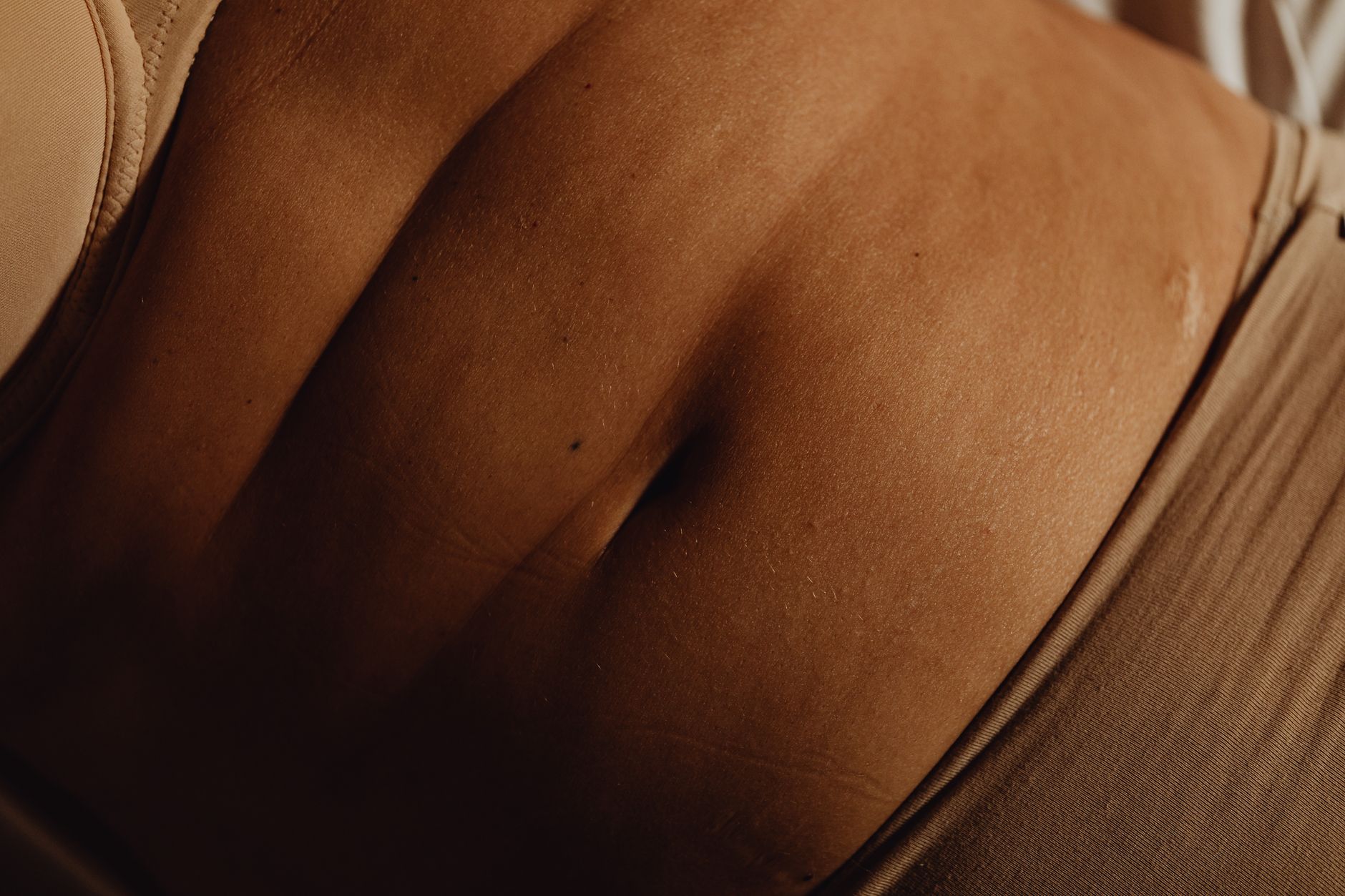
Linea nigra—Latin for “black line”—is a vertical hyperpigmented stripe that runs from the pubic area up to the belly button, and sometimes higher. It appears because pregnancy hormones, especially estrogen and melanocyte‑stimulating hormone (MSH), boost melanin production in the skin. This surge is a protective response, helping the skin guard against increased ultraviolet (UV) exposure and supporting the development of the fetus.
Melanocytes, the cells that create melanin, become more active in the midline area where the skin is already slightly thicker. The result is a darker line that can range from faint brown to deep chocolate, depending on your baseline skin tone, genetic predisposition, and how strongly your body reacts to hormonal changes.
While the line is a normal sign of pregnancy, it is not a medical issue. It does not affect the health of the baby or the mother. However, because the contrast can feel striking against lighter skin, many women seek ways to lighten it after delivery.
How long does linea nigra stay after pregnancy?
Most research and clinical observations indicate that linea nigra begins to fade within the first few months after delivery, with many women seeing noticeable lightening by six months. Complete disappearance can take up to a year, and in a small minority of women, especially those with darker skin tones or higher melanin activity, the line may remain faintly visible for several years.
Key factors that influence the timeline include:
- Hormonal decline: After birth, estrogen and MSH levels drop rapidly, reducing melanin production.
- Breastfeeding: Prolactin levels stay elevated, which can modestly sustain melanin activity, though evidence is mixed.
- Skin type: Individuals with naturally darker skin may retain more pigment.
- Sun exposure: UV light can darken existing pigment, slowing the fade.
- Weight fluctuations: Rapid weight gain or loss can stretch the skin, affecting pigment distribution.
In short, you can expect a gradual lightening that often becomes subtle by the eight‑month mark, but patience is essential. If the line remains prominent beyond a year, it’s worth discussing with a dermatologist to rule out other pigmentary disorders.
Can linea nigra fade naturally after birth?
Yes, the body’s own hormonal reset is the primary driver of fading. As estrogen and other pregnancy‑related hormones decrease, melanin production subsides, and the skin’s natural turnover gradually erases the excess pigment. Most women notice a softer, lighter line without any active treatment.
Natural fading is supported by simple skin‑care habits:
- Gentle exfoliation 2–3 times a week with a mild alpha‑hydroxy acid (AHA) product helps speed cell turnover.
- Consistent sunscreen use (SPF 30 or higher) protects the line from UV‑induced darkening.
- Keeping the abdominal skin moisturized reduces dryness, which can make pigment appear more pronounced.
- Balanced nutrition rich in antioxidants (vitamins C and E) supports healthy skin regeneration.
While these measures don’t guarantee a rapid fade, they create an optimal environment for your skin to return to its pre‑pregnancy tone.
Best creams to lighten linea nigra postpartum
If you prefer a more proactive approach, several over‑the‑counter (OTC) and prescription‑strength creams have been studied for safety and efficacy in postpartum skin lightening. Below is a comparison table that highlights the most commonly recommended options.
When selecting a product, look for “non‑comedogenic” and “fragrance‑free” labels to minimize irritation. Always perform a patch test on a small area of your abdomen before full application, and consult your OB‑GYN or dermatologist if you’re unsure about safety while breastfeeding.
Does breastfeeding affect linea nigra fading?
Breastfeeding introduces the hormone prolactin, which can keep estrogen levels modestly elevated compared with non‑lactating mothers. Some studies suggest that this hormonal environment may slightly extend the duration of hyperpigmentation, but the effect is usually minimal.
In practice, most lactating mothers see similar fading timelines to those who are not breastfeeding. The key is to maintain good skin‑care habits and protect the abdomen from sun exposure. If you notice that the line remains unusually dark after six months of exclusive breastfeeding, a gentle topical lightening agent (like azelaic acid) may be worth discussing with a dermatologist.
Home remedies to speed up linea nigra disappearance
While scientific evidence is limited, a few natural approaches have shown promise in small studies or anecdotal reports. Below are the most reliable home remedies, along with the strength of evidence supporting each.
- Lemon juice (diluted): The citric acid can act as a mild exfoliant. Use a cotton pad with a 1:3 mixture of lemon juice to water, apply for 5 minutes, then rinse. Perform a patch test first; avoid if you have sensitive skin. Evidence: low‑quality case series.
- Turmeric paste: Turmeric contains curcumin, an antioxidant that may inhibit melanin formation. Mix ½ teaspoon turmeric with honey, apply for 10 minutes, then wash. Evidence: modest in‑vitro data.
- Apple cider vinegar (ACV): ACV’s acetic acid can promote mild exfoliation. Dilute 1 part ACV with 3 parts water, apply for 2–3 minutes, then rinse. Evidence: limited anecdotal.
- Vitamin C‑rich foods: Consuming oranges, kiwi, and bell peppers supports skin repair from the inside out. Evidence: strong for overall skin health, indirect for pigment.
- Regular gentle massage: Stimulating blood flow can enhance skin turnover. Use a few drops of almond oil and massage in circular motions for 2 minutes daily. Evidence: theoretical, low risk.
Remember that home remedies are adjuncts, not replacements for clinically proven products. They work best when combined with sun protection and a consistent moisturizing routine.
When will my belly line return to normal after delivery?
The phrase “return to normal” can mean two things: the visual disappearance of the dark line and the restoration of the skin’s overall tone and texture. Here’s a realistic timeline:
- 0–3 months: Hormone levels drop sharply; the line begins to lighten, especially if you avoid sun exposure.
- 3–6 months: Most women notice a significant fade; any remaining pigment is often faint.
- 6–12 months: The line may become barely visible or disappear entirely for many.
- 12 months +: For a minority, especially those with darker skin or persistent hormonal factors, the line can linger. Cosmetic treatments become an option at this stage.
Factors such as weight loss, skin elasticity, and overall skin health play a role. Gentle weight loss (½–1 lb per week) through balanced nutrition and moderate exercise supports skin remodeling without stretching the tissue further.
Is it normal for linea nigra to reappear during later pregnancies?
Yes, the line is hormonally driven, so it typically reappears with each pregnancy. If you’ve had a prior pregnancy where the line faded completely, you may notice it darkening again early in a subsequent gestation. The intensity can differ from one pregnancy to the next, reflecting variations in hormone levels and genetic factors.
Women who experienced a very dark line in a first pregnancy sometimes report a lighter line in later pregnancies, especially if they used protective measures (consistent sunscreen, skin‑care routines). Conversely, some notice a more pronounced line if they had higher estrogen levels or increased sun exposure during the later pregnancy.
Difference between linea nigra and stretch marks
Although both appear on the abdomen, they are distinct:
- Lineal nigra: A flat, uniformly colored line caused by increased melanin. It does not alter skin texture.
- Stretch marks (striae gravidarum): Linear streaks that result from dermal tearing due to rapid abdominal expansion. They often start as reddish or purplish lines that fade to a silvery‑white or pink hue over time.
It’s common for both to coexist, which can make the dark line seem more pronounced. Treating stretch marks typically involves collagen‑stimulating ingredients (like retinoids or silicone gels), whereas linea nigra responds best to melanin‑targeting agents.
Postpartum skin changes: hormonal effects and how to care for abdominal skin after delivery
Beyond linea nigra, many new mothers notice a range of skin changes driven by fluctuating hormones:
- Melasma: Larger patches of darkened skin, often on the face.
- Acne: Hormonal spikes can trigger breakouts.
- Dryness and itching: Hormone drops can affect skin barrier function.
To support overall abdominal skin health:
- Use a fragrance‑free, ceramide‑rich moisturizer twice daily.
- Apply a broad‑spectrum sunscreen (SPF 30 +) every morning, even if you stay indoors most of the day.
- Incorporate a gentle exfoliant (AHA or PHA) 2–3 times weekly.
- Stay hydrated—aim for at least 2 liters of water per day.
- Maintain a balanced diet rich in omega‑3 fatty acids, zinc, and vitamins A, C, E.
These steps not only help the linea nigra fade but also improve the overall texture and resilience of your postpartum skin.
Safe over‑the‑counter products for linea nigra
When shopping for OTC lightening products, prioritize those that are:
- Formulated for sensitive skin (no harsh alcohols or fragrances).
- Backed by dermatological testing.
- Free of mercury or unregulated “skin‑bleaching” chemicals.
Brands that meet these criteria often list ingredients such as niacinamide, azelaic acid, vitamin C, or low‑dose hydroquinone. Always read the label for “pregnancy‑safe” or “post‑partum‑compatible” claims, and verify with your OB‑GYN if you’re unsure.
Does weight loss affect linea nigra fading?
Weight loss itself does not directly alter melanin production, but it can influence the visual contrast of the line. As you lose abdominal fat, the skin may become tighter, and the line can appear more pronounced if residual pigment remains. Conversely, a gradual, healthy weight‑loss plan supports skin elasticity, which can help the skin remodel and shed pigment more evenly.
Combine weight loss with the skin‑care practices outlined above—sun protection, moisturization, and gentle exfoliation—to create the best environment for a uniform fade.
Myth vs. fact
Myth: Linea nigra is a sign of a problem that needs medical treatment.
Fact: It is a normal, hormone‑driven pigment change that usually fades on its own.
Myth: Bleaching creams will erase linea nigra instantly.
Fact: Even the most effective topical agents require weeks to months of consistent use, and they must be used safely to avoid irritation.
Myth: Breastfeeding guarantees faster fading.
Fact: While prolactin may slightly influence pigment, most studies show no significant difference in fading speed between breastfeeding and non‑breastfeeding mothers.
Key takeaways
- Linea nigra is a common, hormone‑driven dark line that appears during pregnancy.
- Most women see noticeable fading within 6 months postpartum; full disappearance can take up to a year.
- Gentle sun protection, moisturization, and occasional exfoliation support natural fading.
- OTC creams with azelaic acid, vitamin C, or niacinamide are safe options; hydroquinone requires caution if breastfeeding.
- Home remedies (diluted lemon juice, turmeric paste) may help but are not substitutes for proven treatments.
- If the line remains dark after 12 months, or if you notice unusual changes, consult a dermatologist.
Frequently asked questions
How long does it take for linea nigra to fade after giving birth?
Most women notice a gradual lightening within the first three months, with significant fading by six months. Complete disappearance can take up to a year, though some may still see a faint line beyond that.
Can linea nigra disappear without treatment?
Yes. The natural decline of pregnancy hormones after delivery typically leads to a gradual fade. Consistent sunscreen use and gentle skin‑care can accelerate this process.
Are there any risks to using bleaching creams on postpartum skin?
Bleaching creams containing hydroquinone or strong acids can cause irritation, especially on sensitive postpartum skin. It’s safest to choose products with lower concentrations, perform a patch test, and avoid use while breastfeeding unless approved by your provider.
Does breastfeeding speed up the fading of linea nigra?
Current evidence suggests breastfeeding has a minimal impact on the speed of fading. Hormonal changes from lactation may slightly sustain pigment, but most lactating mothers see similar timelines as non‑lactating mothers.
What home remedies are effective for lightening linea nigra?
Gentle, diluted lemon juice, turmeric‑honey paste, and diluted apple cider vinegar have shown modest benefits in small studies. Pair these with regular sunscreen and moisturization for the best results.
When should I see a doctor if my linea nigra doesn't fade?
If the line remains dark after 12 months, changes color, becomes raised, or is accompanied by itching, pain, or other skin changes, schedule an appointment with a dermatologist to rule out other pigmentary disorders.
Can weight loss make my linea nigra fade faster?
Weight loss doesn’t directly affect melanin, but a healthy, gradual loss supports skin elasticity and can help the skin remodel, potentially making any remaining pigment less noticeable.
When to see a doctor / specialist
If you notice any of the following, contact a dermatologist promptly:
- Persistence of a dark line beyond 12 months postpartum.
- Accompanying symptoms such as itching, burning, or pain.
- Changes in texture (raised, scaly, or oozing lesions).
- Rapid darkening despite sun protection and skin‑care.
- Any concern that the pigment might be part of a broader skin condition (e.g., melasma, post‑inflammatory hyperpigmentation).
While the information here is intended to help you understand and manage linea nigra, it does not replace personalized medical advice. Always discuss new treatments or concerns with your OB‑GYN, primary care provider, or a board‑certified dermatologist.
References
- American College of Obstetricians and Gynecologists (ACOG). “Skin Changes During Pregnancy.” 2022.
- American Academy of Dermatology (AAD). “Post‑Pregnancy Hyperpigmentation.” 2023.
- National Institutes of Health (NIH). “Melanogenesis and Hormonal Influence.” 2021.
- Mayo Clinic. “Linea Nigra: Causes and Treatment.” Updated 2023.
- Harvard T.H. Chan School of Public Health. “Nutrition for Skin Health.” 2022.
- British Association of Dermatologists (BAD). “Guidelines for Safe Use of Hydroquinone.” 2021.
- Journal of Cosmetic Dermatology. “Azelaic Acid in Post‑Pregnancy Hyperpigmentation.” 2020.
- World Health Organization (WHO). “Sun Protection Recommendations.” 2022.



