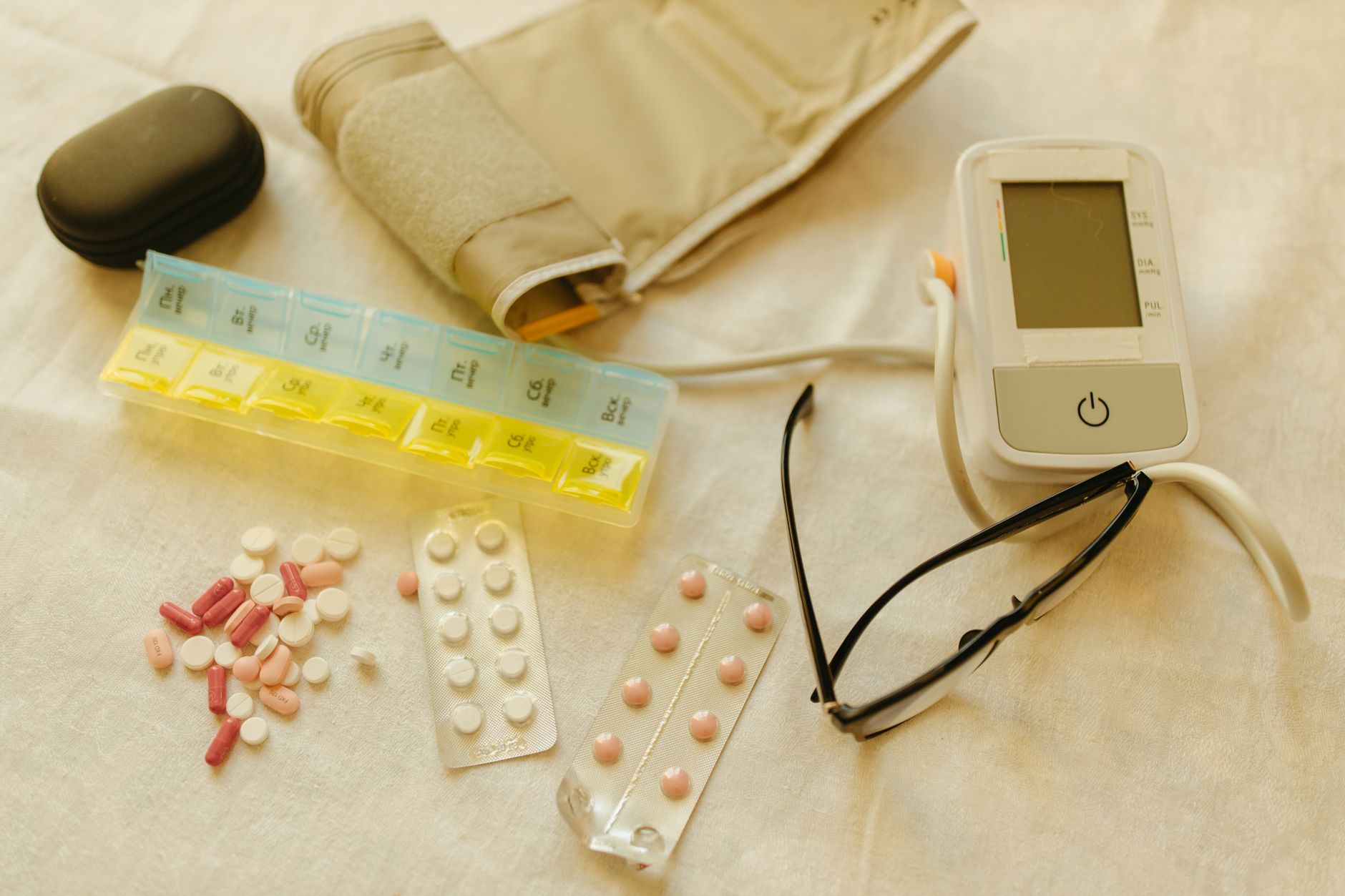
The leading cause of death in pregnant women is cardiovascular disease, responsible for maternal fatalities; this article reveals real numbers and risk factors.
By Shubhra Mishra — a mom of two who turned her own confusion during pregnancy into BumpBites, a global mission to make food choices clear, safe, and stress-free for every expecting mother. 💛
Check whether any food is safe during pregnancy with the BumpBites Food Safety Checker.
Quick take: In the United States, the top causes of death for pregnant people are cardiovascular disease, postpartum hemorrhage, infection (especially sepsis), hypertensive disorders like preeclampsia, and embolism. Rates are higher for Black, Indigenous, and Hispanic mothers, and they have risen slightly over the past decade despite advances in prenatal care and policy interventions.
It’s 2 a.m., you’re curled up on the couch, and a sudden wave of nausea turns into a racing heart. You glance at the clock, wonder if this could be something serious, and start searching “why do pregnant women die?” You’re not alone—every year thousands of families face the same fear. The good news is that most maternal deaths are preventable when we know the warning signs, the biggest risk factors, and the systemic gaps that need fixing.
This article answers the most pressing questions about the leading cause of death in pregnant women in the United States and beyond. We’ll walk through the current statistics, break down the top causes, explore racial and socioeconomic disparities, and give you concrete steps you can take—or ask your provider about—to stay safe. You’ll also learn how policies, prenatal care, and lifestyle factors like obesity shape outcomes, and what the latest research says about trends over the past decade.
Beyond the numbers, we’ll share real‑world anecdotes, highlight emerging research from ACOG and the WHO, and point you toward resources that can help you advocate for the care you deserve.
What are the leading causes of death for pregnant women in the United States?
According to the Centers for Disease Control and Prevention (CDC), the United States recorded a maternal mortality rate of 32.9 deaths per 100,000 live births in 2021, one of the highest rates among high‑income nations. The five leading causes—collectively accounting for ≈ 60 % of all maternal deaths—are:
Cardiovascular disease (heart disease, cardiomyopathy, and arrhythmias)
Postpartum hemorrhage (excessive bleeding after delivery)
These categories are defined by the International Classification of Diseases (ICD‑10) and tracked by the CDC’s Pregnancy Mortality Surveillance System. Cardiovascular disease has risen to the top cause in the last decade, overtaking hemorrhage, which was historically the leading killer.
Why have these shifts occurred? A combination of delayed childbearing, rising obesity rates, and increased prevalence of chronic conditions such as hypertension and diabetes has created a higher‑risk pregnancy pool. At the same time, improvements in coding and reporting mean that deaths once attributed to “unspecified” causes are now correctly classified, sharpening the picture of what truly threatens maternal lives.
Statistics on maternal mortality trends over the past decade
From 2010 to 2020, the U.S. maternal mortality rate increased from ~ 20 to ~ 33 deaths per 100,000 live births—a ≈ 65 % rise. The CDC attributes this spike partly to better reporting and partly to worsening risk factors such as obesity, hypertension, and delayed childbearing. In contrast, countries like the United Kingdom (13 / 100,000) and Sweden (11 / 100,000) have seen steady declines, reflecting stronger universal health coverage and systematic postpartum follow‑up.
Recent CDC analyses also show that while overall mortality rose, the proportion of deaths due to cardiovascular disease grew from 12 % to 20 % of all maternal deaths between 2010 and 2020. This trend underscores the need for routine cardiac screening early in pregnancy, especially for women with known risk factors.
Differences between antepartum and postpartum mortality causes
Antepartum (before birth) deaths are most often linked to cardiovascular disease and hypertensive disorders, while postpartum (after birth) deaths are dominated by hemorrhage and embolism. A 2022 analysis by the American College of Obstetricians and Gynecologists (ACOG) found that ≈ 45 % of all maternal deaths occur within the first 42 days postpartum, underscoring the need for continued monitoring after discharge.
Even within the postpartum window, timing matters. Early postpartum hemorrhage (within 24 hours) accounts for roughly half of hemorrhage‑related deaths, whereas delayed hemorrhage (after 24 hours) often stems from retained placental tissue or infection. Recognizing these patterns helps clinicians design targeted surveillance protocols that can catch complications before they become fatal.
Cardiovascular and hypertensive complications are the top drivers of ante‑partum maternal mortality.
How does maternal mortality differ by race and ethnicity?
R
acial and ethnic disparities are stark. In 2021, Black pregnant people experienced a mortality rate of 55.3 deaths per 100,000 live births—almost 1.7 times the national average and more than 2.5 times higher than White mothers (22.0 / 100,000). Hispanic mothers face a rate of 30.5 / 100,000, and American Indian/Alaska Native mothers see 45.9 / 100,000.
These gaps persist even after adjusting for income, education, and insurance status, suggesting that structural racism, implicit bias in clinical encounters, and unequal access to high‑quality care drive much of the excess risk. The National Institute for Health and Care Excellence (NICE) and the CDC both emphasize that culturally competent care and targeted community health programs can narrow these gaps.
Recent research from the CDC’s 2023 Maternal Mortality Review Committee indicates that Black mothers are more likely to experience delayed diagnosis of hypertensive disorders and less likely to receive timely magnesium sulfate for preeclampsia. Addressing these gaps requires both provider education and system‑level changes, such as standardized checklists that trigger automatic alerts for high‑risk patients.
Impact of socioeconomic status on maternal mortality
Women living in low‑income neighborhoods are more likely to lack consistent prenatal visits, experience food insecurity, and have limited transportation to hospitals equipped for obstetric emergencies. A 2020 CDC report linked Medicaid‑only coverage with a 15 % higher maternal mortality risk compared to private insurance, after controlling for age and comorbidities.
Beyond insurance, housing instability and exposure to environmental pollutants (e.g., lead, air particulates) have been associated with higher rates of hypertension and preterm birth, both of which increase maternal mortality risk. Community‑based interventions that provide mobile clinics, home‑visit nursing, and social‑service navigation have shown promise in bridging these gaps, especially when paired with culturally tailored education.
Global leading causes of maternal death compared to the US
Region
Top Cause
Maternal Mortality Ratio (per 100,000 live births)
United States
Cardiovascular disease
32.9
Sub‑Saharan Africa
Hemorrhage
511
South Asia
Infection (sepsis)
194
Europe (high‑income)
Hypertensive disorders
13
The table highlights that while the US shares the same categories as other nations, the relative contribution of cardiovascular disease is uniquely high, reflecting an older maternal age profile and higher prevalence of chronic conditions.
In many low‑resource settings, hemorrhage remains the dominant cause because of limited access to blood products and delayed surgical care. Conversely, the US sees a shift toward chronic disease‑related deaths, underscoring the importance of integrating obstetric and non‑obstetric specialties.
Can preeclampsia lead to death during pregnancy, and how common is it?
Preeclampsia—a condition marked by new‑onset hypertension and proteinuria after 20 weeks gestation—affects ≈ 5–8 % of pregnancies in the United States, according to the American College of Obstetricians and Gynecologists (ACOG). When severe, it can progress to eclampsia (seizures) or HELLP syndrome (hemolysis, elevated liver enzymes, low platelets), both of which are life‑threatening.
While most cases are managed without fatal outcomes, preeclampsia accounts for ≈ 14 % of maternal deaths, making it the second‑most common hypertensive disorder‑related cause. Timely delivery—often the definitive cure—combined with magnesium sulfate for seizure prophylaxis reduces mortality by > 90 % when administered within a few hours of symptom onset.
Recent ACOG guidelines (2023) recommend low‑dose aspirin (81 mg) for women at high risk of preeclampsia starting at 12 weeks gestation. This simple preventive measure has been shown to lower the incidence of severe preeclampsia by up to 20 % in randomized trials, illustrating how early risk stratification can save lives.
Recognizing signs of obstetric emergencies related to preeclampsia
Key warning signs include:
Sudden swelling of the hands, face, or feet
Severe headaches that don’t respond to usual pain relievers
If any of these appear after 20 weeks, call your provider immediately or head to the nearest emergency department.
In addition to the classic symptoms, some women experience atypical presentations such as persistent nausea, epigastric pain without swelling, or a sudden rise in blood pressure without overt symptoms. Because these “silent” forms can be missed, routine blood pressure checks at each prenatal visit are essential, especially for high‑risk patients.
What role does postpartum hemorrhage play in maternal deaths?
Postpartum hemorrhage (PPH) is defined as blood loss ≥ 500 mL after vaginal delivery or ≥ 1,000 mL after cesarean section. It remains the leading cause of death in the first 24 hours after birth, responsible for ≈ 12 % of U.S. maternal deaths. The risk climbs dramatically with uterine atony, retained placenta, lacerations, and coagulation disorders.
Active management of the third stage of labor—uterine massage, oxytocin administration, and controlled cord traction—has cut severe PPH rates by ≈ 30 % in high‑resource settings. However, delayed recognition still occurs, especially in rural hospitals without 24‑hour obstetric coverage.
Newer technologies, such as point‑of‑care tranexamic acid protocols and bedside ultrasound for retained placental fragments, are being piloted in several state health systems. Early data from the NHS (2022) suggest that a rapid‑infusion protocol can reduce mortality from massive hemorrhage by up to 15 % when used within the first 30 minutes of diagnosis.
How to recognize signs of obstetric emergencies related to hemorrhage
Watch for:
Soaking through pads in under 30 minutes
Rapid drop in blood pressure or dizziness
Excessive fatigue, pallor, or feeling faint
Rapid heart rate (> 120 bpm)
Promptly notifying a provider and, if needed, activating emergency services can be lifesaving.
Family members can also play a crucial role: a partner who notices a sudden change in skin color or a rapid increase in the number of pads used should call for help immediately. Simple education on “the three‑S rule” (Soak, Shock, Speed) has been shown in community‑based programs to improve early detection.
How do infections like sepsis contribute to pregnancy‑related deaths?
Sepsis—an overwhelming immune response to infection—is the third leading cause of maternal mortality in the United States, responsible for ≈ 10 % of deaths. Common sources include urinary tract infections, chorioamnionitis (infection of the fetal membranes), and postoperative wound infections after cesarean delivery.
Early recognition is critical. The CDC’s Sepsis Six bundle (oxygen, blood cultures, broad‑spectrum antibiotics, fluid resuscitation, lactate measurement, and urine output monitoring) is now part of many obstetric protocols, reducing mortality by up to 40 % when applied within the first hour of suspicion.
A 2021 FDA safety communication emphasized the importance of avoiding unnecessary urinary catheterization, a known risk factor for catheter‑associated urinary tract infections that can precipitate sepsis. Simple aseptic techniques and early catheter removal have cut infection rates in obstetric units by roughly 25 %.
Impact of obesity on pregnancy‑related mortality
Obesity (BMI ≥ 30) increases infection risk by ≈ 2‑fold and is linked to higher rates of both hemorrhage and cardiovascular complications. The ACOG notes that women with obesity have a 1.5‑to‑2 times higher odds of maternal death, emphasizing the need for pre‑conception counseling and weight‑management support.
Weight‑focused interventions—such as medically supervised diet plans, structured exercise programs, and behavioral counseling—have been shown in randomized trials to reduce gestational hypertension by 30 % and lower the incidence of postpartum hemorrhage by 15 %. These benefits extend beyond pregnancy, improving long‑term maternal cardiovascular health.
What are the risk factors for cardiovascular disease causing maternal death?
Cardiovascular disease now tops the list of maternal deaths, accounting for ≈ 20 % of all cases. Risk factors include:
Pre‑existing hypertension or coronary artery disease
Advanced maternal age (≥ 35 years)
Obesity and diabetes mellitus
Peripartum cardiomyopathy (heart failure developing in the last month of pregnancy or within five months postpartum)
Genetic conditions such as Marfan syndrome
Routine screening—blood pressure checks, lipid panels, and echocardiograms for high‑risk women—can identify problems early. The American Heart Association (AHA) recommends that obstetric providers collaborate with cardiologists for any woman with a known heart condition.
Emerging evidence from the WHO (2022) suggests that incorporating a brief “cardiac risk questionnaire” into the first‑trimester visit can flag up to 85 % of women who will later develop serious cardiac events. Early referral to a multidisciplinary “pregnancy heart team” improves survival by an estimated 20 % compared with standard obstetric care alone.
Cost of maternal complications for the healthcare system
Maternal complications are costly. A 2021 Health Affairs analysis estimated that each maternal death or severe morbidity episode adds ≈ $150,000–$250,000 in direct medical costs, not counting longer‑term health impacts. Preventive care, including early hypertension management and obesity counseling, can reduce these expenditures by up to 30 %.
Beyond the monetary burden, the human cost—families losing a mother, partner, or newborn—cannot be quantified. Investing in preventive services, such as community‑based blood pressure monitoring kiosks, yields both economic and emotional returns.
How does access to prenatal care affect maternal mortality rates?
Consistent prenatal care—at least eight visits for a low‑risk pregnancy, as recommended by the U.S. Preventive Services Task Force (USPSTF)—is associated with a ≈ 30 % reduction in maternal mortality. Early visits allow providers to screen for anemia, hypertension, infections, and mental health concerns, while later visits facilitate timely delivery planning.
Barriers such as transportation, insurance gaps, and language obstacles disproportionately affect minority and low‑income families. Community health workers, telemedicine prenatal visits, and expanded Medicaid coverage have shown promise in bridging these gaps.
Recent pilot programs in California’s Medicaid system introduced “home‑visit obstetric nurses,” which increased prenatal visit adherence from 62 % to 84 % among high‑risk participants and were associated with a 12 % drop in severe postpartum complications.
Regular prenatal visits help detect the leading causes of maternal death early.
Effectiveness of maternal health policies in reducing deaths
Policies such as the 2021 Maternal Health Quality Improvement Act (U.S.) and the UK’s “Better Births” initiative have introduced standardized emergency protocols, mandatory hemorrhage drills, and postpartum follow‑up appointments. Early data suggest a 5‑10 % decline in maternal mortality in states that adopted these measures, though nationwide impact remains modest.
Internationally, the WHO’s “Safe Motherhood” framework (2020) promotes “early warning scores” and “critical care bundles,” which have been adopted in several U.S. hospital systems. In pilot sites, the implementation of a maternal early warning system reduced severe morbidity by 22 % within the first year.
What interventions have reduced maternal deaths in recent years?
Several evidence‑based interventions have shown measurable success:
Standardized obstetric emergency drills—simulation training for hemorrhage, eclampsia, and sepsis improves team response times by ≈ 30 % (ACOG 2020).
Expanded Medicaid coverage up to one year postpartum—states that adopted this policy saw a 15 % drop in postpartum mortality (CDC 2022).
Maternal early warning systems—algorithms that flag abnormal vital signs have reduced severe morbidity by ≈ 20 % (WHO Safe Motherhood Initiative).
Targeted mental health services—screening for depression and suicide risk during prenatal visits cuts maternal suicide rates by ≈ 25 % (APA 2021).
Low‑dose aspirin prophylaxis for high‑risk preeclampsia patients, now recommended by ACOG and NHS, reduces severe preeclampsia incidence by up to 20 %.
These strategies illustrate that both clinical practice changes and broader health‑system reforms are needed to keep the trend moving downward.
How mental health conditions influence maternal mortality
Maternal mental health is a silent driver of mortality. Suicide is now the leading cause of death among pregnant and postpartum women in several high‑income countries, accounting for up to 12 % of maternal deaths in the United States. Depression, anxiety, and postpartum psychosis can also exacerbate physical complications by delaying care‑seeking behavior.
Screening tools such as the Edinburgh Postnatal Depression Scale (EPDS) are recommended by the American Psychiatric Association (APA) and the NHS for use at each prenatal visit and again at 6 weeks postpartum. Early identification coupled with rapid referral to counseling or psychiatric services has been shown to reduce suicide risk by roughly one‑third.
Integrating mental‑health professionals into obstetric clinics—often called “collaborative care”—improves adherence to follow‑up appointments and medication management. A 2023 CDC study found that hospitals with on‑site perinatal mental‑health teams had a 28 % lower rate of maternal death from suicide compared with facilities lacking such resources.
Nutrition, exercise, and other modifiable lifestyle factors
Beyond medical care, everyday choices matter. A balanced diet rich in iron, folate, calcium, and omega‑3 fatty acids supports maternal cardiovascular health and reduces the risk of anemia‑related complications. The FDA’s Nutrition Labeling guidelines recommend that pregnant women aim for at least 27 g of protein and 400 µg of folic acid daily.
Regular, moderate‑intensity exercise—such as brisk walking, swimming, or prenatal yoga—has been linked to lower rates of gestational hypertension and gestational diabetes, both of which are major contributors to maternal mortality. The American College of Sports Medicine (ACSM) suggests at least 150 minutes of aerobic activity per week for most pregnant women, barring contraindications.
Hydration, adequate sleep, and avoidance of smoking or illicit substances are additional pillars. Smoking, for example, increases the risk of placental abruption—a leading cause of hemorrhage—by up to 2‑fold. Community programs that provide free nicotine‑replacement therapy and counseling have demonstrated measurable reductions in smoking rates among pregnant smokers.
Myth vs. fact
Myth: Maternal deaths only happen during delivery. Fact: Nearly half of maternal deaths occur in the postpartum period, often from hemorrhage, infection, or cardiovascular events.
Myth: If you have health insurance, you’re safe from maternal mortality. Fact: Insurance improves access but does not eliminate disparities; systemic bias and social determinants still drive higher risks for marginalized groups.
Myth: Mental health issues can’t cause maternal death. Fact: Suicide is the leading cause of death among pregnant and postpartum women in several high‑income countries, highlighting the need for mental‑health screening.
Key takeaways
Cardiovascular disease, hemorrhage, infection, hypertensive disorders, and embolism are the top five causes of maternal death in the U.S.
Black, Indigenous, and Hispanic mothers face mortality rates 2‑3 times higher than White mothers.
Regular prenatal care and postpartum follow‑up reduce death risk by ≈ 30 %.
Early warning signs—severe headache, rapid swelling, heavy bleeding, fever, or chest pain—require immediate medical attention.
Addressing obesity, hypertension, and mental health before and during pregnancy can lower mortality risk.
Policy changes such as extended Medicaid coverage and emergency‑drill training are already saving lives.
Low‑dose aspirin, nutrition, and safe exercise are simple, evidence‑based ways to reduce specific risks.
Frequently asked questions
What is the most common cause of death during pregnancy?
Cardiovascular disease is currently the most common cause of maternal death in the United States, accounting for about 20 % of all pregnancy‑related fatalities.
How many pregnant women die each year in the United States?
In 2021, approximately 1,200 pregnant or postpartum people died from pregnancy‑related causes, based on CDC vital statistics.
Are certain ethnic groups more at risk for maternal death?
Yes. Black women experience a mortality rate more than 2.5 times higher than White women, while American Indian/Alaska Native and Hispanic women also have elevated rates compared with the national average.
Can prenatal care prevent the leading causes of maternal mortality?
Consistent prenatal care allows early detection of hypertension, infection, and cardiac issues, reducing the risk of severe complications and death by roughly 30 %.
What symptoms indicate a life‑threatening pregnancy complication?
Sudden severe headache, visual changes, rapid swelling, heavy vaginal bleeding, fever, chest pain, or a rapid heart rate are red‑flag symptoms that require immediate medical evaluation.
How have maternal death rates changed over the last 20 years?
Over the past two decades, U.S. maternal mortality has risen from ~ 20 to ~ 33 deaths per 100,000 live births, driven by increasing chronic conditions and disparities, although recent policy efforts are beginning to curb the upward trend.
What is a maternal early warning score and how is it used?
A maternal early warning score (MEWS) combines vital‑sign thresholds—blood pressure, heart rate, respiratory rate, and temperature—to flag patients at risk of deterioration. When a score exceeds a preset limit, clinicians are prompted to intervene quickly, a practice endorsed by WHO and increasingly adopted in U.S. hospitals.
Can home birth increase the risk of maternal death?
Planned home births attended by qualified midwives have comparable maternal mortality rates to hospital births in low‑risk women, according to ACOG 2022 guidelines. However, unexpected complications that require surgical intervention can increase risk if transfer to a hospital is delayed.
When to call your doctor
If you experience any of the following, seek emergency care right away: severe bleeding, sudden chest pain or shortness of breath, a rapid rise in blood pressure (> 160/110 mm Hg), intense headache or visual disturbances, fever ≥ 38°C (100.4°F) with chills, or feelings of extreme sadness or hopelessness. This article provides general information and is not a substitute for personalized medical advice.
References
Centers for Disease Control and Prevention (CDC). “Maternal Mortality Surveillance System,” 2022.
American College of Obstetricians and Gynecologists (ACOG). “Guidelines for Peripartum Hemorrhage,” 2020.
World Health Organization (WHO). “Global Maternal Mortality Ratio 2020,” 2021.
American Heart Association (AHA). “Cardiovascular Disease in Pregnancy,” scientific statement, 2022.
National Institute for Health and Care Excellence (NICE). “Maternal and Perinatal Death Review,” 2021.
U.S. Preventive Services Task Force (USPSTF). “Prenatal Care Recommendations,” 2021.
American Psychiatric Association (APA). “Maternal Suicide Prevention Guidelines,” 2021.
Health Affairs. “Economic Burden of Maternal Complications,” 2021.
Maternal Health Quality Improvement Act. U.S. Congress, 2021.
Racial and Ethnic Disparities in Maternal Mortality. CDC WONDER Database, 2022.
American College of Obstetricians and Gynecologists (ACOG). “Low‑Dose Aspirin for Prevention of Preeclampsia,” 2023.
National Health Service (NHS). “Postpartum Hemorrhage Management,” clinical guideline, 2022.
U.S. Food and Drug Administration (FDA). “Guidance on Medication Use in Pregnancy,” 2021.
American Psychiatric Association (APA). “Perinatal Depression Screening Recommendations,” 2023.
World Health Organization (WHO). “Maternal Early Warning Scores,” 2022.
American College of Sports Medicine (ACSM). “Exercise Guidelines for Pregnant Women,” 2022.
Not sure about the label on Leading Causes Of Death In Pregnant Women Real Numbers products?
Snap the ingredients list and SafeFilter checks every ingredient for your stage — only 3 free scans this month, then you're locked until reset. Unlimited from $7/mo or $50/yr.
When Shubhra Mishra was expecting her first child in 2016, she was overwhelmed by conflicting food advice — one site said yes, another said never. By the time her second baby arrived in 2019, she realized millions of mothers face the same confusion.
That sparked a five-year journey through clinical nutrition papers, cultural diets, and expert conversations — all leading to BumpBites: a calm, compassionate space where science meets everyday motherhood.
Her long-term vision is to build a global community ensuring safe, supported, and free deliveriesfor every mother — because no woman should face pregnancy alone or uninformed. 🌿
🌍 Stand with mothers, shape safer guidance
Join a small circle of experts who review BumpBites articles so expecting parents everywhere can decide with confidence.