Yes, light spotting after sex could mean pregnancy, but it can also be caused by other factors. Learn the signs, causes, and when to test to understand if you might be pregnant.
By Shubhra Mishra — a mom of two who turned her own confusion during pregnancy into BumpBites, a global mission to make food choices clear, safe, and stress-free for every expecting mother. 💛
Check whether any food is safe during pregnancy with the BumpBites Food Safety Checker.
Quick take: Light spotting after sex can be harmless, but it can also signal early pregnancy, ovulation, a mild infection, or a side‑effect of hormonal birth control. The safest first step is to note the timing, any accompanying symptoms, and consider a home pregnancy test if you’re trying to conceive. If bleeding persists, is heavy, or comes with pain or fever, contact your provider.
It’s 2 a.m., you’ve just finished a night‑shift, and a tiny pink smear on your underwear makes you pause. “Did that mean I’m pregnant?” you wonder, scrolling through endless forums while the clock ticks. You’re not alone—many people experience a flash of light spotting after intercourse and wonder what it means for their health and fertility.
We’ll walk through the most common reasons for post‑coital spotting, how to tell if it might be early pregnancy, what to do next, and when a medical review is essential. By the end, you’ll have a clear, step‑by‑step plan that respects your body’s signals and the science behind them.
Whether you’re trying to conceive, using contraception, or simply curious, the answers below are grounded in guidance from ACOG, the NHS, CDC, and other reputable bodies. Let’s start with the basics of what “light spotting” actually looks like.
Can light spotting after sex be a sign of early pregnancy?
Yes, it can be, but it’s not the only explanation. Implantation bleeding—tiny pink or brown spots that appear when a fertilized egg attaches to the uterine lining—often occurs 6‑12 days after ovulation, which can coincide with or follow intercourse. Because the amount of blood is usually minimal (a few drops), many describe it as “spotting.”
Key clues that point toward early pregnancy include:
Timing: Spotting that starts about a week after a known ovulation or after a fertile‑window intercourse.
Other early symptoms: Breast tenderness, mild nausea, increased urination, or a subtle rise in basal temperature.
Pregnancy test results: A positive home test (usually reliable from the first day of a missed period) strengthens the suspicion.
However, the same pattern can also be caused by cervical irritation, hormonal fluctuations, or even a low‑grade infection. The American College of Obstetricians and Gynecologists (ACOG) advises that any bleeding after sex should be evaluated in the context of other symptoms and personal risk factors.
For many, spotting is the first clue that pregnancy may be occurring, especially if they’re not using contraception. If you’re actively trying to conceive, a positive test combined with spotting can be reassuring—though it’s still wise to confirm with a prenatal visit.
What causes light bleeding after intercourse when not pregnant?
When pregnancy is ruled out, several non‑pregnancy factors can lead to post‑coital spotting. Below is a quick reference table that highlights the most common causes, typical accompanying signs, and when to seek care.
Cause
Typical Features
When to See a Provider
Cervical irritation or minor trauma
Spotting immediately after sex; no pain or odor
If bleeding continues > 2 days or recurs frequently
Hormonal birth control (pill, patch, ring, IUD)
Irregular spotting, especially in first 3 months of use
If bleeding becomes heavy or is accompanied by cramping
Vaginal or cervical infection (e.g., bacterial vaginosis, chlamydia)
Spotting with discharge, odor, itching, or burning
Polycystic ovary syndrome (PCOS) or hormonal imbalance
Irregular cycles, occasional spotting after sex
If cycles are consistently irregular or bleeding is heavy
Uterine fibroids or polyps
Spotting may be accompanied by pelvic pressure
Evaluation with ultrasound if symptoms persist
Stress or sudden weight change
Mild spotting without other symptoms
Usually self‑limited; monitor for patterns
Most of these causes are benign and resolve on their own, but they can also signal an underlying condition that benefits from treatment. For example, untreated chlamydia can lead to pelvic inflammatory disease (PID), which can affect future fertility. The NHS recommends a simple pelvic exam and swab if infection is suspected.
Importantly, hormonal contraceptives—especially the combined oral contraceptive pill—often cause breakthrough bleeding during the first few cycles as the body adjusts. If spotting continues beyond three months, a brief check‑in with your provider can help fine‑tune the method or explore alternatives.
How long does spotting after sex last if you're pregnant?
If spotting is related to implantation, it typically lasts 1‑3 days. The bleed is usually light enough that you might only notice it on underwear or a tissue. In rare cases, a small amount of blood may linger for up to a week, especially if the uterus is particularly sensitive.
Because implantation bleeding is an early event, many people notice it before any other pregnancy signs. However, the duration can be influenced by:
Uterine lining thickness: A thicker lining (common with fertility drugs) may bleed a bit more.
Sexual activity: Gentle intercourse after spotting may not aggravate it, but vigorous activity could prolong the bleed.
Hormonal environment: Women on progesterone supplementation may experience slightly longer spotting.
Most obstetric guidelines, including those from the Royal College of Obstetricians and Gynaecologists (RCOG), state that spotting that persists beyond a week, becomes heavier, or is accompanied by cramping warrants a medical review. This helps differentiate a benign implantation bleed from early miscarriage or other concerns.
In practice, many patients report that the spotting resolves on its own without any intervention. Keeping a simple log—date, amount (e.g., “a few drops”), and any other symptoms—can provide helpful context for your next prenatal appointment.
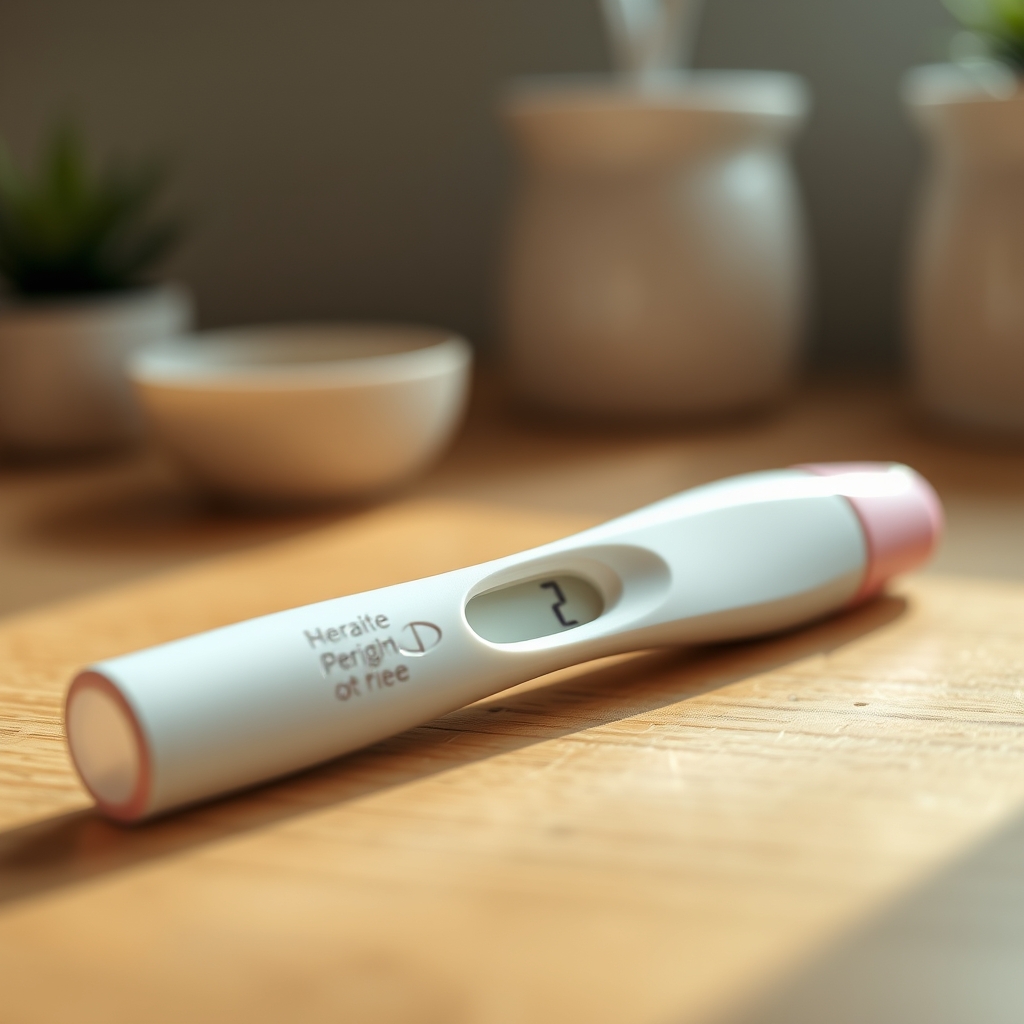
Positive home pregnancy test after spotting can confirm early pregnancy.
Is it normal to have light spotting after sex during ovulation?
Yes, spotting around ovulation—often called “mid‑cycle spotting”—is relatively common. Ovulation triggers a surge in luteinizing hormone (LH) and a brief rise in estrogen, which can make the cervical mucus thin and the cervix more sensitive. When intercourse occurs during this window, the mechanical friction can cause a few pink drops of blood.
Key characteristics of ovulatory spotting include:
Timing: Occurs roughly 10‑14 days before the start of the next period, aligning with peak fertility.
Volume: Usually just a few drops, noticeable on underwear but not enough to require a pad.
Associated signs: Clear, stretchy cervical mucus, slight pelvic twinge, or mild breast tenderness.
Studies from the Mayo Clinic indicate that up to 20 % of women notice some bleeding during ovulation, and it’s generally considered harmless. However, if ovulatory spotting is persistent, heavy, or accompanied by pain, it may suggest an underlying hormonal imbalance or a condition such as endometriosis, which should be evaluated.
For those tracking fertility, noting ovulatory spotting can actually be a helpful cue that you’re in your most fertile phase—especially when combined with basal temperature charts or ovulation predictor kits. The CDC’s guidance on fertility awareness highlights that any cervical changes, including spotting, can enhance timing for conception attempts.
Should I take a pregnancy test after spotting post‑coital?
Taking a home pregnancy test after spotting is a reasonable next step, especially if you’re trying to conceive or if the spotting aligns with your fertile window. Most tests detect the hormone hCG (human chorionic gonadotropin) as early as 10 days after conception, but accuracy improves after a missed period.
Recommended timing:
Wait at least 7‑10 days after intercourse before testing. This allows hCG levels to rise to a detectable range.
Use first‑morning urine for the highest concentration of hCG.
Repeat the test if the first result is negative but you still suspect pregnancy—test again after a few days.
If you receive a negative result but spotting continues or you develop other early‑pregnancy signs, consult your provider. They may order a quantitative hCG blood test, which can detect lower hormone levels and differentiate between a very early pregnancy and other causes of bleeding.
Both ACOG and the NHS advise that a positive test should be followed by an early prenatal appointment, typically within the first trimester, to confirm viability and begin appropriate care.
When should I see a doctor for post‑coital bleeding?
Most episodes of light spotting after sex are benign, but certain red‑flag symptoms merit prompt medical attention. Seek evaluation if you experience any of the following:
Bleeding that soaks a pad or lasts more than a few days.
Severe cramping, pelvic pain, or a fever (≥ 38 °C/100.4 °F).
Foul‑smelling vaginal discharge or a burning sensation—possible infection.
Spotting after a recent change in contraception, especially with a hormonal IUD or implant.
History of recurrent miscarriage, PID, or known uterine abnormalities.
During the visit, your provider may perform a pelvic exam, STD screening, and possibly an ultrasound to rule out structural causes. The CDC recommends that anyone with post‑coital bleeding and risk factors for sexually transmitted infections be tested, regardless of whether pregnancy is suspected.
Early evaluation not only clarifies the cause but also helps prevent complications such as anemia from chronic blood loss or untreated infections that could affect fertility.
Differences between implantation bleeding and post‑coital spotting
While both can appear as light pink or brown stains, there are subtle distinctions that help you tell them apart:
Feature
Implantation bleeding
Post‑coital spotting
Timing relative to intercourse
6‑12 days after ovulation (often before a missed period)
Immediately or within a few hours after sex
Amount
Very small, usually a few drops
Usually a few drops, but can be slightly more if cervical irritation
Color
Pink to brown (old blood)
Pink to bright red (fresh blood)
Associated symptoms
Early pregnancy signs (breast tenderness, nausea)
May have cramping, discharge, or irritation
Duration
1‑3 days
Usually resolves within 24‑48 hours
Because the visual differences are subtle, the most reliable way to differentiate them is by considering the timeline and accompanying signs. If you’re unsure, a home pregnancy test or a brief visit to your provider can provide clarity.
Understanding where implantation bleeding fits in the menstrual cycle helps you interpret post‑coital spotting.
From our medical team: Light spotting after sex is usually not an emergency, but it’s worth tracking. Keep a simple diary of the date, amount, and any other symptoms. If you notice a pattern—especially if it repeats each cycle or coincides with ovulation—bring it to your next appointment. Early detection of infections or hormonal issues can make a big difference to your overall reproductive health.
Myth vs. fact
Myth: Any bleeding after sex means you’re pregnant.
Fact: Spotting can be caused by many non‑pregnancy factors, such as cervical irritation, infections, or hormonal birth control. A pregnancy test and medical evaluation are needed to confirm pregnancy.
Myth: If you’re on the pill, you can’t have post‑coital spotting.
Fact: Hormonal contraceptives often cause breakthrough bleeding, especially during the first few months of use. Persistent or heavy bleeding should be discussed with a provider.
Myth: Light spotting is always harmless.
Fact: While most cases are benign, spotting accompanied by pain, fever, or foul discharge can signal infection or other complications that require prompt care.
Key takeaways
Light spotting after sex is common and usually harmless, but it can also indicate early pregnancy, ovulation, infection, or a side‑effect of contraception.
Track timing, amount, and any other symptoms; a simple diary helps your provider pinpoint the cause.
If you suspect pregnancy, wait 7‑10 days after intercourse before taking a home test for the most accurate result.
Persistent, heavy, or painful bleeding—or bleeding with fever or foul discharge—warrants a medical visit.
Hormonal birth control may cause breakthrough spotting; discuss any persistent changes with your clinician.
When in doubt, a quick call to your provider can provide peace of mind and rule out serious issues.
Frequently asked questions
Can implantation bleeding be mistaken for spotting after sex?
Yes. Both appear as light pink or brown stains, but implantation bleeding typically occurs 6‑12 days after ovulation and is not directly linked to recent intercourse, whereas post‑coital spotting appears within hours of sex. A home pregnancy test and timing of symptoms can help differentiate them.
How soon after sex can I see spotting if I'm pregnant?
Implantation bleeding can start as early as 6 days after fertilization, which may be a few days after intercourse if ovulation occurred shortly before. Most women notice it before a missed period, often around day 10‑12 of a typical 28‑day cycle.
Is light spotting after sex a sign of infection?
It can be, especially if accompanied by a foul odor, itching, burning, or unusual discharge. Infections like bacterial vaginosis or chlamydia often cause irritation that leads to spotting. If any of these signs appear, see a provider for testing and treatment.
Can stress cause post‑coital spotting?
Stress can influence hormonal balance, leading to irregular bleeding or spotting. While stress alone rarely causes immediate post‑coital spotting, it may exacerbate underlying conditions such as hormonal imbalances or mild cervical irritation.
Do hormonal birth control methods cause spotting after intercourse?
Yes. Combined oral contraceptives, hormonal IUDs, patches, and rings can all cause breakthrough bleeding, especially during the first three months of use. The spotting is usually light and resolves as the body adjusts, but persistent bleeding should be discussed with a clinician.
When should I take a pregnancy test after spotting?
Wait at least 7‑10 days after the sexual encounter before testing to allow hCG levels to rise. If you test early and receive a negative result but still suspect pregnancy, repeat the test a few days later or have a blood test done for confirmation.
When to call your doctor
If you experience any of the following, contact your healthcare provider right away: heavy bleeding (soaking a pad), bleeding lasting more than a week, severe cramping, fever, foul‑smelling discharge, or if you have a known infection or reproductive condition. This article is for informational purposes only and does not replace personalized medical advice.
References
American College of Obstetricians and Gynecologists (ACOG). “Bleeding in Early Pregnancy.” Practice Bulletin, 2023.
National Health Service (NHS). “Spotting after sex – causes and when to see a doctor.” Updated 2022.
Centers for Disease Control and Prevention (CDC). “Sexually Transmitted Infections – Diagnosis and Treatment.” 2021.
World Health Organization (WHO). “Family planning: hormonal contraception.” 2020 guidelines.
Mayo Clinic. “Implantation bleeding: What to expect.” Reviewed 2023.
Royal College of Obstetricians and Gynaecologists (RCOG). “Early pregnancy bleeding.” Clinical guidance, 2022.
Food and Drug Administration (FDA). “Emergency contraception and breakthrough bleeding.” 2021.
Not sure about the label on Light Spotting Or Bleeding After Sex Could I Be Pregnant products?
Snap the ingredients list and SafeFilter checks every ingredient for your stage — only 3 free scans this month, then you're locked until reset. Unlimited from $7/mo or $50/yr.
When Shubhra Mishra was expecting her first child in 2016, she was overwhelmed by conflicting food advice — one site said yes, another said never. By the time her second baby arrived in 2019, she realized millions of mothers face the same confusion.
That sparked a five-year journey through clinical nutrition papers, cultural diets, and expert conversations — all leading to BumpBites: a calm, compassionate space where science meets everyday motherhood.
Her long-term vision is to build a global community ensuring safe, supported, and free deliveriesfor every mother — because no woman should face pregnancy alone or uninformed. 🌿
🌍 Stand with mothers, shape safer guidance
Join a small circle of experts who review BumpBites articles so expecting parents everywhere can decide with confidence.