

Quick take: A Korean pregnancy diet sample day balances nutrient-dense traditional foods like fermented kimchi, lean proteins (fish, eggs), whole grains, and herbs (ginseng, red dates) with modern prenatal needs. Expect 2,200–2,800 calories in the first trimester, 2,500–3,000 in the second, and 2,800–3,300 in the third—with 20% more calories in the third trimester. Avoid raw fish, excessive seafood, and high-mercury dishes; opt for steamed or cooked versions. Fermented foods support gut health, and ginseng may help with fatigue—but always check with your provider before adding herbs. Bonus: Korean postpartum meals like sundubu-jjigae can aid recovery and lactation, while ssuk (barley tea) helps with hydration and bloating. For women with gestational diabetes, focus on low-glycemic Korean staples like white rice and grilled fish.Korean Diet Sample Day of Eating: The Complete 2026 Guide
It was 3 a.m., and you were staring at the fridge again—this time, not because you were hungry, but because you were overwhelmed. Your prenatal vitamins were on the counter, your water bottle was empty, and the thought of another bowl of plain toast had you scrolling for inspiration. You typed "Korean diet sample day of eating" into your search bar, half-expecting to find a list of spicy, fermented dishes that would make your morning sickness worse. Instead, you found a world of umami, probiotics, and gentle nutrition that actually made sense for your growing body.
You’re not alone. Many women—especially those who love Korean flavors—want to blend tradition with modern prenatal needs. The Korean diet isn’t just about kimchi and bulgogi; it’s a way of eating that prioritizes fermented foods for gut health, lean proteins for fetal development, and herbs like ginseng to combat fatigue. But how do you adapt it for pregnancy? How many calories should you aim for? And what about those foods your provider warned you about?
This guide breaks down a balanced Korean diet sample day for pregnancy, trimester by trimester, with recipes, safety tips, and answers to your biggest questions. Whether you're craving tteokbokki or need a gentler option for morning sickness, we’ve got you covered—with a focus on what’s actually safe, effective, and delicious.
--- ## What Is a Balanced Korean Diet Sample Meal Plan for Pregnant Women in 2026?Imagine your first trimester: your energy is low, your cravings are unpredictable, and you’re trying to avoid the "I’ll just have toast" spiral that seems to define pregnancy. That’s where a Korean-inspired meal plan can step in—not just as a flavor upgrade, but as a nutritional powerhouse. The key is balancing traditional Korean staples with prenatal-specific needs like folate, iron, and omega-3s.
A well-rounded Korean pregnancy diet includes:
- Fermented foods (kimchi, doenjang, yogurt) for gut health and probiotics.
- Lean proteins (grilled fish, eggs, tofu) for fetal brain development.
- Whole grains (rice, barley, millet) for sustained energy.
- Seasonal vegetables (spinach, zucchini, mushrooms) for fiber and vitamins.
- Herbs and teas (ginseng, red dates, chrysanthemum) for energy and digestion—when approved by your provider.
One reader described her shift: "I used to think Korean food was just spicy and heavy, but my OB actually recommended kimchi for my gut issues. Now I make kimchi jjigae on Sundays and freeze portions—it’s my new prenatal comfort food."
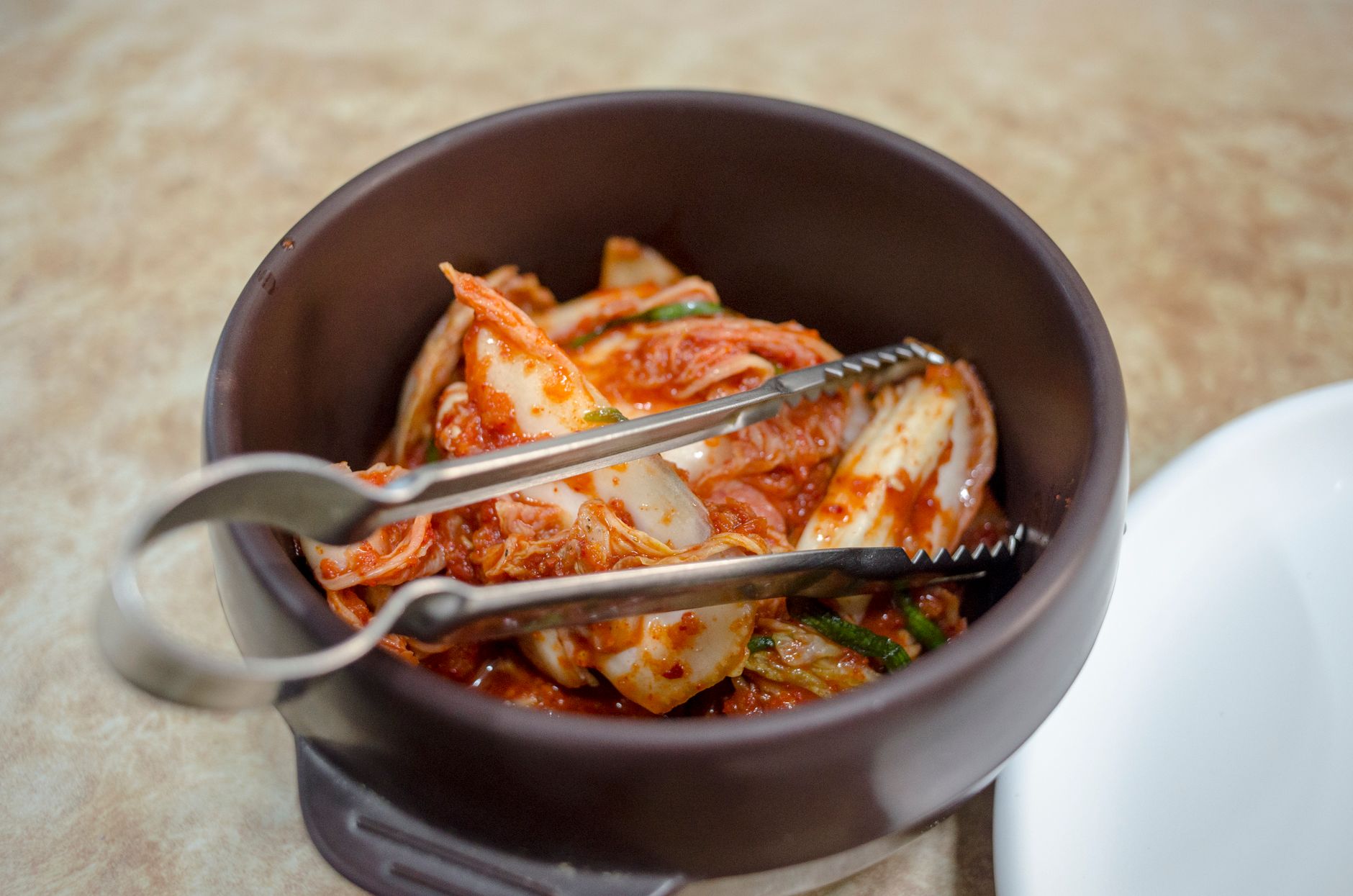
**Why it works:** Korean meals are naturally portion-controlled, with rice as the base and vegetables and proteins in balanced amounts. For example, a typical bibimbap bowl includes rice, grilled vegetables, a protein (like beef or tofu), and a fermented sauce—all designed to keep you full without excess calories. Pair this with the vegan pregnancy diet for inspiration on plant-based protein swaps.
--- ## How Many Calories Should a Korean Diet Sample Day Provide During Each Trimester?Your calorie needs evolve as your baby grows, and the Korean diet can easily adapt. Here’s a general guideline, with a focus on nutrient-dense foods to avoid empty calories:
| Trimester | Calories Needed | Korean Diet Focus |
|---|---|---|
| First Trimester | 2,200–2,500 | Gentle, easy-to-digest meals like guk (soups), steamed vegetables, and soft tofu dishes. |
| Second Trimester | 2,500–3,000 | Balanced meals with rice, grilled fish, and lightly seasoned bibimbap. |
| Third Trimester | 2,800–3,300 | Higher-protein meals like galbi (marinated beef short ribs) with extra servings of rice and ssamjang (fermented dipping sauce). |
Pro tip: Use ssamjang (fermented soybean paste) as a flavorful way to boost protein without extra calories. Pair it with steamed vegetables or rice paper wraps for a light lunch.
If you’re worried about weight gain, focus on portion control—Korean meals are often hearty, but you can adjust with smaller rice portions or extra veggies. For example, swap half your rice for kongnamul (soybean sprouts) to add fiber without bulk. **Protein hack:** Add a soft-boiled egg to any meal—it’s packed with choline for brain development and keeps you full.
--- ## **How to Adjust Calories for Gestational Diabetes or Insulin Resistance**If you’ve been diagnosed with gestational diabetes, your provider may recommend monitoring your carb intake more closely. Korean meals can still fit into a balanced plan with these adjustments:
- Choose white rice over sweet potatoes or barley—white rice has a lower glycemic index and is easier to portion.
- Opt for grilled or steamed proteins instead of fried dishes like tteokbokki or mandu (dumplings).
- Load up on non-starchy vegetables like spinach, zucchini, or mushrooms to add volume without spiking blood sugar.
- Avoid sugary sauces like ssuk (chilled barley tea) with added sugar; opt for plain versions or herbal teas like gukgyul (chrysanthemum).
**Sample adjustment:** Instead of a traditional bibimbap with sweet potato, try a version with white rice, grilled fish, steamed veggies, and a drizzle of doenjang (fermented soybean paste) instead of gochujang.
--- ## Are There Any Traditional Korean Foods to Avoid During Pregnancy and Why?Not all Korean foods are pregnancy-safe. Here’s what to watch out for—and how to enjoy them safely:
- Raw fish (jeon or raw sashimi): High risk of Listeria and parasites. Safe swap: Opt for grilled or fully cooked fish like saengseonui (seared salmon).
- Excessive seafood: Some fish (tuna, swordfish) contain mercury. Safe swap: Choose low-mercury options like saba (mackerel) in moderation or anchovies (high in omega-3s but low in mercury).
- Fermented seafood (hoe): Often high in sodium and preservatives. Safe swap: Limit to small portions and balance with water-rich foods like cucumbers or melons.
- Spicy foods (gochujang, gochugaru): Can trigger heartburn or nausea. Safe swap: Reduce spice levels or choose milder versions like ssamjang.
- Unpasteurized dairy or fermented drinks: Risk of Listeria. Safe swap: Stick to pasteurized yogurt or makgeolli (rice wine) in moderation.
One reader shared: "I loved hoe before pregnancy, but my provider warned me about the sodium. Now I make my own fermented veggies at home with less salt and add them to soups instead of eating them as a snack."
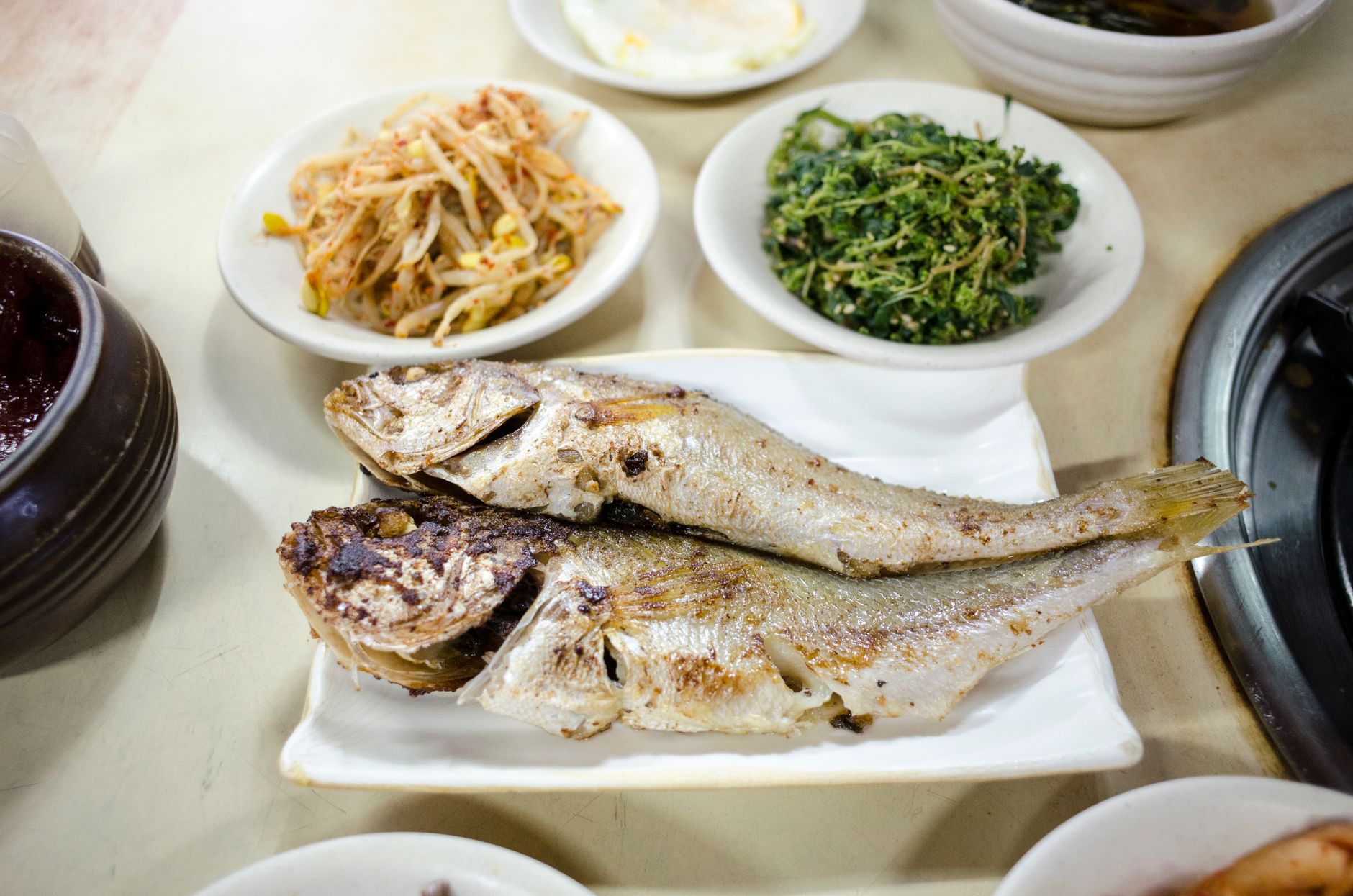
**Fermented food safety:** While kimchi is generally safe, opt for homemade versions or brands that specify pasteurization. Avoid homemade fermented foods if you’re unsure about the ingredients or fermentation process.
--- ## **How to Make Your Own Safe Fermented Foods at Home**If you love the probiotic benefits of kimchi but want to control the ingredients, try this simplified recipe:
- Choose your base: Napa cabbage or radish for a milder kimchi.
- Salt the vegetables: Soak chopped cabbage or radish in 10% saltwater for 1–2 hours, then rinse thoroughly.
- Add probiotics: Mix 1 tablespoon of kimchi starter (or 1 tablespoon of plain yogurt) with 1 tablespoon of sugar and 1 tablespoon of gochugaru (Korean red pepper flakes).
- Pack and ferment: Layer vegetables in a jar, add the seasoning mix, and press down. Cover with a cloth and ferment at room temperature for 1–3 days, then refrigerate.
**Pro tip:** Add grated daikon radish or carrots for extra crunch and vitamin A. This method reduces sodium while keeping the probiotic benefits.
--- ## How Does a Korean Diet Sample Day Support Fetal Brain Development?The Korean diet is packed with nutrients critical for fetal brain development, especially omega-3s, choline, and iron. Here’s how traditional foods deliver:
- Fatty fish (saba, saury, mackerel): Rich in DHA, essential for brain growth. Aim for 2–3 servings per week.
- Eggs (especially yolks): Contain choline, which supports neural tube development.
- Tofu and tempeh: Plant-based protein and iron, which help prevent anemia—a common pregnancy concern.
- Kimchi and fermented foods: Probiotics support gut health, which is linked to reduced inflammation and better nutrient absorption.
- Spinach and leafy greens: High in folate, which reduces the risk of neural tube defects.
Dr. Lee, a Korean OB/GYN, notes: "The omega-3s in Korean fish are fantastic for brain development, but it’s important to balance them with iron-rich foods like heuk-kak (black soybeans) to prevent fatigue."
For a simple brain-boosting meal, try this kimchi jeon (kimchi pancake) with a side of gim (seaweed) salad. The kimchi provides probiotics, while the seaweed adds iodine for thyroid health.
--- ## **Korean Diet for ADHD in Pregnancy: What to Consider**If you or your partner have ADHD, you might be curious about how diet could influence your baby’s brain development. While no diet can "prevent" ADHD, certain nutrients—like omega-3s, choline, and iron—are linked to cognitive function. The Korean diet excels in these areas:
- Omega-3s from fatty fish (saba, saury) support brain cell membranes.
- Choline from eggs and tofu aids in neurotransmitter production.
- Iron from spinach and black soybeans prevents fatigue and supports focus.
- Probiotics from kimchi may reduce inflammation linked to ADHD symptoms.
**Note:** If you’re concerned about ADHD risk, discuss this with your provider. While diet plays a role, genetics and environmental factors are also key. For more, explore our guide on ADHD in adult women.
--- ## What Are the Best Korean Snacks for Morning Sickness and Fatigue?Morning sickness and fatigue can turn snack time into a minefield. Fortunately, Korean snacks are often gentle on the stomach and energizing. Here are your best bets:
- Steamed rice cakes (tteok): Light and easy to digest. Try songpyeon (sweet rice cakes) with honey for quick energy.
- Yogurt (or doenjang yogurt): Probiotics calm nausea and provide protein. Look for unsweetened versions.
- Banana and peanut butter: A classic combo for quick carbs and healthy fats. Korean-style, try banana with sesame paste.
- Miso soup: Warm and soothing, with fermented goodness to settle your stomach.
- Red dates (danggui): Often used in Korean teas to boost energy. Check with your provider first—some herbs interact with medications.
One mom-to-be swore by this trick: "I’d sip ssuk (chilled barley tea) with a slice of banana in the morning. It was my go-to when I couldn’t keep toast down."
For a Korean pregnancy diet meal plan with recipes, try this tteokbokki (spicy rice cake soup) with a twist: reduce the spice and add a poached egg for protein. It’s a warming snack that’s easy to make in bulk.
--- ## **Korean Snacks for Gestational Diabetes**If you’re managing gestational diabetes, opt for snacks with a low glycemic index and balanced macros:
- Steamed rice cakes with almond butter (skip honey or sugar).
- Plain yogurt with chia seeds (chia adds fiber and omega-3s).
- Edamame with sea salt (high in protein and fiber).
- Cucumber slices with sesame seeds (hydrating and low-calorie).
- Herbal tea (chrysanthemum or gukgyul) with a handful of walnuts (healthy fats to curb cravings).
Korean herbs like ginseng and red dates are popular for energy and digestion, but pregnancy is a special case. Always consult your provider before adding herbs—some can stimulate contractions or interact with medications.
If approved, here’s how to use them safely:
- Ginseng (insam): May help with fatigue, but avoid in the third trimester. Try insam cha (ginseng tea) in moderation.
- Red dates (danggui): Often used in teas for anemia. Look for danggui jengulcha (red date tea with ginger).
- Chrysanthemum (gukgyul): Mild diuretic, good for bloating. Brew as a tea with honey.
- Avoid: Sangju (five-flavor herb) or Bugak (herbal tea blends) unless cleared by your provider.
For a safe herbal snack, try danggui tang (red date soup) with tofu and ginger. It’s nourishing and gentle on the stomach.
--- ## **Korean Herbal Teas for Pregnancy: Safety Guide**Not all herbal teas are safe during pregnancy. Here’s a quick reference:
| Herb | Pregnancy Safety | Benefits | Precautions |
|---|---|---|---|
| Ginseng (insam) | Safe in first/second trimester; avoid third trimester | Boosts energy, supports immunity | May stimulate contractions; avoid if high blood pressure |
| Red dates (danggui) | Generally safe; check with provider | Supports blood health, reduces fatigue | Avoid if allergic to nightshades |
| Chrysanthemum (gukgyul) | Safe; mild diuretic | Reduces bloating, supports liver | May lower blood pressure; monitor intake |
| Peppermint | Safe in moderation | Soothes nausea, aids digestion | Avoid if heartburn is an issue |
| Fennel | Safe; may help with bloating | Relieves digestive discomfort | None major; enjoy as part of a tea blend |
The Korean diet and Western pregnancy diets share goals—nutrient density, easy digestion, and energy—but they approach them differently. Here’s a quick comparison:
| Focus Area | Korean Diet | Western Diet |
|---|---|---|
| Protein Sources | Fish, tofu, eggs, fermented soybean paste (doenjang) | Chicken, beef, dairy, legumes |
| Carbohydrates | White rice, barley, sweet potatoes | Whole grains, bread, pasta |
| Fermented Foods | Kimchi, doenjang, makgeolli | Yogurt, kefir, sauerkraut |
| Herbs & Teas | Ginseng, red dates, chrysanthemum | Peppermint, chamomile, ginger |
| Fat Sources | Sesame oil, fish oil, nuts | Olive oil, avocado, nuts |
For example, while Western diets often emphasize low-sodium options like the DASH diet, the Korean diet naturally includes fermented foods with sodium—but you can balance it with water-rich foods like cucumbers or melons.
If you’re curious about other dietary approaches, you might also explore the autoimmune protocol diet, which focuses on anti-inflammatory foods—though it’s more restrictive and not typically recommended during pregnancy unless medically necessary.
--- ## **Korean Diet for Postpartum Recovery: A Sample Day**After delivery, your body needs to heal—and the Korean diet can support lactation, energy, and tissue repair. Focus on:
- Bone broth or guk: Rich in collagen for skin and hair recovery.
- Eggs and dairy: High-quality protein for milk production.
- Fermented foods: Probiotics aid digestion and reduce postpartum bloating.
- Iron-rich foods: Like heuk-kak (black soybeans) to replenish blood loss.
- Ginseng (if approved): May help with fatigue and milk supply.
One new mom shared: "My Korean OB recommended sundubu-jjigae (soft tofu stew) after my C-section. It was easy to digest, packed with protein, and helped my milk come in faster."
For a postpartum meal plan, try this sundubu-jjigae with mushrooms, spinach, and a soft-boiled egg. It’s comforting, nutrient-dense, and easy to make in large batches.
--- ## **Korean Postpartum Meal Prep Hacks**Postpartum recovery is busy—here’s how to meal prep like a pro:
- Batch-cook soups: Make a big pot of sundubu-jjigae or kimchi jjigae and freeze portions.
- Pre-chop veggies: Store spinach, mushrooms, and zucchini in airtight containers for quick stir-fries.
- Use leftovers creatively: Turn leftover rice into ssam (rice paper wraps) with fillings like tofu and veggies.
- Keep snacks handy: Pre-portion steamed rice cakes with nut butter or dried fruit.
- Delegate: Ask friends or family to bring Korean staples like rice or kimchi to share.
Let’s clear up some common misconceptions:
Myth: "Korean food is too spicy for pregnancy." Fact: While spice can trigger heartburn or nausea, you can enjoy Korean flavors gently. Reduce gochujang and opt for milder sauces like ssamjang or doenjang. Myth: "All fermented foods are safe in pregnancy." Fact: Some fermented foods (like unpasteurized cheese or raw seafood) carry risks. Stick to kimchi and doenjang made with pasteurized ingredients. Myth: "Korean food will make me gain too much weight." Fact: Portion control matters! Focus on balanced meals with plenty of vegetables and lean proteins. For example, swap fried tteokbokki for steamed versions. Myth: "Korean herbs are always safe during pregnancy." Fact: Many herbs can stimulate contractions or interact with medications. Always check with your provider before adding ginseng, red dates, or other traditional remedies. --- ## Key Takeaways: Your Korean Pregnancy Diet Checklist- Prioritize fermented foods (kimchi, doenjang) for gut health.
- Aim for 2–3 servings of fatty fish per week for omega-3s.
- Include iron-rich foods like tofu, spinach, and black soybeans.
- Avoid raw fish, excessive seafood, and unpasteurized dairy.
- Consult your provider before adding herbs like ginseng or red dates.
- Adjust portion sizes to match your trimester’s calorie needs.
- For postpartum, focus on bone broth, eggs, and fermented foods.
- If managing gestational diabetes, opt for white rice, grilled proteins, and non-starchy veggies.
- Meal prep in advance to save time and reduce stress.
Is a Korean diet sample day suitable for all stages of pregnancy?
Yes, but with adjustments. In the first trimester, focus on gentle, easy-to-digest meals like guk (soups) and steamed vegetables. As you progress, add more protein and calories with grilled fish and rice. Always listen to your body—if a food triggers nausea or discomfort, swap it out. For example, if kimchi upsets your stomach, try kongnamul (soybean sprouts) for a probiotic boost.
What are the nutritional benefits of eating Korean fermented foods like kimchi during pregnancy?
Kimchi is a powerhouse of probiotics, which support gut health and reduce inflammation. It’s also rich in vitamin C, which helps with iron absorption—a key concern in pregnancy. The fermentation process also makes nutrients more bioavailable, meaning your body can use them more efficiently. Just be mindful of sodium levels and opt for homemade kimchi if possible. Pro tip: Add grated daikon radish to your kimchi for extra fiber and vitamin A.
How can I adjust a Korean diet sample day if I have food aversions?
Food aversions are common in pregnancy! If you can’t stand kimchi, try kongnamul (soybean sprouts) or cucumber slices for a refreshing, probiotic-rich alternative. If you dislike fish, swap it for tofu or tempeh. The key is to keep meals balanced with protein, fiber, and healthy fats—just in different forms. For example, if you can’t eat galbi, try dwaeji galbi (marinated pork ribs) or bulgogi with less spice. Bonus: If you’re avoiding dairy, use coconut yogurt as a substitute for doenjang in dressings.
Are there any Korean diet sample day plans specifically designed for twins or multiple pregnancies?
Twins or multiples mean higher calorie and nutrient needs—aim for 3,000–3,500 calories per day in the second trimester and 3,500–4,000 in the third. Focus on nutrient-dense Korean foods like:
- Extra servings of rice or barley.
- Grilled fish with ssamjang (high in protein).
- Kimchi or doenjang soup for probiotics and iron.
- Eggs or tofu for choline and healthy fats.
- Snack boosters: Add a handful of walnuts to meals for extra omega-3s, or blend sesame seeds into oatmeal for calcium.
Work with your provider to monitor your weight gain and adjust portions as needed. Snacks like tteok (rice cakes) with peanut butter or makgeolli (rice wine) can help meet extra calorie needs.
What are the risks of consuming raw fish (like in Korean dishes) during pregnancy?
Raw fish carries risks of Listeria, Salmonella, and parasites like Anisakis. In Korea, dishes like jeon (fish cakes) or hoe (raw fish) are often made with fish that hasn’t been properly frozen or handled. Always avoid raw fish during pregnancy and opt for grilled, steamed, or fully cooked versions. If you love the texture of raw fish, try lightly cooked saengseonui (seared salmon) or saba jeon (pan-fried mackerel). Pro tip: Ask your provider about freezing fish at home to kill parasites before cooking.
How does a Korean diet sample day compare to the Mediterranean diet for pregnancy?
Both diets are excellent for pregnancy, but they have different strengths. The Korean diet shines with fermented foods (probiotics), lean proteins (fish and tofu), and herbs (ginseng for energy). The Mediterranean diet, on the other hand, emphasizes olive oil, nuts, and leafy greens—great for heart health and anti-inflammatory benefits. You can blend elements of both! For example, swap olive oil for sesame oil in salads, or add kimchi to a Mediterranean-style grain bowl. The key is to focus on whole, unprocessed foods and balance with your provider’s recommendations. Hybrid idea: Try a bibimbap bowl with Mediterranean veggies like roasted eggplant and olives, drizzled with sesame oil instead of gochujang.
Can I still enjoy Korean alcohol like makgeolli or soju during pregnancy?
Alcohol is generally not recommended during pregnancy due to potential risks to your baby’s development. However, if you occasionally crave a Korean drink, opt for non-alcoholic makgeolli (unsweetened) or herbal teas like chrysanthemum or gukgyul. Makgeolli is traditionally fermented, so non-alcoholic versions can still offer probiotic benefits. Always check with your provider before consuming any alcohol substitutes.
What are the best Korean foods for managing gestational diabetes?
If you’re managing gestational diabetes, focus on low-glycemic Korean foods and balanced macros:
- Proteins: Grilled fish, tofu, or eggs (add these to meals to slow carb absorption).
- Carbs: White rice (smaller portions) or barley (lower glycemic index than sweet potatoes).
- Veggies: Spinach, zucchini, or mushrooms (non-starchy and fiber-rich).
- Fats: Sesame oil or nuts (add healthy fats to meals to improve insulin sensitivity).
- Avoid: Fried dishes like tteokbokki or mandu, and sugary sauces like sweetened ssuk.
Sample meal: Grilled mackerel with white rice, steamed spinach, and a side of kongnamul (soybean sprouts). This combo keeps blood sugar


