

Quick take: The Konmari method for a family home isn’t just about tidying—it’s about creating a space that reflects your family’s values while keeping chaos at bay. Start by decluttering one category at a time (like baby items or kids’ toys) with your little ones involved, then use smart storage solutions to maintain order. The key? Patience, consistency, and embracing imperfection. This method works for families of any size—even small apartments—if you adapt it to fit your reality.Konmari Method for Family Home: A Modern Mom’s Honest Guide
It was 2 a.m., the baby was finally asleep, and I stared at the mountain of laundry piled on the couch—again. My toddler’s LEGO castle was half-built on the floor, my coffee mug from yesterday was still on the counter, and my phone buzzed with another "Mom, can you help?" from my partner. I sighed, rubbing my temples. This was the life I signed up for, right? The one where "clean" was a myth and "organized" felt like a distant memory.
Then I remembered the Konmari method—the decluttering philosophy that had worked wonders for my friend’s tiny apartment. Maybe it could work for us, too. But here’s the thing: most Konmari guides focus on solo lives or couples. What about families? The ones with toddlers who lose socks in the dryer, babies who track mud everywhere, and partners who “just need one more spot” for their stuff? I dove in, tested what worked, and what didn’t—and here’s the honest, no-BS guide to making Konmari work for your family home.
This isn’t about achieving Pinterest-perfect shelves overnight. It’s about creating a system that actually fits your life—so you can spend less time stressing about clutter and more time playing with your kids or sipping coffee in peace. Let’s get started.
--- ## What Is the Konmari Method for a Family Home? The Konmari method, popularized by Marie Kondo’s book *The Life-Changing Magic of Tidying Up*, is a decluttering philosophy that teaches you to organize your home by category—not room—while asking whether each item "sparks joy." For families, the challenge is twofold: first, decluttering with kids underfoot, and second, maintaining order when everyone has their own chaos (hello, toddler art projects and lost shoes).Here’s the twist for families: joy isn’t just personal—it’s functional. Your family’s Konmari system should make life easier, not harder. That means prioritizing items that actually get used (like your toddler’s favorite blanket) over things that gather dust (that "maybe someday" baby gift you’ll never open). And yes, some days, "sparking joy" means accepting that the floor is covered in crayons—and that’s okay.
**Key principles adapted for families:**
- Declutter by category, not room. Start with baby items, then move to kids’ toys, clothes, papers, komono (everyday items), and finally sentimental keepsakes.
- Involve the whole family. Kids as young as 2 can help sort toys (even if it’s just handing you the "no" pile). Toddlers love feeling helpful, and it teaches them responsibility.
- Focus on functionality. If it doesn’t get used or loved, it’s clutter. That includes half-empty craft supplies or "emergency" snacks that expire.
- Storage solutions must be kid-proof. No more tripping over toys or reaching for baby items that are out of reach.
- Maintenance is key. A family home isn’t tidied once—it’s a daily, weekly, and monthly practice.
**Representative story:** One reader, Sarah (mom to a 3-year-old and a 6-month-old), shared that she initially struggled to apply Konmari because her toddler would cry if she tried to declutter his toys. Solution? She set aside one weekend to sort his toys with him—letting him keep his "favorites" (even if they were duplicates) and donating the rest. She also used clear bins labeled with his name so he could "help" put them away. Result: Less clutter, fewer meltdowns, and a system that actually worked for her family.

**Pro tip:** If you’re unsure about an item, ask yourself: Have I used this in the past 3 months? If not, it’s likely clutter.
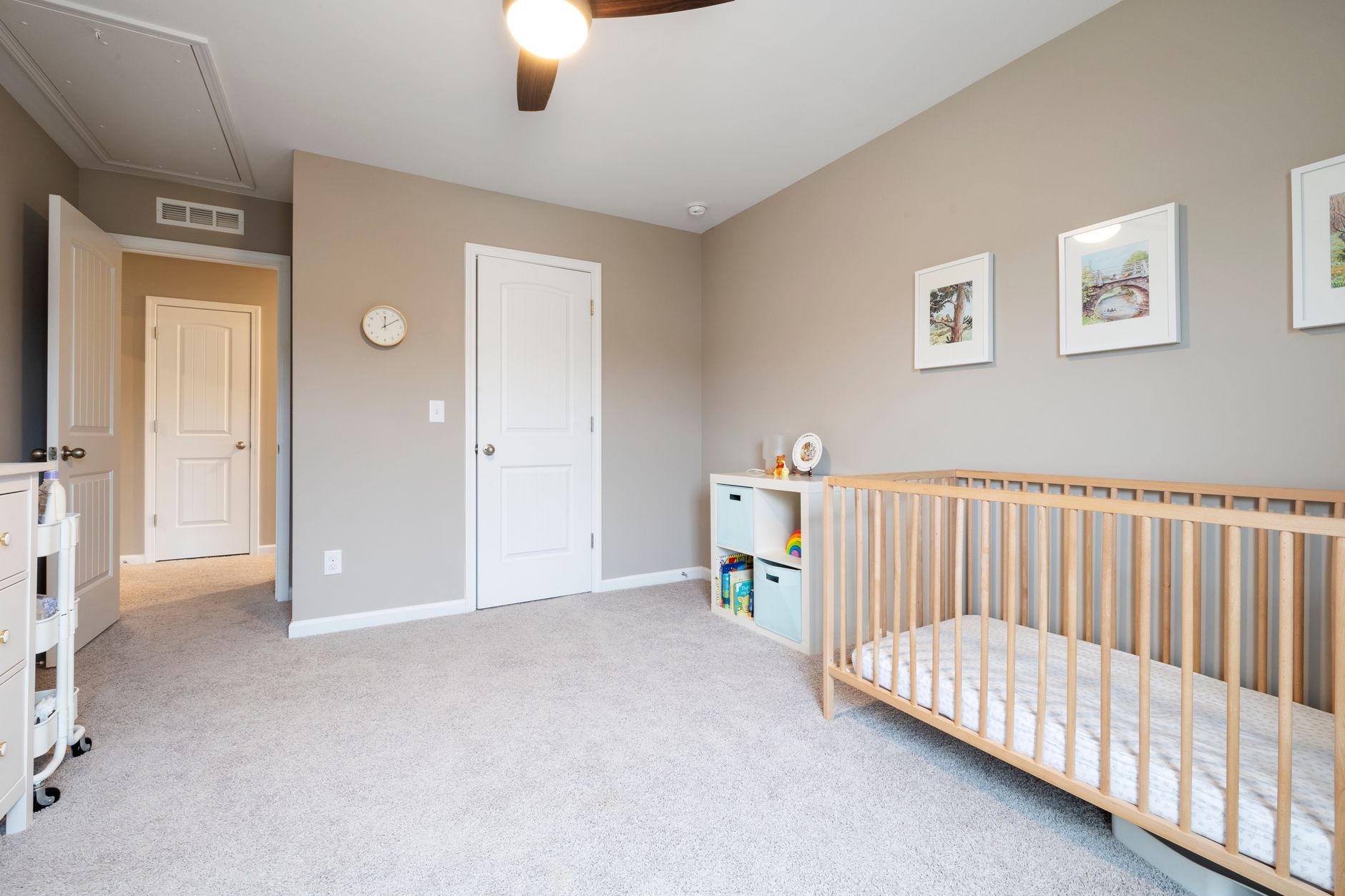
### Step 2: Declutter sentimental items Nurseries often become storage for keepsakes—ultrasound photos, handmade blankets, or gifts from family. Limit these to one or two display areas (like a shelf or wall art) to avoid visual overload. Digitalize what you can. Scan important documents or photos and store them in a cloud service so you can access them without taking up physical space. ### Step 3: Organize for functionality Use these storage hacks: - **Clear bins with lids** for diapers, wipes, and burp cloths (label them so you can grab what you need in the dark). - **Wall-mounted shelves** for baby books or soft toys (out of reach but still visible). - **Under-crib drawers** for storage of out-of-season clothes or extra blankets. - **A designated "diaper caddy"** with essentials like wipes, creams, and a change of clothes—keep it near the changing station.**Representative story:** Emily, a first-time mom, was overwhelmed by the "baby shower surplus" of onesies and hats. She followed the Konmari rule: If it doesn’t fit or your baby hasn’t worn it in 3 months, it goes. She kept only 10 onesies (mix-and-match colors) and donated the rest. Result: Her nursery stayed clutter-free, and she saved money by buying fewer items.
**Representative story:** Jake’s mom, Lisa, struggled with her 2-year-old’s refusal to put toys away. She tried the Konmari method but realized her son wasn’t ready for strict rules. Instead, she created a "toy zone" in the living room with a low bin and a picture of a toy car on it. She also made it a habit to put one toy away together before bedtime. Result: Less frustration, more cooperation, and a home that felt more manageable. --- ## Konmari Method for Family Home Organization Checklist Ready to dive in? Use this checklist to tackle your family home room by room. Pro tip: Start with the easiest category (like papers) to build momentum, then move to the hardest (like sentimental items). ### **Prep Work** - [ ] Gather all family members (including kids!) and explain the process. - [ ] Clear a large, open space (like a living room or garage) to sort items. - [ ] Gather supplies: boxes, bins, labels, donation bags, and trash bags. ### **Room-by-Room Checklist** #### **Baby/Nursery** - [ ] Sort baby clothes by size and season (keep only what fits). - [ ] Donate unused swaddles, hats, or onesies. - [ ] Organize diapers and wipes in clear bins near the changing station. - [ ] Limit sentimental items to one display area. #### **Kids’ Rooms** - [ ] Sort toys by category (dolls, cars, blocks) and donate unused items. - [ ] Use open bins for easy access to favorite toys. - [ ] Create a "donation box" for toys your child outgrows. - [ ] Keep clothes organized by season and size. #### **Living Room** - [ ] Declutter books, magazines, and knickknacks. - [ ] Use storage ottomans or baskets for blankets and remotes. - [ ] Designate a spot for shoes and coats. #### **Kitchen** - [ ] Sort pantry items by category (keep only what you use). - [ ] Declutter small appliances and gadgets (keep only the essentials). - [ ] Use clear bins for snacks and kids’ meals. #### **Bathrooms** - [ ] Donate expired products or unused toiletries. - [ ] Organize medications and first-aid supplies in a locked cabinet. - [ ] Use drawer dividers for makeup or skincare products. #### **Closets** - [ ] Sort clothes by category (keep only what fits and sparks joy). - [ ] Donate or sell unused items. - [ ] Use hangers or bins to maximize vertical space. ### **Final Steps** - [ ] Schedule a donation pickup or drop-off. - [ ] Celebrate your progress—you’ve just created more space and less stress!
**Representative story:** Priya, a single mom on a tight budget, used what she had to organize her home. She turned an old wooden crate into a toy storage unit for her toddler and used mason jars to organize her kitchen utensils. She also scheduled a donation pickup every few months to keep her home clutter-free without spending extra money. Result: A functional, organized home without breaking the bank. --- ## Konmari Method for Family Home: Decluttering Tips for Busy Moms Between work, school, and parenting, finding time to declutter can feel impossible. Here’s how to make it work: ### **Start Small** - **Tackle one category at a time.** Focus on baby items first, then move to kids’ toys, and so on. - **Set a timer for 20–30 minutes a day.** Even a small amount of progress is better than nothing. ### **Involve the Whole Family** - **Make it a family activity.** Turn decluttering into a weekend project with pizza and movies. - **Assign age-appropriate tasks.** Toddlers can sort toys, while older kids can help fold laundry. ### **Use the "One In, One Out" Rule** - **For every new item you bring in, donate or toss one old item.** This prevents clutter from piling up. ### **Schedule Regular Maintenance** - **Set aside 10 minutes a day** to tidy up. - **Do a quick declutter every month.** Sort through papers, donate unused items, and reorganize as needed.
**Representative story:** Megan, a working mom of two, found that decluttering worked best when she involved her kids in the process. She set aside one weekend morning to sort their toys and clothes together. She also made it a habit to put one item away before bedtime. Result: A more organized home and happier kids who felt involved. --- ## Konmari Method for Family Home: Step-by-Step Guide Ready to start? Follow these steps to apply the Konmari method to your family home: ### Step 1: Gather Your Family - Explain the process to everyone, including kids. Make it fun and collaborative. ### Step 2: Sort by Category - Start with baby items, then move to kids’ toys, clothes, papers, komono (everyday items), and sentimental items. ### Step 3: Ask Yourself: Does It Spark Joy? - Hold each item and ask if it sparks joy or serves a purpose. If not, let it go. ### Step 4: Organize with Functionality in Mind - Use open bins for easy access, closed storage for fragile items, and labeled containers for kids’ toys. ### Step 5: Create a Maintenance Plan - Set aside time each week to tidy up and declutter. - Schedule a donation pickup every few months to keep your home clutter-free. ### Step 6: Celebrate Your Progress - Take photos of your before-and-after spaces. Seeing your hard work pays off!

**Key takeaway:** The Konmari method is adaptable. For families, the goal is to create a system that works for everyone—even if it’s not perfect. Focus on functionality, involve your family, and celebrate small wins.
--- ## Konmari Method for Family Home Storage Solutions Storage is key to maintaining a Konmari home. Here are some family-friendly solutions: ### **For Baby Items** - **Clear bins with lids** for diapers, wipes, and burp cloths. - **Wall-mounted shelves** for baby books or soft toys. - **Under-crib drawers** for storage of out-of-season clothes. ### **For Kids’ Toys** - **Open bins with labels** for easy access. - **Low shelves or cubbies** for toddlers to reach. - **Hanging organizers** for small toys or art supplies. ### **For Clothes** - **Sliding closet organizers** to maximize space. - **Under-bed storage** for seasonal clothes. - **Hangers for easy sorting** (e.g., color-coded or by category). ### **For Papers and Komono** - **File folders or binders** for important documents. - **Clear bins for small items** (like batteries, pens, or craft supplies). - **Wall-mounted command hooks** for keys, bags, or coats. ### **For the Kitchen** - **Pantry organizers** to sort snacks and dry goods. - **Clear bins for kids’ meals** (easy to grab and go). - **Magnetic strips** for knives or spices.**Representative story:** Alex, a mom of two, struggled with her kitchen clutter until she used clear bins to organize snacks and a magnetic strip for her knives. She also involved her kids in putting away their own meals, which made the process easier for everyone. Result: A more functional kitchen and less stress during meal prep.
--- ## Konmari Method for Family Home Kitchen Organization The kitchen is often the heart of the home—and also the epicenter of clutter. Here’s how to Konmari-proof your kitchen: ### Step 1: Declutter Pantry Items - Sort by category (snacks, canned goods, baking supplies). - Donate or toss expired items. - Use clear bins to see what you have at a glance. ### Step 2: Organize Small Appliances - Keep only the essentials (e.g., toaster, blender, coffee maker). - Store frequently used items within easy reach. - Use a drawer divider for utensils or cutting boards. ### Step 3: Create a Kids’ Zone - Designate a spot for kids’ meals or snacks. - Use a low bin or shelf for their favorite foods. - Keep a "snack station" with healthy options (fruit, yogurt, crackers). ### Step 4: Maximize Vertical Space - Use wall-mounted racks for mugs or spices. - Hang pots and pans from a ceiling rack. - Install a pegboard for tools or utensils.**Representative story:** Sarah, a busy mom, struggled with her kitchen clutter until she used clear bins to organize snacks and a pegboard for her tools. She also involved her kids in putting away their own meals, which made the process easier for everyone. Result: A more functional kitchen and less stress during meal prep.
--- ## Konmari Method for Family Home Closet Organization Closets can become a dumping ground for clothes, shoes, and random items. Here’s how to Konmari-proof yours: ### Step 1: Sort by Category - **Clothes:** Sort by type (tops, bottoms, dresses) and season. - **Shoes:** Group by type (sneakers, heels, sandals) and size. - **Accessories:** Hang bags, belts, or scarves on hooks or racks. ### Step 2: Use Vertical Space - **Sliding closet organizers** to maximize shelf space. - **Hangers for easy sorting** (e.g., color-coded or by category). - **Over-the-door organizers** for shoes or accessories. ### Step 3: Involve the Whole Family - Let kids sort their own clothes (even if it’s just their favorite outfits). - Use bins or baskets for their clothes to keep them contained. ### Step 4: Maintain Regularly - Do a quick declutter every month. - Donate or sell clothes that no longer fit or spark joy.**Representative story:** Emily, a mom of two, struggled with her closet until she used sliding organizers and color-coded hangers. She also involved her kids in sorting their own clothes, which made the process easier for everyone. Result: A more organized closet and less stress during morning routines.
--- ## Konmari Method for Family Home Baby Items Baby items can pile up fast—onesies, blankets, toys, and gear. Here’s how to declutter without losing your mind: ### Step 1: Sort by Category - **Clothes:** Keep only what fits and sparks joy. - **Blankets and swaddles:** Donate unused or expired items. - **Toys:** Keep only the favorites and donate the rest. ### Step 2: Use Smart Storage - **Clear bins for diapers and wipes** (keep them near the changing station). - **Wall-mounted shelves for baby books or soft toys.** - **Under-crib drawers for out-of-season clothes.** ### Step 3: Involve Your Partner - Assign each of you a category to sort (e.g., one handles clothes, the other handles toys). - Schedule a regular decluttering day (e.g., every 3 months). ### Step 4: Donate or Sell Unused Items - Use apps like Facebook Marketplace or OfferUp to sell high-quality baby gear. - Donate gently used items to local charities or shelters.**Representative story:** Jake’s mom, Lisa, struggled with her baby’s clothes until she followed the Konmari rule: If it doesn’t fit or hasn’t been used in 3 months, it goes. She kept only 10 onesies (mix-and-match colors) and donated the rest. Result: Her nursery stayed clutter-free, and she saved money by buying fewer items.
--- ## Konmari Method for Family Home Cleaning Routine Decluttering is just the first step. To maintain a Konmari home, you need a cleaning routine that works for your family. Here’s how to create one: ### Step 1: Set a Daily Routine - **10 minutes in the morning:** Put away shoes, hang up coats, and tidy up. - **10 minutes at night:** Put away toys, fold laundry, and wipe down counters. ### Step 2: Assign Chores by Age - **Toddlers (2–4):** Put toys away, feed pets, or dust low surfaces. - **Preschoolers (5–7):** Help with laundry, set the table, or sweep. - **School-Age Kids (8+):** Vacuum, take out trash, or organize their room. ### Step 3: Schedule Deep Cleans - **Weekly:** Dust, vacuum, and wipe down surfaces. - **Monthly:** Clean bathrooms, wash windows, and declutter papers. - **Quarterly:** Deep clean carpets, organize closets, and donate unused items. ### Step 4: Keep Supplies Accessible - Store cleaning supplies in an easy-to-reach spot (e.g., under the sink or in a caddy). - Use caddies to carry supplies from room to room.**Representative story:** Priya, a single mom, found that involving her kids in daily chores made cleaning easier. She assigned age-appropriate tasks and kept supplies accessible so everyone could help. Result: A cleaner home and happier kids who felt responsible.
--- ## Konmari Method for Family Home Timeline Decluttering a family home takes time. Here’s a realistic timeline to help you stay on track: ### **Week 1: Prep and Plan** - Gather your family and explain the process. - Clear a large, open space for sorting. - Make a list of categories to tackle (e.g., baby items, kids’ toys). ### **Week 2–4: Declutter by Category** - **Week 2:** Baby items and kids’ toys. - **Week 3:** Clothes and papers. - **Week 4:** Komono (everyday items) and sentimental keepsakes. ### **Week 5: Organize and Store** - Use the "one in, one out" rule to prevent clutter from piling up. - Create a maintenance plan (e.g., 10 minutes a day to tidy up). ### **Month 1–3: Maintain and Adjust** - Schedule a donation pickup every few months. - Involve the whole family in keeping the home organized. - Adjust your system as needed (e.g., add more storage if clutter returns).**Representative story:** Megan, a working mom, took 4 weeks to declutter her home. She started with baby items and moved to kids’ toys, then clothes and papers. She also involved her kids in the process and made it a family activity. Result: A more organized home and a system that actually worked for her family.
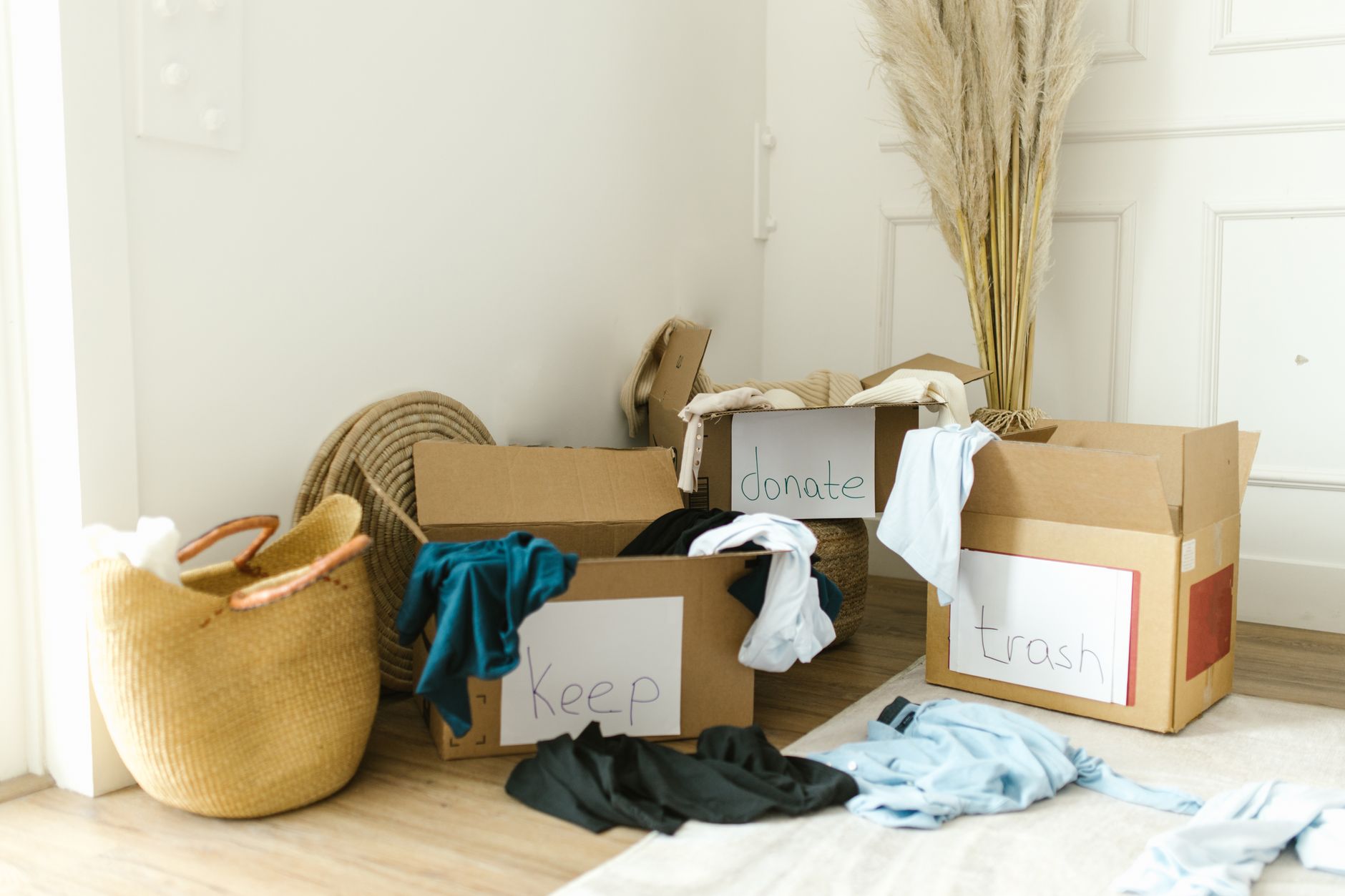
--- ## Myth vs. Fact: Konmari for Families ### **Myth: Konmari only works for solo lives or couples.** Fact: The Konmari method is adaptable for families. The key is to focus on functionality and involve everyone in the process. Start with baby items or kids’ toys, then move to other categories. It’s about creating a system that works for your family’s reality. ### **Myth: You need to buy expensive organizers to Konmari-proof your home.** Fact: You can use what you already have—repurpose old shoeboxes, use mason jars, or thrift affordable bins. The goal is to create a system that works for you, not to spend a fortune. ### **Myth: Konmari means your home will be perfect all the time.** Fact: Life happens—kids lose toys, laundry piles up, and chaos is inevitable. The goal is to create a system that makes your home functional and manageable, not perfect. --- ## Key Takeaways Here’s what you need to remember: - The Konmari method for families is about functionality, not perfection. Focus on creating a system that works for your family’s reality. - Involve the whole family in the process. Kids can help sort toys, and partners can share the workload. - Start small and celebrate progress. Tackle one category at a time, and don’t be afraid to adjust your system as needed. - Use budget-friendly storage solutions. Repurpose what you have, and don’t buy new organizers unless necessary. - Maintenance is key. Set aside time each week to tidy up and declutter regularly. - Embrace imperfection. Some days, the floor will be covered in crayons—and that’s okay. --- ## Frequently Asked Questions ### What is the Konmari method for a family home? The Konmari method for a family home is a decluttering philosophy adapted for households with kids. It focuses on sorting items by category (like baby items or kids’ toys), asking whether each item "sparks joy" or serves a purpose, and organizing for functionality. The goal is to create a home that works for your family’s lifestyle—even if it’s not perfect. ### How does the Konmari method work for a family? The Konmari method works for families by involving everyone in the decluttering process. Start by sorting items by category, then organize them in a way that makes sense for your family. Use open bins for easy access, closed storage for fragile items, and labeled containers for kids’ toys. The key is to create a system that everyone can maintain. ### Can the Konmari method help with kids’ toys? Absolutely! The Konmari method can help with kids’ toys by teaching them to sort and organize their own items. Use open bins or labeled containers to make it easy for them to put toys away. Involve them in the process so they feel responsible and proud of their contributions. ### What are the first steps of the Konmari method for a family home? The first steps are: 1. Gather your family and explain the process. 2. Start with baby items or kids’ toys (easy categories to begin with). 3. Sort items into "keep," "donate," "sell," or "trash" piles. 4. Organize what you keep using functional storage solutions. 5. Create a maintenance plan to keep your home clutter-free. ### Is the Konmari method suitable for a small apartment with a family? Yes! The Konmari method is adaptable for small spaces. Focus on vertical storage, use open bins for easy access, and involve your family in the process. The goal is to create a functional system that works for your space and lifestyle. ### How long does it take to implement the Konmari method in a family home? The timeline varies depending on your family’s size and the amount of clutter. Start with 1–2 weeks to declutter one category, then move to others. Maintenance is an ongoing process, so set aside time each week to tidy up and declutter regularly. Patience is key—it’s about progress, not perfection. --- ## When to See a Doctor or Specialist While the Konmari method is about decluttering your home, there are times when professional help might be beneficial: - If you’re feeling overwhelmed by stress or anxiety related to clutter, consider speaking with a therapist or counselor. Clean Home Swap for Kids: A Mom’s Honest Guide to Safer Spaces can also help if you’re concerned about toxins or allergens in your home. - If you’re struggling with decision fatigue or feeling stuck in a cycle of clutter, a life coach or organizational consultant might help tailor the Konmari method to your specific needs.**Remember:** The Konmari method is about creating a home that works for you. If you’re feeling frustrated, take a break and revisit the process later. It’s not about achieving perfection—it’s about creating a space that feels good for your family.
--- ## References 1. Kondo, M. (2014). *The Life-Changing Magic of Tidying Up: The Japanese Art of Decluttering and Organizing*. Ten Speed Press. 2. American Psychological Association. (2021). *Stress and the Home Environment*. [apa.org](https://www.apa.org) 3. National Association of Professional Organizers. (2020). *Organizing for Families*. [napo.org](https://napo.net) 4. Harvard Health Publishing. (2022). *The Benefits of a Clutter-Free Home*. [health.harvard.edu](https://www.health.harvard.edu) 5. Mayo Clinic. (2021). *Managing Stress: Tips for Everyday Life*. [mayoclinic.org](https://www.mayoclinic.org) 6. American Academy of Pediatrics. (2023). *Creating a Safe and Healthy Home Environment for Children*. [aap.org](https://www.aap.org) 7. Cleveland Clinic. (2022). *The Connection Between Clutter and Mental Health*. [health.clevelandclinic.org](https://health.clevelandclinic.org) ---
