

Quick take: A picky eater’s day doesn’t have to mean nutritional shortfalls. Focus on sneaking in nutrients through familiar foods, using dips and textures to encourage new tastes, and keeping meals low-stress. This sample day balances protein, fiber, and vitamins while avoiding power struggles. Remember: consistency matters more than perfection. For families dealing with allergies, we’ve included safe swaps to ensure every meal is both enjoyable and nourishing. And if you’re wondering how to handle meltdowns or when to seek professional help, we’ve got those answers too.Kids Picky Eater Diet Sample Day of Eating: The Complete 2026 Guide
You’re standing in the kitchen at 7:30 a.m., staring at the empty bowl your child left behind after a single bite of scrambled eggs. Again. The school lunchbox needs packing, and you’re already mentally exhausted from the morning’s "one more bite" negotiations. You’ve tried bribes, rewards, and even the infamous "no dessert unless you finish your veggies" tactic—none of which worked. Sound familiar?
Picky eating isn’t just a phase; it’s a real challenge that can leave parents feeling frustrated, guilty, and unsure of how to meet their child’s nutritional needs without turning mealtime into a battlezone. The good news? You’re not alone. Millions of families navigate this daily, and the key lies in strategy—not perfection. This guide breaks down a sample day of eating for picky eaters, packed with practical tips, balanced meal ideas, and science-backed ways to encourage variety without pressure.
We’ll cover what to serve at each meal, how to sneak in nutrients, and—most importantly—how to keep mealtimes calm and cooperative. By the end, you’ll have a toolkit to adapt for your child’s preferences, allergies, or specific aversions. Let’s start with the first meal of the day—the one that sets the tone for the rest of the day.
We’ll also dive into how to handle specific food aversions, like textures or temperatures, and explore cultural adaptations to make meals feel familiar and comforting. Plus, we’ll address the often-overlooked topic of hydration strategies for picky eaters, since many kids avoid water or prefer flavored drinks.
--- ## What to Serve a Picky Eater at Breakfast Breakfast is often the easiest meal to sneak in nutrients, but it can also be the most chaotic. The goal? Offer familiar foods while subtly introducing new options. Many parents tell us they worry their child isn’t getting enough protein or iron, but the solution isn’t forcing unfamiliar foods—it’s making breakfast work for your child’s tastes. ### **The Picky Eater Breakfast Playbook** 1. **Stick to favorites first**: If your child loves toast, serve it with a thin spread of peanut butter (or sunflower seed butter for allergies) and a side of banana slices. The banana provides potassium and fiber, while the peanut butter adds protein. For those who dislike spreads, try dipping whole-grain toast strips into yogurt or applesauce instead. 2. **Use dips to encourage variety**: Offer a small cup of yogurt (plain or lightly sweetened) with granola or a sprinkle of cinnamon. The dipping action can make new textures more appealing. You can also try dipping fruit slices in melted chocolate (for a treat) or hummus (for a savory option). 3. **Hidden veggies (when possible)**: Blend spinach into smoothies or grate zucchini into muffins. Start with small amounts (1/4 cup grated veggie per muffin) and gradually increase. For picky eaters who dislike smoothies, try adding pureed cauliflower to mashed potatoes or pureed carrots to homemade applesauce. 4. **Keep portions small**: A half-cup serving of cereal or oatmeal is often enough to satisfy without overwhelming. Pair it with a protein source like hard-boiled eggs, cheese cubes, or a small handful of nuts (if no allergies). ### **Sample Breakfast Ideas** | **Option** | **Why It Works** | **Nutrient Boost** | |--------------------------|---------------------------------------------------------------------------------|---------------------------------------------| | Peanut butter toast + banana | Familiar flavors with added fiber and protein. | Potassium, vitamin C, healthy fats | | Yogurt parfait | Layers of yogurt, granola, and berries make it fun and customizable. | Calcium, probiotics, antioxidants | | Scrambled eggs + whole wheat toast | Eggs are a protein powerhouse; toast adds fiber. | Protein, B vitamins, iron | | Oatmeal with cinnamon | Mildly sweet and easy to customize with toppings like honey or nuts. | Fiber, iron, magnesium | | **Avocado toast** | Creamy avocado on whole-grain bread with a sprinkle of salt and pepper. | Healthy fats, fiber, vitamin E | | **Mini pancakes** | Whole wheat pancakes with a side of maple syrup or nut butter. | Fiber, vitamin B6, energy |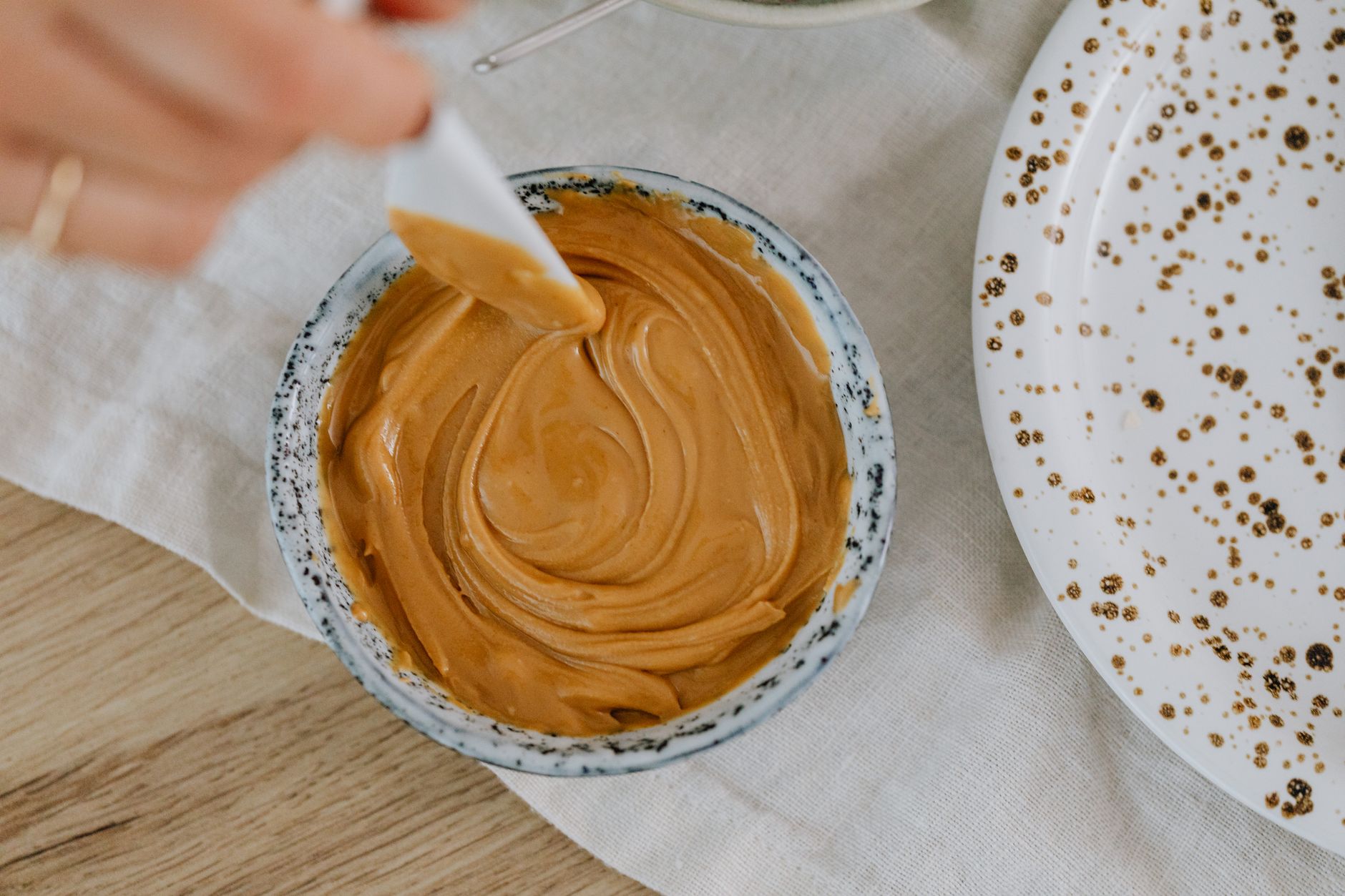
**Pro tip**: If your child refuses certain foods at breakfast, try offering them at another meal. For example, if they hate yogurt in the morning, serve it as a snack or dessert. Consistency is key—it can take up to 10–15 exposures to a new food before a child accepts it. For more inspiration on balanced breakfasts, check out our French diet sample day, where simple, nutrient-dense meals keep things interesting without fuss.
**Cultural adaptation**: For families who follow halal or kosher diets, swap peanut butter for tahini or sunflower seed butter. For vegetarian families, ensure protein sources like tofu or lentils are included in breakfast options.
--- ## How to Make a Balanced Lunch for a Picky Eater Lunchtime can be a minefield—especially when your child refuses to eat anything that looks "healthy." The secret? Disguise nutrients in familiar foods and let them assemble their own lunchbox. Many parents worry about sending a balanced meal to school, but the key is to focus on one nutrient per item rather than forcing a rainbow plate. ### **Lunchbox Strategies** 1. **Use the "one bite rule"**: Encourage your child to try one bite of a new food without pressure. Praise effort, not results. Over time, this builds confidence. You can also use a "try one new thing" challenge card in their lunchbox to make it feel like a game. 2. **Pack familiar foods with hidden nutrients**: A turkey and cheese roll-up (protein), whole wheat crackers (fiber), and a side of baby carrots with hummus (vitamin A) can look like a fun lunch while covering multiple nutritional bases. For picky eaters who dislike hummus, try ranch dressing or a mild cheese sauce instead. 3. **Let them customize**: Offer a few options (e.g., "Do you want applesauce or yogurt with your crackers?") to give them control. This reduces resistance. You can also include a small container of dip for them to choose from. 4. **Keep it cool**: Use an insulated lunchbox with ice packs to prevent soggy or warmed-up foods, which can be a turn-off. For hot meals, consider a thermos for soups or stews. ### **Sample Lunchbox Ideas** | **Main Item** | **Side Item** | **Snack** | **Drink** | |------------------------|-----------------------------|--------------------------------|-------------------------| | Turkey and cheese roll-up | Whole wheat crackers | Baby carrots with hummus | Water or milk | | Peanut butter sandwich | Sliced bell peppers | Graham crackers | Unsweetened apple juice | | Hard-boiled eggs | Cheese cubes | Trail mix (nuts + dried fruit) | Almond milk | | Quesadilla (whole wheat)| Guacamole | Sliced cucumber | Herbal tea (cooled) | | **Tuna salad wrap** | Cherry tomatoes | Pretzels | Flavored seltzer water |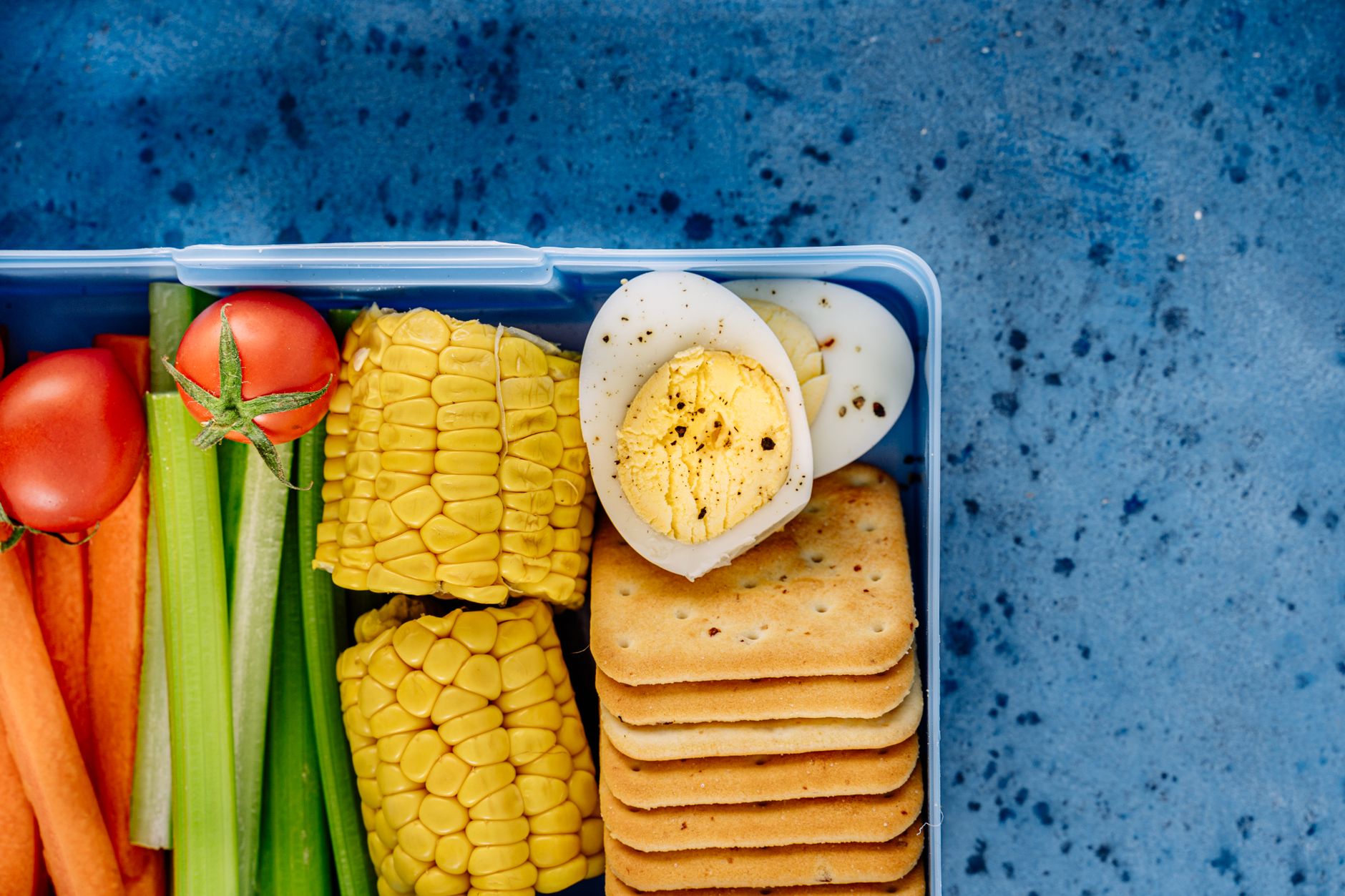
**Note**: If your child has allergies, swap common allergens like peanuts for sunflower seeds or use dairy-free cheese. For more allergy-friendly ideas, see our autoimmune protocol diet sample day for inspiration on safe, nutrient-dense swaps.
**Hydration hack**: Many picky eaters avoid plain water. Offer flavored options like infused water (e.g., cucumber-mint or berry-lemon) or small amounts of 100% fruit juice diluted with water. Avoid sugary drinks, which can disrupt appetite.
--- ## How to Handle a Picky Eater at Dinner When They Refuse Vegetables Dinner is often the battleground, but it doesn’t have to be. The goal isn’t to force veggies—it’s to make them so appealing that your child doesn’t even realize they’re eating them. Many parents worry their child isn’t getting enough fiber or vitamins, but the solution isn’t guilt or coercion. It’s creativity. ### **How to Sneak in Veggies** 1. **Blend them into sauces**: Puree cauliflower or butternut squash into marinara sauce or Alfredo. Start with 1/4 cup puree per cup of sauce and gradually increase. For picky eaters who dislike sauces, try blending veggies into meatloaf or meatballs. 2. **Use dips**: Offer a side of ranch, hummus, or ketchup. The dipping action can make veggies more enticing. You can also create a "veggie bar" with different dips and let your child choose their favorite combo. 3. **Make them fun**: Cut veggies into fun shapes (e.g., broccoli trees, cucumber snakes) or serve them with a side of dip in a small cup for dipping. For picky eaters who dislike raw veggies, try roasting or steaming them until tender. 4. **Pair with favorites**: Serve veggies alongside a protein or carb your child loves (e.g., chicken nuggets with steamed broccoli or mac and cheese with hidden pureed peas). For example, add pureed sweet potatoes to mashed potatoes or blend spinach into spaghetti sauce. ### **Sample Dinner Ideas** | **Main Dish** | **Veggie Hack** | **Side Dish** | |-----------------------------|------------------------------------------|-----------------------------| | Baked chicken nuggets | Hidden pureed cauliflower in breading | Mashed potatoes (with butter) | | Spaghetti with meatballs | Blended zucchini in marinara sauce | Garlic bread | | Tacos (beef or black beans) | Shredded carrots or bell peppers | Corn chips | | Homemade pizza | Spinach or tomato sauce with blended veggies | Side salad (optional) | | **Shepherd’s pie** | Mashed cauliflower mixed with potatoes | Steamed green beans |
**Science-backed tip**: Research from the American Journal of Clinical Nutrition shows that children are more likely to accept new foods when they’re served with a familiar food they like. So pair those veggies with a protein or carb your child loves! For more dinner inspiration, check out our DASH diet sample day, where simple, family-friendly meals prioritize heart-healthy ingredients without sacrificing flavor.
**Texture tips**: If your child dislikes certain textures, try offering veggies in different forms. For example, if they hate raw carrots, try roasted carrot sticks or carrot puree in soups. For picky eaters who dislike soft veggies, try crispy baked veggies like zucchini fries.
--- ## Snack Ideas for Picky Eater Kids Snacks are your secret weapon. They’re easy to customize, can fill nutritional gaps, and—most importantly—don’t require a full meal’s effort. The key is to offer a mix of protein, fiber, and healthy fats to keep energy levels steady and cravings at bay. ### **Top 10 Picky Eater Snacks** 1. **Apple slices with peanut butter** (or sunflower seed butter) 2. **Cheese cubes with whole grain crackers** 3. **Hard-boiled eggs with a sprinkle of salt** 4. **Yogurt with granola or berries** 5. **Trail mix (nuts, seeds, dried fruit—no added sugar)** 6. **Popcorn (lightly salted, air-popped)** 7. **Avocado toast on whole wheat bread** 8. **Smoothies (blend banana, spinach, and milk for a green smoothie)** 9. **Turkey or ham roll-ups with cheese** 10. **Roasted chickpeas (crunchy and protein-packed)** ### **Sample Snack Rotation** | **Day** | **Snack 1** | **Snack 2** | |-----------|---------------------------|---------------------------| | Monday | Apple + peanut butter | Yogurt + granola | | Tuesday | Cheese cubes + crackers | Hard-boiled eggs | | Wednesday | Trail mix | Avocado toast | | Thursday | Smoothie (banana + spinach)| Turkey roll-ups | | Friday | Popcorn | Roasted chickpeas | | **Saturday** | **Mini muffins** | **Sliced bell peppers with guacamole** | | **Sunday** | **Pudding cups** | **Whole grain toast with almond butter** |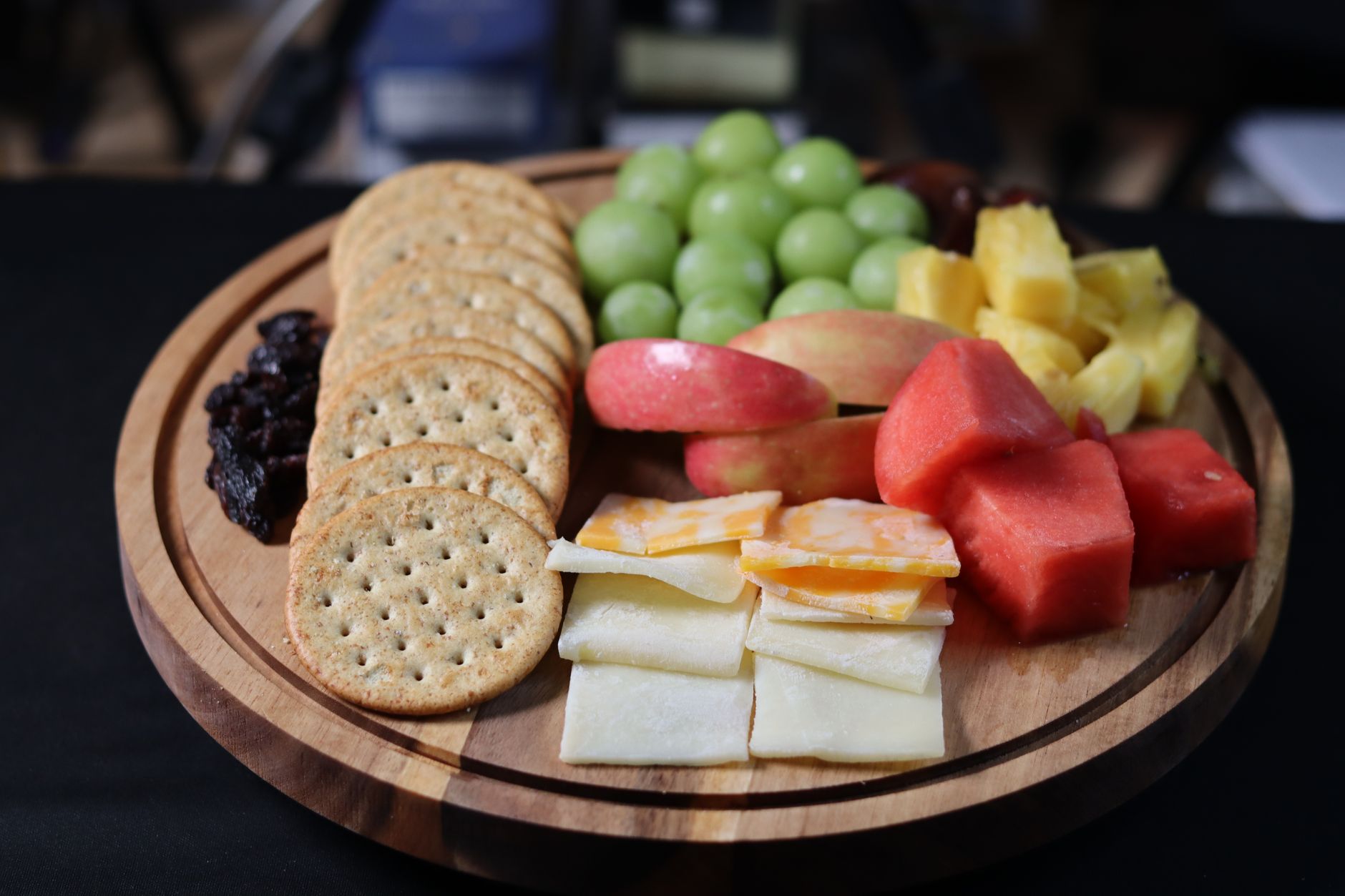
**Note**: If your child has allergies, swap nuts for seeds or use dairy-free cheese. For more allergy-friendly snack ideas, see our diabetic diet meal plan for inspiration on safe, nutrient-dense alternatives.
**Hydration for snacks**: Offer small cups of water or herbal iced tea with snacks to encourage hydration. For picky drinkers, try adding a splash of 100% fruit juice to water for a mild flavor.
--- ## Meal Plan for a Picky Eater with Allergies Allergies add another layer of complexity, but the principles remain the same: focus on familiar foods, sneak in nutrients, and keep meals low-stress. The key is to swap common allergens (dairy, eggs, peanuts, wheat) for safe alternatives without sacrificing nutrition. ### **Allergy-Friendly Swaps** | **Avoid** | **Swap With** | |-----------------|-----------------------------| | Peanuts | Sunflower seeds, almonds | | Dairy | Coconut yogurt, almond milk | | Wheat | Rice cakes, quinoa | | Eggs | Chia seeds, flaxseed "eggs" | | **Gluten** | Buckwheat, millet | ### **Sample Allergy-Friendly Day** - **Breakfast**: Sunflower seed butter on rice cakes + banana slices - **Lunch**: Turkey and dairy-free cheese roll-ups with cucumber slices - **Dinner**: Baked chicken nuggets (made with sunflower seed flour) + mashed sweet potatoes - **Snacks**: Roasted chickpeas + almond milk smoothie (with flaxseed "eggs") - **Dessert**: Coconut yogurt with berries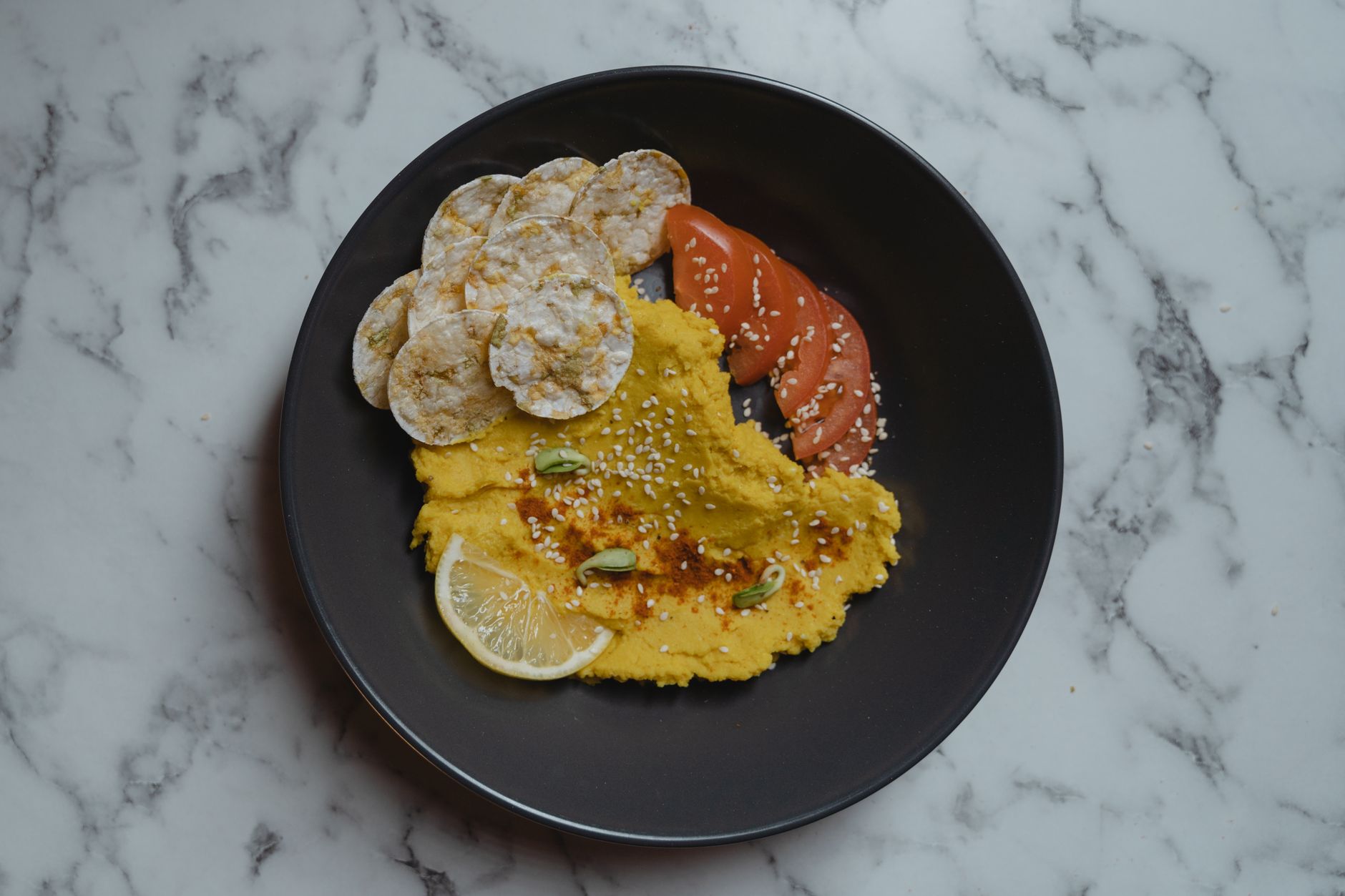
**Pro tip**: Always check labels for hidden allergens (e.g., whey in "natural flavors"). When in doubt, ask your pediatrician or a dietitian for personalized advice. For families following specific dietary restrictions, such as vegan or gluten-free, ensure that every meal includes a variety of nutrients from alternative sources.
--- ## How to Introduce New Foods to a Picky Eater Introducing new foods can feel like an uphill battle, but patience and persistence pay off. The 10-exposure rule (it can take up to 10–15 tries before a child accepts a new food) is a well-supported guideline from pediatric nutritionists. The key is to stay calm, keep offering, and avoid pressure. ### **Step-by-Step Guide** 1. **Start small**: Offer a tiny bite (1/4 teaspoon) of a new food alongside a familiar favorite. 2. **Pair with a favorite**: Serve the new food next to something your child loves (e.g., a new veggie with their favorite dip). 3. **Keep it neutral**: Avoid comments like "Yum!" or "Yuck!"—just say, "This is a new food. Try a little." 4. **Repeat exposure**: Offer the same food again in different contexts (e.g., roasted vs. steamed broccoli). 5. **Involve them**: Let your child help prepare or assemble meals. Kids are more likely to try foods they’ve helped make. ### **New Food Introduction Cheat Sheet** | **Food** | **How to Introduce** | **Pair With** | |----------------|-------------------------------------------------------------------------------------|-----------------------------| | Spinach | Blend into smoothies or omelets. Start with 1/4 cup puree. | Banana or berries | | Sweet potato | Roast with a sprinkle of cinnamon. Cut into fun shapes. | Turkey or chicken | | Blueberries | Serve with yogurt or in a trail mix. | Granola or nuts | | Mushrooms | Sauté with garlic and serve in small pieces. | Pasta or rice | | Quinoa | Mix into soups or serve as a side dish with a dip. | Steamed veggies | | **Avocado** | Serve as guacamole with tortilla chips or on toast. | Sliced tomatoes or cucumber | | **Tofu** | Press and marinate tofu, then bake or pan-fry. Serve with a favorite sauce. | Rice or noodles | --- ## How to Handle a Picky Eater at School Lunch School lunches can be a logistical nightmare, but with the right strategies, you can ensure your child gets balanced meals without drama. The key is to involve your child in the process and keep options flexible. ### **School Lunch Tips** 1. **Pack familiar foods**: If your child loves mac and cheese, pack it with a side of fruit or veggies they tolerate. 2. **Use bento boxes**: Divide the lunchbox into compartments so your child can choose what to eat. 3. **Include a note**: A simple note like "Try one new thing today!" can encourage experimentation. 4. **Check the school’s lunch menu**: Some schools offer healthy swaps (e.g., whole grain pasta, grilled chicken). 5. **Involve your child**: Let them pick between two options (e.g., applesauce or yogurt) to give them a sense of control. ### **Sample School Lunch Ideas** | **Option** | **Why It Works** | |--------------------------|---------------------------------------------------------------------------------| | Turkey and cheese roll-up | Protein-packed and easy to eat. | | Whole wheat pita with hummus | Fiber-rich and customizable. | | Hard-boiled eggs + crackers | Portable protein and crunch. | | Trail mix (no nuts if allergic) | Energy-boosting and easy to grab. | | Yogurt pouch + granola bar | Convenient and balanced. | | **Thermos soup** | Warm and comforting, great for cold days. | | **Mini sandwiches** | Easy to hold and customize with fillings. | --- ## How to Handle Specific Food Aversions: Textures and Temperatures Some picky eaters have strong aversions to certain textures or temperatures. For example, they might dislike crunchy foods, slimy textures, or anything that’s too hot or cold. The key is to offer alternatives and gradually introduce new textures in a low-pressure way. ### **Texture Tips** - **For crunchy aversions**: Try soft-cooked veggies, mashed potatoes, or smoothies with blended veggies. - **For slimy aversions**: Avoid sauces with thickeners like xanthan gum. Opt for thinner sauces or dressings. - **For mushy aversions**: Offer foods with a firmer texture, like roasted veggies, grilled chicken, or whole-grain crackers. ### **Temperature Tips** - **For hot aversions**: Serve foods at room temperature or slightly cooled. Try finger foods like mini quiches or muffins. - **For cold aversions**: Offer warm foods like soups, oatmeal, or warm cereal. Use a thermos for hot meals. - **For lukewarm aversions**: Serve foods at a slightly elevated temperature, like warm pasta or heated-up leftovers. ### **Sample Adjustments** | **Aversion** | **Alternative Idea** | |--------------------|-------------------------------------------------------------------------------------| | Dislikes crunchy | Serve soft-cooked veggies, mashed potatoes, or smoothies with blended veggies. | | Dislikes slimy | Avoid sauces with thickeners; opt for thinner sauces or dressings. | | Dislikes mushy | Offer foods with a firmer texture, like roasted veggies or whole-grain crackers. | | Dislikes hot | Serve finger foods like mini quiches or muffins at room temperature. | | Dislikes cold | Offer warm foods like soups or oatmeal; use a thermos for hot meals. | --- ## Cultural Adaptations for Picky Eater Meals Every family has unique cultural preferences and dietary traditions. The goal is to incorporate these traditions into balanced meals while gently introducing new foods. For example: - **Asian families**: Incorporate stir-fried veggies with familiar sauces like soy or oyster sauce. Offer rice or noodles as a base. - **Latin American families**: Use spices like cumin, cilantro, and lime to make veggies and proteins more appealing. Try dishes like tacos or empanadas with hidden veggies. - **Middle Eastern families**: Use hummus, tahini, or yogurt-based sauces to make veggies more enticing. Offer pita bread or flatbreads for dipping. - **Indian families**: Use spices like turmeric, cumin, and coriander to make veggies and proteins flavorful. Try dishes like dal (lentils) or vegetable curries. ### **Sample Cultural Meal Ideas** | **Culture** | **Breakfast** | **Lunch** | **Dinner** | |--------------------|----------------------------------------|----------------------------------------|----------------------------------------| | Asian | Congee with soft veggies and egg | Stir-fried rice with hidden veggies | Teriyaki chicken with steamed broccoli | | Latin American | Huevos rancheros with avocado | Tacos with black beans and cheese | Chicken fajitas with roasted peppers | | Middle Eastern | Ful medames (fava beans) with olive oil| Hummus and pita with veggie sticks | Lamb kofta with yogurt sauce | | Indian | Besan chilla with mint chutney | Dal with rice and roti | Vegetable biryani with raita | --- ## Hydration Strategies for Picky Eaters Many picky eaters also avoid plain water or prefer flavored drinks. The key is to offer a variety of hydrating options while avoiding sugary beverages. Here are some strategies: ### **Hydration Tips** 1. **Infused water**: Add slices of cucumber, lemon, berries, or mint to water for a mild flavor. 2. **Herbal teas**: Offer cooled herbal teas like chamomile, peppermint, or hibiscus. Avoid caffeine. 3. **Flavored seltzer**: Use sugar-free or naturally flavored seltzer water. 4. **Milk alternatives**: Offer fortified plant-based milks like almond, oat, or soy milk for added nutrients. 5. **Fruit-infused water**: Blend water with a small amount of fruit juice (e.g., 1 part juice to 4 parts water) for a light flavor. ### **Sample Hydration Rotation** | **Day** | **Drink Option** | |-----------|-------------------------------------------| | Monday | Infused water (cucumber-mint) | | Tuesday | Herbal tea (peppermint) | | Wednesday | Flavored seltzer (berry) | | Thursday | Fortified almond milk | | Friday | Fruit-infused water (lemon-berry) | | Saturday | Coconut water (unsweetened) | | Sunday | Warm herbal tea (chamomile) | --- ## Picky Eater Nutrition Facts: What You Need to Know Many parents worry their child’s picky eating will lead to nutritional deficiencies, but research shows that as long as you offer a variety of foods and focus on balanced meals, most picky eaters meet their nutritional needs. The American Academy of Pediatrics (AAP) emphasizes that diversity in food groups is more important than forcing specific items. ### **Key Nutrients to Prioritize** 1. **Protein**: Essential for growth and development. Sources include eggs, chicken, fish, beans, and dairy. 2. **Fiber**: Supports digestion. Found in fruits, veggies, whole grains, and legumes. 3. **Calcium**: Crucial for bone health. Dairy, fortified plant milks, and leafy greens are great sources. 4. **Iron**: Important for energy. Red meat, spinach, and fortified cereals are good options. 5. **Vitamin D**: Supports immunity and bone health. Found in fatty fish, fortified milks, and sunlight. 6. **Omega-3s**: Important for brain development. Found in salmon, flaxseeds, and walnuts. ### **When to Worry** While picky eating is normal, contact your pediatrician if your child: - Refuses entire food groups (e.g., proteins, dairy, veggies) for more than a few months. - Shows signs of malnutrition (e.g., rapid weight loss, frequent illnesses). - Has trouble gaining weight or growing as expected. - Exhibits extreme anxiety or distress around food. --- ## Myth vs. Fact: Picky Eating Edition ### **Myth: Picky eating is just a phase that will pass.** **Fact**: While many children outgrow picky eating, some continue to have selective eating habits. The key is to address it early with exposure and patience. According to the American Journal of Clinical Nutrition, selective eating can persist into adolescence and adulthood in some cases. ### **Myth: You have to force your child to eat vegetables.** **Fact**: Forcing foods can create negative associations. Instead, offer veggies alongside familiar foods and keep mealtimes positive. The American Journal of Clinical Nutrition recommends using the "one bite rule" to encourage exploration without pressure. ### **Myth: Picky eaters will never eat healthy foods.** **Fact**: Research shows that even the most selective eaters can expand their diets with consistent, low-pressure exposure. A study in Pediatrics found that children who were exposed to new foods repeatedly were more likely to accept them over time. ### **Myth: Picky eating is just about food preferences.** **Fact**: In some cases, picky eating can be linked to sensory sensitivities, anxiety, or underlying conditions like autism. If your child shows extreme distress around food or has very limited food choices, consult a pediatrician or occupational therapist for specialized support. --- ## Key Takeaways - **Focus on balance, not perfection**: Offer a variety of foods and prioritize nutrients over specific items. - **Use dips and textures**: Hummus, yogurt, and ketchup can make new foods more appealing. - **Keep mealtimes calm**: Avoid pressure and praise effort, not results. - **Involve your child**: Let them help prepare or assemble meals to build confidence. - **Repeat exposure**: It can take up to 15 tries before a child accepts a new food. - **Check for allergies**: If your child refuses entire food groups, consult a pediatrician or dietitian. - **Adapt to cultural preferences**: Incorporate family traditions into meals while gently introducing new foods. - **Hydration matters**: Offer a variety of hydrating options to ensure your child stays hydrated. - **Handle aversions with creativity**: Offer alternatives for texture and temperature preferences. - **When in doubt, seek help**: If picky eating causes stress or leads to nutritional concerns, consult a specialist. --- ## Frequently Asked Questions ### **What are the best foods for a picky eater?** The best foods are those your child already enjoys, as long as they’re balanced. Focus on offering a mix of protein (eggs, chicken, beans), fiber (whole grains, fruits, veggies), and healthy fats (avocado, nuts, olive oil). For example, a peanut butter sandwich on whole wheat bread provides protein and fiber, while adding banana slices adds potassium. For picky eaters who dislike spreads, try offering nut butters in a fun dip format, like drizzling almond butter over fruit slices. ### **How can I make a picky eater eat more vegetables?** Start by offering small amounts of veggies in familiar dishes (e.g., pureed into sauces or blended into smoothies). Use dips like hummus or ranch to encourage dipping. Pair veggies with a protein or carb your child loves, and keep portions small. Over time, gradually increase the amount. For example, if your child dislikes raw carrots, try roasted carrot fries or add pureed carrots to homemade applesauce. ### **Is it normal for kids to refuse certain foods?** Yes, selective eating is common in children. The American Academy of Pediatrics notes that most children go through phases of pickiness, especially between ages 2 and 6. The goal isn’t to eliminate pickiness but to ensure your child gets a varied diet. However, if your child refuses entire food groups for an extended period, consult a pediatrician to rule out underlying issues. ### **What are the signs of a picky eater?** Signs include refusing entire food groups, eating very few foods, or showing strong aversions to textures or temperatures. While mild pickiness is normal, watch for signs of malnutrition (e.g., rapid weight loss, frequent illnesses) or extreme anxiety around food. If concerned, consult a pediatrician or dietitian for personalized advice. ### **How long does picky eating last?** Picky eating can last anywhere from a few months to several years, depending on the child. Some outgrow it by age 5, while others continue to have selective habits. The key is consistency and patience. Research from the Journal of Pediatric Gastroenterology and Nutrition suggests that early intervention and exposure to new foods can help reduce the duration of picky eating. ### **Can picky eating lead to nutritional deficiencies?** In most cases, no—if you offer a variety of foods across different groups. However, if your child refuses entire food groups (e.g., proteins, dairy, veggies) for an extended period, they may miss out on key nutrients like iron, calcium, or fiber. In such cases, a pediatrician or dietitian can help create a balanced plan. For example, if your child avoids dairy, ensure they get enough calcium from fortified plant milks or leafy greens. ### **How do I handle a meltdown during mealtime?** Stay calm and avoid reinforcing the behavior by giving in to demands. Instead, offer a simple choice: "Would you like to try one bite of the veggies or have a snack later?" Redirect attention to a non-food activity, like reading a book or playing a game. If meltdowns are frequent, consider involving a child therapist or occupational therapist to address underlying anxiety or sensory issues. ### **What should I do if my child only eats one type of food?** If your child’s diet is extremely limited, consult a pediatrician or dietitian to assess for potential nutritional deficiencies or underlying conditions. In the meantime, focus on sneaking in nutrients through familiar foods and offering small amounts of new foods repeatedly. For example, if your child only eats pasta, try adding pureed veggies to the sauce or offering a side of fruit they like. --- ## When to See a Doctor or Specialist While picky eating is normal, contact your pediatrician if your child: - Refuses all foods in a major food group (e.g., proteins, dairy, grains) for more than 3 months. - Shows signs of malnutrition (e.g., rapid weight loss, frequent illnesses, fatigue). - Has trouble gaining weight or growing as expected. - Exhibits extreme anxiety or distress around food. - Has sensory sensitivities or autism, which may require specialized strategies from a pediatric occupational therapist or dietitian. If your child’s picky eating is causing significant stress or leading to nutritional concerns, a registered dietitian specializing in pediatric nutrition can provide tailored support. --- ## References 1. American Academy of Pediatrics. (2021). *Picky Eating in Children

