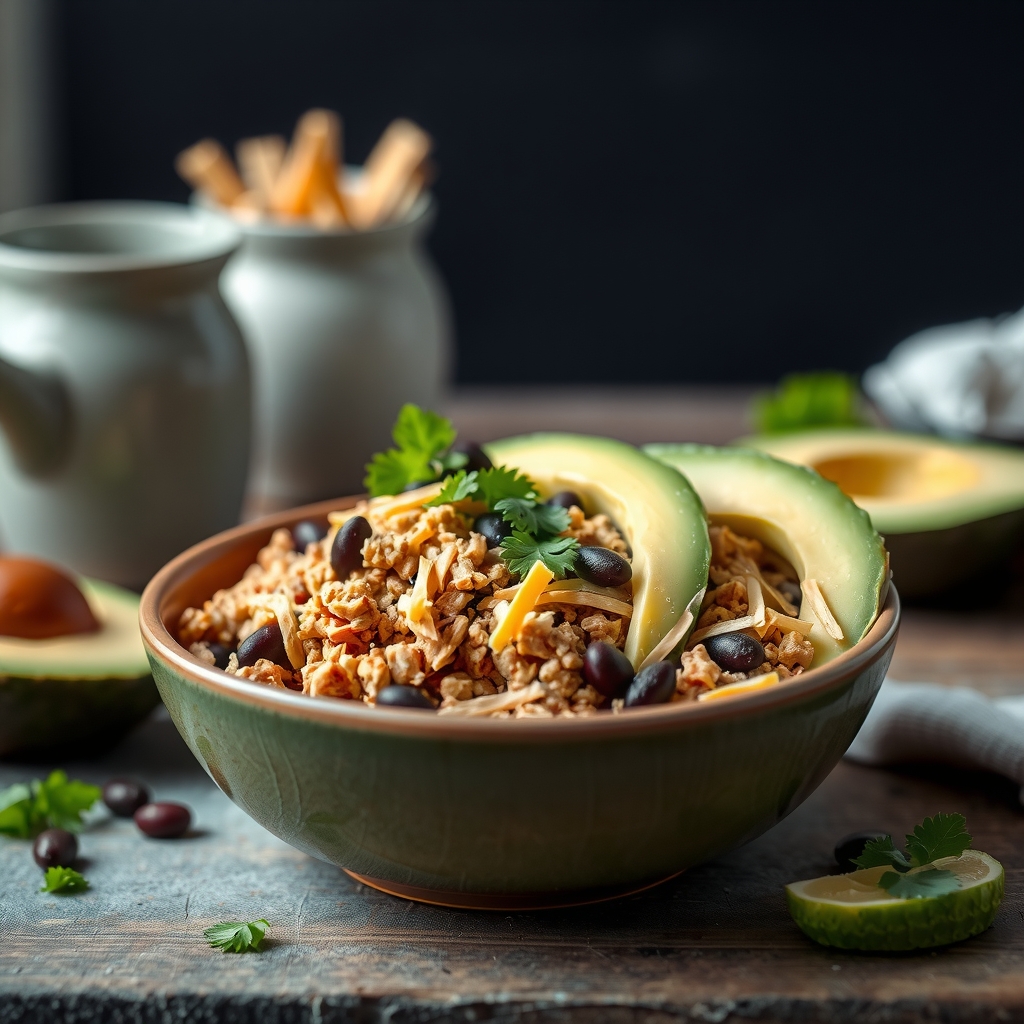
Struggling with a picky eater? Discover safe, effective weight loss strategies for kids in 2026—nutritious meals, sneaky tricks, and expert-backed tips to help
By Shubhra Mishra — a mom of two who turned her own confusion during pregnancy into BumpBites, a global mission to make food choices clear, safe, and stress-free for every expecting mother. 💛
Check whether any food is safe during pregnancy with the BumpBites Food Safety Checker.
Quick take:
Helping a picky eater child lose weight safely means focusing on nutrition density and gradual habits—not restriction. Prioritize protein, healthy fats, and fiber-rich foods in small, familiar portions, while sneaking in veggies where possible. Avoid sugar traps, keep meals low-pressure, and involve the whole family to make weight loss a sustainable, joyful journey—not a battle. Always consult a pediatrician or dietitian before starting any weight loss plan for a child.
How to Create a Balanced Meal Plan for Picky Eater Kids to Lose Weight
Three years ago, I sat across from my daughter’s pediatrician, clutching a crumpled grocery list of her favorite foods: mac and cheese, chicken nuggets, and yogurt-covered raisins. "She won’t eat anything else," I admitted. The doctor’s response was simple: "It’s not about what she won’t eat—it’s about what she will eat, and how we make those foods work for her." That conversation changed everything.
Picky eating in kids isn’t just a phase—it’s a real behavioral pattern that can make weight loss feel impossible. But the key isn’t forcing new foods or depriving them of joy. It’s about strategic nutrition that meets their needs while gently nudging them toward healthier habits. The goal isn’t to turn them into food adventurers overnight, but to ensure they’re getting the right nutrients in the right amounts—without the stress.
Here’s how to build a meal plan that works with their preferences, not against them.
---
### **Step 1: Understand the "Why" Behind Picky Eating**
Picky eating isn’t just about disliking broccoli—it’s often tied to sensory sensitivities, developmental stages, or even emotional regulation. According to the American Academy of Pediatrics (AAP), most children go through phases of selective eating, especially between ages 2 and 6. But if it persists beyond that, it could be linked to:
- **Sensory aversions** (textures, smells, or colors that feel overwhelming)
- **Taste preferences** (sweetness or saltiness being more appealing)
- **Control issues** (food as a way to assert independence)
- **Emotional triggers** (stress, anxiety, or even trauma)
Representative story: "My son used to only eat white foods—pasta, rice, and bananas," says Sarah, a mom of two. "We thought it was just a phase, but it turned into a full-blown aversion to anything colorful. The breakthrough came when we realized he wasn’t rejecting the food—he was rejecting the experience of eating it. So we started offering white foods in fun shapes (like star pasta) and slowly introduced new colors one at a time."
The first step? Observe without judgment. Note what your child will eat consistently, and build from there. If they love chicken nuggets, lean into them—but find ways to upgrade the ingredients (whole-grain breadcrumbs, air-fried instead of deep-fried).
---
### **Step 2: Meet Their Nutritional Needs—Without the Guilt**
Kids on a weight loss journey still need growth-supporting nutrients, even if they’re not growing as fast as their peers. The U.S. Department of Health and Human Services (HHS) recommends:
- **Protein**: 19–25 grams per day for ages 4–8, 25–34 grams for 9–13 (critical for muscle repair and satiety).
- **Fiber**: 19 grams for 4–8-year-olds, 25 grams for 9–13 (helps manage weight and digestion).
- **Healthy fats**: 25–35% of daily calories (brain development and energy).
- **Vitamins/minerals**: Calcium, iron, vitamin D, and B vitamins (often lacking in restricted diets).
Common mistake: Cutting carbs entirely. Kids need complex carbs (whole grains, sweet potatoes) for energy—not just empty calories (white bread, sugary cereals).
---
### **Step 3: The 80/20 Rule for Picky Eaters**
Instead of focusing on what’s missing, start with what’s already in their diet. The 80/20 rule means:
- **80% of meals/snacks** are their preferred foods (but upgraded).
- **20% are gradual introductions** of new, healthier options.
Example: If your child loves mac and cheese, swap half the pasta for cauliflower rice. They won’t notice the difference, but they’ll get more fiber and fewer refined carbs.
Pro tip: Use the sample meal plan as a template, then swap in their favorite foods. For instance, if they adore chicken, use it as the protein base in multiple meals (e.g., chicken nuggets for lunch, shredded chicken in wraps for dinner).
---
### **Step 4: Portion Control Without the Power Struggle**
Kids don’t need smaller plates—they need portion control strategies that feel fair. The AAP suggests:
- **Use smaller bowls** (but not "kid-sized" ones, which can signal restriction).
- **Offer "power bites"** (1–2 small pieces of veggie or fruit alongside their meal).
- **Involve them in prep** (letting them measure ingredients builds ownership).
Representative story: "My daughter used to refuse anything on her plate if it wasn’t a certain size," says Lisa. "We started using a cookie cutter to shape her sandwiches into fun shapes, and suddenly, she’d eat the whole thing—including the veggie sticks on the side."
Key: Portions should be based on their current weight and activity level, not a "one-size-fits-all" rule. A 50-pound child needs fewer calories than a 100-pound teen, but both should eat enough to feel satisfied.
---
### **Step 5: The "Sneaky Upgrade" Method**
You don’t have to hide veggies in brownies (though that’s a fun trick for some kids). Instead, use the sneaky upgrade technique:
- **Blend cauliflower into mashed potatoes** (or half the potatoes).
- **Grind lean beef into meatballs** (mix with breadcrumbs and egg).
- **Use zucchini noodles in place of pasta** (they’re low-calorie but filling).
Example meal plan:
Breakfast: Scrambled eggs with cheese + whole-grain toast (upgraded: add sautéed spinach to the eggs).
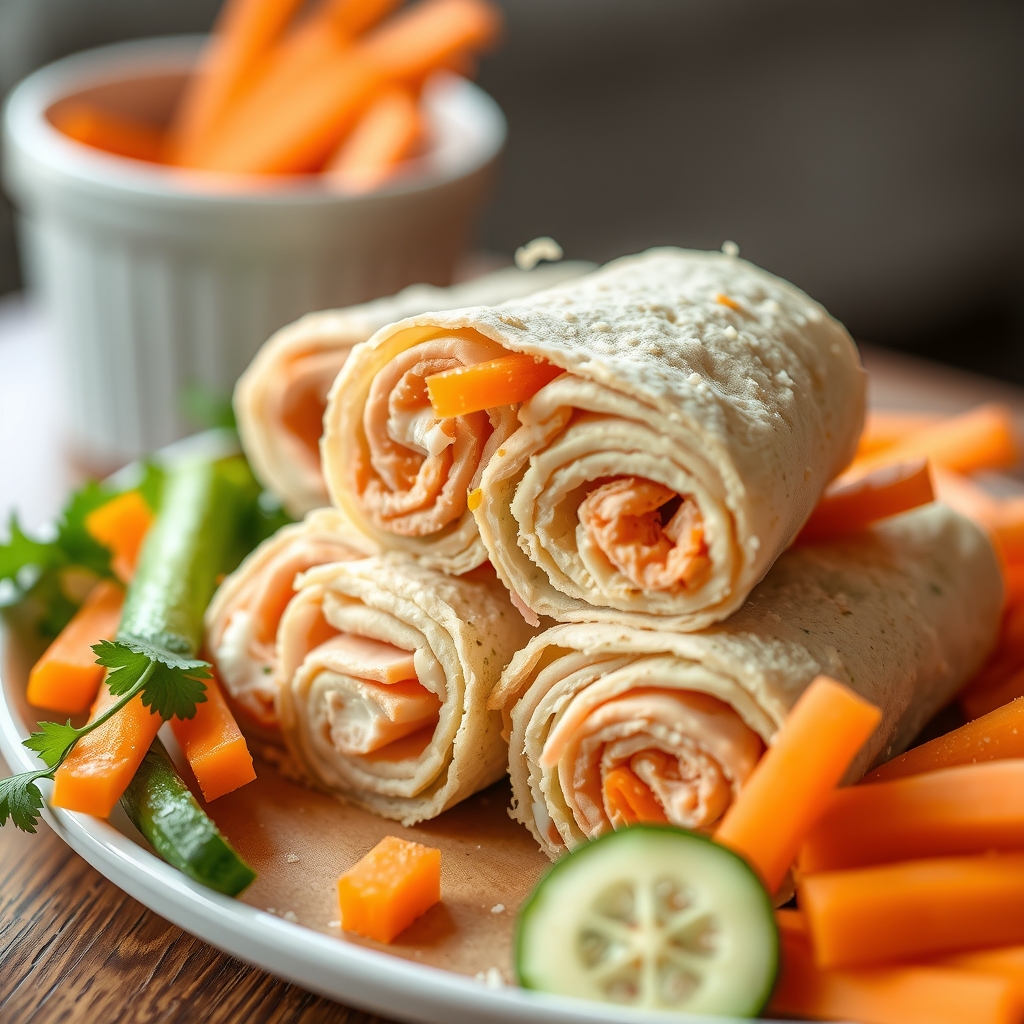
Lunch: Turkey and cheese roll-ups + baby carrots (upgraded: use whole-wheat tortillas and add hummus for dipping).
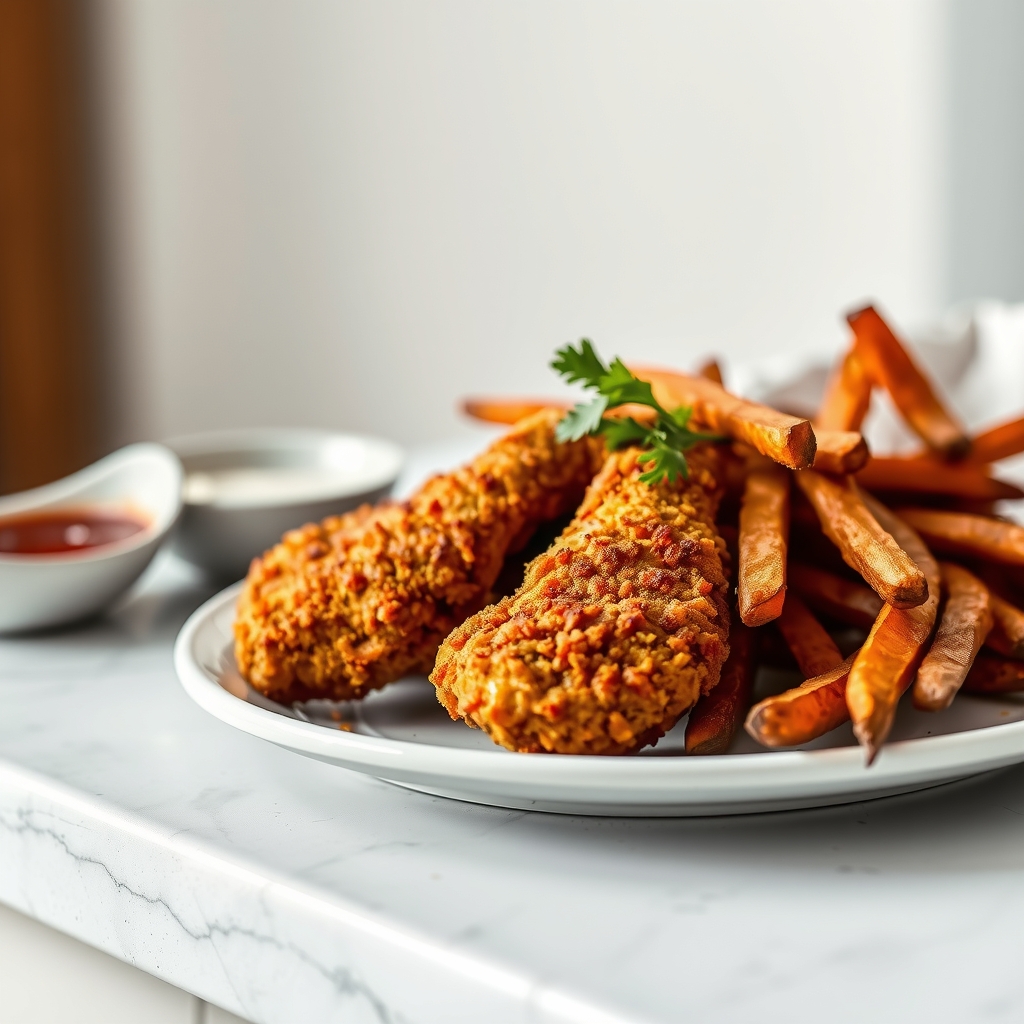
Dinner: Baked chicken tenders + roasted sweet potato fries (upgraded: air-fry the fries and add a sprinkle of cinnamon).
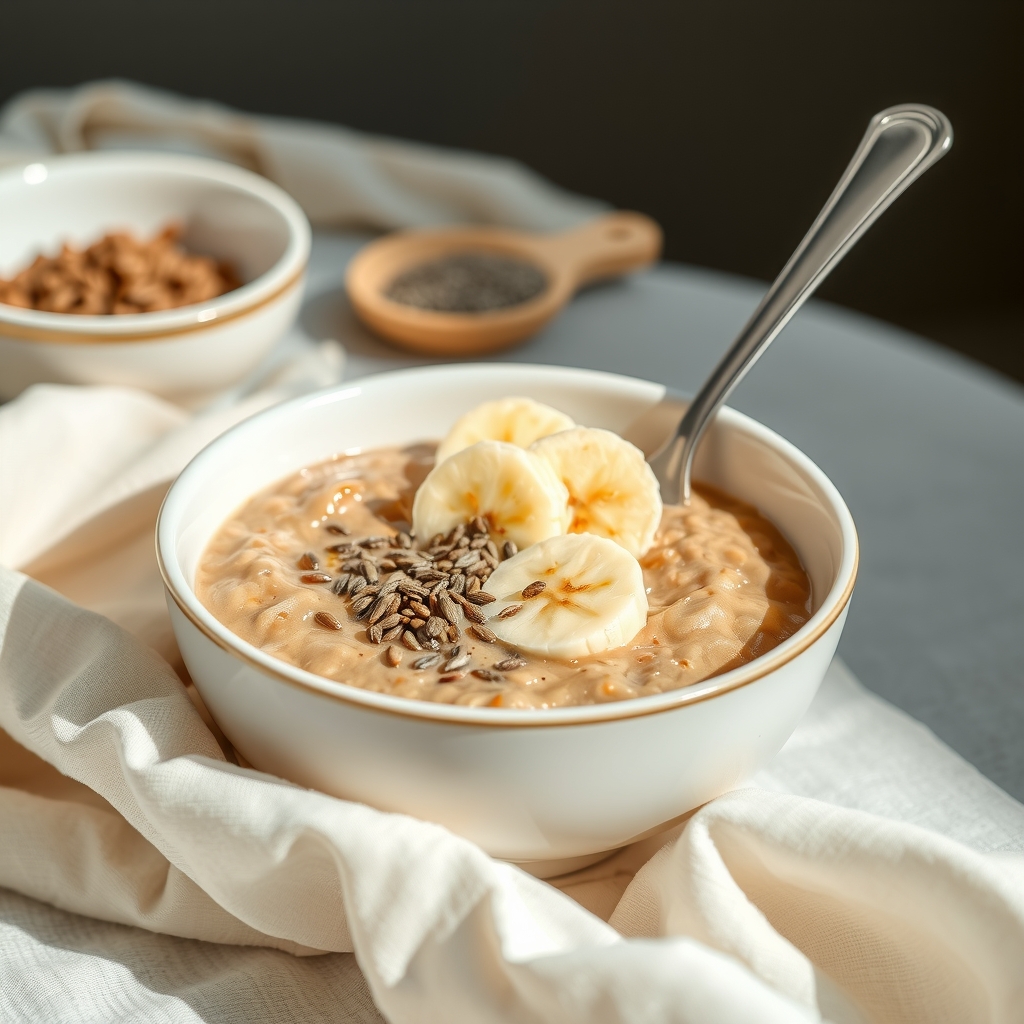
Snack: Greek yogurt with honey + a handful of almonds (upgraded: choose unsweetened yogurt and add chia seeds for fiber).
This approach ensures they’re getting nutrients without feeling like they’re being "tricked."
---
Best Snacks for Picky Eater Kids Weight Loss
Snacks are where picky eaters often go wrong—either defaulting to sugar bombs or skipping them entirely. The best snacks are high in protein and fiber, low in added sugar, and easy to customize. Here’s a ranked list of winners:
Snack
Protein (g)
Fiber (g)
Calories (per serving)
Picky-Eater-Friendly Tips
Hard-boiled eggs
6
0
70
Peel them ahead of time and store in the fridge. Serve with a sprinkle of salt and pepper.
Greek yogurt with berries
10–15
2–3
100–150
Choose plain or low-sugar varieties. Let them add their own toppings (granola, honey, or a few berries).
Cheese cubes and whole-grain crackers
6–8
2–3
120–150
Use cheddar or mozzarella for a milder taste. Pair with whole-grain crackers for extra fiber.
Hummus and veggie sticks
2–3
3–4
80–100
Let them dip! Try cucumber, bell peppers, or even steamed carrot sticks.
Peanut butter (or sunflower seed butter) on apple slices
4–5
3–4
100–120
Avoid honey or sugar-added spreads. Thin the peanut butter with a little water if they dislike the texture.
Roasted chickpeas
7–8
5–6
130–150
Toss with olive oil, salt, and a pinch of paprika before roasting. Serve warm.
Pro tip: Involve them in snack prep. Kids are more likely to eat what they help make. Try setting up a "snack station" with dip options (yogurt, hummus, guacamole) and veggie/cheese/fruit choices.
What to avoid: Sugary cereals, fruit snacks, and processed chips. These provide empty calories and can spike blood sugar, leading to crashes and more cravings later.
---
How to Encourage Picky Eater Kids to Eat Vegetables for Weight Loss
Vegetables are the holy grail of weight loss for kids—they’re nutrient-dense, low-calorie, and packed with fiber. But if your child’s idea of a veggie is a single pea (and only if it’s hidden in mac and cheese), don’t despair. Here’s how to make veggies less intimidating:
---
### **1. Start with Their Favorites (Yes, Really)**
If they love broccoli but hate spinach, start with broccoli. The goal isn’t to force diversity—it’s to build a foundation of veggie acceptance. Once they’re comfortable with one, introduce another.
Example: "My son hated Brussels sprouts until we roasted them with bacon bits and a drizzle of honey," says Mark. "Now he’ll eat them plain, but the fun version got him started."
---
### **2. Make Veggies Fun (Without the Guilt)**
- **Dip it**: Ketchup, ranch, or even yogurt-based sauces can make veggies more appealing.
- **Shape it**: Use cookie cutters to turn zucchini into stars or carrot sticks into dinosaurs.
- **Blend it**: Sneak grated veggies into smoothies (spinach or butternut squash) or sauces (blended cauliflower in Alfredo).
- **Let them "grow" it**: Kids are more likely to eat veggies they’ve helped plant (even if it’s just a windowsill herb garden).
---
### **3. The "One Bite Rule" (With a Twist)**
Instead of pressuring them to finish their veggies, try the "One Bite Rule with a Reward":
- If they take one bite of a new veggie, they get a small, immediate reward (sticker, dance break, or a fun activity).
- Avoid food rewards (like dessert), as they can create unhealthy associations.
Representative story: "My daughter used to refuse anything green until we started the 'one-bite challenge,'" says Priya. "She’d take a bite of broccoli and then run off to play. Eventually, she started asking for more!"
---
### **4. Cook Veggies in Ways They’ll Love**
- **Roast them**: Toss sweet potatoes or carrots with olive oil, salt, and a sprinkle of cinnamon. Roasting brings out natural sweetness.
- **Crisp them**: Air-fry zucchini or eggplant for a crunchy texture.
- **Make them saucy**: Top veggies with a light cheese sauce or marinara.
---
### **5. Lead by Example (Without Nagging)**
Kids mimic what they see. If they watch you eat veggies with enthusiasm (not just as a side dish), they’re more likely to copy. Try:
- Eating veggies at the same time as them (even if it’s just a side salad).
- Praising the color of veggies ("Wow, those red peppers are so bright!") rather than the act of eating them.
---
Picky Eater Kids Weight Loss Success Stories
Real moms, real progress—because sometimes, hearing how others did it makes all the difference. Here are three stories of families who turned picky eating into a weight loss success:
---
### **Story 1: The "Power of Protein" Family**
Parent: Jamie, mom to 7-year-old Leo
Challenge: Leo refused any food that wasn’t chicken nuggets, mac and cheese, or pizza.
Solution: Jamie focused on protein-first meals. Instead of offering nuggets as a side, she made them the main event—baked, air-fried, or even as nugget "sliders" on whole-wheat buns. She also introduced new proteins in familiar forms:
Turkey "nuggets" (ground turkey + breadcrumbs)
Fish sticks (made with cod and almond flour)
Mini meatballs (lean beef + grated zucchini)
Result: In six months, Leo’s weight stabilized, and his energy levels improved. He still loves nuggets—but now he’ll try one new protein every few weeks.
---
### **Story 2: The "Sneaky Veggie" Warriors**
Parent: Priya, mom to 5-year-old Aisha
Challenge: Aisha would only eat white foods and refused anything "green."
Solution: Priya used the "sneaky upgrade" method:
Added pureed cauliflower to her mac and cheese.
Blended spinach into her smoothies (she loved the green color!).
Roasted butternut squash and served it as "fries" with ketchup.
Result: Aisha didn’t notice the veggies at first, but her weight loss was steady. After a few months, she started asking for the "sneaky veggie" smoothies.
---
### **Story 3: The "Family Meal Makeover"**
Parent: Carlos, dad to 8-year-old Mateo
Challenge: Mateo refused to eat with the family, opting for his own meals of cereal and peanut butter.
Solution: Carlos made family meals a priority, ensuring every dinner included:
A protein (grilled chicken, beans, or tofu).
A veggie (even if it was just a side salad).
A carb (whole-grain pasta, quinoa, or rice).
He also let Mateo customize his plate—choosing toppings like cheese, sauce, or extra veggies. Over time, Mateo started trying new foods and even helped plan meals.
Result: Mateo’s weight loss was gradual but consistent, and he developed a love for cooking. Now, he often suggests recipes for the family.
---
Key takeaway: Success stories aren’t about overnight transformations—they’re about small, consistent steps that build trust and habits. Every child’s journey is different, but the common thread is patience.
---
Picky Eater Kids Weight Loss Recipes
Need ready-to-try recipes that fit the picky-eater mold? Here are five easy, nutrient-packed meals that even the most selective eaters can enjoy.
---
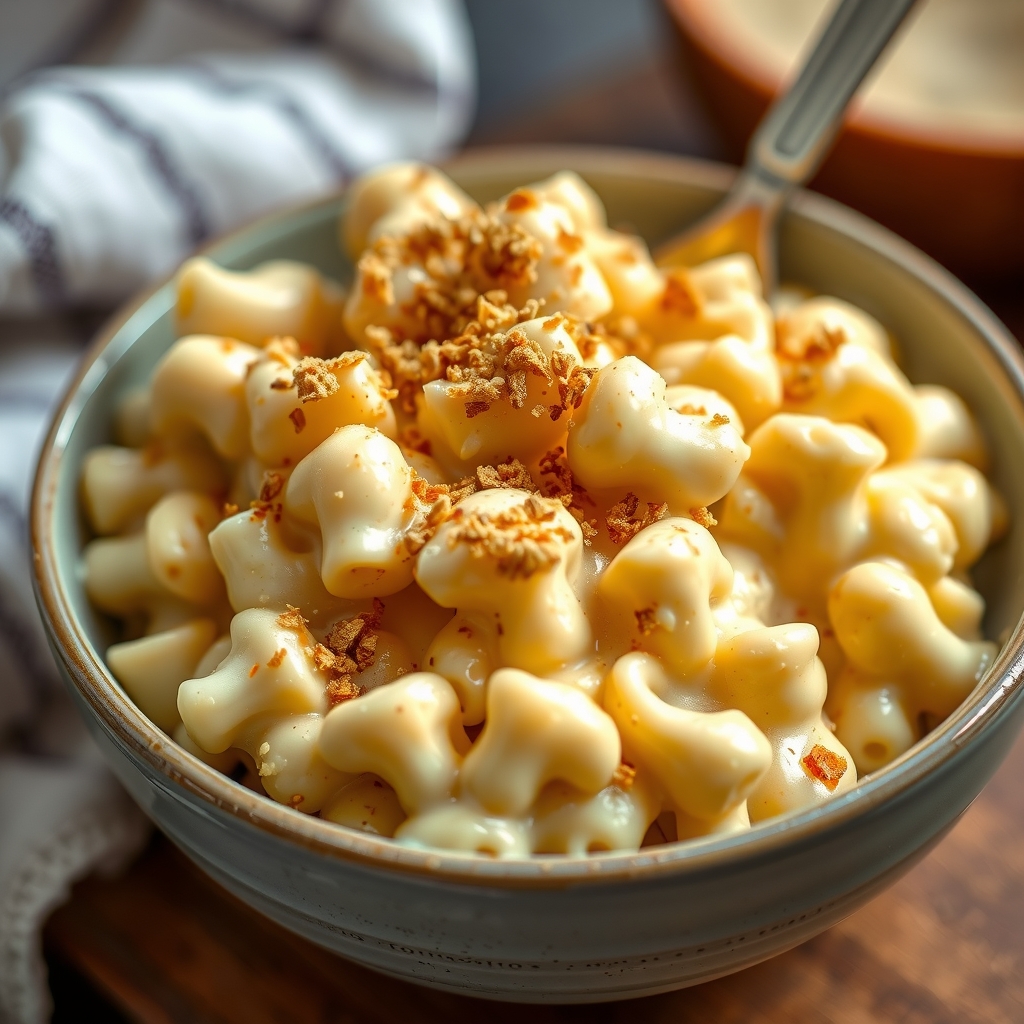
### **1. Hidden Veggie Mac and Cheese**
Why it works: Kids love mac and cheese, but this version sneaks in cauliflower for extra fiber and protein.
Hidden Veggie Mac and Cheese
Ingredients:
1 cup cauliflower florets (steamed and blended)
8 oz whole-grain pasta
1 cup shredded cheddar cheese
½ cup Greek yogurt (for creaminess)
1 tbsp olive oil
Salt and pepper to taste
Optional: breadcrumbs for topping
Instructions:
Cook pasta according to package instructions. Drain and set aside.
Blend the steamed cauliflower with cheese, yogurt, and olive oil until smooth.
Combine the cheese sauce with the cooked pasta. Stir well.
Top with breadcrumbs (if using) and bake at 375°F (190°C) for 10 minutes to crisp.
Portion control is where many parents trip up—either serving too little (leading to hunger and meltdowns) or too much (sabotaging weight loss goals). The key is flexibility. Here’s how to do it right:
---
### **1. Use the "Hand Rule" for Portions**
The AAP recommends using your child’s hand as a guide:
- **Protein**: Palm-sized portion (e.g., 3 oz chicken).
- **Veggies**: Fist-sized portion (e.g., ½ cup roasted carrots).
- **Grains**: Cupped-hand portion (e.g., ½ cup pasta).
- **Fruits**: Fist-sized portion (e.g., ½ cup berries).
- **Fats**: Thumb-sized portion (e.g., 1 tbsp butter or oil).
Why it works: It’s visual, easy to adjust, and avoids the "too much" or "not enough" trap.
---
### **2. Offer "Power Bites" Alongside Meals**
Instead of pressuring your child to finish their plate, offer small, nutrient-dense bites alongside their meal. Examples:
- A few olives or cheese cubes.
- A handful of nuts (if no allergies).
- A piece of fruit (e.g., apple slices with peanut butter).
Example: If your child loves chicken nuggets, serve them with a side of steamed broccoli florets (cut into fun shapes) and a small cup of yogurt for dipping.
---
### **3. Avoid "Clean Plate Club" Pressure**
Forcing kids to finish their food can backfire, leading to:
- **Hidden eating** (snacking behind closed doors).
- **Negative associations** with meals.
- **Increased picky behavior** (they learn to refuse food to avoid pressure).
Alternative: Use the phrase "Take a taste—no pressure!" to encourage curiosity without stress.
---
### **4. Involve Them in Meal Prep**
Kids are more likely to eat what they help prepare. Try:
- Letting them measure ingredients.
- Choosing toppings for their meals (e.g., "Do you want cheese or sauce on your taco?").
- Helping wash veggies or assemble wraps.
Representative story: "My son used to refuse anything green until he started 'helping' me chop cucumbers for snacks," says Emily. "Now he’ll eat cucumber slices with hummus every day!"
---
### **5. Adjust Portions Based on Activity Level**
A sedentary child needs fewer calories than an active one. Use this general guideline (from the AAP):
- **Ages 4–8**: 1,000–1,400 calories/day (active kids may need more).
- **Ages 9–13**: 1,200–1,800 calories/day (girls) / 1,400–2,000 calories/day (boys).
- **Weight loss goal**: Aim for a slow, steady deficit of 100–200 calories/day (never less than their daily needs).
Pro tip: Track their weight and growth monthly, not weekly. Sudden drops or gains can signal issues (e.g., skipped meals, overeating).
---
How to Handle Picky Eater Kids Refusing Protein for Weight Loss
Protein is the cornerstone of weight loss for kids—it keeps them full, supports muscle growth, and prevents energy crashes. But if your child refuses protein sources like meat, beans, or eggs, don’t panic. Here’s how to get it in without a fight:
---
### **1. Offer Protein in Familiar Forms**
- **Meat**: Use ground turkey or chicken in dishes they already love (e.g., tacos, meatballs, or pasta sauce).
- **Dairy**: Greek yogurt, cheese, or milkshakes (blend with fruit and a scoop of protein powder).
- **Eggs**: Scrambled, hard-boiled, or as "egg muffins" (baked with veggies).
- **Plant-based**: Lentils, chickpeas, or tofu (mild flavors first, like mashed chickpeas in hummus).
Example: If your child refuses steak, try beef jerky (low-sodium) or minced beef in mac and cheese.
---
### **2. Use Protein-Packed Snacks**
- **Cottage cheese with fruit** (sweet and creamy).
- **Hard-boiled eggs with salt and pepper**.
- **Peanut butter on whole-grain crackers**.
- **Protein smoothies** (blend Greek yogurt, milk, banana, and a scoop of vanilla protein powder).
---
### **3. Sneak Protein into Meals**
- **Blend it**: Add a scoop of protein powder to smoothies or oatmeal.
- **Mix it**: Stir ground turkey or lentils into sauces (e.g., marinara for pasta).
- **Grind it**: Use a food processor to blend beans into sauces or meatloaf.
Representative story: "My daughter hated fish until I started making 'fish sticks' with a blend of cod and ground chicken," says Lisa. "She never noticed the difference!"
---
### **4. Try Alternative Protein Sources**
If they refuse meat, don’t assume they’ll never eat it. Some kids just need the right presentation:
- **Fish**: Try mild white fish (cod, tilapia) in a crispy coating.
- **Poultry**: Chicken nuggets (baked, not fried) or shredded chicken in tacos.
- **Beans**: Refried beans in burritos or mashed into tacos.
---
### **5. Avoid Protein Overload**
Too much protein can be hard on little kidneys. The NHS recommends:
- **Ages 4–8**: 19–25g protein/day.
- **Ages 9–13**: 25–34g protein/day.
Signs they’re getting too much: Frequent urination, fatigue, or stomachaches. If this happens, reduce portion sizes slightly.
---
Picky Eater Kids Weight Loss and Healthy Fats
Healthy fats are essential for brain development, hormone balance, and satiety—but many parents avoid them, fearing they’ll lead to weight gain. The truth? Fats keep kids full longer and help them absorb fat-soluble vitamins (A, D, E, K). The key is choosing the right kinds and portions.
---
### **Best Healthy Fats for Kids**
| Fat Source | Serving Size | Calories | Protein (g) | Fiber (g) | Best For |
|---------------------|--------------------|----------|-------------|-----------|------------------------------|
| Avocado | ½ medium | 120 | 1.5 | 5 | Sneaking into smoothies or guacamole |
| Olive oil | 1 tbsp | 120 | 0 | 0 | Cooking or drizzling |
| Almonds | ¼ cup | 200 | 6 | 3 | Snacks or trail mix |
| Cheese (cheddar) | 1 oz | 110 | 7 | 0 | Melting in sauces or snacking |
| Fatty fish (salmon) | 3 oz | 175 | 17 | 0 | Baked or flaked |
| Peanut butter | 2 tbsp | 190 | 8 | 3 | Spreads or smoothies |
---
### **How to Add Healthy Fats Without the Guilt**
1. **Drizzle, don’t pour**: Use olive oil sparingly in cooking (1 tsp per serving).
2. **Blend it in**: Add avocado to smoothies or mashed into guacamole.
3. **Snack smart**: Offer a small handful of nuts (not a whole bag!) with fruit.
4. **Choose whole foods**: Opt for whole avocados over guacamole packets.
5. **Pair with protein**: Fat + protein = the perfect combo for satiety (e.g., cheese and crackers with apple slices).
Representative story: "My son refused to eat anything
Not sure about the label on Kids Picky Eater Diet For Weight Loss products?
Snap the ingredients list and SafeFilter checks every ingredient for your stage — only 3 free scans this month, then you're locked until reset. Unlimited from $7/mo or $50/yr.
When Shubhra Mishra was expecting her first child in 2016, she was overwhelmed by conflicting food advice — one site said yes, another said never. By the time her second baby arrived in 2019, she realized millions of mothers face the same confusion.
That sparked a five-year journey through clinical nutrition papers, cultural diets, and expert conversations — all leading to BumpBites: a calm, compassionate space where science meets everyday motherhood.
Her long-term vision is to build a global community ensuring safe, supported, and free deliveriesfor every mother — because no woman should face pregnancy alone or uninformed. 🌿
🌍 Stand with mothers, shape safer guidance
Join a small circle of experts who review BumpBites articles so expecting parents everywhere can decide with confidence.