Quick take:
The best foods for picky eaters focus on nutrient density, mild flavors, and easy textures—think soft-cooked veggies, smooth peanut butter, and fun-shaped snacks. Aim for a rainbow of colors (not just white carbs) to sneak in vitamins, and use "dips" like yogurt or hummus to mask veggie flavors. Small portions, repetitive offerings, and family-style meals (where everyone eats the same thing) often work better than pressure. Start with our 7-day menu and adjust based on what your child actually touches (even if they don’t eat it).
You’re staring at a plate of scrambled eggs, a slice of whole-grain toast, and a side of steamed carrots—all of which your 3-year-old has pushed away for the third night in a row. You’ve tried bribes ("Eat your dinner, and we’ll watch *Paw Patrol* early"), threats ("No dessert if you don’t finish!"), and even the occasional "just one bite" chant. But nothing works. You’re not alone: nearly 50% of toddlers are picky eaters, and the frustration can feel endless. The real question isn’t *why* your child refuses broccoli (though that’s a whole other battle), but how to meet their nutritional needs without turning mealtime into a warzone.
The good news? You don’t need to eliminate all "healthy" foods to keep your child growing strong. With the right strategies—nutrient-dense foods, sneaky prep tricks, and patience—you can create meals that feel familiar yet cover their bases. This guide breaks down the complete 2026 food list for picky eaters, from breakfast to snacks, plus a 7-day menu, growth-monitoring tips, and how to handle meltdowns without losing your cool. We’ll also debunk myths (like "you have to force-feed" or "picky eaters will never eat veggies") and share real parents’ wins—because yes, it *is* possible to have peace at the table.
Before we dive in, a quick note: Every child is different. If your little one refuses all protein sources (like meat, eggs, or beans) or shows signs of nutrient deficiencies (like pale skin, slow growth, or frequent infections), it’s time to check in with your pediatrician. But for now, let’s focus on the practical, science-backed foods and tactics that actually work for most families.
What Are the Best Nutrient-Dense Foods for Picky Eating Kids?
Picky eaters often limit their diets to white carbs, dairy, and a handful of proteins, leaving gaps in iron, fiber, vitamin D, and healthy fats. The goal isn’t to force "healthy" foods but to replace empty calories with nutrient powerhouses—without your child realizing it. Here’s what to prioritize:
- Protein: Builds muscles and keeps energy steady. Best picks: scrambled eggs, Greek yogurt, shredded chicken (mildly seasoned), hummus, or soft-cooked fish (like salmon or tilapia). (Tip: Try "egg muffins" with cheese and veggies—bake in muffin tins for easy finger foods.)
- Healthy fats: Supports brain development. Think avocado slices, nut/seed butters (peanut, almond, or sunflower—no nuts? Try sunflower seed butter), olive oil drizzles, or full-fat dairy (if tolerated).
- Calcium & vitamin D: For bones and immunity. Cheese sticks, fortified plant milks (like almond or oat), canned salmon with bones (flaked into meals), or calcium-fortified orange juice.
- Iron: Critical for energy. Lean ground beef, lentils (mashed into sauces), pumpkin seeds, or fortified cereals. (Pair iron-rich foods with vitamin C—like bell peppers or strawberries—to boost absorption.)
- Fiber: Prevents constipation (a common picky-eater struggle). Soft-cooked applesauce, pears, oatmeal, or pureed beans in pasta sauce.
Representative story: "My son, Jake, used to refuse *anything* green. But when I started adding pureed spinach to his mac and cheese (just 1/4 cup blended in), he didn’t notice—and his pediatrician said his iron levels improved. Now he’ll eat ‘green pasta’ without complaint." —Sarah, mom of a 4-year-old
Common nutritional gaps in picky eaters:
Pro tip: If your child is very resistant to meat, try these sneaky swaps:
- Blend lean ground beef or turkey into spaghetti sauce or taco meat.
- Make "hidden" meatballs with ground chicken and oats—serve with ketchup for dipping.
- Try fish sticks (baked, not fried) or salmon cakes (mashed salmon + egg + breadcrumbs).

How to Create a Balanced Meal Plan for a Picky Eater Child
Balanced doesn’t mean "perfect." It means covering the basics without forcing. Start by identifying your child’s 3–4 go-to foods (e.g., chicken nuggets, mac and cheese, yogurt) and build around them. Then, rotate in one new food at a time—same flavor, different form. For example:
- If they love broccoli, try it steamed vs. roasted vs. blended into soup.
- If they hate peas, mash them into tuna salad or mix into oatmeal.
- If they refuse whole grains, start with white rice or soft pretzels before introducing quinoa.
Portion control is key: Serve 1–2 tbsp of new foods alongside familiar favorites. If they don’t eat it, no big deal—just offer it again later. Research shows it can take 10–15 exposures to a new food before a child accepts it. Patience pays off!
Sample meal-planning framework:
- Breakfast: Protein + carb + fruit. Examples: Yogurt + granola + banana slices, scrambled eggs + whole-wheat toast + apple sauce, or oatmeal with peanut butter and berries.
- Lunch: Protein + veggie (hidden or dippable) + carb. Examples: Turkey roll-ups with cheese + cucumber slices + crackers, or mac and cheese with blended spinach + steamed carrot sticks.
- Dinner: Protein + veggie + carb. Examples: Baked chicken tenders + sweet potato fries + ketchup, or fish sticks + mashed potatoes + steamed green beans.
- Snacks: 2–3 per day. Examples: Cheese cubes + whole-grain crackers, hummus + pita chips, or smoothie with yogurt, banana, and spinach.
Pro tip: Use the "family-style" method—serve food in the middle of the table and let your child serve themselves. This reduces pressure and encourages trying new things. If they refuse a food, simply say, "That’s okay! Try the [familiar food] instead."
Representative story: "My daughter, Mia, refused anything green until I started adding pureed cauliflower to her mac and cheese. She didn’t notice, and her doctor said her vitamin A levels were finally in the green zone. Now she’ll even eat cauliflower ‘rice’ with butter!" —Lisa, mom of a 5-year-old
Easy Homemade Snacks That Picky Kids Will Eat
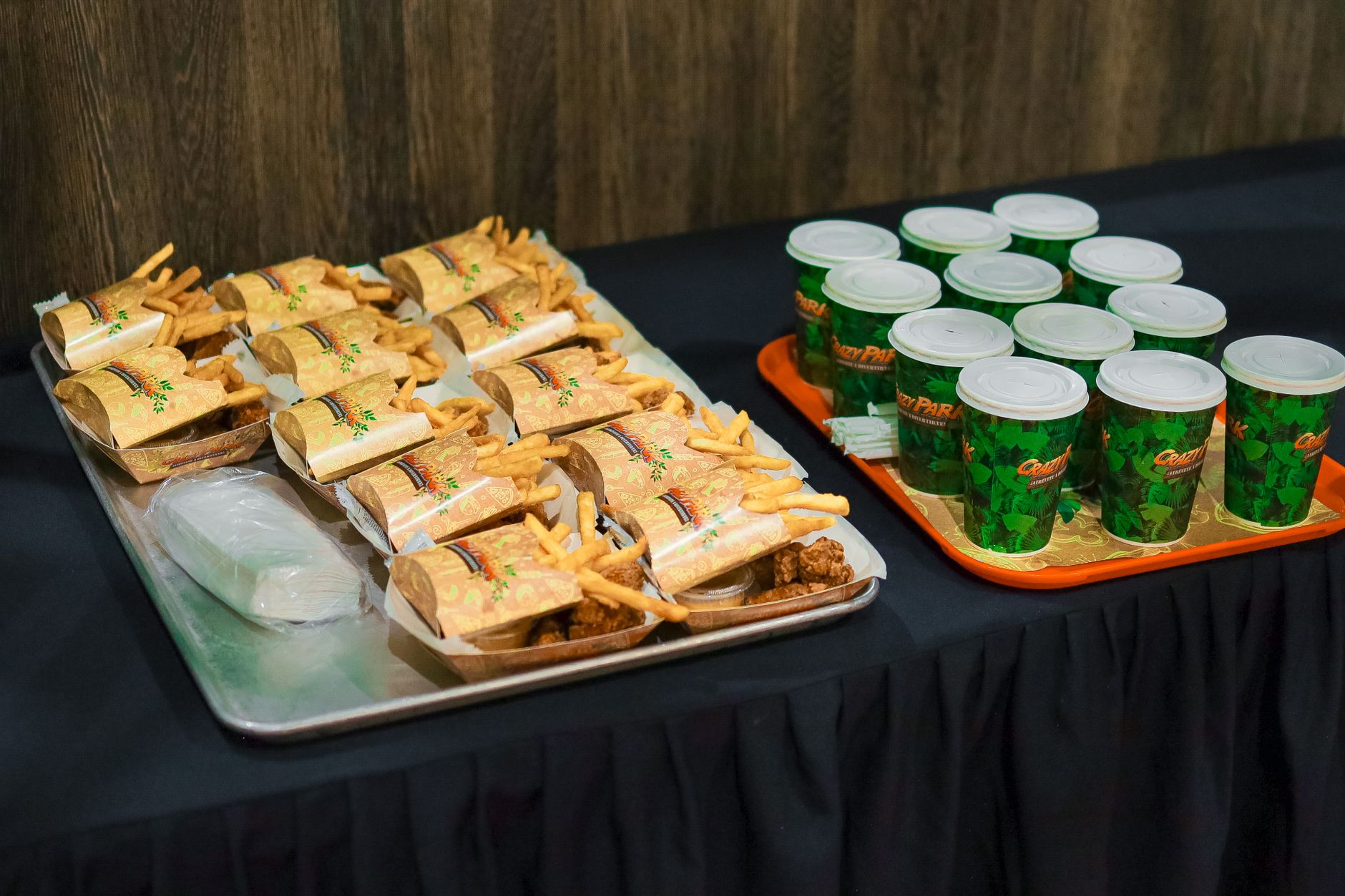
Snacks are where picky eaters thrive—they’re low-pressure, portable, and often involve dipping or finger foods. The key is mild flavors, fun shapes, and textures they can control (crunchy, soft, or cool). Here are 10 foolproof snacks to keep in your rotation:
- Mini meatballs: Mix ground turkey + breadcrumbs + egg, bake at 375°F for 15 mins. Serve with ketchup or yogurt dip.
- Cheesy breadsticks: Use store-bought pizza dough, stretch into strips, brush with garlic butter, and bake with grated cheese.
- Fruit & yogurt popsicles: Blend yogurt + mashed banana + a splash of juice; freeze in popsicle molds.
- Veggie "chips": Thinly slice sweet potatoes or beets, bake at 400°F for 15–20 mins until crispy.
- Peanut butter "sushi": Spread PB on a tortilla, add banana slices, roll up, and slice into rounds.
- Cheese & cracker "melt": Layer cheese slices + whole-grain crackers on a microwave-safe plate, heat for 10–15 secs until gooey.
- Trail mix: Combine cereal (like Cheerios), dried fruit (raisins, cranberries), and a few chocolate chips.
- Avocado "toast": Mash avocado on whole-grain toast, sprinkle with salt and paprika, and cut into triangles.
- Mini pancakes: Use a mini muffin tin, add blueberries or chocolate chips, and top with maple syrup.
- Hard-boiled eggs: Peel and sprinkle with everything bagel seasoning for a crunchy snack.
Pro tip: If your child is avoiding dairy (like many picky eaters do), try these alternatives:
- Sunflower seed butter (nut-free) instead of peanut butter.
- Fortified plant yogurts (like coconut or almond) for calcium.
- Cheese-free "queso": Blend white beans + garlic + lime + cumin until smooth.
Representative story: "My son, Max, hated fruit until I started making ‘fruit skewers’ with yogurt dip. He’d dip strawberries, blueberries, and kiwi chunks into vanilla yogurt—no complaints!" —Emma, mom of a 3-year-old
Tips for Introducing New Vegetables to a Picky Eater
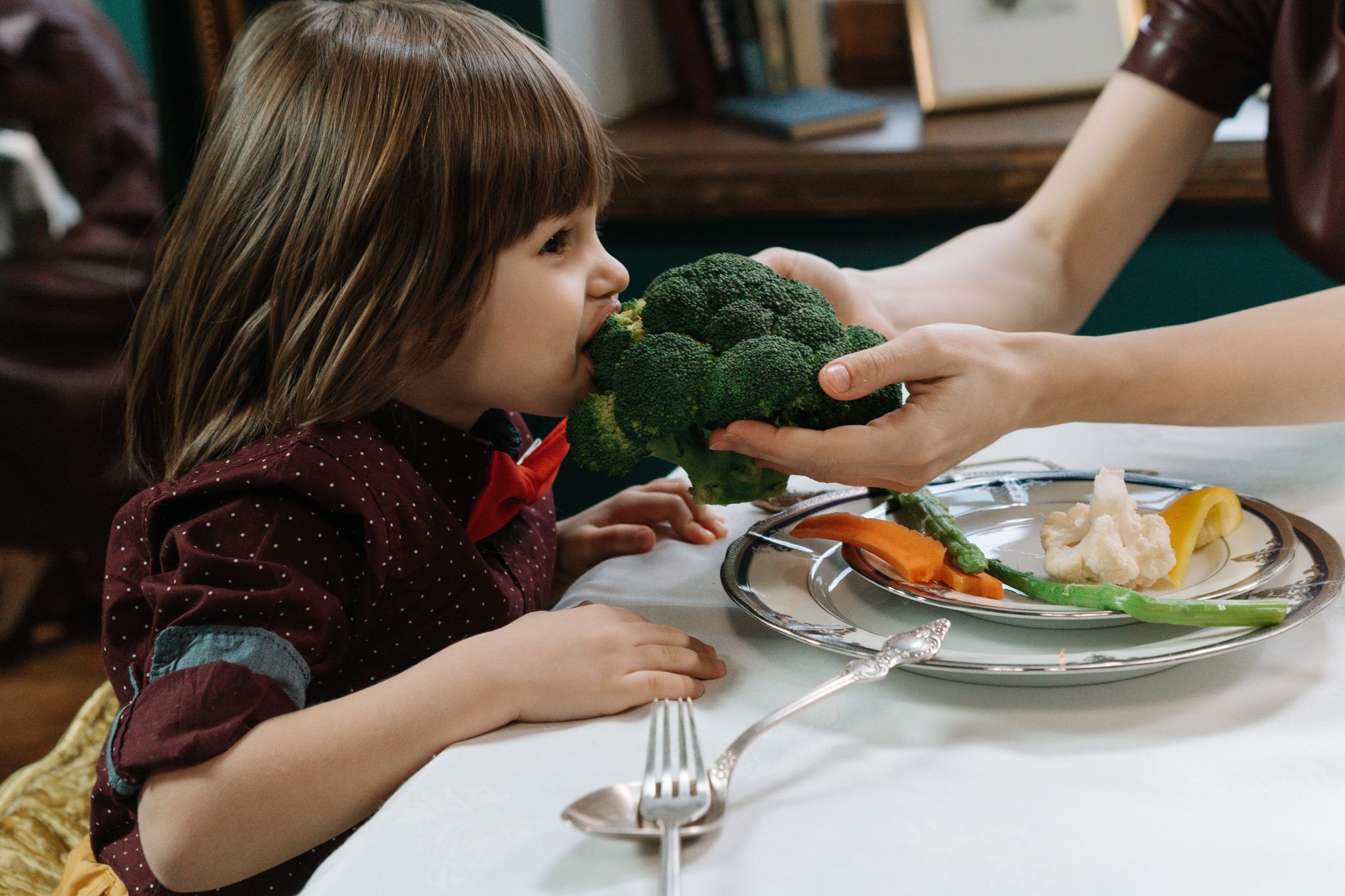
Vegetables are the biggest battleground for picky eaters—but you don’t have to force them. Start with mild, familiar flavors and work your way up. Here’s how to sneak (or gently introduce) veggies without a meltdown:
- Blend them in: Puree steamed carrots, zucchini, or spinach into sauces, soups, or smoothies. Example: Add 1/4 cup pureed butternut squash to mac and cheese.
- Use dips: Kids love dipping! Try hummus, yogurt, ranch, or even ketchup for veggie sticks.
- Mimic their favorites: If they love fries, try baked sweet potato fries. If they like pizza, make cauliflower crust (or just top regular crust with veggie sauce).
- Play with textures: Some kids prefer crunchy (carrot sticks), others soft (steamed broccoli florets), and some like creamy (mashed peas). Offer variety.
- Involve them in cooking: Let your child wash veggies, stir the pot, or sprinkle cheese on their plate. Ownership = more willingness to try.
- Label foods as "special": Say, "This is your ‘superhero veggie’—it helps you grow strong!" Kids respond to fun language.
Representative story: "My daughter, Lily, hated broccoli until I started calling it ‘dinosaur trees’ and serving it with ranch dip. Now she asks for it by name!" —Jessica, mom of a 4-year-old
Vegetable puree recipes for picky toddlers:
What to avoid:
- Overcooking veggies (they turn mushy and unappetizing).
- Adding strong flavors (like garlic or spices) that can mask the veggie taste.
- Giving up too soon—consistency is key!
How to Use Smoothies to Sneak in Nutrients for Picky Kids
Smoothies are the ultimate picky-eater hack—they hide veggies, fruits, and even protein in a fun, drinkable form. The secret? Start with mild flavors and build up. Here’s how to make them work:
- Use a base they love: Yogurt, milk (dairy or plant-based), or even applesauce.
- Add a hidden veggie: Spinach, cauliflower, or sweet potato puree (start with 1/4 cup).
- Sweeten naturally: Banana, berries, or a drizzle of honey (for kids over 1).
- Boost protein: Add a scoop of vanilla protein powder (unflavored works too), Greek yogurt, or silken tofu.
- Make it fun: Use fun straws, serve in a "smoothie jar" with a photo of their favorite character, or let them decorate the rim with yogurt and granola.
5 foolproof smoothie recipes:
Representative story: "My son, Noah, refused to eat anything green until I started making ‘green smoothies’ with yogurt and banana. He didn’t notice the spinach—and his doctor said his iron levels improved!" —Amanda, mom of a 3-year-old
Pro tip: If your child is avoiding dairy, try these smoothie swaps:
- Use fortified plant milk (like almond or oat) instead of cow’s milk.
- Add silken tofu for protein (blends smoothly!).
- Use sunflower seed butter instead of peanut butter.
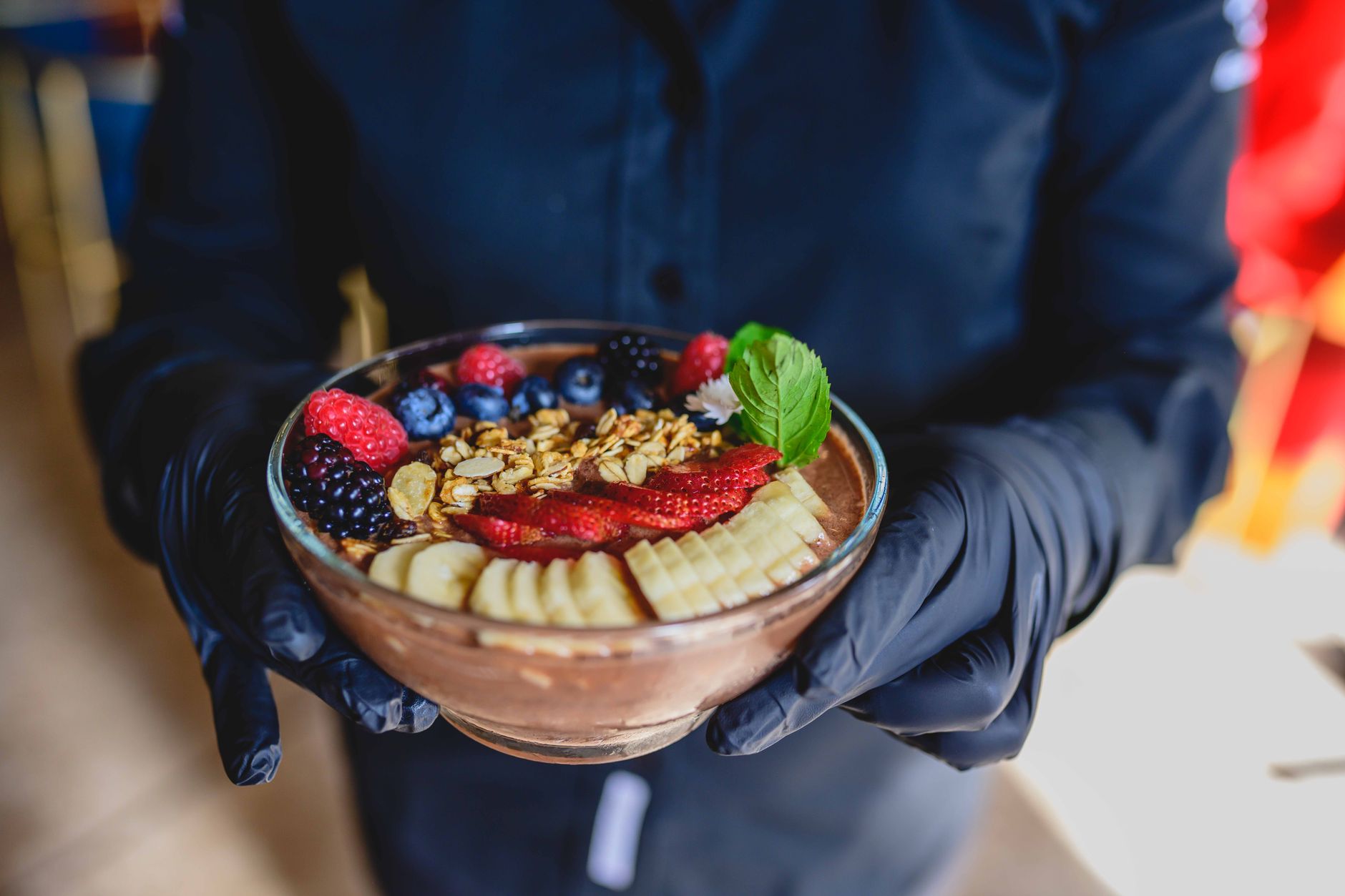
Here’s a realistic 7-day meal plan that covers nutrients without forcing. Each day includes 3 meals + 2 snacks, with one new food introduced per day (in bold). Adjust based on what your child actually eats!
Grocery list for the week:
- Proteins: Chicken tenders, ground turkey, salmon fillets, eggs, Greek yogurt, cheese sticks, hummus, canned tuna, peanut butter, sunflower seed butter.
- Carbs: Whole-grain bread, whole-grain crackers, oats, pasta, tortillas, rice, whole-grain cereal, pretzels.
- Veggies: Carrots, sweet potatoes, zucchini, spinach, broccoli, cauliflower, cucumbers, bell peppers.
- Fruits: Bananas, apples, berries, kiwi, mango, pears, oranges.
- Dairy alternatives: Fortified plant milk (if needed), silken tofu.
- Pantry staples: Olive oil, peanut butter, granola, chia seeds, cinnamon, honey.
Pro tip: Repetition is your friend. If your child loves chicken nuggets, make them 3x this week in different forms (baked, air-fried, or even "homemade" with breadcrumbs). The more familiar the food, the more willing they’ll be to try it.
Representative story: "I used to stress over meal planning, but now I just pick 3–4 go-to meals and rotate them. My son, Jake, loves chicken nuggets, so I make them 3x a week with different dips—ketchup, BBQ, or yogurt ranch. It’s easy and stress-free!" —Sarah, mom of a 4-year-old
How to Handle Food Refusal in Preschoolers
Food refusal is not a power struggle—it’s often about control, texture, or sensory overload. The key is to stay calm, offer choices, and avoid pressure. Here’s how to handle it:
- Stay neutral: If your child refuses a food, simply say, "That’s okay! Try the [familiar food] instead." No lectures, no bribes.
- Offer choices: Instead of "Eat your broccoli", say "Do you want the broccoli or the carrots with your dip?" Giving control reduces resistance.
- Avoid short-order cooking: If you make a special request (like "just one bite of chicken"), you’ll be stuck in the kitchen all day. Serve the same meal to everyone—family-style dining works wonders.
- Use distraction: If mealtime is tense, try reading a book, playing soft music, or letting them help set the table to shift focus.
- Don’t force-feed: Never hold their mouth open or make them eat. This can create negative associations. Instead, say, "You don’t have to eat it, but it’s here if you want it later."
- Praise small wins: If they take one bite of a new food, say "I’m so proud of you for trying that!" Positive reinforcement works better than pressure.
What to do if they throw a tantrum:
- Stay calm: Take a deep breath and say, "I see you’re upset. Let’s take a break and come back to this later."
- Remove the food (temporarily): If they’re refusing everything, take the plate away and offer a snack later.
- Reintroduce later: After a 10–15 minute break, try the meal again—often, the tantrum was about the process, not the food.
Representative story: "My daughter, Mia, used to scream if I asked her to try new foods. Now I just say, 'You don’t have to eat it, but it’s here if you change your mind.' She’s started trying more without the meltdowns!" —Jessica, mom of a 5-year-old
When to seek help:
- If your child refuses all protein sources (meat, eggs, beans, dairy) for weeks.
- If they show signs of nutrient deficiencies (pale skin, slow growth, frequent infections).
- If food refusal is accompanied by other symptoms (like chronic diarrhea, vomiting, or extreme weight loss).
- If mealtime is constantly stressful and affecting your family’s well-being.
In these cases, consult your pediatrician or a registered dietitian who specializes in pediatric nutrition. They can help create a plan tailored to your child’s needs.
Myth vs. Fact: Picky Eater Diet Tips
Let’s clear up some common misconceptions:
- Myth: "You have to force-feed your child."
Fact: Forcing food can create negative associations and increase resistance. Instead, offer small portions and let them explore foods at their own pace.
- Myth: "Picky eaters won’t grow properly."
Fact:




