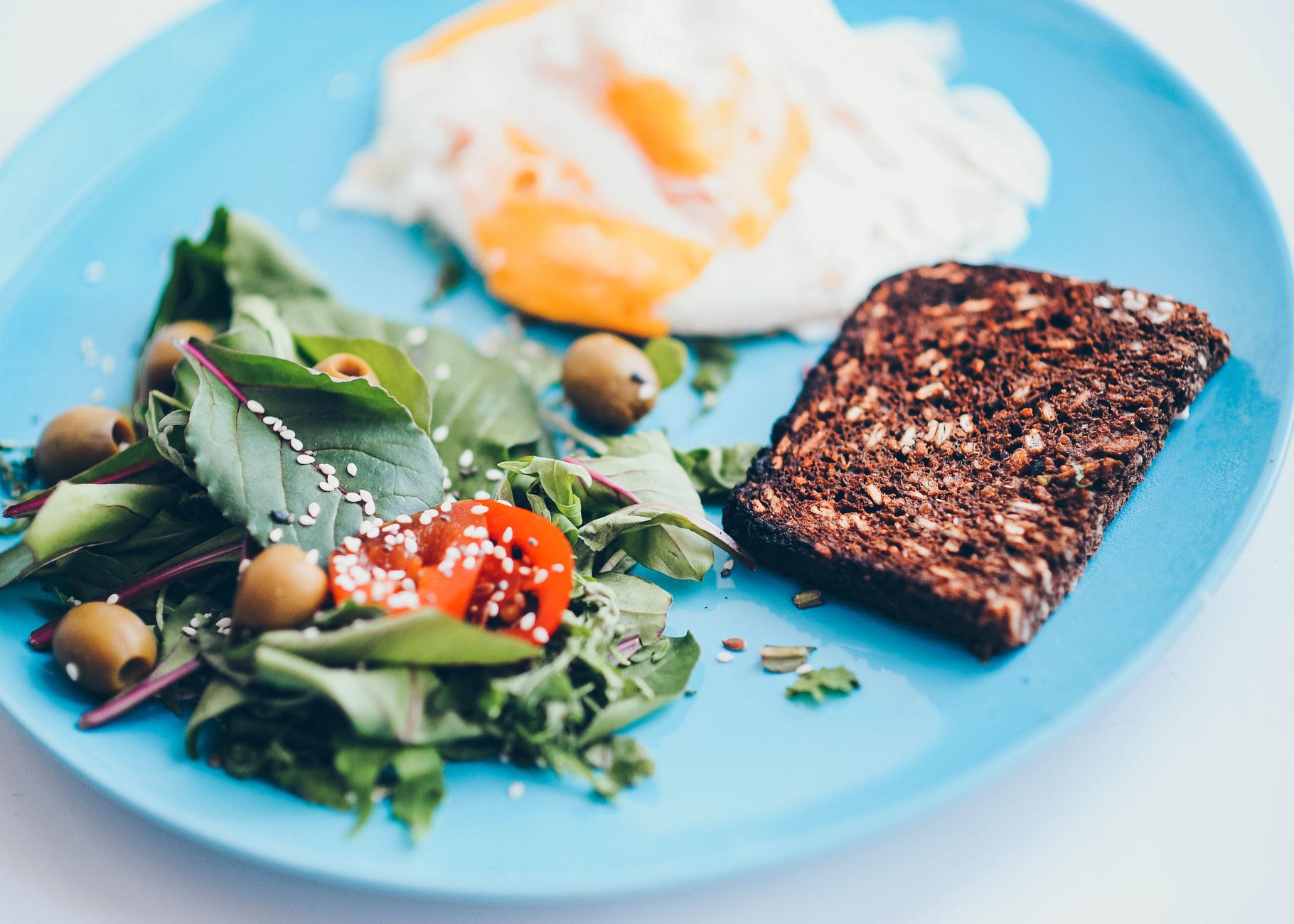
kidney-friendly diet isn’t about deprivation—it’s about smart swaps and portion control. The goal is to limit sodium to 2,000 mg or less per day (or even lower if recommended by your doctor), keep potassium in check (especially if you have CKD or diabetes), and manage phosphorus intake. This sample day assumes you’re not on dialysis and have no additional restrictions unless noted. If you’re in CKD stage 3 or higher, your protein and fluid needs may differ—we’ll cover adjustments for specific conditions later.
Here’s what a typical day might look like:
Breakfast: Scrambled eggs with spinach and whole-grain toast (no salt added)
Mid-morning snack: Unsweetened applesauce with a sprinkle of cinnamon
Lunch: Grilled chicken salad with mixed greens, cucumber, cherry tomatoes (halved), and a light balsamic vinaigrette (no added salt)
Afternoon snack: A small handful of unsalted almonds (about 10–12 nuts)
Dinner: Baked cod with steamed green beans and a side of quinoa (cooked with low-sodium broth)
Evening snack (if needed): Herbal tea (unsweetened) with a few fresh raspberries
This meal plan avoids processed foods, which are often high in sodium and phosphorus. Instead, it focuses on whole, fresh ingredients and minimal added salt. If you’re used to a diet heavy in sodium (like many standard American meals), this shift can feel drastic at first—but it gets easier with time.
Pro tip: The DASH diet principles can be a great guide here. Both diets emphasize fresh produce, lean proteins, and healthy fats while keeping sodium in check. The difference? The DASH diet is heart-focused, while a kidney-friendly diet also prioritizes potassium and phosphorus management.
---
Kidney-friendly diet sample day for diabetic patients: Adjustments for blood sugar and kidney health
If you have both diabetes and kidney disease, your diet needs to address both conditions simultaneously. This means keeping an eye on carbohydrates, protein, sodium, and potassium while avoiding foods high in added sugars or refined carbs. The good news? Many of the same foods that help manage diabetes also support kidney health.
Here’s how to adapt the sample day for someone with diabetes:
Breakfast: Greek yogurt (unsweetened, low-fat) with a tablespoon of chia seeds and a few blueberries (potassium-controlled portion: ½ cup)
Mid-morning snack: Hard-boiled egg with cucumber slices
Lunch: Turkey lettuce wraps with avocado (¼ avocado), shredded carrots, and a squeeze of lime (no salt added)
Afternoon snack: Celery sticks with 1 tbsp of almond butter (unsalted)
Dinner: Lean beef stir-fry with bell peppers (½ cup), zucchini, and a small amount of brown rice (½ cup cooked)
Evening snack: Unsweetened cocoa powder mixed with warm water (like hot chocolate, but sugar-free)
Key adjustments for diabetics:
- Carbs: Focus on low-glycemic, high-fiber carbs like quinoa, sweet potatoes (in moderation), and non-starchy vegetables. Avoid white bread, sugary cereals, and fruit juices.
- Protein: Choose lean, unprocessed proteins like skinless poultry, fish, tofu, or eggs. Limit red meat to 3–4 times per week.
- Fats: Opt for healthy fats like olive oil, avocado, nuts, and seeds. Avoid fried foods and trans fats.
- Sodium: Cook at home to control salt intake. Use herbs, lemon, vinegar, and spices instead of salt.
- Potassium: Monitor portions of high-potassium foods like bananas, oranges, and tomatoes. If your potassium is high, your doctor may recommend a low-potassium diet.
For more inspiration, check out our diabetic diet sample day—many principles overlap with kidney-friendly eating.
---
Kidney-friendly diet sample day grocery list for 2026: What to buy and what to skip
Planning a kidney-friendly grocery list can feel like navigating a minefield if you’re not used to reading labels. The goal is to prioritize fresh, whole foods and avoid processed items, canned soups, and frozen meals—all of which are often loaded with sodium and phosphorus additives. Below is a kidney-friendly grocery list for the sample day we outlined, plus a few extras to keep your pantry stocked.
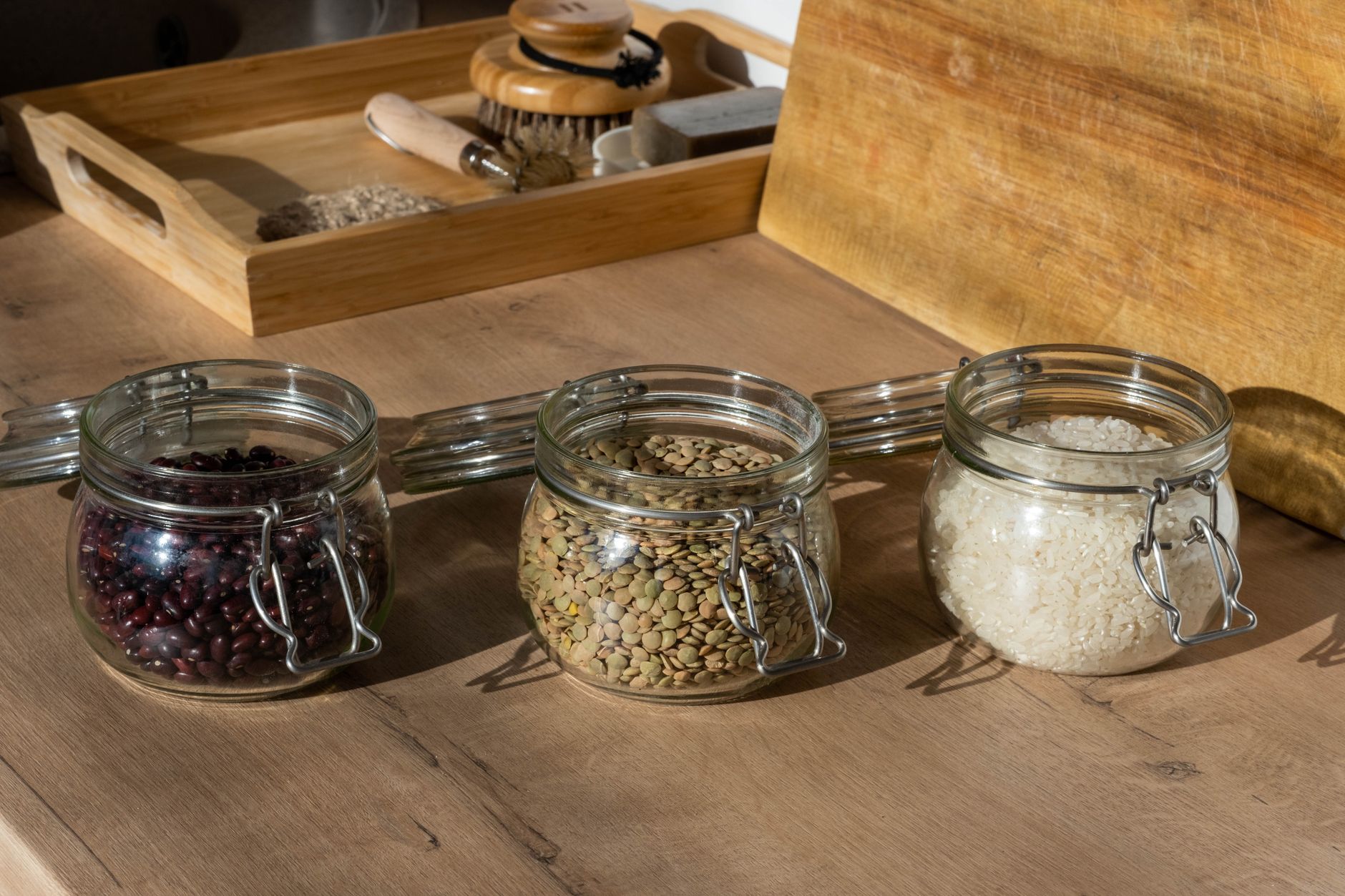
Proteins (low-sodium, low-phosphorus):
- Eggs
- Skinless chicken breast or thighs
- Fresh or frozen cod, tilapia, or salmon
- Lean ground turkey (93% lean or higher)
- Low-sodium canned tuna (in water, drained)
- Tofu or tempeh (unsalted)
Vegetables (low-potassium options):
- Spinach (fresh or frozen)
- Cabbage
- Cauliflower
- Zucchini
- Cucumber
- Green beans
- Celery
Fruits (low-potassium options):
- Apples (peeled)
- Raspberries
- Strawberries
- Cantaloupe (small portions)
- Cranberries (unsweetened)
Grains and Starches:
- Whole-grain bread (low-sodium)
- Quinoa
- Brown rice
- Whole-wheat pasta (low-sodium)
Fats and Oils:
- Olive oil
- Avocado oil
- Unsalted nuts (almonds, walnuts)
- Seeds (chia, flax, pumpkin)
Dairy (low-phosphorus options):
- Unsweetened almond milk
- Low-fat, unsweetened Greek yogurt
- Low-phosphorus cheese (like mozzarella or cottage cheese in moderation)
Avoid or Limit:
- Processed meats (bacon, sausage, deli meats)
- Canned soups or vegetables (high in sodium)
- Salted nuts or seeds
- High-potassium fruits (bananas, oranges, tomatoes—unless portion-controlled)
- High-phosphorus foods (dairy, colas, dark-colored sodas)
When shopping, always check labels for sodium content. Even "healthy" foods like canned beans or broth can be high in sodium. Opt for no-salt-added or low-sodium versions whenever possible. If you’re unsure about a product, ask the store’s dietitian for help.
Pro tip: Batch-cook grains and proteins on weekends to save time during the week. For example, cook a big pot of quinoa and portion it out for salads, sides, or wraps.
---
Kidney-friendly diet sample day for pregnant women: Safety and nutrition
Pregnancy already comes with dietary adjustments—adding kidney-friendly guidelines can feel like one more thing to manage. The good news? Many of the same foods that support kidney health are also great for pregnancy, as long as you’re mindful of protein intake, sodium, and potassium. However, pregnant women with kidney disease require extra caution.
If you’re pregnant and have pre-existing kidney disease or develop gestational hypertension, your doctor will work closely with you to ensure your diet supports both your baby’s and your kidneys’ needs. Generally, pregnant women with healthy kidneys should aim for 75–100 grams of protein per day, but if you have CKD, your protein needs may be lower.
Here’s how to adapt the sample day for a pregnant woman with kidney-friendly goals:
Breakfast: Omelet with mushrooms, spinach, and a slice of whole-grain toast (no salt added)
Mid-morning snack: Sliced apple with 1 tbsp of almond butter
Lunch: Grilled chicken salad with mixed greens, cucumber, and a light olive oil and lemon dressing
Afternoon snack: Cottage cheese (low-phosphorus) with a few raspberries
Dinner: Baked salmon with steamed asparagus and a small side of quinoa
Evening snack: Herbal tea with a sprinkle of cinnamon
Key considerations for pregnant women with kidney concerns:
- Protein: Increase protein slightly (if cleared by your doctor) to support fetal growth, but avoid excessive amounts if you have CKD.
- Sodium: Keep sodium under 2,000 mg/day unless your doctor recommends less.
- Potassium: Monitor portions of high-potassium foods like bananas and oranges. If your potassium is high, your doctor may recommend avoiding them entirely.
- Phosphorus: Limit dairy and processed foods, as they’re often high in phosphorus additives.
- Hydration: Drink plenty of water (unless your doctor advises fluid restriction), but avoid excessive caffeine or sugary drinks.
Always consult your obstetrician or nephrologist before making major dietary changes during pregnancy, especially if you have pre-existing kidney disease.
---
Kidney-friendly diet sample day recipes: Low-potassium and low-sodium ideas
Cooking kidney-friendly meals doesn’t mean sacrificing flavor. The key is using herbs, spices, citrus, and vinegar to add taste without salt. Below are a few kidney-friendly recipes you can easily incorporate into your sample day—or use as inspiration for other meals.
1. Lemon-Herb Baked Cod
Ingredients:
- 1 cod fillet (4–6 oz)
- 1 tbsp olive oil
- 1 tsp dried oregano
- ½ tsp garlic powder
- Zest and juice of ½ lemon
- Fresh parsley (for garnish)
Instructions:
- Preheat oven to 375°F (190°C). Line a baking sheet with parchment paper.
- Place cod on the baking sheet. Drizzle with olive oil and sprinkle with oregano, garlic powder, and lemon zest.
- Bake for 12–15 minutes, until the fish flakes easily with a fork.
- Squeeze fresh lemon juice over the top and garnish with parsley.
Serving suggestion: Pair with steamed green beans and a side of quinoa cooked in low-sodium broth.
2. Turkey and Cabbage Stir-Fry
Ingredients:
- 4 oz lean ground turkey
- 1 cup shredded cabbage
- ½ cup sliced zucchini
- 1 tsp olive oil
- ½ tsp turmeric
- ½ tsp cumin
- 1 tsp apple cider vinegar
- Fresh cilantro (optional)
Instructions:
- Heat olive oil in a non-stick pan over medium heat. Add ground turkey and cook until no longer pink.
- Add cabbage, zucchini, turmeric, and cumin. Stir-fry for 5–7 minutes until vegetables are tender.
- Remove from heat and stir in apple cider vinegar. Garnish with fresh cilantro.
Serving suggestion: Serve over a small portion of brown rice (½ cup cooked).
3. Cinnamon-Baked Apples
Ingredients:
- 2 small apples (peeled)
- ½ tsp cinnamon
- 1 tsp honey (optional, if no diabetes)
- 1 tsp chopped walnuts (optional)
Instructions:
- Preheat oven to 350°F (175°C). Core the apples and place them in a baking dish.
- Sprinkle with cinnamon and drizzle with honey (if using). Top with chopped walnuts.
- Bake for 20–25 minutes until soft.
Serving suggestion: Enjoy as a snack or dessert with a cup of herbal tea.
For more recipe ideas, explore our French diet sample day—many of their flavorful techniques translate well to kidney-friendly cooking!
---
Kidney-friendly diet sample day for CKD stage 3: Adjustments for moderate kidney disease
If you have CKD stage 3, your kidneys are moderately impaired, and your diet may need more restrictive adjustments. At this stage, your doctor may recommend lower protein intake (typically 0.6–0.8 grams of protein per kilogram of body weight per day) to reduce the workload on your kidneys. Sodium, potassium, and phosphorus also require careful monitoring.
Here’s how to adapt the sample day for CKD stage 3:
Breakfast: Scrambled tofu with sautéed mushrooms and a slice of whole-grain toast (use a protein powder-free tofu)
Mid-morning snack: Steamed cauliflower with a drizzle of olive oil and black pepper
Lunch: Grilled turkey breast with a side of cabbage slaw (no mayo, dressed with apple cider vinegar)
Afternoon snack: A small handful of unsalted walnuts (about 10 halves)
Dinner: Baked chicken with roasted zucchini and a side of quinoa (½ cup cooked)
Evening snack (if needed): Unsweetened almond milk with a sprinkle of cinnamon
Key adjustments for CKD stage 3:
- Protein: Limit to 0.6–0.8 grams per kg of body weight. For example, if you weigh 70 kg (154 lbs), aim for about 42–56 grams of protein per day. Choose low-phosphorus proteins like eggs, poultry, and fish.
- Sodium: Keep sodium under 1,500–2,000 mg per day, depending on your blood pressure.
- Potassium: Monitor portions of high-potassium foods. If your potassium is high, avoid bananas, oranges, tomatoes, and potatoes.
- Phosphorus: Limit dairy, processed foods, and carbonated drinks. Opt for low-phosphorus alternatives like unsweetened almond milk or low-phosphorus cheese.
- Fluids: Follow your doctor’s advice on fluid intake. Some people with CKD need to limit fluids to prevent swelling or high blood pressure.
If you’re unsure about your protein or fluid needs, ask your nephrologist or a renal dietitian for personalized guidance.
---
Kidney-friendly diet sample day for kidney transplant recipients: Post-surgery nutrition
After a kidney transplant, your diet shifts from kidney-protective to immune-supportive. Your new kidney is a precious gift, but it relies on your body’s ability to fight infection and heal. This means you’ll need to balance protein for healing, low sodium to protect your new kidney, and immune-boosting nutrients like vitamin C and zinc.
Here’s a sample day for someone who’s 3–6 months post-transplant (always check with your transplant team first):
Breakfast: Scrambled eggs with sautéed spinach and a slice of whole-grain toast
Mid-morning snack: Greek yogurt (unsweetened, low-fat) with a tablespoon of flaxseeds
Lunch: Grilled chicken salad with mixed greens, cucumber, cherry tomatoes (½ cup), and a light olive oil and lemon dressing
Afternoon snack: Sliced apple with 1 tbsp of almond butter
Dinner: Baked salmon with roasted Brussels sprouts and a small side of quinoa
Evening snack (if needed): Herbal tea with a few raspberries
Key considerations for transplant recipients:
- Protein: Increase protein slightly to support healing (typically 1.0–1.2 grams per kg of body weight). Choose lean, unprocessed proteins like poultry, fish, and eggs.
- Sodium: Keep sodium under 2,000 mg per day unless your doctor recommends less.
- Potassium and Phosphorus: Monitor these nutrients carefully, as they can impact your new kidney’s function. Avoid processed foods and canned items.
- Immune-Boosting Foods: Incorporate vitamin C-rich foods (bell peppers, strawberries), zinc-rich foods (pumpkin seeds, lentils), and probiotics (unsweetened yogurt, sauerkraut) to support recovery.
- Hydration: Drink plenty of water unless your doctor advises fluid restriction.
- Avoid: Raw or undercooked foods (risk of infection), excessive caffeine (can dehydrate you), and alcohol (can interfere with medications).
Your transplant team may also recommend multivitamins or supplements to fill nutritional gaps, especially if you’re on medications that affect nutrient absorption (like steroids). Always discuss supplements with your doctor first.
---
Kidney-friendly diet sample day for seniors: Adapting for mobility and taste preferences
As we age, our sense of taste can change, and mobility issues may make cooking more challenging. But a kidney-friendly diet for seniors doesn’t have to be boring or difficult. The key is simple, flavorful meals that require minimal prep and can be eaten even if you’re not feeling your best.
Here’s a senior-friendly kidney-friendly sample day:
Breakfast: Microwaveable egg white scramble with pre-washed spinach and a slice of whole-grain toast (no salt added)
Mid-morning snack: Unsweetened applesauce with a sprinkle of cinnamon
Lunch: Pre-cooked grilled chicken strips with a side of steamed frozen green beans (microwaveable) and a small portion of quinoa
Afternoon snack: A small handful of unsalted almonds (about 10–12 nuts)
Dinner: Canned tuna (in water, drained) mixed with low-sodium mayo, celery, and a slice of whole-grain bread (tuna salad sandwich)
Evening snack (if needed): Herbal tea with a few fresh raspberries
Tips for seniors:
- Prep ahead: Cook grains and proteins in bulk and store them in the fridge or freezer for easy reheating.
- Use convenience foods wisely: Opt for low-sodium, no-added-salt canned or frozen vegetables and pre-cooked proteins.
- Flavor boosters: Keep herbs, spices, lemon juice, and vinegar on hand to add taste without salt.
- Portion control: Use smaller plates to help manage portions naturally.
- Hydration reminders: Place a water bottle at eye level or set reminders to drink throughout the day.
For more ideas, check out our flexitarian diet sample day—many of their easy, plant-forward meals can be adapted for kidney-friendly eating.
---
Hydration guidelines for a kidney-friendly diet: How much water should you drink?
Hydration is crucial for kidney health, but it’s a balancing act. If you have healthy kidneys, you should aim for 1.5–2 liters (6–8 cups) of water per day. However, if you have CKD or are on dialysis, your doctor may recommend limiting fluids to prevent swelling or high blood pressure.
Here’s how to approach hydration on a kidney-friendly diet:
- General guideline: Aim for 1.5 liters of water daily, unless your doctor advises otherwise.
- Signs of dehydration: Dark urine, fatigue, dizziness, or dry mouth. If you notice these, increase your fluid intake.
- Signs of overhydration: Swelling in your hands, feet, or ankles; shortness of breath; or sudden weight gain. If you experience these, reduce fluids and contact your doctor.
- Avoid: Sugary drinks, caffeine (which is a diuretic), and alcohol (which can dehydrate you).
- Electrolyte balance: If you’re losing fluids due to vomiting or diarrhea, your doctor may recommend an electrolyte solution.
- Herbal teas: Unsweetened herbal teas (like chamomile or peppermint) can be a great hydrating alternative.
If you’re unsure about your fluid needs, ask your doctor or dietitian. They may recommend tracking your urine output to ensure you’re not over- or under-hydrating.
---
Myth vs. Fact: Common misconceptions about kidney-friendly diets
There are plenty of myths floating around about kidney diets. Let’s set the record straight:
Myth: You have to eat bland, tasteless food.
Fact: A kidney-friendly diet can be flavorful! Use herbs, spices, citrus, vinegar, and low-sodium broths to add taste without salt. For example, a sprinkle of paprika, a squeeze of lemon, or a dash of apple cider vinegar can transform a simple meal.
Myth: All fruits and vegetables are off-limits.
Fact: Many fruits and vegetables are safe in moderation. Focus on low-potassium options like cabbage, cucumber, zucchini, and raspberries. High-potassium foods (like bananas or tomatoes) should be portion-controlled if your potassium is high.
Myth: You can’t eat protein if you have kidney disease.
Fact: Protein is essential for muscle repair and overall health. However, if you have advanced CKD or are on dialysis, your protein intake may need to be limited. Always follow your doctor’s guidance.
Myth: A kidney-friendly diet is the same as a low-sodium diet.
Fact: While they overlap, they’re not the same. A kidney-friendly diet also focuses on potassium and phosphorus management, which a general low-sodium diet doesn’t address. For example, you might avoid high-potassium foods even if they’re low in sodium.
Myth: You have to cook everything from scratch.
Fact: Convenience foods can fit into a kidney-friendly diet if you choose them wisely. Look for low-sodium, no-added-salt canned or frozen options, and always check labels.
Myth: You can’t enjoy desserts or snacks.
Fact: You can! Opt for unsweetened, low-potassium desserts like baked apples with cinnamon or a small square of dark chocolate (70% or higher). Just watch portions and avoid sugary treats.
---
Key takeaways: How to make a kidney-friendly diet work for you
- Focus on whole foods: Fresh vegetables, lean proteins, and whole grains should form the foundation of your meals.
- Read labels: Sodium, potassium, and phosphorus sneak into processed foods. Always check nutrition labels.
- Cook at home: Homemade meals give you control over ingredients and sodium levels.
- Use flavor boosters: Herbs, spices, citrus, and vinegar add taste without salt.
- Plan ahead: Batch-cook grains and proteins to save time during the week.
- Stay hydrated (unless advised otherwise): Aim for 1.5–2 liters of water daily, but follow your doctor’s guidance.
- Work with your doctor or dietitian: Your kidney diet should be tailored to your specific needs.
- Don’t give up on flavor: A kidney-friendly diet can be delicious—experiment with new recipes!
---
Frequently asked questions about kidney-friendly diets
What is a kidney-friendly diet?
A kidney-friendly diet is designed to support kidney health by managing intake of protein, sodium, potassium, and phosphorus. The goal is to reduce the workload on your kidneys, especially if you have chronic kidney disease (CKD), diabetes, or are preparing for a transplant. It focuses on whole, unprocessed foods while avoiding processed items, canned soups, and high-sodium snacks. The specific guidelines depend on your stage of kidney disease and overall health.
How many calories should I eat on a kidney-friendly diet?
Caloric needs vary based on your age, sex, activity level, and stage of kidney disease. Generally, adults with healthy kidneys should aim for 1,600–2,400 calories per day, depending on their needs. If you have CKD or are on dialysis, your caloric intake may need to be adjusted to support your energy levels while managing protein and nutrient restrictions. A registered dietitian can help you determine the right calorie target for your specific situation.
Can I eat fruit on a kidney-friendly diet?
Yes, but in moderation—especially if you have high potassium levels. Low-potassium fruits like apples, raspberries, strawberries, and peaches are generally safe in small portions (about ½ cup). High-potassium fruits (like bananas, oranges, and tomatoes) should be limited or avoided if your potassium is high. Always check with your doctor or dietitian about portion sizes.
What foods should I avoid on a kidney-friendly diet?
Avoid or limit the following foods, as they’re often high in sodium, potassium, or phosphorus:
- Processed meats (bacon, sausage, deli meats)
- Canned soups or vegetables (high in sodium)
- Salted nuts or seeds
- High-potassium fruits (bananas, oranges, tomatoes)
- High-phosphorus foods (dairy, colas, dark-colored sodas)
- Processed snacks (chips, crackers, pretzels)
- Fast food and fried foods (high in sodium and unhealthy fats)
How to plan a kidney-friendly diet sample day?
Start by identifying your specific dietary needs (e.g., protein restrictions, potassium limits). Then, focus on:
- Breakfast: Choose low