Juice cleanses during pregnancy are not recommended. Learn why experts advise against them, risks to avoid, and safer alternatives for nutrition and detox.
By Shubhra Mishra — a mom of two who turned her own confusion during pregnancy into BumpBites, a global mission to make food choices clear, safe, and stress-free for every expecting mother. 💛
Check whether any food is safe during pregnancy with the BumpBites Food Safety Checker.
Quick take: Most health experts advise against doing a juice cleanse while pregnant because it can leave you short on essential nutrients, cause blood‑sugar swings, and increase the risk of dehydration or bacterial contamination. If you’re craving more juice, choose small amounts of pasteurized, whole‑fruit blends and focus on a balanced, nutrient‑dense diet instead.
It’s 2 a.m., you’re curled up on the couch, and a craving for bright, cold green juice has you scrolling through “detox” blogs. You wonder if a juice cleanse could be a gentle way to feel lighter during the third trimester, or if it might actually put your baby at risk. You’re not alone—many expectant parents search for quick “detox” solutions, hoping to support their bodies without extra effort, especially when dealing with pregnancy fatigue or nausea.
Bottom line: a full‑day or multi‑day juice cleanse is not considered safe during pregnancy. Your body already has built‑in detox pathways, and a growing baby needs a steady supply of calories, protein, iron, calcium, folate, and other micronutrients that a juice‑only regimen can’t reliably provide. Below we explore the science, the medical consensus, and practical alternatives that keep you and your baby thriving.
Is it safe to do a juice cleanse while pregnant?
Short answer: no. A juice cleanse typically means consuming only fruit or vegetable juices for several hours or days, eliminating solid foods, protein, and many essential nutrients. During pregnancy, the National Institute for Health and Care Excellence (NICE) and the American College of Obstetricians and Gynecologists (ACOG) recommend a diet that supplies at least 2,200 kcal per day, with adequate protein (71 g), iron (27 mg), calcium (1,000 mg), and folic acid (600 µg) to support fetal growth. Restricting your intake to just juice makes it incredibly difficult to meet these vital needs for both you and your developing baby.
Your body is incredibly adept at filtering and eliminating waste products through organs like the liver, kidneys, and gastrointestinal tract. During pregnancy, the placenta also acts as a powerful filter, protecting your baby from many substances. A juice cleanse offers no additional “detoxification” benefits beyond what your body already does naturally and efficiently. Instead, it can actively hinder these processes by depriving your body of the complete nutrient profile it needs to function optimally.
When you replace solid foods with juice alone, you risk:
Calorie deficiency that can limit fetal weight gain, potentially impacting growth and development.
Protein shortfall, affecting the crucial development of your baby’s tissues, organs, and brain.
Insufficient iron and calcium, raising your chance of anemia (which can lead to fatigue and complications) or low bone density for you, while also depriving your baby of essential building blocks.
Rapid blood‑sugar spikes and drops, which can cause dizziness, fainting, headaches, and increase your risk of gestational diabetes.
Dehydration if the juices are low in electrolytes, leading to fatigue, muscle cramps, and potentially even preterm contractions.
Even “green” juices, often praised for their chlorophyll, may lack the fiber needed to keep digestion regular—a common concern in pregnancy. The NHS advises that pregnant women should not follow restrictive diets that eliminate entire food groups, and a juice cleanse fits that definition perfectly. Such restrictive approaches can lead to nutrient imbalances that pose risks to both maternal and fetal health.
From a safety standpoint, unpasteurized or freshly squeezed juices can harbor harmful bacteria such as E. coli or Listeria monocytogenes, both of which are linked to severe pregnancy complications, including miscarriage, stillbirth, or serious illness in the newborn. The CDC explicitly warns pregnant people to avoid raw or unpasteurized juices for this reason, as these pathogens can cross the placenta and directly affect your baby. Always check labels and ensure any juice you consume is pasteurized.
In short, the risks outweigh any perceived “detox” benefits. A moderate amount of pasteurized juice can be part of a balanced diet, but a cleanse that eliminates essential food groups is discouraged by all major health organizations due to the potential for serious health consequences.
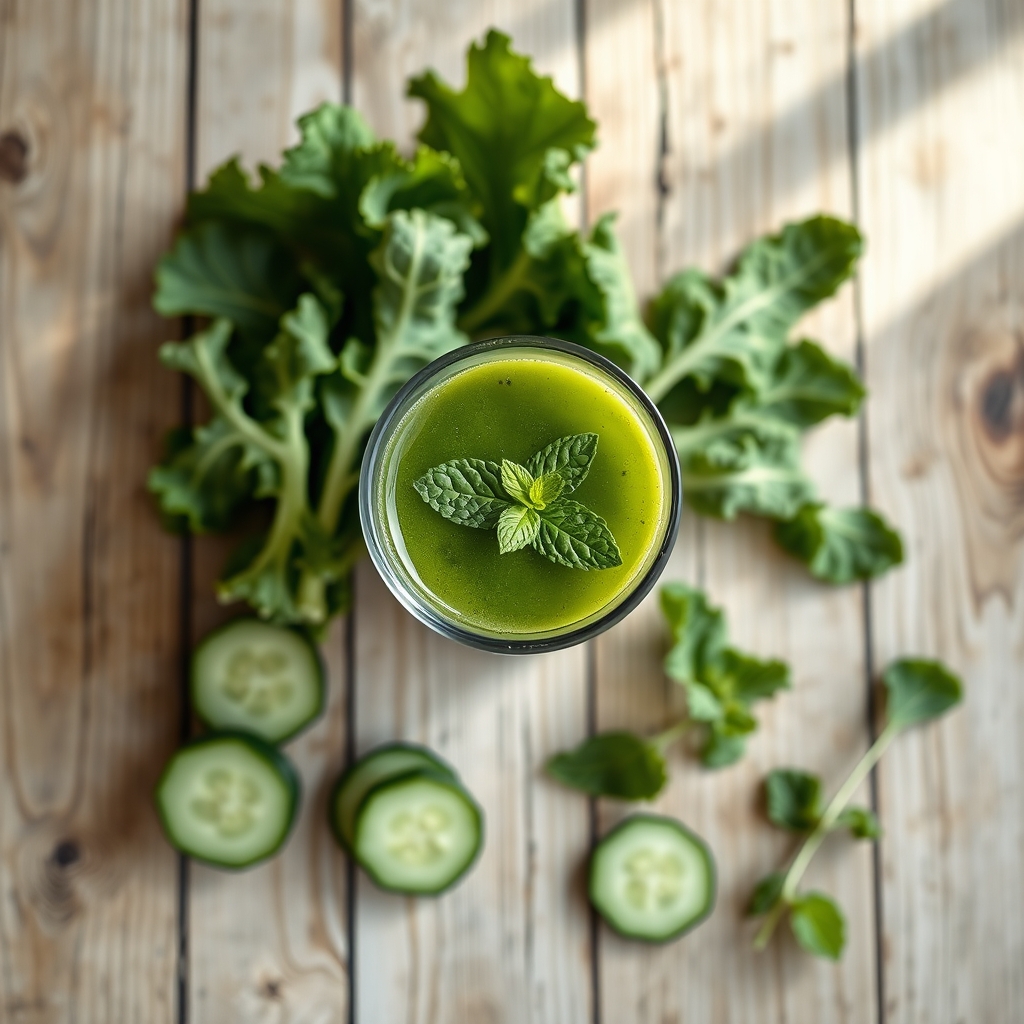
Opt for a small glass of pasteurized green juice alongside a protein‑rich snack for balanced nutrition.
What are the risks of juice cleansing during pregnancy?
Understanding the specific hazards helps you weigh your options. The primary concerns fall into four categories: nutrient deficiency, blood‑sugar instability, dehydration, and microbial contamination, all of which can have significant consequences during this vulnerable period.
Nutrient deficiency
A typical juice cleanse provides abundant vitamins like C and K but falls short on protein, essential fatty acids, iron, calcium, and vitamin D. For example, a 16‑ounce serving of carrot‑apple juice may deliver 150 % of the daily vitamin A recommendation, yet it supplies less than 5 % of the iron needed each day. Protein is the building block for your baby's growing cells and tissues, while iron is crucial for preventing maternal anemia and ensuring adequate oxygen supply to the fetus. Calcium and vitamin D are vital for developing strong bones and teeth.
Folate is especially critical in the first trimester to prevent neural‑tube defects. While leafy greens do contain folate, the amount extracted into juice is often insufficient, and the lack of accompanying protein and other B vitamins can impair folate metabolism. Relying solely on juice can lead to deficiencies in these critical nutrients, potentially impacting fetal development and your own health.
Blood‑sugar swings
Fruit juices are high in natural sugars. Consuming them on an empty stomach can cause a rapid rise in blood glucose, prompting a surge of insulin followed by a sudden dip. Pregnant people are already at increased risk for gestational diabetes; erratic glucose levels can exacerbate that risk and trigger symptoms like fatigue, headache, dizziness, or faintness. These fluctuations can also affect your mood and energy levels, making the common pregnancy fatigue even worse.
Dehydration and electrolyte loss
While juice contains water, it lacks the balanced ratio of sodium, potassium, and magnesium needed for proper fluid balance. A prolonged cleanse may lead to low blood pressure, muscle cramps, and exacerbate common pregnancy symptoms like constipation. In severe cases, significant dehydration can even contribute to reduced amniotic fluid levels or trigger pre‑term labor, making it a serious concern for both maternal and fetal well-being.
Microbial contamination
Unpasteurized juices can be a breeding ground for bacteria such as Listeria, Salmonella, and E. coli. The FDA’s Food Safety Modernization Act (FSMA) stipulates that pregnant individuals should avoid raw juices unless they are from a certified, pasteurized source. Outbreaks of listeriosis traced to fresh juices have been reported in the U.S. and Europe, reinforcing the need for caution. These infections can be particularly dangerous during pregnancy, potentially causing severe illness in the mother and leading to complications like miscarriage, stillbirth, or life-threatening infections in the newborn.
Collectively, these risks underscore why professional bodies such as ACOG, the NHS, and the WHO advise against juice‑only diets during pregnancy. The potential for harm far outweighs any unproven "detox" claims.
Understanding Your Body's Natural "Detox" System During Pregnancy
The concept of "detoxing" is often misunderstood, especially in the context of pregnancy. Your body is incredibly efficient at removing waste products and toxins on its own, without the need for restrictive cleanses or special diets. Several organs work continuously to keep you and your baby healthy.
Your **liver** is a powerhouse, filtering blood, breaking down harmful substances, and converting them into forms that can be safely excreted. Your **kidneys** play a crucial role in filtering waste from your blood and producing urine. The **gastrointestinal tract** (your gut) eliminates waste through bowel movements, and healthy gut bacteria are essential for this process. Even your **lungs** and **skin** contribute to waste removal. During pregnancy, the **placenta** adds an extra layer of protection, acting as a barrier to filter out many toxins and harmful substances before they reach your developing baby. These natural systems are highly effective and are designed to protect both you and your child.
Supporting these natural detoxification pathways is best achieved through a balanced, nutrient-rich diet, adequate hydration, and a healthy lifestyle—not by depriving your body of essential nutrients through a juice cleanse. When you eat a varied diet rich in whole foods, your body receives the vitamins, minerals, antioxidants, and amino acids it needs to keep these intricate systems running smoothly.
Are there any benefits to detoxing with juice during pregnancy?
Many “detox” programs claim that juice cleanses can boost energy, improve skin clarity, and rid the body of toxins. While juice does provide antioxidants like beta‑carotene and flavonoids, the evidence for a true detox effect is limited. The idea that you need to "flush out" toxins is largely a marketing myth, as your body's organs already perform this function continuously and effectively.
The liver, kidneys, and gastrointestinal tract already handle toxin elimination efficiently. During pregnancy, the placenta adds an extra barrier, filtering many substances before they reach the fetus. Research published by the Mayo Clinic indicates that “detox” diets do not enhance these natural processes and can, in fact, be detrimental by causing nutrient deficiencies. Any temporary feeling of "lightness" often comes from reduced calorie intake and fluid loss, not true detoxification.
That said, a modest amount of fresh, nutrient‑dense juice can be a pleasant way to increase fruit and vegetable intake, which is linked to lower rates of pre‑eclampsia and improved fetal weight. The key is moderation and pairing juice with protein, healthy fats, and whole grains. For example, a single 8‑ounce glass of orange‑carrot juice provides vitamin C, potassium, and beta‑carotene, all of which support immune function and skin health. But the benefit comes from the nutrients themselves, not from “flushing out toxins.” The goal should always be to supplement a balanced diet, not replace it.
What do doctors and obstetricians say about juice cleanses for pregnant women?
Across the United States, the United Kingdom, and Canada, obstetric societies converge on a similar message: restrictive diets, including juice cleanses, are not recommended during pregnancy due to the critical nutritional demands of this period.
ACOG (American College of Obstetricians and Gynecologists) recommends a varied diet that includes fruits, vegetables, whole grains, dairy, and protein sources; it does not endorse juice‑only regimens. They emphasize meeting specific caloric and micronutrient guidelines to support healthy fetal development and maternal well-being.
The National Health Service (NHS) in the UK advises pregnant people to avoid restrictive “detox” diets and to prioritize balanced meals that meet caloric and micronutrient needs. Their guidance focuses on promoting a diverse intake of all food groups.
The World Health Organization (WHO) stresses that pregnant women should not adopt fasting or extreme dietary restrictions, as they can jeopardize maternal and fetal health. They advocate for a balanced, nutrient-dense diet to ensure adequate growth and development for the baby.
Obstetricians often hear anecdotal reports of women feeling “lighter” or "cleaner" after a juice fast, but they warn that any perceived benefit is likely temporary and may be offset by significant nutrient gaps. When asked directly, most clinicians will say, “If you love juice, enjoy a small glass daily as part of a meal, but keep solid foods in your diet to ensure you’re getting all the necessary macronutrients and fiber.”
In practice, doctors may suggest a “juice boost” rather than a cleanse: adding a glass of fortified, pasteurized juice to a meal that already contains protein, healthy fats, and fiber. This approach allows you to enjoy the taste and nutrients of juice without compromising the comprehensive nutritional needs of pregnancy. Always communicate any significant dietary changes or concerns with your healthcare provider.
The Essential Role of Fiber in Pregnancy (and why juice lacks it)
One of the most significant drawbacks of juice cleanses during pregnancy is the almost complete removal of fiber. Fiber, found abundantly in whole fruits, vegetables, and grains, is a non-negotiable component of a healthy pregnancy diet, and its absence in juice can lead to several problems.
Fiber is crucial for maintaining healthy digestion, which is often a challenge during pregnancy due to hormonal changes and pressure from the growing uterus. It helps prevent and alleviate common issues like constipation and hemorrhoids. Beyond digestion, fiber plays a vital role in stabilizing blood sugar levels. By slowing down the absorption of sugars into the bloodstream, fiber helps prevent the rapid spikes and crashes that can occur with juice-only diets, which is particularly important for managing gestational diabetes risk.
Furthermore, fiber contributes to satiety, helping you feel full and satisfied, which is essential when your body needs consistent nourishment. Whole fruits and vegetables provide a complex matrix of nutrients, including fiber, that work synergistically to support your health. Juicing removes much of this beneficial fiber, leaving behind concentrated sugars and a less complete nutritional profile. Opting for whole fruits and vegetables over their juiced counterparts ensures you receive all the benefits of fiber, along with a more balanced and sustained energy release.
Are there safe alternatives to juice cleanses for prenatal nutrition?
If you’re looking for ways to feel refreshed and support your body’s natural detox pathways, consider these evidence‑based options that prioritize balanced nutrition and safety during pregnancy.
Alternative
Key Benefits
How it Helps During Pregnancy
Hydrating fruit‑infused water
Provides hydration, mild flavor, some vitamins
Supports kidney function without excess sugar; can help with nausea.
Natural remedy for morning sickness without stimulant effects or sugar spikes.
Bone broth (low sodium)
Rich in amino acids, collagen, minerals
Supports gut health, provides easily digestible protein and electrolytes.
Prenatal vitamins (as prescribed)
Ensures baseline nutrient needs are met
Fills potential nutritional gaps, especially for folate, iron, and vitamin D.
These alternatives keep you hydrated, provide essential fiber, and ensure you receive the full spectrum of vitamins, minerals, and macronutrients your body needs. They also avoid the pitfalls of an all‑juice diet while still offering refreshing flavors and contributing to your overall well-being. Focus on incorporating a variety of these options into your daily routine to support a healthy pregnancy.
Can specific juice ingredients be harmful during pregnancy?
Not every fruit or vegetable is equally safe when juiced, and some common ingredients in "detox" blends can pose risks during pregnancy. It's crucial to be aware of potential interactions or adverse effects.
Unpasteurized apple or orange juice – May contain harmful bacteria like E. coli or Listeria, which can cause severe illness in pregnant women and their babies. Always choose pasteurized versions to eliminate this risk.
Grapefruit juice – Interacts with certain medications (e.g., some antihypertensives, antihistamines, and cholesterol-lowering drugs) by affecting liver enzymes. This can increase drug levels in your bloodstream, leading to enhanced side effects. Always check with your provider if you are taking any medications.
Large amounts of carrot juice – While carrots are healthy, excessive consumption of carrot juice can lead to a harmless orange tint to the skin (carotenemia) due to high beta‑carotene. More importantly, it can provide an overwhelming dose of vitamin A in its preformed state (retinol) if other sources are also high, which in very large amounts can be teratogenic. Stick to moderate portions.
Beetroot juice – Can lower blood pressure; if you’re already on antihypertensive medications for conditions like gestational hypertension, discuss with your doctor to avoid potentially dangerous drops in blood pressure.
Raw kale or spinach juice – Contains oxalates that may increase kidney‑stone risk in susceptible individuals. While generally safe in moderation, large, concentrated amounts in juice form without balancing other nutrients could be a concern.
Herbal "detox" additives – Many pre-made juice cleanses or recipes include herbs like dandelion, milk thistle, or senna. The safety of many herbal supplements during pregnancy is not well-researched, and some can have laxative effects, interact with medications, or even stimulate uterine contractions. Always avoid unverified herbal ingredients.
In general, stick to pasteurized, low‑sugar juices** from commonly consumed fruits and vegetables, and limit the serving size to 8‑12 oz per day. Pair the juice with a protein source (e.g., Greek yogurt, nut butter) or healthy fat to mitigate blood‑sugar spikes and ensure a more balanced nutrient intake. When in doubt about an ingredient, consult your healthcare provider.
What if I did a juice cleanse before I knew I was pregnant?
It's a common scenario: many people discover they were pregnant after a short fast or cleanse, especially in the early weeks when symptoms might not yet be obvious. If you’ve recently completed a juice cleanse and just found out you’re expecting, take a breath and don't panic. Most short-term cleanses (under 48 hours) are unlikely to cause lasting harm, but the best course of action is to transition back to a balanced, nutrient-dense diet as soon as possible.
First, re‑introduce solid foods gradually—start with easy‑to‑digest options like cooked oatmeal, toast, ripe bananas, or plain yogurt. This gentle re-entry helps your digestive system readjust and reduces the risk of digestive upset. Avoid jumping straight back into heavy, rich foods. Focus on small, frequent meals to keep your blood sugar stable.
Second, monitor your energy levels and any symptoms such as persistent dizziness, rapid heartbeat, excessive thirst, or unusual fatigue. If any of these arise, contact your obstetrician promptly. Your provider may recommend blood work to verify iron, glucose, and electrolyte levels, especially if the cleanse was prolonged or you experienced significant symptoms. Be sure to start taking a high-quality prenatal vitamin as soon as you confirm your pregnancy, as recommended by ACOG, to help replenish any potential nutrient gaps.
Finally, use the experience as a learning moment. Share details of the cleanse with your healthcare provider, including its duration and ingredients. Ask your provider about prenatal nutrition guidelines and consider meeting with a registered dietitian who specializes in pregnancy. They can help you craft a meal plan that satisfies cravings while meeting all nutrient requirements, ensuring both you and your baby thrive throughout your pregnancy.
Managing Common Pregnancy Discomforts Safely
Often, the desire for a "detox" or cleanse stems from common pregnancy discomforts like fatigue, nausea, bloating, or feeling generally sluggish. It's important to address these symptoms with safe, evidence-based strategies rather than restrictive diets that could do more harm than good.
For **nausea and morning sickness**, try eating small, frequent meals throughout the day, avoiding an empty stomach. Bland foods like toast, crackers, and ginger ale can help, as can ginger tea or lozenges. Staying hydrated with water and electrolyte-rich fluids is also key. For **fatigue**, prioritize rest, short naps, and gentle exercise. Ensure your iron levels are good, as anemia is a common cause of fatigue in pregnancy. **Bloating and constipation** can often be managed with increased fiber intake from whole foods (fruits, vegetables, whole grains) and plenty of water. Regular, gentle physical activity also aids digestion. If you're feeling generally sluggish, focus on a balanced diet that provides consistent energy from complex carbohydrates, lean proteins, and healthy fats, rather than sugar-spiking juices.
Always discuss persistent or severe pregnancy discomforts with your healthcare provider. They can offer personalized advice, recommend safe remedies, or investigate underlying causes. Remember, feeling tired or nauseous is a normal part of pregnancy for many, but there are safe ways to alleviate these symptoms without resorting to risky cleanses.
How to safely support your body's natural detoxification during pregnancy?
Detoxification is a natural, continuous process carried out by the liver, kidneys, lungs, skin, and gastrointestinal tract. You don’t need a special cleanse—just support these systems with healthy habits that are safe and beneficial for pregnancy.
Stay well‑hydrated
Aim for at least 8‑10 cups (around 2-2.5 liters) of water daily. Hydration is crucial for kidney function, helps your body process nutrients, and aids in eliminating waste. Adding a splash of lemon, cucumber, or a few berries to your water can make it more appealing, especially if you're struggling with nausea or plain water aversion.
Eat a rainbow of whole foods
Colorful fruits and vegetables provide a wide array of antioxidants (like vitamins C and E) that aid liver function and protect cells from damage. Include cruciferous veggies like broccoli, cauliflower, and Brussels sprouts, which contain glucosinolates that support the liver’s detox enzymes. A diverse intake ensures you get a broad spectrum of phytonutrients.
Include fiber
Fiber binds waste products and helps the gut eliminate them efficiently, preventing constipation and ensuring regular bowel movements. Good sources are whole grains (oats, brown rice, whole-wheat bread), beans, lentils, and fresh fruit with skin (apples, pears). Both soluble and insoluble fiber are important for gut health and blood sugar regulation.
Choose lean protein
Protein supplies the essential amino acids needed for the liver’s detox enzymes (Phase I and Phase II detoxification pathways). Aim for a portion of poultry, fish (low‑mercury options like salmon, cod, or light tuna), tofu, eggs, or legumes at each meal. Adequate protein also supports your baby’s growth and development.
Mindful caffeine
Moderate caffeine (no more than 200 mg per day, per ACOG) is considered safe, but excessive caffeine can stress the adrenal system and potentially impact sleep quality. If you love a morning coffee, keep it within the recommended limit and pair it with a protein‑rich snack to slow caffeine absorption and prevent jitters. Consider herbal teas or decaf options as alternatives.
Gentle movement
Walking, prenatal yoga, swimming, or other approved exercises improve circulation, which helps the kidneys filter waste more effectively and supports lymphatic drainage. Physical activity also boosts energy levels, reduces stress, and can alleviate common pregnancy discomforts like swelling and constipation.
By integrating these habits, you foster your body’s intrinsic detox pathways without the risks associated with juice‑only fasting. These are sustainable, safe, and genuinely supportive practices for a healthy pregnancy.
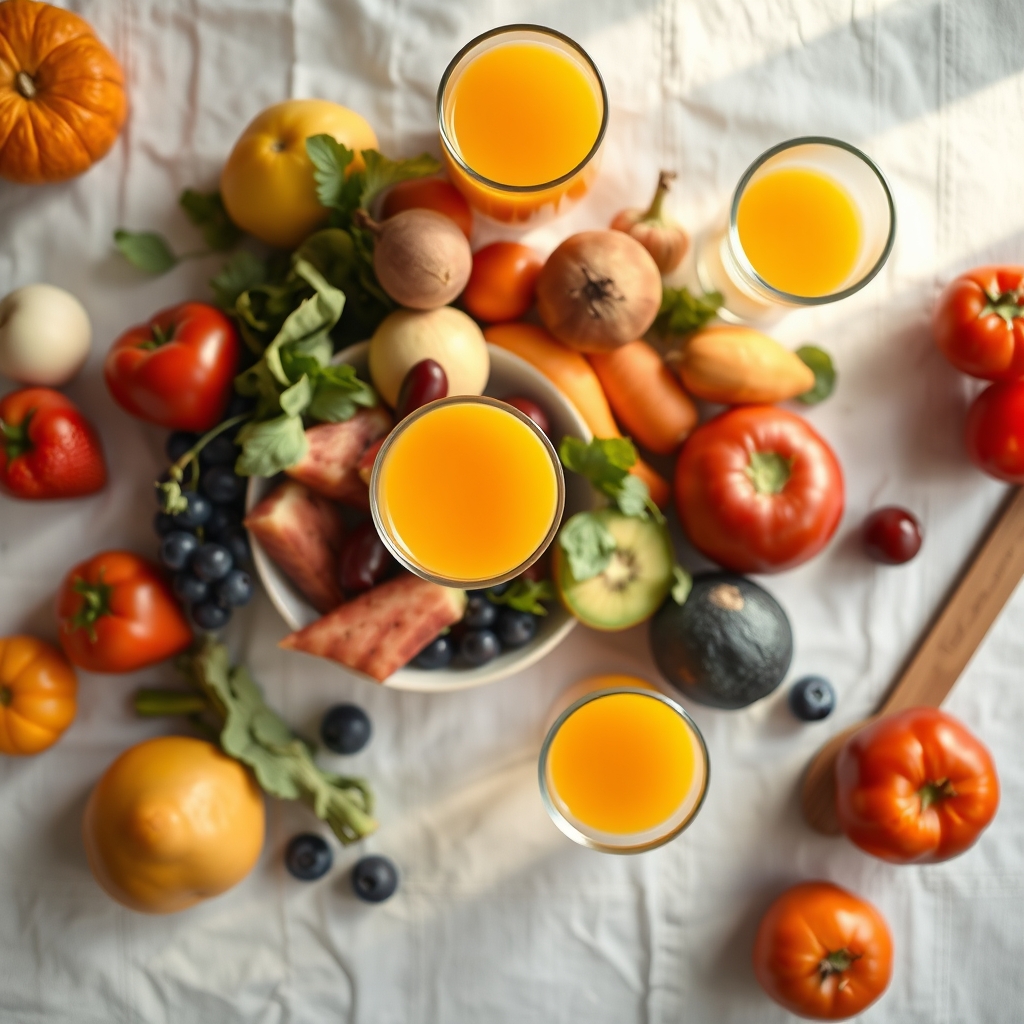
Combine a small glass of juice with a protein‑rich snack for a balanced, pregnancy‑safe boost.
From our medical team: A juice cleanse can leave you missing critical nutrients like iron, calcium, and protein that are essential for fetal development. If you crave juice, choose a small glass of pasteurized, low‑sugar juice alongside a balanced meal, and always discuss any major dietary changes with your obstetrician. Your body's natural detoxification systems are highly effective when supported by a balanced diet.
Myth vs. fact
Myth: Juice cleanses “detox” the body of harmful chemicals.
Fact: Your liver, kidneys, and placenta already filter toxins efficiently; a juice cleanse does not enhance this process and can actually hinder your body's natural functions by causing nutrient deficiencies.
Myth: Fresh fruit juice provides all the vitamins you need during pregnancy.
Fact: While juice is rich in vitamin C, it lacks crucial protein, iron, calcium, and essential fatty acids needed for fetal growth and maternal health.
Myth: Drinking large amounts of green juice will prevent gestational diabetes.
Fact: High‑sugar fruit juices can actually raise blood‑glucose levels; balanced meals with fiber, lean protein, and complex carbohydrates are far more effective for glucose control and preventing gestational diabetes.
Myth: A juice cleanse will give me more energy during pregnancy.
Fact: While you might feel a temporary "boost" from sugar, juice cleanses often lead to fatigue, dizziness, and headaches due to calorie and nutrient deprivation, along with unstable blood sugar levels.
Key takeaways
Full‑day or multi‑day juice cleanses are not recommended during pregnancy due to significant health risks.
Prioritize a balanced diet with protein, whole grains, dairy, and a variety of fruits and vegetables to support your natural detoxification systems.
If you enjoy juice, limit servings to 8‑12 oz of pasteurized juice per day and pair it with protein or healthy fat to stabilize blood sugar.
Stay hydrated with water, herbal teas, or fruit‑infused water rather than relying on juice alone.
Watch out for unpasteurized juices, high-sugar content, and specific ingredients (like grapefruit or unknown herbs) that may be harmful or interact with medications.
Address pregnancy discomforts like fatigue or nausea with safe, evidence-based strategies, not restrictive cleanses.
Always discuss major dietary changes or concerns with your obstetrician or a registered dietitian specializing in pregnancy.
Frequently asked questions
Is it safe to drink fresh juice every day during pregnancy?
Fresh, pasteurized juice can be part of a healthy diet, but limit intake to one small glass (8‑12 oz) per day and pair it with protein or whole‑grain foods to avoid blood‑sugar spikes and ensure you're getting fiber from other sources.
What should pregnant women avoid for detox?
Avoid restrictive “detox” diets, unpasteurized juices, excessive caffeine, and any fast that eliminates an entire food group; focus instead on balanced meals rich in fiber and nutrients to support your body's natural cleansing processes.
Can I do a detox while trying to conceive?
Before pregnancy, short‑term detoxes are less risky, but it’s still best to maintain adequate calorie and nutrient intake to support fertility and prepare your body for pregnancy; discuss any plans with a healthcare provider to ensure you’re not compromising your health.
What are the risks of a juice fast?
Risks include nutrient deficiencies (especially iron, protein, calcium), blood‑sugar instability, dehydration, and exposure to harmful bacteria if the juice isn’t pasteurized, all of which are amplified during pregnancy.
How do I naturally detox my body while pregnant?
Support your liver and kidneys by staying well-hydrated, eating a rainbow of whole foods, getting enough fiber, choosing lean protein, and engaging in gentle exercise like prenatal yoga or walking.
What foods should pregnant women avoid for cleansing?
Steer clear of raw or unpasteurized juices, large amounts of high‑sugar fruit drinks, excessive caffeine, and any diet that eliminates protein, dairy, or whole grains, as these are essential food groups for pregnancy.
Can I do a partial juice cleanse during pregnancy, like one meal a day?
Even a partial juice cleanse is not recommended. While replacing one meal with juice might seem less restrictive, it still carries the risk of nutrient imbalance and blood-sugar fluctuations. It's better to incorporate whole fruits and vegetables into balanced meals rather than relying on juice to replace solid food.
What about store-bought "detox" drinks or pre-made juice cleanse kits?
Store-bought "detox" drinks and cleanse kits are generally not safe or advisable during pregnancy. They often contain unverified herbal ingredients, high sugar content, and are designed for a restrictive diet that is inappropriate for expectant mothers. Always prioritize fresh, pasteurized ingredients and consult your doctor before consuming any packaged "detox" products.
When to call your doctor
If you experience any of the following while attempting a juice cleanse or after returning to a regular diet, contact your obstetrician or midwife immediately: persistent dizziness, fainting, rapid heart rate, severe nausea or vomiting, signs of dehydration (dry mouth, dark urine, decreased urination), severe muscle cramps, or any unusual fetal movements.
Remember, this article provides general information and is not a substitute for personalized medical advice. Always consult your healthcare provider before making significant changes to your diet during pregnancy.
References
American College of Obstetricians and Gynecologists (ACOG). “Nutrition During Pregnancy.” 2023 clinical guidance.
National Institute for Health and Care Excellence (NICE). “Antenatal care: routine care.” Updated 2022.
Centers for Disease Control and Prevention (CDC). “Food Safety for Pregnant Women.” 2023.
World Health Organization (WHO). “Guidelines on Food Safety for Pregnant Women.” 2022.
Mayo Clinic. “Detox diets: Do they work?” 2021.
Food and Drug Administration (FDA). “Food Safety: Unpasteurized Juice.” 2022.
National Health Service (NHS). “Healthy eating during pregnancy.” 2023.
Harvard T.H. Chan School of Public Health. “Pregnancy Nutrition.” 2022.
American Academy of Pediatrics (AAP). “Clinical Report: Dietary Fat and Cholesterol in Children and Adolescents.” 2023.
Not sure about the label on Juice Cleanse During Pregnancy products?
Snap the ingredients list and SafeFilter checks every ingredient for your stage — only 3 free scans this month, then you're locked until reset. Unlimited from $7/mo or $50/yr.
When Shubhra Mishra was expecting her first child in 2016, she was overwhelmed by conflicting food advice — one site said yes, another said never. By the time her second baby arrived in 2019, she realized millions of mothers face the same confusion.
That sparked a five-year journey through clinical nutrition papers, cultural diets, and expert conversations — all leading to BumpBites: a calm, compassionate space where science meets everyday motherhood.
Her long-term vision is to build a global community ensuring safe, supported, and free deliveriesfor every mother — because no woman should face pregnancy alone or uninformed. 🌿
🌍 Stand with mothers, shape safer guidance
Join a small circle of experts who review BumpBites articles so expecting parents everywhere can decide with confidence.