

Quick take: Your Italian diet grocery list should focus on fresh, seasonal ingredients, high-quality olive oil, and simple pantry staples—think garlic, tomatoes, olive oil, and whole grains. Skip processed meats and heavy sauces, and prioritize local, organic produce when possible. For budget-friendly shopping, buy in bulk, choose seasonal fruits and vegetables, and opt for store-brand pasta and olive oil. This approach keeps meals flavorful, balanced, and cost-effective. Pro tip: Start with 10 core ingredients—EVOO, garlic, tomatoes, pasta, rice, beans, herbs, cheese, cured meats, and wine—and build from there.
You’re staring at the grocery store shelves, overwhelmed by the Italian diet hype—and wondering where to even start.
You’ve heard it’s all about fresh, simple ingredients, but between the aisles of imported cheeses, pre-packaged pasta, and jars of pesto, it’s easy to feel lost. Maybe you’re trying to lose weight, cut back on gluten, or just eat healthier—whatever your goal, an authentic Italian diet shouldn’t feel like a gourmet experiment. It should feel like vita semplice: simple life.
This is the grocery list you’ve been searching for. We’ve broken down the essentials—from pantry staples to seasonal produce—so you can stock your kitchen with confidence. No fancy substitutions, no overpriced specialty items (unless you want them). Just the real deal: the ingredients that make Italian cuisine so beloved around the world.
Let’s get started. First, ask yourself: What’s your biggest challenge right now? Budget? Time? Dietary restrictions? We’ll tailor this list to your needs.
---Essential pantry staples for an authentic Italian diet
Here’s what you need to start, organized by category for easy shopping:
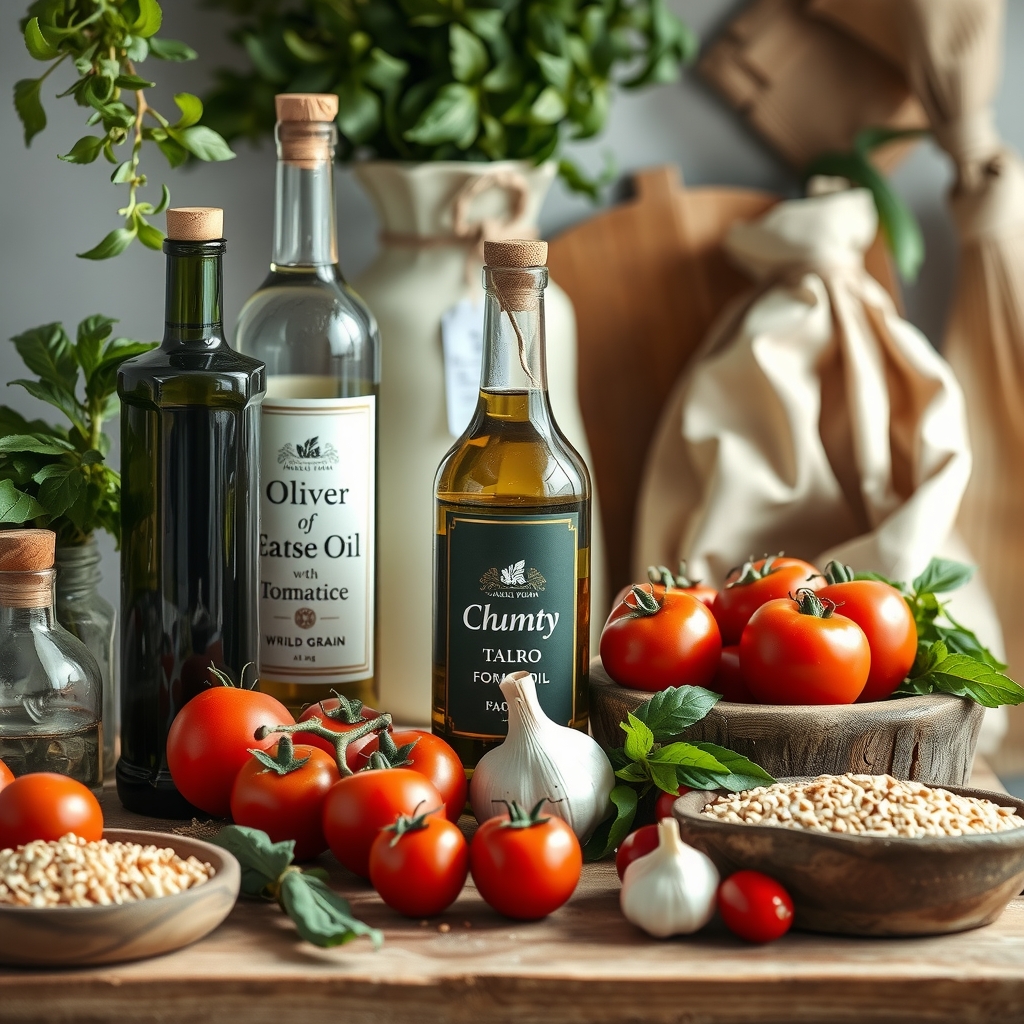
- Extra-virgin olive oil (EVOO) – The heart of Italian cooking. Look for a dark green bottle with a fruity, peppery aroma (and a price tag that reflects quality). A good EVOO costs $15–$25 for a 16-ounce bottle, but it lasts months. Pro tip: If you can’t afford the premium brands, even mid-range EVOO works—just avoid "light" olive oil, which is refined and lacks flavor.
- Arborio or Carnaroli rice – The secret to creamy risotto. These short-grain rices absorb liquid slowly, creating that perfect al dente texture. You’ll also want bombas (a small, round pasta) for seafood dishes.
- Pasta – Opt for whole wheat or semolina pasta (like pasta di grano duro) for authenticity. Avoid pre-packaged sauces—Italian meals shine when you make the sauce from scratch. Budget hack: Store-brand pasta is just as good as name brands.
- Garlic and onions – The flavor foundation. Buy whole bulbs and store them in a cool, dark place. Fresh is always best, but if you’re short on time, frozen works in a pinch. Did you know? Italians use fino (a type of onion) for many dishes—look for it in specialty stores.
- Tomatoes – San Marzano tomatoes (canned or fresh) are non-negotiable for sauces. For fresh, look for pomodori ciliegini (cherry tomatoes) or beefsteak tomatoes. Seasonal tip: Summer tomatoes are sweeter and juicier—plan your sauces around them.
- Dried beans – Cannellini, white beans, and lentils are staples for soups, stews, and salads. Soak them overnight for faster cooking. Sustainability note: Buying dried beans reduces packaging waste compared to canned options.
- Balsamic vinegar – A few drops elevate salads, marinades, and even desserts. Choose aged balsamic for depth of flavor. Storage tip: Keep it in a cool, dark place—heat and light degrade its quality.
- Herbs – Fresh basil, parsley, rosemary, and oregano are essential. If you can’t find fresh, dried herbs work in a pinch (but use half the amount). Growing tip: Basil and parsley grow easily in windowsills—save money and ensure freshness.
- Red wine vinegar – A pantry staple for dressings and marinades.
- Nuts and seeds – Pine nuts, almonds, and walnuts add crunch to salads, pasta, and desserts. Toast them lightly for extra flavor. Budget tip: Buy nuts in bulk and store them in airtight containers.
- Parmesan and Pecorino Romano – Grate these hard cheeses over pasta, soups, or salads. Skip the pre-shredded stuff—it’s often mixed with anti-caking agents. Cheese fact: Parmigiano Reggiano is aged for at least 12 months—older cheese has a nuttier flavor.
- Anchovies – A small tin of these salty fish adds umami to sauces and bruschetta. If you’re skeptical, start with a tiny amount—it’s an acquired taste. Alternative: If anchovies aren’t your thing, try capers or a splash of soy sauce for umami.
- Capers – A briny, tangy condiment that brightens up dishes like eggplant parmigiana or fried fish.
Pro tip: If you’re short on time, stock up on these pantry staples from the AIP elimination diet—many overlap with Italian basics like olive oil, garlic, and fresh herbs. For example, coconut aminos can replace soy sauce in some dishes, and almond flour works in gluten-free pasta recipes.
---Fresh produce selection for seasonal Italian meals
Italian cuisine is deeply rooted in seasonal eating. In summer, you’ll find zucchini, eggplant, and tomatoes everywhere. In winter, hearty root vegetables like carrots, fennel, and celery take center stage. Buying seasonal produce is cheaper, fresher, and more flavorful—plus, it’s better for the environment. Think of it as eating with the rhythm of nature.
Here’s what to prioritize by season, along with how Italians actually use these ingredients:
| Season | Key Produce | How to Use It | Regional Italian Dish |
|---|---|---|---|
| Spring | Asparagus, artichokes, spinach, arugula, peas, radishes | Sauté asparagus with garlic and olive oil; make frisée alla romana (Roman-style spinach salad) with shaved Parmesan. | Carciofi alla Romana (Roman-style artichokes) |
| Summer | Tomatoes, zucchini, eggplant, basil, bell peppers, cucumbers | Grilled zucchini with cherry tomatoes and mozzarella; caprese salad with fresh basil. | Caponata (Sicilian eggplant stew) |
| Fall | Pumpkin, butternut squash, fennel, mushrooms, kale, apples | Roasted butternut squash risotto; mushroom ragù for pasta. | Zucca e ricotta (Pumpkin and ricotta pie) |
| Winter | Carrots, fennel, celery, leeks, cabbage, potatoes, citrus | Creamy fennel and carrot soup; roasted potatoes with rosemary. | Ribollita (Tuscan bread and vegetable soup) |
When shopping, look for:
- Firm, unblemished produce – A little softness is okay for tomatoes and peppers, but avoid anything mushy.
- Fresh herbs – Basil and parsley should be vibrant green. If they’re wilting, they’ve been sitting too long.
- Local markets – Farmers’ markets often have fresher, more affordable produce than supermarkets.
- Organic when possible – For produce with thin skins (like tomatoes and zucchini), organic is worth it to reduce pesticide exposure.
- Storage tricks – Keep tomatoes at room temperature until ripe, then refrigerate. Store basil in a glass of water like a bouquet to extend its life.
If you’re following a flexitarian diet, you’ll find plenty of overlap here—just swap in more plant-based proteins like lentils and chickpeas. For example, minestrone soup traditionally includes beans and pasta, but a flexitarian version can highlight white beans and vegetable broth.
---Choosing the best Italian cheeses and cured meats
Italian cheese and cured meats are legendary, but not all options are created equal. The key is to prioritize quality over convenience. Here’s how to pick the best, including what to avoid and how to use them like a true Italian:
Cheeses
- Parmesan (Parmigiano Reggiano) – The gold standard. Look for the DOP (Protected Designation of Origin) label. It’s expensive, but a little goes a long way. Store it in the fridge and grate it fresh. Fun fact: Italians call it parmigiano—the full name is rarely used outside Italy.
- Pecorino Romano – A salty, sharp cheese with a nutty flavor. Perfect for grating over pasta or mixing into sauces. Pairing tip: Use it in place of Parmesan in carbonara for a sharper, saltier kick.
- Mozzarella di Bufala – Made from buffalo milk, this is the creamier, richer cousin of regular mozzarella. It melts beautifully for caprese salads and pizza. Seasonal note: It’s most abundant in summer, when buffalo milk is freshest.
- Gorgonzola – A creamy blue cheese with a tangy kick. Use sparingly in salads or pasta dishes. Cheese hack: Mix it with ricotta for a creamy spread on crusty bread.
- Ricotta – Light and slightly sweet. Great for stuffing into shells or mixing into desserts. Hidden gem: Use it in place of cream cheese in frittata for a lighter texture.
- Provolone – A mild, slightly sweet cheese that’s great for sandwiches or melting. Regional tip: Try provolone dolce (sweet provolone) for a milder flavor.
Cured Meats
Italian cured meats are all about simplicity and quality. Stick to these:
- Prosciutto di Parma – Thinly sliced, sweet, and delicate. The DOP label ensures authenticity. Serving tip: Serve at room temperature with a drizzle of balsamic glaze.
- Salame Milano – A mild, slightly sweet salami. Great for antipasto platters. Storage tip: Wrap it tightly in plastic wrap to keep it fresh longer.
- Coppa – A cured shoulder meat, often served with figs or honey. Pairing idea: Spread it on fresh bread with a drizzle of olive oil.
- Speck – A dry-cured ham from South Tyrol, with a smoky flavor. Perfect for breakfast or antipasto. Cooking trick: Use it in place of bacon in frittata for a smoky depth.
- Avoid pre-packaged "Italian-style" meats – These often contain preservatives and additives that aren’t traditional. What to look for: Look for DOP or IGP labels, which guarantee traditional production methods.
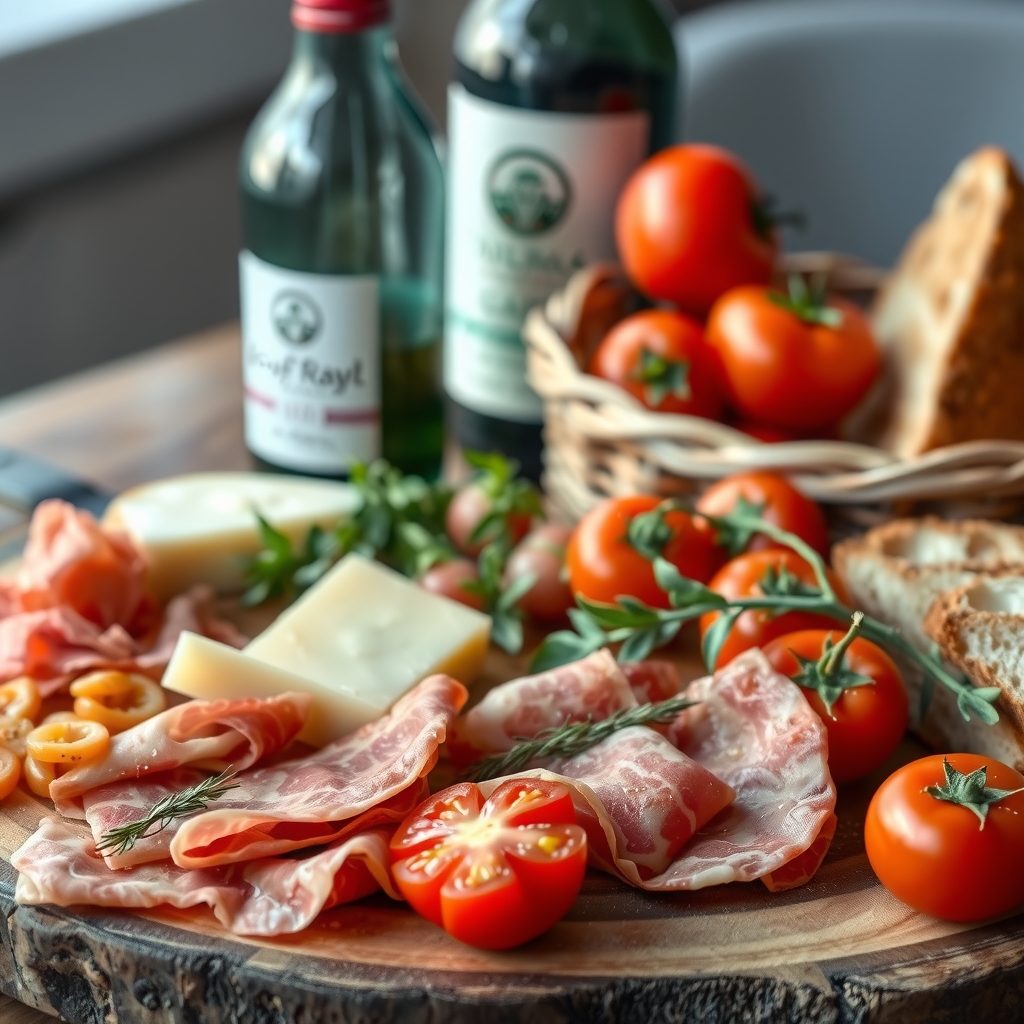
If you’re following a dairy-free diet, swap cheeses for nutritional yeast or vegan Parmesan alternatives. For cured meats, opt for turkey or plant-based options like Beyond Meat’s salami. Dairy-free hack: Use cashew cream as a substitute for ricotta in stuffed pasta dishes.
---Healthy olive oil and pasta options for an Italian diet
Olive oil and pasta are non-negotiable in Italian cooking—but not all options are equal. Here’s how to choose the best, including how to use them like a true Italian chef:
Olive Oil
- Extra-virgin olive oil (EVOO) – The gold standard for Italian cooking. It’s cold-pressed, unrefined, and packed with antioxidants. Look for a dark green bottle with a fruity aroma and a peppery finish. Tasting tip: Swirl the oil in your mouth—if it lingers with a fresh, grassy taste, it’s high quality.
- Avoid "light" or "pure" olive oil – These are refined and lack the flavor and health benefits of EVOO. What to use instead: For high-heat cooking, use a blend of EVOO and refined olive oil.
- Storage tips – Keep your EVOO in a cool, dark place (like a pantry) to preserve freshness. Once opened, it lasts about 6 months. Pro tip: Store it in a dark glass bottle to protect it from light.
- Brands to try – Frantoio, Lucini, and Bertolli (for a more affordable option). Budget tip: Buy in bulk and freeze small portions to extend freshness.
- How to use it – Drizzle EVOO over finished dishes (not during cooking) to preserve its delicate flavors. Use it for dressings, marinades, and finishing sauces. Italian trick: Italians often drizzle EVOO over pasta after cooking to avoid burning the oil.
Pasta
Italian pasta is all about quality. Here’s what to look for, including how to cook it like a nonna:
- Semolina (pasta di grano duro) – The traditional choice. It’s made from durum wheat and has a firm texture that holds up to sauces. Cooking secret: Add salt to the pasta water (like sea water) and cook it al dente—it should have a slight bite.
- Whole wheat (pasta integrale) – A healthier option, but choose a brand with at least 100% whole wheat for better nutrition. Nutrition note: Whole wheat pasta is higher in fiber and protein.
- Avoid pre-packaged sauces – Italian meals are all about fresh ingredients. Make your own sauce with tomatoes, garlic, and herbs. Sauce hack: Simmer garlic in olive oil until golden for a flavorful base.
- Shape matters – Spaghetti for simple sauces, penne for baked dishes, and farfalle for light, fresh sauces. Shape guide:
- Long pasta (spaghetti, linguine) – For light sauces like pesto or aglio e olio.
- Short pasta (penne, fusilli) – For hearty sauces like ragù or baked dishes.
- Stuffed pasta (ravioli, tortellini) – For rich fillings like meat or cheese.
For a keto-friendly Italian diet, swap regular pasta for zucchini noodles or shirataki noodles. And if you’re gluten-free, look for certified gluten-free pasta made from chickpea or rice flour. Gluten-free tip: Try pasta di ceci (chickpea pasta) for a protein-rich alternative.
---Budget-friendly Italian grocery shopping tips
An Italian diet doesn’t have to break the bank. With a few smart strategies, you can enjoy authentic flavors without overspending. Here’s how to save, including real-life budget hacks from Italian families:
Save on Pantry Staples
- Buy olive oil in bulk or in larger bottles—it’s cheaper per ounce. Italian trick: Many families buy a 5-liter jug and store it in the pantry.
- Choose store-brand pasta and rice—they’re just as good as name brands. Quality check: Look for semolina pasta with a high protein content (at least 11%).
- Buy dried beans in bulk and soak them overnight to save time and money. Soaking tip: Add a pinch of baking soda to soften them faster.
- Frozen herbs (like basil) are a great budget-friendly alternative to fresh. Usage tip: Add frozen basil to tomato sauce at the end of cooking to preserve its flavor.
- Make your own breadcrumbs – Toast whole wheat bread, blend it, and use it for coating or thickening sauces. Cost savings: This costs pennies per batch.
Save on Produce
- Shop seasonal—produce is cheaper and more flavorful when it’s in season. Seasonal guide:
- Spring: Asparagus, peas, spinach
- Summer: Tomatoes, zucchini, eggplant
- Fall: Pumpkin, fennel, mushrooms
- Winter: Carrots, leeks, citrus
- Buy whole vegetables and chop them yourself—pre-cut veggies cost more. Prep tip: Wash and chop veggies in bulk and store them in airtight containers.
- Frozen vegetables are just as nutritious as fresh and often cheaper. Freezing trick: Freeze herbs in olive oil for a flavorful base in sauces.
- Look for sales on herbs and use them up quickly in cooking. Herb hack: Freeze fresh basil in ice cube trays with olive oil for later use.
Save on Cheese and Meats
- Buy cheese in blocks and grate it yourself—pre-shredded cheese has anti-caking agents. Grating tip: Use a microplane for ultra-fine grated cheese.
- Opt for store-brand cured meats—they’re often just as good as name brands. Quality check: Look for meats with a high fat content (at least 20%).
- Avoid pre-packaged meals or sauces—they’re more expensive and less healthy. Homemade hack: Make your own marinara sauce with canned tomatoes, garlic, and herbs.
- Buy meat in bulk and freeze – Many Italian families buy pork shoulder or chicken in bulk and freeze it in portions. Cooking tip: Slow-cook frozen meat for stews or ragù.
Meal Planning
Plan your meals for the week to avoid waste and impulse buys. Here’s a simple approach:
- Pick 3–4 staple meals (e.g., pasta with tomato sauce, risotto, soup). Meal prep tip: Cook grains and beans in advance for quick assembly.
- Buy ingredients for those meals only—no extra snacks or treats. Shopping list trick: Make a list based on your meal plan and stick to it.
- Use leftovers creatively—turn extra risotto into frittata or soup. Leftovers ideas:
- Cooked pasta → Pasta salad or stuffed shells
- Risotto → Frittata or risotto balls
- Meat ragù → Meatballs or stuffed peppers
- Cook in batches—make a big pot of soup or a tray of baked vegetables for the week. Batch cooking tip: Italians often make minestrone on Sundays for the week.
For a Blue Zones-inspired Italian diet, focus on plant-based meals with minimal processed foods. This approach keeps costs low while maximizing nutrition. Blue Zones tip: In Sardinia, the Mediterranean diet is centered around beans, vegetables, and olive oil—all budget-friendly staples.
---Organic and sustainable Italian food choices
If you’re committed to organic or sustainable eating, Italian cuisine offers plenty of options. Here’s how to make the most of it, including where to find sustainable Italian products:
Organic Produce
- Prioritize organic for the Dirty Dozen—produce with the highest pesticide residues, like tomatoes, peppers, and leafy greens. Dirty Dozen list: Strawberries, spinach, kale, nectarines, apples, grapes, peaches, pears, cherries, tomatoes, celery, potatoes.
- Look for the Bio or DOP labels on cheeses and cured meats—they indicate organic or traditional production methods. Label guide:
- DOP (Protected Designation of Origin) – Guarantees traditional production methods.
- IGP (Protected Geographical Indication) – Indicates the product is from a specific region.
- Bio – Indicates organic production.
- Buy organic olive oil—it’s more expensive, but the extra cost is worth it for the health benefits. Organic tip: Look for Bio or Cold Pressed labels.
- Support small-scale farmers – Many Italian farmers sell organic produce at farmers’ markets. Market tip: Ask about their farming practices—many use sustainable methods.
Sustainable Choices
- Choose local, seasonal produce—it supports local farmers and reduces your carbon footprint. Local tip: Visit a farmers’ market and ask where the produce is grown.
- Buy whole grains and legumes in bulk—they’re more sustainable than processed foods. Bulk tip: Store them in airtight containers to prevent spoilage.
- Avoid single-use packaging—bring your own containers to markets and refill reusable bottles with olive oil. Zero-waste tip: Use beeswax wraps instead of plastic wrap for leftovers.
- Support small-scale producers—farmers’ markets often have fresher, more sustainable options. Producer tip: Look for agriturismo (farm stays) that sell their own produce.
- Reduce food waste – Italians have a saying: "Mangia tutto, ma non tutto insieme" (Eat everything, but not all at once). Use leftovers creatively or compost them. Composting tip: Start with a small bin for vegetable scraps and coffee grounds.
If you’re following a flexitarian diet, you’ll find that many Italian staples—like beans, lentils, and whole grains—are naturally sustainable and budget-friendly. Flexitarian tip: Swap meat for beans in ragù to reduce your carbon footprint.
---Italian diet grocery list for weight loss
If your goal is weight loss, the Italian diet is a fantastic choice—it’s rich in fiber, healthy fats, and lean proteins while being naturally low in processed sugars and unhealthy fats. Here’s how to adapt your grocery list for weight management, including what to avoid and how to portion:
Prioritize These Foods
- Lean proteins – Chicken breast, fish (like sardines or anchovies), and white beans. Portion tip: Aim for 3–4 oz of protein per meal.
- Fiber-rich veggies – Spinach, zucchini, eggplant, and mushrooms. Veggie hack: Add them to meals like minestrone or risotto for volume without calories.
- Healthy fats – Extra-virgin olive oil, nuts, and seeds. Fat tip: Use olive oil generously in cooking—it’s calorie-dense but nutrient-rich.
- Complex carbs – Whole wheat pasta, brown rice, and legumes. Carb hack: Swap white pasta for whole wheat or chickpea pasta for extra fiber.
- Hydration – Water, herbal teas, and sparkling water. Hydration tip: Italians drink acqua e olio (water and oil) to stay hydrated—avoid sugary drinks.
Avoid These
- Heavy cream sauces (like Alfredo). Alternative: Use a splash of cream or cashew cream for creaminess.
- Fried foods (like zucchini flowers or arancini). Healthy swap: Bake instead of fry—try zucchini flowers stuffed with ricotta.
- Processed meats (like salami or mortadella). Lean alternative: Opt for fresh prosciutto or turkey pepperoni.
- Sugary desserts (like tiramisu or cannoli). Healthy dessert: Try frutta fresca con miele (fresh fruit with honey).
- Excessive cheese. Portion tip: Use 1–2 tbsp of grated cheese per serving.
Sample Meal Plan
| Day | Breakfast | Lunch | Dinner | Snack |
|---|---|---|---|---|
| Monday | Greek yogurt with honey and walnuts (1/2 cup yogurt + 1 tbsp honey + 10 walnut halves) | Caprese salad with whole wheat bread (1 cup salad + 1 slice bread) | Grilled chicken with roasted vegetables and quinoa (4 oz chicken + 1 cup veggies + 1/2 cup quinoa) | Carrot sticks with hummus |
| Tuesday | Avocado toast on whole grain bread (1 slice bread + 1/2 avocado + black pepper) | Minestrone soup with whole wheat bread (1.5 cups soup + 1 slice bread) | Baked salmon with asparagus and mashed cauliflower (4 oz salmon + 1 cup asparagus + 1/2 cup cauliflower mash) | Handful of almonds |
| Wednesday | Scrambled eggs with spinach and cherry tomatoes (2 eggs + 1 cup spinach + 5 tomatoes) | Lentil soup with a side of mixed greens (1.5 cups soup + 1 cup greens) | Grilled shrimp with zucchini noodles and pesto (4 oz shrimp + 1 cup zucchini noodles + 1 tbsp pesto) | Cucumber slices with olive oil |
| Thursday | Oatmeal with almond butter and berries (1/2 cup oats + 1 tbsp almond butter + 1/2 cup berries) | Eggplant parmigiana (light on cheese) with a side salad (1 cup eggplant + 1 tbsp cheese + 1 cup salad) | Turkey meatballs with whole wheat pasta and marinara (4 oz meatballs + 1.5 oz pasta + 1/2 cup sauce) | Celery sticks with peanut butter |
| Friday | Smoothie with spinach, banana, and Greek yogurt (1 cup spinach + 1 banana + 1/2 cup yogurt) | White bean and kale salad (1.5 cups salad) | Grilled fish with roasted Brussels sprouts and wild rice (4 oz fish + 1 cup Brussels sprouts + 1/2 cup rice) | Air-popped popcorn with olive oil |
Italian grocery list for vegetarian diet
A vegetarian Italian diet is all about beans, legumes, vegetables, and dairy. Here’s what to include, including how to make vegetarian versions of classic dishes:
Protein Sources
- White beans, cannellini beans, lentils, chickpeas – The backbone of Italian vegetarian meals. Bean tip: Soak them overnight for faster cooking.
- Tofu and tempeh (for a vegan option) – Great for grilling or stir-frying. Marinade hack:


