

Quick take: Italian breakfasts are packed with fiber, healthy fats, and lean proteins — perfect for pregnancy, but some traditional foods need tweaks. Focus on whole grains, fresh fruit, dairy (if tolerated), and lean meats while avoiding raw seafood, unpasteurized cheese, and high-mercury fish. For morning sickness, opt for bland, easy-to-digest options like toast with honey or scrambled eggs. Always check with your provider before making major dietary changes.Italian Diet Breakfast Ideas: The Complete 2026 Guide
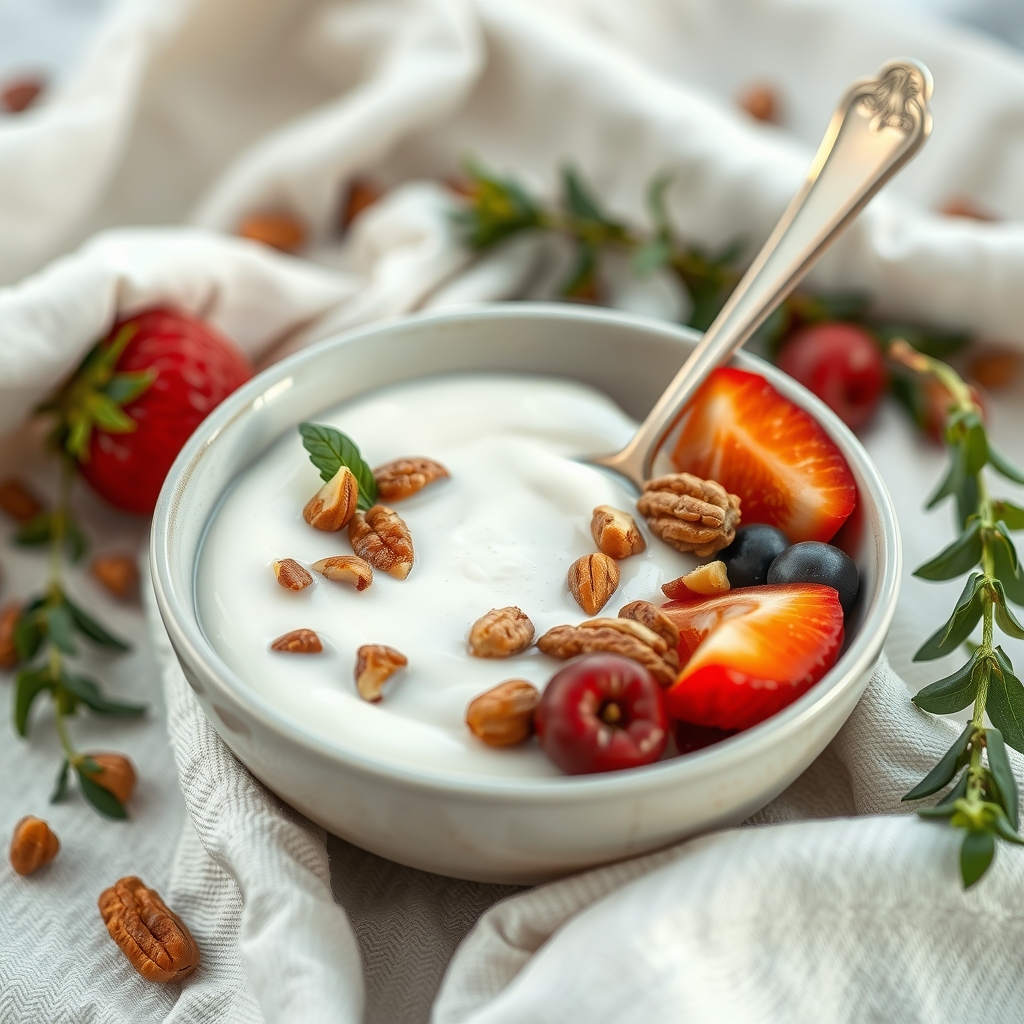
I was 7 weeks pregnant when I stood in my kitchen at 6am, staring at the empty fridge, wondering if I’d ever eat breakfast again. The morning sickness had hit hard—even the thought of toast made me wince. That’s when I remembered my nonna’s advice: *"Mangia qualcosa di leggero, ma nutriente"*—"Eat something light but nourishing." I grabbed a slice of whole-grain focaccia, spread it with ricotta, and topped it with a drizzle of honey. It wasn’t gourmet, but it settled my stomach, and I realized how much Italian breakfasts—when adapted—could be a lifesaver during pregnancy.
Italian breakfasts are often underrated outside of Italy, where they’re celebrated for their simplicity, balance, and focus on fresh, seasonal ingredients. But for pregnant women, the same foods that bring joy to everyday mornings can become a double-edged sword: some are nutrient powerhouses, while others need careful navigation. Whether you’re dealing with morning sickness, gestational diabetes, or just craving something satisfying, this guide will help you adapt traditional Italian breakfast foods to support your health and your baby’s.
We’ll cover everything from plant-based protein sources to low-glycemic options for gestational diabetes, and even how to tweak recipes for food allergies. Plus, we’ll debunk myths, share expert-approved tips, and give you a 7-day meal plan to get you started. Let’s dive in—because breakfast shouldn’t be the hardest meal of the day, especially when you’re growing a little one.
--- ## Healthy Italian Breakfast Ideas for Pregnancy: Balanced Meals for Morning Sickness ReliefIf you’ve ever felt like your stomach is a warzone at 7am, you’re not alone. Morning sickness—whether it’s mild nausea or full-blown hyperemesis gravidarum—can make even the simplest meals feel like a challenge. The good news? Italian breakfasts are naturally gentle on the stomach when you focus on the right ingredients. Think bland, easy-to-digest foods with a touch of sweetness or savory to curb cravings.
Many women tell us they feel better when they avoid greasy or overly spiced foods and instead opt for:
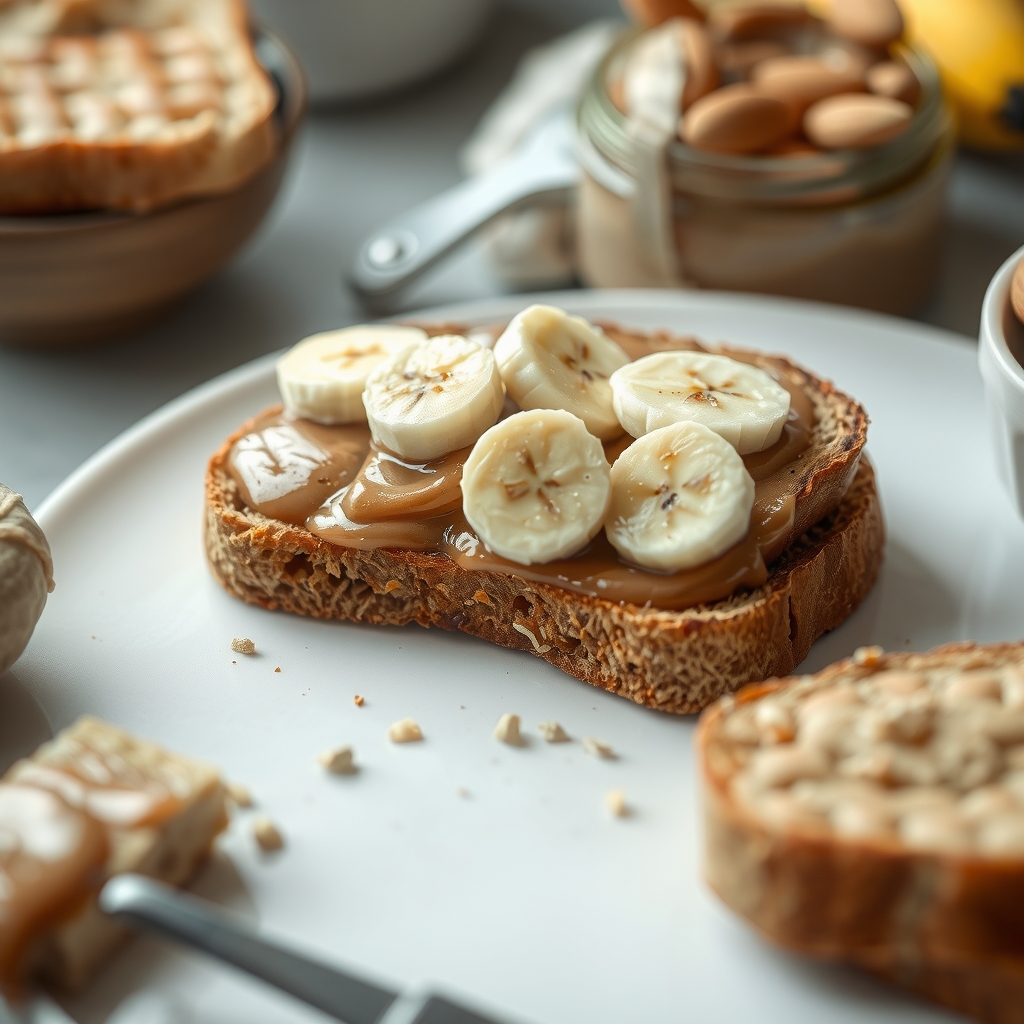
- Toast with almond butter and banana slices
- Scrambled eggs with a sprinkle of Parmigiano-Reggiano
- Plain yogurt with a drizzle of honey and a few berries
- Whole-grain crackers with ricotta and a pinch of cinnamon
**Pro tip:** If you’re feeling particularly queasy, try sipping warm herbal tea (like ginger or chamomile) before eating. Many Italian grandmothers swear by a cup of tè al finocchio (fennel tea) for digestion—it’s gentle, caffeine-free, and can help soothe an upset stomach.
What to avoid: Fried foods, high-fat dairy (like cream), and overly sweet pastries can worsen nausea. Also, skip raw or undercooked foods, as they pose a risk of foodborne illnesses like listeria, which can be dangerous during pregnancy.
--- ## Italian Diet Breakfast for Gestational Diabetes: Low-Glycemic Options and Meal PlansGestational diabetes affects about 2–10% of pregnancies, and managing blood sugar levels is crucial for both mom and baby. Traditional Italian breakfasts often include carbs like bread, pasta, and sweets, which can spike glucose levels. The good news? You can still enjoy Italian flavors while keeping meals low-glycemic and balanced.
The American Diabetes Association (ADA) recommends focusing on whole grains, lean proteins, healthy fats, and fiber-rich foods to stabilize blood sugar. Here’s how to Italian it:
Low-glycemic Italian breakfast ideas:
- Omelette with spinach and mushrooms (cooked in olive oil, not butter)
- Whole-grain panini with turkey or chicken breast, avocado, and arugula
- Ricotta with whole-grain crackers and a sprinkle of walnuts
- Smoothie with almond milk, chia seeds, and frozen berries (skip added sugar)
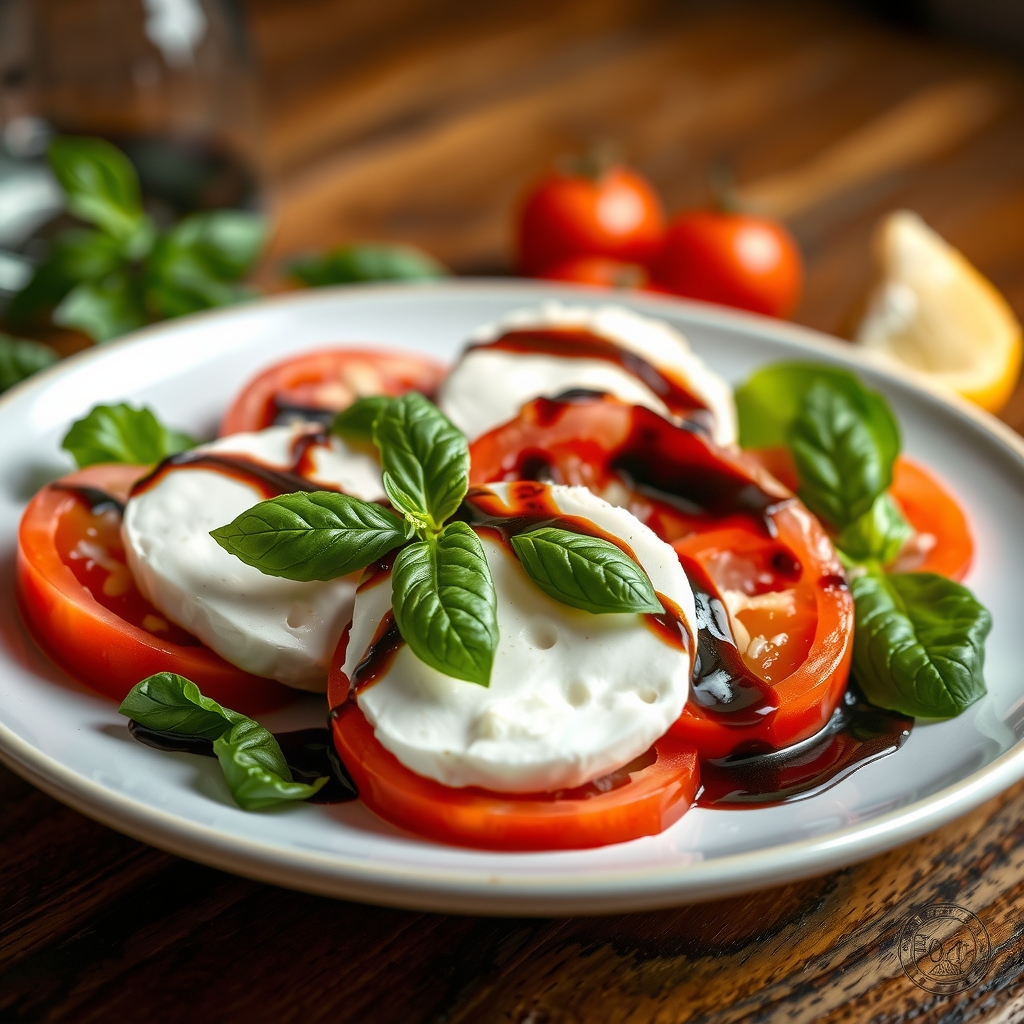
- Caprese salad for breakfast (fresh mozzarella, tomato, basil, and balsamic glaze—just skip the bread)
What to watch for: Avoid sugary cereals, pastries, and juices. Even "healthy" Italian sweets like cornetti (croissants) can spike blood sugar quickly. Instead, opt for naturally sweetened options like figs or dates with nut butter.
**Meal planning tip:** Pair carbs with protein and fiber to slow digestion. For example, a slice of whole-grain bread with ricotta and a handful of almonds will keep you fuller longer than bread alone. If you’re craving something sweet, try a small portion of dark chocolate (70% or higher) with a few strawberries.
--- ## Traditional Italian Breakfast Foods to Avoid During Pregnancy: Safety Guide for Expectant MothersNot all Italian breakfast staples are safe during pregnancy. Some foods carry risks like listeria, mercury, or excessive sodium, while others may trigger discomfort like heartburn or constipation. Here’s a quick safety guide to help you navigate traditional Italian breakfasts with confidence.
Foods to avoid or modify:
- Raw or undercooked seafood (e.g., sushi, ostriche, ceci al volpe—chickpeas with raw garlic). Listeria can cause miscarriage or stillbirth.
- Unpasteurized cheese (e.g., mozzarella di bufala if not pasteurized, pecorino crudo). Opt for pasteurized versions or cooked cheeses like Parmigiano-Reggiano.
- High-mercury fish (e.g., swordfish, king mackerel, shark). Stick to low-mercury options like sardines or anchovies (in moderation).
- Excessive caffeine (e.g., strong espresso or caffè latte with whole milk). Limit to 200mg/day (about one 8oz cup of coffee).
- Processed meats (e.g., salame, prosciutto). These can be high in sodium and nitrates. If you love them, choose nitrate-free versions and limit portions.
- High-sodium foods (e.g., canned soups, pre-packaged pastries). Use herbs and fresh ingredients instead.
Safe swaps:
- Replace raw garlic in aglio e olio with cooked garlic.
- Choose pasteurized ricotta or mozzarella over pecorino.
- Swap espresso for herbal tea or decaf coffee.
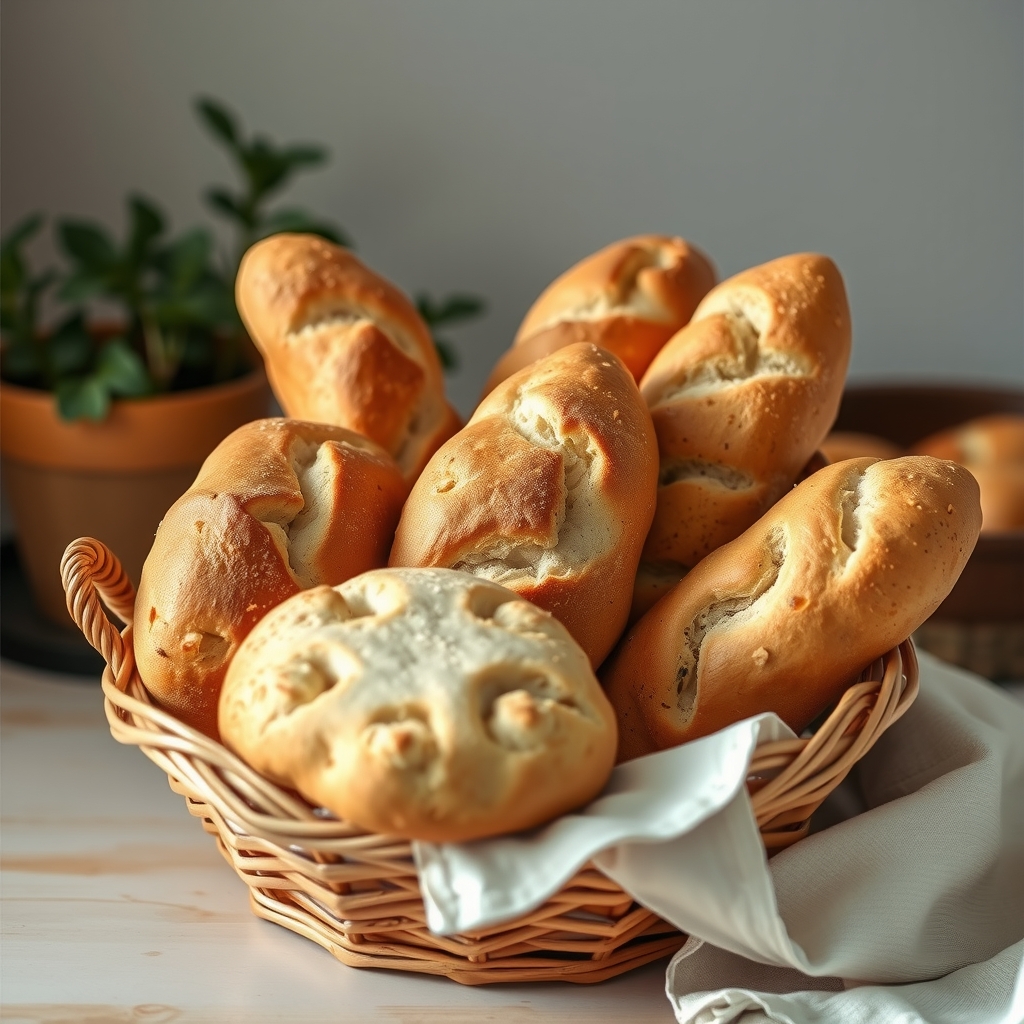
- Make your own focaccia with whole-grain flour and less salt.
**When in doubt, ask your provider.** If you’re unsure about a specific food, your healthcare team can give personalized advice based on your pregnancy history and any allergies or sensitivities.
--- ## Italian Diet Breakfast for Weight Gain in Pregnancy: Nutrient-Dense Recipes and TipsNot all pregnant women gain weight at the same rate, and some may need to focus on nutrient-dense foods to support their baby’s growth. Italian breakfasts are naturally rich in calories, healthy fats, and proteins—perfect for adding healthy weight in pregnancy. The goal is to prioritize foods that pack a nutritional punch without empty calories.
According to the World Health Organization (WHO), pregnant women should aim for about 300–500 extra calories per day, with a focus on high-quality nutrients like iron, folate, calcium, and omega-3s. Here’s how to Italian it:
Nutrient-dense Italian breakfast ideas:
| Food | Key Nutrients | How to Prepare |
|---|---|---|
| Ricotta with whole-grain bread and walnuts | Calcium, protein, omega-3s | Spread ricotta on whole-grain bread, top with walnuts, and a drizzle of honey. |
| Eggs with spinach and feta | Protein, iron, vitamin D | Scramble eggs with fresh spinach and crumbled feta (ensure it’s pasteurized). |
| Panzerotti with mozzarella and tomato | Protein, calcium, vitamin C | Bake mini pizza pockets with whole-wheat dough, mozzarella, and tomato sauce. |
| Yogurt with chia seeds and berries | Probiotics, fiber, antioxidants | Mix Greek yogurt with chia seeds and a handful of berries. |
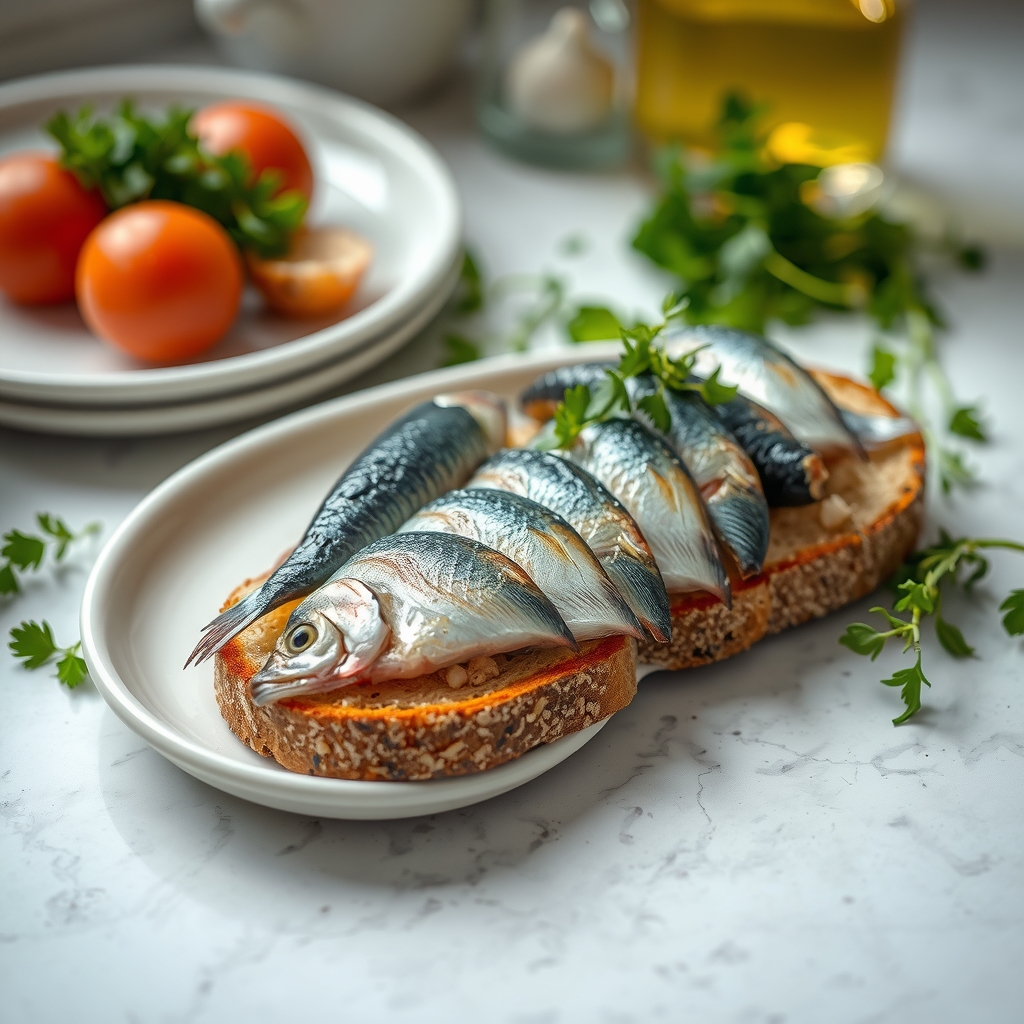
| Sardines on whole-grain toast | Omega-3s, vitamin D, calcium | Mash sardines (in olive oil) on toast with a sprinkle of red pepper flakes. |
**Pro tip:** If you’re struggling to eat enough, try adding healthy fats like olive oil or avocado to meals. A study in the New England Journal of Medicine found that pregnant women who consumed more healthy fats had healthier weight gain trajectories.
**Watch out for:** Overdoing it on sugary foods or refined carbs. These can lead to rapid weight gain and gestational diabetes. Instead, focus on whole foods and portion control.
--- ## Vegetarian Italian Breakfast Ideas for Pregnant Women: Plant-Based Protein Sources ExplainedVegetarianism during pregnancy is entirely safe and can be nutrient-dense if planned well. Italian cuisine offers plenty of plant-based options that are rich in iron, protein, and folate—key nutrients for a healthy pregnancy. The challenge? Ensuring you’re getting enough of these nutrients without relying on meat.
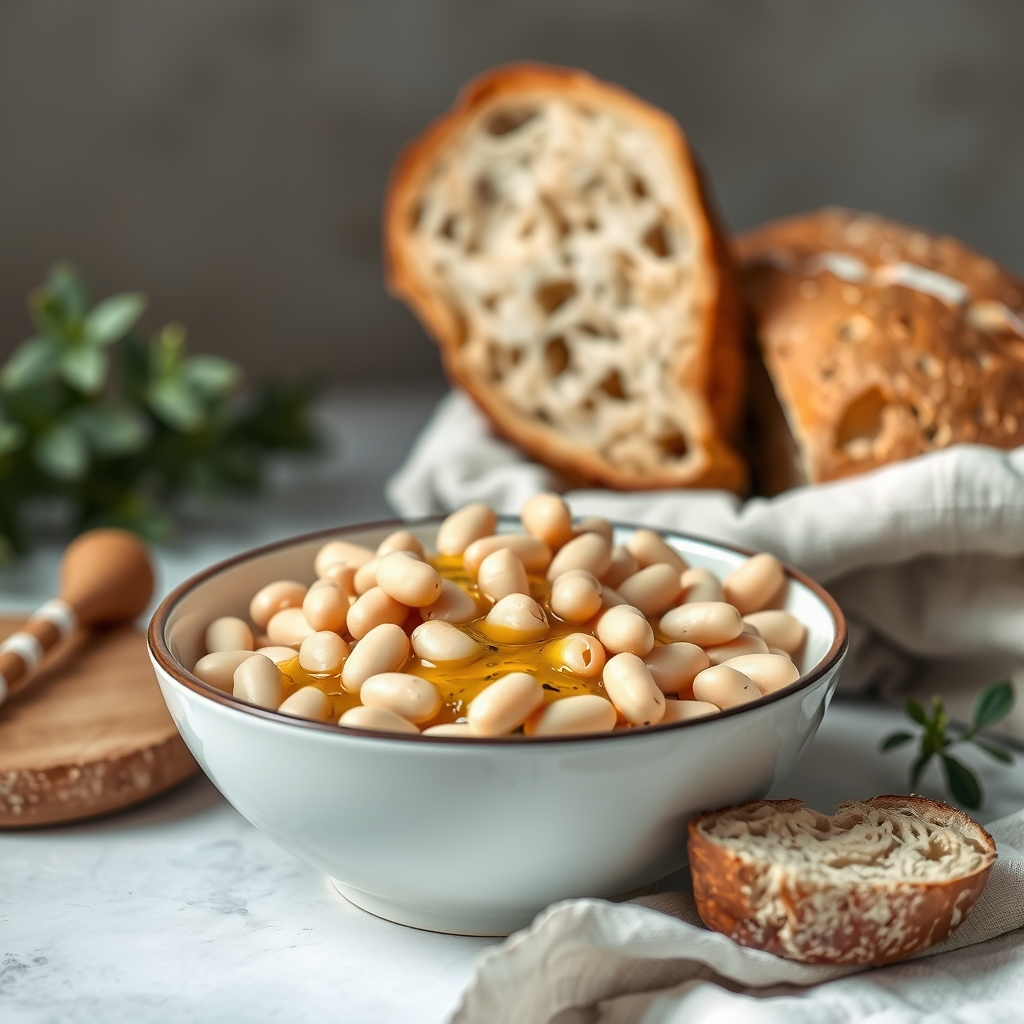
One reader, Maria, shared her experience: *"I was vegetarian before pregnancy, and I was worried I’d miss out on protein. But my doctor assured me that with the right planning, I could have a healthy pregnancy. I started each day with a big bowl of pane e olio (bread and olive oil) with a side of white beans and a sprinkle of Parmigiano-Reggiano. It kept me full and gave me the energy I needed!"*
Here are some plant-based protein sources to incorporate into your Italian breakfasts:
Vegetarian Italian breakfast ideas:
- Pane e olio with white beans and cheese (whole-grain bread, mashed white beans, olive oil, and a sprinkle of Parmigiano-Reggiano)
- Ricotta and figs (ricotta cheese with fresh figs and a drizzle of honey)
- Spinach and ricotta stuffed peppers (mini bell peppers stuffed with ricotta, spinach, and pine nuts)
- Chickpea flour omelette (made with turmeric and black pepper for color)
- Yogurt with nuts and seeds (Greek yogurt with almonds, walnuts, and flaxseeds)
- Caponata for breakfast (a sweet-and-sour eggplant dish served with whole-grain crackers)
Key nutrients to focus on:
- Iron: Lentils, chickpeas, spinach, and fortified cereals. Pair with vitamin C (like lemon or bell peppers) to boost absorption.
- Protein: Ricotta, yogurt, nuts, seeds, and legumes.
- Folate: Leafy greens, beans, and fortified grains.
- Omega-3s: Flaxseeds, chia seeds, and walnuts.
**Pro tip:** If you’re worried about iron deficiency, consider taking a prenatal vitamin with iron. Some women also find that cooking with cast-iron skillets increases the iron content of their meals.
--- ## Italian Diet Breakfast for Energy: Quick and Filling Recipes to Combat Fatigue in PregnancyPregnancy fatigue is real—and it can hit hard, especially in the first and third trimesters. Many women turn to Italian breakfasts for their energy-boosting combo of carbs, protein, and healthy fats. The key is balancing these macronutrients to avoid energy crashes.
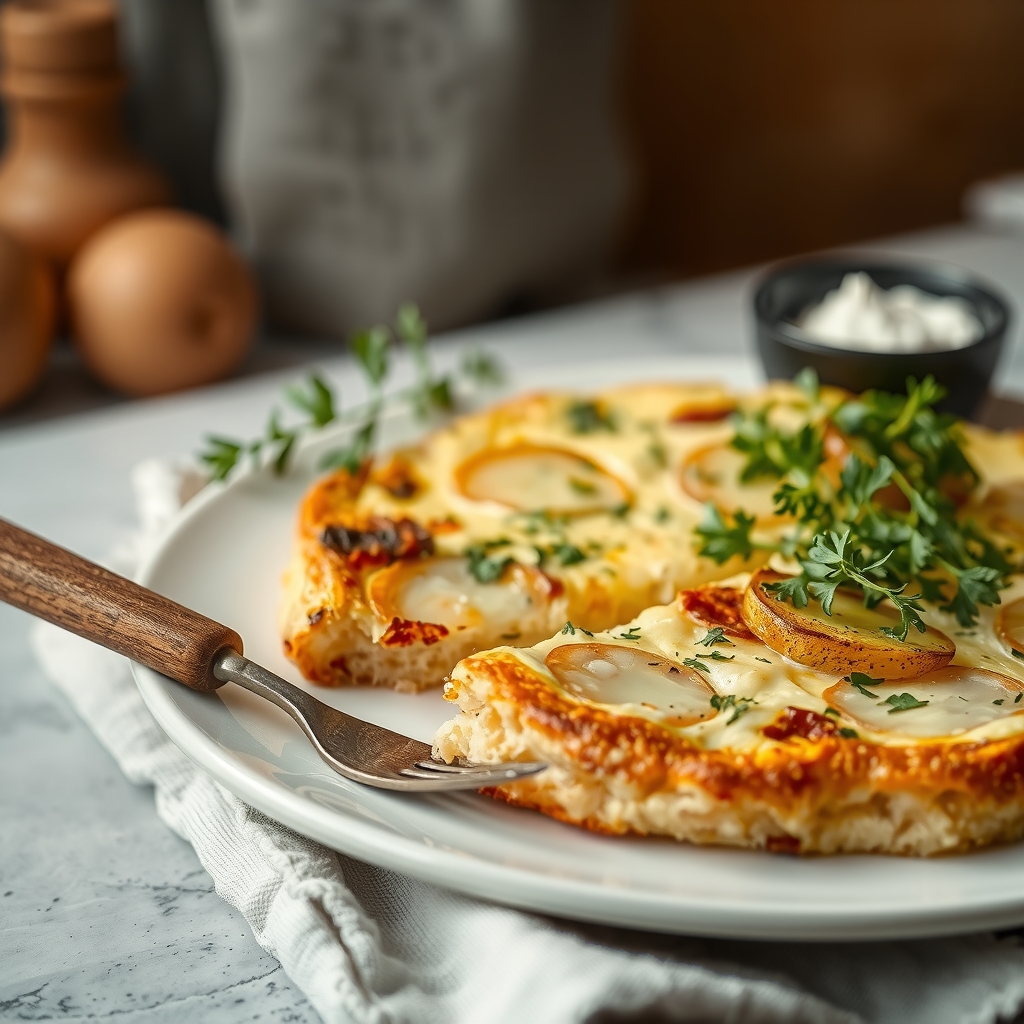
One of our readers, Sofia, struggled with exhaustion in her second trimester. She turned to her nonna’s advice: *"Mangia qualcosa di sostanzioso ma leggero"*—"Eat something substantial but light." She started her days with a bowl of frittata (Italian omelette) with potatoes, spinach, and a sprinkle of Parmigiano-Reggiano. It kept her full for hours and gave her the energy she needed to get through the day.
Here are some quick and filling Italian breakfast ideas to combat fatigue:
Energy-boosting Italian breakfasts:
- Frittata with potatoes and cheese (cooked in olive oil for healthy fats)
- Avocado and egg toast (whole-grain bread, mashed avocado, and a poached egg)
- Ricotta and honey with almonds (a quick, no-cook option)
- Breakfast panini with turkey and arugula (whole-grain bread, turkey breast, arugula, and a smear of ricotta)
- Smoothie with almond milk, banana, and peanut butter (blend for a creamy, filling drink)
Why these work:
- Carbs (whole grains, potatoes): Provide quick energy.
- Protein (eggs, ricotta, turkey): Keeps you full and stable.
- Healthy fats (olive oil, avocado, nuts): Slow digestion for sustained energy.
**Pro tip:** If you’re short on time, batch-cook proteins like eggs or ricotta the night before. Store them in the fridge and assemble your breakfast in minutes.
--- ## Italian Diet Breakfast for Morning Sickness: Easy-to-Digest Options and RemediesMorning sickness can turn even the most exciting breakfast into a nightmare. The good news? Italian breakfasts are naturally gentle on the stomach when you focus on bland, easy-to-digest foods. Here’s how to adapt traditional Italian breakfasts to soothe your nausea.
Many women find that small, frequent meals work better than large breakfasts. The ACOG recommends eating every 1–2 hours to keep blood sugar stable and reduce nausea. Italian breakfasts are perfect for this approach—think small portions of simple, familiar foods.
Easy-to-digest Italian breakfast ideas:
- Toast with almond butter and banana (the natural sweetness of banana can help curb nausea)
- Scrambled eggs with a sprinkle of Parmigiano-Reggiano (easy to digest and high in protein)
- Plain yogurt with a drizzle of honey (probiotics can help with digestion)
- Whole-grain crackers with ricotta (ricotta is mild and easy to stomach)
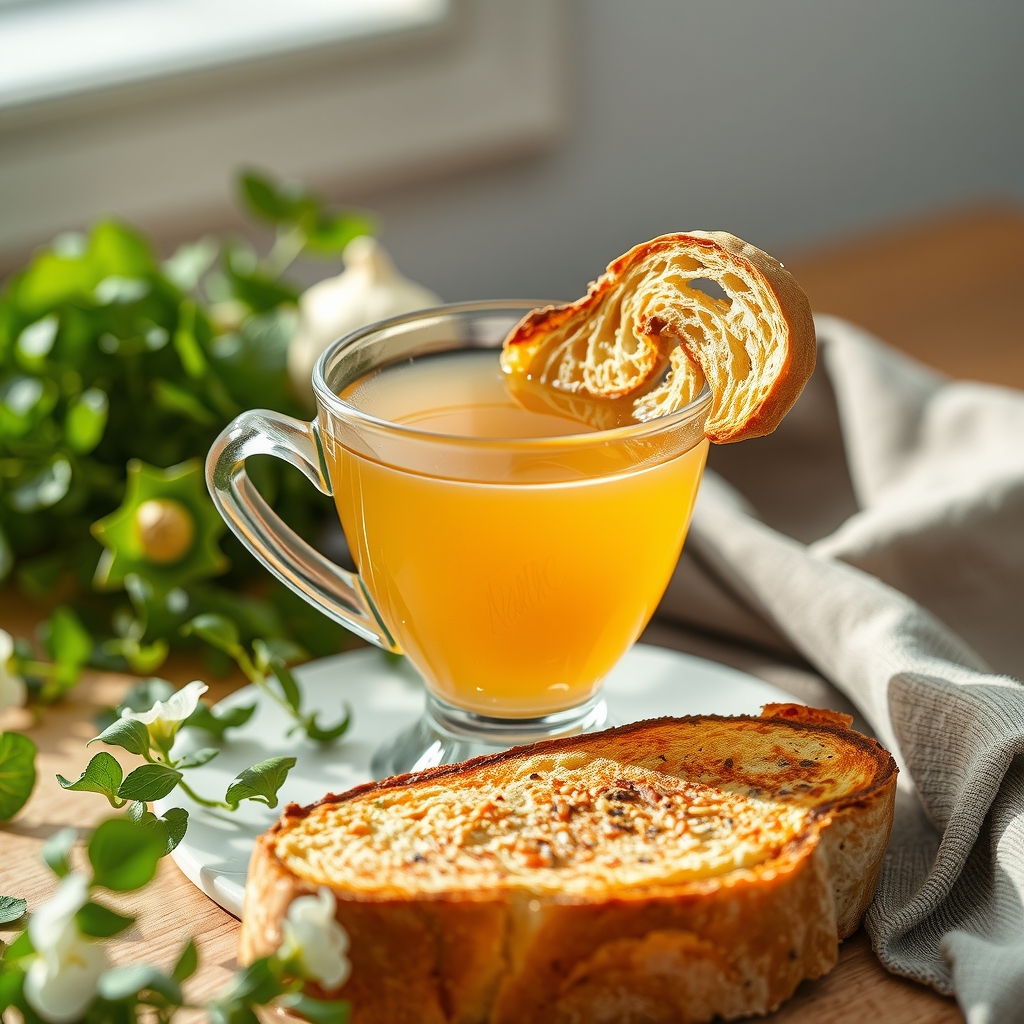
- Herbal tea with a small piece of dry toast (ginger or chamomile tea can soothe the stomach)
Remedies for morning sickness:
- Sip tè al finocchio (fennel tea) before eating to settle your stomach.
- Chew ginger candies or sip ginger ale (non-caffeinated) to reduce nausea.
- Avoid strong smells like coffee or fried foods, which can trigger nausea.
- Try eating cold foods if warm meals upset you (e.g., yogurt, fruit, or cold pasta salad).
**When to worry:** If you’re unable to keep any food down for more than 24 hours or experience severe dehydration (dark urine, dizziness), contact your provider immediately. This could be a sign of hyperemesis gravidarum, a serious condition that requires medical attention.
--- ## Italian Diet Breakfast for Lactation: Foods That Boost Milk Supply and Nutrition TipsBreastfeeding mothers need extra calories, protein, and nutrients to support their milk supply and recovery. Italian breakfasts are naturally rich in these nutrients, making them an excellent choice for nursing moms. The key is focusing on foods that are both lactation-friendly and nutrient-dense.
According to the WHO, breastfeeding mothers should aim for an additional 300–500 calories per day, with a focus on healthy fats, protein, and hydration. Italian breakfasts can easily meet these needs with minimal effort.
Lactation-boosting Italian breakfast ideas:
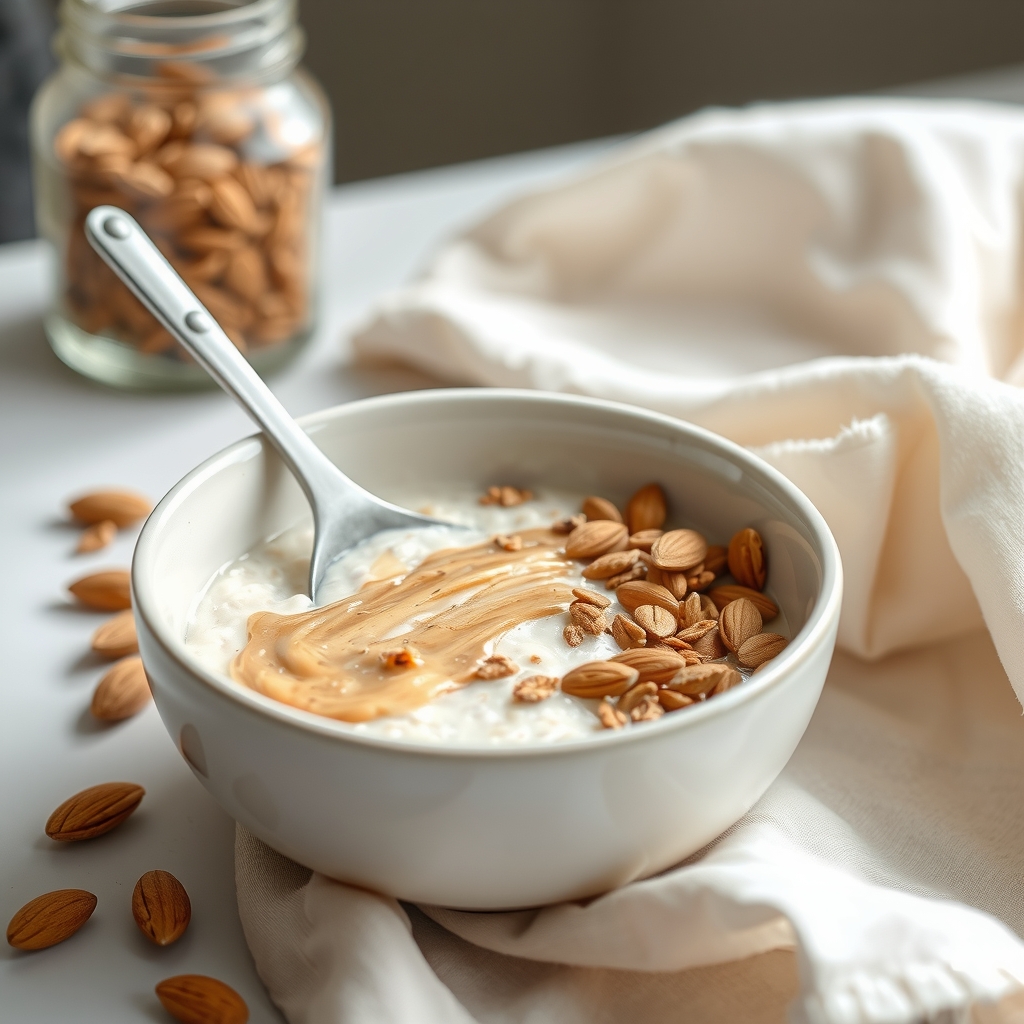
- Oatmeal with almond butter and flaxseeds (oats are a classic galactagogue—foods that boost milk supply)
- Ricotta with whole-grain toast and figs (ricotta is high in protein and calcium)
- Breakfast panini with turkey and arugula (turkey is rich in protein and iron)
- Yogurt with nuts and seeds (Greek yogurt, almonds, and flaxseeds are all galactagogues)
- Avocado and egg toast (healthy fats and protein for sustained energy)
Galactagogues in Italian cuisine:
- Oats (found in farro or crema di avena—oatmeal)
- Fennel (used in teas and cooking)
- Almonds and walnuts (easy to add to yogurt or ricotta)
- Leafy greens (spinach, arugula, and Swiss chard are staples in Italian cooking)
- Pumpkin seeds (great in salads or snacks)
**Pro tip:** Stay hydrated! Herbal teas like tè al finocchio (fennel tea) or tè alla menta (peppermint tea) can help with digestion and milk production. Aim for at least 8–10 cups of water or herbal tea per day.
--- ## Best Italian Breakfast Foods for a Healthy Pregnancy According to NutritionistsWe asked nutritionists and dietitians what they consider the best Italian breakfast foods for pregnancy. Their top picks focus on nutrient density, ease of digestion, and cultural familiarity. Here’s what they had to say:
Dr. Elena Rossi, RD (Italy): *"The Italian diet is naturally pregnancy-friendly because it emphasizes whole foods, healthy fats, and lean proteins. My top recommendations are ricotta with whole-grain bread, eggs with spinach, and yogurt with nuts. These foods are rich in calcium, iron, and omega-3s—all crucial for a healthy pregnancy."*
Dr. Michael Greene, OB/GYN (USA): *"I love that Italian breakfasts are often balanced. For example, a frittata with potatoes and cheese provides protein, healthy fats, and complex carbs—perfect for managing blood sugar and keeping energy levels stable. Just be mindful of portion sizes, especially if you’re managing gestational diabetes."*
Dr. Sofia Lombardi, Nutritionist (Italy): *"For women with morning sickness, I recommend focusing on bland, easy-to-digest foods like toast with almond butter or scrambled eggs. These are gentle on the stomach but still provide essential nutrients. And for those looking to gain weight healthily, I always suggest adding a healthy fat like olive oil or avocado to meals."*
Key takeaways from the experts:
- Focus on whole grains (whole-grain bread, farro, quinoa) for fiber and sustained energy.
- Include lean proteins (eggs, ricotta, turkey, fish) for growth and repair.
- Add healthy fats (olive oil, nuts, avocado) to support brain development and hormone production.
- Avoid processed foods and excessive sugar, which can lead to energy crashes and gestational diabetes.
- Stay hydrated with herbal teas and water—dehydration can worsen nausea and fatigue.
Heartburn during pregnancy is incredibly common, affecting up to 80% of women, especially in the third trimester. Traditional Italian breakfasts can be tricky because many include tomato sauce, garlic, or fried foods—all of which can trigger acid reflux. The good news? You can still enjoy Italian flavors with low-acid, heartburn-friendly adaptations.
The Mayo Clinic recommends avoiding high-acid foods like citrus, tomatoes, garlic, and spicy foods. Instead, focus on mild, non-acidic ingredients. Here are some heartburn-friendly Italian breakfast ideas:
Low-acid Italian breakfast ideas:
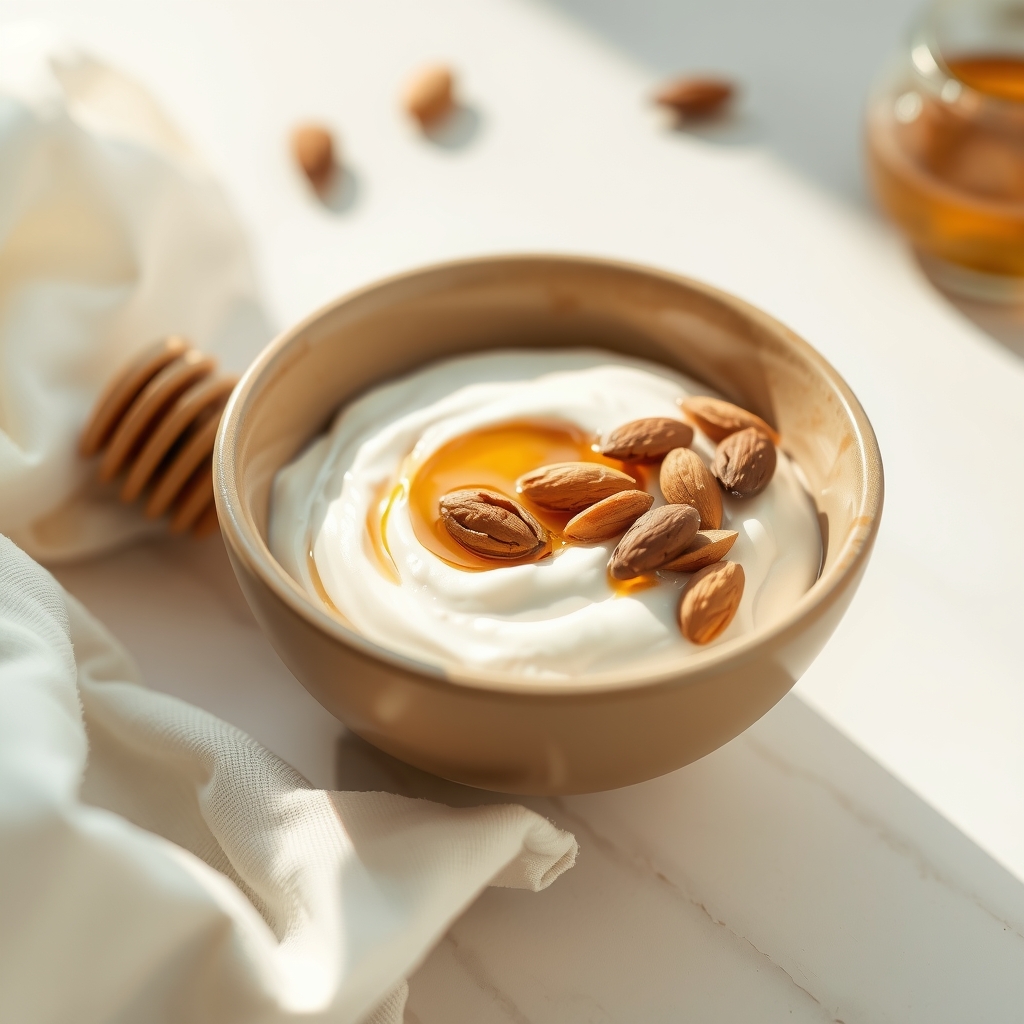
- Plain yogurt with honey and almonds (skip the granola if it’s sweetened with citrus)
- Scrambled eggs with Swiss chard and Parmigiano-Reggiano (avoid tomato-based sauces)
- Whole-grain toast with ricotta and a sprinkle of cinnamon (cinnamon can help soothe digestion)
- Oatmeal with almond butter and banana (avoid adding citrus or berries if they trigger heartburn)
- Mini frittatas with potatoes and cheese (use mild cheeses like mozzarella or ricotta)
Heartburn triggers to avoid:
- Tomato-based sauces (e.g., marinara)
- Garlic and onions (use cooked instead of raw)
- Spicy foods (e.g., peperoncino)
- Citrus fruits (e.g., oranges, lemons)
- Fried foods (e.g., chichibitti—fried dough balls)
**Pro tip:** Eat smaller, more frequent meals to reduce pressure on your stomach. Also, avoid lying down for at least 2–3 hours after eating to give your digestive system time to work.
--- ## How to Prepare Italian Breakfast for Pregnancy with Food Allergies: Gluten-Free and Dairy-Free IdeasFood allergies or intolerances can complicate pregnancy, but they don’t have to ruin your Italian breakfast routine. With a few simple swaps, you can enjoy delicious, nutrient-dense meals that fit your dietary needs. Here’s how to adapt traditional Italian breakfasts for gluten-free and dairy-free diets.
Many women with celiac disease or lactose intolerance find that their symptoms worsen during pregnancy due to hormonal changes. The Celiac Disease Foundation recommends avoiding gluten and dairy if you have confirmed allergies or intolerances. Here are some safe and satisfying alternatives:
Gluten-free Italian breakfast ideas:
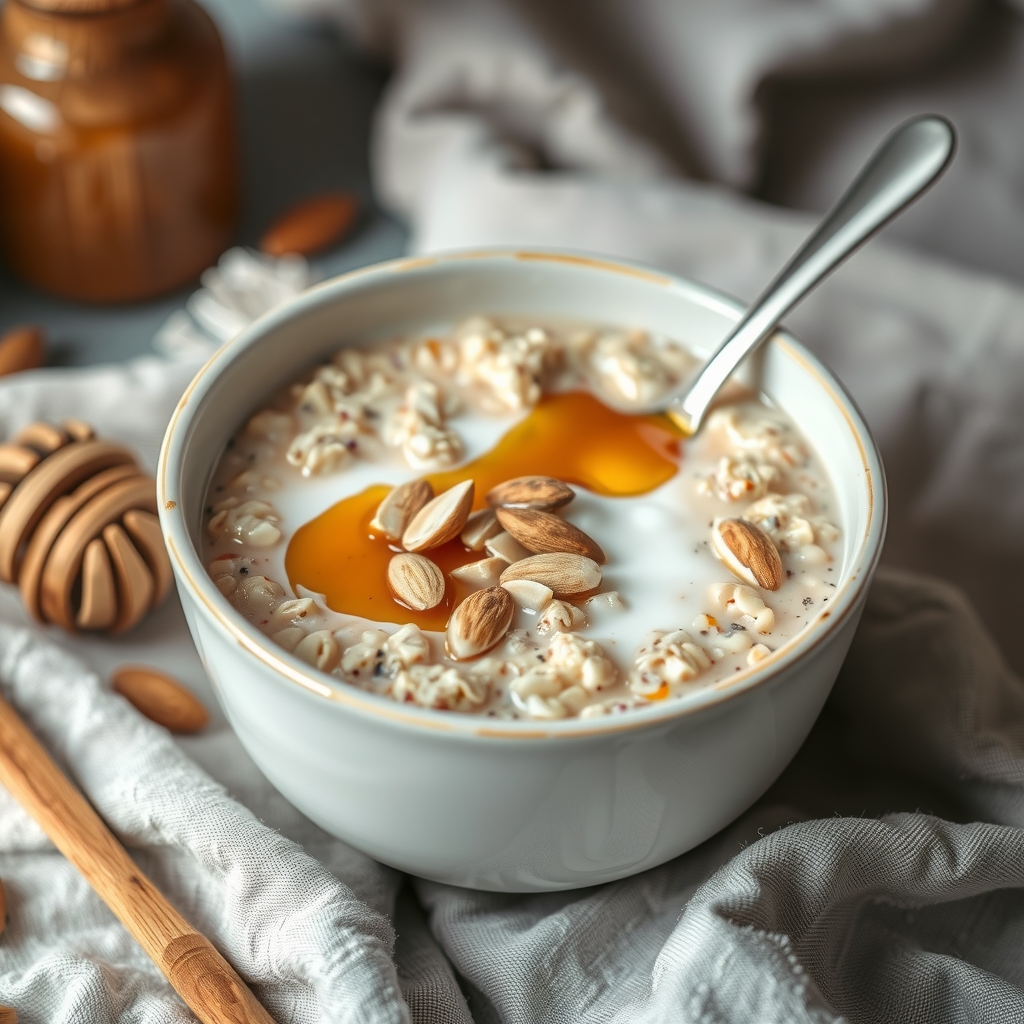
- Buckwheat porridge with almond milk and honey (buckwheat is naturally gluten-free and rich in fiber)
- Quinoa breakfast bowl with coconut yogurt, nuts, and berries (quinoa is a complete protein)
- Eggs with sautéed spinach and avocado (skip the bread, but add a side of gluten-free crackers)
- Sardines on gluten-free toast with arugula (sardines are rich in omega-3s and calcium)
- Chickpea flour omelette with turmeric and black pepper (chickpea flour is naturally gluten-free)
Dairy-free Italian breakfast ideas:
- Coconut yogurt with nuts and seeds (coconut yogurt is a great dairy-free alternative)
- Avocado and egg toast on gluten-free bread (skip the cheese, but add a sprinkle of nutritional yeast for a cheesy flavor)
- White bean and olive oil spread on gluten-free bread (mashed white beans with olive oil and herbs)
- Smoothie with almond milk, banana, and peanut butter (skip dairy-based yogurt)
- Roasted sweet potato and egg breakfast bowl (sweet potatoes are naturally dairy-free and packed with vitamins)
Key swaps:
- Replace ricotta with coconut yogurt or dairy-free cheese.
- Swap whole-grain bread for gluten-free options like buckwheat or quinoa.
- Avoid Parmigiano-Reggiano if you’re dairy-free; use nutritional yeast for a cheesy flavor.
- Use olive oil instead of butter for cooking.
**Pro tip:** Always check labels for hidden gluten or dairy. Brands can change their formulations, so it’s worth double-checking even on foods you’ve eaten before.
--- ## Italian Breakfast Foods That Help with Pregnancy Cravings: Satisfying AlternativesPregnancy cravings can feel like a full-time job, and Italian cuisine offers plenty of satisfying alternatives to sugary or salty snacks. Whether you’re craving something sweet, savory, or crunchy, you can find a nutrient-dense Italian option to curb those urges.
One of our readers, Giulia, shared her experience: *"I was craving chocolate all the time, but I didn’t want to eat a whole bar of it! So I started making dark chocolate and almond butter energy balls. They’re rich, sweet, and packed with healthy fats—perfect for satisfying my cravings without overdoing it."*
Here are some Italian-inspired alternatives to common pregnancy cravings:
Craving sweet?
- Dark chocolate (70% or higher) with almonds (antioxidants and healthy fats)
- Figs with ricotta and honey (natural sweetness + protein)
- Baked apples with cinnamon and walnuts


