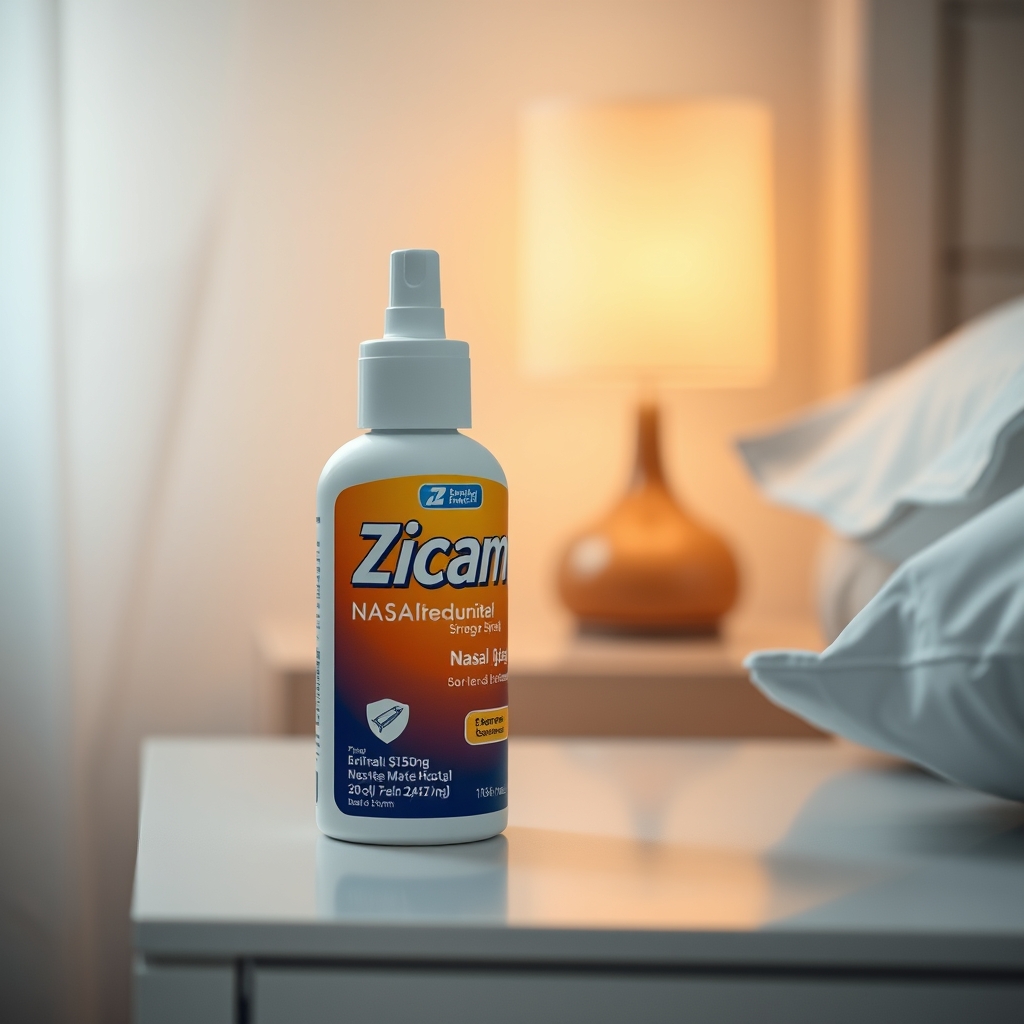
Avoid Zicam Nasal during pregnancy, experts advise. No safety data exists for this cold remedy, especially in the first trimester. Learn safe alternatives here.
By Shubhra Mishra — a mom of two who turned her own confusion during pregnancy into BumpBites, a global mission to make food choices clear, safe, and stress-free for every expecting mother. 💛
Check whether any food is safe during pregnancy with the BumpBites Food Safety Checker.
Quick verdict: ❌ Best avoided. Zicam Nasal is not considered safe during pregnancy because there is insufficient evidence of safety and it carries a risk of nasal irritation and loss of smell, which could affect both mother and baby.
It’s 2 a.m., you’re sniffling, and the thought of a cold makes you wonder, “is zicam nasal safe during pregnancy?” You might have already reached for the over‑the‑counter spray, or you’re debating whether to buy it tomorrow. You’re not alone—many expecting parents face the same midnight question. The good news is that the answer is clear: Zicam Nasal is best avoided while you’re pregnant.
In this article we’ll break down exactly what Zicam Nasal contains, why health authorities such as the American College of Obstetricians and Gynecologists (ACOG) and the U.K.’s NHS advise caution, and what you can safely use instead. We’ll cover safety by trimester, recommended dosage limits (if any), potential side effects, and a handy comparison table of similar cold remedies. By the end, you’ll have a calm, evidence‑based plan for managing a cold without compromising your pregnancy.
We’ll also explore how zinc from other sources—like prenatal vitamins and dietary foods—interacts with pregnancy, and give you practical tips for soothing congestion when you’re feeling under the weather. Whether you’ve already sprayed Zicam once or you’re still deciding, the information below will help you feel confident in the choices you make for yourself and your baby.
Stage
Verdict
Notes
First trimester
❌ Best avoided
Limited data; potential risk of nasal irritation and anosmia
Second trimester
❌ Best avoided
Same lack of safety data; no proven benefit over safer options
Third trimester
❌ Best avoided
Risk of maternal side effects that could affect labor (e.g., nasal congestion)
Breastfeeding
❌ Best avoided
Zinc can pass into breast milk; safer alternatives are recommended
What is Zicam Nasal?
Zicam Nasal is an over‑the‑counter nasal spray marketed for the relief of cold symptoms. The active ingredient is zinc gluconate, typically at a concentration of 0.7 mg per spray. Zinc is thought to interfere with the replication of rhinoviruses, the most common cause of the common cold, by releasing zinc ions that may block viral entry into cells. The spray also contains sterile saline and a few inactive ingredients—such as benzoic acid and sorbitol—to stabilize the formulation and improve taste.
Unlike oral zinc lozenges, which release zinc into the gastrointestinal tract, the nasal route delivers zinc directly to the mucous membranes of the nose. This localized delivery can be more potent, but it also means that the delicate nasal epithelium is exposed to high concentrations of zinc. The U.S. Food and Drug Administration (FDA) issued a safety communication in 2009 warning that “nasal sprays containing zinc may cause a loss of sense of smell” and advised consumers to discontinue use if any change occurs. The warning applies regardless of pregnancy status, but it becomes especially relevant for pregnant people because the potential for an irreversible adverse effect adds uncertainty to an already vulnerable period.
Beyond the FDA alert, the product has not undergone the rigorous clinical trials that are required for medications intended for use during pregnancy. No randomized controlled studies have examined intranasal zinc’s impact on fetal development, placental health, or maternal outcomes. Consequently, major health organizations—including ACOG, the NHS, and the World Health Organization (WHO)—recommend that pregnant individuals avoid Zicam Nasal until more safety data become available.
Is Zicam Nasal safe during pregnancy?
Because the evidence base is thin, the default recommendation from obstetric experts is to avoid Zicam Nasal. The American College of Obstetricians and Gynecologists (ACOG) notes that “any medication without established safety data in pregnancy should be used only when the potential benefit clearly outweighs the potential risk.” In the case of Zicam Nasal, the modest benefit—temporary relief of nasal congestion—does not outweigh the documented risk of anosmia and the unknown fetal effects.
Mechanistically, zinc ions can be cytotoxic at high concentrations, damaging the nasal epithelium and potentially triggering inflammation that could travel systemically. While a single spray is unlikely to cause severe systemic toxicity, the local irritation can lead to discomfort, disrupted sleep, and increased stress hormones—all of which are indirect concerns for a developing pregnancy.
Several systematic reviews have evaluated zinc’s role in preventing or treating colds. A Cochrane review (2020) concluded that oral zinc lozenges may modestly reduce the duration of cold symptoms, but the same review highlighted a higher incidence of taste disturbances and, in some cases, loss of smell when zinc was administered nasally. The review explicitly called for caution in vulnerable populations, including pregnant people.
International guidance aligns with this cautionary stance. The NHS lists nasal zinc products under “not recommended in pregnancy,” and the WHO’s nutrition guidelines for pregnant women state that “high-dose zinc supplementation should be avoided unless prescribed, due to potential interference with copper absorption and unknown fetal effects.” Taken together, the consensus across U.S., U.K., and global health bodies is that Zicam Nasal should be avoided throughout pregnancy.
Safety by trimester
First trimester (organogenesis)
The first trimester is the period of organogenesis, when the baby’s major organs are forming. During this window, any exposure to potential teratogens (substances that could cause birth defects) is taken seriously. The FDA and ACOG have not approved Zicam Nasal for use in pregnancy, and the NHS explicitly lists nasal zinc products as “not recommended” for pregnant people. Because no controlled studies have examined the effects of intranasal zinc on a developing fetus, clinicians err on the side of caution and advise against use in the first trimester.
Even a single dose could cause local irritation or an unexpected allergic reaction, which could stress the mother and indirectly affect fetal development. If you’ve already taken one spray, stay calm—most experts suggest that a single exposure is unlikely to cause serious harm, but you should monitor for any nasal symptoms and discuss them with your provider.
Second trimester (maternal comfort)
During the second trimester, the baby’s organs are largely formed, and many women experience a surge in energy. However, the lack of safety data for intranasal zinc remains unchanged. The primary concern for this stage is maternal well‑being; excessive nasal irritation can disrupt sleep, increase fatigue, and raise cortisol levels, which some studies link to reduced uterine blood flow. The CDC’s guidance on managing common colds during pregnancy emphasizes rest, hydration, and safe OTC options such as saline nasal sprays and acetaminophen for fever, rather than zinc‑based products.
If you’re already pregnant and experiencing congestion, consider a sterile saline spray or a warm steam inhalation. Both are endorsed by ACOG as first‑line, low‑risk interventions that do not introduce zinc or other potentially harmful substances.
Third trimester (pre‑labor considerations)
Even in the third trimester, when the baby’s organs are fully formed, the lack of safety data persists. The primary concern shifts to maternal comfort during labor; nasal congestion can make breathing more difficult, and any medication that could cause adverse reactions may complicate delivery. Therefore, the recommendation remains the same: avoid Zicam Nasal throughout pregnancy, including the third trimester.
In addition, some obstetricians note that severe nasal irritation can lead to increased use of decongestant pills, which themselves have stricter guidelines in late pregnancy. By steering clear of Zicam Nasal, you reduce the cascade of medication use and keep your birth plan as uncomplicated as possible.
Breastfeeding
After delivery, zinc can be secreted into breast milk in small amounts. While the quantity from a nasal spray is minimal, the principle of “the safest option is the best option” still applies. The American Academy of Pediatrics (AAP) advises that breastfeeding mothers avoid products with unknown safety profiles, especially those that have been linked to sensory loss. Opt for a saline spray or a gentle honey‑lemon tea if you’re nursing and need relief from a cold.
When you’re craving relief, consider a simple saline spray instead of Zicam Nasal.
Safe dosage / amount / brands
Because the consensus is to avoid Zicam Nasal, there is no “safe dosage” established for pregnant users. However, for those who choose to use it before learning they are pregnant, the product’s label recommends no more than two sprays per nostril every four hours, not exceeding six sprays in 24 hours. No specific brand variations exist—Zicam is sold under its own name, and generic versions are not common.
Metric
Recommendation for non‑pregnant adults
Pregnancy guidance
Maximum sprays per day
6 sprays (2 per nostril every 4 hours)
❌ Avoid entirely
Duration of use
Up to 7 days for cold symptom relief
❌ Not recommended at any duration
Preferred brand
Zicam (original formulation)
None – avoid all brands
For pregnant users seeking a nasal decongestant, the safest over‑the‑counter option is a sterile saline spray. Many pharmacy brands (e.g., Simply Saline, Arm & Hammer) are free of active medications and are endorsed by both ACOG and NHS as safe throughout pregnancy.
Warm chicken broth can be a soothing, pregnancy‑safe alternative to nasal sprays.
Side effects and risks
Known side effects of Zicam Nasal include:
Local nasal irritation or burning sensation.
Dryness or crusting of the nasal mucosa.
Temporary loss of smell (anosmia), which may become permanent if the spray is overused.
Rare allergic reactions such as swelling, rash, or hives.
During pregnancy, any allergic reaction can increase systemic inflammation, potentially affecting placental blood flow. If you notice any of the following, contact your healthcare provider promptly:
Sudden loss of smell or taste.
Severe nasal pain or bleeding.
Swelling of the face, lips, or throat.
Fever, chills, or flu‑like symptoms that persist beyond a week.
These symptoms are not typical of a simple cold and warrant medical evaluation, especially when you are pregnant.
Safer alternatives
Saline nasal spray: Pure salt water clears congestion without medication, and is safe throughout pregnancy.
Steam inhalation: A bowl of hot water with a towel over the head loosens mucus safely.
Honey and lemon tea: Soothes sore throats and provides mild antimicrobial benefits; avoid honey only for infants under one year.
Warm chicken broth: Hydrating, nutrient‑rich, and helps relieve congestion.
Vitamin C supplement (pregnancy‑safe dosage): 85 mg per day for adults, as recommended by the NHS, can support immune function.
Loratadine: An antihistamine classified as pregnancy‑category B in the U.S. and considered safe by ACOG for allergy symptoms.
Eucalyptus oil inhalation: A few drops in a diffuser can ease breathing; keep the concentration low and avoid direct skin contact.
Nasal strips: Mechanical devices that open nasal passages without chemicals.
Related items — safety at a glance
Item
Verdict
One‑line note
Zicam Cold Remedy (oral)
⚠️ Talk to your doctor
Zinc lozenges have limited pregnancy data; use only if advised.
Cold‑EEZE
⚠️ Talk to your doctor
Contains zinc; same safety concerns as Zicam Nasal.
Theraflu
⚠️ Use with caution
Contains acetaminophen and phenylephrine; phenylephrine not recommended.
Sudafed (pseudoephedrine)
⚠️ Talk to your doctor
Decongestant; may affect blood pressure and fetal growth.
DayQuil
⚠️ Use with caution
Contains acetaminophen (safe) but also dextromethorphan; limited data.
Mucinex
⚠️ Use with caution
Guaifenesin is generally safe, but combination products may contain risky ingredients.
NyQuil
⚠️ Avoid
Contains antihistamines and dextromethorphan; not recommended for pregnancy.
Vicks VapoRub
✅ Generally safe
Topical menthol and camphor; avoid applying near the nostrils of infants.
Oxymetazoline nasal spray
⚠️ Talk to your doctor
Another decongestant; limited safety data in pregnancy.
Homeopathic zinc nasal spray
⚠️ Talk to your doctor
Even ultra‑low doses lack formal safety studies for pregnant patients.
Myth vs. fact
Myth: “Zinc nasal spray is a natural remedy, so it’s automatically safe for pregnant women.”
Fact: The FDA has issued specific warnings about nasal zinc products causing loss of smell, and there is no pregnancy‑specific safety data. ACOG advises avoiding it during pregnancy.
Myth: “A single spray won’t harm the baby, so occasional use is fine.”
Fact: Even a single exposure can cause nasal irritation, and because the fetal impact is unknown, clinicians recommend avoiding any use.
Myth: “All over‑the‑counter cold remedies are safe because they’re sold without a prescription.”
Fact: OTC status does not guarantee safety in pregnancy; each ingredient must be evaluated, and many—like zinc, decongestants, and certain antihistamines—have specific pregnancy warnings.
Myth: “If a product is labeled ‘for adults,’ it must be safe for pregnant adults.”
Fact: Product labeling rarely addresses pregnancy. The safest approach is to follow guidance from obstetric authorities rather than rely on adult‑only labeling.
Key takeaways
❌ Zicam Nasal is best avoided throughout pregnancy due to insufficient safety data and FDA warnings.
✅ Safer nasal congestion relief includes saline sprays, steam inhalation, and mechanical nasal strips.
🩺 If you’ve already used Zicam Nasal, stop immediately and monitor for loss of smell or allergic reactions.
🍼 Consult your obstetrician before taking any OTC cold remedy, especially those containing zinc or decongestants.
📋 Keep a list of pregnancy‑approved alternatives (saline spray, loratadine, honey‑lemon tea) handy for future colds.
Frequently asked questions
Can I take Zicam while pregnant?
No. Health authorities such as ACOG and the FDA advise pregnant individuals to avoid Zicam Nasal because its safety has not been established and it carries a risk of nasal irritation and loss of smell.
What are the risks of using Zicam during pregnancy?
The primary risks include local nasal irritation, potential permanent loss of smell (anosmia), and rare allergic reactions, all of which could cause stress and inflammation that may affect the pregnancy.
Is zinc safe for pregnant women?
Zinc is an essential mineral, but the nasal delivery form used in Zicam is not considered safe. Oral zinc supplements are acceptable within the recommended dietary allowance, but nasal sprays are discouraged.
How long should I use Zicam nasal spray if pregnant?
Even short‑term use is not recommended. If you have already used it, stop immediately; there is no safe duration for pregnant users.
Are there any pregnancy‑safe cold remedies?
Yes. Saline nasal spray, steam inhalation, honey‑lemon tea, warm chicken broth, vitamin C at the recommended daily allowance, loratadine, eucalyptus oil inhalation, and nasal strips are all considered safe options.
What dosage of Zicam is considered safe for pregnant women?
No dosage is considered safe. The product’s label suggests up to six sprays per day for non‑pregnant adults, but pregnant individuals should avoid the product entirely.
Does Zicam cause birth defects?
There is no direct evidence linking Zicam Nasal to birth defects, but the lack of safety studies means the precautionary principle applies, and avoidance is recommended.
Can I use Zicam nasal spray in the second trimester?
No. The second trimester still lacks specific safety data for nasal zinc, and professional guidelines advise against its use throughout pregnancy.
Is a homeopathic zinc nasal spray safe during pregnancy?
Homeopathic formulations are not exempt from safety concerns. Because they still contain zinc, even in diluted amounts, the same lack of pregnancy‑specific data applies, and you should discuss any use with your provider.
Can I use an oxymetazoline nasal decongestant while pregnant?
Oxymetazoline is another decongestant with limited safety data in pregnancy. Most obstetric guidelines recommend avoiding it and opting for saline sprays instead, unless your doctor specifically advises otherwise.
Honey‑lemon tea is a gentle, pregnancy‑approved way to soothe a sore throat.
When to call your doctor
If you experience any of the following after using Zicam Nasal, contact your obstetrician or seek emergency care:
Sudden loss of smell or taste.
Severe nasal pain, bleeding, or persistent irritation.
Swelling of the face, lips, or throat, or difficulty breathing.
Fever lasting more than 48 hours, or any sign of infection that does not improve.
Any new or worsening pregnancy‑related symptoms (e.g., abdominal pain, cramping, vaginal bleeding).
These signs may indicate a reaction that warrants professional evaluation, especially when you are pregnant. Remember, this information is for educational purposes only and does not replace personalized medical advice. Always discuss any medication or supplement use with your healthcare provider.
References
American College of Obstetricians and Gynecologists (ACOG). “Medication Use in Pregnancy.” 2023.
U.S. Food and Drug Administration (FDA). “Zinc Nasal Sprays May Cause Loss of Smell.” Safety Communication, 2009.
National Health Service (NHS). “Safe medicines during pregnancy.” Updated 2022.
Centers for Disease Control and Prevention (CDC). “Common Cold: Managing Symptoms While Pregnant.” 2021.
Mayo Clinic. “Zinc: Uses and Risks.” Reviewed 2023.
World Health Organization (WHO). “Guidelines on Nutrition for Pregnant Women.” 2020.
National Institute for Health and Care Excellence (NICE). “Pregnancy and Medicines.” 2022.
Cochrane Collaboration. “Zinc for the common cold.” Review updated 2020.
American Academy of Pediatrics (AAP). “Breastfeeding and medication safety.” 2021.
Not sure about the label on Is Zicam Nasal Safe During Pregnancy products?
Snap the ingredients list and SafeFilter checks every ingredient for your stage — only 3 free scans this month, then you're locked until reset. Unlimited from $7/mo or $50/yr.
When Shubhra Mishra was expecting her first child in 2016, she was overwhelmed by conflicting food advice — one site said yes, another said never. By the time her second baby arrived in 2019, she realized millions of mothers face the same confusion.
That sparked a five-year journey through clinical nutrition papers, cultural diets, and expert conversations — all leading to BumpBites: a calm, compassionate space where science meets everyday motherhood.
Her long-term vision is to build a global community ensuring safe, supported, and free deliveriesfor every mother — because no woman should face pregnancy alone or uninformed. 🌿
🌍 Stand with mothers, shape safer guidance
Join a small circle of experts who review BumpBites articles so expecting parents everywhere can decide with confidence.