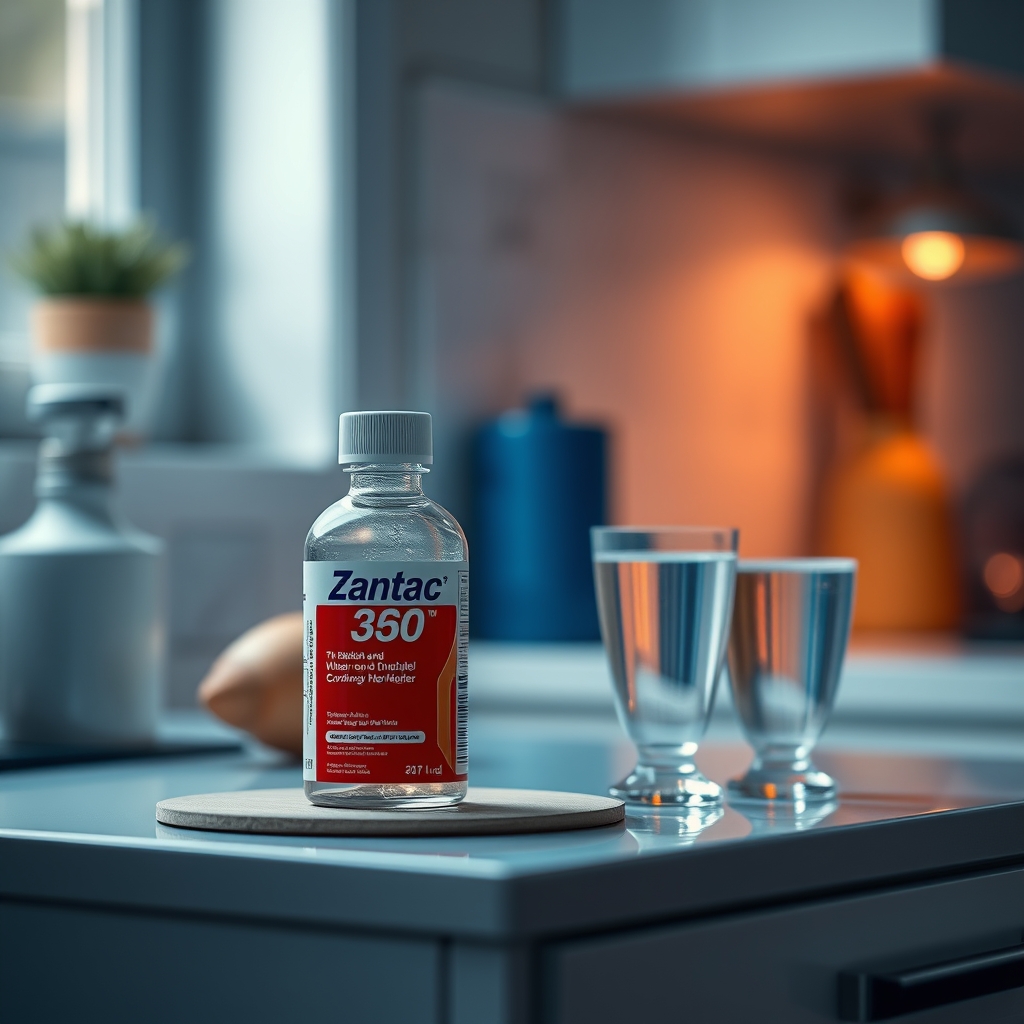
Limit Zantac 360 during pregnancy. Experts recommend using the lowest effective dose, especially in the first trimester, to minimize potential risks.
By Shubhra Mishra — a mom of two who turned her own confusion during pregnancy into BumpBites, a global mission to make food choices clear, safe, and stress-free for every expecting mother. 💛
Check whether any food is safe during pregnancy with the BumpBites Food Safety Checker.
Quick verdict: ❌ Best avoided. Zantac 360 (ranitidine) is not considered safe for use during pregnancy because of concerns about NDMA contamination and limited safety data.
If you’re already taking it, talk to your provider about switching to a safer heart‑burn option.
It’s 2 a.m., you’re lying awake after a bout of heartburn, and the pharmacy bottle of Zantac 360 sits on the nightstand. You wonder, “is Zantac 360 safe during pregnancy?” That worry is common—many expectant parents search for answers the moment they discover they’re pregnant or when symptoms flare up.
In short, the current consensus from the American College of Obstetricians and Gynecologists (ACOG), the U.S. Food and Drug Administration (FDA), and the U.K. National Health Service (NHS) is that Zantac 360 should be avoided. The drug’s recall over N‑nitrosodimethylamine (NDMA) contamination and the lack of robust pregnancy‑specific safety data drive this recommendation.
Below we break down the evidence, trimester‑specific guidance, dosage limits, safer alternatives, and what to do if you’ve already taken the medication. We’ll also compare Zantac 360 to other heart‑burn medicines and answer the most common follow‑up questions.
Heartburn is one of the most frequent discomforts of pregnancy, affecting up to 70 % of pregnant people at some point. Hormonal changes relax the lower esophageal sphincter, while the growing uterus pushes the stomach upward, making acid reflux more likely. Knowing which treatments are truly safe can ease anxiety and keep both you and your baby healthy.
Stage of pregnancy
Verdict
Notes
First trimester
❌ Avoid
Highest risk period for birth‑defect‑related exposures; NDMA concerns outweigh benefits.
Second trimester
❌ Avoid
Limited data; safer antacids or famotidine are preferred.
Third trimester
❌ Avoid
Potential for fetal exposure; no proven advantage over alternatives.
Breastfeeding
❌ Avoid
Ranitidine passes into breast milk; NDMA risk remains.
Zantac 360 is a brand‑name formulation of ranitidine, an H2‑blocker that reduces stomach acid by blocking histamine receptors in the gastric lining. The “360” label indicates a 360‑mg tablet, typically marketed as an over‑the‑counter (OTC) product for occasional heartburn, acid reflux, or sour stomach. Ranitidine was first approved in the early 1980s and became one of the most widely used acid‑suppressing drugs worldwide.
In 2020, the FDA issued a nationwide recall of all ranitidine products after testing revealed that some formulations could contain NDMA—a probable human carcinogen—at levels exceeding acceptable limits. NDMA can form over time, especially when drugs are stored at higher temperatures. While the recall applied to all ranitidine products, some manufacturers, including the makers of Zantac 360, later re‑released “NDMA‑tested” versions. However, the FDA continues to advise caution, and many clinicians still recommend avoiding ranitidine entirely during pregnancy.
Is Zantac 360 safe to take during the first trimester of pregnancy?
The first trimester is the period of organogenesis, when the fetus’s major organs are forming. Because this window is especially vulnerable to teratogens—substances that can cause birth defects—most guidelines urge the most conservative approach.
ACOG’s Practice Bulletin on medication use in pregnancy states that, “H2‑blockers such as ranitidine should be avoided unless no safer alternative is available.” The FDA’s 2020 recall notice also emphasizes that pregnant women should not use ranitidine products, including Zantac 360, until the NDMA issue is fully resolved.
Evidence from epidemiologic studies is limited, but the few available analyses have not demonstrated a clear safety signal; instead, they raise concerns about potential carcinogenic exposure from NDMA. The NHS similarly advises that pregnant people should use antacids (e.g., calcium carbonate) or famotidine instead of ranitidine.
In short, if you’re in the first trimester, the safest choice is to stop Zantac 360 and switch to a pregnancy‑approved antacid or a famotidine‑based product.
What is the recommended dosage of Zantac 360 for pregnant women?
B
ecause the prevailing recommendation is to avoid Zantac 360 altogether, no specific pregnancy‑adjusted dosage is endorsed by major health authorities. The standard adult dose for ranitidine is 150 mg twice daily or 300 mg once daily, but this is intended for non‑pregnant adults.
If a provider determines that ranitidine is absolutely necessary, the lowest effective dose should be used, and the duration should be limited to the shortest period possible. For example, a doctor might prescribe 150 mg once daily for a brief 5‑day course, but this would be an exception rather than the rule.
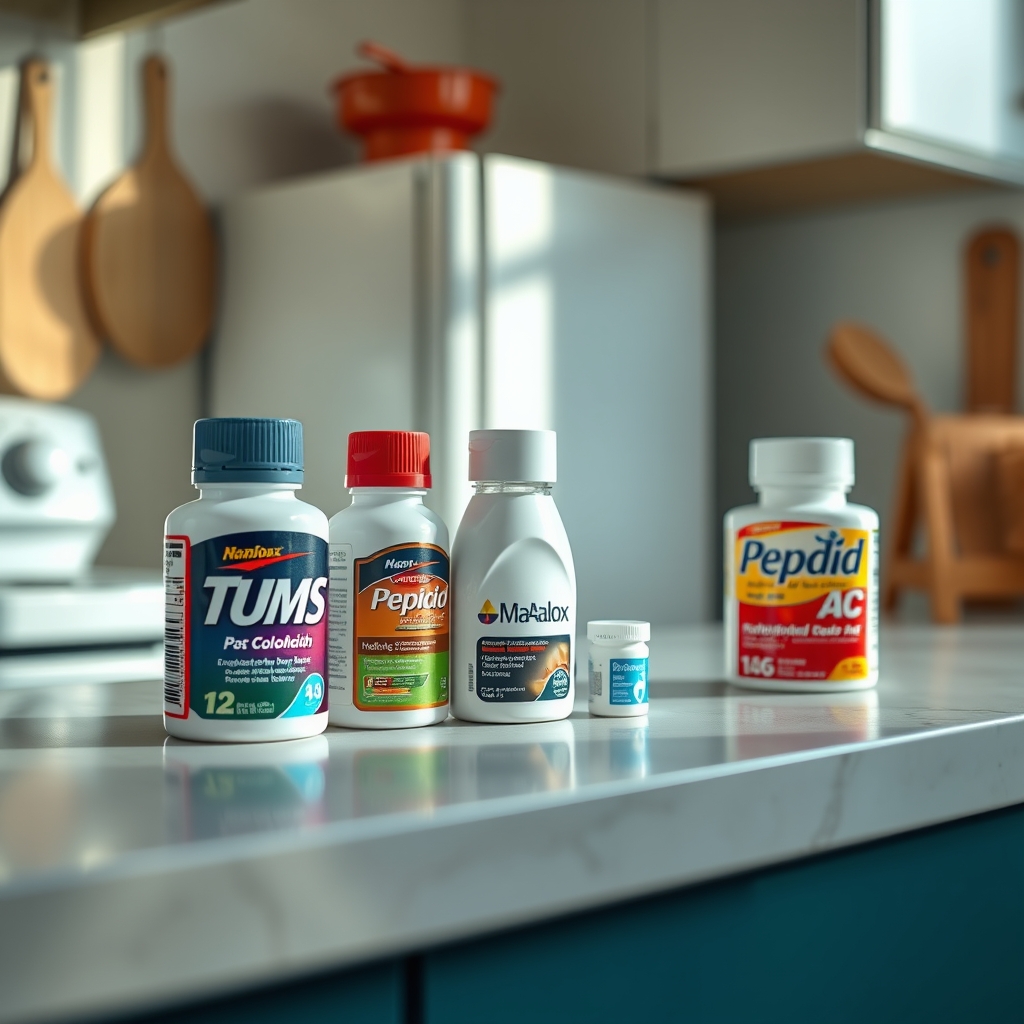
Most clinicians will instead recommend an antacid such as calcium carbonate (Tums) taken after meals, or famotidine (Pepcid AC), which has a more established safety profile in pregnancy.
Can Zantac 360 cause birth defects?
Direct evidence linking Zantac 360 to specific birth defects is sparse, largely because the drug has been withdrawn from many markets and large‑scale pregnancy studies are lacking. However, the presence of NDMA—a known carcinogen—raises theoretical concerns about DNA damage that could affect fetal development.
ACOG notes that “any exposure to probable carcinogens during early pregnancy should be minimized,” and the FDA’s recall was precisely due to NDMA levels that could increase cancer risk over long‑term exposure. While a single short‑term dose is unlikely to cause a defect, the precautionary principle guides the recommendation to avoid Zantac 360 throughout pregnancy.
For this reason, health agencies advise using alternatives with a more robust safety record, especially during the first trimester when the risk of structural anomalies is highest.
Are there safer alternatives to Zantac 360 for heartburn in pregnancy?
Yes. The following options are widely considered safe and are recommended by ACOG, the NHS, and the FDA for managing occasional heartburn during pregnancy:
Tums (calcium carbonate) – a chewable antacid that neutralizes stomach acid quickly and provides calcium supplementation.
Maalox – an aluminum‑magnesium antacid that can be taken after meals.
Mylanta – similar to Maalox, offering both antacid and alginate action.
Gaviscon – an alginate‑based formulation that forms a protective “raft” on top of stomach contents.
Pepcid AC (famotidine) – an H2‑blocker with a better safety profile; ACOG lists it as “compatible with pregnancy” when needed.
Calcium carbonate chewables – these double as a prenatal calcium source and an antacid.
These alternatives either have decades of safety data in pregnancy (antacids) or have been specifically studied and deemed low‑risk (famotidine). They also avoid the NDMA concern that plagues ranitidine products.
Does Zantac 360 interact with prenatal vitamins?
Ranitidine can modestly affect the absorption of certain nutrients, including vitamin B12 and iron. By reducing stomach acidity, it may impair the breakdown of these minerals, potentially decreasing their uptake.
Most prenatal vitamins contain iron and B12, so taking Zantac 360 at the same time could theoretically lessen the effectiveness of the supplement. The NHS advises spacing acid‑suppressing medications at least two hours apart from iron‑containing prenatal vitamins to minimize interaction.
Because safer alternatives exist, it is generally recommended to avoid Zantac 360 altogether, thereby eliminating any possible nutrient‑absorption issue.
Is Zantac 360 recalled for NDMA contamination and what does it mean for pregnant users?
Yes. In April 2020, the FDA announced a Class I recall of all ranitidine products, including Zantac 360, after detecting NDMA levels above the acceptable daily intake (0.096 µg per day). The recall applied to both prescription and OTC formulations.
Some manufacturers later released “NDMA‑tested” versions, but the FDA has continued to advise caution, noting that NDMA can form over time and with temperature variations. For pregnant users, the recall underscores an added layer of risk: exposure to a probable carcinogen that could affect both mother and fetus.
Consequently, most obstetric guidelines advise pregnant patients to avoid any ranitidine product, even those marketed as “NDMA‑free,” until long‑term safety data become available.
How does Zantac 360 compare to other Zantac brands for pregnant women?
All Zantac‑branded products contain ranitidine, regardless of whether they are marketed as “original,” “360,” or “generic.” The active ingredient, dosage strength, and NDMA risk are essentially the same across the line.
Some brands have attempted to reformulate with lower NDMA levels, but the FDA’s recall was product‑wide, and the agency has not granted any brand‑specific exemptions for use in pregnancy. Therefore, the safety verdict for Zantac 360 applies equally to the original Zantac and any generic ranitidine tablets.
In contrast, other H2‑blockers such as famotidine (Pepcid) and cimetidine (Tagamet) have distinct safety profiles. Famotidine is generally considered safe, while cimetidine has limited data and is often avoided. Proton‑pump inhibitors (PPIs) like omeprazole (Prilosec) and esomeprazole (Nexium) have more data but are still used only when benefits outweigh potential risks.
What are the risks of using Zantac 360 while having high blood pressure during pregnancy?
Ranitidine itself does not directly raise blood pressure, but some ranitidine formulations contain sodium, which can contribute to fluid retention and exacerbate hypertension. Moreover, uncontrolled heartburn can lead to stress‑induced blood pressure spikes.
Pregnant patients with pre‑existing hypertension are often advised to limit sodium intake and avoid medications that could worsen fluid balance. Because safer alternatives—such as calcium carbonate antacids or famotidine—do not contain significant sodium, they are the preferred choices for this population.
In summary, using Zantac 360 in the setting of pregnancy‑related hypertension adds unnecessary risk without clear benefit, and clinicians typically recommend an alternative heart‑burn medication.
When heartburn strikes at night, consider reaching for an antacid instead of Zantac 360.
Safety by trimester
First trimester (weeks 1‑13)
The first trimester is the most critical period for fetal organ development. Because ranitidine’s NDMA contamination raises theoretical carcinogenic concerns, ACOG and the NHS advise complete avoidance. Even occasional use can lead to unnecessary exposure.
If heartburn is severe, a provider may suggest a low‑dose famotidine (e.g., 20 mg once daily) after confirming that no antacid will suffice. However, the preferred first‑line approach is to use calcium carbonate antacids after meals, which are both safe and provide supplemental calcium.
Any exposure to NDMA, even at low levels, is best minimized during this window. If you have already taken Zantac 360, note the timing and discuss it with your obstetrician; most clinicians will reassure that a single dose is unlikely to cause harm but will still monitor closely.
Second trimester (weeks 14‑27)
Organogenesis is largely complete by the second trimester, but the fetus continues to grow rapidly. The risk of teratogenic effects diminishes, yet NDMA exposure remains a concern because carcinogenic risk can affect the developing fetus and the mother.
Guidelines continue to list ranitidine as “avoid” for the second trimester. Famotidine (Pepcid AC) is considered compatible with pregnancy and can be used if antacids do not control symptoms. The standard adult dose of famotidine is 20 mg once or twice daily, but the lowest effective dose should be chosen.
Persistent heartburn may also be a sign of gastroesophageal reflux disease (GERD), which can be managed with lifestyle changes—elevating the head of the bed, small frequent meals, and avoiding trigger foods—before resorting to medication.
Third trimester (weeks 28‑40)
In the third trimester, the growing uterus can increase intra‑abdominal pressure, worsening reflux. While some clinicians prescribe PPIs for severe GERD, ranitidine remains on the “avoid” list due to NDMA concerns.
Antacids remain the safest option, and famotidine is still considered a low‑risk alternative. If a prescription H2‑blocker is absolutely required, the provider may opt for famotidine rather than ranitidine.
Because the fetus is gaining weight rapidly, minimizing any potential toxin exposure—including NDMA—is especially prudent.
Breastfeeding
Ranitidine is detected in breast milk at low levels, and NDMA can also be secreted. The American Academy of Pediatrics (AAP) suggests that mothers avoid ranitidine while nursing, recommending instead calcium carbonate antacids or famotidine, both of which have minimal milk transfer.
If you are breastfeeding and have taken Zantac 360, continue to monitor your infant for any unusual symptoms (e.g., excessive sleepiness or poor feeding) and discuss with your pediatrician.
Lifestyle changes to reduce heartburn
Non‑pharmacologic strategies can often keep heartburn at bay without any medication. Eating smaller meals, avoiding lying down for at least an hour after eating, and elevating the head of the bed by 6‑8 inches are simple yet effective measures. Staying hydrated, chewing gum after meals, and steering clear of known triggers such as citrus, chocolate, caffeine, and spicy foods can also help.
These lifestyle tweaks are especially valuable during pregnancy because they carry no risk to the developing baby. If you try these adjustments and still experience frequent discomfort, bring the details to your prenatal visit—your provider can help you choose the safest medication option.
What to do if you’ve already taken Zantac 360
First, take a deep breath. A single dose of Zantac 360 is unlikely to cause serious harm, but it’s still worth informing your obstetrician. Write down the exact dose, the time you took it, and any other medications you were using at the same time.
Your provider may simply note the exposure in your chart and advise routine monitoring. In rare cases where a higher dose was taken over several days, they might recommend a brief course of a safer antacid and schedule an extra ultrasound to confirm normal fetal growth.
Safer heartburn options for pregnant and nursing parents.
Safe dosage / amount / brands
Because the recommendation is to avoid Zantac 360, there is no officially endorsed pregnancy dosage. If a provider determines that ranitidine is absolutely necessary, the following conservative parameters are often cited:
Maximum of 150 mg once daily (the lowest effective dose) for a limited course (no longer than 5–7 days).
Take the tablet with a full glass of water and avoid taking it within two hours of a prenatal vitamin containing iron or calcium.
Choose a reputable brand that provides a clear expiration date and has undergone NDMA testing—though even these “tested” products are not recommended for pregnancy.
Store the medication in a cool, dry place; high temperatures can increase NDMA formation over time.
For most pregnant patients, the safest route is to switch to one of the following well‑studied alternatives:
Pepcid AC (famotidine) – 20 mg once daily; FDA classifies it as Pregnancy Category B.
Gaviscon – 10 mL after meals; creates a protective barrier.
Side effects and risks
Common, non‑serious side effects of ranitidine include headache, dizziness, and mild gastrointestinal upset. However, the NDMA issue introduces more serious concerns:
Potential carcinogenicity – NDMA is classified by the International Agency for Research on Cancer (IARC) as a probable human carcinogen. Long‑term exposure could increase cancer risk for both mother and fetus.
Allergic reactions – Rare but possible; symptoms include rash, itching, or swelling of the face and throat.
Kidney function impact – In rare cases, ranitidine can affect renal function, which is already under increased stress during pregnancy.
If you experience any of the following, contact your provider immediately: severe rash, difficulty breathing, persistent vomiting, or signs of an allergic reaction. For mild side effects, discuss with your obstetrician to determine if an alternative medication is warranted.
Safer alternatives
Tums (calcium carbonate) – Instantly neutralizes acid and adds calcium, which is beneficial for fetal bone development.
Maalox – Offers a balanced antacid with aluminum and magnesium, safe for occasional use.
Mylanta – Similar to Maalox, providing quick relief without systemic absorption.
Gaviscon – Forms a protective “raft” that reduces reflux without altering stomach pH.
Pepcid AC (famotidine) – An H2‑blocker with a well‑established safety record in pregnancy.
Calcium carbonate chewables – Dual benefit of heartburn relief and prenatal calcium supplementation.
Related items — safety at a glance
Item
Verdict
One‑line note
Zantac (original ranitidine)
❌ Avoid
Same NDMA concerns; recall applies.
Pepcid (famotidine)
✅ Generally safe
ACOG lists as compatible with pregnancy.
Tagamet (cimetidine)
⚠️ Talk to your doctor
Limited data; avoid unless necessary.
Nexium (esomeprazole)
✅ Generally safe
PPIs have more data but use only if needed.
Prilosec (omeprazole)
✅ Generally safe
Considered low risk, but limit duration.
Prevacid (lansoprazole)
✅ Generally safe
Similar to other PPIs; consult provider.
Zantac 360 (generic ranitidine)
❌ Avoid
Recall for NDMA; not recommended in pregnancy.
Zantac 360 (OTC version)
❌ Avoid
OTC status does not change NDMA risk.
Myth vs. fact
Myth: “Because Zantac 360 is over‑the‑counter, it must be safe for pregnant women.”
Fact: OTC status only reflects that a drug can be sold without a prescription; it does not guarantee safety in pregnancy. NDMA contamination prompted a recall, and major obstetric bodies advise avoidance.
Myth: “A single dose of Zantac 360 can’t hurt the baby.”
Fact: While a one‑time dose is unlikely to cause serious harm, the precautionary principle recommends avoiding any exposure to a probable carcinogen during pregnancy.
Myth: “All Zantac products are the same, so the 360‑mg version is safer because it’s newer.”
Fact: All Zantac formulations contain ranitidine, and the NDMA issue applies across the brand line, regardless of tablet strength.
Key takeaways
❌ Zantac 360 is not recommended during pregnancy due to NDMA contamination and limited safety data.
First‑trimester exposure should be avoided; the same advice applies to the second, third trimesters, and breastfeeding.
Safe alternatives include calcium carbonate antacids (Tums) and famotidine (Pepcid AC), both endorsed by ACOG and NHS.
If you’ve already taken Zantac 360, note the timing and discuss it with your obstetrician; most will reassure you but will monitor for any issues.
Always separate acid‑suppressing meds from prenatal vitamins containing iron or calcium by at least two hours.
Contact your provider promptly if you develop rash, swelling, breathing difficulties, or persistent vomiting.
Frequently asked questions
Can I take Zantac 360 while pregnant?
No. Current guidance from ACOG, the FDA, and the NHS advises pregnant individuals to avoid Zantac 360 because of NDMA contamination and insufficient safety data.
Is Zantac 360 safe for heartburn during pregnancy?
It is not considered safe; safer options such as calcium carbonate antacids or famotidine (Pepcid AC) are recommended instead.
What are the side effects of Zantac 360 for pregnant women?
Common side effects include headache and mild dizziness, but the primary concern is exposure to NDMA, a probable carcinogen, which may increase long‑term cancer risk for both mother and fetus.
Is there a risk of NDMA in Zantac 360 for my baby?
Yes. NDMA is a known probable human carcinogen, and the FDA’s recall of ranitidine products, including Zantac 360, was based on detecting unsafe NDMA levels.
How much Zantac 360 can I take during pregnancy?
There is no recommended safe dose; the prevailing recommendation is to avoid the medication entirely. If absolutely necessary, a provider may prescribe the lowest effective dose (e.g., 150 mg once daily) for a very short course.
Are there any safer heartburn medicines for pregnant women?
Yes. Calcium carbonate antacids (Tums), alginate‑based products (Gaviscon), and famotidine (Pepcid AC) have established safety records and are preferred over ranitidine.
Does Zantac 360 affect fetal development?
While direct evidence of birth defects is limited, the NDMA contamination raises theoretical risks to fetal development, prompting health agencies to advise avoidance.
Can Zantac 360 cause miscarriage?
There is no definitive data linking Zantac 360 to miscarriage, but any exposure to potential toxins during early pregnancy is best minimized; thus, avoiding the drug is the safest approach.
Can I use Zantac 360 while trying to conceive?
Because NDMA is a probable carcinogen, many clinicians recommend avoiding ranitidine products even before pregnancy is confirmed. If you need heartburn relief while trying to conceive, safer antacids or famotidine are preferred.
Is Zantac 360 safe for people with diabetes during pregnancy?
Ranitidine does not directly affect blood‑glucose control, but the NDMA risk remains. Diabetes specialists typically advise using alternatives such as calcium carbonate antacids or famotidine, which have no known impact on glucose levels.
When to call your doctor
Contact your obstetrician or seek urgent care if you experience any of the following after taking Zantac 360: severe rash or hives, swelling of the face or throat, difficulty breathing, persistent vomiting, or signs of an allergic reaction. Also reach out if you have uncontrolled heartburn that does not respond to antacids, as you may need a prescription‑strength alternative that is safe for pregnancy.
These guidelines are informational and not a substitute for professional medical advice. Always discuss medication concerns with your healthcare provider.
References
American College of Obstetricians and Gynecologists. “Medication Use in Pregnancy.” ACOG Practice Bulletin, 2022.
U.S. Food and Drug Administration. “FDA Announces Recall of All Ranitidine Products Due to NDMA Contamination.” FDA Safety Communication, April 2020.
National Health Service (UK). “Heartburn and Indigestion in Pregnancy.” NHS website, updated 2023.
U.S. Food and Drug Administration. “NDMA in Ranitidine Products: What Patients Need to Know.” FDA Consumer Update, 2021.
American Academy of Pediatrics. “Breastfeeding and Medication Use.” AAP Clinical Report, 2021.
World Health Organization. “IARC Monographs on the Evaluation of Carcinogenic Risks to Humans – NDMA.” WHO, 2012.
Mayo Clinic. “Ranitidine (Zantac) – Uses, Side Effects, and Dosage.” Mayo Clinic, accessed 2023.
Centers for Disease Control and Prevention. “Pregnancy and Medication Safety.” CDC Guidelines, 2022.
Not sure about the label on Is Zantac 360 Safe During Pregnancy products?
Snap the ingredients list and SafeFilter checks every ingredient for your stage — only 3 free scans this month, then you're locked until reset. Unlimited from $7/mo or $50/yr.
When Shubhra Mishra was expecting her first child in 2016, she was overwhelmed by conflicting food advice — one site said yes, another said never. By the time her second baby arrived in 2019, she realized millions of mothers face the same confusion.
That sparked a five-year journey through clinical nutrition papers, cultural diets, and expert conversations — all leading to BumpBites: a calm, compassionate space where science meets everyday motherhood.
Her long-term vision is to build a global community ensuring safe, supported, and free deliveriesfor every mother — because no woman should face pregnancy alone or uninformed. 🌿
🌍 Stand with mothers, shape safer guidance
Join a small circle of experts who review BumpBites articles so expecting parents everywhere can decide with confidence.