Limit zabaglione during pregnancy due to raw egg risks. Experts recommend pasteurized versions or small servings in the second/third trimester to reduce salmonella risk.
By Shubhra Mishra — a mom of two who turned her own confusion during pregnancy into BumpBites, a global mission to make food choices clear, safe, and stress-free for every expecting mother. 💛
Check whether any food is safe during pregnancy with the BumpBites Food Safety Checker.
Quick verdict: ⚠️ Safe with limits – properly cooked zabaglione made without alcohol can be enjoyed in moderation, but raw‑egg or alcohol‑containing versions should be avoided. Aim for a small serving (½ cup) no more than once a week, and always choose pasteurized eggs or heat the mixture to 71 °C (160 °F) to kill salmonella.
It’s 2 a.m., you’re scrolling through recipe videos, and a silky, frothy dessert called zabaglione catches your eye. Suddenly, a wave of worry hits: is zabaglione safe during pregnancy? You might be holding a whisk, a glass of Marsala wine, or a store‑bought tub, and the question looms larger than the dessert itself. The good news is that most of the concern centers on two ingredients – raw eggs and alcohol – both of which can be managed with a few simple tricks.
In this article we’ll give you a clear answer up front, then walk through trimester‑specific guidance, safe portion sizes, how to make a pregnancy‑friendly version, and what to watch out for. We’ll also compare zabaglione to similar desserts, suggest safer alternatives for cravings, and answer the most common follow‑up questions. By the end, you’ll know exactly how to enjoy this classic treat—or decide it’s best to skip it – without unnecessary anxiety.
Whether you’re a first‑time mom or adding a new little one to a growing family, the desire to know exactly what’s safe can feel overwhelming. We’ve broken the information into bite‑size sections so you can find the answer you need quickly, then dive deeper if you wish. Let’s get started.
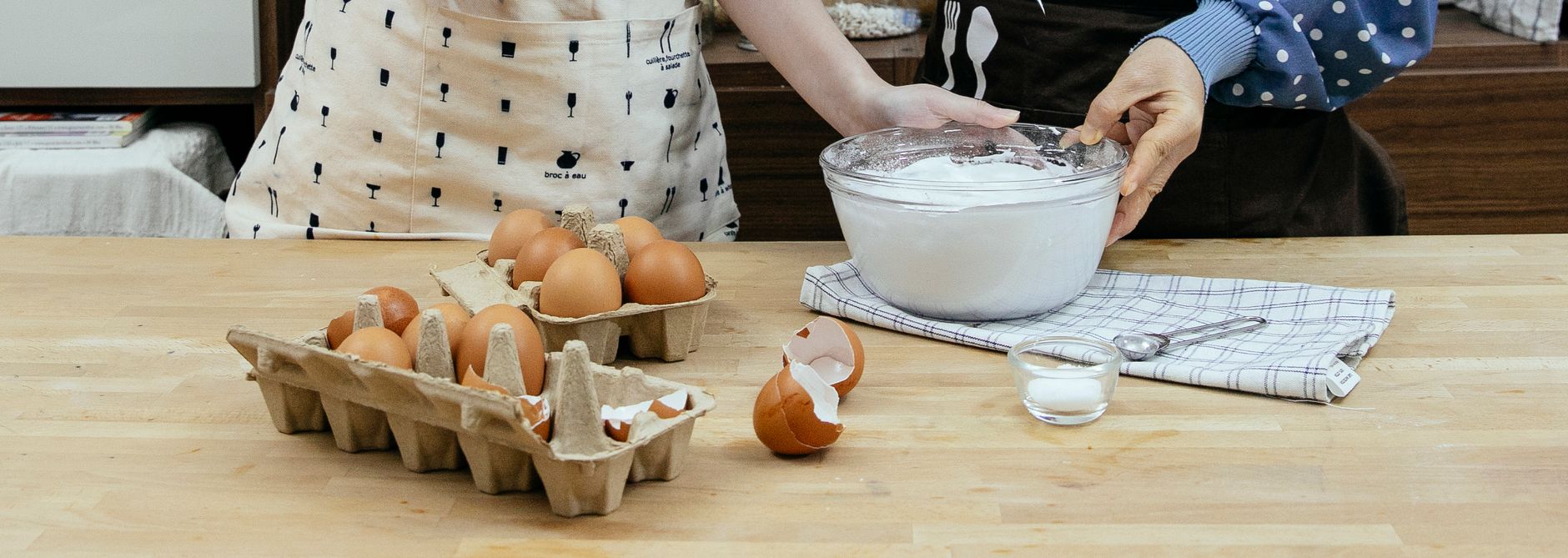
Preparing zabaglione at home lets you control every ingredient for a pregnancy‑friendly treat.
Stage
Verdict
Notes
1st trimester
⚠️ Safe with limits
Only if eggs are fully cooked (≥71 °C) or pasteurized; avoid alcohol.
2nd trimester
⚠️ Safe with limits
Same cooking requirements; small portions are fine.
3rd trimester
⚠️ Safe with limits
Watch for excess calories; ensure eggs are fully cooked.
Breastfeeding
⚠️ Safe with limits
Alcohol‑free, fully cooked versions are fine; monitor infant’s reaction if you consume any alcohol elsewhere.
Zabaglione (pronounced zah‑bah‑lyoh‑neh) is an Italian custard made by whisking whole eggs, sugar, and usually a sweet wine such as Marsala over gentle heat until thick and airy. The result is a light, mousse‑like sauce that can be served warm over fruit, chilled as a standalone dessert, or folded into cakes and pastries. Its texture comes from the coagulation of egg proteins as they are heated, while the sugar helps stabilize the foam.
The classic recipe calls for raw egg yolks, sugar, and a splash of wine. Some modern twists swap the wine for liqueur, add fruit purées, or use a double‑boiler method that keeps the mixture just below boiling. Because the primary ingredients are eggs and, often, alcohol, the safety of zabaglione during pregnancy hinges on how those components are handled.
In short, is zabaglione safe during pregnancy? The answer is “yes, if you take a few precautions.” The American College of Obstetricians and Gynecologists (ACOG) advises that pregnant people avoid raw or undercooked eggs because of the risk of Salmonella infection, which can cause severe gastrointestinal illness and, in rare cases, affect the fetus. The United Kingdom’s National Health Service (NHS) echoes this guidance, recommending that eggs be cooked to an internal temperature of at least 71 °C (160 °F). As for alcohol, the U.S. Food and Drug Administration (FDA) and the NHS both state that there is no known safe amount of alcohol during pregnancy; even small doses can cross the placenta. Therefore, any zabaglione that contains wine or liqueur should be made without alcohol or omitted entirely.
When these two risk factors are eliminated—by using pasteurized eggs or heating the mixture thoroughly, and by omitting alcohol—the resulting custard is essentially a protein‑rich dessert that fits within the dietary recommendations for most pregnant people. Studies on egg consumption during pregnancy consistently show no adverse outcomes when eggs are fully cooked, and they even provide valuable nutrients like choline, lutein, and high‑quality protein. However, because zabaglione is often high in sugar and calories, moderation is still key, especially for those managing gestational diabetes or weight gain.
Is zabaglione safe to eat during the first trimester?
The first trimester is the period of organogenesis, when the baby’s major organs are forming. This is also the window when exposure to teratogens—substances that can cause birth defects—is most concerning. Raw or undercooked eggs present a food‑borne infection risk rather than a teratogenic risk, but the consequences can still be serious. According to ACOG, pregnant people should avoid any dish that contains raw egg yolk unless the eggs have been pasteurized. If you prepare zabaglione at home, bring the mixture to a gentle boil, stirring constantly, until it reaches at least 71 °C (160 °F). A kitchen thermometer is the most reliable way to confirm this temperature.
If you’re buying zabaglione from a store, check the label carefully. Most commercial versions contain alcohol and may not specify whether the eggs are pasteurized. In the first trimester, the safest approach is to either make a homemade version that meets the cooking guidelines or choose an alcohol‑free, pasteurized‑egg product from a reputable brand that clearly states “pasteurized.”
Eggs also provide choline, a nutrient that supports brain development in early pregnancy. When the eggs are fully cooked, you still get that benefit without the salmonella risk. Pairing a modest serving of zabaglione with a fruit high in vitamin C (like kiwi or strawberries) can boost iron absorption from other meals, making it a nutritionally thoughtful treat.
In short, zabaglione can be part of a balanced first‑trimester diet when you eliminate raw egg and alcohol risks. Keep the portion modest—no more than ½ cup—because the dessert is calorie‑dense and high in simple sugars.
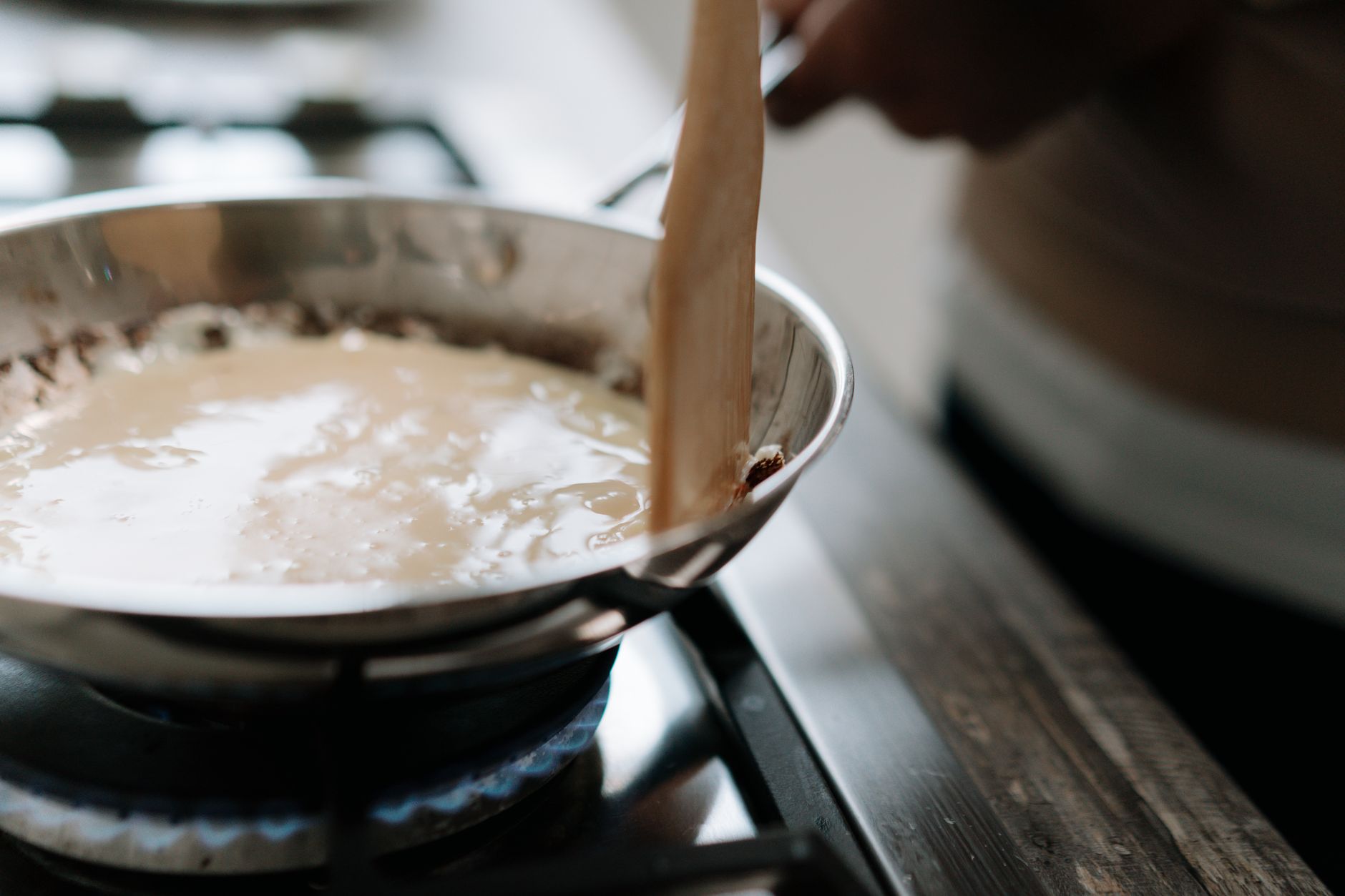
Whisking zabaglione to the proper temperature ensures any potential salmonella is destroyed.
Can I have zabaglione in the second trimester if it's made with cooked eggs?
By the second trimester, many pregnancy‑related nausea and food aversions begin to subside, and cravings for richer flavors often emerge. If your zabaglione is prepared using the double‑boiler method—where the egg‑sugar mixture is heated over simmering water until it thickens—you’re meeting the ACOG and NHS safety standards for egg cooking. The key is to maintain a steady temperature and avoid any “runny” pockets that could hide undercooked egg.
Alcohol remains a concern, however. Even a small splash of Marsala can contribute a few grams of ethanol per serving. The FDA’s guidance is clear: no amount of alcohol is considered safe during pregnancy. If you substitute the wine with a non‑alcoholic flavoring—such as vanilla extract, orange zest, or a splash of fruit juice—you can enjoy the dessert without the alcohol risk.
For gestational diabetes, the second trimester is often a time when glucose monitoring becomes stricter. Zabaglione’s sugar content can cause a rapid rise in blood glucose. To keep it pregnancy‑friendly, you can reduce the added sugar by up to 50 % and pair the custard with low‑glycemic fruit like berries. Even then, limit intake to a single small serving (about ½ cup) a week.
Beyond sugar, the second trimester is a period of rapid fetal bone growth. The calcium and vitamin D found in dairy‑based zabaglione can contribute to your mineral intake, especially if you use low‑fat milk or fortified plant milks. Just be mindful of the overall calcium budget if you’re already taking prenatal supplements.
How much zabaglione is safe for pregnant women to consume?
Because zabaglione is high in both calories and simple sugars, the safest recommendation is to treat it as an occasional treat rather than a daily staple. The American Diabetes Association (ADA) suggests that desserts for people with gestational diabetes should contribute no more than 10 % of total daily calories. For a typical 2,200‑calorie pregnancy diet, that translates to roughly 220 calories from dessert per day.
A standard serving of zabaglione (½ cup) contains about 180–220 calories, depending on the amount of sugar and any added flavorings. Therefore, a single serving once a week fits comfortably within most nutritional guidelines. If you’re watching weight gain, you might cut the portion to ¼ cup or combine it with a fresh fruit topping to increase volume without adding many extra calories.
When purchasing pre‑made zabaglione, read the nutrition label. Look for products that list “no added sugar” or “reduced‑sugar” and avoid those that contain alcohol. If you’re making it at home, experiment with natural sweeteners like stevia or monk fruit, but remember that the texture may change slightly.
Portion control also helps keep saturated‑fat intake in check, especially if you use whole‑milk dairy. Switching to low‑fat or plant‑based milks can shave a few grams of fat per serving while preserving the creamy texture you love.
What are safe alternatives to zabaglione for pregnant cravings?
Panna cotta – a gelatin‑based dessert that can be made with milk and fruit puree; no eggs or alcohol needed.
Vanilla custard – cooked on the stovetop with pasteurized eggs, offering a similar creamy texture.
Fruit parfait – layers of Greek yogurt, fresh berries, and a drizzle of honey give protein and probiotics.
Greek yogurt with honey – a quick, protein‑rich snack that satisfies sweet cravings.
Rice pudding – simmered rice, milk, and cinnamon provide comfort without raw egg.
Chocolate mousse made without alcohol – uses melted chocolate and whipped cream for richness.
Flan – baked custard that is cooked through, eliminating salmonella risk.
Banana cream dessert – blended bananas, cream, and a touch of vanilla create a naturally sweet mousse.
Pumpkin puree mousse – pumpkin, cream cheese, and spices offer a seasonal, protein‑rich treat.
Custard tart – a slice‑sized baked tart with a fully cooked custard filling, perfect for a slice‑sized indulgence.
Each alternative can be flavored with extracts, citrus zest, or fruit purées to mimic the bright notes that wine brings to traditional zabaglione. By swapping the alcohol for a splash of vanilla or orange juice, you keep the dessert festive while staying within safety guidelines.
Does store‑bought zabaglione contain alcohol that is unsafe for pregnancy?
Many commercial zabaglione products are marketed as “Italian dessert sauces” and often list Marsala wine or other liqueurs as flavoring agents. The FDA requires that any alcohol‑containing food disclose the ingredient on the label, but the exact alcohol percentage is rarely shown. Because even a few teaspoons can deliver enough ethanol to be detectable in maternal blood, most obstetric guidelines advise pregnant people to avoid these products entirely.
If you find a “non‑alcoholic” version, verify that the label explicitly states “alcohol‑free” or “contains no wine.” Some brands replace wine with natural extracts, which are safe. When in doubt, contact the manufacturer or choose a homemade version where you control every ingredient.
Reading the ingredient list carefully also helps you spot hidden sources of alcohol, such as “natural flavor” or “essence,” which can sometimes be derived from fermented products. Opt for brands that are transparent about their formulation and, when possible, choose those that advertise “pasteurized eggs” to cover both safety bases.
What are the risks of eating zabaglione while pregnant?
The two primary risks are Salmonella infection from undercooked eggs and fetal exposure to alcohol. Salmonella typically causes fever, abdominal cramps, and diarrhea, and can be particularly dangerous for pregnant people because dehydration and fever may increase the risk of preterm labor. According to the CDC, about 1 in 20,000 eggs in the United States are contaminated with Salmonella, but the risk rises when eggs are not fully cooked.
Alcohol exposure, even in small amounts, can affect fetal brain development. ACOG’s Committee Opinion states that no amount of alcohol has been proven safe, and the safest choice is complete abstinence. Symptoms of alcohol‑related fetal effects may not appear until later in childhood, making prevention essential.
Lastly, the high sugar content of zabaglione can contribute to excessive gestational weight gain and, for those with gestational diabetes, cause rapid spikes in blood glucose. Monitoring portion size and frequency helps mitigate these metabolic concerns.
For moms who have high cholesterol or are monitoring lipid intake, the saturated fat from full‑fat dairy in traditional zabaglione may modestly raise LDL levels. Choosing low‑fat milk or a plant‑based alternative can keep the dessert indulgent while being kinder to your heart health.
Is zabaglione safe for pregnant women with gestational diabetes?
Gestational diabetes management focuses on balancing carbohydrate intake and maintaining stable blood glucose levels. Traditional zabaglione recipes contain a high ratio of simple sugars, which can raise glucose quickly. However, you can adapt the recipe by reducing added sugar by half, using a low‑glycemic sweetener such as stevia, and pairing the custard with a high‑fiber fruit like raspberries.
Even with modifications, the dessert should be treated as an occasional indulgence—no more than once a week—and portion‑controlled to ¼–½ cup. Always check your blood glucose 1–2 hours after eating to see how your body responds and discuss any changes with your prenatal care provider.
If you’re on insulin therapy, keep a log of the carbohydrate content of your zabaglione serving and adjust your dose as recommended by your diabetes educator. Small changes in sugar content can make a big difference in glucose trends.
Can I make a pregnancy‑friendly zabaglione without alcohol?
Absolutely! Replace the wine with a non‑alcoholic liquid that adds flavor without the ethanol. Good options include:
100 % pure vanilla extract (use ½ tsp for each cup of wine called for).
Fresh orange juice or zest for citrus brightness.
Apple or pear puree for a subtle fruit note.
Unsweetened almond or oat milk for a creamy, dairy‑free twist.
Follow the classic double‑boiler method, whisking egg yolks and sugar until the mixture reaches 71 °C (160 °F). Then fold in the chosen flavoring and continue whisking until the custard becomes light and airy. The result is a silky, alcohol‑free zabaglione that retains the traditional texture while keeping both you and your baby safe.
For a lower‑fat version, swap whole milk for skim milk or a fortified plant milk. This reduces saturated fat while still providing calcium and vitamin D—nutrients important for fetal bone development.
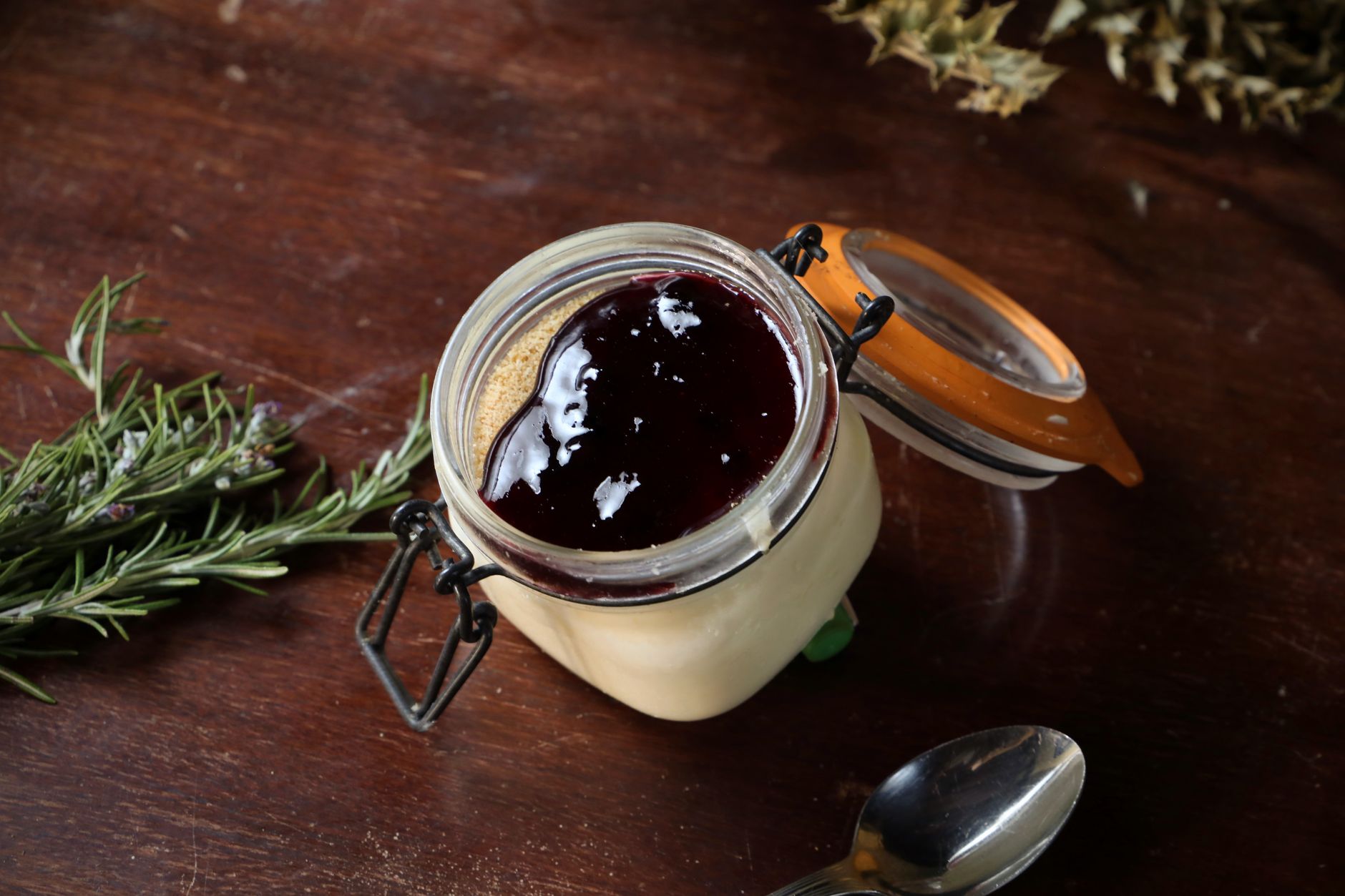
Serve a modest portion of alcohol‑free zabaglione with fresh fruit for added nutrition.
Safe dosage / amount / brands
Because zabaglione is a dessert rather than a medication, “dosage” refers to portion size and frequency. The consensus among nutritionists and obstetric guidelines is:
Portion size: ½ cup (≈120 ml) per serving.
Frequency: No more than 1‑2 servings per week, especially if the recipe contains added sugar.
Egg safety: Use pasteurized eggs (brands like “Eggland’s” or “Vital Farms”) or heat the mixture to ≥71 °C (160 °F).
Alcohol‑free brands: Look for products labeled “non‑alcoholic” or “alcohol‑free”. Some specialty stores carry “zabaglione‑style” sauces made with fruit juice instead of wine.
If you prefer a ready‑made option, verify the label for the following:
Salmonella infection – Symptoms include fever, nausea, vomiting, abdominal cramps, and diarrhea. In pregnancy, dehydration from vomiting can increase the risk of preterm labor. If you experience these symptoms after eating a potentially undercooked zabaglione, contact your provider promptly.
Alcohol exposure – Even low‑level exposure can lead to fetal alcohol spectrum disorders (FASD). No specific “safe” threshold has been established, so abstinence is recommended. If you accidentally consume a small amount of alcohol‑containing zabaglione, monitor for signs of intoxication (dizziness, headache) and discuss with your obstetrician.
Blood‑sugar spikes – For those with gestational diabetes, the simple sugars in zabaglione can cause rapid glucose elevation. Watch for symptoms like excessive thirst, frequent urination, or fatigue, and test your blood glucose 1–2 hours after eating.
Overall, the risks are manageable with proper cooking, ingredient selection, and portion control. The key is to stay aware of your body’s signals and seek medical advice if any concerning symptoms arise.
Safer alternatives
Panna cotta – Gelatin‑based, no eggs or alcohol, easily flavored with fruit.
Vanilla custard – Cooked on the stovetop with pasteurized eggs for a similar texture.
Fruit parfait – Layers of Greek yogurt, fresh berries, and a drizzle of honey provide protein and probiotics.
Greek yogurt with honey – Quick, protein‑rich, and naturally sweet.
Rice pudding – Creamy, comforting, and fully cooked.
Chocolate mousse made without alcohol – Uses melted chocolate and whipped cream for richness.
Pumpkin puree mousse – Seasonal, nutrient‑dense, and alcohol‑free.
Custard tart – A slice‑sized baked tart with a fully cooked custard filling.
Related items — safety at a glance
Item
Verdict
One‑line note
Tiramisu
❌ Avoid
Contains raw eggs and alcohol (Marsala or coffee liqueur).
Crème brûlée
✅ Safe
Eggs are fully baked; no alcohol.
Flan
✅ Safe
Baked custard eliminates salmonella risk.
Custard
✅ Safe
Cooked through; ensure eggs reach 71 °C.
Eggnog
❌ Avoid
Often contains raw egg and alcohol.
Panna cotta
✅ Safe
Gelatin‑based, no eggs or alcohol.
Chocolate mousse
✅ Safe
Make without alcohol; use pasteurized eggs or omit eggs.
Soufflé
✅ Safe
Fully cooked; avoid raw‑egg recipes.
Bavarian cream
✅ Safe
Cooked custard base; no alcohol needed.
Custard tart
✅ Safe
Baked custard filling meets safety standards.
Myth vs. fact
Myth: “A tiny splash of wine in zabaglione is harmless because the alcohol evaporates.”
Fact: While some alcohol evaporates during cooking, enough can remain to expose the fetus. ACOG recommends complete avoidance of alcohol during pregnancy.
Myth: “If the eggs are fresh, raw‑egg desserts like zabaglione are safe.”
Fact: Freshness does not eliminate Salmonella risk. Only pasteurized eggs or thorough cooking to ≥71 °C (160 °F) guarantee safety.
Myth: “Desserts are always okay because they’re ‘just sugar.’”
Fact: High‑sugar desserts can cause rapid blood‑glucose spikes, especially in gestational diabetes, and contribute to excess weight gain. Portion control is essential.
Key takeaways
✅ Zabaglione can be safe if eggs are fully cooked or pasteurized and the recipe contains no alcohol.
⚠️ Limit servings to ½ cup – once a week to manage calories and sugar.
🛑 Avoid store‑bought versions that list wine or liqueur unless clearly labeled “alcohol‑free.”
👩⚕️ For gestational diabetes, reduce added sugar or use low‑glycemic sweeteners.
🔄 Consider safer alternatives like panna cotta, vanilla custard, or fruit parfait for similar texture cravings.
Frequently asked questions
Can pregnant women eat zabaglione?
Yes, if the zabaglione is made with fully cooked or pasteurized eggs and contains no alcohol, it can be enjoyed in moderation.
Does zabaglione contain alcohol?
Traditional zabaglione recipes call for Marsala wine or another liqueur, so most homemade and commercial versions do contain alcohol unless you specifically omit it or use a non‑alcoholic substitute.
Is raw egg safe during pregnancy?
No, raw or undercooked eggs pose a salmonella risk; pregnant people should only consume eggs that are pasteurized or cooked to an internal temperature of at least 71 °C (160 °F).
How can I make zabaglione without alcohol?
Replace the wine with a non‑alcoholic flavoring such as vanilla extract, orange zest, or fruit juice, and follow the double‑boiler method to ensure the eggs reach the safe temperature.
What are the symptoms of foodborne illness from zabaglione in pregnancy?
Symptoms may include fever, nausea, vomiting, abdominal cramps, and diarrhea. If you experience any of these after eating zabaglione, contact your healthcare provider promptly.
Are there low‑sugar zabaglione recipes safe for gestational diabetes?
Yes, you can halve the added sugar, use a low‑glycemic sweetener like stevia, and pair the custard with high‑fiber fruit to keep blood‑glucose spikes in check.
Can I eat store‑bought zabaglione while pregnant?
Only if the label explicitly states it is alcohol‑free and the eggs are pasteurized; otherwise, it’s safer to make your own version at home.
Is zabaglione high in calories for pregnancy?
Standard zabaglione contains about 180–220 calories per ½‑cup serving, making it a relatively calorie‑dense dessert that should be limited to occasional consumption.
Can I freeze leftover zabaglione for later?
Yes, you can freeze it in an airtight container for up to two months. Thaw gently in the refrigerator and re‑whisk before serving to restore its smooth texture.
How long does homemade zabaglione keep in the fridge?
When stored in a sealed container, homemade zabaglione stays fresh for 2–3 days in the refrigerator. Keep it chilled below 4 °C (40 °F) and discard if you notice off‑odors or mold.
When to call your doctor
If you experience any of the following after eating zabaglione, reach out to your obstetric provider promptly:
Fever ≥ 38 °C (100.4 °F) with chills or vomiting.
Severe abdominal pain or persistent diarrhea lasting more than 24 hours.
Signs of alcohol intoxication (dizziness, slurred speech) after consuming a dessert that may contain wine.
Unexplained rapid rise in blood glucose (if you have gestational diabetes) that does not return to baseline within 2 hours.
These symptoms could indicate a foodborne infection or other complication that warrants medical evaluation. Remember, this article provides general information and is not a substitute for personalized medical advice.
References
American College of Obstetricians and Gynecologists. Committee Opinion No. 766: Alcohol Use in Pregnancy. 2020.
National Health Service (NHS). Food safety – eggs. Updated 2023.
U.S. Food and Drug Administration (FDA). Guidance for Industry: Food Safety and Egg Products. 2022.
Centers for Disease Control and Prevention (CDC). Salmonella – Food Safety. 2023.
American Diabetes Association. Standards of Medical Care in Diabetes—2023. Section on Gestational Diabetes.
Mayo Clinic. Egg safety: How to avoid salmonella. 2022.
World Health Organization. Alcohol and Pregnancy: Guidelines for Health Professionals. 2021.
Harvard T.H. Chan School of Public Health. Sugar and health: The science behind nutrition recommendations. 2022.
Not sure about the label on Is Zabaglione Safe During Pregnancy products?
Snap the ingredients list and SafeFilter checks every ingredient for your stage — only 3 free scans this month, then you're locked until reset. Unlimited from $7/mo or $50/yr.
When Shubhra Mishra was expecting her first child in 2016, she was overwhelmed by conflicting food advice — one site said yes, another said never. By the time her second baby arrived in 2019, she realized millions of mothers face the same confusion.
That sparked a five-year journey through clinical nutrition papers, cultural diets, and expert conversations — all leading to BumpBites: a calm, compassionate space where science meets everyday motherhood.
Her long-term vision is to build a global community ensuring safe, supported, and free deliveriesfor every mother — because no woman should face pregnancy alone or uninformed. 🌿
🌍 Stand with mothers, shape safer guidance
Join a small circle of experts who review BumpBites articles so expecting parents everywhere can decide with confidence.