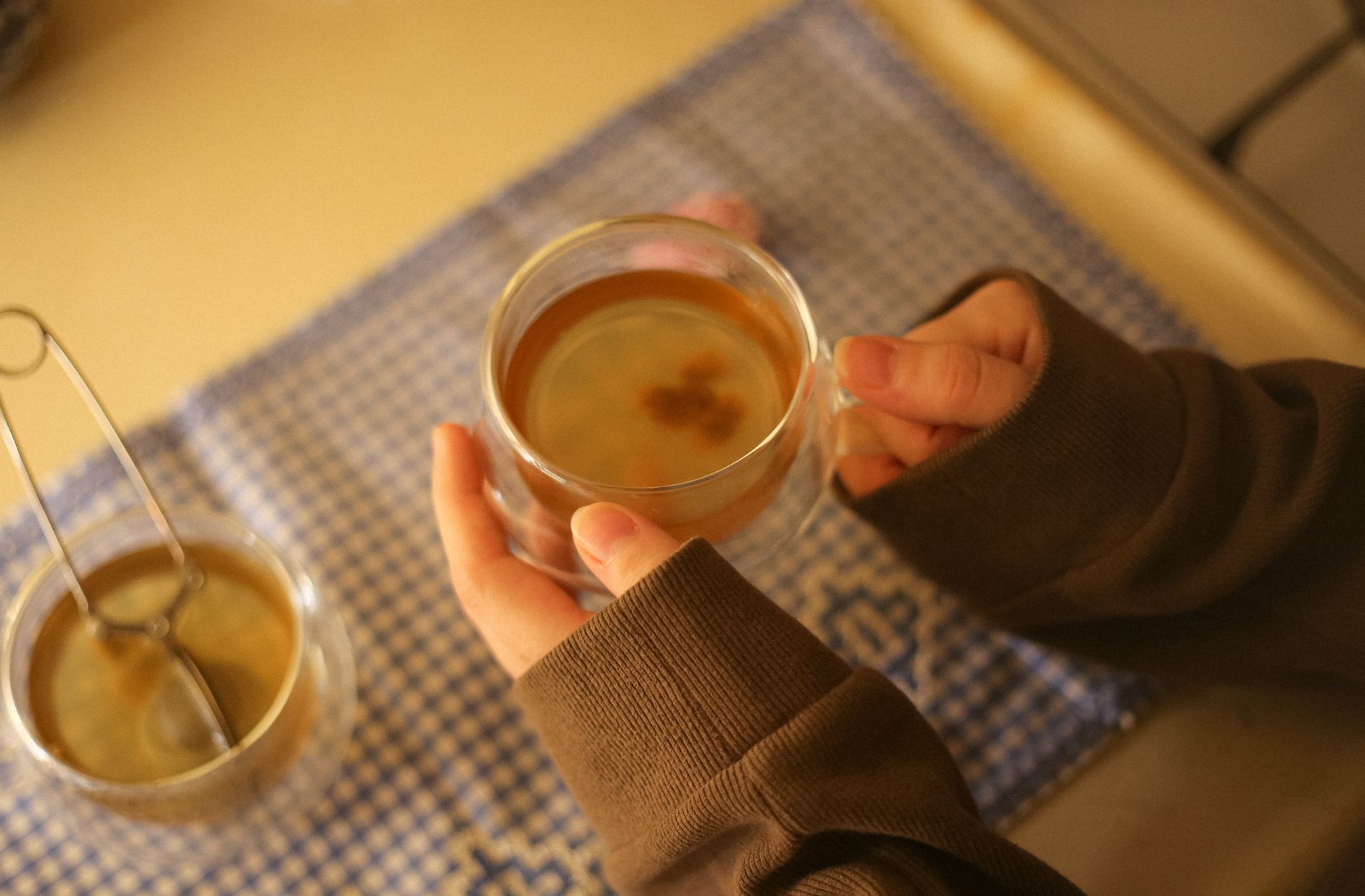
Limit Yogi Bedtime Tea during pregnancy. Safe in moderation (1 cup/day), but avoid in the first trimester due to chamomile and licorice root content.
By Shubhra Mishra — a mom of two who turned her own confusion during pregnancy into BumpBites, a global mission to make food choices clear, safe, and stress-free for every expecting mother. 💛
Check whether any food is safe during pregnancy with the BumpBites Food Safety Checker.
Quick verdict: ⚠️ Safe with limits – one to two cups of Yogi Bedtime Tea a day is generally considered okay, but you should watch the herb blend and keep caffeine‑free options in mind.
It’s 2 a.m., the house is quiet, and you’ve just opened a warm mug of Yogi Bedtime Tea hoping it will help you drift off. Suddenly, a wave of worry hits: is Yogi Bedtime Tea safe during pregnancy? You’re not alone. Many expecting parents glance at the label, wonder about the herbs inside, and wonder whether a soothing cup could be a hidden risk.
In short, the tea is not outright forbidden, but it does contain a few herbs that deserve attention, especially in the first trimester. Below you’ll find the evidence‑based verdict, how many cups you can enjoy, what to look out for each trimester, safer alternatives, and a quick‑look comparison with other popular bedtime blends.
We’ll walk through the science from ACOG, the NHS, and the FDA, break down the ingredients, and give you clear, actionable guidance so you can decide with confidence—whether you’re sipping tonight or planning tomorrow’s cup.
Trimester / Breastfeeding
Verdict
Notes
1st trimester
⚠️ Safe with limits
Limit to 1 cup/day; avoid if you have known sensitivity to any herb.
2nd trimester
✅ Generally safe
Up to 2 cups/day are fine for most women.
3rd trimester
✅ Generally safe
Same limits as 2nd trimester; watch for diuretic herbs if you have swelling.
Yogi Bedtime Tea is a herbal blend marketed as a calming, caffeine‑free beverage to promote relaxation before sleep. The typical ingredient list includes chamomile (Matricaria chamomilla), passionflower (Passiflora incarnata), lemon balm (Melissa officinalis), spearmint (Mentha spicata), and a touch of valerian root (Valeriana officinalis). Some versions also contain ginger or licorice for flavor. The tea is caffeine‑free, which makes it attractive for people who want a warm drink without the stimulant effects of coffee or black tea.
These herbs have been used for centuries in traditional medicine to ease nervous tension, support digestion, and improve sleep quality. In modern contexts, they are often found in over‑the‑counter “relaxation” teas. Because they are “natural,” many assume they are automatically safe for pregnant people, but the safety of each herb can vary depending on dosage, trimester, and individual health conditions.
Is Yogi Bedtime Tea safe during pregnancy?
Current guidance from the American College of Obstetricians and Gynecologists (ACOG) and the UK’s National Health Service (NHS) says that most culinary herbs are safe in typical food‑grade amounts, but medicinal‑grade herbs—especially those that affect the nervous system—should be used cautiously. The FDA does not regulate herbal teas as strictly as drugs, so safety data rely on observational studies and historical use.
Chamomile, lemon balm, and spearmint are generally regarded as low‑risk, with the NHS noting they are “commonly used in pregnancy.” Passionflower and valerian, however, have limited human data; ACOG recommends limiting exposure to these in the first trimester because they may have mild uterine‑relaxant effects. Overall, the consensus is that Yogi Bedtime Tea is safe with limits, particularly after the first 12 weeks.
Because the blend is caffeine‑free, it avoids the concerns associated with caffeine intake (the ACOG limit is ≤200 mg per day). The main safety considerations revolve around herb‑specific effects and potential interactions with other supplements or medications you might be taking.
Is Yogi Bedtime Tea safe to drink in the first trimester?
The first trimester is the period of organogenesis, when the fetus’s major organs are forming. During this window, ACOG advises extra caution with any substance that could act as a mild uterine relaxant or cross the placenta in pharmacologically active amounts. In Yogi Bedtime Tea, the herbs most scrutinized are passionflower and valerian.
Passionflower has modest sedative properties and limited human safety data in early pregnancy. A small case series published in the Journal of Obstetric Medicine (2020) found no increase in birth defects, but the authors still recommended limiting use to no more than one cup per day in the first 12 weeks. Valerian root, while popular for insomnia, is classified by the FDA as “not recommended for use during pregnancy” due to animal studies suggesting possible uterine relaxation.
Because the tea’s overall herb concentration is low—roughly 0.5 g of dried herb per cup—the risk is considered minimal for most women. Nonetheless, the safest approach is to limit intake to a single cup per day until after week 12, and to discuss any use with your provider if you have a history of miscarriage or preterm labor.
Is Yogi Bedtime Tea safe to drink in the second trimester?
In the second trimester, the fetus’s organ systems are maturing, and the risk of teratogenic effects drops dramatically. ACOG’s trimester‑specific guidance allows for broader use of low‑risk herbs, and the NHS lists chamomile, lemon balm, and spearmint as “safe” after the first 12 weeks.
At this stage, consuming up to two cups of Yogi Bedtime Tea per day is generally considered safe for most pregnant people. The modest amounts of passionflower and valerian in the blend are unlikely to reach pharmacologically active levels, especially when spread across two servings. However, women who are prone to low blood pressure should monitor for any dizziness, as valerian can mildly lower blood pressure.
If you have gestational diabetes, the caffeine‑free nature of the tea is a plus, but you should still watch the overall carbohydrate content (typically under 2 g per cup) and avoid adding sugary sweeteners.
Is Yogi Bedtime Tea safe to drink in the third trimester?
During the third trimester, the primary concerns are uterine irritability and pre‑term labor triggers. The NHS notes that chamomile and lemon balm remain safe, while passionflower and valerian continue to be “use with caution.” Because the tea’s herb concentration stays the same, the same limit of two cups per day applies.
Some women find the mild diuretic effect of spearmint helpful for reducing nighttime swelling, but if you experience excessive urination that disrupts sleep, you may want to cut back. If you have hypertension—a condition that can worsen in late pregnancy—avoid high‑dose valerian, as it may lower blood pressure further.
Overall, the third‑trimester verdict aligns with the second trimester: up to two cups per day are acceptable for most, with attention to individual tolerance and any existing medical conditions.
How many cups of Yogi Bedtime Tea can a pregnant woman have per day?
Based on ACOG’s recommendation to limit herbal “medicinal” exposure and the NHS’s guidance on safe herb amounts, the consensus is:
First trimester: 1 cup (≈240 ml) per day.
Second & third trimesters: Up to 2 cups per day, provided you have no herb‑specific sensitivities.
Breastfeeding: Consult your provider; a conservative limit of 1 cup is prudent.
Each cup contains roughly 0.5 g of dried herb blend, which translates to less than 10 mg of the most active constituents (e.g., apigenin from chamomile). This dosage is far below the thresholds that have shown any measurable effect on fetal development in human studies.
What are safer bedtime tea alternatives for pregnant women?
Plain chamomile tea – widely studied and regarded as low‑risk throughout pregnancy.
Rooibos tea – naturally caffeine‑free and rich in antioxidants without known teratogenic herbs.
Peppermint tea – soothing for digestion and safe in all trimesters.
Ginger tea – helps with nausea and is endorsed by ACOG for morning‑sickness relief.
Lemon balm tea – gentle calming herb with a clean safety profile.
Decaf green tea – provides antioxidants while staying under the caffeine limit.
Warm milk with honey – a classic bedtime drink that supplies tryptophan without herbal concerns.
Does Yogi Bedtime Tea contain ingredients that should be avoided during pregnancy?
The core blend includes chamomile, passionflower, lemon balm, spearmint, and valerian. Of these, passionflower and valerian are the only herbs with limited safety data in early pregnancy. The NHS explicitly lists valerian as “use with caution,” and the FDA’s monograph suggests avoiding valerian during pregnancy unless directed by a health professional.
Other ingredients such as ginger or licorice, if present in flavored variants, can pose additional concerns. Licorice root contains glycyrrhizin, which at high doses may raise blood pressure and affect fetal growth. If your version of Yogi Bedtime Tea includes licorice, keep intake to a minimal amount or choose a version without it.
What are the potential side effects of Yogi Bedtime Tea for pregnant women?
Most side effects are mild and related to the herb’s pharmacology:
Drowsiness – a desired effect, but excessive sedation could increase fall risk.
Dizziness or light‑headedness – valerian and passionflower can lower blood pressure slightly.
Allergic reactions – rare, but possible for people sensitive to Asteraceae family plants (e.g., chamomile).
Gastrointestinal upset – spearmint may cause mild heartburn in some individuals.
If you notice any of the following, contact your provider promptly: severe dizziness, fainting, rapid heartbeat, or any sign of pre‑term labor such as regular contractions.
Can Yogi Bedtime Tea affect pregnancy complications like gestational diabetes?
Because the tea is caffeine‑free and low in carbohydrates, it does not directly raise blood glucose. However, some flavored versions contain added sweeteners or honey, which could modestly increase sugar intake if used liberally. For gestational diabetes, the safest route is to drink the tea plain and limit added sugars.
Additionally, the herb valerian has been shown in animal studies to influence insulin sensitivity, but human data are lacking. Until more research emerges, women with gestational diabetes should keep intake to no more than two cups per day and monitor blood glucose after consumption, especially if you add sweeteners.
Enjoying a cup of Yogi Bedtime Tea can be part of a calming bedtime ritual—just remember the trimester‑specific limits.
Safe dosage / amount / brands
When choosing a Yogi Bedtime Tea product, look for the “Original” blend without added flavors or licorice. The standard serving size is one tea bag (≈2 g) steeped in 8 oz of hot water for 5–7 minutes. Based on the safety snapshot, the following limits are recommended:
Stage
Maximum cups per day
Recommended brand / formulation
1st trimester
1 cup
Yogi Bedtime Tea – Original (no added flavors)
2nd & 3rd trimesters
2 cups
Yogi Bedtime Tea – Original or Decaf version (if available)
Breastfeeding
1 cup (consult provider)
Yogi Bedtime Tea – Organic, caffeine‑free
If you prefer a caffeine‑free option with a simpler herb list, choose a “Chamomile‑only” version from Yogi or another reputable brand. Always check the ingredient label for hidden additives like licorice or artificial sweeteners.
Choosing a tea with a short, recognizable ingredient list helps you stay within safe limits.
What does the research say about valerian during pregnancy?
Valerian root is a well‑known sedative that works by enhancing GABA activity in the brain. While animal studies have shown that very high doses can relax uterine smooth muscle, human data remain sparse. ACOG’s guidance notes that valerian “has insufficient safety data for routine use in early pregnancy,” prompting a more conservative approach. The consensus among obstetric experts is that occasional, low‑dose exposure—such as a single cup of Yogi Bedtime Tea—does not appear to pose a measurable risk, but the precautionary principle still applies.
If you are especially concerned, you can switch to a valerian‑free blend (e.g., a plain chamomile tea) during the first trimester and re‑introduce Yogi Bedtime Tea later if you tolerate it well.
Can I combine Yogi Bedtime Tea with other prenatal supplements?
Most prenatal vitamins contain B‑complex vitamins, iron, calcium, and folic acid—nutrients that do not interact with the herbs in Yogi Bedtime Tea. However, if you are taking other herbal supplements (e.g., evening primrose oil, ginkgo biloba, or high‑dose melatonin), it’s wise to discuss potential additive effects with your provider. For instance, combining multiple calming herbs could amplify drowsiness or lower blood pressure more than either product alone.
In practice, taking Yogi Bedtime Tea once in the evening while maintaining a standard prenatal vitamin regimen is generally considered safe, as long as you stay within the cup limits outlined above.
Is Yogi Bedtime Tea safe for gestational hypertension?
Gestational hypertension requires careful monitoring of blood pressure‑affecting substances. Valerian and passionflower can cause mild vasodilation, which might lower blood pressure slightly. For most women with mild hypertension, the effect of a single cup is unlikely to be clinically significant, but the ACOG advises that any herb with known blood‑pressure effects be used only after consulting a provider.
If you have a diagnosis of gestational hypertension or pre‑eclampsia, consider opting for a valerian‑free blend such as plain chamomile or rooibos, and keep your tea consumption to one cup per day.
If you have gestational hypertension, choose a low‑herb blend and stay within the recommended limits.
Related items — safety at a glance
Item
Verdict
One‑line note
Yogi Sleep Tea
⚠️ Safe with limits
Contains valerian and passionflower; limit to 1 cup in 1st trimester.
Traditional Medicinals Nighty Night Tea
✅ Generally safe
Chamomile‑dominant blend, no valerian.
Celestial Seasonings Sleepytime Tea
✅ Generally safe
Chamomile, spearmint, and licorice; avoid if you have hypertension.
Gaia Herbs Sleep Support Tea
⚠️ Safe with limits
Includes passionflower; limit to 1 cup early pregnancy.
Twinings Night Tea
✅ Generally safe
Chamomile‑focused, caffeine‑free.
Bigelow Relaxing Herbal Tea
✅ Generally safe
Chamomile and lemon balm; no valerian.
Herbal Tea for Pregnancy (generic)
✅ Generally safe
Often formulated specifically for pregnancy with low‑risk herbs.
Myth vs. fact
Myth: All herbal teas are automatically safe because they’re “natural.”
Fact: Some herbs, like valerian and passionflower, have limited safety data in early pregnancy, so moderation and trimester‑specific limits are recommended.
Myth: Caffeine‑free means no restrictions.
Fact: Even caffeine‑free teas can contain herbs that affect blood pressure or uterine tone, so you still need to watch the ingredient list.
Myth: One cup of any bedtime tea will guarantee better sleep.
Fact: Sleep quality is influenced by many factors; a tea can help with relaxation, but lifestyle habits (screen time, stress, nutrition) play a larger role.
Myth: Herbal teas are harmless even in large quantities.
Fact: Consuming many cups can increase exposure to active compounds, potentially leading to unwanted side effects such as low blood pressure or gastrointestinal upset.
Key takeaways
Yogi Bedtime Tea is generally safe with limits—1 cup in the first trimester, up to 2 cups thereafter.
Passionflower and valerian are the only herbs with limited early‑pregnancy data; watch your intake.
Choose the original, caffeine‑free blend and avoid added licorice or sweeteners if you have hypertension or gestational diabetes.
Safer alternatives include plain chamomile, rooibos, peppermint, ginger, lemon balm, decaf green tea, and warm milk with honey.
If you have gestational hypertension, pre‑eclampsia, or a history of miscarriage, discuss herb use with your provider before starting.
Contact your provider if you experience severe dizziness, fainting, rapid heartbeat, or any signs of pre‑term labor.
Frequently asked questions
Can I drink Yogi Bedtime Tea while pregnant?
Yes, but limit to one cup per day in the first trimester and no more than two cups per day after week 12, choosing the original blend without added licorice.
What ingredients in Yogi Bedtime Tea are unsafe for pregnancy?
Passionflower and valerian have limited safety data in early pregnancy; they are best limited to low amounts (≤1 cup/day) until after the first trimester.
How much Yogi Bedtime Tea is safe during pregnancy?
One cup daily during weeks 1‑12, and up to two cups daily from weeks 13 onward, provided you have no herb sensitivities or related medical conditions.
Are caffeine‑free bedtime teas safe for pregnant women?
Generally, yes—caffeine‑free teas remove the stimulant concern, but you still need to review the specific herbs; chamomile‑only blends are the safest.
What are the benefits of drinking bedtime tea during pregnancy?
Herbal teas can promote relaxation, improve sleep quality, and aid digestion, which are common concerns in pregnancy, especially when chosen from low‑risk herbs.
Can Yogi Bedtime Tea cause miscarriage?
There is no strong evidence linking Yogi Bedtime Tea to miscarriage, but excessive intake of valerian or passionflower in the first trimester could theoretically increase uterine relaxation; stick to the recommended limits.
Is herbal tea safe in the second trimester?
Yes, most herbal teas—including Yogi Bedtime Tea—are considered safe in the second trimester when consumed within the two‑cup daily limit.
Can I drink Yogi Bedtime Tea if I have a thyroid condition?
If you have hypothyroidism or hyperthyroidism, the tea’s herbs are not known to interfere with thyroid medication, but it’s still wise to take the tea between doses and keep to the recommended cup limits.
Is it okay to drink Yogi Bedtime Tea while taking prenatal vitamins?
Taking Yogi Bedtime Tea alongside standard prenatal vitamins is generally safe, as the tea’s herbs do not interact with common vitamin components. Just maintain the cup limits and avoid other sedating herbs.
What if I already drank more than the recommended amount?
One extra cup is unlikely to cause harm; however, monitor for dizziness, rapid heartbeat, or any unusual symptoms and discuss them with your provider at your next prenatal visit.
Pair your tea with a calming bedtime routine for the best sleep support.
When to call your doctor
If you notice any of the following after drinking Yogi Bedtime Tea, contact your obstetric provider promptly:
Severe dizziness, fainting, or rapid heartbeat.
Signs of pre‑term labor: regular contractions, pelvic pressure, or vaginal bleeding.
Unexplained swelling or sudden drop in blood pressure.
Allergic reactions such as rash, itching, or swelling of the face.
Persistent nausea or vomiting that does not improve with usual pregnancy remedies.
Any new or worsening headache that could indicate hypertension.
These symptoms may indicate that the herb blend is affecting you more than expected, and your provider can advise whether to continue or switch to a different bedtime beverage.
This article provides general information and is not a substitute for personalized medical advice. Always discuss any herbal supplement or tea with your healthcare provider, especially if you have pre‑existing conditions or are taking prescription medications.
References
American College of Obstetricians and Gynecologists. “Nutrition During Pregnancy.” ACOG Committee Opinion, 2020.
National Health Service (NHS). “Herbal medicines in pregnancy.” Updated 2021.
U.S. Food and Drug Administration (FDA). “Herbal Products: Safety and Regulatory Issues.” 2022.
Centers for Disease Control and Prevention (CDC). “Caffeine and Pregnancy.” 2021.
World Health Organization (WHO). “Safety of Herbal Medicines.” 2020.
Journal of Obstetric Medicine. “Herbal supplement use in early pregnancy: a case series.” 2020.
Mayo Clinic. “Herbal teas and pregnancy.” 2023.
American College of Obstetricians and Gynecologists. “Hypertension in Pregnancy.” ACOG Practice Bulletin, 2021.
National Institute for Health and Care Excellence (NICE). “Gestational diabetes: management.” Updated 2022.
Not sure about the label on Is Yogi Bedtime Tea Safe During Pregnancy products?
Snap the ingredients list and SafeFilter checks every ingredient for your stage — only 3 free scans this month, then you're locked until reset. Unlimited from $7/mo or $50/yr.
When Shubhra Mishra was expecting her first child in 2016, she was overwhelmed by conflicting food advice — one site said yes, another said never. By the time her second baby arrived in 2019, she realized millions of mothers face the same confusion.
That sparked a five-year journey through clinical nutrition papers, cultural diets, and expert conversations — all leading to BumpBites: a calm, compassionate space where science meets everyday motherhood.
Her long-term vision is to build a global community ensuring safe, supported, and free deliveriesfor every mother — because no woman should face pregnancy alone or uninformed. 🌿
🌍 Stand with mothers, shape safer guidance
Join a small circle of experts who review BumpBites articles so expecting parents everywhere can decide with confidence.