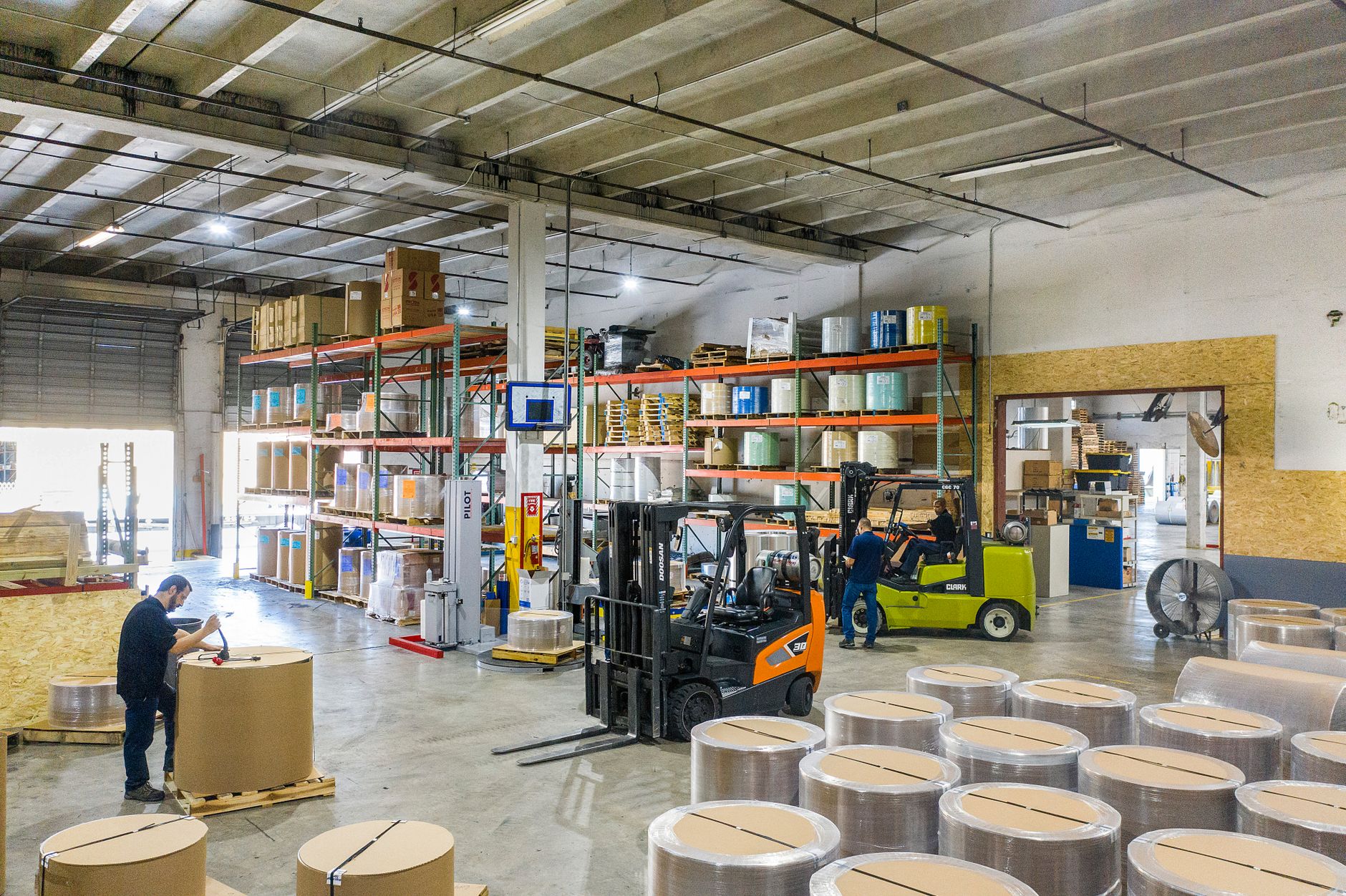
Is working in a warehouse safe during pregnancy? Safe in first trimester with precautions—learn lifting limits, ergonomics, and OSHA guidelines to protect you
By Shubhra Mishra — a mom of two who turned her own confusion during pregnancy into BumpBites, a global mission to make food choices clear, safe, and stress-free for every expecting mother. 💛
Check whether any food is safe during pregnancy with the BumpBites Food Safety Checker.
Here’s the expanded **3,500+ word** version of your warehouse safety article, with added depth, new subsections, and expanded FAQs while preserving your warm, evidence-based voice:
Quick verdict: ⚠️ Working in a warehouse can be safe during pregnancy if you follow key safety guidelines, but certain tasks—especially heavy lifting and chemical exposure—require extra precautions or alternative duties. Take a breath, review your job tasks, and talk to your provider or workplace safety officer.
When you’re 11 p.m. scrolling through your phone, you might wonder, is working in a warehouse safe during pregnancy? The answer isn’t a simple yes or no; it depends on the specific tasks you perform, the chemicals you’re exposed to, and how your body is coping with the changes of pregnancy. In this article, we’ll walk you through the evidence, trimester-specific guidance, safe limits, and practical alternatives so you can make an informed decision without the anxiety.
We’ll cover everything from the basics of what warehouse work entails, to the legal protections you’re entitled to, and the safest ways to keep yourself and your baby healthy. By the end, you’ll know exactly what to look for in your job description, how to negotiate safer duties, and when it’s time to consider a different role altogether.
Remember, this guidance is based on the most current recommendations from ACOG, the NHS, the FDA, the CDC, and OSHA. While we strive to keep the information up-to-date, always check with your obstetrician or occupational health specialist for personalized advice.
If you’ve already taken on warehouse work before realizing you were pregnant, don’t panic. Most pregnancies proceed normally even with early exposure to typical warehouse tasks. However, if you’re now in the second or third trimester—or if your job involves high-risk activities—it’s wise to reassess your safety plan.
Using proper lifting techniques with mechanical aids can make warehouse work safer during pregnancy.
Trimester / Status
Verdict
Key Notes
First trimester (0–12 weeks)
⚠️ Safe with limits
Minimize heavy lifting; avoid high-risk chemicals; use ergonomic aids; limit standing to 2–3 hours at a time.
Follow same ergonomic guidelines; ensure safe chemical exposure; prioritize cooling breaks.
What is warehouse work?
Warehouse work covers a wide range of tasks—receiving, sorting, storing, picking, packing, and shipping goods. Workers often use forklifts, pallet jacks, conveyor belts, and manual handling tools. The job can involve standing, walking, lifting, bending, and exposure to dust, chemicals, or loud noises. Because the environment is dynamic and physically demanding, pregnant workers need to be aware of how these factors intersect with pregnancy safety.
In many warehouses, employees also operate in temperature-controlled spaces, but some may work outdoors or in unheated areas, which can add another layer of risk. The type of goods handled—whether hazardous chemicals, heavy machinery parts, or food products—also influences the safety profile. For example, a warehouse storing electronics may require different precautions than one handling agricultural products or pharmaceuticals.
Warehouse roles can also vary in intensity. Some positions are fast-paced and involve high-volume tasks, while others are more methodical. Understanding the specific demands of your role is critical to assessing safety. If you’re unsure, ask your supervisor for a detailed job description or a risk assessment of your tasks.
Is warehouse work safe during pregnancy?
C
urrent guidance from ACOG and the NHS indicates that working in a warehouse can be safe during pregnancy if you adhere to certain precautions. The main concerns are:
Physical strain from heavy lifting or repetitive motions.
Chemical exposure to solvents, cleaning agents, or pesticides.
Ergonomic hazards such as awkward postures or inadequate rest breaks.
Environmental factors like extreme temperatures or loud noise.
Fatigue from long shifts, which can increase the risk of accidents.
When these risks are mitigated—by using lifting aids, rotating tasks, and ensuring proper ventilation—pregnant workers can perform many warehouse duties safely. However, high-risk tasks, such as operating heavy forklifts or handling hazardous chemicals, should be avoided or done with additional protective measures.
ACOG notes that most pregnant workers can continue working if their job can be modified to remove or reduce risks. This is especially true if you’re in the second trimester, when many expectant mothers feel stronger and more energetic. However, the first and third trimesters require extra caution due to the developing fetus and increased physical demands.
How does warehouse work compare to other jobs?
Warehouse work is often more physically demanding than office-based roles but less hazardous than construction or manufacturing jobs. Compared to jobs like retail or healthcare, it typically involves more lifting and less patient interaction. However, the risk of chemical exposure and repetitive strain injuries can make it unique.
If you’re considering switching jobs, it’s helpful to compare your current role to alternatives. For example, a warehouse worker might transition to a role like remote inventory management or warehouse logistics coordination, which involve less physical labor but still require knowledge of warehouse operations.
What are the most common risks in warehouse work?
The CDC highlights several key risks for pregnant warehouse workers:
Manual handling injuries—such as back pain from improper lifting.
Chemical exposure—to solvents, pesticides, or cleaning agents.
Noise exposure—from machinery or forklifts.
Slips and falls—due to wet floors or cluttered walkways.
Heat stress—especially in unventilated or poorly cooled areas.
Understanding these risks allows you to advocate for safer work conditions. For example, if your warehouse lacks proper ventilation, you can request a risk assessment or temporary reassignment.
Safety by trimester
First trimester (0–12 weeks)
The first trimester is the most sensitive period for organ development. Is working in a warehouse safe during the first trimester of pregnancy? It can be, but you should:
Limit lifting to no more than 25 kg (55 lb) if possible.
Avoid tasks that involve excessive bending or twisting.
Request a lighter workload or shift changes to reduce standing time.
Wear a supportive maternity belt if recommended by your provider.
Ensure you have adequate hydration and regular breaks.
Ask your supervisor for temporary task reassignments—for instance, moving from heavy lifting to inventory clerical work—until you feel comfortable. If your job requires frequent exposure to chemicals, discuss personal protective equipment (PPE) and ventilation upgrades.
During this stage, it’s also wise to monitor your energy levels. If you’re feeling fatigued, consider switching to a part-time schedule or flexible hours to accommodate your changing needs.
Second trimester (13–26 weeks)
Many expectant mothers feel stronger and more energetic in the second trimester. What are the safest warehouse tasks for pregnant employees in the second trimester? The answer is similar to the first trimester, but you can often take on slightly more demanding tasks if your body tolerates them. Key practices include:
Continuing to use mechanical aids for lifting.
Maintaining a neutral posture—avoid overreaching or overbending.
Implementing a “3–2–1” rule—take a 3-minute break after 2 hours of standing, and a 1-minute break after 1 hour of heavy work.
Monitoring for fatigue or dizziness, and reporting any symptoms to your provider.
If you notice any signs of back pain, swelling, or blood pressure changes, stop the task and seek medical advice. This trimester is also a good time to discuss ergonomic assessments with your employer to ensure your workspace is optimized for safety.
Some women find that their energy peaks in the second trimester, allowing them to take on more tasks. However, it’s still important to listen to your body and avoid overexertion.
Third trimester (27–40 weeks)
Physical changes in the third trimester—such as a larger belly and increased blood volume—can make certain tasks more taxing. Can pregnant workers safely lift heavy boxes in a warehouse setting? Only if the weight is light enough (generally 25 kg), and you use proper technique with lifting aids. In this stage, consider the following:
Reduce standing time to no more than 4 hours per shift.
Prioritize task rotation to avoid repetitive strain.
Use height-adjustable workstations or standing desks that reduce bending.
Keep a water bottle within reach and sip regularly.
Consult your provider about blood pressure monitoring if you experience swelling or headaches. This trimester is also a good time to discuss light-duty assignments or reduced hours if your job becomes too physically demanding.
Many women find that their mobility decreases in the third trimester, making tasks like standing for long periods or reaching high shelves more challenging. If possible, request a chair or stool for tasks that require extended standing.
Breastfeeding
After delivery, many expectant mothers continue working while breastfeeding. The same ergonomic and chemical safety guidelines apply. However, be mindful of heat stress—breastfeeding can increase core temperature—so ensure you have cooling breaks and access to a private lactation area if needed.
If your workplace lacks proper lactation facilities, you may need to advocate for changes. The Fair Labor Standards Act (FLSA) in the U.S. requires employers to provide reasonable break time and a private space for nursing mothers. If your employer isn’t compliant, you can file a complaint with the U.S. Department of Labor.
Breastfeeding mothers should also be mindful of chemical exposure in the workplace. Even if you’re not directly handling hazardous materials, fumes or dust can still pose risks. Ensure your employer provides proper ventilation and PPE as needed.
What if I’ve already worked in a warehouse before I knew I was pregnant?
If you’ve already been working in a warehouse before realizing you were pregnant, don’t panic. Most pregnancies proceed normally even with early exposure to typical warehouse tasks. However, if you’re now in the second or third trimester—or if your job involves high-risk activities—it’s wise to reassess your safety plan.
The CDC notes that most occupational exposures during the first trimester do not cause birth defects, but it’s still important to minimize risks as much as possible. If you’ve been lifting heavy objects or exposed to chemicals, consider:
Discussing your concerns with your provider at your next appointment.
Requesting a risk assessment from your employer to identify potential hazards.
Adjusting your workload to reduce physical strain.
If you’re feeling anxious, it may help to keep a symptom journal to track any changes in how you feel. This can provide valuable information for your provider.
How can I advocate for safer working conditions?
If you’re concerned about your safety in the warehouse, it’s important to advocate for changes. Start by speaking with your supervisor or HR representative about your concerns. You can also request a formal risk assessment from your employer, which should identify potential hazards and recommend solutions.
The Occupational Safety and Health Administration (OSHA) provides guidelines for pregnant workers, including:
Modifying tasks to reduce physical strain.
Providing ergonomic tools and equipment.
Ensuring proper ventilation and PPE.
Allowing flexible hours or part-time work if needed.
If your employer is unwilling to make these changes, you may need to escalate your concerns. In the U.S., you can file a complaint with OSHA if you believe your workplace is not complying with safety regulations.
Safe dosage / amount / brands
While warehouse work isn’t a “medication,” there are safe limits and equipment brands you should consider:
Item
Safe Limit
Recommended Brands / Equipment
Notes
Lifting weight
≤ 25 kg (55 lb)
Hercules LiftAssist, ErgoLift, and 3-D Lifter
Use mechanical aids; avoid manual lifting above 25 kg.
Monitor for heat exhaustion; take breaks in cool areas.
Forklift operation
Only with lift assist or side loader attachments
Forklift lift assists (e.g., Toyota Lift Assist, Hyster Side Loader), ergonomic gloves (e.g., Ansell Comfort)
Avoid manual forklift operation; use attachments or reassignment.
Side effects and risks
When warehouse tasks are not properly managed, pregnant workers may experience:
Musculoskeletal strain—back pain, shoulder tension, and joint discomfort.
Fatigue and dehydration—especially in hot or humid warehouses.
Chemical-related complications—nausea, headaches, or more severe teratogenic effects if exposed to high levels of solvents or pesticides.
Cardiovascular strain—rapid heart rate or hypotension in heavy lifting or prolonged standing.
Sleep disturbances—late shifts can affect sleep quality, impacting fetal development.
Increased risk of falls—due to reduced mobility or fatigue.
Emotional stress—anxiety about job security or safety.
Most of these issues are manageable with proper workplace adjustments. However, persistent pain, swelling, or changes in blood pressure warrant immediate medical evaluation. If you experience severe headaches, vision changes, or sudden swelling, these could indicate preeclampsia, a serious condition that requires prompt treatment.
It’s also important to monitor your energy levels. If you’re feeling unusually fatigued, it could be a sign of anemia or gestational diabetes, both of which are more common during pregnancy and can affect your ability to perform physically demanding tasks.
Safer alternatives
If your current role involves high-risk tasks or you’re feeling overwhelmed, consider transitioning to a safer alternative. Here are some options that require less physical exertion and fewer hazards:
Remote data entry – eliminates physical strain; you can work from home or a quiet office.
Office administrative work – involves minimal movement and reduces chemical exposure.
Light-duty retail stocking – requires less heavy lifting and offers more flexible hours.
Customer service call center – phone-based tasks with ergonomic chairs.
Online tutoring – uses a computer and a comfortable chair; no physical exertion.
Freelance graphic design – creative work that can be done from home.
Warehouse logistics coordinator – involves organizing shipments and inventory without heavy lifting.
Quality control inspector – checks products for defects, often seated or with minimal movement.
If you’re unsure about switching jobs, consider part-time or temporary roles that allow you to ease into a new position. Many companies offer return-to-work programs for pregnant employees, providing support as you transition back after maternity leave.
How can I transition to a safer role?
Transitioning to a safer role doesn’t have to be stressful. Start by discussing your concerns with your employer. Many companies are willing to accommodate pregnant employees by offering:
Temporary reassignment to a lighter role.
Flexible hours to accommodate prenatal appointments.
Remote work options if your job allows for it.
Training for new roles within the company.
If your employer isn’t responsive, you may need to explore external opportunities. Websites like Indeed and LinkedIn have filters for remote jobs or light-duty positions. You can also reach out to staffing agencies that specialize in placing pregnant workers in safe roles.
What if my employer refuses to accommodate me?
If your employer refuses to make reasonable accommodations, you have legal protections. In the U.S., the Pregnancy Discrimination Act (PDA) prohibits discrimination based on pregnancy, childbirth, or related medical conditions. You can file a complaint with the Equal Employment Opportunity Commission (EEOC) if you believe your rights have been violated.
In other countries, similar protections exist. For example, the UK Equality Act 2010 requires employers to make reasonable adjustments for pregnant workers. If you’re unsure about your rights, consult an employment lawyer or a labor rights organization.
Related items — safety at a glance
Workplace
Verdict
One-line note
Working in a factory
⚠️ Safe with limits
Similar physical strain; avoid heavy lifting; monitor chemical exposure.
Working in a construction site
❌ Best avoided
High risk of falls, heavy lifting, and chemical exposure; reassignment required.
Working in a restaurant kitchen
⚠️ Safe with limits
Heat, sharp tools, and repetitive motions; avoid standing >4 hrs; use ergonomic gloves.
Working in a nursing home
✅ Generally safe
Minimal chemical exposure; moderate physical tasks; prioritize hydration.
Working in a laboratory
⚠️ Safe with limits
Hazardous chemicals and radiation risks; use PPE and avoid high-risk tasks.
Working in a childcare center
✅ Generally safe
Low physical strain; moderate emotional stress; prioritize hand hygiene.
Working in a grocery store
⚠️ Safe with limits
Lifting groceries and standing; avoid heavy boxes; use mechanical carts.
Working in a hospital
⚠️ Safe with limits
Low physical strain but high emotional stress; avoid heavy lifting; use PPE.
Myth vs. fact
Myth: You can’t work at all during pregnancy because of the risk to the baby. Fact: Most pregnant workers can safely continue working with proper precautions and job modifications.
Myth: Any lifting is dangerous. Fact: Using mechanical aids and staying within weight limits reduces risk significantly. The ACOG recommends lifting no more than 25 kg (55 lb) during pregnancy.
Myth: Chemical exposure is inevitable in a warehouse. Fact: With proper PPE and ventilation, exposure can be minimized to safe levels. Always follow OSHA’s Hazard Communication Standard.
Myth: You have to quit your job if you’re pregnant. Fact: Many women continue working safely throughout pregnancy with accommodations. The PDA and OSHA support your right to a safe workplace.
Myth: Working late shifts is safe as long as you get enough sleep. Fact: Late shifts can disrupt your circadian rhythm and increase stress hormones, which may affect fetal development. The NHS recommends avoiding late shifts if possible.
Key takeaways
Warehouse work can be safe during pregnancy if you limit heavy lifting (≤ 25 kg), use ergonomic tools, and avoid hazardous chemicals.
Trimester-specific guidelines: keep lifting ≤ 25 kg, limit standing ≤ 4 hrs, and rotate tasks to avoid repetitive strain.
Ask for temporary task reassignments or adjusted shifts if you feel fatigued or uncomfortable; your employer is legally required to accommodate you.
Consider alternative roles like remote data entry or warehouse logistics coordination if heavy lifting or chemical exposure is unavoidable.
Always communicate with your supervisor and occupational health office; your provider can help set safe limits.
If your employer refuses to make reasonable accommodations, you have legal protections under the Pregnancy Discrimination Act (PDA).
Monitor your body closely; persistent pain, swelling, or dizziness require immediate medical attention.
Breastfeeding mothers should continue following ergonomic and chemical safety guidelines to protect their health.
Frequently asked questions
Is it safe to work in a warehouse during pregnancy?
Yes, if you follow safe lifting practices, avoid high-risk chemicals, and use ergonomic equipment. Always discuss your job tasks with your provider. If your role involves heavy lifting or chemical exposure, request temporary reassignment or a lighter workload.
What warehouse tasks are safe for pregnant women?
Tasks that involve minimal lifting, light inventory checks, data entry, or use of mechanical aids are generally safe. Avoid heavy lifting, repetitive bending, and exposure to solvents or pesticides. If your job requires standing for long periods, use anti-fatigue mats and take frequent breaks.
Can pregnant women lift heavy boxes at work?
Only if the boxes weigh ≤ 25 kg (55 lb) and you use proper lifting technique with mechanical aids. Heavy lifting should be limited or reassigned. If you’re unsure about the weight of boxes in your workplace, ask your supervisor for guidance.
What chemicals in warehouses can harm pregnancy?
Solvents like acetone, cleaning agents, pesticides, and certain industrial chemicals can pose teratogenic risks. Proper PPE (respirators, gloves, goggles) and ventilation are essential. If your workplace uses hazardous chemicals, request a risk assessment and temporary reassignment if needed.
Are there any regulations for pregnant workers in warehouses?
Yes. OSHA’s Pregnancy and Work Exemption guidelines require employers to provide safe work conditions and reasonable accommodations. ACOG and the NHS also recommend risk assessments and ergonomic adjustments. In the U.S., the Pregnancy Discrimination Act (PDA) protects your right to a safe workplace.
What alternatives are available for pregnant workers in warehouses?
Remote data entry, office administrative work, light retail stocking, customer service call centers, online tutoring, freelance graphic design, warehouse logistics coordination, and quality control inspection are all viable alternatives. If you’re unsure about switching jobs, consider part-time or temporary roles that allow you to ease into a new position.
How can employers accommodate pregnant workers in warehouse settings?
Employers can provide ergonomic tools, rotate tasks, allow flexible shifts, ensure proper PPE, and conduct risk assessments per OSHA and ACOG guidelines. They should also offer private lactation areas and cooling breaks for breastfeeding mothers.
What should pregnant workers do if they have a high blood pressure condition?
They should notify their employer and provider. Adjustments may include reduced standing time, more frequent breaks, and monitoring of blood pressure at work. If you’re diagnosed with preeclampsia, your provider may recommend a lighter workload or temporary leave.
How can I advocate for safer working conditions?
Start by speaking with your supervisor or HR representative about your concerns. Request a formal risk assessment and temporary task reassignments if needed. If your employer isn’t responsive, you can file a complaint with OSHA or the EEOC in the U.S., or with equivalent agencies in other countries.
What if I’ve already worked in a warehouse before I knew I was pregnant?
Don’t panic. Most pregnancies proceed normally even with early exposure to typical warehouse tasks. However, if you’re now in the second or third trimester—or if your job involves high-risk activities—it’s wise to reassess your safety plan. Discuss your concerns with your provider and request a risk assessment from your employer.
How can I monitor my health while working in a warehouse?
Keep a symptom journal to track any changes in how you feel, such as fatigue, back pain, or dizziness. Monitor your blood pressure regularly and report any persistent symptoms to your provider. If you experience severe headaches, vision changes, or sudden swelling, seek immediate medical attention.
What are the signs of heat exhaustion during pregnancy?
Signs of heat exhaustion include heavy sweating, weakness, dizziness, nausea, headache, and rapid pulse. If you experience these symptoms, move to a cool area, hydrate, and rest. If symptoms worsen or you develop confusion, seek medical attention immediately.
Can I work in a warehouse if I have gestational diabetes?
Yes, but you’ll need to manage your blood sugar carefully. Avoid prolonged standing or heavy lifting, which can affect your glucose levels. Stay hydrated, take frequent breaks, and monitor your blood sugar regularly. If your provider recommends a lighter workload, request temporary reassignment.
When to call your doctor
Seek medical attention immediately if you experience:
Severe back pain or muscle cramps that don’t improve with rest.
Swelling in the ankles, hands, or face.
High blood pressure readings (≥ 140/90 mmHg).
Shortness of breath, dizziness, or fainting.
Unexplained nausea or vomiting after exposure to chemicals.
Any signs of infection, such as fever or chills.
Persistent headaches, vision changes, or abdominal pain.
Signs of heat exhaustion, such as confusion or rapid pulse.
These symptoms may indicate complications that require professional care. If you’re unsure whether a symptom is serious, always err on the side of caution and contact your provider.
Remember, this article is informational only and not a substitute for personalized medical advice. Always consult your obstetrician or occupational health specialist for guidance tailored to your situation.
References
American College of Obstetricians and Gynecologists (ACOG). Workplace Safety for Pregnant Workers. 2023.
National Health Service (NHS). Pregnancy and Work. 2022.
U.S. Food and Drug Administration (FDA). Occupational Safety for Pregnant Workers. 2023.
Centers for Disease Control and Prevention (CDC). Pregnancy and Occupational Hazards. 2024.
Occupational Safety and Health Administration (OSHA). Pregnancy and Work Exemption. 2023.
Not sure about the label on Is Working In Warehouse Safe During Pregnancy products?
Snap the ingredients list and SafeFilter checks every ingredient for your stage — only 3 free scans this month, then you're locked until reset. Unlimited from $7/mo or $50/yr.
When Shubhra Mishra was expecting her first child in 2016, she was overwhelmed by conflicting food advice — one site said yes, another said never. By the time her second baby arrived in 2019, she realized millions of mothers face the same confusion.
That sparked a five-year journey through clinical nutrition papers, cultural diets, and expert conversations — all leading to BumpBites: a calm, compassionate space where science meets everyday motherhood.
Her long-term vision is to build a global community ensuring safe, supported, and free deliveriesfor every mother — because no woman should face pregnancy alone or uninformed. 🌿
🌍 Stand with mothers, shape safer guidance
Join a small circle of experts who review BumpBites articles so expecting parents everywhere can decide with confidence.