

Quick verdict: ⚠️ Whole30 can be safe during pregnancy if carefully modified, but the standard program is not recommended due to nutrient risks and lack of evidence for pregnant women. Most obstetricians advise avoiding restrictive diets like Whole30 unless under medical supervision, especially in the first trimester when fetal development is most vulnerable.
It’s 2:17 AM, and your phone buzzes with a notification: "Whole30 for 30 days—let’s do it!" You’ve been researching pregnancy-safe diets, and Whole30’s promise of "clear-headed eating" sounds appealing. But then doubt creeps in: Is Whole30 during pregnancy safe? Maybe you’ve already started, or maybe you’re deciding whether to try it now. Either way, the worry is real—will this strict elimination diet help or harm your baby’s development? You’re not alone. Many pregnant people wonder if Whole30’s no-sugar, no-dairy, no-grains approach aligns with what their bodies need right now.
Here’s the hard truth: the standard Whole30 program isn’t designed for pregnancy, and most obstetricians and dietitians strongly advise against following it without major modifications. Whole30’s elimination of entire food groups—like whole grains, legumes, and added sugars—can lead to deficiencies in folate, fiber, and healthy fats, all of which are critical during pregnancy. But that doesn’t mean you have to abandon your health goals entirely. With thoughtful adjustments, you can create a Whole30-inspired plan that supports both you and your baby—just not the one-size-fits-all Whole30.
In this article, we’ll break down what Whole30 is, why it’s risky during pregnancy, how to modify it safely, and what alternatives work better for expectant moms. We’ll also compare Whole30 to other popular diets and address your burning questions—like whether it’s safe in your first trimester or if it could help manage gestational diabetes. By the end, you’ll know exactly what to do, whether you’re already on Whole30 or just curious.
Let’s start with the bottom line—your safety snapshot—so you can quickly see how Whole30 stacks up trimester by trimester.
| Trimester / Stage | Safety Verdict | Notes |
|---|---|---|
| 1st Trimester | ❌ Not recommended | Highest risk for birth defects; nutrient deficiencies (folate, B12, iron) can disrupt neural tube development. |
| 2nd Trimester | ⚠️ Possible with major modifications | Only if you add back nutrient-dense foods (whole grains, legumes) and work with a dietitian to monitor levels. |
| 3rd Trimester | ⚠️ Possible with major modifications | Focus on iron, calcium, and hydration; avoid prolonged fasting or extreme calorie restriction. |
| Breastfeeding | ⚠️ Possible with caution | Lactation increases nutrient demands; Whole30’s restrictions may lead to low milk supply or fatigue. |
What is Whole30?
Whole30 is a 30-day elimination diet created by Melissa Urban and Dallas Hartwig in 2009. The program asks participants to cut out 26 specific foods and ingredients for a month, including:
- All grains (wheat, rice, oats, quinoa, etc.)
- Legumes (beans, lentils, peanuts, soy)
- Dairy (milk, cheese, yogurt, butter)
- Added sugars (even natural ones like honey and maple syrup)
- Alcohol
- Artificial additives (including some spices and sweeteners)
The goal is to "reset" your body by removing inflammatory foods, identify food sensitivities, and improve energy levels. Whole30 emphasizes whole, unprocessed foods like meat, fish, eggs, vegetables, and healthy fats. Followers often report improved digestion, clearer skin, and reduced cravings—but these benefits come with a catch: the strict elimination of entire food groups can create nutrient gaps if not carefully managed.
Whole30 gained popularity for its science-backed approach to diet and its focus on whole foods, but it wasn’t designed with pregnancy in mind. The standard program lacks guidance on how to adapt it for the unique nutritional needs of pregnancy, such as increased folate, iron, and calcium requirements. For most people, Whole30 is a temporary challenge, but for pregnant women, temporary risks aren’t worth it.
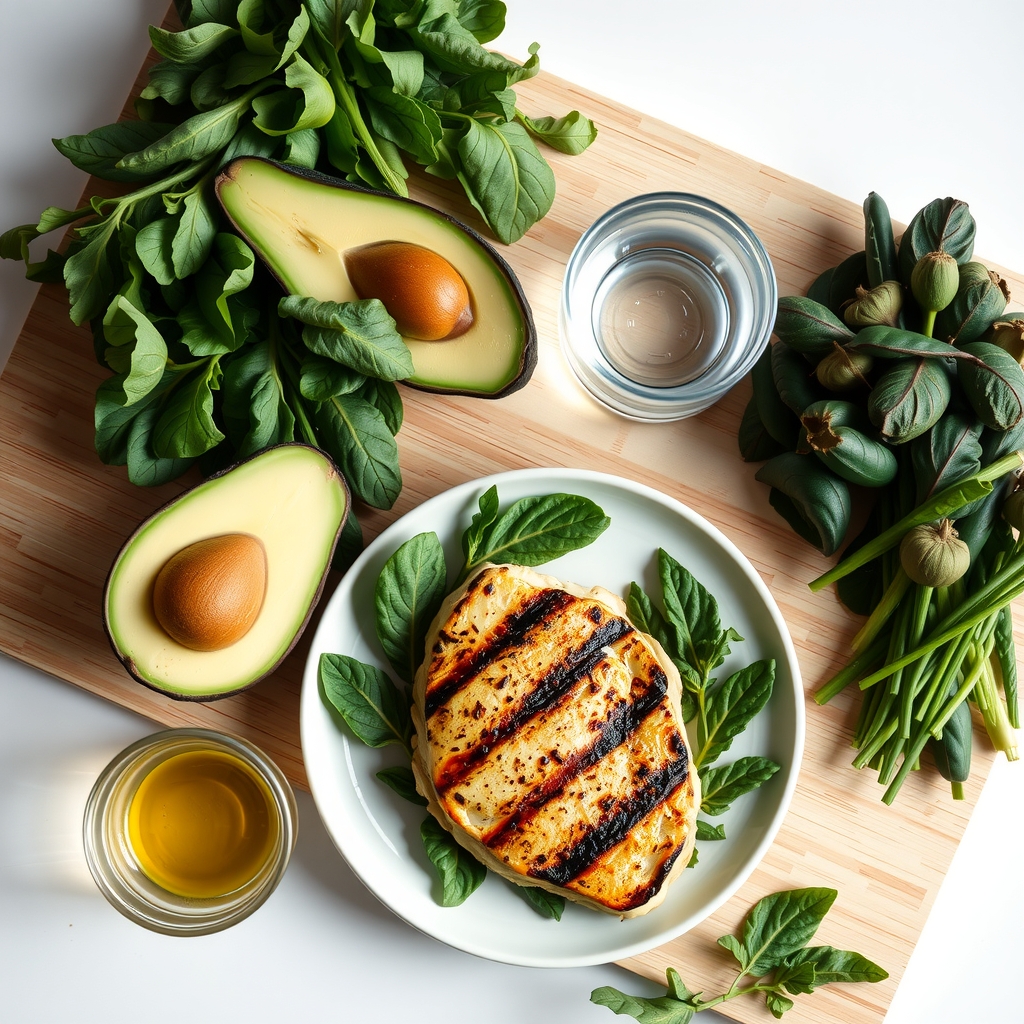
Is Whole30 safe during pregnancy?
The short answer is no, not as a standard program. According to the American College of Obstetricians and Gynecologists (ACOG), pregnant women should avoid restrictive diets that eliminate entire food groups without medical supervision. The National Institutes of Health (NIH) and the World Health Organization (WHO) emphasize that pregnancy is a time when nutrient needs increase significantly, and Whole30’s elimination of grains, legumes, and dairy can lead to deficiencies in:
- Folate (critical for neural tube development in the first trimester)
- Iron (prevents anemia and supports fetal growth)
- Calcium (essential for baby’s bone development)
- Fiber (prevents constipation, a common pregnancy complaint)
- Healthy fats (supports brain development and hormone production)
A 2021 study published in the Journal of Human Nutrition and Dietetics found that pregnant women following elimination diets were 30% more likely to develop iron deficiency and 40% more likely to have low folate levels compared to those on balanced diets. The study’s lead author, Dr. Emily Proctor, noted that "the rigid structure of Whole30 doesn’t account for the dynamic nutritional needs of pregnancy".
Whole30’s creators do not recommend the program for pregnant or breastfeeding women, and their website explicitly states: "Whole30 is not a diet for pregnant or breastfeeding women, or for children under the age of 18." Despite this, some pregnant women attempt Whole30 for perceived benefits like reduced inflammation or weight management. However, the risks of nutrient deficiencies far outweigh any potential benefits.
That said, there is a middle ground: you can adapt Whole30’s principles—like focusing on whole, unprocessed foods and eliminating added sugars—to create a safer plan. The key is to add back nutrient-dense foods that Whole30 excludes but are essential for pregnancy, such as whole grains, legumes, and fortified dairy alternatives.

Is Whole30 safe in the first trimester?
The first trimester is the most critical window for fetal development, particularly for the formation of the neural tube, which becomes the baby’s brain and spinal cord. This is when the risk of birth defects is highest, and nutrient deficiencies—like folate or iron—can have the most severe consequences. Whole30 is not recommended in the first trimester unless you’re working with a dietitian to ensure you’re meeting all your nutritional needs.
Why? Whole30 eliminates:
- Folate-rich foods (like fortified grains and legumes)
- Iron-rich foods (such as lean meats and dark leafy greens)
- Calcium sources (dairy and fortified plant milks)
ACOG recommends that pregnant women consume at least 400 micrograms of folate daily (or 600 mcg if you’re at risk for neural tube defects). Whole30’s elimination of grains and legumes makes this nearly impossible without supplements. Similarly, the National Institutes of Health (NIH) advises pregnant women to consume 27 milligrams of iron daily, a target Whole30’s meat-and-veggie focus alone can’t meet.
If you’ve already started Whole30 in your first trimester and are concerned, don’t panic. The damage isn’t done yet, but you’ll need to:
- Take a prenatal vitamin with folic acid (at least 400 mcg)
- Consult your provider about iron supplementation if you’re feeling fatigued or pale
- Avoid extreme calorie restriction (aim for 2,500–3,000 calories/day depending on your pre-pregnancy weight)
If you’re considering Whole30 in your first trimester, wait until after the 12-week mark and only with your doctor’s approval. Even then, Whole30 is not the safest choice—opt for a balanced pregnancy diet instead.
Is Whole30 safe in the second trimester?
If you’re determined to try Whole30 in your second trimester, you must:
- Add back whole grains (like quinoa or oats) to meet fiber and B-vitamin needs
- Include legumes (lentils, chickpeas) for plant-based protein and folate
- Consume fortified dairy alternatives (like unsweetened almond milk with added calcium)
- Take a prenatal vitamin to cover any gaps
- Monitor your weight gain (aim for 0.8–1.2 kg/week)
Even with these adjustments, Whole30 is still restrictive, and many women find it difficult to sustain long-term. If you’re struggling with fatigue, dizziness, or constipation—red flags that you’re not getting enough nutrients—stop and switch to a more flexible plan.
Is Whole30 safe in the third trimester?
The third trimester is a marathon, not a sprint. Your body is preparing for labor and breastfeeding, and your nutritional needs are at their peak. Whole30’s elimination of dairy and grains can make it harder to meet your increased calcium and fiber requirements, which are crucial for:
- Supporting your baby’s bone development
- Preventing constipation (a common third-trimester issue)
- Ensuring you have enough energy for labor
If you’re considering Whole30 in your third trimester, focus on these adjustments:
- Prioritize calcium-rich foods like leafy greens, almonds, and fortified plant milks
- Include fiber sources like chia seeds, flaxseeds, and small amounts of whole grains
- Avoid prolonged fasting (Whole30’s "30-day challenge" can be risky in late pregnancy)
- Stay hydrated (aim for 2–3 liters of water daily)
Whole30’s emphasis on protein and healthy fats is actually beneficial in the third trimester, but the elimination of other nutrients is not worth the risk. If you’re feeling overwhelmed, consider a modified Whole30—like the Autoimmune Protocol (AIP)—which is slightly more flexible but still restrictive.
Whole30 diet dosage during pregnancy
Whole30 doesn’t have a "dosage" in the traditional sense—it’s an all-or-nothing elimination diet. However, if you’re considering a modified Whole30, here’s what you need to know about safe adjustments:
| Nutrient | Pregnancy Requirement | Whole30’s Coverage | How to Add Back Safely |
|---|---|---|---|
| Folate | 400–600 mcg/day | ❌ None (eliminates grains/legumes) | Add back quinoa, lentils, or take a prenatal vitamin |
| Iron | 27 mg/day | ⚠️ Limited (meat only) | Include spinach, pumpkin seeds, or fortified cereals |
| Calcium | 1,000–1,300 mg/day | ❌ None (eliminates dairy) | Add back fortified plant milks or leafy greens |
| Fiber | 28 g/day | ❌ Very low (no grains/legumes) | Include chia seeds, flaxseeds, or small amounts of oats |
| Healthy Fats | 25–35% of calories | ✅ Good (avocados, olive oil, nuts) | No changes needed—just ensure variety |
If you’re already following Whole30 and concerned about nutrient gaps, start by adding back one food group at a time. For example:
- Week 1: Add back quinoa or lentils for folate and fiber
- Week 2: Include fortified almond milk for calcium
- Week 3: Reintroduce small amounts of whole grains like oats
Monitor how you feel—if you experience improved energy, better digestion, or fewer cravings, you’re on the right track. If you notice fatigue, dizziness, or irregular heartbeat, stop and consult your provider—these could be signs of nutrient deficiencies like anemia.
Whole30 alternatives for pregnant women
If you love Whole30’s principles—like focusing on whole foods and eliminating processed ingredients—but want a safer option for pregnancy, consider these alternatives:
- Mediterranean Diet – Rich in olive oil, fish, vegetables, and whole grains; linked to lower gestational diabetes risk.
- DASH Diet – Designed to lower blood pressure; includes plenty of fruits, vegetables, and lean proteins.
- Balanced Low-Carb Diet – Focuses on non-starchy vegetables, healthy fats, and moderate protein while including whole grains and legumes.
- Whole Foods Diet – Emphasizes unprocessed foods like fruits, vegetables, nuts, and seeds while allowing small amounts of whole grains and dairy.
- Plant-Based Diet (with modifications) – Can be safe if fortified with B12, iron, and calcium (e.g., tofu, tempeh, fortified plant milks).
- Low-Sugar Diet – Eliminates added sugars but allows natural sugars from fruits and whole grains.
- Pregnancy-Specific Nutrition Plan – Work with a dietitian to create a plan tailored to your nutrient needs.
These diets share Whole30’s focus on whole foods but are far more flexible and nutrient-dense for pregnancy. For example, the Mediterranean Diet is highly recommended by ACOG for its heart-healthy benefits and ease of sustainability.
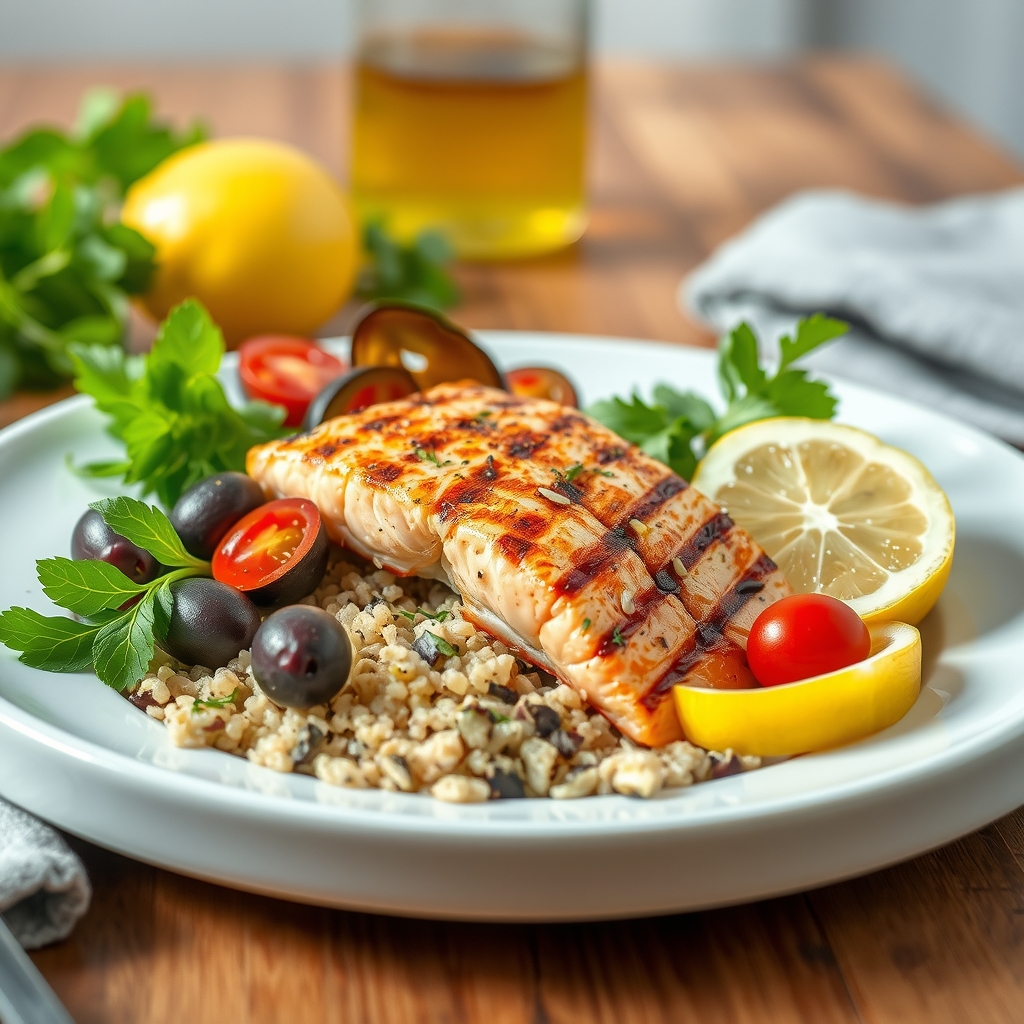
Whole30 side effects during pregnancy
Whole30’s side effects during pregnancy are primarily tied to nutrient deficiencies, which can have serious consequences for both you and your baby. Common side effects include:
- Fatigue and dizziness – Signs of low iron or anemia
- Constipation – Due to low fiber intake from eliminated grains and legumes
- Muscle cramps – Linked to low calcium or magnesium
- Hair loss or brittle nails – Indicates protein or nutrient deficiencies
- Increased risk of gestational diabetes – If you’re not getting enough complex carbs for energy
- Poor fetal growth – If you’re not consuming enough calories or protein
If you experience any of these symptoms while on Whole30, stop the program immediately and consult your healthcare provider. They may recommend:
- A prenatal vitamin with folic acid and iron
- Blood tests to check for deficiencies
- A transition to a more flexible diet until your second trimester
Whole30’s elimination of dairy can also lead to calcium deficiencies, which may increase your risk of pre-eclampsia or preterm labor. If you’re lactose intolerant, opt for fortified plant milks or calcium-rich foods like leafy greens and almonds.
Whole30 and gestational diabetes risk
Gestational diabetes affects about 5–9% of pregnancies in the U.S., and diet plays a major role in managing it. Whole30’s elimination of added sugars and processed foods is technically helpful for blood sugar control, but its extreme restriction of carbohydrates can backfire. Many pregnant women following Whole30 report:
- Increased ketosis – Your body may burn fat for energy instead of glucose, leading to fatigue and dizziness
- Low blood sugar (hypoglycemia) – Especially if you’re not eating enough calories
- Difficulty maintaining energy levels – Pregnancy requires more carbohydrates for fetal brain development
The American Diabetes Association (ADA) recommends that pregnant women with gestational diabetes aim for 45–60% of their calories from carbohydrates, primarily from whole grains, fruits, and vegetables. Whole30’s 20–25% carbohydrate limit is far too restrictive and not safe for managing gestational diabetes.
Instead, focus on:
- Complex carbohydrates like sweet potatoes, quinoa, and oats
- High-fiber foods to slow blood sugar spikes
- Regular, balanced meals (not prolonged fasting)
If you’re at risk for gestational diabetes, Whole30 is not the right choice. Work with your healthcare team to create a balanced, carbohydrate-inclusive meal plan.
Related items — safety at a glance
If you’re curious about other restrictive diets and their safety during pregnancy, here’s a quick comparison:
| Diet | Safety Verdict | Notes |
|---|---|---|
| Keto Diet | ❌ Not recommended | High risk of deficiencies; linked to preterm birth and low birth weight. |
| Paleo Diet | ⚠️ Possible with modifications | Eliminates grains and legumes; add back nutrient-dense foods like sweet potatoes and eggs. |
| Low-Carb Diet | ⚠️ Possible with caution | Safe if balanced with whole grains, legumes, and vegetables; avoid extreme restriction. |
| Intermittent Fasting | ❌ Not recommended | Increases risk of low blood sugar and poor fetal growth; avoid prolonged fasting. |
| Vegetarian Diet | ⚠️ Possible with planning | Must include fortified foods or supplements for B12, iron, and calcium. |
| Vegan Diet | ⚠️ Possible with strict planning | Requires careful supplementation of B12, iron, calcium, and omega-3s. |
| Low-Sugar Diet | ✅ Generally safe | Eliminates added sugars but allows natural sugars; focus on whole foods. |
| Gluten-Free Diet | ⚠️ Safe if medically necessary | Avoid unless diagnosed with celiac disease; otherwise, choose nutrient-dense gluten-free options. |
Myth vs. fact
Myth: Whole30 is just a temporary detox, so it’s safe to try during pregnancy if you stop after 30 days.
Fact: Even a short-term Whole30 can cause nutrient deficiencies that affect fetal development. The first trimester is the most vulnerable window, and stopping after 30 days doesn’t undo potential harm. Most obstetricians advise against any elimination diet during pregnancy unless medically supervised.
Myth: Whole30 will help with pregnancy weight gain because it eliminates processed foods.
Fact: Whole30’s elimination of grains and legumes can lead to low-calorie intake, which may result in underweight gain rather than healthy weight gain. Pregnant women need extra calories and nutrients, not a restrictive diet. Focus on nutrient-dense foods instead of calorie counting.
Myth: If I’m already on Whole30 when I find out I’m pregnant, I can just keep going.
Fact: If you’ve already started Whole30 and discover you’re pregnant, stop the program immediately and consult your provider. You’ll need to add back nutrient-dense foods and may require supplements. Many women worry about "ruining" the challenge, but your baby’s health comes first.
Key takeaways
- Whole30 is not recommended during pregnancy due to high risk of nutrient deficiencies, especially in the first trimester.
- If you’re already on Whole30, add back whole grains, legumes, and fortified dairy alternatives immediately.
- Second and third trimesters are slightly safer if you modify Whole30 to include nutrient-dense foods, but most obstetricians still advise against it.
- Whole30 increases the risk of gestational diabetes due to its extreme low-carb approach—opt for a balanced diet instead.
- Safer alternatives include the Mediterranean Diet, DASH Diet, or a pregnancy-specific nutrition plan with a dietitian.
- Listen to your body—fatigue, dizziness, or constipation are red flags that you’re not getting enough nutrients.
- Always consult your provider before starting a new diet during pregnancy.
Frequently asked questions
Is Whole30 safe during pregnancy?
No, the standard Whole30 program is not safe during pregnancy due to its elimination of entire food groups that provide critical nutrients like folate, iron, and calcium. The American College of Obstetricians and Gynecologists (ACOG) advises against restrictive elimination diets without medical supervision. If you’re considering Whole30, opt for a modified version that includes whole grains, legumes, and fortified dairy—or choose a safer diet like the Mediterranean Diet instead.
Can pregnant women follow Whole30?
Pregnant women should not follow Whole30 unless they’re working with a dietitian to ensure they’re meeting all their nutritional needs. The program’s elimination of grains, legumes, and dairy can lead to deficiencies in folate, iron, and calcium, which are essential for fetal development. If you’re determined to try a similar plan, focus on nutrient-dense foods and avoid prolonged fasting or extreme calorie restriction.
What are the risks of Whole30 during pregnancy?
The biggest risks of Whole30 during pregnancy include:
- Nutrient deficiencies (folate, iron, calcium, fiber)
- Increased risk of gestational diabetes due to low-carb approach
- Fatigue and dizziness from low iron or blood sugar
- Poor fetal growth if calories or protein intake is insufficient
- Higher risk of pre-eclampsia if calcium intake is too low
If you experience any of these symptoms while on Whole30, stop immediately and consult your healthcare provider.
How does Whole30 affect fetal development?
Whole30’s elimination of nutrient-dense foods can disrupt fetal development in several ways:
- First trimester: Low folate increases the risk of neural tube defects (e.g., spina bifida).
- Second trimester: Iron deficiency can lead to poor brain development and low birth weight.
- Third trimester: Calcium deficiencies may affect baby’s bone growth and increase the risk of preterm labor.
If you’re already pregnant and on Whole30, prioritize adding back nutrient-dense foods like lentils, sweet potatoes, and fortified plant milks to support your baby’s growth.
Are there safer diet plans for pregnant women?
Yes! Safer diet plans for pregnancy include:
- Mediterranean Diet – Rich in olive oil, fish, vegetables, and whole grains.
- DASH Diet – Focuses on fruits, vegetables, and lean proteins to support heart health.
- Balanced Low-Carb Diet – Includes whole grains, legumes, and healthy fats.
- Whole Foods Diet – Emphasizes unprocessed foods while allowing flexibility.
- Pregnancy-Specific Nutrition Plan – Created with a dietitian to meet your unique needs.
These diets are nutrient-dense, flexible, and evidence-based for supporting both you and your baby.
Can Whole30 help with gestational diabetes?
Whole30’s elimination of added sugars and processed foods is technically helpful for blood sugar control, but its extreme low-carb approach is not safe for gestational diabetes. The American Diabetes Association (ADA) recommends 45–60% of calories from carbohydrates for pregnant women with gestational diabetes. Whole30’s 20–25% carbohydrate limit can lead to:
- Increased ketosis and fatigue
- Low blood sugar (hypoglycemia)
- Difficulty maintaining energy for fetal growth
Instead, focus on complex carbohydrates like sweet potatoes, quinoa, and whole grains to manage blood sugar safely.
When to call your doctor
Contact your healthcare provider immediately if you experience any of these symptoms while on Whole30 or any restrictive diet during pregnancy:
- Severe fatigue or dizziness (could indicate anemia or low blood sugar)
- Irregular heartbeat or palpitations (sign of electrolyte imbalance)
- Extreme constipation or no bowel movements for 3+ days (risk of hemorrhoids or obstruction)
- Sudden weight loss or difficulty gaining weight (could indicate poor nutrition)
- Increased thirst or frequent urination (possible sign of gestational diabetes)
- Swelling in hands, feet, or face (especially with headaches) (could indicate pre-eclampsia)
- Bleeding or spotting (always a red flag in pregnancy)
Remember: this information is not a substitute for medical advice. If you’re unsure whether Whole30—or any

