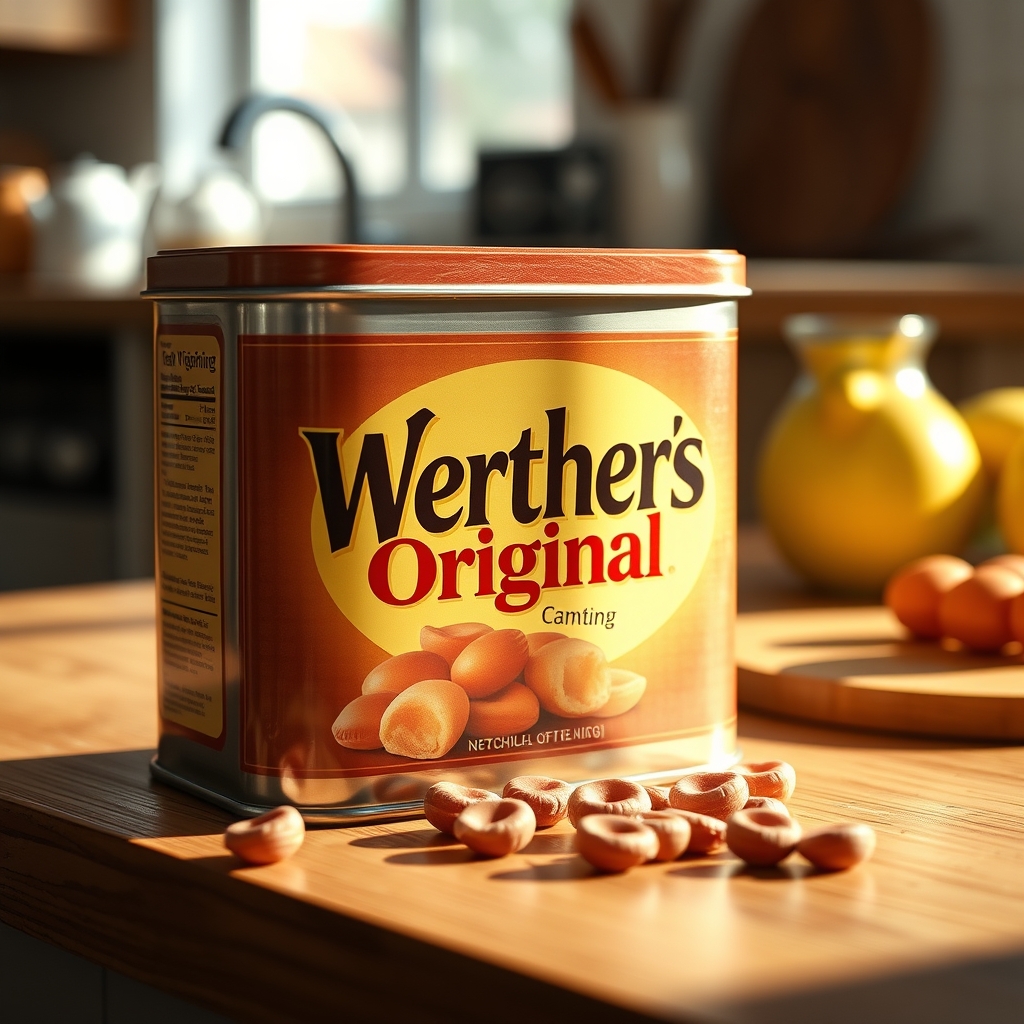
Safe: Werther's chocolate can be enjoyed in moderation during pregnancy, up to 30g per day, especially in the second and third trimesters.
By Shubhra Mishra — a mom of two who turned her own confusion during pregnancy into BumpBites, a global mission to make food choices clear, safe, and stress-free for every expecting mother. 💛
Check whether any food is safe during pregnancy with the BumpBites Food Safety Checker.
Quick verdict: ⚠️ Safe with limits. Werther's Original hard candies can be enjoyed in moderation during pregnancy, but keep portions small and watch sugar intake, especially if you have gestational diabetes.
It’s 2 a.m., the pantry light flickers, and you’ve just opened a tin of Werther’s Original because you’re craving something sweet. “Is Werthers safe during pregnancy?” you whisper to yourself, heart racing a little faster. You’re not alone—many expecting parents wonder whether that buttery, caramel‑flavored hard candy is a harmless treat or a hidden risk.
In short, Werther’s Original is generally considered safe when eaten in limited amounts. The candy contains sugar, dairy, and a few additives, none of which are known teratogens, but the sugar load can affect blood‑glucose control and weight gain. Below you’ll find a clear verdict, trimester‑by‑trimester guidance, how many candies are reasonable, possible side effects, and healthier snack swaps.
We’ll also compare Werther’s Original to other popular candies, suggest safer alternatives, and answer the most common follow‑up questions that show up when you type “is werthers safe during pregnancy” into a search engine. If you’ve already had a few pieces before you realized you were pregnant, take a breath—we’ve got the facts you need to move forward with confidence.
Trimester / Phase
Verdict
Notes
First trimester
⚠️ Safe with limits
Limit to 1–2 candies per day; watch for excess sugar.
Second trimester
⚠️ Safe with limits
Same guidance; can adjust portion if blood‑glucose is stable.
Third trimester
⚠️ Safe with limits
Maintain portion control; consider calcium needs.
Breastfeeding
⚠️ Safe with limits
No known risk to infant; moderate sugar intake still advised.
Enjoying a small portion of Werther’s Original can satisfy a sweet craving without overloading on sugar.
What is Werther's Original?
Werther’s Original is a classic hard candy first created in Germany in the early 1900s. The candy is made from a simple blend of sugar, glucose syrup, butter, cream, and a touch of vanilla. The mixture is cooked to a high temperature, then poured into molds where it hardens into the glossy, buttery caramel pieces that many people recognize. Because the ingredients are straightforward and the candy contains no caffeine, nuts, or artificial colors, it’s often marketed as a “simple” treat.
The candy’s buttery flavor comes from the dairy component, which also adds a modest amount of calcium. A standard 8‑ounce (227 g) tin contains roughly 340 calories and 80 grams of sugar, providing a quick source of energy but also a significant carbohydrate load. The product is sold in several flavors—original caramel, orange, and mint—but the core recipe remains the same, with only natural flavorings added. The simplicity of the ingredient list makes it a popular choice for people who prefer “clean‑label” sweets.
From a nutritional standpoint, Werther’s Original is essentially “empty calories.” It supplies energy without contributing meaningful amounts of protein, fiber, or essential vitamins. That’s why it’s best thought of as an occasional treat rather than a staple of a pregnancy‑supportive diet.
Is Werther's Original safe during pregnancy?
C
urrent guidance from major health authorities such as the American College of Obstetricians and Gynecologists (ACOG) and the UK’s National Health Service (NHS) does not list Werther’s Original as a food to avoid. The FDA classifies hard candies as generally recognized as safe (GRAS) for the general population, and there are no specific warnings for pregnant individuals.
The primary concern with any sugary candy during pregnancy is the impact on blood‑glucose levels and overall calorie intake. Excessive sugar can contribute to gestational diabetes, excessive weight gain, and dental decay—issues that are already more common in pregnancy. Studies published in the *American Journal of Clinical Nutrition* have shown that moderate sugar consumption (under 10 % of total daily calories) does not increase the risk of birth defects, but higher intakes can raise the chance of gestational diabetes.
Because Werther’s Original contains dairy, it also offers a small amount of calcium, which can be beneficial for bone health. However, it does not provide the full range of nutrients needed in pregnancy, so it should be considered an occasional treat rather than a nutritional staple. For most pregnant people, enjoying a few pieces a day fits comfortably within ACOG’s recommendation to keep added sugars below 10 % of total calories.
Is Werther's Original safe to eat during the first trimester?
During the first trimester, the embryo undergoes organogenesis, a phase when it is most sensitive to teratogens. Since Werther’s Original does not contain any known teratogenic substances, it is not inherently risky. The key is moderation: limiting intake to 1–2 candies per day helps keep added sugars below the recommended 10 % of total calories, aligning with ACOG’s dietary guidelines for early pregnancy.
If you have a history of gestational diabetes or pre‑existing glucose intolerance, you may want to be even more cautious and discuss your candy cravings with your provider. The first trimester is also a time when nausea and food aversions are common; some people find that a small piece of candy can help settle an upset stomach, but the benefits should be weighed against the sugar impact.
How many Werther's Original candies can I have safely while pregnant?
One typical Werther’s Original candy weighs about 4 grams and contains roughly 15 calories and 2 grams of sugar. The USDA’s Dietary Guidelines suggest that pregnant women limit added sugars to about 25 grams per day (roughly 6 teaspoons). This translates to about 12–13 Werther’s Original candies at most, but spreading them out across the day is not advisable. A safer approach is to enjoy no more than 2–3 candies (6–12 grams of sugar) in a single sitting and keep total daily added sugar under the 25‑gram threshold.
For those who are tracking carbohydrate intake more closely—such as people with gestational diabetes—a single candy can be counted as a small carbohydrate snack (about 5 grams of carbs). Pairing it with a protein source, like a handful of nuts, can help blunt the glucose spike.
Are there any risks associated with Werther's Original candy during pregnancy?
The main risks are indirect, stemming from sugar intake: increased likelihood of gestational diabetes, excessive weight gain, and dental caries. High sugar consumption can also lead to fluctuations in energy levels and cravings, which may affect your overall nutrition balance. There are no documented teratogenic effects or harmful additives in Werther’s Original, but the candy does not provide essential vitamins or minerals.
For most pregnant people, occasional consumption within the limits described above does not pose a significant health risk. If you notice persistent high blood‑glucose readings after sugary treats, it may be time to tighten your sugar budget and discuss adjustments with your provider.
Can I substitute Werther's Original with sugar‑free candy while pregnant?
Yes, sugar‑free hard candy can be a viable alternative if you’re trying to cut added sugars. Look for options sweetened with xylitol or erythritol, which are generally considered safe for pregnancy by the FDA. However, some sugar‑free candies contain sugar alcohols that can cause gastrointestinal upset (bloating, gas) if consumed in large amounts. As always, read the label and keep portions modest.
Even sugar‑free varieties can contain small amounts of other additives, so choose products that list “no artificial colors” and “natural flavorings” to stay on the safest side.
Is there a difference in safety between Werther's Original and other hard candies for pregnant women?
Most hard candies share a similar base of sugar, glucose syrup, and flavorings. The safety profile across the board is comparable: none are known teratogens, but all contribute to added sugar intake. Some brands add artificial colors or preservatives, which some pregnant individuals prefer to avoid. Werther’s Original’s use of natural vanilla and dairy may be slightly more appealing for those seeking fewer synthetic additives.
When comparing brands, the most important factor is the amount of added sugar per serving. A candy that contains 10 grams of sugar per piece will quickly push you over the daily limit, whereas a piece with 2–3 grams allows for more flexibility.
What are the potential side effects of eating Werther's Original during pregnancy?
Side effects are generally mild and related to sugar consumption: occasional spikes in blood glucose, increased thirst, and potential dental issues. If you consume large quantities, you might experience a “sugar crash” with fatigue or irritability. Rarely, individuals with lactose intolerance may notice digestive discomfort due to the dairy content.
Because the candy is hard and sticky, it can cling to teeth for a long time, increasing the risk of cavities if you don’t brush or rinse afterward. Good oral hygiene—brushing twice a day and flossing—helps mitigate this risk.
Are there any pregnancy complications that make Werther's Original unsafe?
If you have been diagnosed with gestational diabetes, pre‑existing diabetes, or severe hyperglycemia, the added sugars in Werther’s Original could exacerbate blood‑glucose control challenges. In such cases, your provider may advise stricter limits or a sugar‑free alternative. Otherwise, there are no specific complications that render the candy unsafe.
Other conditions that affect digestion, such as irritable bowel syndrome, might make the candy’s sugar‑alcohol content (if present in a sugar‑free version) uncomfortable. In those cases, sticking with the original version—while still moderating intake—may be the gentler option.
Do different flavors of Werther's Original affect pregnancy safety?
The core ingredients remain the same across flavors; the only variations are natural flavor extracts (orange, mint, etc.). These extracts are used in small amounts and are not associated with pregnancy risks. Therefore, safety does not significantly differ between the original caramel, orange, or mint varieties.
If you have a specific food allergy—such as a dairy allergy—you’ll want to avoid the original caramel version because it contains butter and cream. The orange and mint flavors also contain dairy, so they share the same allergen profile.
Is Werther's Original safe for pregnant women with gestational diabetes?
For those managing gestational diabetes, any added sugar should be counted toward your daily carbohydrate allowance. Werther’s Original can be included in a controlled‑carb meal plan, but the portion should be limited to a single candy (or a maximum of 2) per day, and you should monitor blood‑glucose levels after consumption. Discuss your specific carbohydrate targets with your provider or a registered dietitian.
Safe dosage / amount / brands
Because Werther’s Original is a commercial product, the formulation is consistent across reputable brands, including the original German manufacturer and its U.S. distributor. The key factor is how many candies you eat. A practical guideline is:
Standard serving: 2–3 candies (≈8–12 g of sugar) per day.
Maximum safe amount: No more than 13 candies (≈25 g added sugar) in a 24‑hour period, aligning with USDA recommendations.
Brand considerations: Choose tins that list “no artificial colors” and “natural vanilla” for the cleanest ingredient list. Avoid bulk or discount packages that may lack clear labeling.
If you’re craving a sweet treat more often, consider pairing a candy with a source of protein (e.g., a handful of nuts) to slow sugar absorption. This simple trick can help keep blood‑glucose peaks more manageable.
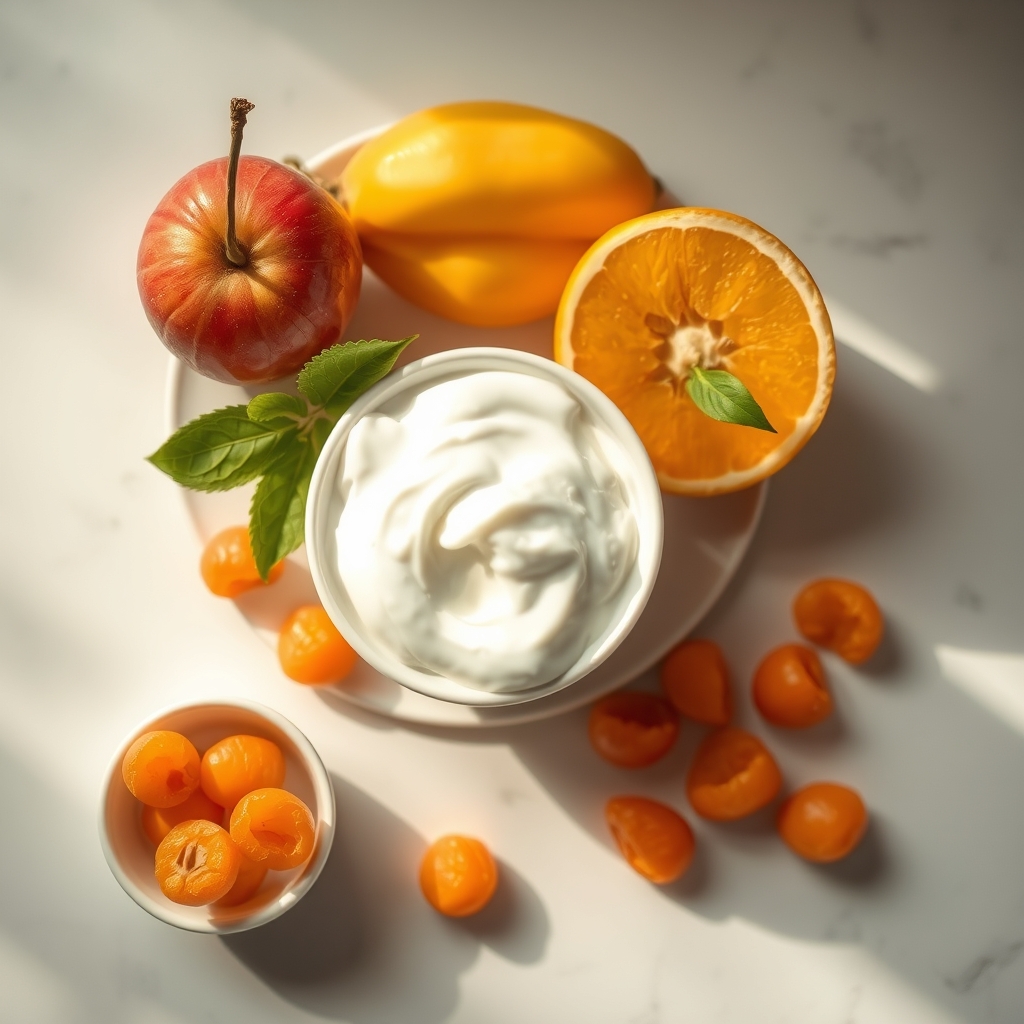
Fresh fruit, Greek yogurt, and dried apricots are tasty, nutrient‑dense alternatives to candy.
Side effects and risks
While Werther’s Original does not contain harmful chemicals, the sugar and dairy content can lead to:
Blood‑glucose spikes, especially if you have gestational diabetes.
Excessive caloric intake, contributing to weight gain beyond recommended pregnancy guidelines.
Dental decay, as the sticky candy clings to teeth for extended periods.
Minor digestive discomfort for those with lactose intolerance.
These effects are generally manageable with good oral hygiene, balanced meals, and portion control. If you notice persistent high blood‑glucose readings, rapid weight gain, or unusual abdominal pain after eating candy, contact your health‑care provider.
Safer alternatives
Fresh fruit – natural sweetness, fiber, vitamins, and minerals.
Greek yogurt – creamy texture with protein and calcium, lower sugar when unsweetened.
Dried apricots – chewy, sweet, and rich in iron and potassium.
Unsweetened applesauce – smooth, low‑calorie, and easy to digest.
Whole grain crackers – provide complex carbs and satiety.
Sugar‑free hard candy – similar texture with minimal sugar; choose xylitol‑based varieties.
Organic gummy bears – often made with real fruit juice and less added sugar.
Low‑sugar granola bars – contain nuts and oats for sustained energy.
Frozen banana slices – naturally sweet, provide potassium, and are soothing for nausea.
Homemade date rolls – blend dates with oats for a chewy treat that’s high in fiber.
Related items — safety at a glance
Item
Verdict
Note
Jelly Beans
⚠️ Safe with limits
High sugar; watch portion size.
Lollipops
⚠️ Safe with limits
Sticky; can cause dental issues.
Hard candy
⚠️ Safe with limits
Similar sugar content to Werther’s.
Chocolate bars
⚠️ Safe with limits
Contains caffeine and sometimes nuts.
Gummy bears
⚠️ Safe with limits
Often contain gelatin; check for added sugars.
Caramel chews
⚠️ Safe with limits
Very high in sugar and fat.
Toffee
⚠️ Safe with limits
High sugar and saturated fat.
M&M's
⚠️ Safe with limits
Contains added chocolate and sugar.
Caramel popcorn
⚠️ Safe with limits
Often coated in sugary glaze; watch portion.
Milk chocolate
⚠️ Safe with limits
Contains dairy and added sugar.
Fruit leather
⚠️ Safe with limits
Made from pureed fruit; check for added sugar.
Honey
⚠️ Safe with limits
Natural sweetener; still high in sugar.
Molasses
⚠️ Safe with limits
Rich in minerals but high in sugar.
Peanut butter cups
⚠️ Safe with limits
Contains nuts and added sugar; watch allergens.
Myth vs. fact
Myth: All hard candies are unsafe for pregnant women because they contain “artificial” ingredients. Fact: Werther’s Original uses natural vanilla and dairy; the primary concern is added sugar, not artificial additives.
Myth: Eating candy in the first trimester can cause birth defects. Fact: There is no evidence linking Werther’s Original or similar hard candies to teratogenic effects; moderation is key.
Myth: Sugar‑free candy is always a better choice during pregnancy. Fact: Sugar‑free versions may contain sugar alcohols that cause gastrointestinal discomfort; choose those with minimal additives.
Myth: If a candy is “low‑fat,” it must be safe for pregnancy. Fact: Fat content is not the main issue; added sugar and portion size determine safety.
Myth: Natural flavors mean a candy is completely safe. Fact: Natural flavors are generally safe, but the overall nutritional profile (especially sugar) still matters.
Key takeaways
Werther’s Original is not a teratogen and can be enjoyed in moderation.
Limit intake to 2–3 candies per day (≈6–12 g sugar) to stay within recommended added‑sugar limits.
Watch blood‑glucose levels, especially if you have gestational diabetes.
Consider healthier sweet options like fresh fruit or Greek yogurt for more nutrients.
Always discuss any dietary concerns with your health‑care provider.
Frequently asked questions
Can pregnant women eat Werther's Original?
Yes, pregnant women can eat Werther’s Original in moderation; the candy is not a teratogen, but you should keep added sugar intake under 25 grams per day.
Is Werther's Original candy safe for a baby?
While the candy itself is not harmful, it is not recommended for infants or toddlers because hard candies pose a choking risk.
How many Werther's Original candies are safe during pregnancy?
Generally, 2–3 candies per day (about 6–12 g of sugar) are considered a safe amount; staying under 13 candies per day keeps added sugar within USDA guidelines.
Does Werther's Original contain caffeine?
No, Werther’s Original does not contain caffeine; its ingredients are sugar, dairy, and natural flavorings.
Are there any ingredients in Werther's Original that are harmful to pregnant women?
Werther’s Original does not contain known harmful ingredients for pregnancy; the main concern is its sugar content, which can affect blood‑glucose control.
Can Werther's Original cause gestational diabetes?
Eating large amounts of any sugary candy, including Werther’s Original, can increase the risk of gestational diabetes if overall sugar intake exceeds recommended limits.
Is sugar‑free Werther's Original safer for pregnant women?
Sugar‑free versions reduce added‑sugar load, but they may contain sugar alcohols like xylitol that can cause gastrointestinal upset; use them in moderation.
What are the nutritional facts of Werther's Original candy?
A typical serving (about 2 candies) provides roughly 30 calories, 6 grams of carbohydrates, 2 grams of sugar, and a small amount of calcium; it contains no fat, protein, or fiber.
What should I do if I accidentally eat too many Werther's Original candies?
If you notice a sudden spike in thirst, frequent urination, or feeling unusually fatigued after over‑indulging, check your blood‑glucose (if you have a monitor) and hydrate with water; if symptoms persist, contact your health‑care provider.
Does Werther's Original contain any allergens I should be aware of?
Werther’s Original contains dairy (butter and cream) and may contain trace amounts of soy or gluten depending on the manufacturing facility; people with dairy allergies should avoid it, and those with severe soy or gluten sensitivities may want to verify label statements.
Can I eat Werther's Original if I have a food allergy?
Because the original caramel version contains butter and cream, it is not suitable for individuals with a dairy allergy. The orange and mint varieties also contain dairy, so they share the same allergen profile. If you have a soy or gluten sensitivity, check the packaging for “may contain” statements, as cross‑contamination can occur in shared production lines. When in doubt, choose a certified allergen‑free candy or consult your allergist.
How should I store Werther's Original safely during pregnancy?
Store the candy in a cool, dry place away from direct sunlight. High temperatures can cause the candy to become sticky, increasing the risk of dental plaque buildup when you eat it. If you open a tin and don’t finish it within a week, reseal the lid tightly or transfer the candies to an airtight container to maintain freshness and prevent moisture absorption.
What are the best ways to pair Werther's Original for better blood‑sugar control?
Pairing a small piece of Werther’s Original with a protein‑rich snack—such as a handful of almonds, a slice of cheese, or a spoonful of Greek yogurt—can slow the absorption of sugar and reduce the post‑snack blood‑glucose spike. This strategy is especially helpful for those monitoring carbohydrate intake or managing gestational diabetes.
When to call your doctor
Contact your health‑care provider if you notice any of the following after eating Werther’s Original: persistent high blood‑glucose readings, rapid weight gain, unusual abdominal pain, or signs of dental decay (persistent tooth pain, swollen gums). Also reach out if you have been diagnosed with gestational diabetes and are unsure how candy fits into your carbohydrate counting plan. This article is for informational purposes only and does not replace personalized medical advice.
References
American College of Obstetricians and Gynecologists. “Nutrition During Pregnancy.” ACOG Committee Opinion No. 804, 2020.
National Health Service (UK). “Eating well during pregnancy.” NHS, 2022.
U.S. Food and Drug Administration. “Food Ingredients: GRAS Notice (Generally Recognized as Safe).” FDA, 2021.
Centers for Disease Control and Prevention. “Gestational Diabetes.” CDC, 2023.
American Journal of Clinical Nutrition. “Added sugar intake and pregnancy outcomes.” AJCN, 2019.
World Health Organization. “Guidelines on sugar intake for adults and children.” WHO, 2015.
Mayo Clinic. “Gestational diabetes: Symptoms and causes.” Mayo Clinic, 2022.
U.S. Department of Agriculture. “Dietary Guidelines for Americans 2020‑2025.” USDA, 2020.
Not sure about the label on Is Werthers Safe During Pregnancy products?
Snap the ingredients list and SafeFilter checks every ingredient for your stage — only 3 free scans this month, then you're locked until reset. Unlimited from $7/mo or $50/yr.
When Shubhra Mishra was expecting her first child in 2016, she was overwhelmed by conflicting food advice — one site said yes, another said never. By the time her second baby arrived in 2019, she realized millions of mothers face the same confusion.
That sparked a five-year journey through clinical nutrition papers, cultural diets, and expert conversations — all leading to BumpBites: a calm, compassionate space where science meets everyday motherhood.
Her long-term vision is to build a global community ensuring safe, supported, and free deliveriesfor every mother — because no woman should face pregnancy alone or uninformed. 🌿
🌍 Stand with mothers, shape safer guidance
Join a small circle of experts who review BumpBites articles so expecting parents everywhere can decide with confidence.