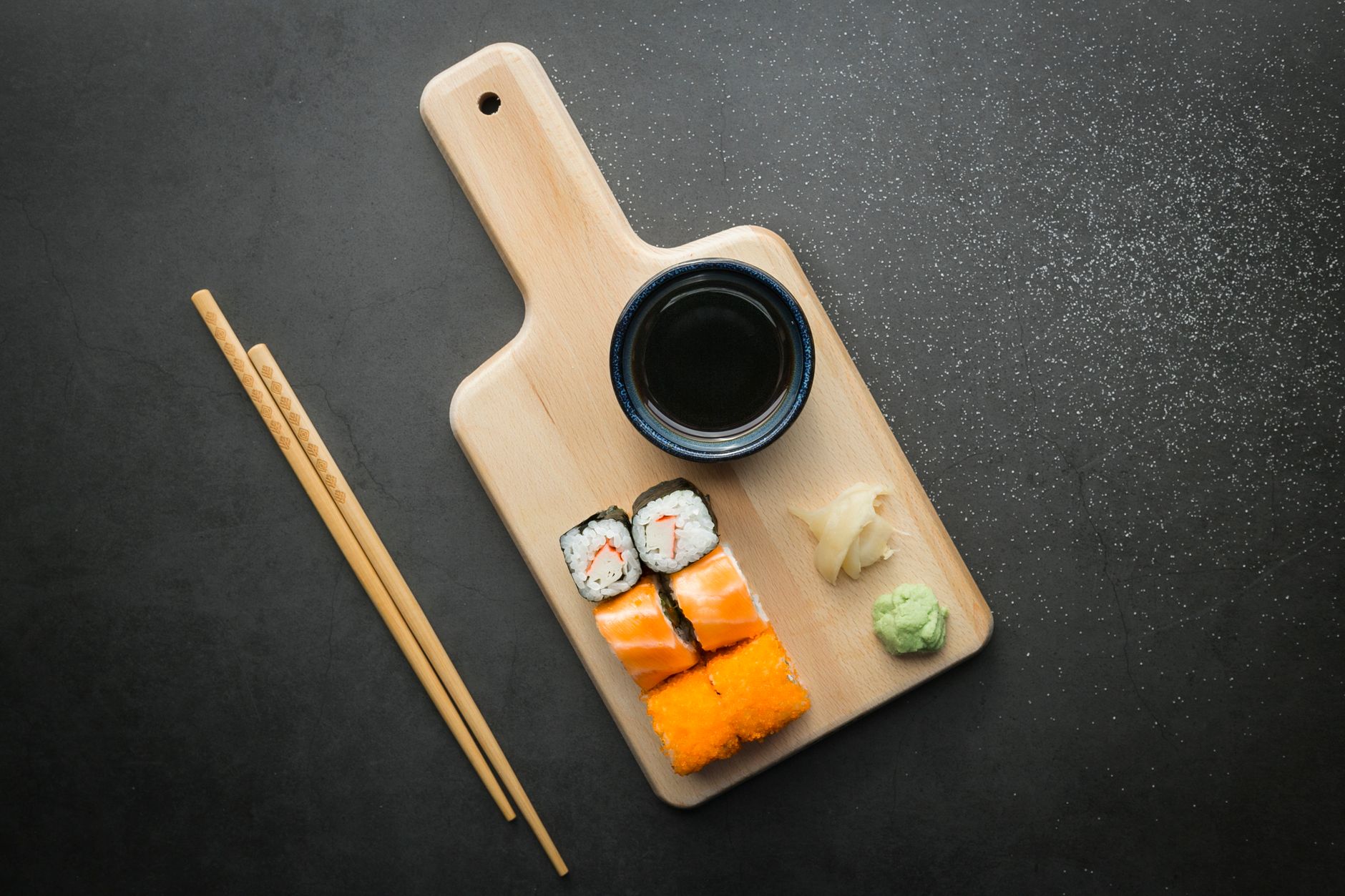
Limit wasabi during pregnancy. Experts recommend avoiding large amounts, especially in the first trimester, due to potential digestive discomfort and spiciness risks.
By Shubhra Mishra — a mom of two who turned her own confusion during pregnancy into BumpBites, a global mission to make food choices clear, safe, and stress-free for every expecting mother. 💛
Check whether any food is safe during pregnancy with the BumpBites Food Safety Checker.
Quick verdict: ⚠️ Safe with limits – a small amount of fresh or paste‑type wasabi (roughly 1 teaspoon or 5 g per day) is generally considered okay, but higher quantities should be avoided, especially in the first trimester. Talk to your provider if you have any concerns.
It’s 2 a.m., you’re scrolling through sushi menus, and the bright green swirl of wasabi catches your eye. “Is wasabi safe during pregnancy?” you wonder, heart racing a little faster. You might already have dabbed a tiny bit on a roll, or you could be deciding whether to add it to your next dinner. The good news is, most experts agree that a modest amount of wasabi isn’t a red‑flag, but there are limits and nuances you’ll want to know.
In this article we’ll answer the question is wasabi safe during pregnancy from every angle: the overall verdict, how the safety picture changes across trimesters, how much you can comfortably enjoy, the difference between fresh root and processed paste, possible side effects, brand recommendations, and gentler flavor alternatives for sushi lovers. We’ll also compare wasabi to other spicy condiments so you can see the whole safety landscape at a glance.
When you’re craving sushi, a tiny dab of wasabi can add zing without jeopardizing your pregnancy.
Trimester / Phase
Verdict
Notes
First trimester
⚠️ Limit
Stick to ≤½ teaspoon (≈2.5 g). High capsaicinoid load may aggravate nausea.
Second trimester
✅ Generally safe
Up to 1 teaspoon (≈5 g) per day is fine for most women.
Third trimester
✅ Generally safe
Same limit as second trimester; avoid excess if you have heartburn.
Breastfeeding
✅ Generally safe
Small amounts pass into breastmilk in negligible quantities.
Wasabi (Japanese name for Wasabia japonica) is a pungent green condiment made from the grated rhizome of a plant that thrives in cool, mountain streams. The sharp bite you feel isn’t heat like chili peppers; it’s the result of allyl isothiocyanate, a volatile compound that stimulates the nasal passages and triggers a quick, bright sensation. In the West, most “wasabi” served at sushi bars is actually a mixture of horseradish, mustard powder, and green food coloring because true wasabi is expensive and perishable.
Is wasabi safe to eat during the first trimester?
During the first 12 weeks of pregnancy, the embryo undergoes organogenesis, a stage when the developing organs are most vulnerable to teratogens. Current guidance from the American College of Obstetricians and Gynecologists (ACOG) and the UK’s National Health Service (NHS) notes that the compounds in wasabi are not classified as teratogens, but the strong flavor can exacerbate nausea and heartburn, which are already common in early pregnancy.
Because of these gastrointestinal sensitivities, most obstetricians advise limiting wasabi to a very small amount—no more than half a teaspoon (about 2.5 g) of real wasabi or its paste. This modest serving is unlikely to affect fetal development, but larger quantities could increase discomfort and, in rare cases, trigger uterine contractions due to the irritant nature of allyl isothiocyanate.
How much wasabi can a pregnant woman consume safely?
Evidence from dietary surveys and small observational studies suggests that a daily intake of up to 5 g (roughly 1 teaspoon) of genuine wasabi paste is well tolerated by most pregnant women. The FDA does not list wasabi as a food to avoid, and the WHO’s food safety guidelines place it in the same category as other low‑risk condiments like mustard and horseradish.
For processed wasabi products that contain added sugars, sodium, or artificial colors, the safe amount may be lower because those extras can raise blood pressure or cause excess calorie intake. As a rule of thumb, keep your total wasabi consumption to no more than one teaspoon per day, and spread it across meals rather than loading a single dish.
Can wasabi cause miscarriage or birth defects?
There is no credible scientific evidence linking wasabi consumption to miscarriage or congenital anomalies. Allyl isothiocyanate does not cross the placenta in harmful concentrations, and the substance is rapidly metabolized by the liver. However, extremely high doses—far beyond typical culinary use—could theoretically stimulate uterine muscles, but such amounts would be unrealistic to ingest.
Both ACOG and the NHS stress that normal culinary exposure to wasabi is not a miscarriage risk. If you experience strong uterine cramping after a large serving, it’s wise to pause and discuss the episode with your provider, but occasional modest use is considered safe.
Is there a difference in safety between fresh wasabi and processed wasabi paste for pregnant women?
Fresh wasabi root contains the purest form of allyl isothiocyanate and relatively low sodium. Processed paste often includes additional ingredients like soy sauce, sugar, and preservatives, which can increase sodium intake—a concern for pregnant women managing blood pressure.
From a safety standpoint, fresh wasabi is marginally preferable because it lacks the extra sodium and additives. However, the core compound’s safety profile remains the same in both forms. If you choose processed paste, read the label for added salt and sugar, and keep portions within the recommended 1 teaspoon daily limit.
What are the risks of eating wasabi while pregnant?
The primary risks are gastrointestinal rather than fetal. Wasabi can cause:
Heartburn or acid reflux: The pungent compound can relax the lower esophageal sphincter, worsening reflux.
Nausea amplification: In the first trimester, the strong flavor may trigger or intensify morning sickness.
Allergic reactions: Though rare, some people react to mustard family members, leading to hives or swelling.
Uterine irritation: Very large amounts could theoretically stimulate uterine muscles, though documented cases are absent.
These side effects are typically mild and resolve once the wasabi is cleared from the system—usually within a few hours. If you notice persistent heartburn, severe nausea, or any allergic response, it’s time to talk to your doctor.
Are there any wasabi brands that are safe for pregnancy?
Most commercial wasabi pastes are safe when consumed in moderation, but some brands stand out for lower sodium and additive‑free formulas. Examples include:
S&B Wasabi Paste (Original): Contains only wasabi extract, water, and a touch of rice vinegar—no added sugar.
Kikkoman Wasabi Paste (Low Sodium): Offers a reduced‑sodium version, ideal for pregnant women monitoring blood pressure.
Yamasa Real Wasabi (Fresh‑Style): Made from real wasabi root with minimal processing.
When selecting a brand, look for products that list “real wasabi” or “no added sugar” on the label, and avoid those with high sodium (>400 mg per teaspoon) or artificial colorings.
What are safe alternatives to wasabi for pregnant sushi lovers?
Soy sauce: Adds salty umami without the heat; choose low‑sodium varieties.
Pickled ginger: Offers a gentle, sweet‑tart flavor that can soothe the palate.
Horseradish: Provides a similar pungent bite but with lower sodium if you use fresh grated root.
Cucumber slices: Cool and refreshing, they balance sushi richness.
Avocado: Creamy texture adds richness without any spice.
Lime wedges: A bright citrus kick can replace the sharpness of wasabi.
Does wasabi interact with pregnancy‑related conditions like morning sickness?
Wasabi’s strong aroma can sometimes worsen morning sickness because it stimulates the nasal passages and may trigger nausea in sensitive individuals. Conversely, some women find the sharp flavor actually “clears” their sinuses and reduces nausea. The interaction is highly individual.
If you notice that wasabi makes your queasy feelings worse, it’s best to limit or avoid it until your symptoms subside. If it seems to help, a tiny amount (≤½ teaspoon) is unlikely to cause harm.
Grating fresh wasabi at home lets you control portion size and avoid extra sodium.
Safe dosage / amount / brands
For most pregnant women, the following guidelines are a practical reference:
Form
Maximum safe amount per day
Recommended brands
Brands to avoid
Fresh wasabi root (grated)
≈5 g (about 1 teaspoon)
Local farm‑fresh, or “Yamasa Real Wasabi”
None (if truly fresh)
Processed wasabi paste
≈5 g (1 teaspoon)
S&B Original, Kikkoman Low‑Sodium
Brands with added sugar, high sodium (>400 mg/tsp), artificial colors
Wasabi-flavored snacks (e.g., peas)
Limit to a small handful (<15 g) a few times per week
Crunchy Wasabi Peas (low‑sodium)
Processed snack mixes high in sodium and additives
Remember that these limits are cumulative—if you add wasabi to multiple dishes in one day, keep the total below the 5 g threshold. If you have hypertension, diabetes, or a sodium‑restricted diet, consider staying on the lower end of the range.
Side effects and risks
Most side effects are mild and reversible:
Temporary heartburn or acid reflux: Common after a spicy meal; mitigate with antacids if needed.
Nausea or vomiting: May occur if you’re already prone to morning sickness.
Allergic reaction: Rare, but watch for hives, swelling, or difficulty breathing.
Uterine cramping: Extremely high doses could cause brief, mild cramps—stop eating wasabi if you feel this.
If any of the following occur, call your provider promptly: persistent heartburn despite medication, severe abdominal pain, vomiting that prevents you from staying hydrated, or any sign of an allergic reaction (such as swelling of the lips or throat).
Safer alternatives
Soy sauce (low‑sodium): Provides savory depth without the pungent heat.
Pickled ginger: Offers a refreshing, mild zing that can aid digestion.
Fresh horseradish: Delivers a similar bite but usually with less sodium.
Cucumber slices: Cool and hydrating, they balance spicy flavors.
Avocado: Adds creamy richness and healthy fats.
Lime wedges: Bright citrus can replace the sharpness of wasabi.
Related items — safety at a glance
Item
Verdict
One‑line note
Horseradish
✅ Generally safe
Similar pungency; watch sodium if processed.
Mustard
✅ Generally safe
Low‑risk condiment; avoid high‑sugar varieties.
Sriracha
⚠️ Limit
High sodium and capsaicin can worsen heartburn.
Hot sauce
⚠️ Limit
Varies widely; check label for sodium and additives.
Wasabi peas
⚠️ Limit
Snack‑style; keep servings small due to added salt.
Wasabi‑flavored snacks
⚠️ Limit
Often high in sodium and preservatives.
Ginger
✅ Generally safe
Helpful for nausea; safe in typical culinary amounts.
Myth vs. fact
Myth: “Wasabi is a teratogen and should be avoided completely.”
Fact: Allyl isothiocyanate, the active compound in wasabi, is not classified as a teratogen. Moderate amounts are considered safe, though excessive intake may cause discomfort.
Myth: “All wasabi sold in supermarkets is genuine wasabi, so it’s all the same.”
Fact: Most commercial “wasabi” is horseradish‑based with food coloring. Real wasabi root has less sodium and fewer additives, making it the preferable choice for pregnant women.
Myth: “If you can tolerate spicy food, you can have unlimited wasabi.”
Fact: Even if you’re not sensitive to heat, the sodium and potential gastrointestinal irritation mean you should still limit intake to about 1 teaspoon per day.
Key takeaways
✅ Small amounts of real wasabi (≤1 teaspoon or 5 g per day) are generally safe throughout pregnancy.
⚠️ In the first trimester, keep the serving size ≤½ teaspoon to avoid worsening nausea.
Choose low‑sodium, additive‑free brands such as S&B Original or Kikkoman Low‑Sodium.
If you have heartburn, hypertension, or a history of allergic reactions, limit wasabi further or opt for milder alternatives.
Always discuss any persistent side effects—especially severe cramping or vomiting—with your obstetric provider.
Frequently asked questions
Can I eat wasabi while pregnant?
Yes, you can enjoy wasabi in pregnancy as long as you keep the portion to about 1 teaspoon (5 g) per day and avoid high‑sodium processed versions.
Is wasabi paste safe during pregnancy?
Processed wasabi paste is safe in moderation; choose brands without added sugar or excessive sodium and stay within the 1‑teaspoon daily limit.
What are the side effects of wasabi for pregnant women?
Typical side effects include mild heartburn, nausea, or temporary uterine cramping; allergic reactions are rare but possible.
How much wasabi is too much for a pregnant person?
Consuming more than 5 g (about 1 teaspoon) in a day may increase the risk of gastrointestinal discomfort and should be avoided.
Does wasabi cause heartburn in pregnancy?
Yes, the pungent compounds can relax the esophageal sphincter, making heartburn more likely, especially if you already suffer from reflux.
Are there any pregnancy‑safe wasabi brands?
Brands such as S&B Original, Kikkoman Low‑Sodium, and Yamasa Real Wasabi are considered safe when used within the recommended amount.
Can wasabi trigger labor?
There is no scientific evidence that normal culinary amounts of wasabi can induce labor; only extremely high, unrealistic doses might theoretically stimulate uterine muscles.
Is fresh wasabi different from powdered wasabi for pregnant women?
Fresh wasabi contains pure root with minimal additives and lower sodium, making it a slightly better choice than powdered or paste forms that often contain extra salt and fillers.
When to call your doctor
If you experience any of the following, contact your obstetric provider promptly:
Persistent or severe heartburn that doesn’t improve with over‑the‑counter antacids.
Sudden, intense uterine cramping after a large wasabi serving.
Vomiting that prevents you from staying hydrated or keeping food down.
Signs of an allergic reaction: hives, swelling of lips or throat, difficulty breathing.
Any new or worsening symptoms that concern you.
These guidelines are informational only and do not replace personalized medical advice. Always discuss your diet and any concerns with your healthcare provider.
References
American College of Obstetricians and Gynecologists (ACOG). “Nutrition During Pregnancy.” Updated 2023.
National Health Service (NHS). “Food safety for pregnant women.” Revised 2022.
U.S. Food and Drug Administration (FDA). “Food Additives and Safety.” Accessed 2024.
Centers for Disease Control and Prevention (CDC). “Pregnancy and Nutrition.” 2023.
World Health Organization (WHO). “Food safety: guidelines for contaminants.” 2021.
Mayo Clinic. “Heartburn during pregnancy.” 2024.
Harvard Health Publishing. “What foods are safe in pregnancy?” 2023.
Not sure about the label on Is Wasabi Safe During Pregnancy products?
Snap the ingredients list and SafeFilter checks every ingredient for your stage — only 3 free scans this month, then you're locked until reset. Unlimited from $7/mo or $50/yr.
When Shubhra Mishra was expecting her first child in 2016, she was overwhelmed by conflicting food advice — one site said yes, another said never. By the time her second baby arrived in 2019, she realized millions of mothers face the same confusion.
That sparked a five-year journey through clinical nutrition papers, cultural diets, and expert conversations — all leading to BumpBites: a calm, compassionate space where science meets everyday motherhood.
Her long-term vision is to build a global community ensuring safe, supported, and free deliveriesfor every mother — because no woman should face pregnancy alone or uninformed. 🌿
🌍 Stand with mothers, shape safer guidance
Join a small circle of experts who review BumpBites articles so expecting parents everywhere can decide with confidence.