Safe in moderation. Volcano roll is generally safe during pregnancy if fully cooked, but limit raw fish. Stick to 2-3 servings per week in the second or third trimester to avoid mercury risks.
By Shubhra Mishra — a mom of two who turned her own confusion during pregnancy into BumpBites, a global mission to make food choices clear, safe, and stress-free for every expecting mother. 💛
Check whether any food is safe during pregnancy with the BumpBites Food Safety Checker.
Quick verdict: ⚠️ Safe with limits. Volcano roll can be enjoyed during pregnancy if you choose fully cooked ingredients, keep portions modest (no more than one roll per week), and avoid raw fish and excessive spicy mayo. Talk to your provider if you have specific health concerns.
It’s 2 a.m., the glow of your phone is the only light in the kitchen, and you’ve just opened a take‑out menu that lists “Volcano Roll” among the tempting options. Your stomach rumbles, but a wave of anxiety washes over you: is volcano roll safe during pregnancy? You’re not alone—many expecting parents wonder the same thing, especially when the craving hits late at night.
We’re here to help you breathe easier. The short answer is that a Volcano Roll can be part of a balanced pregnancy diet, but it comes with important caveats. In the sections below we’ll break down the safety verdict by trimester, explain what makes this spicy sushi roll a potential risk, outline how many you can safely enjoy each week, and suggest safer sushi alternatives. We’ll also compare common sushi choices side‑by‑side so you can make the most informed decision for you and your baby.
Stage of pregnancy
Verdict
Notes
First trimester
⚠️ Safe with limits
Only fully cooked ingredients; limit to 1 roll/week; avoid raw fish and excess spicy mayo.
Second trimester
⚠️ Safe with limits
Same precautions as first trimester; monitor for heartburn from spicy mayo.
Third trimester
⚠️ Safe with limits
Consider reduced portion size if swelling or reflux is present.
Breastfeeding
⚠️ Safe with limits
Continue to avoid raw fish; spicy mayo is fine in moderation.
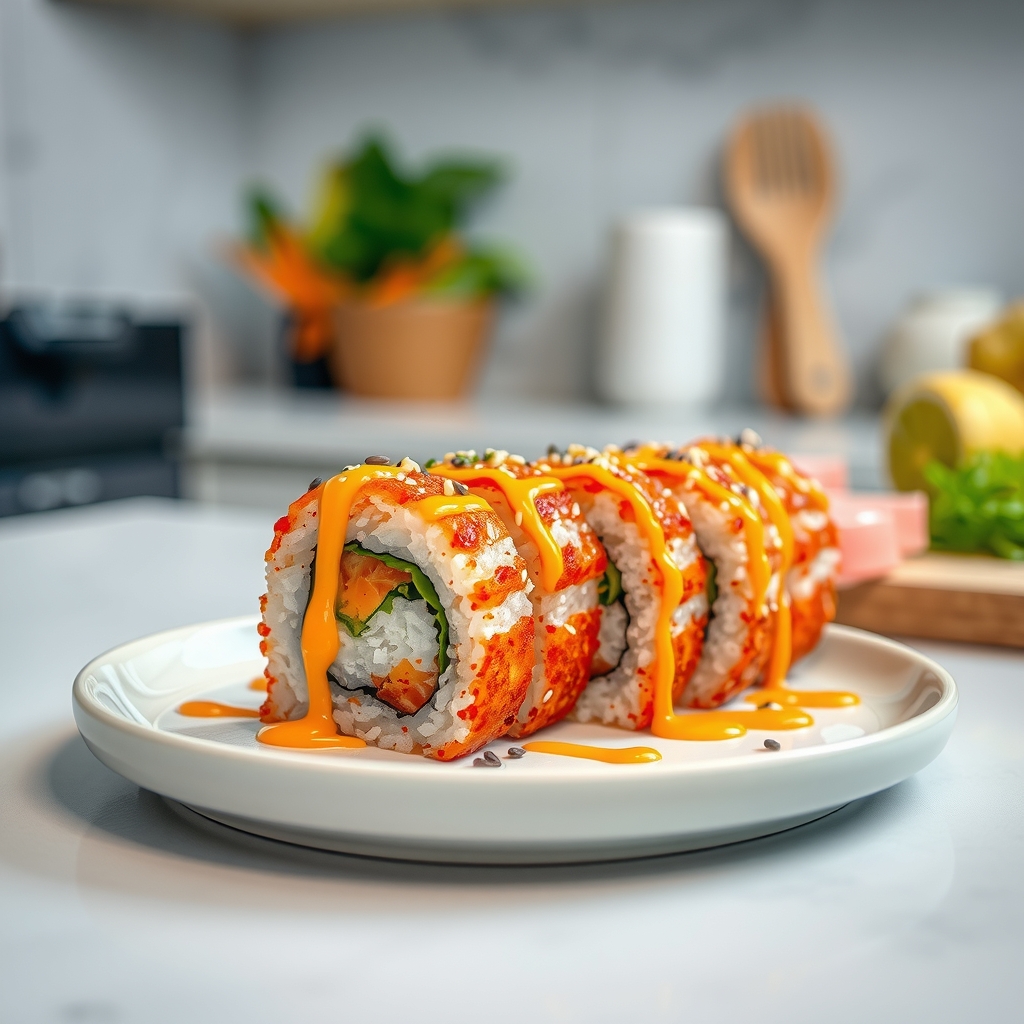
Volcano Roll is a modern sushi creation that typically combines tempura‑fried seafood (often shrimp or crab), avocado, and a fiery sauce made from spicy mayo, sriracha, and sometimes chili oil. The roll is usually topped with additional spicy mayo and sometimes jalapeño slices, giving it a “volcano” of heat. Some versions also include raw fish like tuna or salmon for extra flavor, but the defining characteristic is the bold, creamy heat that erupts from the sauce.
From a culinary standpoint, Volcano Roll belongs to the broader category of “spicy sushi rolls.” It’s popular in many sushi‑house menus and take‑out spots because the combination of crunchy tempura, cool avocado, and a hot, tangy sauce creates a satisfying contrast. The roll is often served with soy sauce, pickled ginger, and wasabi on the side, giving diners a range of flavors and textures in each bite.
Is volcano roll safe during pregnancy?
Current guidance from leading authorities such as the American College of Obstetricians and Gynecologists (ACOG) and the United Kingdom’s National Health Service (NHS) emphasizes that pregnant people should avoid raw fish because of the risk of listeria and other food‑borne pathogens. The FDA similarly advises that pregnant women steer clear of raw or undercooked seafood unless it has been previously frozen at temperatures that kill parasites.
Because many Volcano Rolls contain raw fish, the safest approach is to choose a version that uses only fully cooked ingredients—think cooked shrimp, crab, or tempura‑fried seafood. The spicy mayo component is generally considered low risk; it’s a mixture of mayonnaise (which is pasteurized) and chili sauces that do not contain harmful bacteria. However, the high sodium and potential for heartburn mean you should consume it in moderation, especially if you’re prone to reflux.
Research on the specific health effects of spicy foods during pregnancy is limited, but most studies suggest that moderate consumption of capsaicin (the compound that makes chili hot) does not harm fetal development. The main concern is maternal discomfort—spicy foods can exacerbate nausea, heartburn, or gastritis, which are already common in pregnancy. As long as you stay within the recommended portion limits, the Volcano Roll is not considered a teratogen (a substance that can cause birth defects).
In short, the Volcano Roll is safe with limits when you ensure the roll is fully cooked and you keep your intake to a modest amount. If you’re uncertain about the preparation method at a particular restaurant, it’s always best to ask the chef or opt for a known fully‑cooked alternative.
Is volcano roll safe to eat in the first trimester?
The first trimester is the period of organogenesis, when the baby’s major organs are forming. During this time, ACOG recommends extra caution with foods that could carry bacterial contamination, such as raw fish. If the Volcano Roll you’re considering contains raw tuna, salmon, or other uncooked seafood, it should be avoided.
Fully cooked versions—those that use tempura shrimp, cooked crab, or other heated proteins—are permissible. Keep the serving size small (one roll or fewer) and limit consumption to no more than once a week. Spicy mayo is fine, but if you experience severe nausea or heartburn, you may want to skip the spice until your symptoms settle.
Can I have volcano roll during pregnancy without risk?
“Without risk” is a high bar, and no food can be guaranteed 100 % risk‑free. However, by following the safety guidelines—choosing fully cooked proteins, limiting portion size, and monitoring for gastrointestinal discomfort—you can minimize any potential risk associated with Volcano Roll. The biggest remaining concerns are food‑borne illness from raw fish and excessive sodium or capsaicin leading to heartburn.
How many volcano rolls can a pregnant woman eat per week?
Nutrition experts, including those at the Mayo Clinic, suggest that pregnant people limit high‑sodium, high‑fat, or heavily spiced foods to a few servings per week. For Volcano Roll, a safe benchmark is **one roll (approximately 6–8 pieces) per week**. This amount provides the pleasure of sushi without overloading on sodium, calories, or potential irritants.
If you have gestational diabetes, the carbohydrate content of the rice in the roll should also be considered. A single roll typically contains 30–40 g of carbs, which can be incorporated into your daily carbohydrate allowance with the guidance of your dietitian.
What are safer sushi roll alternatives for pregnant women?
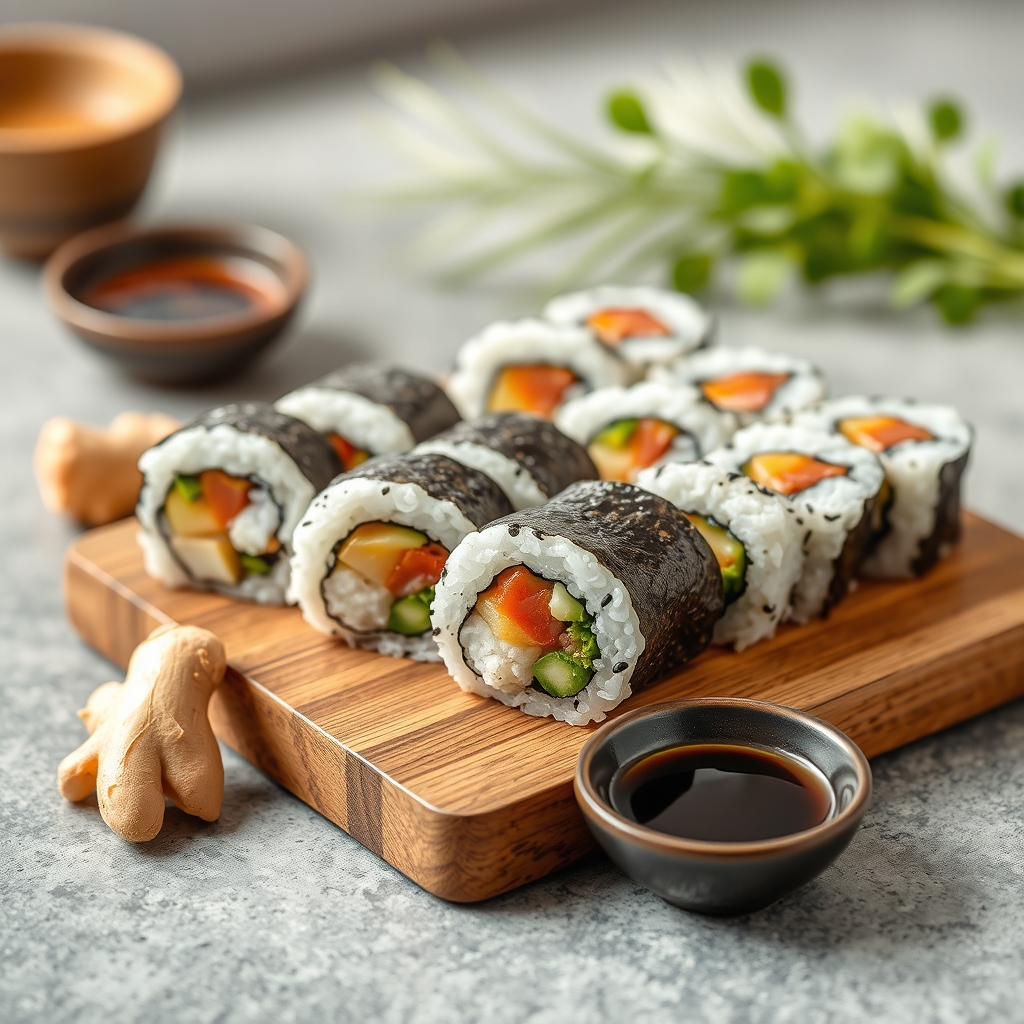
California roll (cooked crab or imitation crab) – classic, fully cooked, low‑risk.
Vegetable tempura roll – crunchy veggies in tempura batter, no raw fish.
Cooked shrimp roll – shrimp is fully cooked and safe.
Avocado roll – creamy avocado with rice, no protein that needs cooking.
Cucumber roll – light, refreshing, and completely plant‑based.
Philadelphia roll (cooked salmon) – salmon that’s been baked or pan‑seared eliminates raw‑fish risk.
Sweet potato roll – roasted sweet potato adds natural sweetness and nutrients.
Is the spicy mayo in volcano roll harmful during pregnancy?
Spicy mayo is typically made from pasteurized eggs or egg‑free mayo, combined with chili sauces. Because the mayo is pasteurized, it does not pose a listeria risk. The chili component (often sriracha) contains capsaicin, which is safe in moderate amounts. The main concern is the potential for heartburn or indigestion, especially if you’re already experiencing pregnancy‑related gastrointestinal symptoms.
If you’re sensitive to spice, you can ask the restaurant to serve the roll with the sauce on the side, allowing you to control the amount you consume.
Are there any brand‑specific volcano rolls that are safer for pregnant women?
While most sushi restaurants prepare Volcano Rolls similarly, some chains label their rolls as “fully cooked” or “no raw fish.” Look for these designations on the menu. For example, certain nationwide sushi chains (e.g., “Sushi Express” or “Fresh Rolls”) may offer a “Cooked Volcano Roll” that substitutes raw tuna with cooked shrimp. These versions are safer for pregnancy because they eliminate the raw‑fish hazard.
When ordering from a grocery‑store sushi section, read the packaging carefully. If the label lists “cooked shrimp” or “tempura crab” as the protein, you’re likely dealing with a safe option. When in doubt, call the establishment and ask about the preparation method.
What pregnancy complications are linked to eating volcano roll?
The primary complications stem from two sources: raw fish and excessive sodium or spice. Raw fish can harbor listeria, which may cause miscarriage, stillbirth, or severe illness in the newborn. Over‑consumption of salty, spicy foods can aggravate hypertension, a condition already monitored closely during pregnancy. If you notice swelling, high blood pressure, or persistent heartburn after eating a Volcano Roll, contact your healthcare provider.
Can I eat volcano roll if I have gestational diabetes?
Gestational diabetes management focuses on controlling carbohydrate intake and maintaining stable blood glucose levels. A typical Volcano Roll contains about 30–40 g of carbs from the rice, plus sugars from the sauce. If you’re counting carbs, you can fit a single roll into your daily allowance, but you should monitor your blood sugar after the meal. Pair the roll with a protein‑rich side (like edamame) and a low‑glycemic vegetable salad to help balance the glucose spike.
Safe dosage / amount / brands
Because the Volcano Roll is a composite of several ingredients, the safest approach is to limit both the number of rolls and the frequency of consumption. Here’s a quick guide:
Metric
Recommended limit
Why it matters
Rolls per week
1 roll (6–8 pieces)
Controls sodium, calories, and spice intake.
Spicy mayo serving
1–2 teaspoons
Limits capsaicin and sodium.
Protein type
Fully cooked (tempura shrimp, cooked crab)
Eliminates raw‑fish infection risk.
Brand considerations
Look for “cooked” or “no raw fish” labels
Ensures safe preparation.
When buying pre‑packaged sushi, choose brands that clearly state “pasteurized” mayo and “cooked” seafood. Avoid generic “volcano roll” packs that list “raw tuna” or “salmon” without a cooking disclaimer. If you dine out, ask the chef to confirm that the seafood is fully cooked and that the spicy mayo is made with pasteurized ingredients.
Tip: Ask for the spicy mayo on the side to control the amount you consume.
Side effects and risks
Most side effects from Volcano Roll are mild and related to its spicy, salty nature. Common, non‑dangerous symptoms include:
Heartburn or acid reflux – especially after a large, spicy meal.
Transient nausea – can be amplified if you’re already experiencing morning sickness.
Swelling of hands or feet – linked to high sodium intake.
More serious concerns require prompt medical attention:
Fever, chills, or gastrointestinal upset after eating raw fish – possible listeria infection.
Sudden, severe abdominal pain or persistent vomiting – could indicate food poisoning.
Elevated blood pressure readings (≥140/90 mm Hg) after a salty meal – may signal hypertension.
If any of the latter symptoms appear, contact your obstetric provider or seek emergency care. Remember, these risks are largely tied to raw fish and excess sodium, not the spices themselves.
Safer alternatives
California roll (cooked crab or imitation crab) – fully cooked protein, low‑risk.
Vegetable tempura roll – crunchy vegetables, no raw fish.
Cooked shrimp roll – shrimp is always cooked through.
Avocado roll – creamy and nutrient‑dense, no animal protein.
Cucumber roll – light, hydrating, and completely plant‑based.
Philadelphia roll (cooked salmon) – salmon that’s been baked removes raw‑fish concerns.
Sweet potato roll – roasted sweet potato adds vitamins and fiber.
Related items — safety at a glance
Sushi item
Verdict
One‑line note
Spicy tuna roll
❌ Best avoided
Contains raw tuna; risk of listeria.
Dragon roll
⚠️ Safe with limits
Usually includes cooked eel; watch sodium.
Rainbow roll
❌ Best avoided
Features multiple raw fish slices.
Tempura roll
⚠️ Safe with limits
Tempura is cooked, but high in fat.
Salmon avocado roll
⚠️ Safe with limits
Choose cooked salmon to eliminate raw‑fish risk.
Eel nigiri
⚠️ Safe with limits
Eel is always cooked, but sauce is salty.
Sashimi
❌ Best avoided
Raw fish with no rice; higher infection risk.
Myth vs. fact
Myth: All sushi is unsafe during pregnancy because of the raw fish.
Fact: Cooked sushi, such as rolls made with tempura shrimp or baked salmon, is generally safe when consumed in moderation.
Myth: Spicy foods cause birth defects.
Fact: Capsaicin, the compound that makes food hot, does not cross the placenta in harmful amounts; the main concern is maternal discomfort.
Myth: If a sushi roll looks fresh, it’s automatically safe.
Fact: Visual freshness does not guarantee that raw fish is free of pathogens; proper cooking or freezing is required for safety.
Key takeaways
Choose Volcano Rolls made with fully cooked seafood and pasteurized mayo.
Limit intake to one roll per week to keep sodium and spice levels in check.
Ask for spicy mayo on the side to control how much you consume.
If you experience fever, severe GI symptoms, or high blood pressure after eating, contact your provider.
Consider safer alternatives like California roll or vegetable tempura roll when cravings strike.
Frequently asked questions
Can pregnant women eat sushi rolls?
Yes, pregnant women can enjoy sushi rolls that contain fully cooked ingredients and pasteurized sauces; raw fish should be avoided.
Is raw fish safe during pregnancy?
No, raw fish poses a risk of listeria and other pathogens, so it’s best to avoid it unless the fish has been frozen at –4 °F (–20 °C) for at least seven days.
What is the safest sushi roll for pregnant women?
The safest options are fully cooked rolls such as California roll, vegetable tempura roll, or any roll that specifies “cooked” protein on the menu.
Does spicy mayo affect pregnancy?
Spicy mayo is generally safe because it’s made with pasteurized mayonnaise; however, its high sodium and capsaicin can trigger heartburn or swelling.
How much sushi is safe to eat while pregnant?
Limit sushi to about 6–8 pieces (one standard roll) per week, ensuring all fish is cooked or properly frozen.
Are there any risks of eating volcano roll while pregnant?
Risks stem from raw fish (if present) and excessive sodium or spice, which can cause listeria infection or exacerbate heartburn and hypertension.
Can I eat volcano roll if I have morning sickness?
If the spicy mayo worsens nausea, it’s best to skip the Volcano Roll or ask for the sauce on the side; a milder, cooked roll may be more tolerable.
Choosing cooked rolls reduces the risk of food‑borne illness.
When to call your doctor
If you develop any of the following after eating a Volcano Roll, seek medical attention promptly:
Fever ≥ 100.4 °F (38 °C) or chills.
Severe, persistent vomiting or diarrhea lasting more than 24 hours.
Sudden abdominal pain not relieved by typical heartburn remedies.
New or worsening high blood pressure (≥140/90 mm Hg).
Signs of dehydration such as dizziness, dry mouth, or reduced urine output.
These symptoms could indicate a food‑borne infection or a pregnancy‑related complication that needs professional evaluation. This article provides general information and should not replace personalized medical advice. Always discuss your diet and any concerns with your obstetric provider.
References
American College of Obstetricians and Gynecologists (ACOG). “Nutrition During Pregnancy.” 2023.
National Health Service (NHS). “Eating sushi while pregnant.” Updated 2022.
U.S. Food and Drug Administration (FDA). “Food Safety for Pregnant Women.” 2022.
Centers for Disease Control and Prevention (CDC). “Listeria and Pregnancy.” 2021.
Mayo Clinic. “Pregnancy diet: What to eat and what to avoid.” 2023.
World Health Organization (WHO). “Guidelines on food safety for pregnant women.” 2022.
National Institute for Health and Care Excellence (NICE). “Food safety in pregnancy.” 2023.
Not sure about the label on Is Volcano Roll Safe During Pregnancy products?
Snap the ingredients list and SafeFilter checks every ingredient for your stage — only 3 free scans this month, then you're locked until reset. Unlimited from $7/mo or $50/yr.
When Shubhra Mishra was expecting her first child in 2016, she was overwhelmed by conflicting food advice — one site said yes, another said never. By the time her second baby arrived in 2019, she realized millions of mothers face the same confusion.
That sparked a five-year journey through clinical nutrition papers, cultural diets, and expert conversations — all leading to BumpBites: a calm, compassionate space where science meets everyday motherhood.
Her long-term vision is to build a global community ensuring safe, supported, and free deliveriesfor every mother — because no woman should face pregnancy alone or uninformed. 🌿
🌍 Stand with mothers, shape safer guidance
Join a small circle of experts who review BumpBites articles so expecting parents everywhere can decide with confidence.