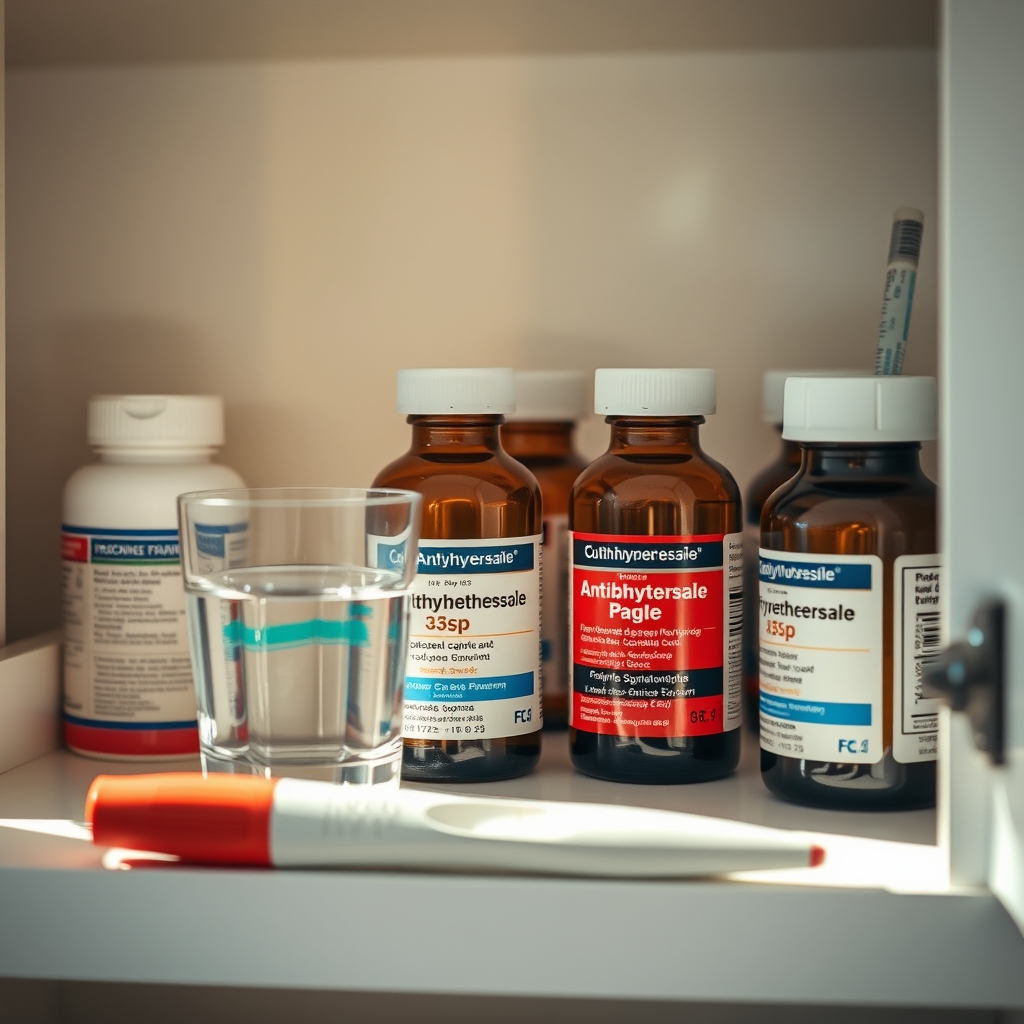
Avoid Valsartan during pregnancy, especially in the second and third trimesters, due to potential fetal harm from high dosages
By Shubhra Mishra — a mom of two who turned her own confusion during pregnancy into BumpBites, a global mission to make food choices clear, safe, and stress-free for every expecting mother. 💛
Check whether any food is safe during pregnancy with the BumpBites Food Safety Checker.
Quick verdict: ❌ Best avoided. Valsartan is not considered safe at any dose during pregnancy, and most obstetric guidelines recommend switching to an alternative blood‑pressure medication as soon as pregnancy is confirmed.
Imagine you’re reaching for your blood‑pressure pill at 3 a.m., only to remember you’re eight weeks pregnant. Your heart races, and you wonder if the dose you just took could hurt your baby. You’re not alone—many expecting parents face that exact moment of panic.
In short, is valsartan safe during pregnancy ? The answer is no. Leading authorities such as the American College of Obstetricians and Gynecologists (ACOG), the U.K. National Health Service (NHS), and the U.S. Food and Drug Administration (FDA) all advise against using valsartan while pregnant because of documented risks to fetal development.
Below we break down what the evidence says, how the risk varies (or doesn’t) across each trimester, why no dosage is considered safe, what safer alternatives exist, and what steps you can take if you’ve already taken the medication. We’ll also compare valsartan to other common blood‑pressure drugs so you have a clear picture of your options.
Stage of pregnancy
Verdict
Notes
1st trimester
❌ Avoid
Highest risk for congenital malformations; fetal organogenesis occurs.
2nd trimester
❌ Avoid
Risks for fetal kidney development and oligohydramnios.
3rd trimester
❌ Avoid
Potential for neonatal renal failure and low birth weight.
Breastfeeding
❌ Avoid
Valsartan is excreted in breast milk; infant exposure not recommended.
What is valsartan?
Valsartan belongs to a class of drugs called angiotensin II receptor blockers (ARBs). It works by relaxing blood vessels, which lowers blood pressure and reduces the workload on the heart. Doctors commonly prescribe it for hypertension, heart failure, and chronic kidney disease. Because ARBs block the hormone angiotensin II, they also help protect the kidneys in people with diabetes or protein‑urine leakage.
Valsartan is taken orally, usually once daily, and comes in several strengths (e.g., 40 mg, 80 mg, 160 mg). The brand name most people recognize is Cozaar, though generic versions are widely available. While it’s effective for many adults, its mechanism of blocking the renin‑angiotensin system also raises concerns for a developing fetus, whose own blood‑pressure regulation system is still forming.
Is valsartan safe during pregnancy?
C
urrent guidance from ACOG, the NHS, and the FDA is clear: valsartan should be avoided throughout pregnancy. In 2018 the FDA updated its labeling to place all ARBs, including valsartan, in Pregnancy Category D, meaning there is positive evidence of risk to the fetus. The FDA’s label specifically warns of potential fetal renal toxicity, oligohydramnios (low amniotic fluid), and skull hypoplasia.
Studies from the United Kingdom and the United States have linked first‑trimester exposure to ARBs with a higher incidence of birth defects such as cardiac outflow tract anomalies and facial malformations. Later‑trimester exposure is associated with neonatal renal failure, low‑birth‑weight infants, and even stillbirth in severe cases.
Because the risk does not appear dose‑dependent—meaning even low doses carry similar dangers—most obstetricians recommend discontinuing valsartan as soon as pregnancy is discovered and switching to a medication with a proven safety record during gestation.
Is valsartan safe to take during the first trimester?
The first trimester is the period of organogenesis, when the baby’s major organs are forming. During this window, exposure to valsartan has been linked to congenital malformations, especially of the heart and face. The NHS states that any ARB use in the first trimester should be stopped immediately, and the FDA’s Pregnancy Category D classification reflects the same concern.
If you discover you’re pregnant while taking valsartan, it’s important to contact your provider right away. Switching to a safer alternative—such as labetalol or methyldopa—can reduce the risk of birth defects while still controlling your blood pressure.
Can I use a low dose of valsartan while pregnant?
Unfortunately, the evidence does not support a “low‑dose safe” threshold for valsartan in pregnancy. The teratogenic (birth‑defect‑causing) potential appears even at the smallest therapeutic doses. Both ACOG and the FDA advise that no dose of valsartan is considered safe for a developing fetus.
Because the drug’s mechanism interferes with a critical hormonal pathway, even minimal exposure can affect fetal kidney development and amniotic fluid levels. For this reason, clinicians universally recommend discontinuing valsartan entirely once pregnancy is confirmed, regardless of the dose you were taking.
What are the risks of valsartan use in pregnancy?
Risks fall into two main categories: fetal and maternal. Fetal risks include:
Congenital heart defects, particularly involving the outflow tract.
Renal agenesis or hypoplasia, which can lead to oligohydramnios.
Low birth weight and preterm delivery.
Neonatal renal failure that may require dialysis after birth.
Maternal risks are less common but can involve severe hypotension if the drug is continued after delivery, especially when the placenta is removed and the drug’s effects shift suddenly.
Overall, the consensus among obstetric specialists is that the potential harms outweigh any benefit of continued valsartan use during pregnancy.
Are there safer blood pressure medications than valsartan for pregnant women?
Yes. Several antihypertensive agents have a long track record of safety in pregnancy and are recommended by ACOG and the NHS:
Labetalol – a combined alpha‑ and beta‑blocker, often first‑line for gestational hypertension.
Methyldopa – an older medication with extensive safety data, especially in the first trimester.
Nifedipine extended‑release – a calcium‑channel blocker that’s well‑tolerated and effective.
Hydralazine – useful for acute severe hypertension; requires close monitoring.
Atenolol – can be used with caution, though some studies suggest a slight increase in growth restriction.
Metoprolol – a beta‑blocker that is generally safe when prescribed and monitored.
These alternatives are considered “category B” or “category C” (depending on the specific guideline) and have been studied extensively in pregnant populations.
Is Cozaar (brand name for valsartan) safe during pregnancy?
Cozaar is simply the branded version of valsartan, and it carries the same safety profile. The FDA’s labeling for Cozaar mirrors that of generic valsartan, placing it in Pregnancy Category D. The NHS also lists Cozaar alongside other ARBs as contraindicated in pregnancy.
Because the active ingredient is identical, the brand name does not affect risk. Whether you’re taking Cozaar or a generic version, the recommendation remains to stop the medication and discuss safer alternatives with your healthcare provider.
How does valsartan affect fetal development?
Valsartan interferes with the renin‑angiotensin‑aldosterone system (RAAS), a hormonal cascade crucial for fetal kidney formation and fluid balance. Blocking angiotensin II can lead to reduced renal blood flow, which in turn can cause renal hypoplasia or agenesis. This disruption often manifests as oligohydramnios, a condition where low amniotic fluid can compress the fetus and impair lung development.
In addition, the RAAS plays a role in cardiovascular morphogenesis. Disruption during the first trimester can result in structural heart defects, particularly affecting the outflow tracts (e.g., tetralogy of Fallot). These findings are supported by case‑control studies cited by the FDA and reviewed by the ACOG Committee on Obstetric Practice.
What conditions require valsartan and can they be managed without it during pregnancy?
Valsartan is most commonly prescribed for hypertension, heart failure with reduced ejection fraction, and diabetic nephropathy. All of these conditions can be managed during pregnancy with alternative agents:
Hypertension – Labetalol, methyldopa, and nifedipine are first‑line options.
Heart failure – Hydralazine and beta‑blockers (e.g., metoprolol) can be used, often in combination with diuretics.
Diabetic kidney disease – Tight glycemic control, along with ACE inhibitors (which are also contraindicated) replaced by safer ARBs is not advisable; instead, focus on blood‑pressure control with methyldopa or labetalol.
Because the underlying conditions themselves pose risks to both mother and baby, prompt transition to a pregnancy‑safe regimen is essential. Your obstetric provider will tailor the plan based on your specific health profile.
Valsartan dosage recommendations for pregnant patients
There are no dosage recommendations for valsartan during pregnancy because the drug is contraindicated. The FDA and ACOG both state that the medication should be discontinued entirely once pregnancy is confirmed. If you are already pregnant, your provider will work with you to taper off valsartan safely—often by switching to an alternative medication and monitoring blood pressure closely during the transition.
When you discover you’re pregnant, swapping the Cozaar bottle for a safer alternative can bring peace of mind.
Safe dosage / amount / brands
Because valsartan is not safe at any dose during pregnancy, the safest “amount” is none. If you are currently prescribed valsartan, do not self‑adjust the dose; instead, contact your provider immediately for a medication review. Both the FDA and the NHS advise that any continuation of valsartan during pregnancy increases risk, regardless of how many milligrams you take.
If you need to continue blood‑pressure control, discuss a transition plan with your obstetrician. Commonly prescribed alternatives come in a variety of formulations:
Medication
Typical safe dose in pregnancy
Notes / brand examples
Labetalol
100–300 mg orally 2–3 times daily
Often marketed as Trandate; well‑studied in all trimesters.
Methyldopa
250–500 mg orally 2–3 times daily
Brand name Aldomet; long‑standing safety record.
Nifedipine ER
30–60 mg orally once daily
Extended‑release formulations such as Procardia XL.
Hydralazine
5–10 mg orally 3–4 times daily
Used for severe hypertension; requires close monitoring.
Metoprolol
50–100 mg orally twice daily
Beta‑blocker; safe when titrated under supervision.
These alternatives are widely available in generic form, making them accessible regardless of insurance coverage.
Switching to a pregnancy‑safe blood‑pressure medication can be as simple as swapping out one bottle for another.
Side effects and risks
Valsartan’s side‑effect profile in non‑pregnant adults includes dizziness, hyperkalemia (high potassium), and occasional renal function changes. In pregnancy, the stakes are higher because these effects can translate into fetal complications.
Renal toxicity – May cause fetal kidney underdevelopment, leading to oligohydramnios.
Congenital anomalies – Increased risk of cardiac outflow tract defects and facial malformations.
Low birth weight – Potential due to impaired placental blood flow.
Neonatal renal failure – Rare but serious; may require dialysis after birth.
Symptoms that could indicate valsartan toxicity in you (the mother) include sudden dizziness, fainting, or a rapid drop in blood pressure. If any of these occur, seek medical attention promptly.
Safer alternatives
Labetalol – Combines alpha‑ and beta‑blocking activity; ACOG recommends as first‑line for gestational hypertension.
Methyldopa – Long‑standing safety record; often used in the first trimester.
Nifedipine extended‑release – Calcium‑channel blocker; effective for both chronic and acute hypertension.
Hydralazine – Useful for severe cases; requires close monitoring but is considered safe.
Atenolol (caution) – May be used when benefits outweigh potential growth‑restriction risk.
Metoprolol – Beta‑blocker with extensive pregnancy data; safe under physician guidance.
Related items — safety at a glance
Medication
Verdict
One‑line note
Losartan
❌ Avoid
Another ARB with similar teratogenic risk.
Irbesartan
❌ Avoid
ARBs are contraindicated throughout pregnancy.
Olmesartan
❌ Avoid
Associated with fetal renal toxicity.
Candesartan
❌ Avoid
Risk of oligohydramnios and birth defects.
Enalapril
❌ Avoid
ACE inhibitor; linked to fetal renal failure.
Lisinopril
❌ Avoid
ACE inhibitor; contraindicated in all trimesters.
Ramipril
❌ Avoid
ACE inhibitor; associated with birth defects.
Myth vs. fact
Myth: “A tiny dose of valsartan is harmless in the second trimester.”
Fact: The teratogenic risk does not diminish with dose; any exposure can affect fetal kidneys and amniotic fluid.
Myth: “Only brand‑name Cozaar is risky; generic valsartan is safe.”
Fact: Both brand‑name and generic formulations contain the same active ingredient and share identical safety warnings.
Myth: “If I stop valsartan now, my baby will be fine.”
Fact: Early discontinuation reduces risk, but any exposure during organogenesis may still carry a small increased risk; close monitoring is advised.
Key takeaways
✅ Valsartan (Cozaar) is not safe at any dose during pregnancy; discontinue it promptly.
❗ The drug’s ARB class poses risks for fetal kidney development, oligohydramnios, and birth defects.
🔄 Safer alternatives include labetalol, methyldopa, and nifedipine extended‑release, all with solid safety data.
🩺 If you’ve already taken valsartan, contact your provider right away for a transition plan.
👶 Breastfeeding while on valsartan is also discouraged due to drug excretion in milk.
Frequently asked questions
Can valsartan cause birth defects?
Yes. Valsartan exposure, especially in the first trimester, has been linked to congenital heart defects and renal abnormalities in the fetus.
Is it okay to take valsartan while breastfeeding?
No. Valsartan is excreted in breast milk, and the FDA advises against its use during lactation because of potential infant exposure.
What are the alternatives to valsartan for pregnant women with hypertension?
Safer options include labetalol, methyldopa, and nifedipine extended‑release; these have extensive safety data and are recommended by ACOG.
How long does valsartan stay in the body after stopping during pregnancy?
Valsartan’s half‑life is about 6 hours, but complete elimination may take up to 24–48 hours; however, any prior exposure still carries risk, so early discontinuation is essential.
What symptoms indicate valsartan toxicity in pregnancy?
Sudden dizziness, fainting, or a marked drop in blood pressure may signal toxicity and warrant immediate medical evaluation.
Is there any safe dosage of valsartan during pregnancy?
No. Current guidelines state that no dose of valsartan is considered safe for a developing fetus.
Should I switch from valsartan to another medication if I become pregnant?
Absolutely. You should discuss a prompt switch to a pregnancy‑safe antihypertensive with your provider as soon as pregnancy is confirmed.
When to call your doctor
If you experience any of the following while taking valsartan during pregnancy, contact your obstetrician or go to the nearest emergency department:
Severe dizziness or fainting.
Rapid, unexplained drop in blood pressure.
Signs of oligohydramnios (reduced fetal movements, ultrasound findings).
New onset of swelling, shortness of breath, or chest pain.
Any concern that you may have taken valsartan after learning you are pregnant.
These guidelines are informational only and do not replace personalized medical advice. Always consult your healthcare provider for decisions about medication use during pregnancy.
References
American College of Obstetricians and Gynecologists. “Management of Chronic Hypertension in Pregnancy.” ACOG Committee Opinion No. 771, 2023.
U.S. Food and Drug Administration. “Pregnancy and Lactation Labeling (Drugs) – Valsartan.” FDA Safety Communication, 2018.
National Health Service (NHS). “Blood pressure medicines in pregnancy.” NHS website, updated 2022.
World Health Organization. “WHO Model List of Essential Medicines – Hypertension.” WHO, 2021.
Centers for Disease Control and Prevention. “Hypertension in Pregnancy.” CDC, 2022.
European Medicines Agency. “Guideline on the use of medicines in pregnancy.” EMA, 2020.
American Heart Association. “Hypertension in Pregnancy.” AHA Clinical Guidelines, 2021.
Not sure about the label on Is Valsartan Safe During Pregnancy products?
Snap the ingredients list and SafeFilter checks every ingredient for your stage — only 3 free scans this month, then you're locked until reset. Unlimited from $7/mo or $50/yr.
When Shubhra Mishra was expecting her first child in 2016, she was overwhelmed by conflicting food advice — one site said yes, another said never. By the time her second baby arrived in 2019, she realized millions of mothers face the same confusion.
That sparked a five-year journey through clinical nutrition papers, cultural diets, and expert conversations — all leading to BumpBites: a calm, compassionate space where science meets everyday motherhood.
Her long-term vision is to build a global community ensuring safe, supported, and free deliveriesfor every mother — because no woman should face pregnancy alone or uninformed. 🌿
🌍 Stand with mothers, shape safer guidance
Join a small circle of experts who review BumpBites articles so expecting parents everywhere can decide with confidence.